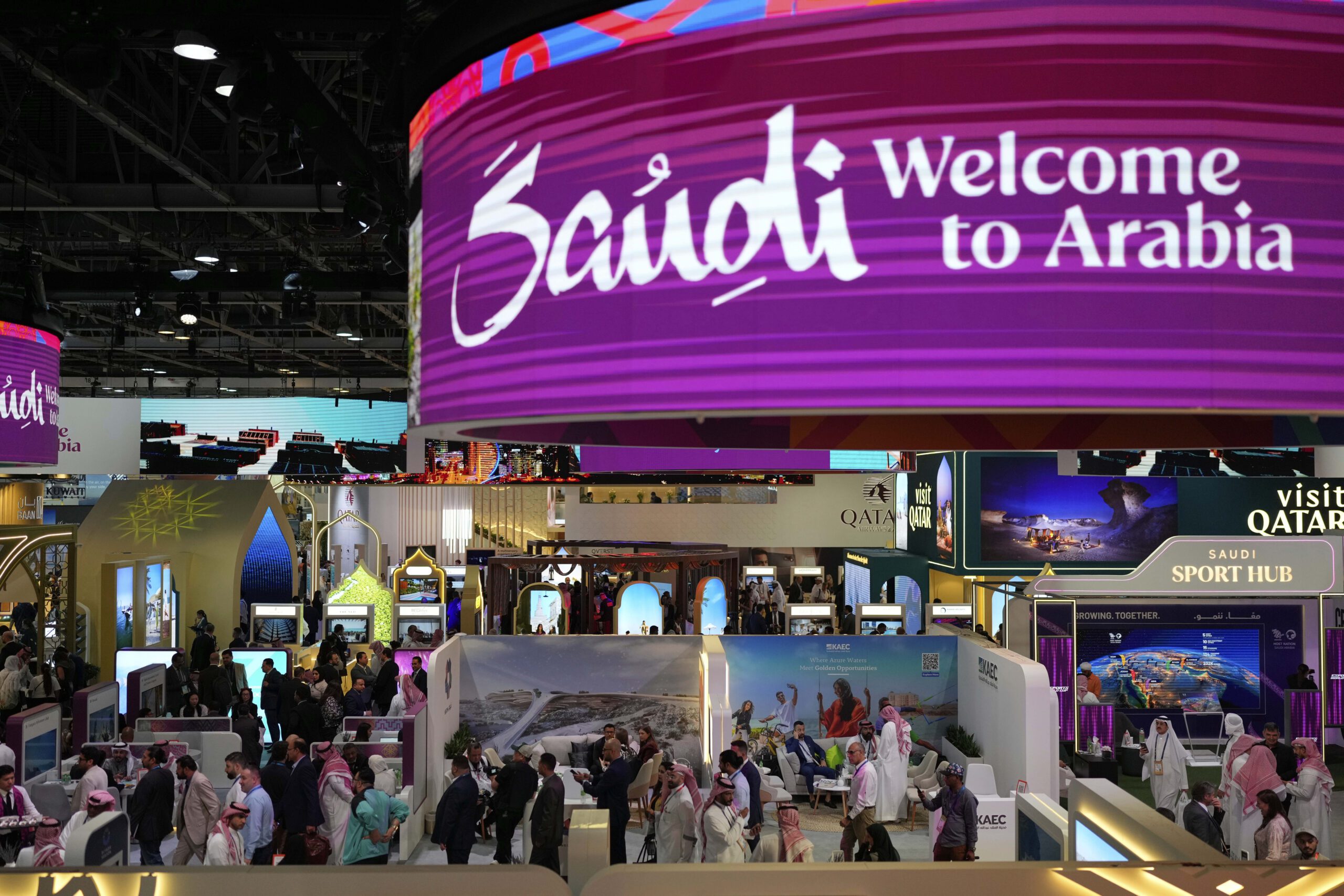
Hosting the World Cup will be a huge opportunity for Saudi Arabia, supporting Vision 2030 reforms. While preparations for the tournament will be costly, they will boost economic growth and could spur further social change.
On December 11, FIFA will announce that Saudi Arabia will host the 2034 World Cup. While this will be no surprise given the kingdom is the only bidder, the formal announcement will start the clock ticking on a decade of intense preparations ahead of the big kickoff. The 2034 tournament will be the first held in a single host country under the new expanded 48 team format. The 2026 and 2030 tournaments will also have 48 competing teams, but both will be held across multiple host countries: Canada, Mexico, and the United States in 2026 and Morocco, Portugal, and Spain in 2030.
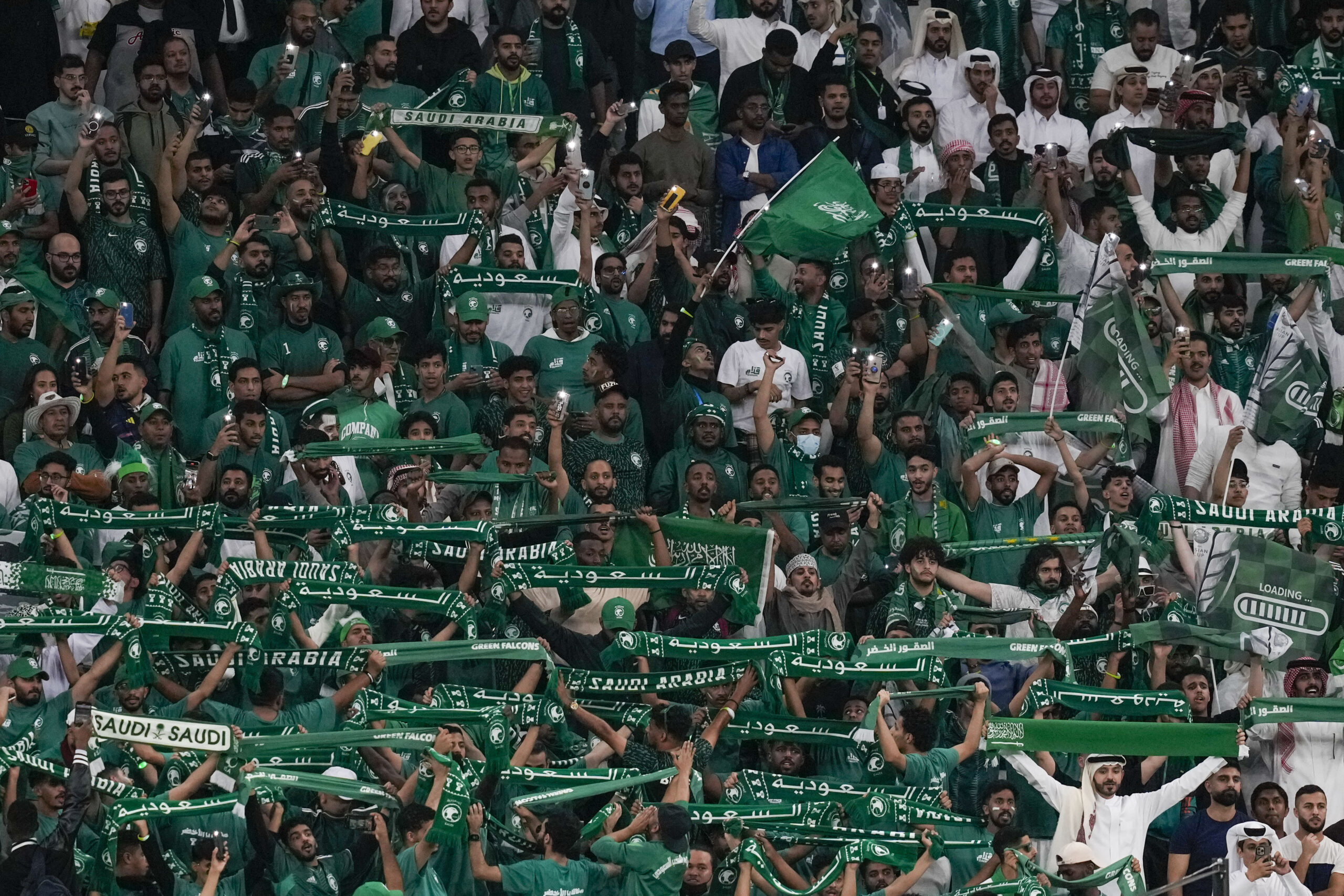
The World Cup is the most watched sporting event in the world. An estimated 5.4 billion television viewers tuned in for the 2022 tournament in Qatar, and 3.4 million people attended the matches. Hosting the 2034 World Cup therefore provides Saudi Arabia with a huge opportunity to present itself on the global stage, attract visitors to the country, and showcase the ambitious reforms that it is pursuing under Vision 2030. It will also offer the country a chance to address the criticism it has faced in certain parts of the world for its human rights record and its continued advocacy of fossil fuel usage.
The Saudi World Cup
The World Cup is the centerpiece of Saudi Arabia’s efforts to become a global player in sports and entertainment. In addition to the World Cup, Saudi Arabia will host the 2029 Asian Winter Games, 2030 World Expo, and 2034 Asian Games. There are also rumors it will eventually bid to host the Olympics.
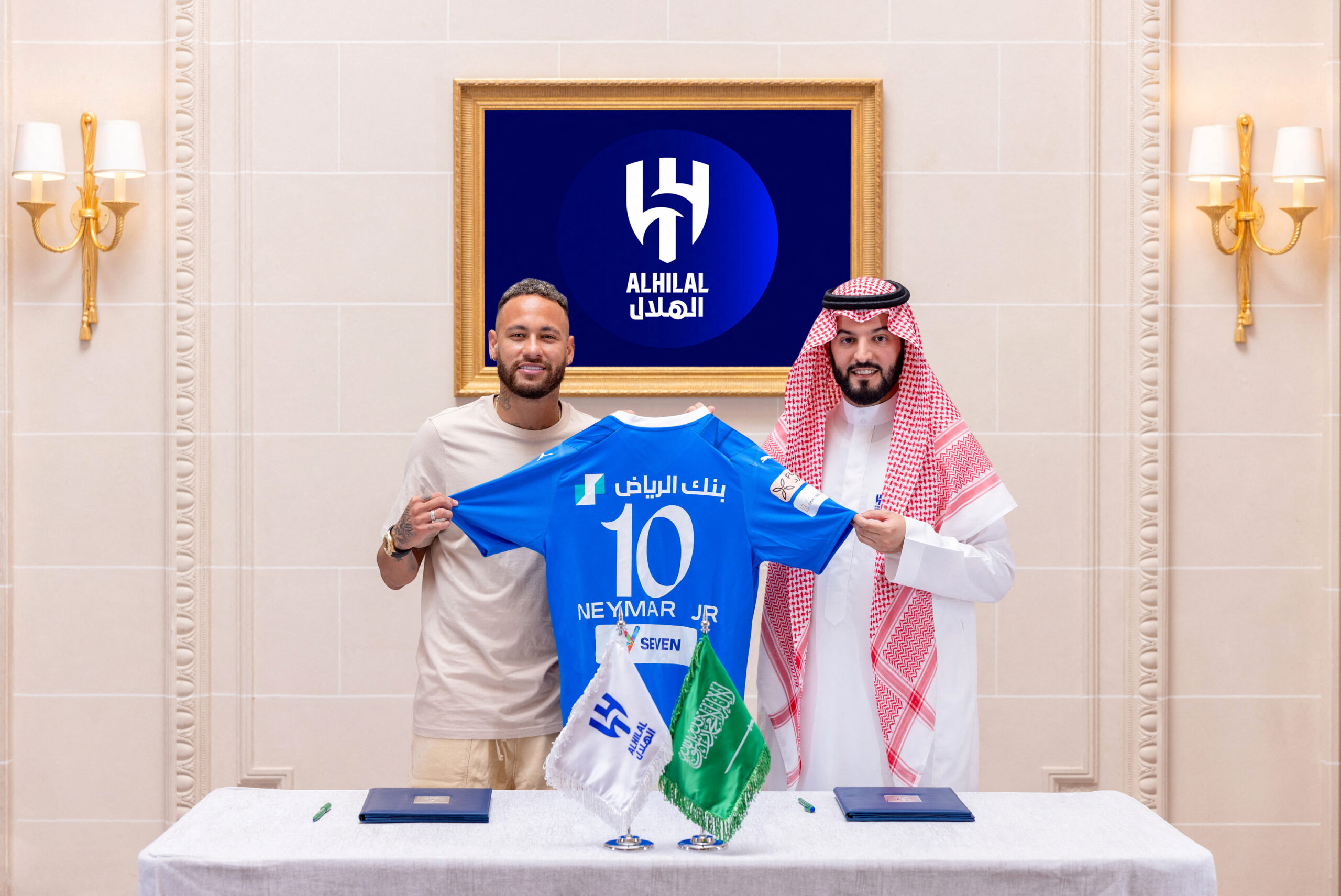
Hosting the World Cup will bring together many of the threads of the Vision 2030 reforms – sports, entertainment, tourism, and the broader commitment to improve the quality of life for Saudis through urban development. The kingdom, particularly through the Public Investment Fund, has been spending heavily on foreign and domestic sports. In football, or soccer, the PIF has invested in Newcastle United of the English Premier League and has taken majority control of four Saudi Pro League teams. These teams have been instrumental in bringing global superstars, such as Christiano Ronaldo, to the domestic league. Aramco, the national oil company, has also attained sponsorship rights for the men’s 2026 World Cup and women’s 2027 World Cup.
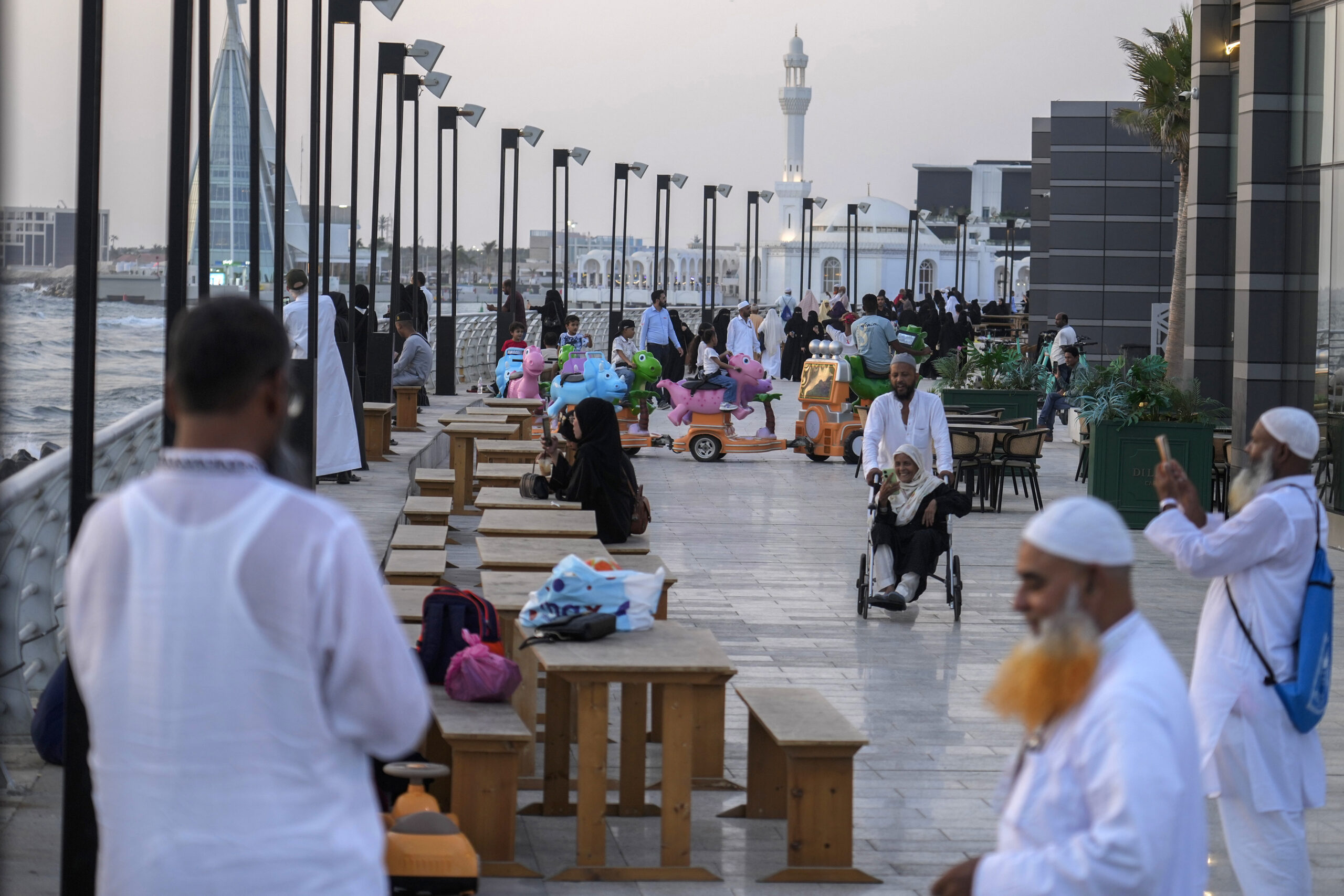
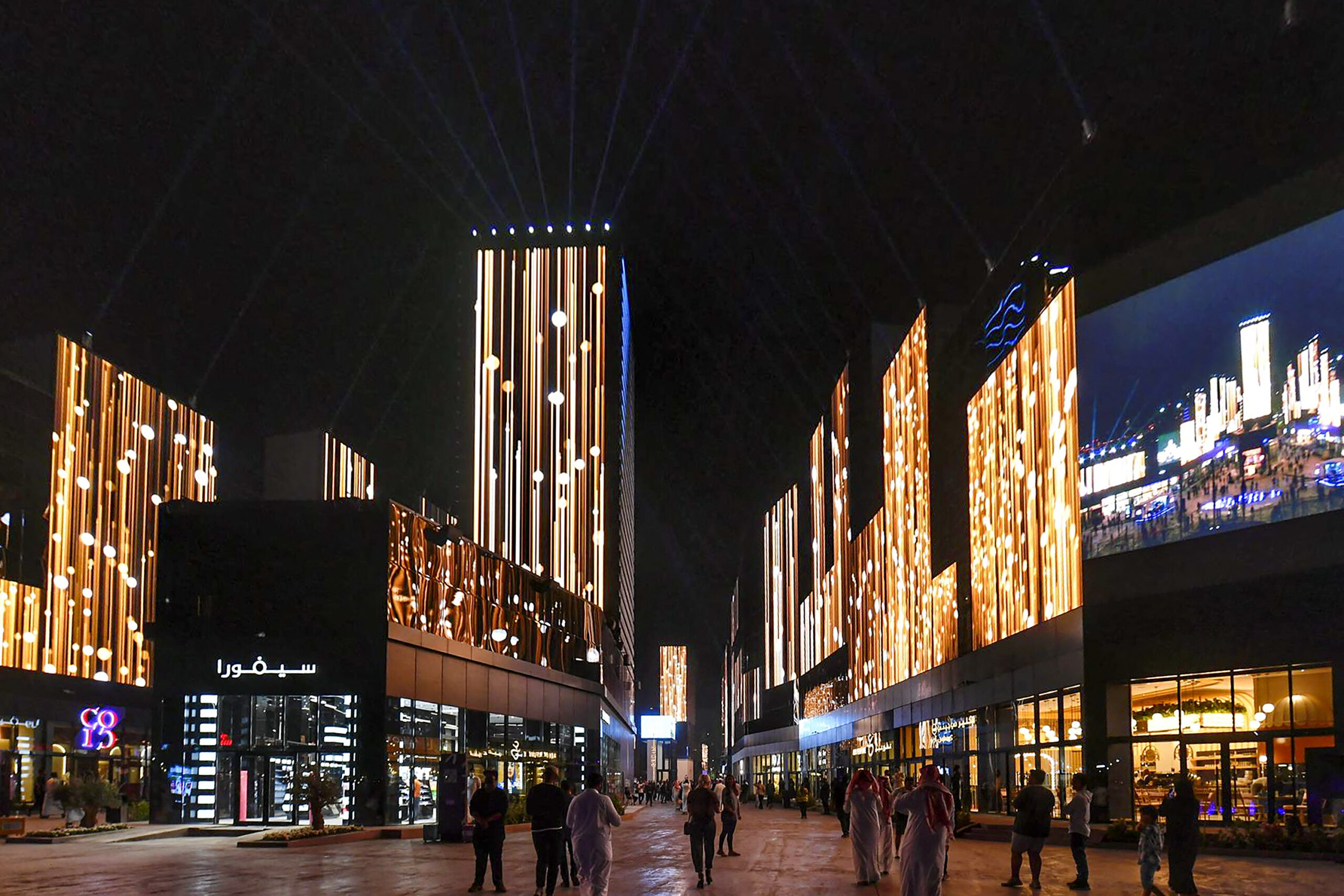
Significant investments are also being made in developing the tourism and entertainment sectors. These include heritage and culture developments at Al-Ula and Diriyah, tourism on the Red Sea coast, the sports and entertainment region of Qiddiya, and the “Saudi Seasons” festivals that present a range of sporting, entertainment, and cultural events across the country.
The World Cup Can Leave a Legacy, Ask Qatar
The economic benefits of hosting major sporting or cultural events are often questioned because of the high cost of putting in place the necessary infrastructure that can offset the new revenue that is generated. However, hosting the 2022 World Cup was an anchor for Qatar’s development strategy, underpinning the huge infrastructure development that was central to broader efforts to modernize and diversify the economy and make it more competitive. While the influx of the world’s football fandom was anticipated with some anxiety by Qatari citizens, the event was judged to be a big success. Local concern about unruly spectators did not materialize, as effective security and transportation measures, the establishment of separate fan zones, and Qatar’s decision to ban alcohol from stadiums kept things orderly. The ban on alcohol also eased the way for Qatari residents, including women, to enjoy the festivities. An early victory on the pitch by the Saudi national team over eventual champions Argentina, and the deep run of the Moroccan national team, generated an enormous amount of pride and positive adulation from the Arab world, somewhat offsetting the largely negative media that built over years of criticism about the use and treatment of the foreign labor employed to prepare for the event.
While no official figures have been published, the International Monetary Fund cites estimates of the total cost of hosting the tournament at between $200 billion and $300 billion. Forbes puts the total cost at $220 billion, which is equivalent to 92% of Qatar’s 2022 gross domestic product. Only a relatively small part ($7 billion to $10 billion) of the spending went to the construction of new stadiums. Most of the rest was spent on improving transportation infrastructure and increasing hotel capacity.
The World Cup is estimated to have provided an important boost to economic growth in Qatar. The IMF found that infrastructure investment ahead of the tournament boosted real nonhydrocarbon GDP by an average of 5-6 percentage points per year during 2011-22 and that the actual hosting of the tournament increased growth in 2022 by 0.7-1 percentage point. Around 1.4 million visitors arrived in Qatar to see the World Cup. Visitor arrivals have continued to be robust post-World Cup: In 2023, they were still nearly twice their pre-coronavirus pandemic level. This suggests that the World Cup is having a positive longer-term impact on Qatar’s economy.
Opportunities and Challenges for Saudi Arabia
Qatar can provide a benchmark of what to expect from the World Cup in Saudi Arabia. While there are significant differences in the size of the Saudi and Qatari populations and economies, the channels of economic and social impact from hosting a World Cup should be similar. Both countries are hydrocarbon dependent, rely heavily on foreign labor in their private sectors, and are implementing ambitious reform programs to modernize and diversify their economies. Also, while Saudi Arabia has a nascent leisure tourism sector, it has a long experience of managing a large influx of foreign visitors for the annual hajj pilgrimage, which brought 1.6 million people to the country in 2024.
Economic Impact
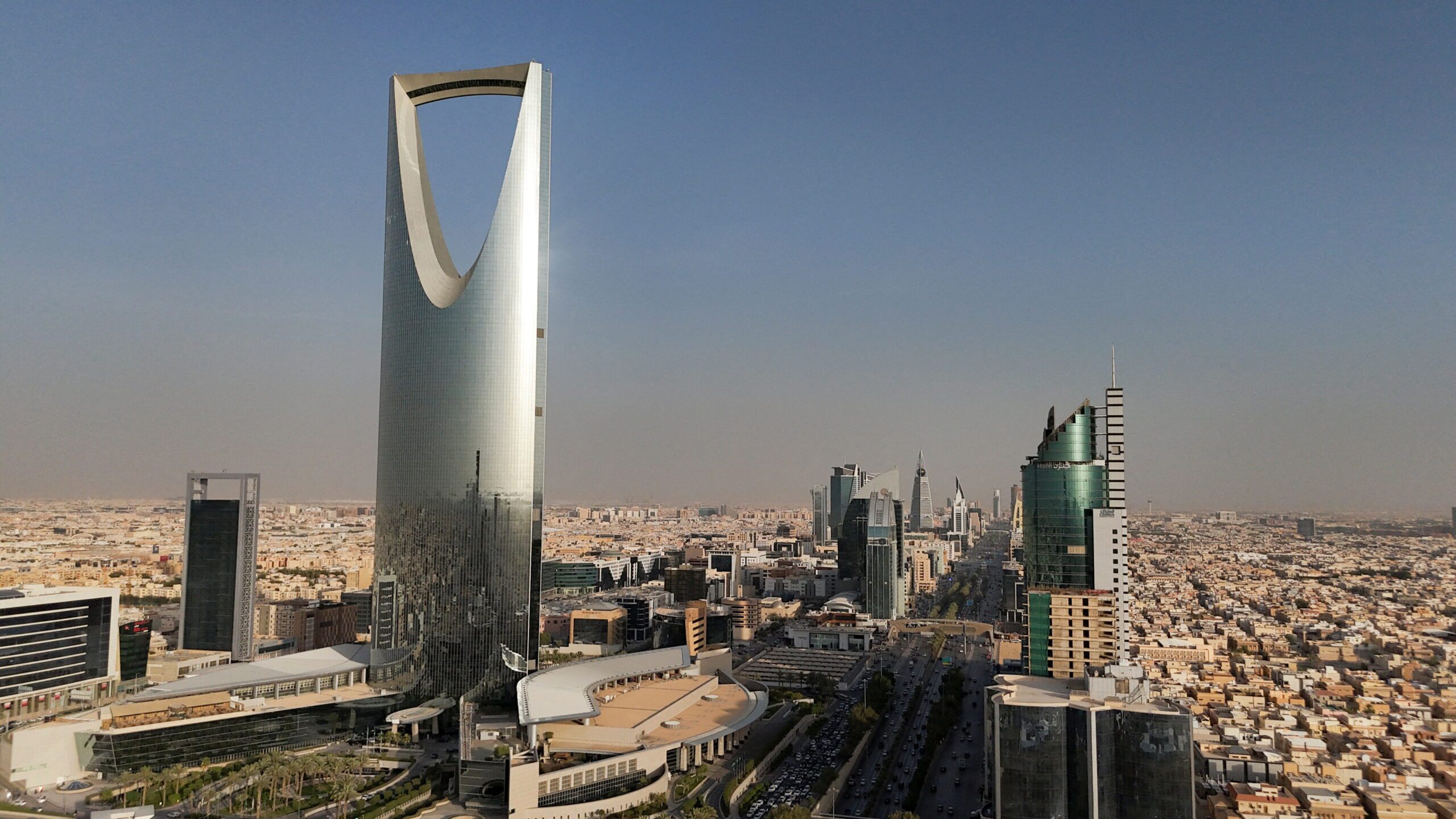
No estimate of the cost of hosting the 2034 tournament is provided in the Saudi bid book submitted to FIFA, but the envisaged scale of infrastructure development ahead of the World Cup is huge. Saudi Arabia has committed to having 15 stadiums ready for the tournament. Only four of these are currently operational, with a further three under construction. As well as significant stadium construction, substantial upgrades to transportation and hotel infrastructure will also be necessary. Much of this infrastructure spending, however, has been envisaged as part of the Vision 2030 reforms. Improvements in the air, road, rail, metro, and bus networks as well as a large increase in hotel room capacity are already underway as part of the development of the logistics and tourism sectors. Indeed, the metro system in Riyadh, where eight of the stadiums will be located, has just commenced commercial operations.
A Knight Frank report released earlier this year estimated the infrastructure and real estate projects that have been announced for Vision 2030 will cost $1.3 trillion. Not all these projects are linked to the World Cup, but at the same time the World Cup will add some additional projects that the report did not account for.
Stadium construction and transportation infrastructure upgrades could cost at least $150 billion. A rough estimate is that the 15 stadiums could cost around $25 billion to build or refurbish (this estimate is derived from the estimated stadium cost in Qatar and adjusted by subsequent inflation in U.S. construction costs and the difference in envisaged average stadium capacity). Infrastructure projects that are critical to the success of the World Cup (airport and other transportation projects) could total $125 billion. Investments will also need to be made in team training and media facilities and in providing fan zones in the country. These will add to the costs, but by how much is unclear.
The cost of providing accommodations for the players and fans is also not clear. The bid projects that 185,000 hotel rooms or rooms in serviced apartments will be added in the five host cities ahead of the tournament. This is a fourfold increase on the 47,000 rooms that are presently available. While the real estate projects identified in the Knight Frank report plan to add over 360,000 hotel rooms in the kingdom in the coming years, many of these are planned at Neom. Knight Frank identified projects in Riyadh that will add 30,000 hotel rooms, but the bid document has a planned inventory increase of 106,000 rooms in the city.
If the cost of hosting the World Cup turns out to be $250 billion, the mid-point of the estimate for Qatar, the tournament could boost real non-oil GDP growth by 1.25 percentage points per year over the next decade. The smaller estimated growth impact for Saudi Arabia relative to Qatar reflects the larger size of the Saudi nonhydrocarbon economy – the estimated cost of the World Cup is about 35% of Saudi nonhydrocarbon GDP in 2024 compared to over 400% of Qatari nonhydrocarbon GDP in 2010 (when it was awarded the 2022 World Cup). In 2034, the impact on the Saudi economy is likely to be larger, as the influx of visitors for the tournament boosts spending. The combination of more games (104 compared to 64 in 2022) and larger stadiums could generate attendance of over 5 million compared to 3.4 million in Qatar. If half of these attendees are from overseas, this would equate to 10% of tourist arrivals in the kingdom in 2023.
Hosting the tournament is not without economic risk. Ensuring that the build-out of the infrastructure is completed on time and at cost will be difficult, particularly given the multitude of other projects that are underway or planned in the kingdom. Cost overruns and project delays may be hard to avoid. Further, a sustained period of low oil revenue at some point in the next decade will put pressure on the ability to fund all the projects that are envisaged. While the World Cup and other global and regional events are among the highest priorities, other Vision 2030 projects may need to be scaled back or canceled if oil revenue is weaker than expected.
Social Impact
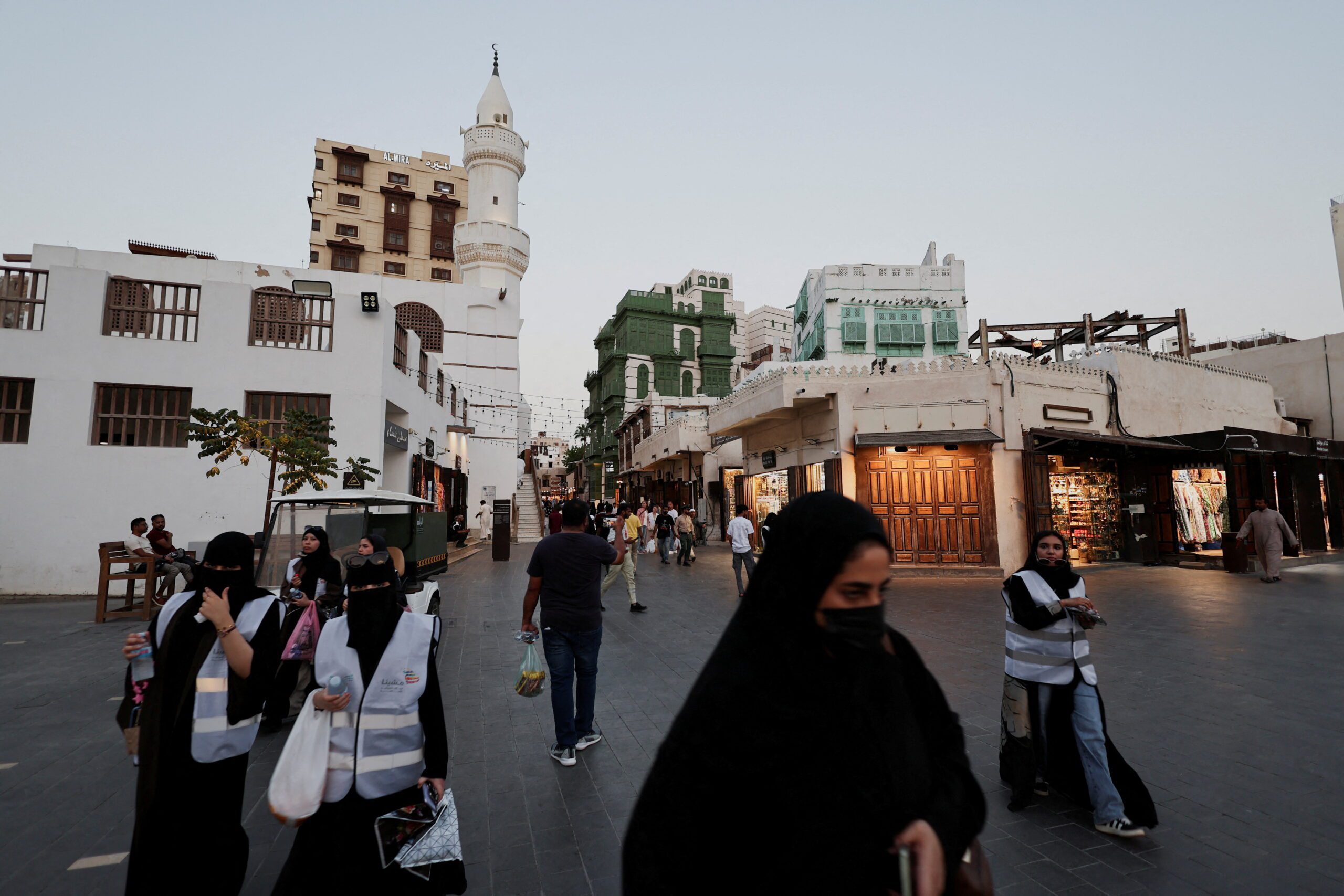
The Saudi leadership has been welcoming foreign visitors, talent, and investment to the kingdom as part of its broad economic and social opening. It will embrace the 2034 World Cup as an opportunity to build upon these international ties and to demonstrate the enormous changes that are underway. To this end, the expansive audience and diverse crowds attracted to the kingdom will be a boon. Still, there will be risks and cultural challenges in hosting such a global event.
The preparation will need to focus not just on facilities but also on human capital and managing popular expectations. The question of alcohol, banned in Saudi Arabia, will need to be considered, and if approved even under strict enforcement may prompt public backlash. International criticism, on issues from women’s empowerment to LGBTQ+ bias and human rights, are likely to prove flashpoints, as they were in Qatar. This may be especially true on the issue of expatriate labor, which is already drawing the attention of human rights organizations, such as Human Rights Watch. A recent documentary by the British broadcaster ITV claimed that more than 21,000 migrant workers have died during construction of Saudi Vision 2030 megaprojects, although these allegations have been denied by Saudi authorities. Restrictions on foreign workers continue. While limited reforms to the sponsorship, or kafala, system, were undertaken in 2021 to allow some workers to change jobs more easily or to request an exit permit without a sponsor’s consent, it is not clear how effective these reforms have been in practice. Saudi Arabia may benefit from following Qatar in this experience and from the additional time it has to consider further reforms and prepare its own public and international audiences for these changes.
A Boon for the Region?
Saudi Arabia’s hosting of the World Cup will provide positive growth spillovers to the region, although the direct, near-term impact on neighboring Gulf countries is likely to be modest. According to the IMF, the United Arab Emirates was the largest recipient after Qatar of World Cup-related tourism with a growth contribution of around 0.1% of GDP in 2022. Such “positive regional spillovers” were significantly smaller than the near-term contribution to the host’s economy. The World Cup in Saudi Arabia should nevertheless incentivize Gulf Cooperation Council states to implement the unified tourist visa and will afford them ample time to smooth out any mobility-related frictions within the bloc. The Schengen-like visa, known as GCC Grand Tours, is expected to be available by the end of 2024 or early 2025.
The influx of World Cup-related visitors presents regionwide opportunities. There will be a boost to air traffic in Gulf countries, particularly for the UAE and Qatar, where the aviation sector plays a key role in the economy. Qatar’s two major commercial airports welcomed more flights from Al Maktoum International Airport than any other airport during the 2022 World Cup. Saudi airlines, including the new Riyadh Air, which is expected to begin operations in 2025, will seek to capitalize on future tourism inflows as will other established regional operators.
Other potential regional spillovers that are harder to quantify may unfold over the longer term. Saudi spending on infrastructure and real estate projects related to the World Cup can help sustain a sense of regional economic momentum. Saudi Arabia accounts for around half of the GCC bloc’s nominal GDP, and the economic transformation agenda under Saudi Vision 2030 has generated substantial interest for international businesses and investors. Firms based in the region are likely to benefit from contracts awarded for World Cup construction and other activities associated with preparing for the tournament. Continued economic momentum in the Gulf will provide a stronger foundation for regional governments and firms to highlight their competitive advantages in the years leading up to 2034 and beyond. Moreover, a successful 2034 World Cup will further grow the global familiarity with and reputation of the Gulf region – not just Saudi Arabia – as a hub for top-tier, high-profile events.
The views represented herein are the author's or speaker's own and do not necessarily reflect the views of AGSI, its staff, or its board of directors.
The boom in tourism is boosting external revenue, employment, and growth, but it is also contributing to higher imports and remittance outflows that have negatively affected the current account balance.
Saudi Arabia's successful bid to host the 2034 World Cup and aggressive recruitment of top players from elite football clubs across Europe mark another audacious play for state-financed entry into global sports.
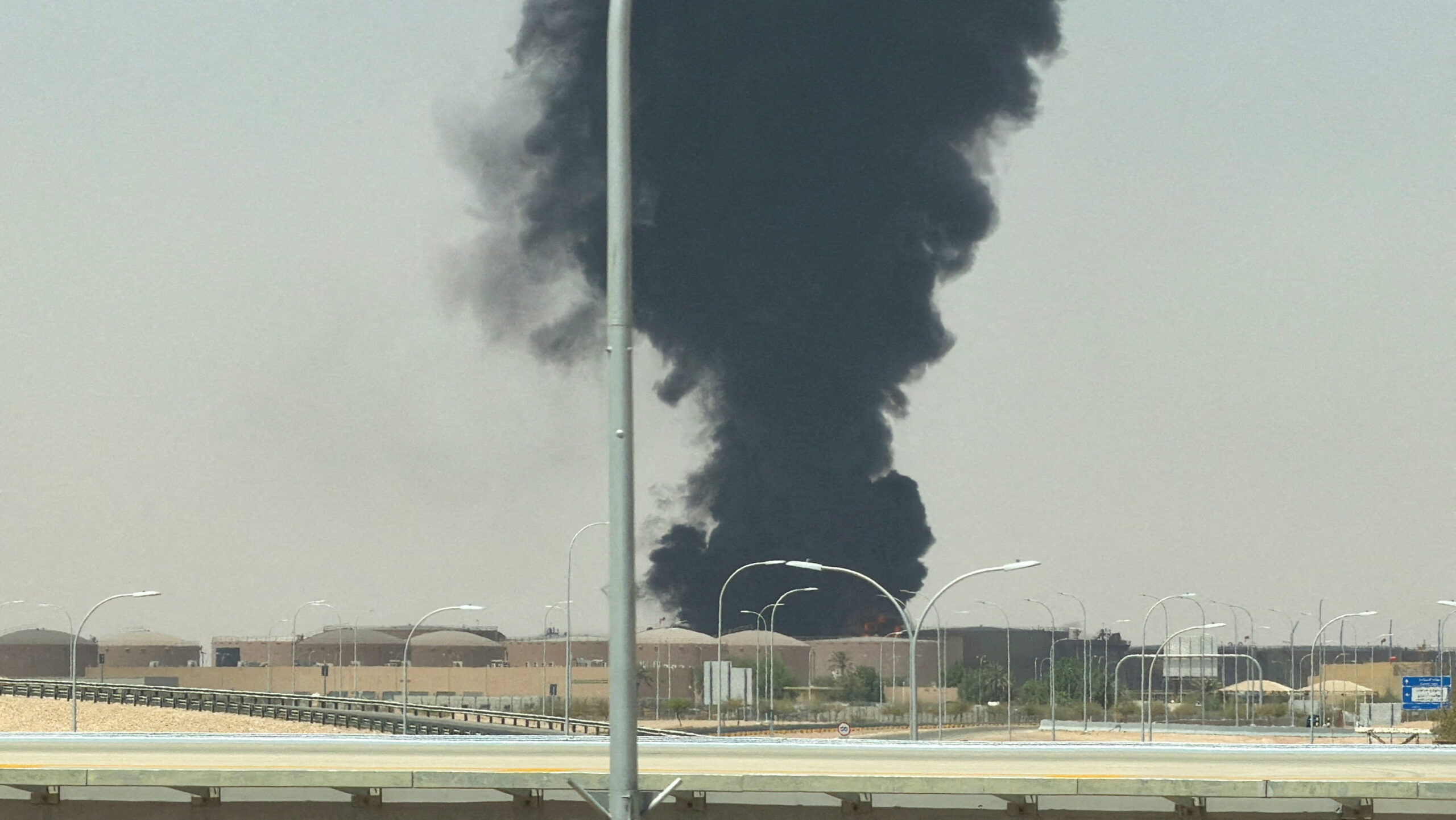
Attacks on the East-West oil pipeline and other targets in Saudi Arabia will result in a larger-than-expected economic contraction in the kingdom this year.
The outbreak of the Iran war has halted the deepening of the economic relationship between the United States and the Gulf countries. While likely temporary, it could take some time before the upward trajectory is restored.
The impact of the Iran war on the Saudi economy has been mitigated by investments in “economic resiliency,” including the East-West oil pipeline, relatively prudent fiscal policy, and the accumulation of a large stock of foreign financial assets.
On January 8, AGSI hosted a virtual roundtable with its leadership and scholars as they look ahead and assess trends likely to shape the Gulf region and U.S. foreign policy during the coming year.
Syria hopes to use the Iran war to deepen its connection to its Gulf Arab partners. Can it compete for inclusion within the regional security order and emerging trade corridors?
The imperative for Gulf states to unify their position has grown since the onset of Iranian attacks on their countries. Yet under conditions of uncertainty about the U.S. position and the war's outcome, Gulf states are demonstrating differing regional alignments and preferences for managing the crisis.
Caught between Iranian strikes and U.S.-Israeli pressure to join the fight, Gulf Arab states strive to maintain their autonomy over decision making, playing defense and preserving the space to maneuver when the war ends.
Beijing keeps treading carefully around conflict in the Middle East while seeking opportunities to deepen ties with key country partners through a longer-term regional engagement strategy.
The UAE’s decision to halt trade and commercial ties with Iran reflects an exercise in applying carefully calibrated geoeconomic pressure amid an uncertain and evolving geopolitical context.