Saudi Arabia
Sep 17, 2026
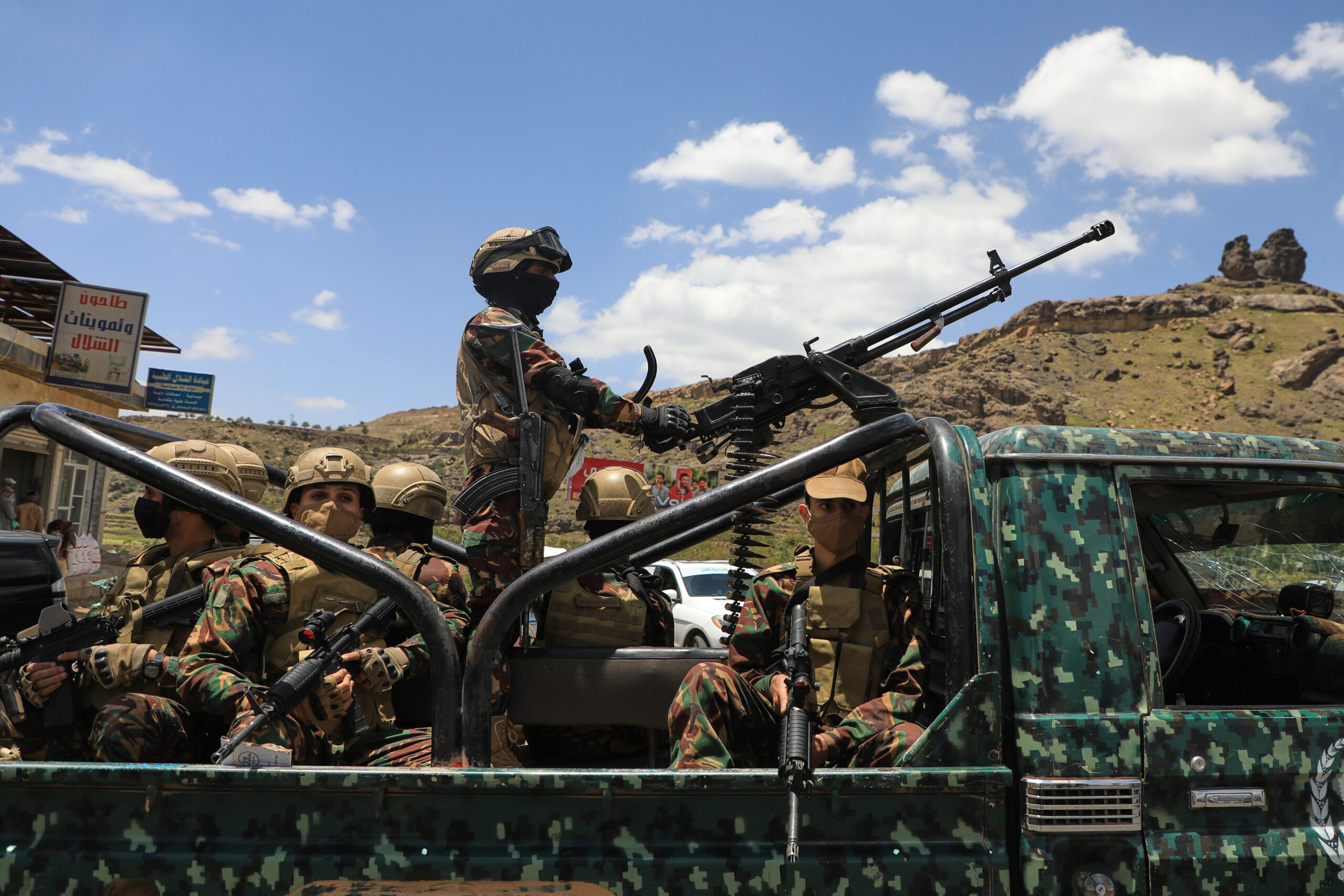
Saudi Arabia’s Grim Options as the Houthis Storm Mokha
In tandem with President Trump’s refusal to offer help with the Houthis, the Saudis are facing grim options to reverse Houthi military successes and a chokehold over their oil exports.

Sep 11, 2026
Future Gulf Economic Resilience in Energy, Infrastructure, and Influence
How the Gulf states choose to invest now could determine not just how they survive this crisis but how they sustain their role as both allocators and magnets of capital and superpowers in the global energy system.


Sep 8, 2026
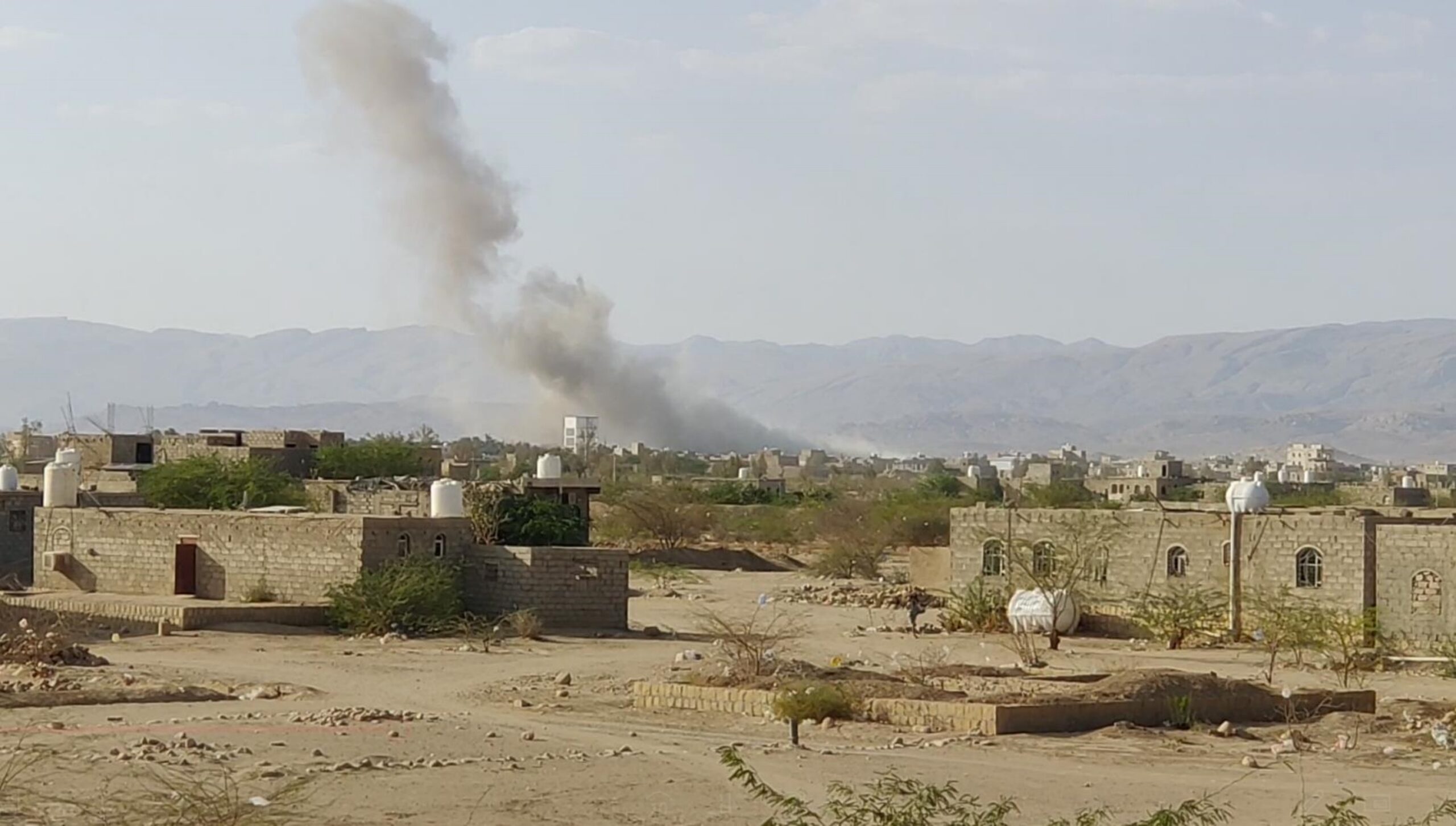
Yemen’s Strategic Reckoning? The Houthis and the Expanding Regional War
On September 10, AGSI hosted a discussion on the latest escalation between the Houthis and Saudi Arabia.



Sep 3, 2026
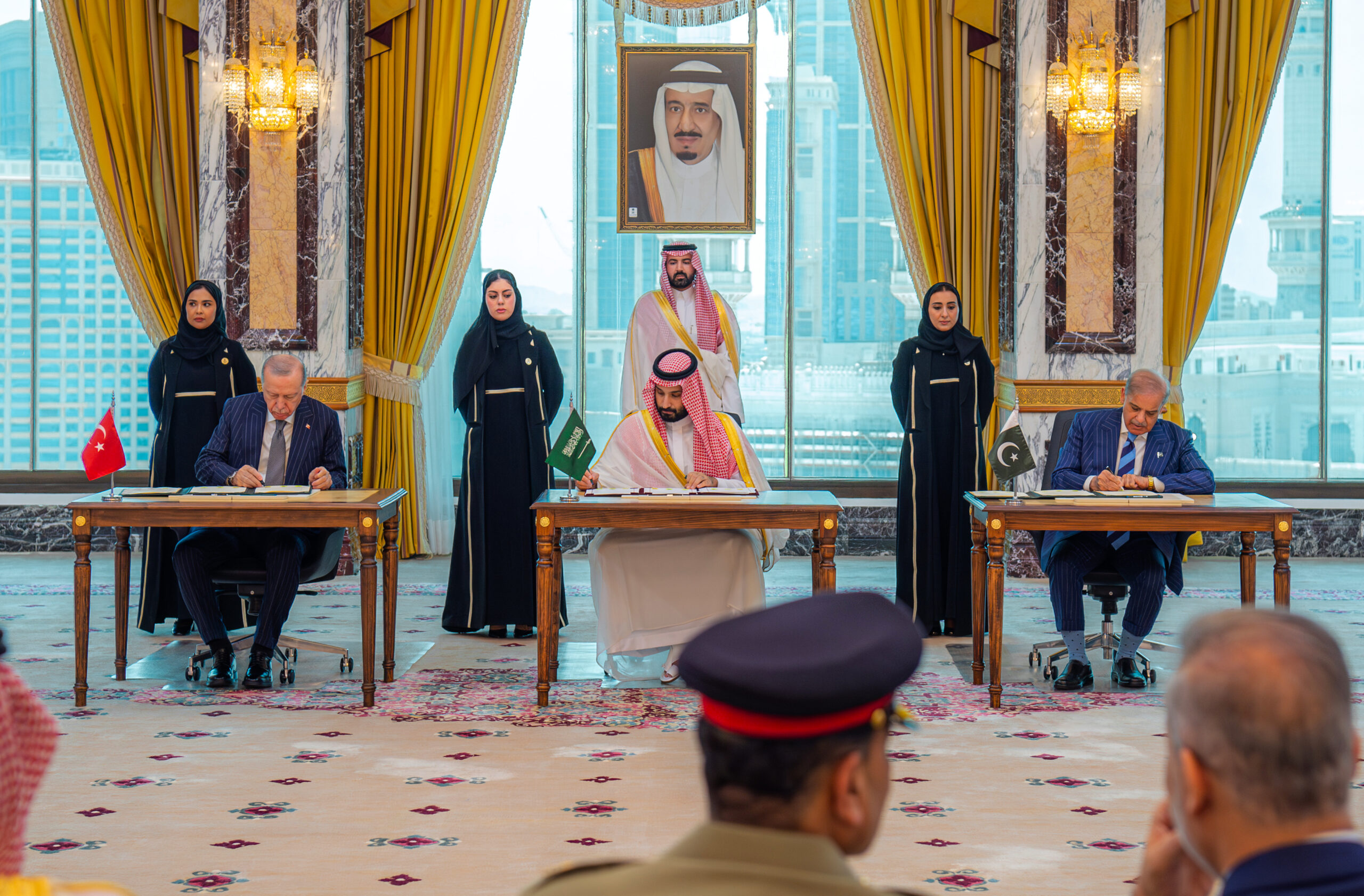
Saudi Arabia’s Strategic Recalibration?
On September 15, AGSI hosted a discussion on Saudi Arabia's positioning within the emerging regional political and security order.


Sep 3, 2026
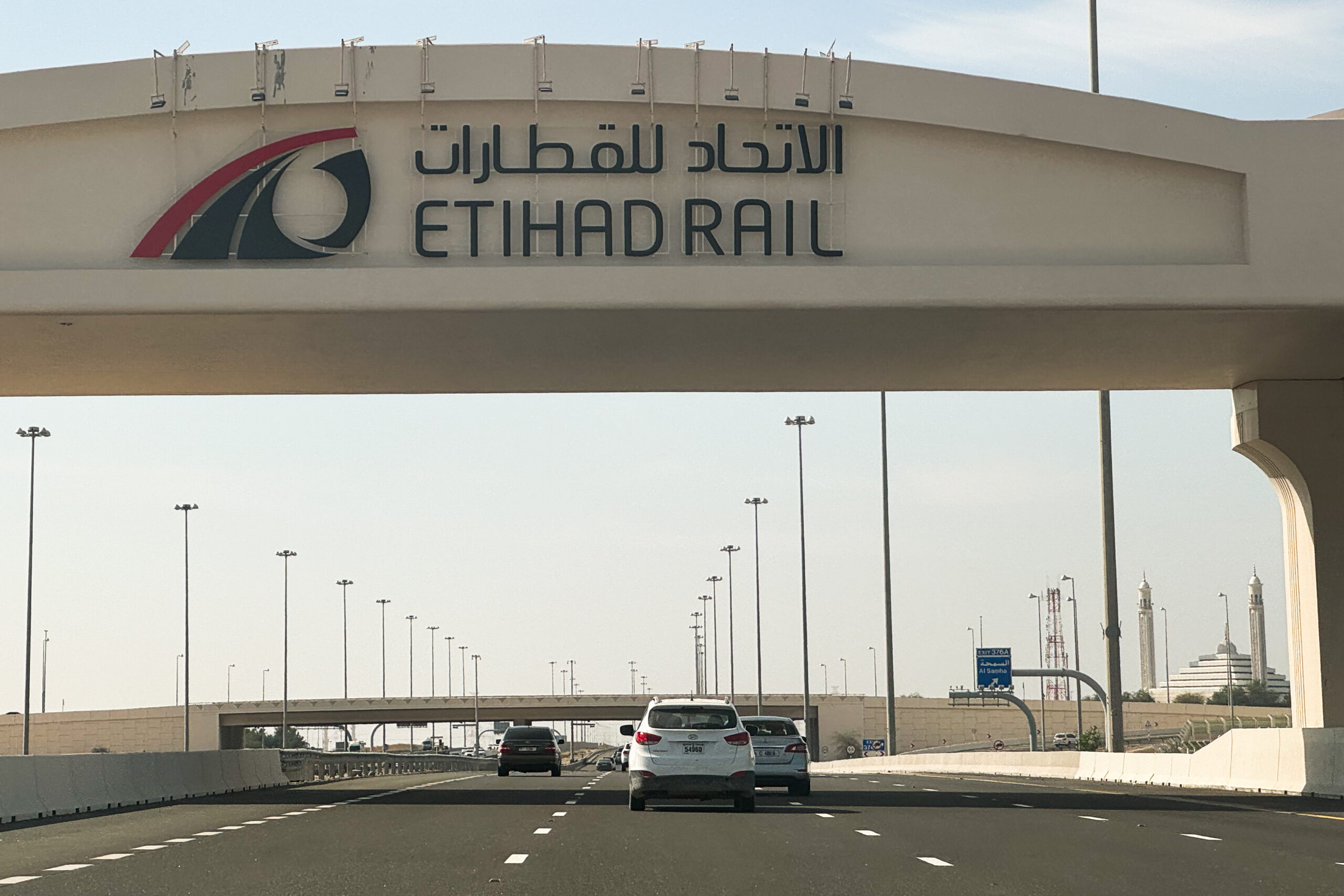
The Gulf Economic Infrastructure Buildout
Gulf countries are at the center of an emerging regional economic infrastructure expansion, but the implications will be global in nature.

Sep 1, 2026
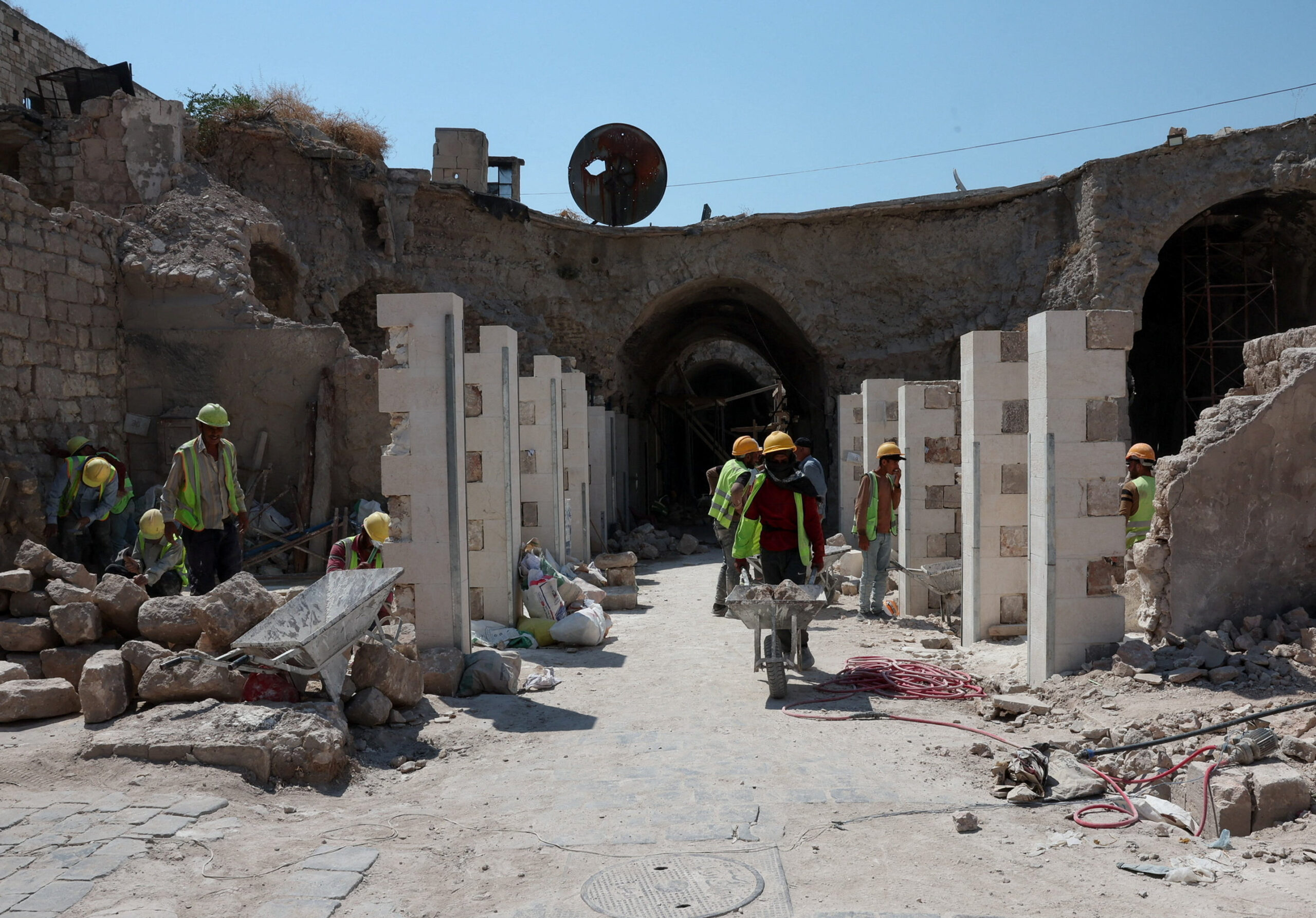
Gulf States Divide the Work of Rebuilding Syria
Saudi Arabia, the UAE, and Qatar are each anchoring a different piece in the rebuilding of Syria’s infrastructure, turning investment and reconstruction into an informal division of labor.

Aug 18, 2026
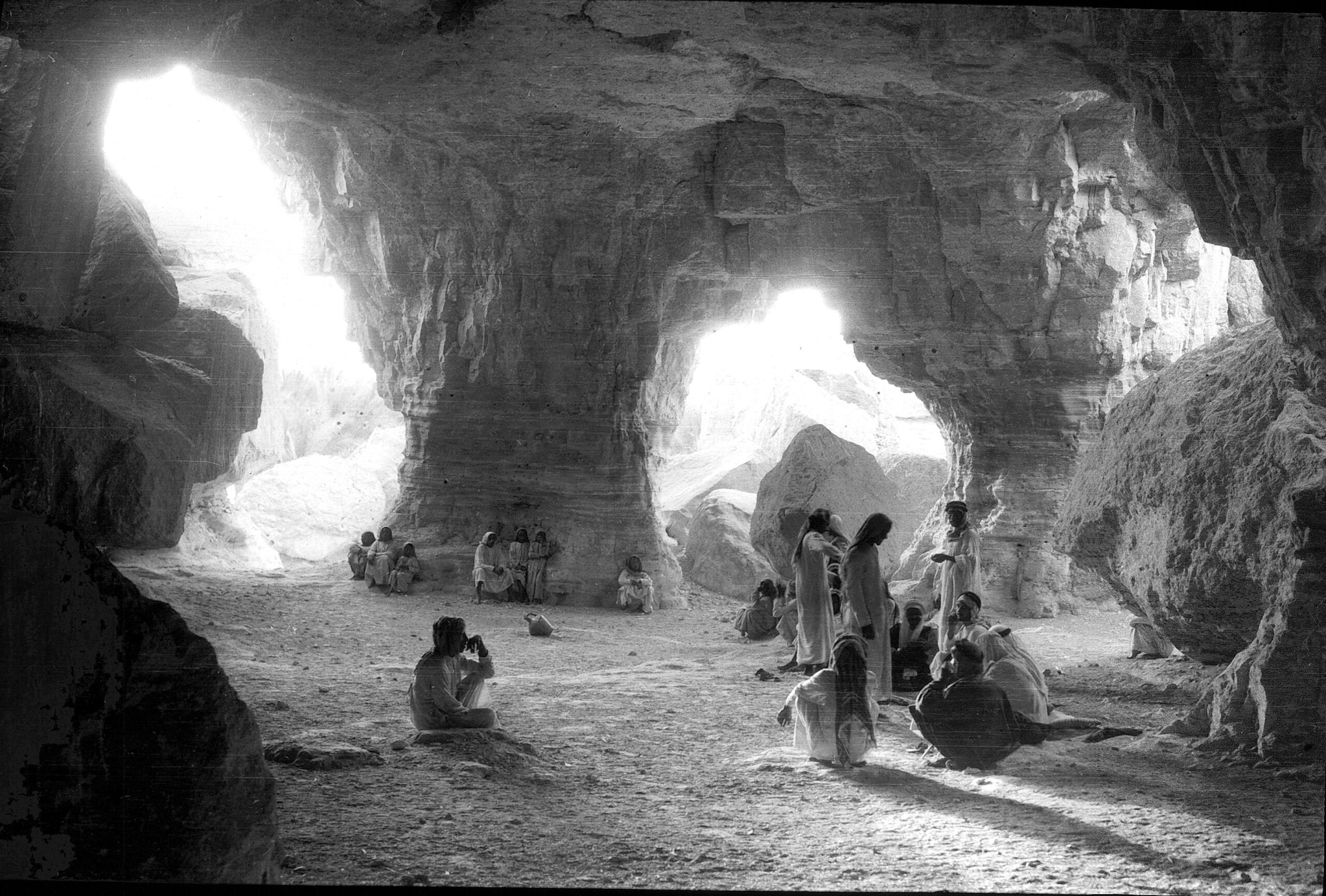
Al-Falaj Connects Researchers to the Scattered Archives of Arabia
Saudi author and anthropologist Ghada AlMuhanna Abalkhail launched al-Falaj, an open access digital directory, to help users explore the Arabian Peninsula's visual and documentary heritage.

Aug 13, 2026
The New Trilateral Axis and the Iraqi Dilemma
As the September deadline for the U.S. troop drawdown approaches, Iraq’s period of comfortable neutrality is ending, but the country’s policymakers should not rush into unsustainable alignments.