Regional Affairs
Sep 11, 2026
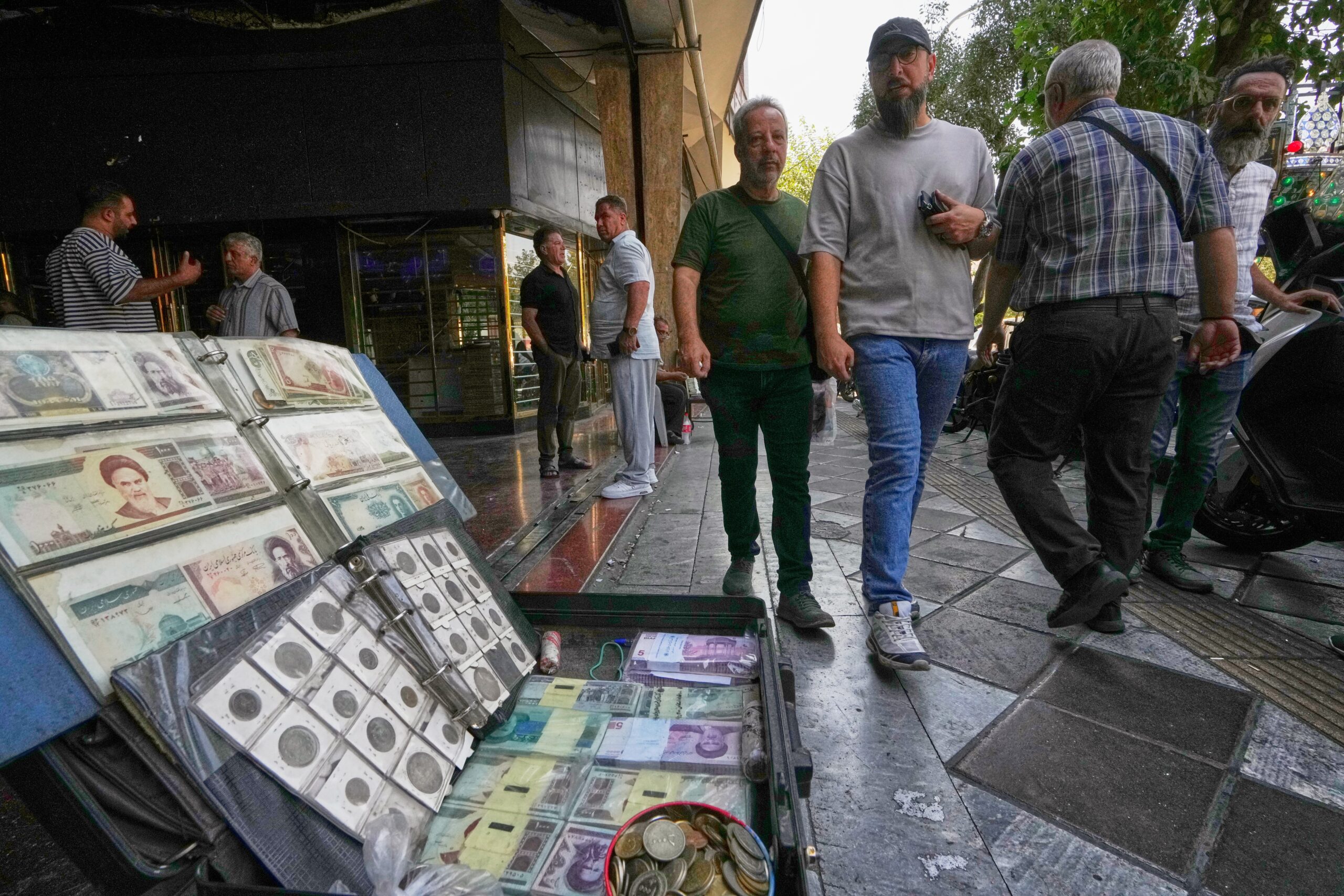
Future Gulf Economic Resilience in Energy, Infrastructure, and Influence
How the Gulf states choose to invest now could determine not just how they survive this crisis but how they sustain their role as both allocators and magnets of capital and superpowers in the global energy system.


Sep 8, 2026
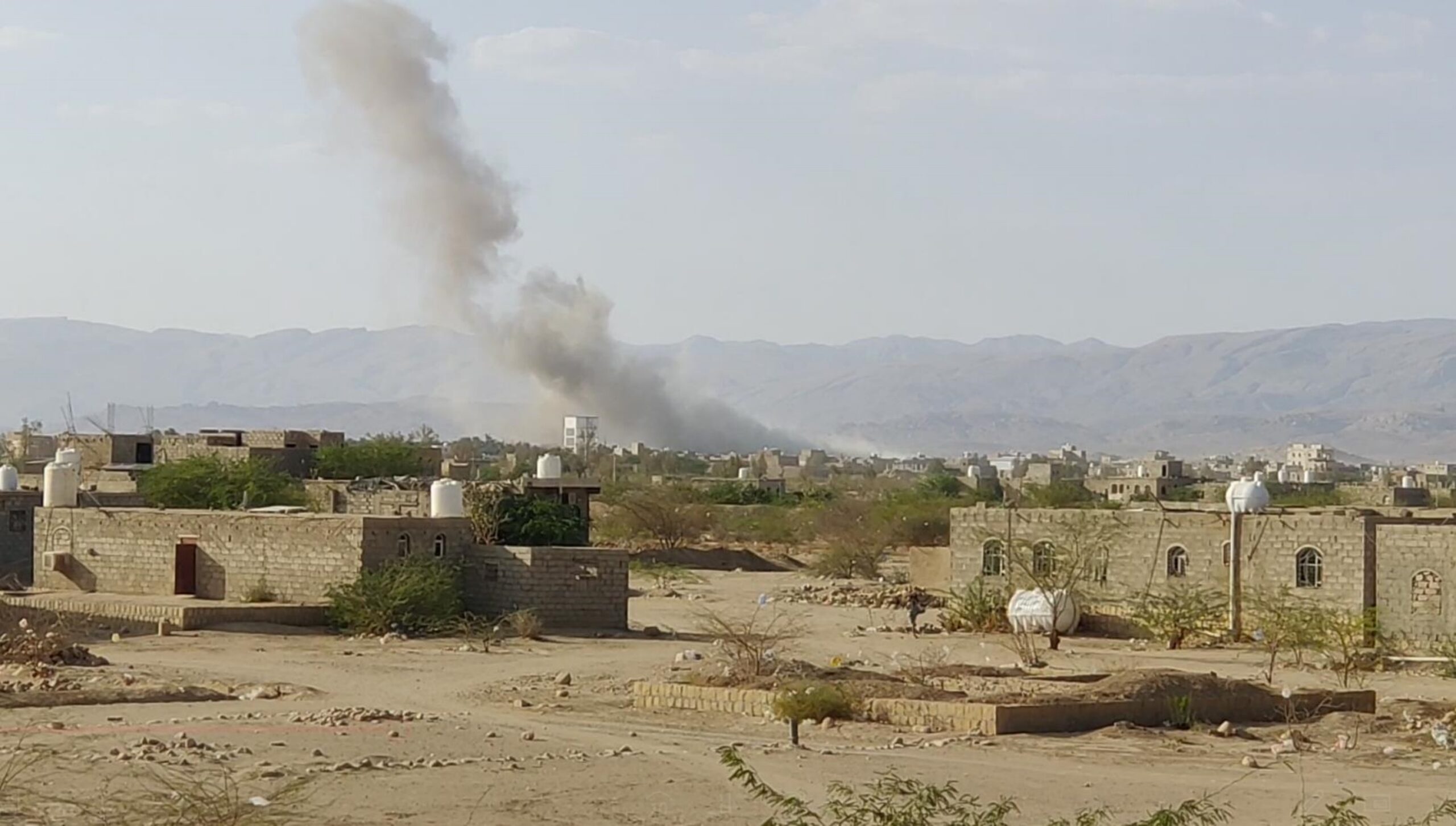
Yemen’s Strategic Reckoning? The Houthis and the Expanding Regional War
On September 10, AGSI hosted a discussion on the latest escalation between the Houthis and Saudi Arabia.




Sep 8, 2026
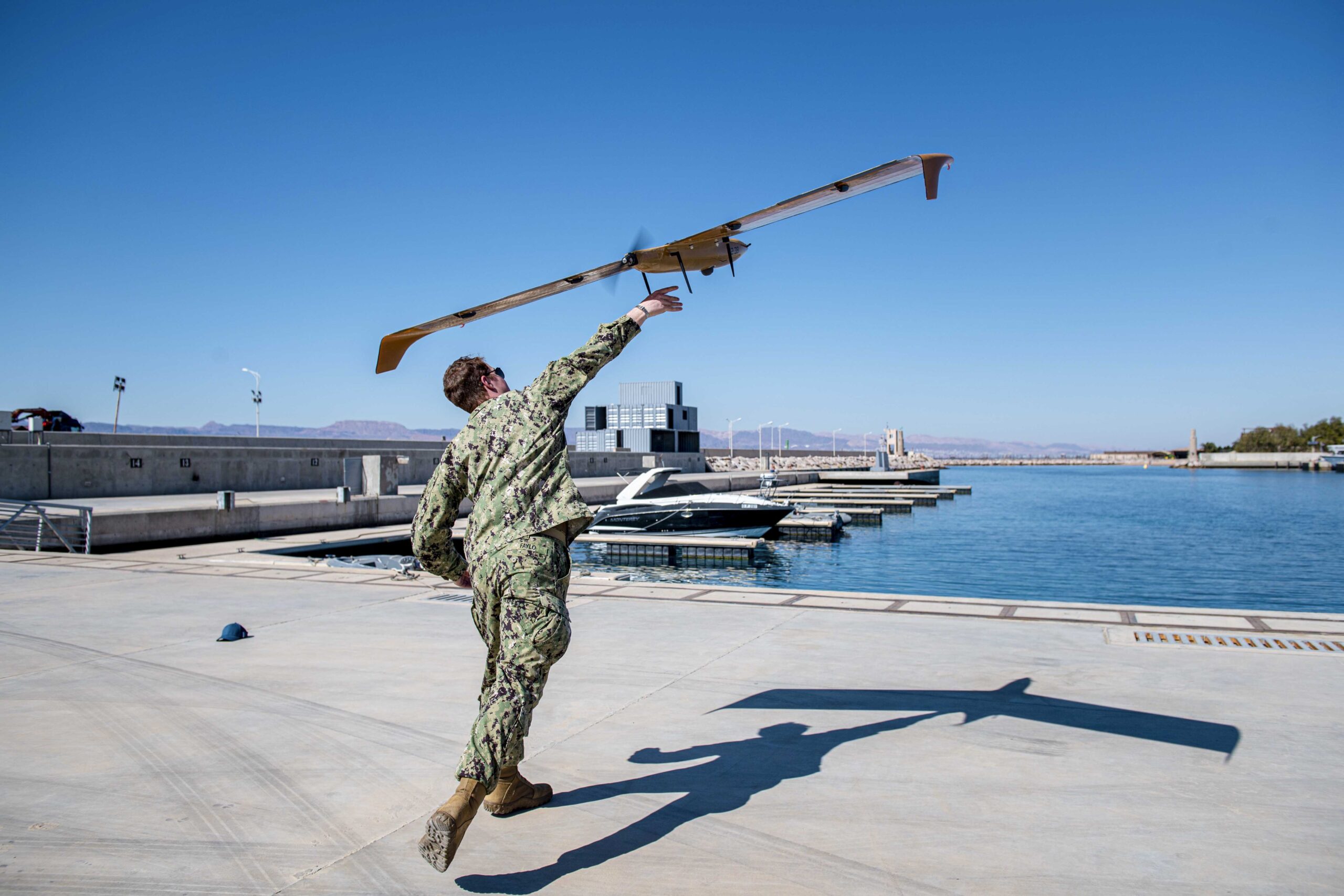
Emerging Technologies and U.S. Military Power in the Gulf
U.S. force projection in the Gulf is increasingly relying on artificial intelligence, unmanned platforms, and space technology, using these systems to augment existing military infrastructure.

Sep 3, 2026
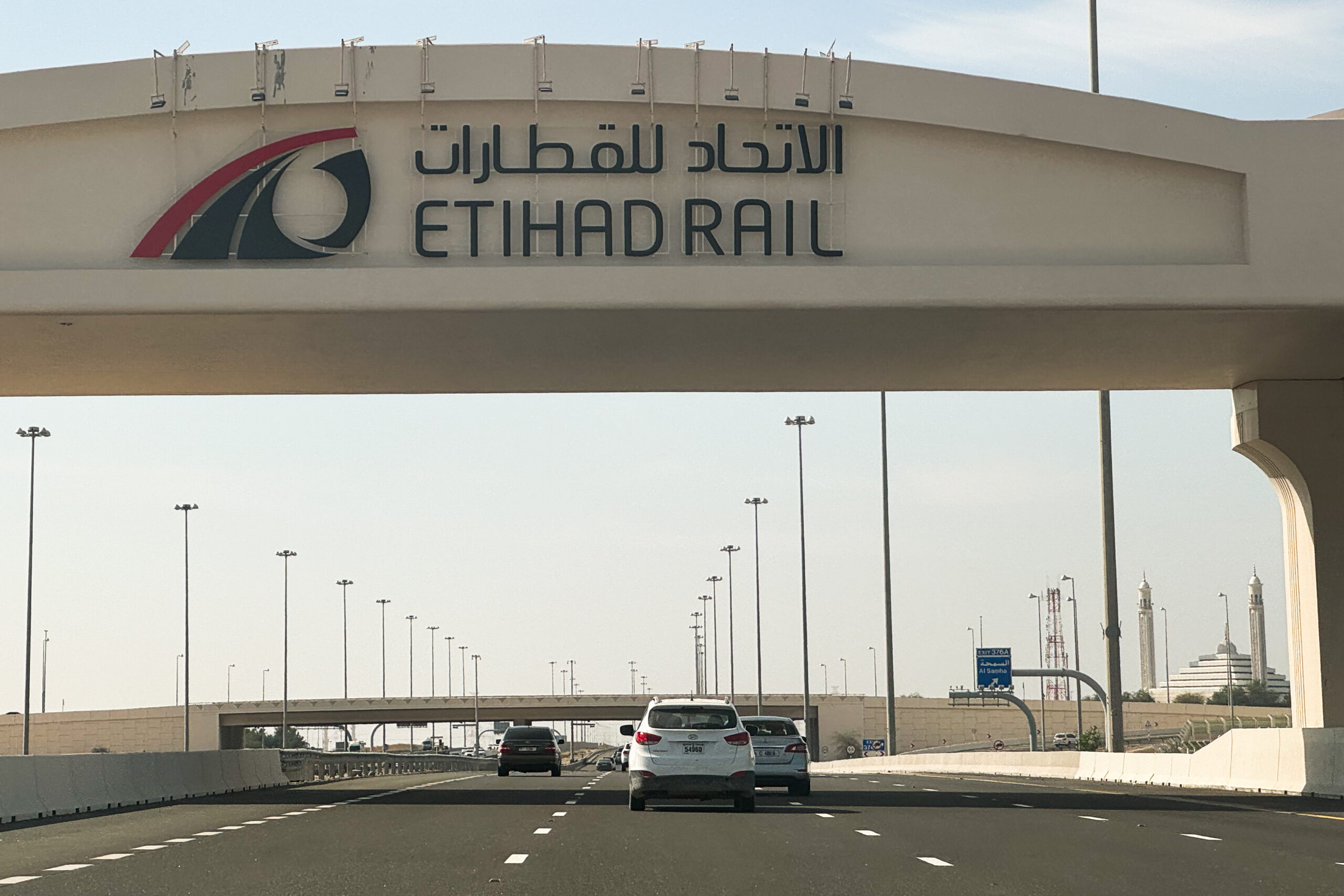
The Gulf Economic Infrastructure Buildout
Gulf countries are at the center of an emerging regional economic infrastructure expansion, but the implications will be global in nature.

Sep 2, 2026
Preparing for the Gulf’s Economic Infrastructure Buildout
On September 9, AGSI hosted a discussion on Gulf infrastructure development post-Iran war.



Sep 1, 2026
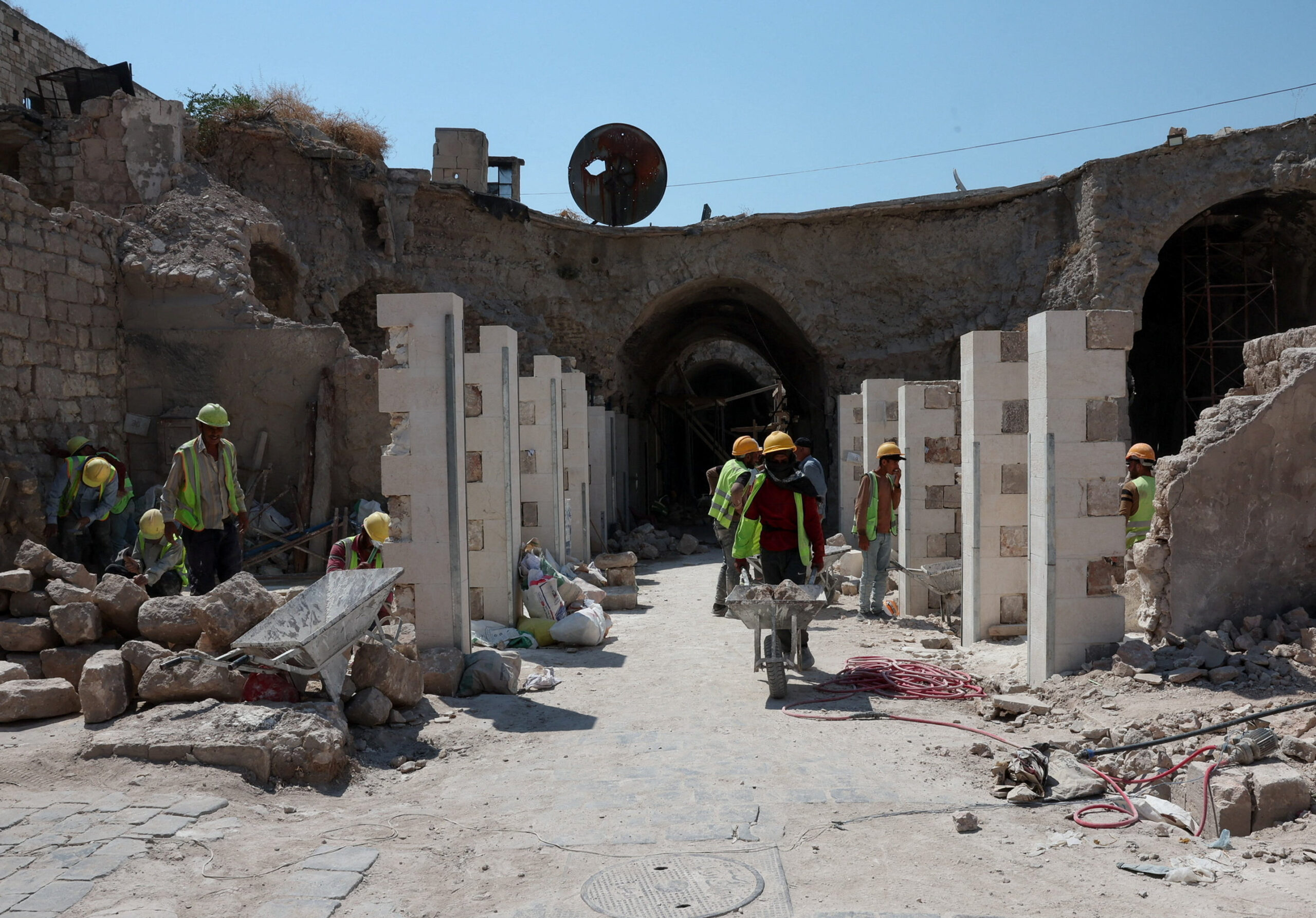
Gulf States Divide the Work of Rebuilding Syria
Saudi Arabia, the UAE, and Qatar are each anchoring a different piece in the rebuilding of Syria’s infrastructure, turning investment and reconstruction into an informal division of labor.

Aug 31, 2026
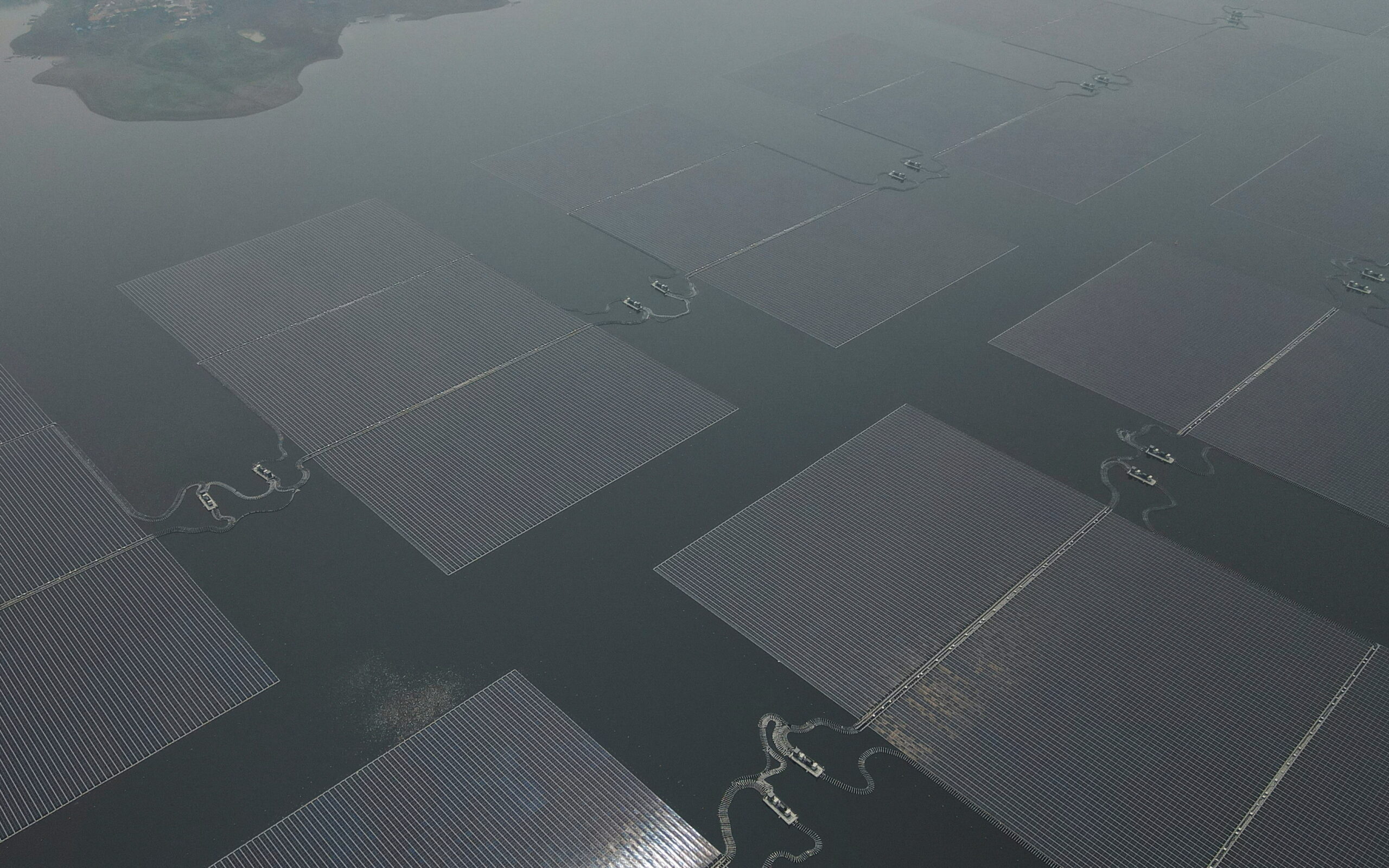
The Iran War and the Gulf’s Clean Energy Ambitions
The conflict has turned renewables into security assets at home, and rendered them far more expensive to build out, while Gulf states send clean energy capital abroad.

Aug 28, 2026
Operation Economic Outcast: Will Economic Pressure on Iran Work, and Are the Gulf Countries On Board?
On September 2, AGSI hosted a discussion on the new U.S. sanctions against Iran.