The oil market is no longer anchored by a shared baseline. Instead, it is being pulled in different directions by competing assumptions about geopolitics, prices, and economic resilience.
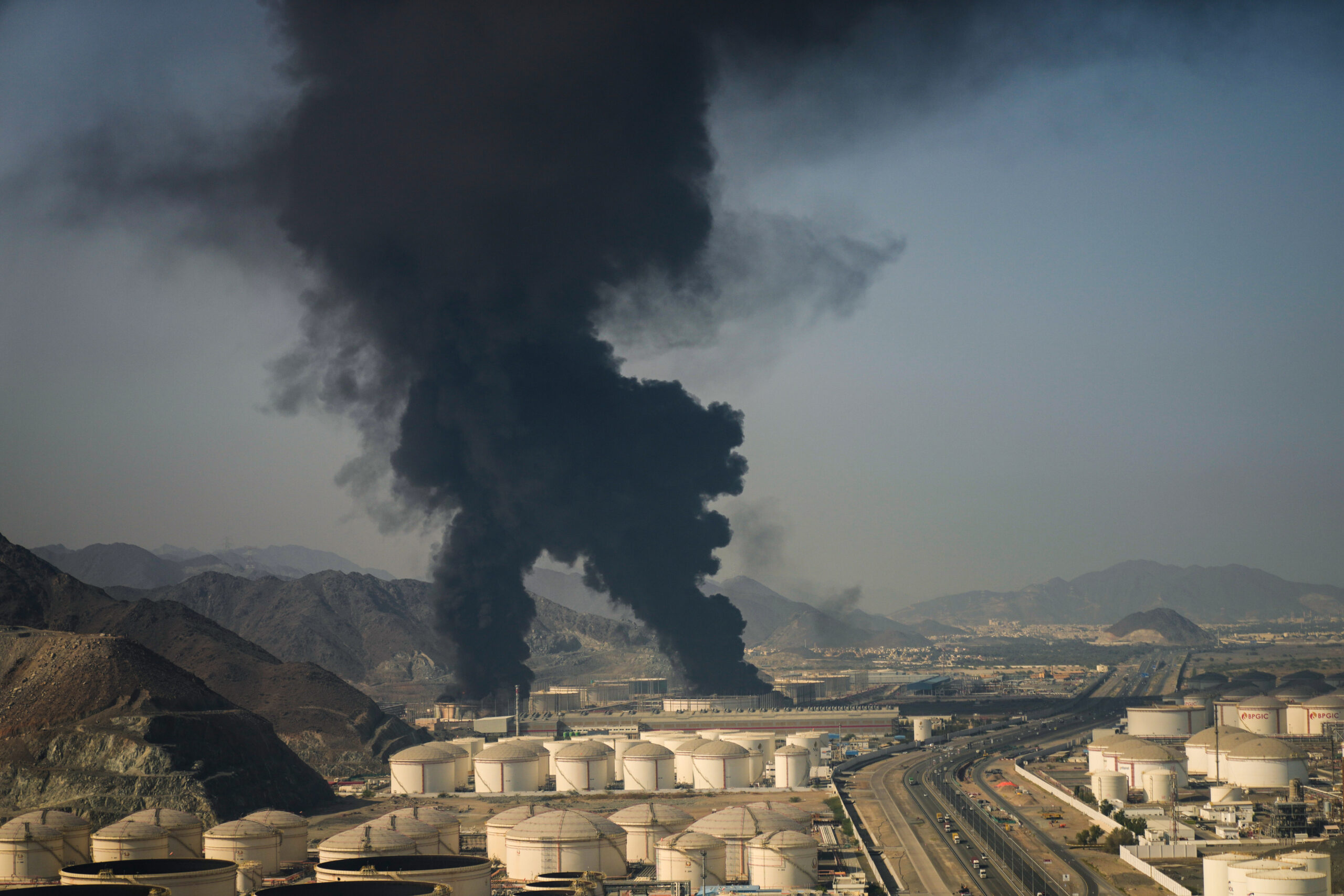
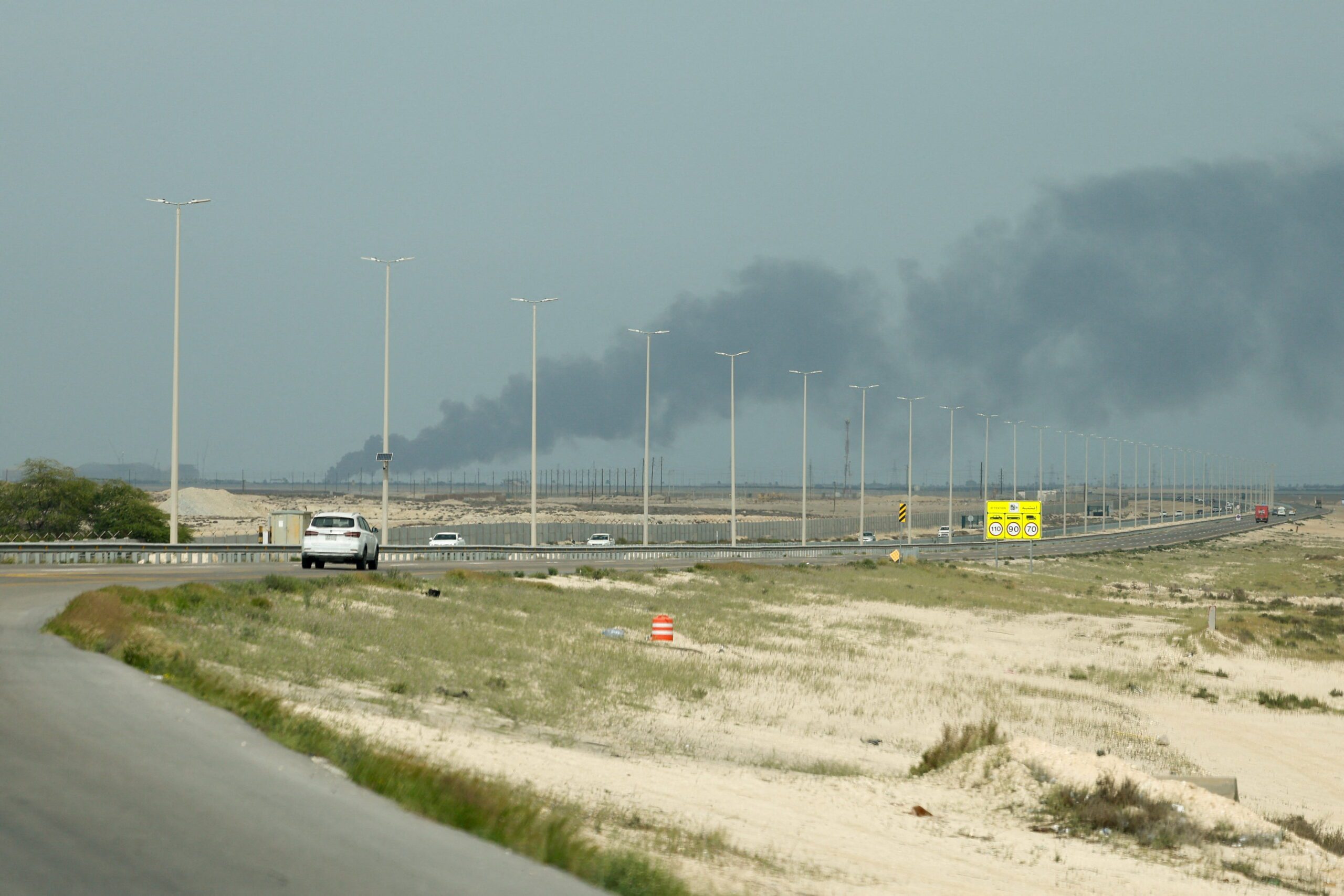
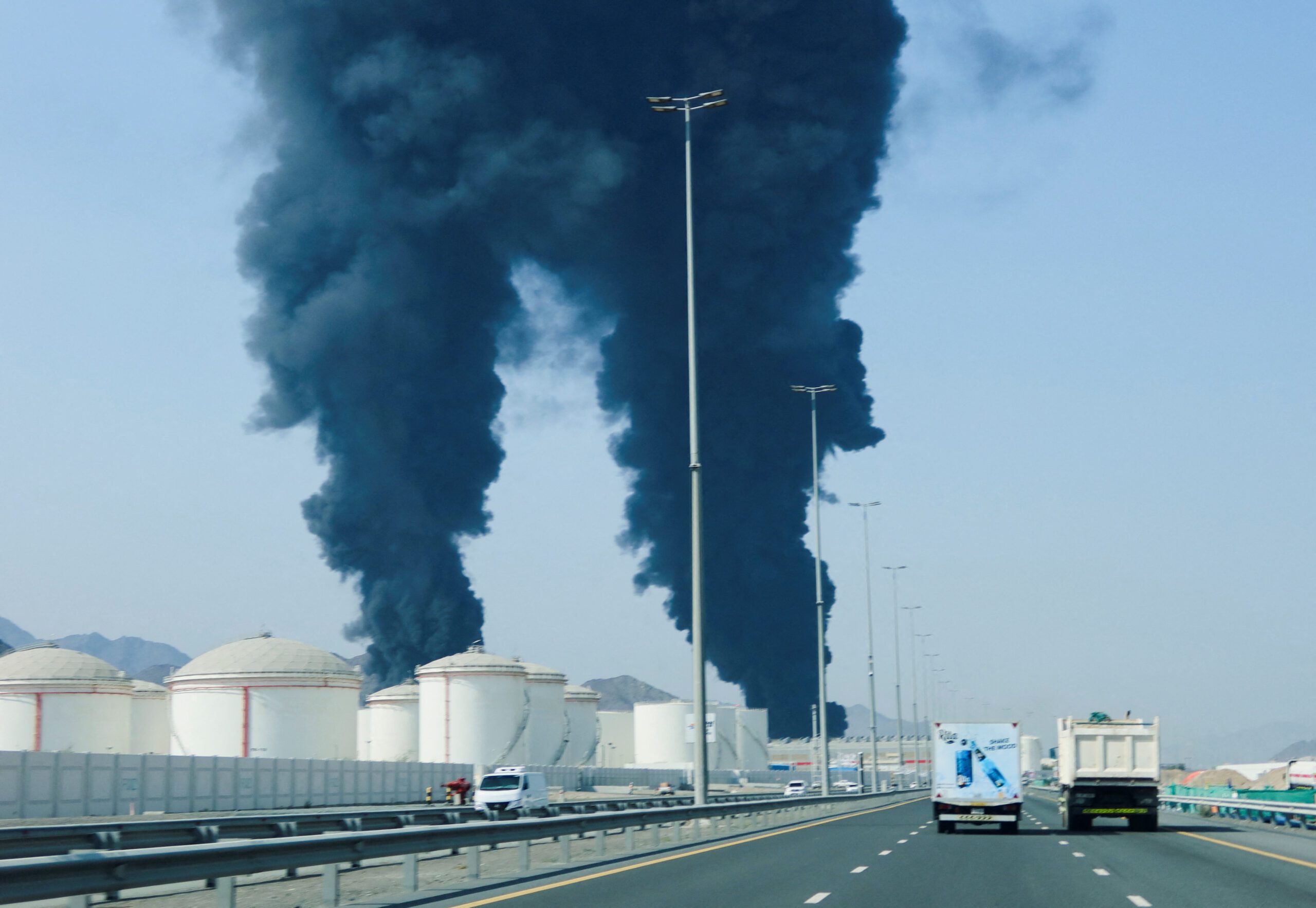
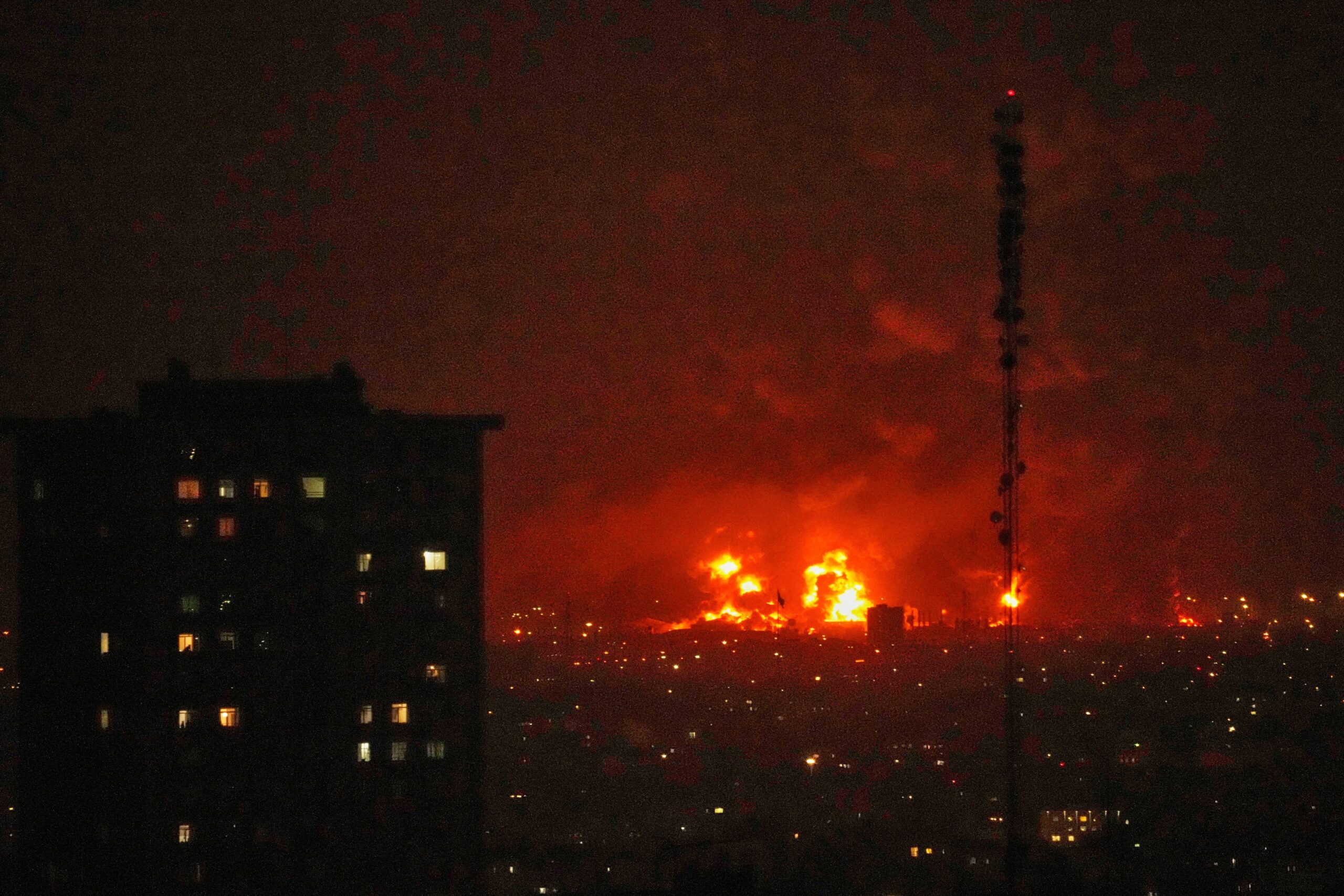
Plumes of smoke rise from an oil facility in Fujairah, the United Arab Emirates, March 14. (AP Photo/Altaf Qadri)
The latest outlooks from the International Energy Agency, OPEC, and U.S. Energy Information Administration point to a market in which even the most closely watched institutions no longer agree on the direction of travel. Demand growth forecasts for 2026 now diverge by more than 1.5 million barrels per day. This divergence reflects more than differences in methodology; it is a direct consequence of a geopolitical shock that has both fractured supply chains and clouded visibility. The closure of the Strait of Hormuz has led to what the IEA described in its April “Oil Market Report” as “the most severe oil supply shock in history.” At the center of this uncertainty is how and when the supply shock and recent oil prices above $100 per barrel will reflect on demand.
The IEA revised down its estimate for oil demand growth in 2026 by 80,000 b/d in the April report. This compares with a projection of 730,000 b/d growth in the March report. It expects demand to slide by 1.5 mb/d in the second quarter because of higher oil prices, flight cancellations, and economic strain.
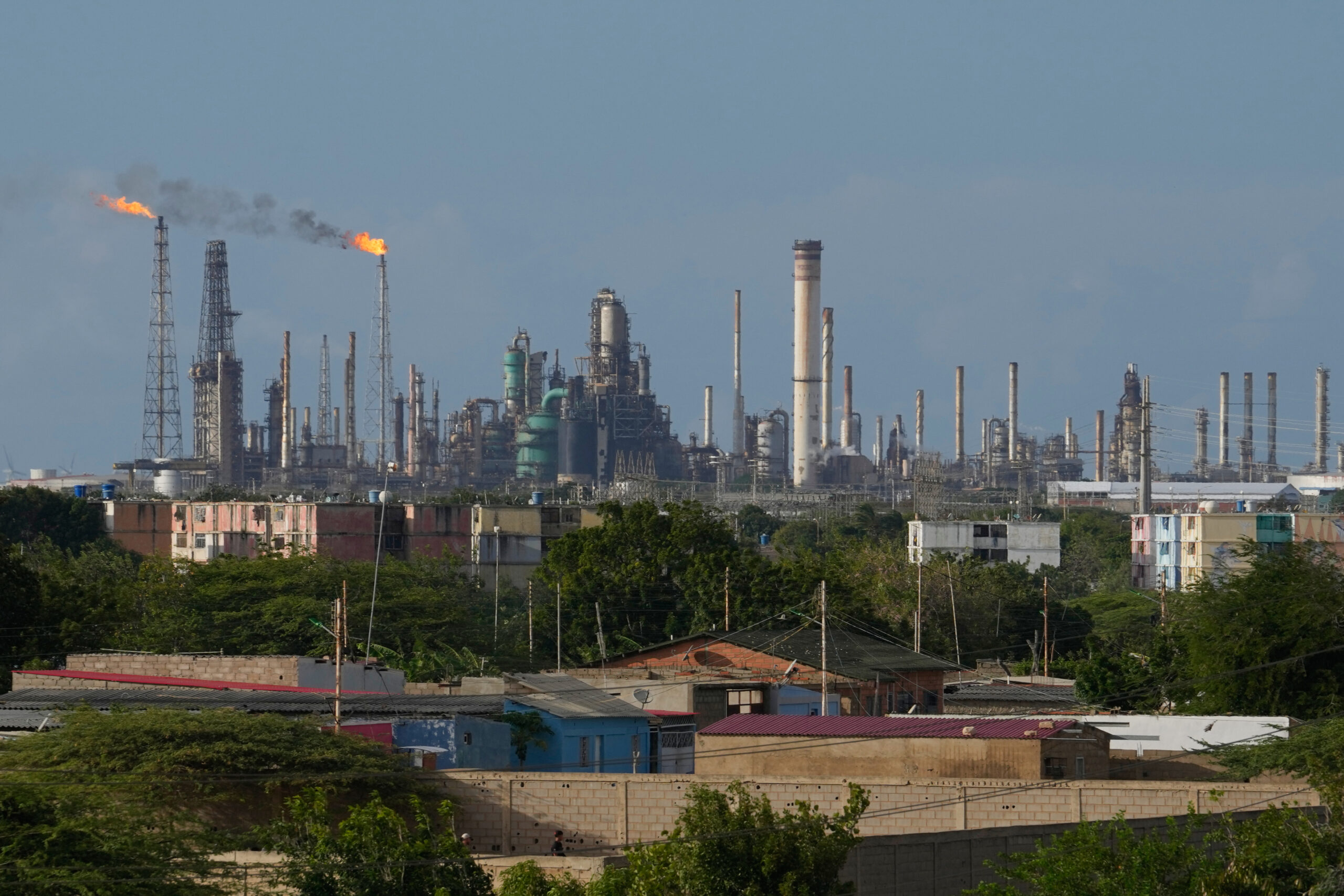
The IEA calculated that global oil supply plummeted by 10 mb/d to 97 mb/d in March as the continued closure of the Strait of Hormuz, conduit for some 20% of global oil supplies, and Iranian attacks on energy infrastructure in Gulf Cooperation Council countries led to “the largest disruption in history.” The impact was not limited to crude oil but included refined oil products, which fell sharply as refineries across the region were forced to shut down because of damage caused by Iranian strikes or because they could not sustain exports due to the closure of the strait.
The IEA estimated that this led refineries in the Middle East to curtail production, while Asian refineries unable to secure crude oil feedstock were also forced to reduce throughputs. This meant that some 6 mb/d of crude oil was not being run through refineries in the Middle East and Asia, leading to a global shortage of refined products, including diesel, gasoline, and jet fuel.
Oil prices responded to the disruption by posting their largest-ever monthly gain in March, the IEA noted. The price of Brent crude oil futures, the international benchmark, rose to its highest level since 2022, trading at close to $120/bbl before easing back in a highly volatile market. However, the magnitude of the supply shock led to a scramble by consumers to secure supplies on the tightening physical market, where some cargoes fetched a premium of up to $60/bbl above paper values.
Despite the fragile cease-fire between the United States and Iran, OPEC has been bullish on demand and maintained its projection without change. In its April “Monthly Oil Market Report,” it pegged demand growth at around 1.4 mb/d for 2026, driven largely by China, India, and broader Asia, and 1.3 mb/d for 2027, unchanged from the March estimate. In OPEC’s view, the current crisis is a temporary disruption rather than a structural shift in demand. It made only passing reference to the conflict involving one of its core members, referring merely to “ongoing developments in the Middle East” as causing what it noted was “a transitory weakness in oil demand growth” in the second quarter of the year.
The EIA sits somewhere in the middle. It revised its forecast down to roughly 600,000 b/d, reflecting a moderation in both OECD and non-OECD demand. Growth remains positive but fragile – and highly sensitive to price and macroeconomic conditions, it noted.
Taken together, these forecasts illustrate a market that is no longer anchored by a shared baseline. Instead, it is being pulled in different directions by competing assumptions about geopolitics, prices, and economic resilience.
Supply side estimates are also not aligned. Prior to the conflict, many forecasts pointed to a potential surplus in 2026, with supply growth outpacing demand. The IEA, for example, had previously warned of a sizeable surplus – a continuation of the post-2023 trend of rising non-OPEC output. That narrative no longer applies. The result is a market caught between two competing forces: underlying capacity that still exists and a supply chain that cannot deliver.
One of the sectors most impacted by the supply disruption has been the jet fuel market. It makes up a relatively small segment of global oil demand – around 7.8 mb/d in 2025 (under 8% of global demand) with roughly 2 mb/d traded internationally. But it is also one of the most tightly structured and least flexible.
The Gulf plays an outsized role here, supplying around 20% of globally traded volumes of jet kerosene. The global volume decline has impacted all regions, with Europe the hardest hit due to its high import dependency. With flows from Kuwait and other Gulf producers curtailed, jet fuel supply has tightened sharply. Prices have surged, at one point nearly doubling in Europe, a sign of a market under strain.
Unlike crude, which can often be redirected, jet fuel markets depend on specific refining configurations, quality standards, and long-term contracts. As such it cannot be replaced.
One of the most underappreciated aspects of the current crisis is the role of refining. Even before the conflict, refining capacity had become a bottleneck in parts of the global system. Years of underinvestment, particularly in Europe, had reduced flexibility.
The IEA expects lower refinery output to result in losses of up to 500,000 b/d of jet fuel supplies if the Strait of Hormuz remains shut. IEA Executive Director Faith Birol said in an April 16 interview with Singapore television that Europe could be just weeks away from running out of jet fuel and forcing flight cancellations. “We have maybe six weeks or so of jet fuel left if we are not able to open the Strait of Hormuz,” he said, adding that if the situation is not resolved by the end of May, many countries, particularly the weaker economies “are going to face huge challenges” from high inflation to slower growth and even recession in some cases.
He also noted the loss of significant volumes of gas, which he said was important for electricity generation and in industry, referring to the force majeure declared by Qatar, one of the world’s top three exporters of gas, on its liquefied natural gas exports. QatarEnergy has said that it expects repairs to two of its LNG production facilities damaged by Iranian strikes to take three to five years to repair. The loss of Qatari supplies will have longer-term implications since Qatar was in the process of more than doubling capacity at its 77 million metric ton per year LNG plant at Ras Laffan.
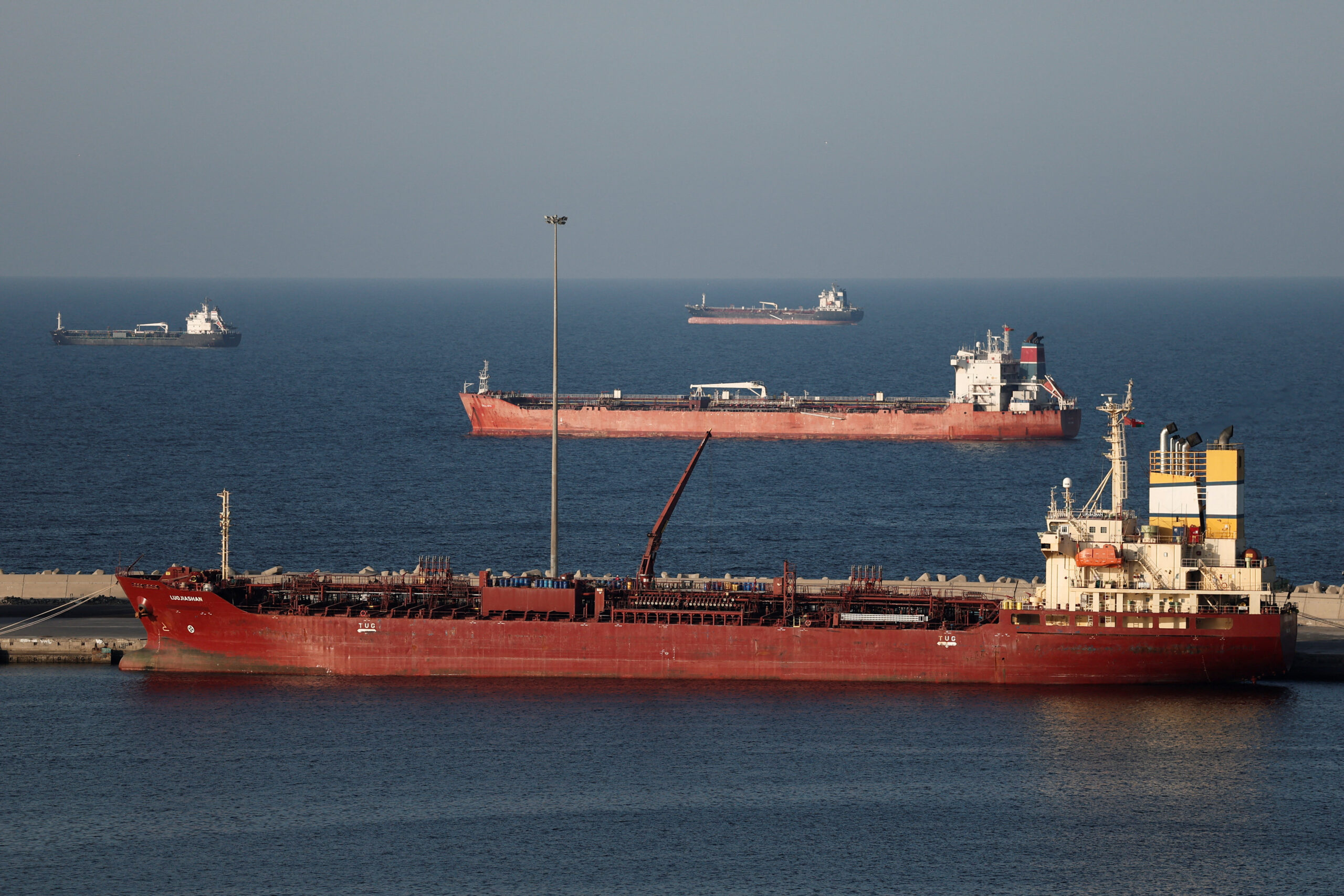
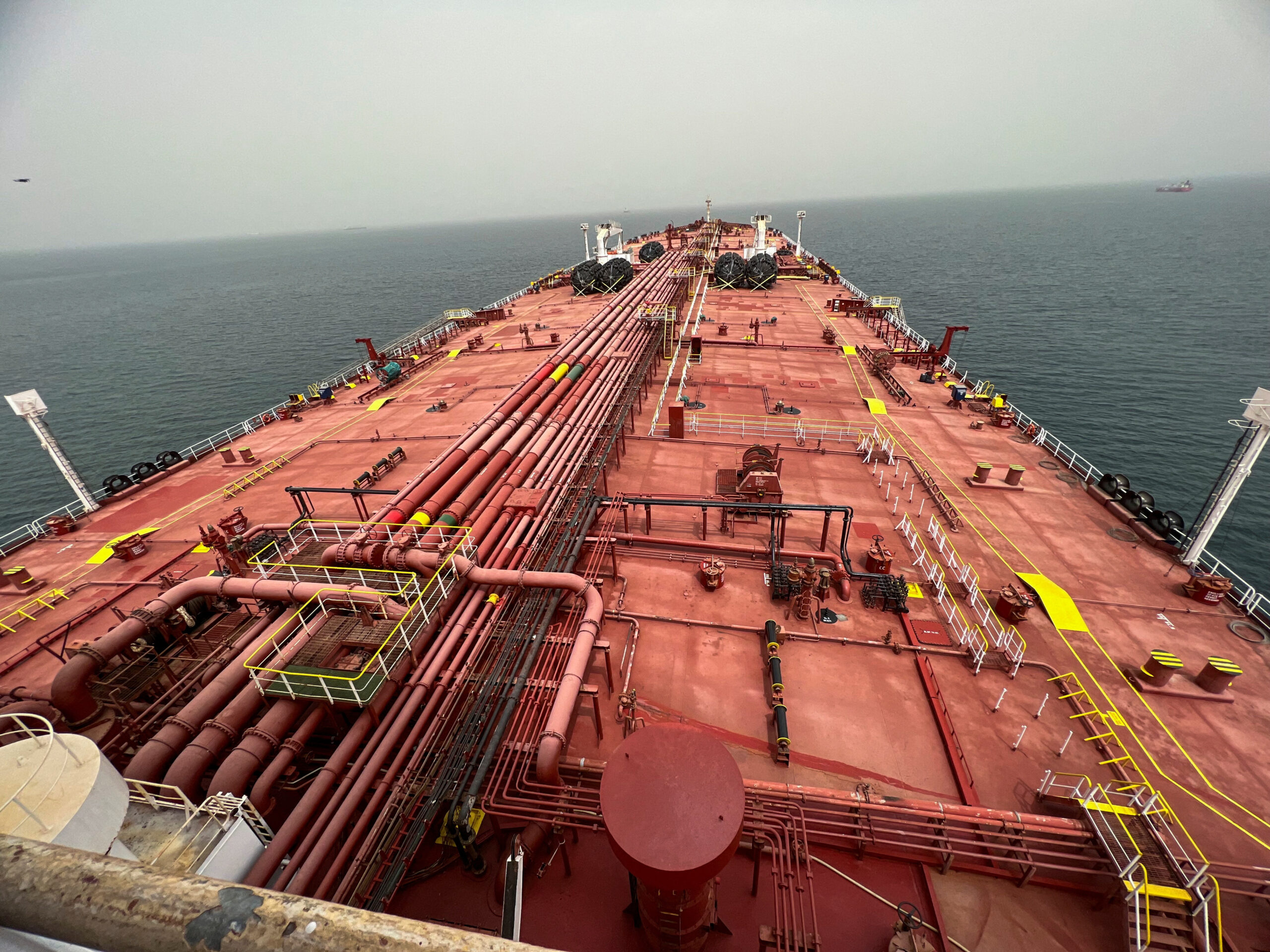
Gas prices have also surged as a result of the loss of LNG from both Qatar and the United Arab Emirates, as Iran effectively closed the Strait of Hormuz to all but Iranian tankers or ship owners willing to pay a transit fee to Iran through the so-called “Tehran toll booth.” Iran was reportedly charging vessels $1/bbl of oil, which for a supertanker carrying 2 million barrels of crude amounts to a significant chunk of cash for Tehran, a flow of funds that the U.S. naval blockade now in place is designed to choke off.
Although Tehran announced on April 17 that the Strait of Hormuz was open to all maritime traffic, there was a catch. Iranian Foreign Minister Abbas Araghchi said in a social media post that the strait was “completely open” for all commercial vessels and would remain so during the 10-day Israel-Lebanon cease-fire. But he added that the transit of vessels through the strait would be allowed in coordination with the Iranian Ports and Maritime Organization. A senior Iranian official was quoted by state media as saying that only nonmilitary vessels would be allowed to transit the strait with permission from the Islamic Revolutionary Guard Corps navy. That meant ships would have had to travel on the Iranian side of the strait and get permission from the Iranian military, a condition that the Gulf Arab states were likely to reject.
Since Iran announced that the Strait of Hormuz was open, the situation has quickly reversed. President Donald J. Trump stated that the U.S. blockade would remain in place, prompting Tehran to harden its position and effectively shut the waterway again. This has added to growing confusion in the market, with no clarity on transit rules and vessels once again hesitant to move. The diplomatic picture is equally uncertain, with conflicting signals over whether talks in Islamabad will go ahead on April 21, leaving the near-term outlook for de-escalation in doubt as a two-week cease-fire between Iran and the United States is set to expire April 22.
Even if the strait reopens and the backlog of some 170 million barrels loaded on tankers and stranded inside the Gulf since before the February 28 is cleared, it will take time to restore normal operations and repair damaged infrastructure. The closure of the strait has already had macroeconomic consequences that are being reflected in global forecasts.
The International Monetary Fund has revised down its global growth outlook for 2026 to around 3.1%, warning that the conflict risks pushing the global economy off course. More important, it has highlighted the uneven regional impact – particularly in the Gulf. Growth in the six GCC economies is now expected to slow to around 2% in 2026, compared with 4.3% growth forecast in October 2025, before recovering to 4.8% in 2027. This contraction may lead to lower energy consumption across the region. The IEA estimated that the Middle East as a whole will witness an energy demand contraction of 250,000 b/d, the largest of any region outside the OECD. The IMF also pointed to rising inflationary pressures, with global inflation expected to increase to around 4.4% under its baseline scenario – and significantly higher under more adverse conditions.
One of the clearest lessons from the current crisis is how little spare oil and gas capacity exists in the system – not just in production but across the entire value chain.
Even as the United States ramps up exports and other suppliers attempt to fill the gap, the scale of the disruption means that replacement volumes fall short. Logistics constraints, quality specifications, and contractual structures all limit the ability of the market to adjust.
The impact goes far beyond crude and gas. The Gulf is a major supplier of fertilizers, helium, and petrochemicals, and the loss of these flows is rippling through global supply chains – pushing up costs and tightening availability across sectors from agriculture to high-tech manufacturing.
At the same time, emergency measures – including the release of strategic stocks – can only provide temporary relief. The IEA’s coordinated release of 400 million barrels of oil is significant, but it is being offset by even larger disruptions to supply, which by now exceed 500 million barrels in total.
In the short term, a cease-fire or negotiated settlement would allow flows to resume and supply chains to rebuild. But even under optimistic scenarios, the process of normalization will take time – weeks for logistics, months for infrastructure, and potentially years for full recovery.
In the longer term, the crisis may accelerate existing trends: diversification of supply routes, shifts in refining capacity, and a greater focus on energy security.
The IEA’s Birol warned at an April 13 event hosted by the Atlantic Council that the world has entered a period during which geopolitics has cast a “dark and long shadow” over the energy sector, and disruptions of this scale may become more frequent. “The energy security risk premium will be much more important in tomorrow’s energy trade around the world,” he said.
By effectively shutting down the Strait of Hormuz, Iran set a precedent, and the ripples have been felt far beyond the shores of the Middle East’s troubled waters.
The views represented herein are the author's or speaker's own and do not necessarily reflect the views of AGSI, its staff, or its board of directors.
The Iran conflict has arrived at the worst possible moment for Gulf sustainable finance, a sector already navigating fiscal strain, a global ESG backlash, and the unresolved tension between hydrocarbon revenue and transition capital.
The conflict with Iran has curtailed the supply of oil from the Gulf, pushing up the price of the medium and heavier grades it usually exports relative to lighter grades.
Saudi Arabia’s ability to maintain its reputation as a reliable supplier in the months ahead will depend on how quickly it can repair damaged assets and keep several imperfect routes operating at the same time.
Egypt has become the indispensable transit state linking Saudi Arabia's Red Sea infrastructure with global markets. But that strategic importance may also have exposed it to the same risks facing Gulf producers.
The vulnerability of the world's most important energy chokepoint has been laid bare, setting in motion changes that are likely to outlast the conflict.