Energy
Sep 11, 2026
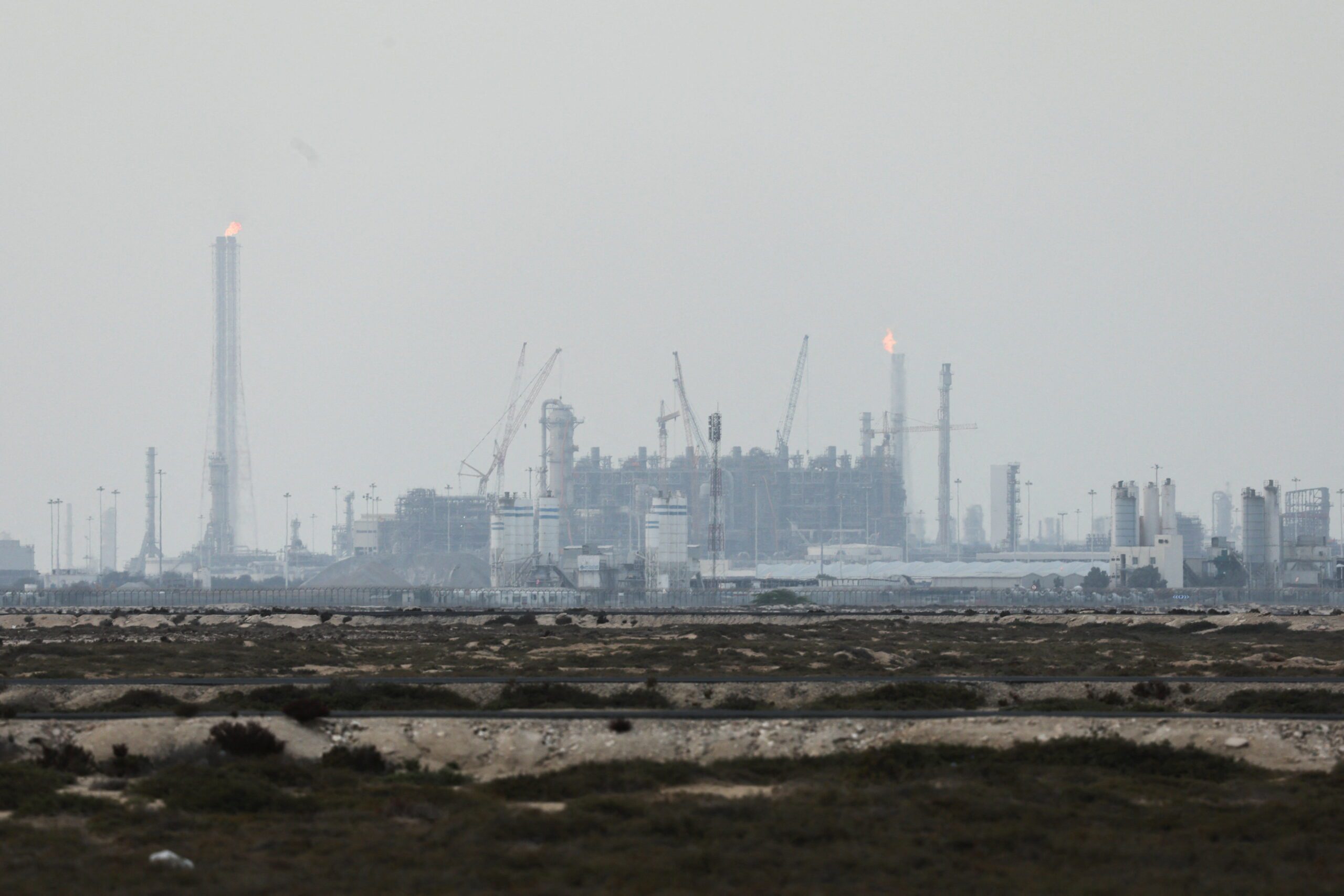
Future Gulf Economic Resilience in Energy, Infrastructure, and Influence
How the Gulf states choose to invest now could determine not just how they survive this crisis but how they sustain their role as both allocators and magnets of capital and superpowers in the global energy system.


Aug 31, 2026
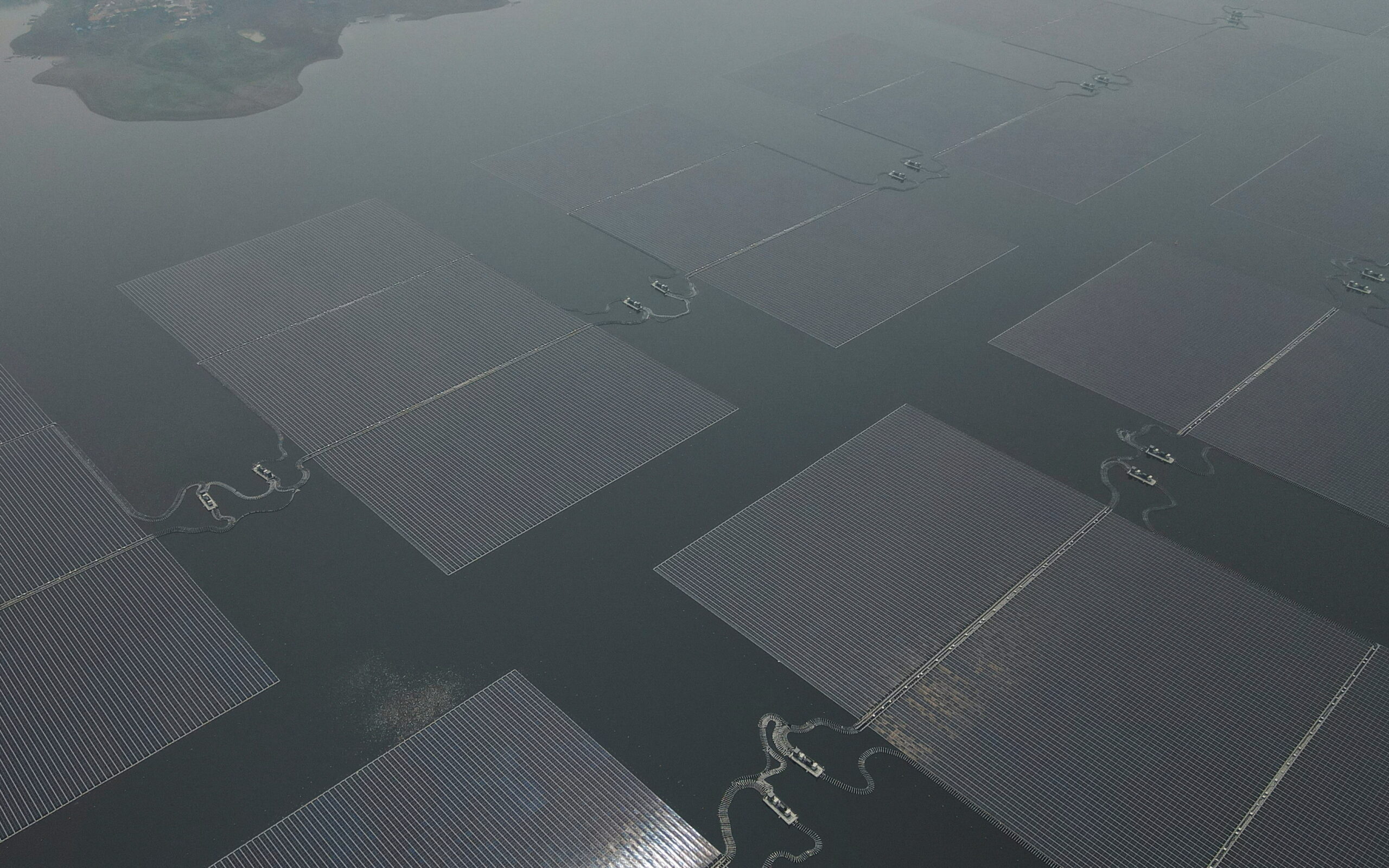
The Iran War and the Gulf’s Clean Energy Ambitions
The conflict has turned renewables into security assets at home, and rendered them far more expensive to build out, while Gulf states send clean energy capital abroad.

Aug 17, 2026
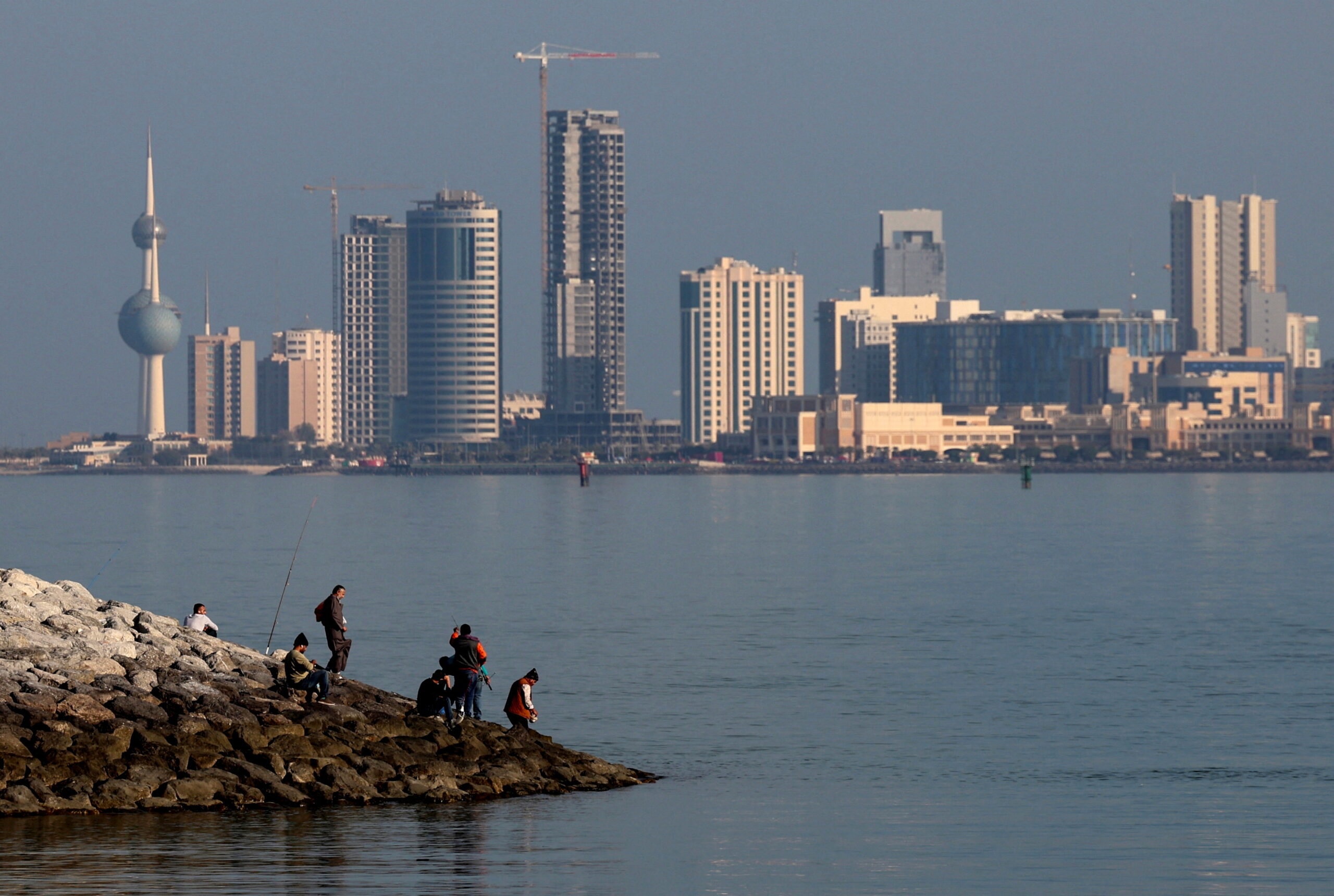
Kuwait Gets Some Good News Amid Tough Times
Investors continue to bet on Kuwait’s longer-term outlook, though stiff economic headwinds and geopolitical uncertainty remain on the horizon.

Aug 4, 2026
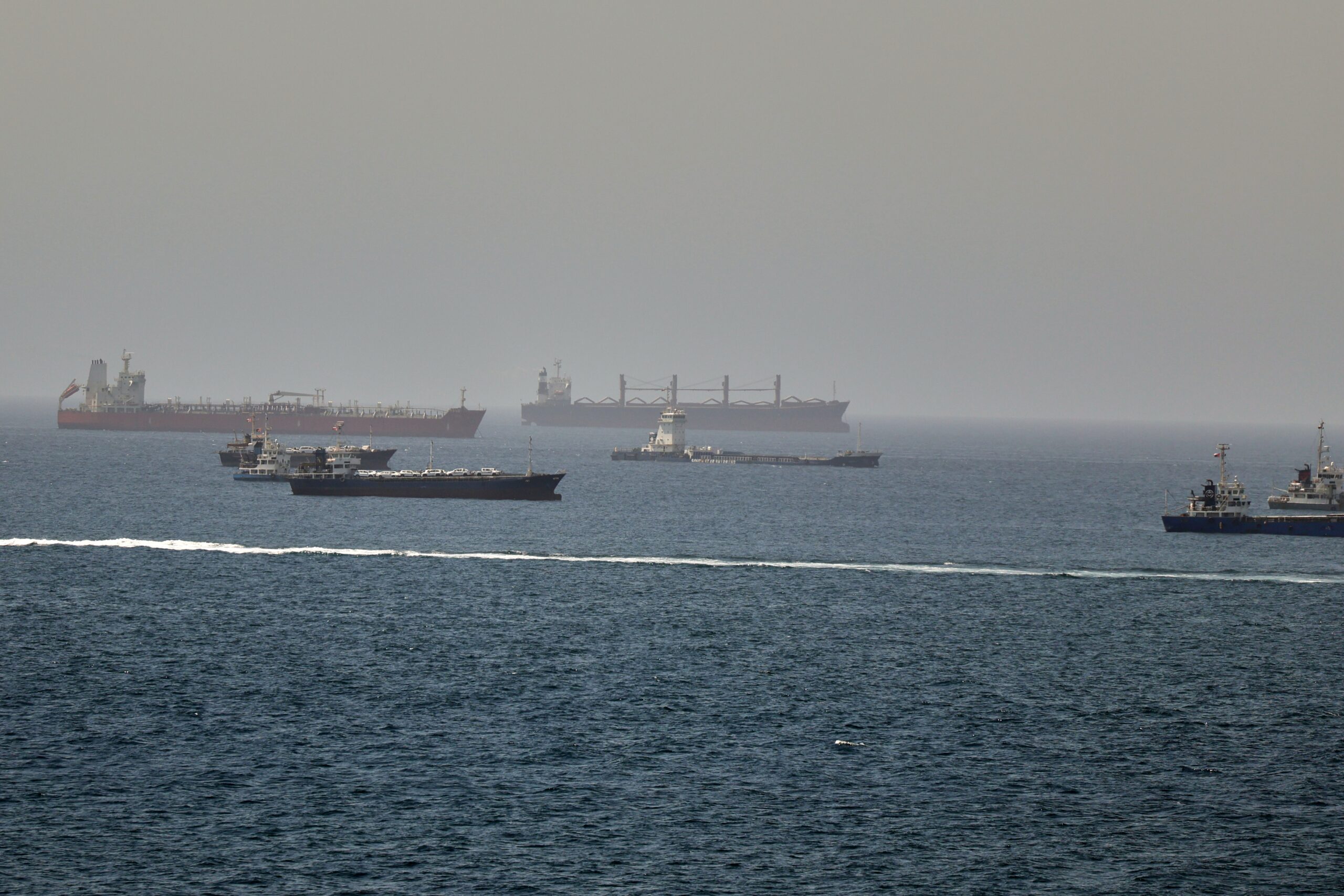
Beyond the Strait: The Future of Global Energy Security
On August 11, AGSI hosted a discussion on global energy markets.




Aug 4, 2026
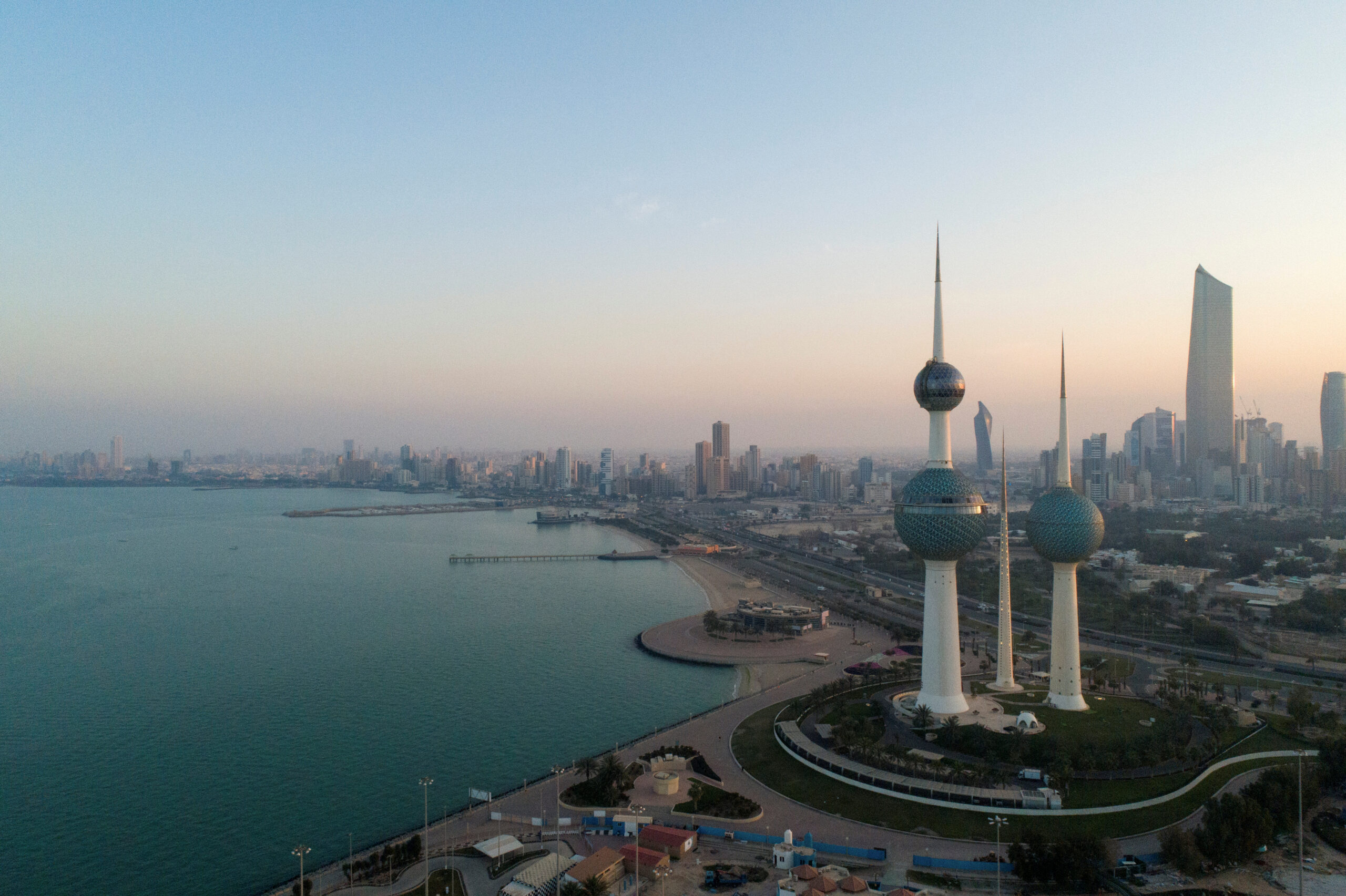
Striking the Grid: Iran’s Campaign Against Kuwaiti Water
Hitting the systems that keep Gulf populations supplied with water and power is a threshold Iran now appears willing to cross.

Jul 31, 2026
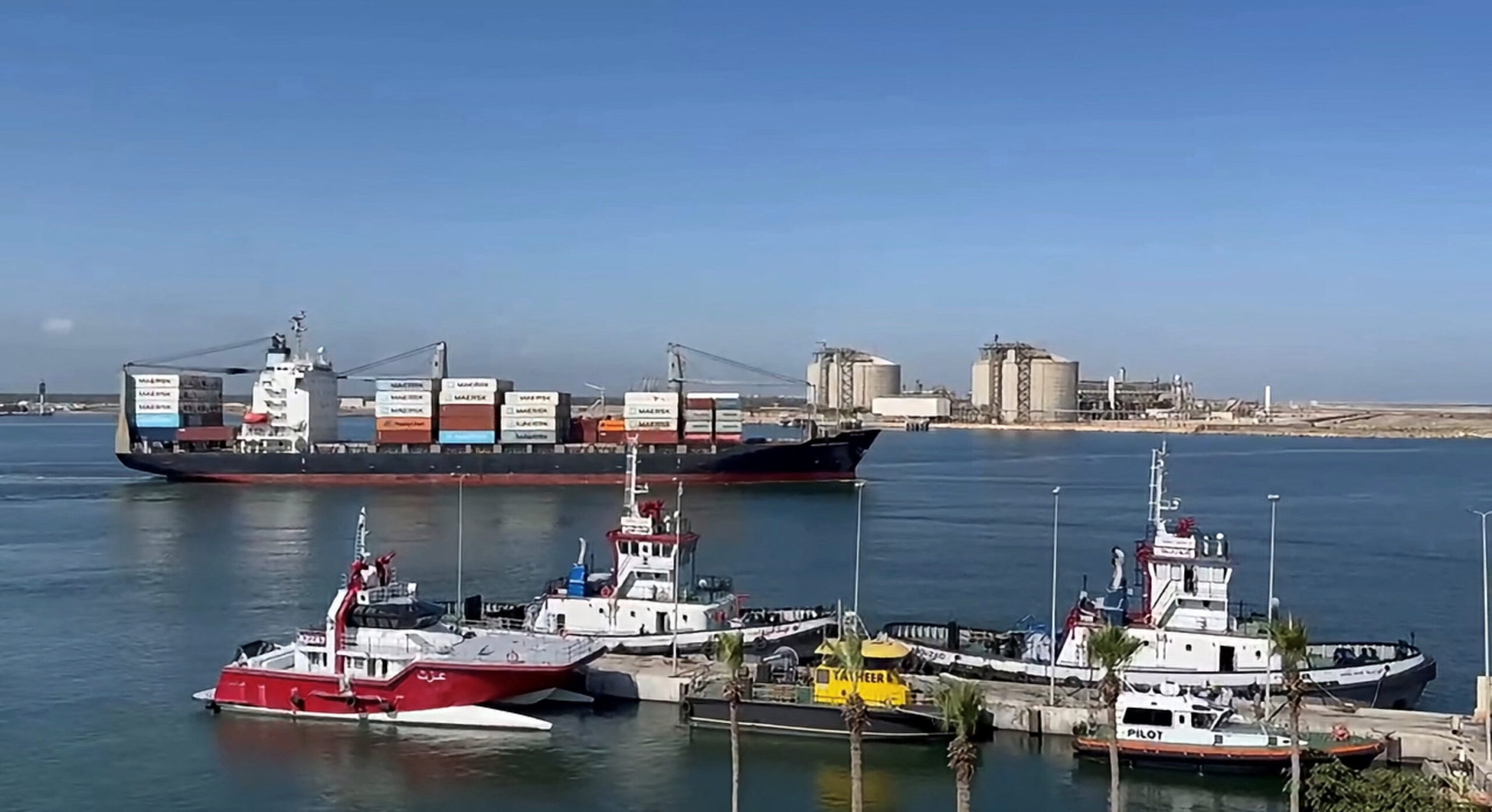
How Egypt Became the Middle East’s New Energy Chokepoint
Egypt has become the indispensable transit state linking Saudi Arabia's Red Sea infrastructure with global markets. But that strategic importance may also have exposed it to the same risks facing Gulf producers.
Jul 23, 2026
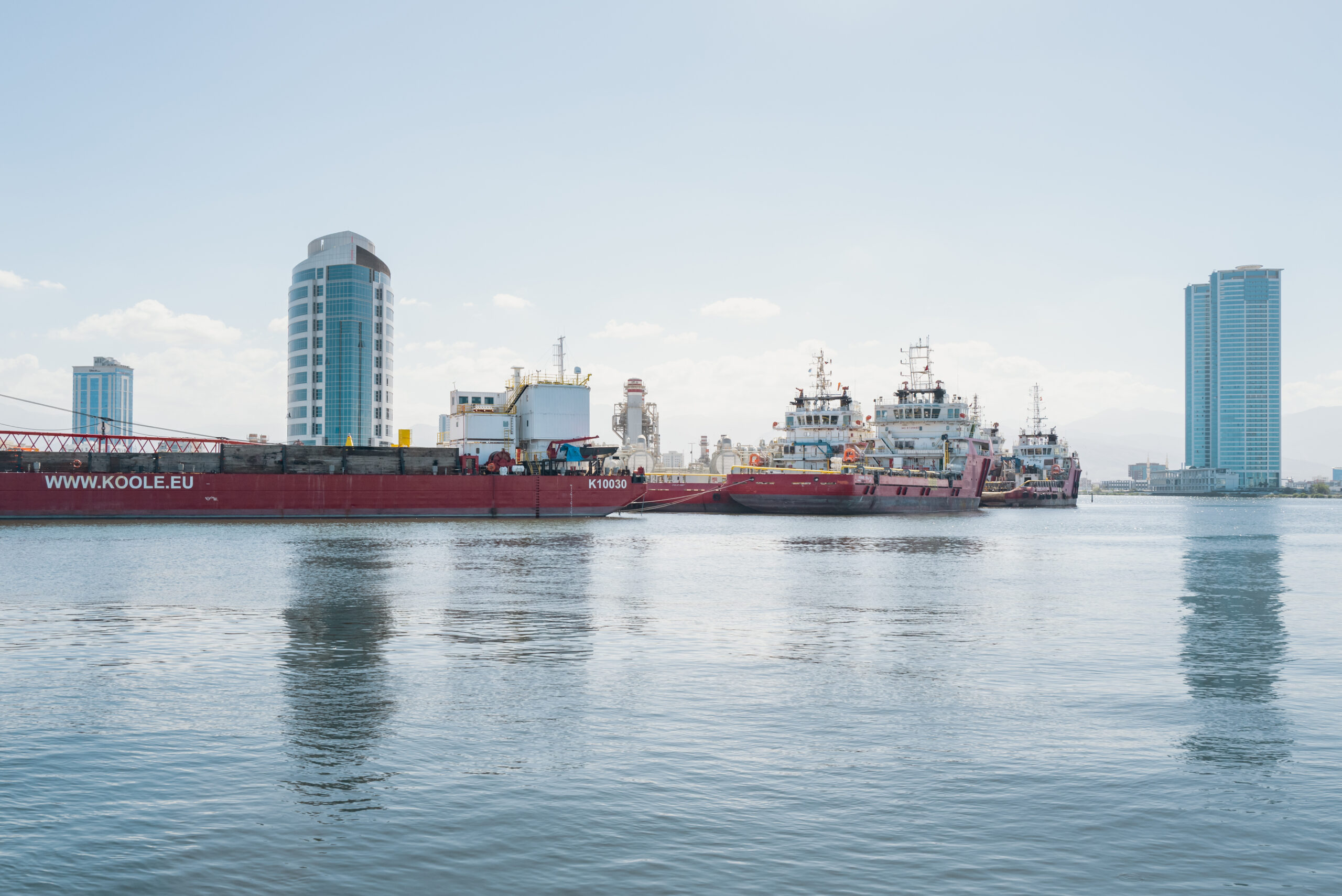
A Glimpse of UAE Oil Export Plans
A brief reopening of oil exports in June suggested the path ahead for the United Arab Emirates.

Jul 21, 2026
Qatar LNG Past & Future
As Qatar looks to the future, it will have to assess the battered landscape of the global LNG industry, reassure its customer base, and rethink its approach for a very different market.