Iran
Sep 2, 2026
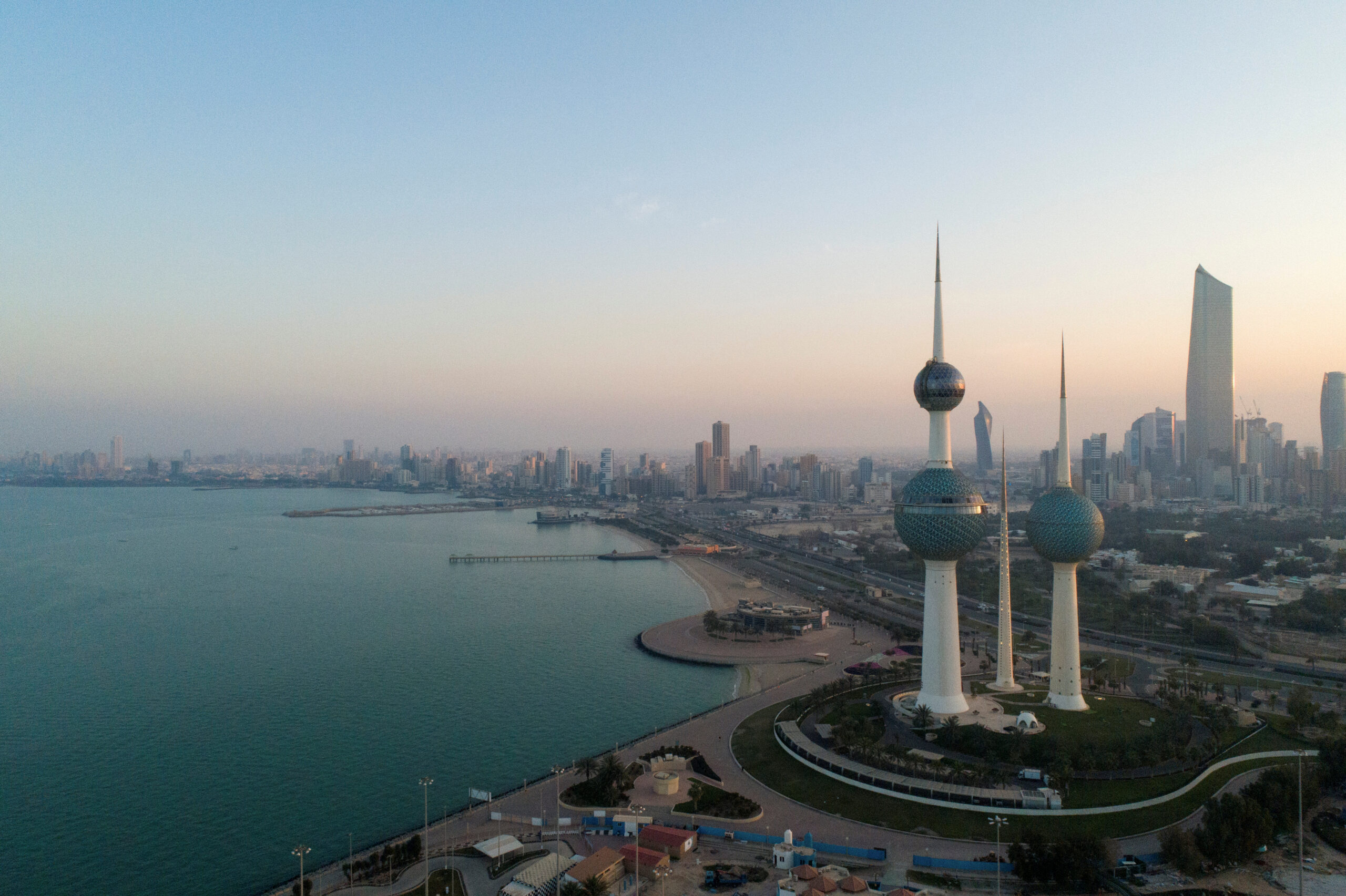
Preparing for the Gulf’s Economic Infrastructure Buildout
On September 9, AGSI hosted a discussion on Gulf infrastructure development post-Iran war.




Aug 28, 2026
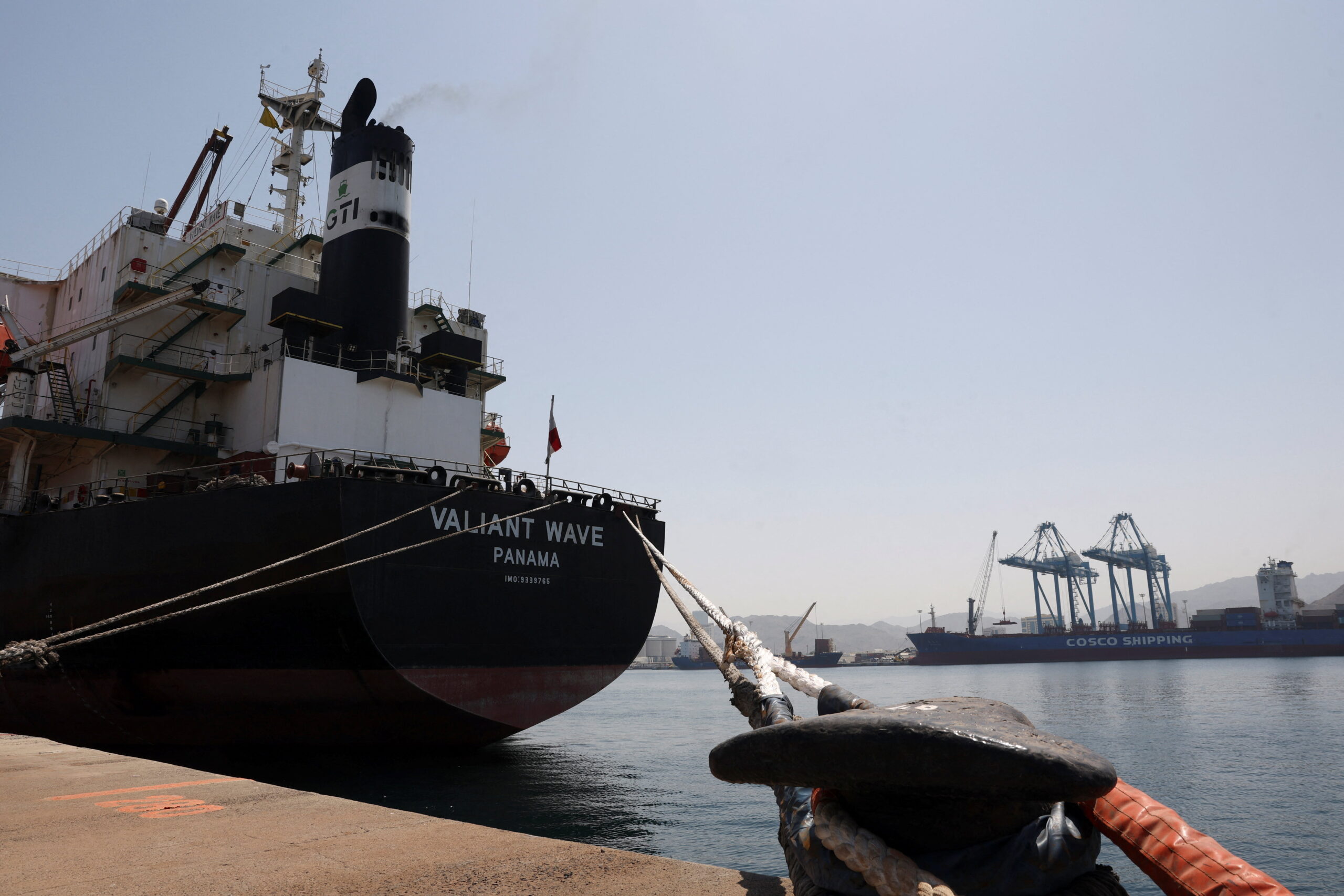
Operation Economic Outcast: Will Economic Pressure on Iran Work, and Are the Gulf Countries On Board?
On September 2, AGSI hosted a discussion on the new U.S. sanctions against Iran.




Aug 19, 2026
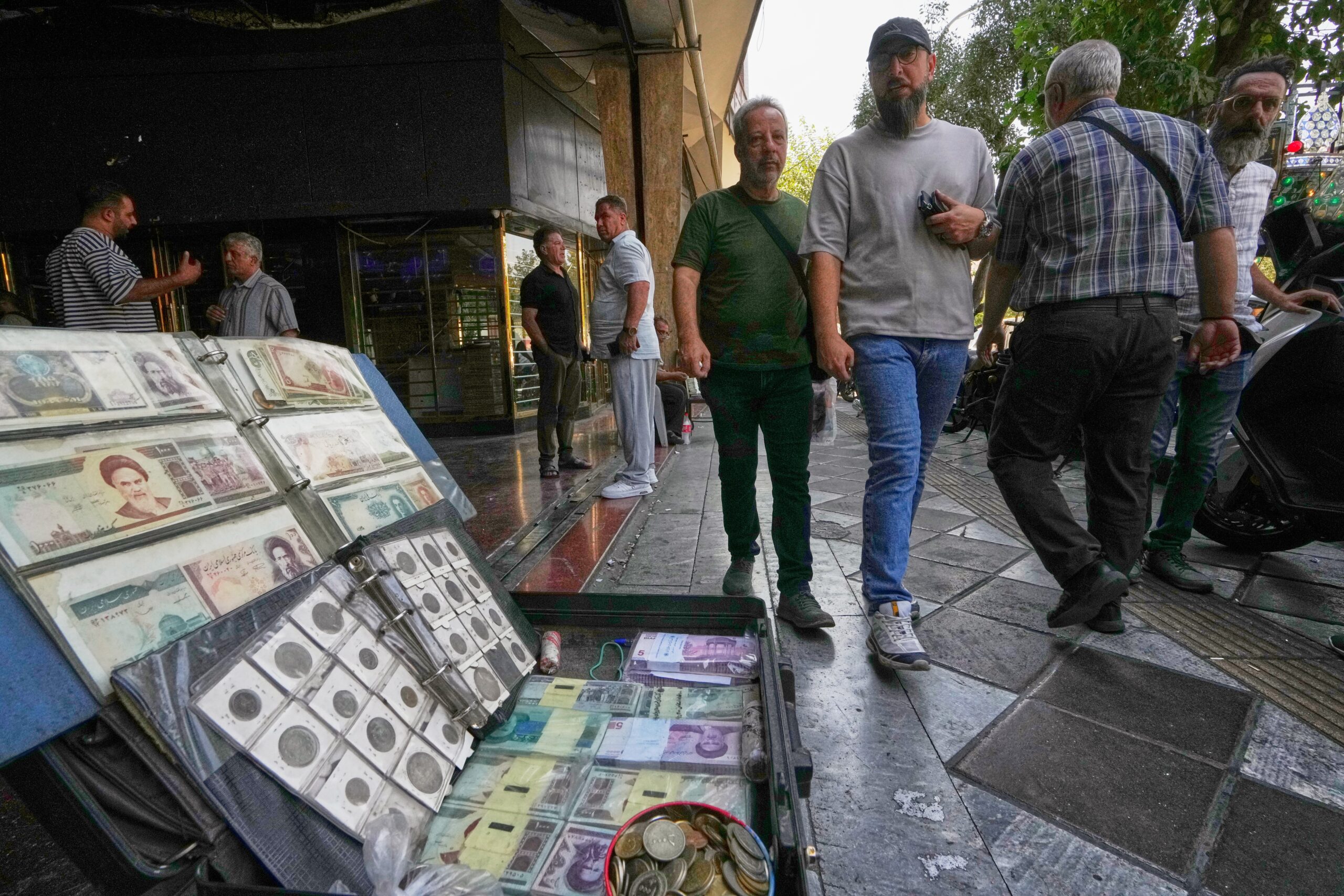
Charting a Path to a Durable End State in Iran
A coordinated strategy with allies, alongside sustained military and economic pressure, can help the United States end the conflict with Iran in a way that stabilizes the region, restores freedom of navigation, and prevents Tehran from becoming a nuclear power.

Aug 13, 2026
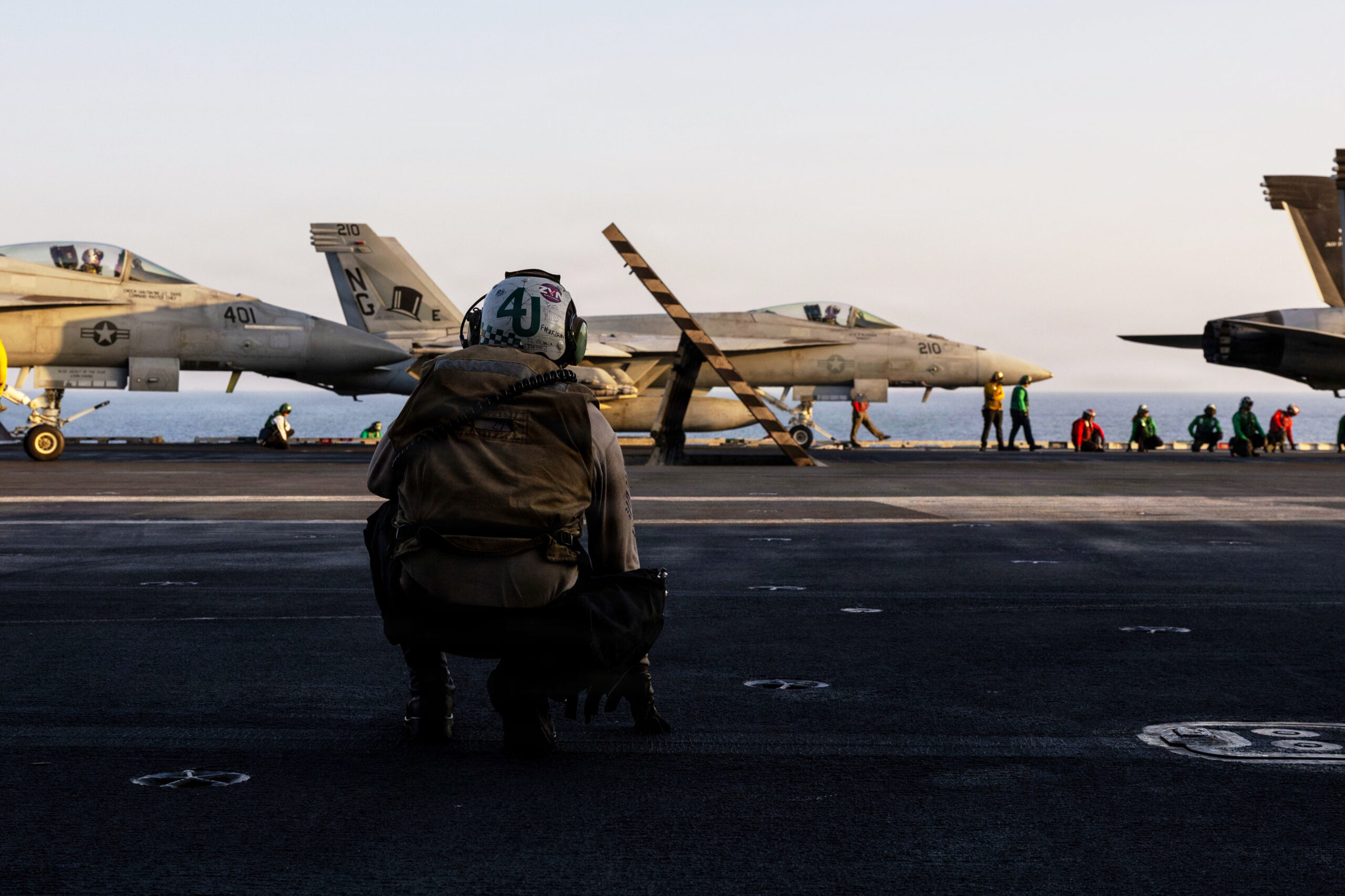
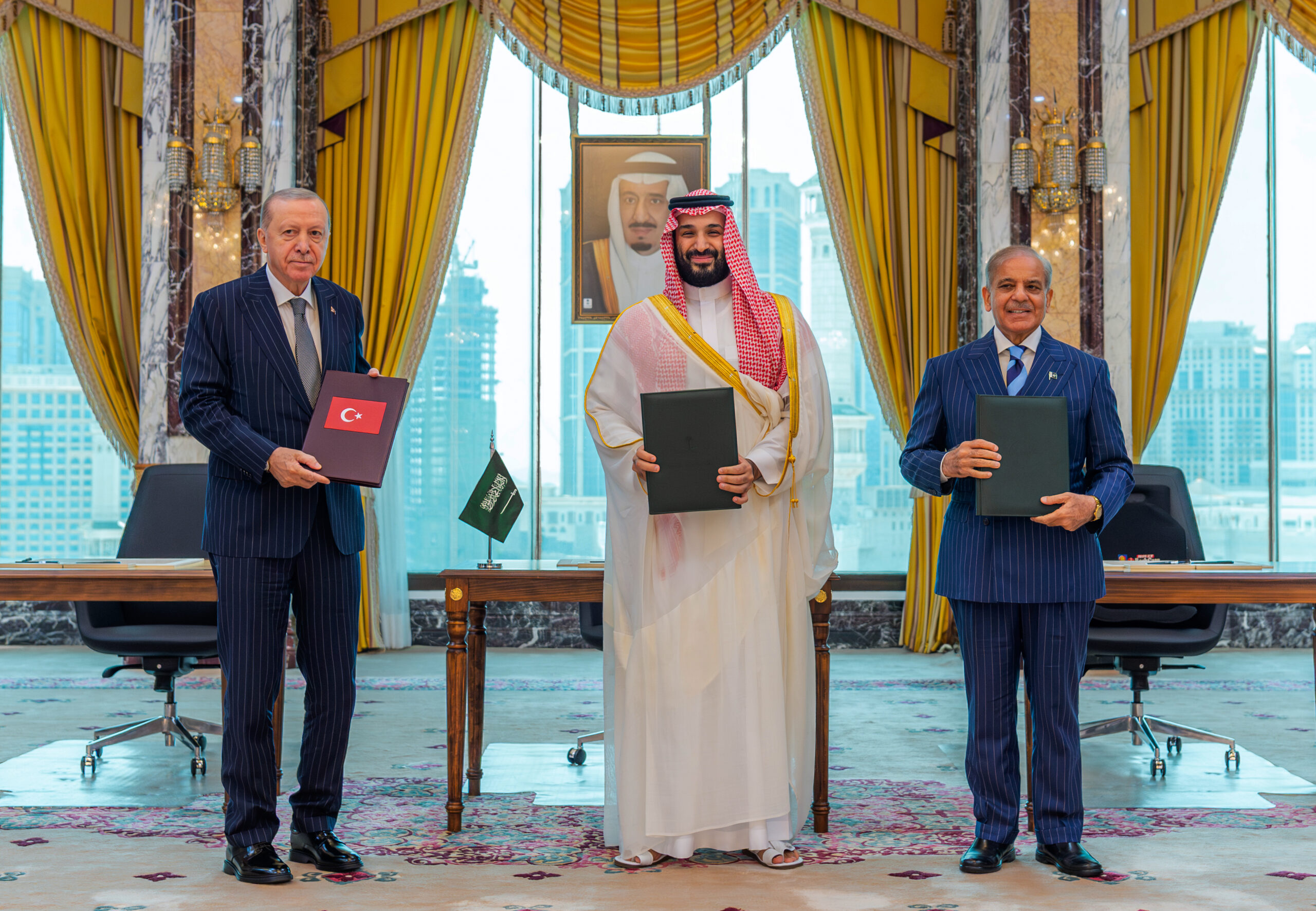
The New Trilateral Axis and the Iraqi Dilemma
As the September deadline for the U.S. troop drawdown approaches, Iraq’s period of comfortable neutrality is ending, but the country’s policymakers should not rush into unsustainable alignments.
Aug 11, 2026
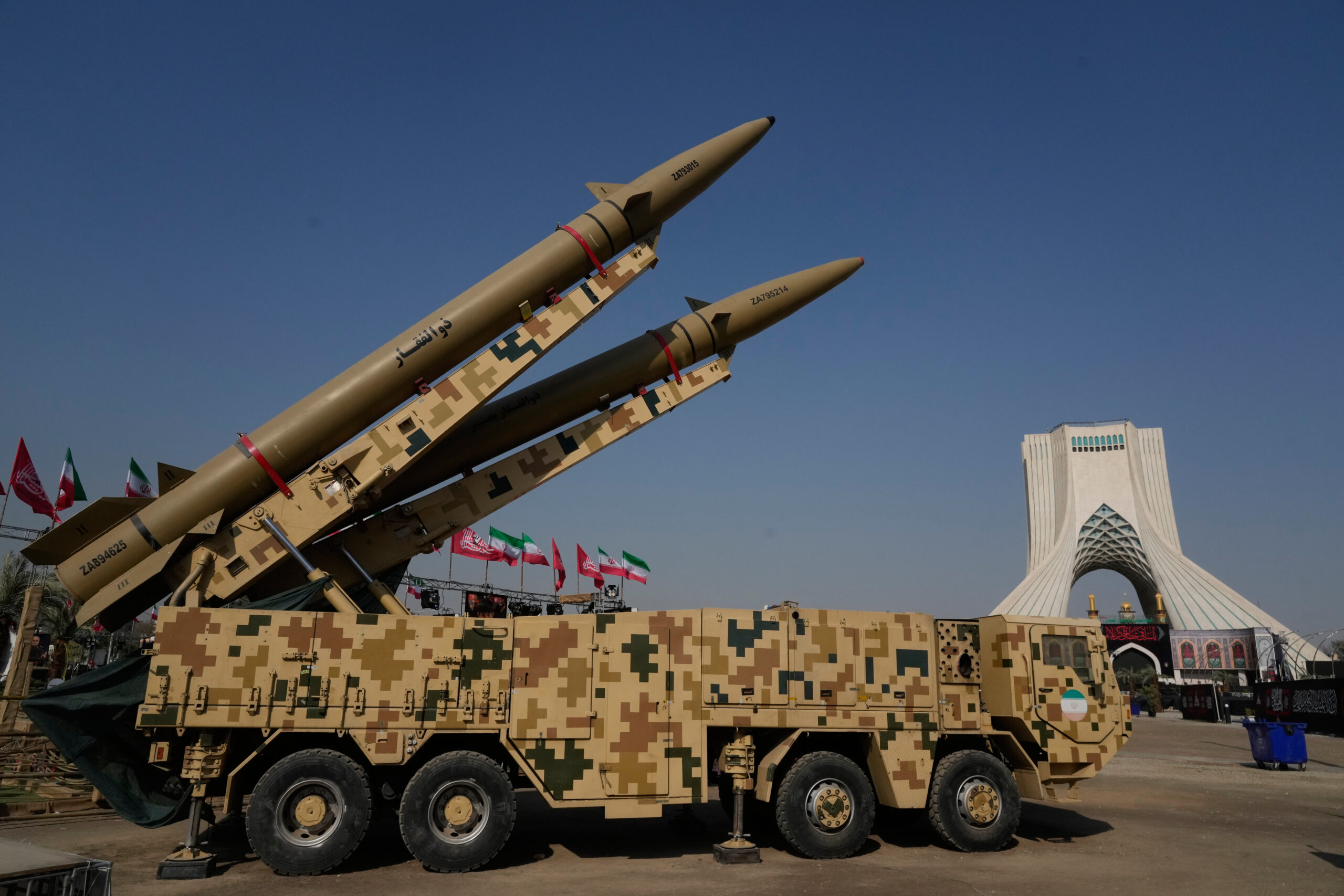
The Islamic Republic Returns to Offense
After U.S.-Israeli strikes killed Supreme Leader Ayatollah Ali Khamenei on February 28, Iran’s collective leadership has concluded that the best defense is a good offense.

Aug 7, 2026
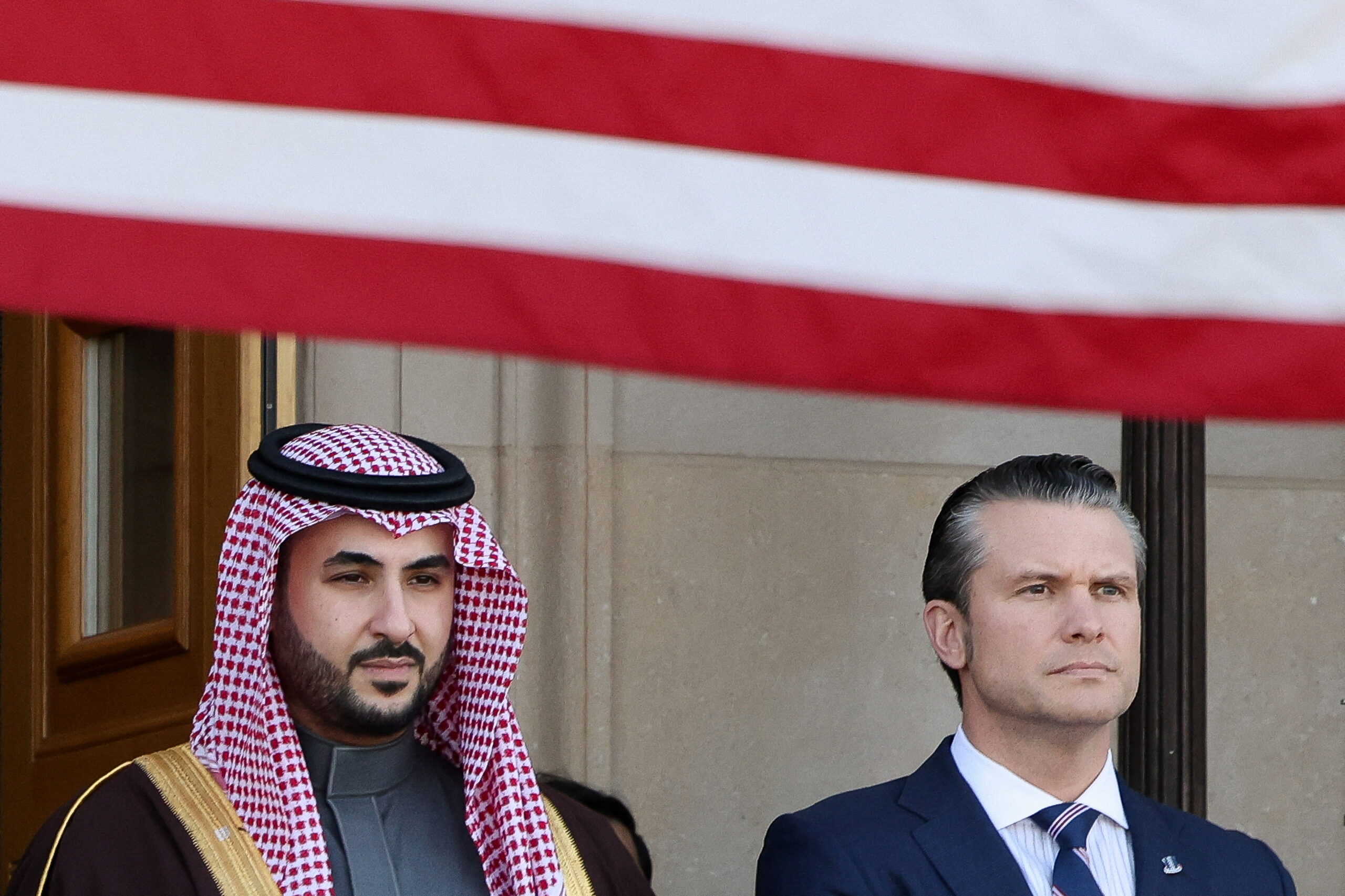
The Future of U.S. Bases in the Gulf
The war between the United States and Iran revealed the vulnerability of static U.S. bases, while also showcasing Gulf Arab states’ capacity – bolstered with U.S. hardware and training – to intercept most Iranian strikes on their own, raising new questions about U.S.-Gulf security partnerships.

Aug 6, 2026
Iran’s Collective Strategic Decision Making
Wartime pressure has temporarily aligned the leadership’s overriding interest in regime survival, even as its members continue to differ over the costs, methods, and ultimate objectives of the war.
Aug 4, 2026
Striking the Grid: Iran’s Campaign Against Kuwaiti Water
Hitting the systems that keep Gulf populations supplied with water and power is a threshold Iran now appears willing to cross.