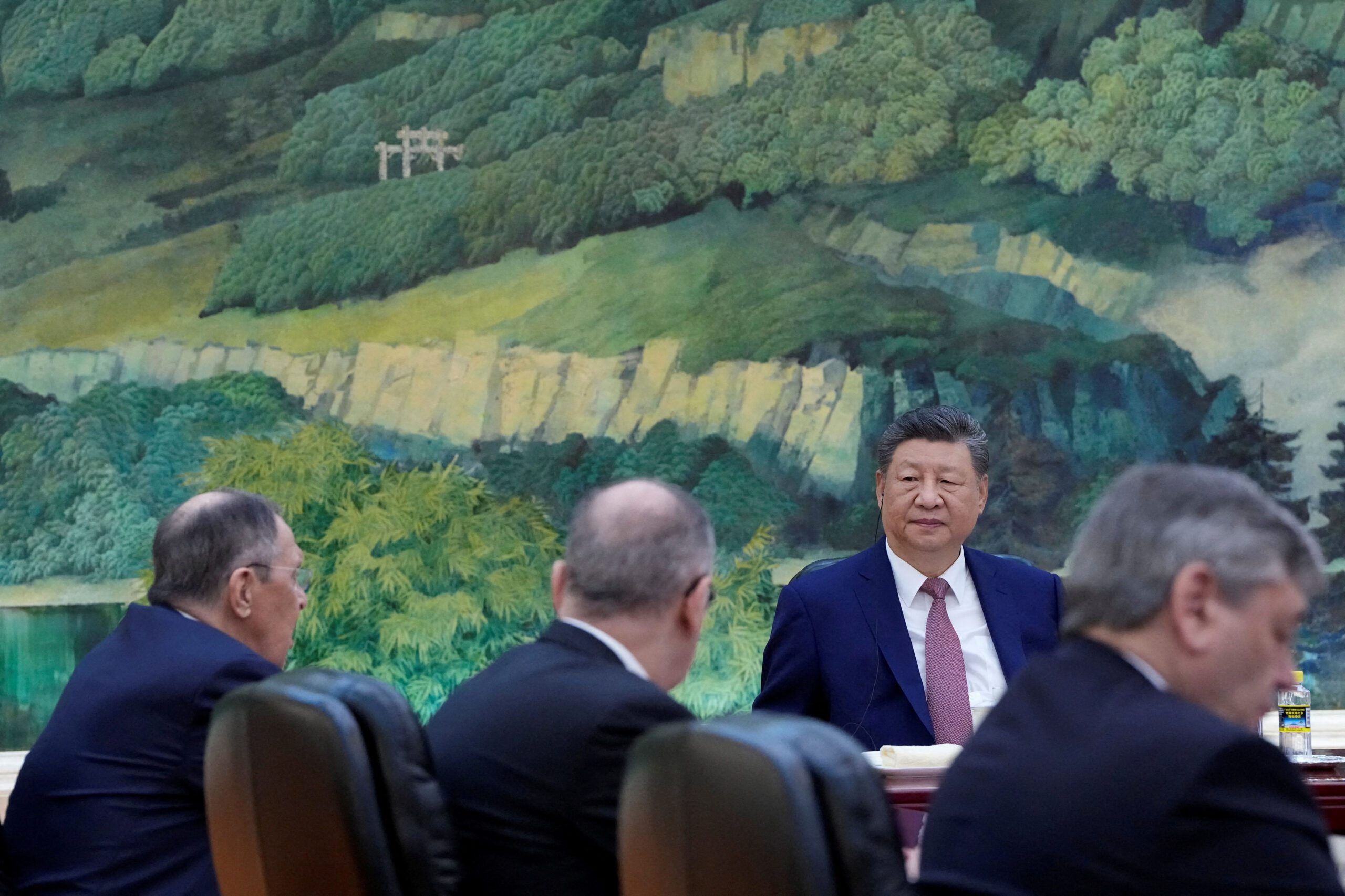
Chinese President Xi Jinping attends a meeting with Russian Foreign Minister Sergei Lavrov at the Great Hall of the People in Beijing, China, April 15. (Iori Sagisawa/Pool via REUTERS)
The war between the United States and Iran has produced no shortage of calls for Chinese mediation. Beijing brokered the 2023 Saudi-Iranian rapprochement, maintains deep economic ties with Tehran, and has the ear of Gulf Arab capitals invested in de-escalation. Yet the expectation that China can play a decisive mediating role in the current conflict fundamentally misreads what Chinese diplomacy is designed to do and where it breaks down.
Not all cease-fires are created equal, and not all mediators are suited for every type of mediation. Understanding China’s role in the current Iran conflict requires distinguishing among three tiers of cease-fire mediation, each demanding different capabilities, risk tolerances, and forms of leverage from the mediating party. The tiers escalate in complexity from consensual facilitation and coercive guarantorship to intervention in asymmetric great power conflicts. China’s effectiveness diminishes sharply as the mediation environment moves from the first tier to the third. The current Iran war sits firmly in the third.
Tier One: Consensual Facilitation
The first tier is where Beijing excels. Cease-fires tend to work best when they are consensual. If both parties want to be at the table, then mediation becomes a much simpler process. This is the type of mediation China prefers and actively engages in. It is cleaner, less complicated, and often involves voluntary participation from competing actors. Zhao Yiqi, from the Shanghai Institutes for International Studies, calls this the “power of not using power,” wherein there is no need for coercion to bring or keep parties at the table. For Iran and Saudi Arabia’s 2023 rapprochement agreement, Chinese mediation did not bring the parties together. They came willingly. China simply facilitated the final agreement.
Tier Two: Coercive Guarantorship
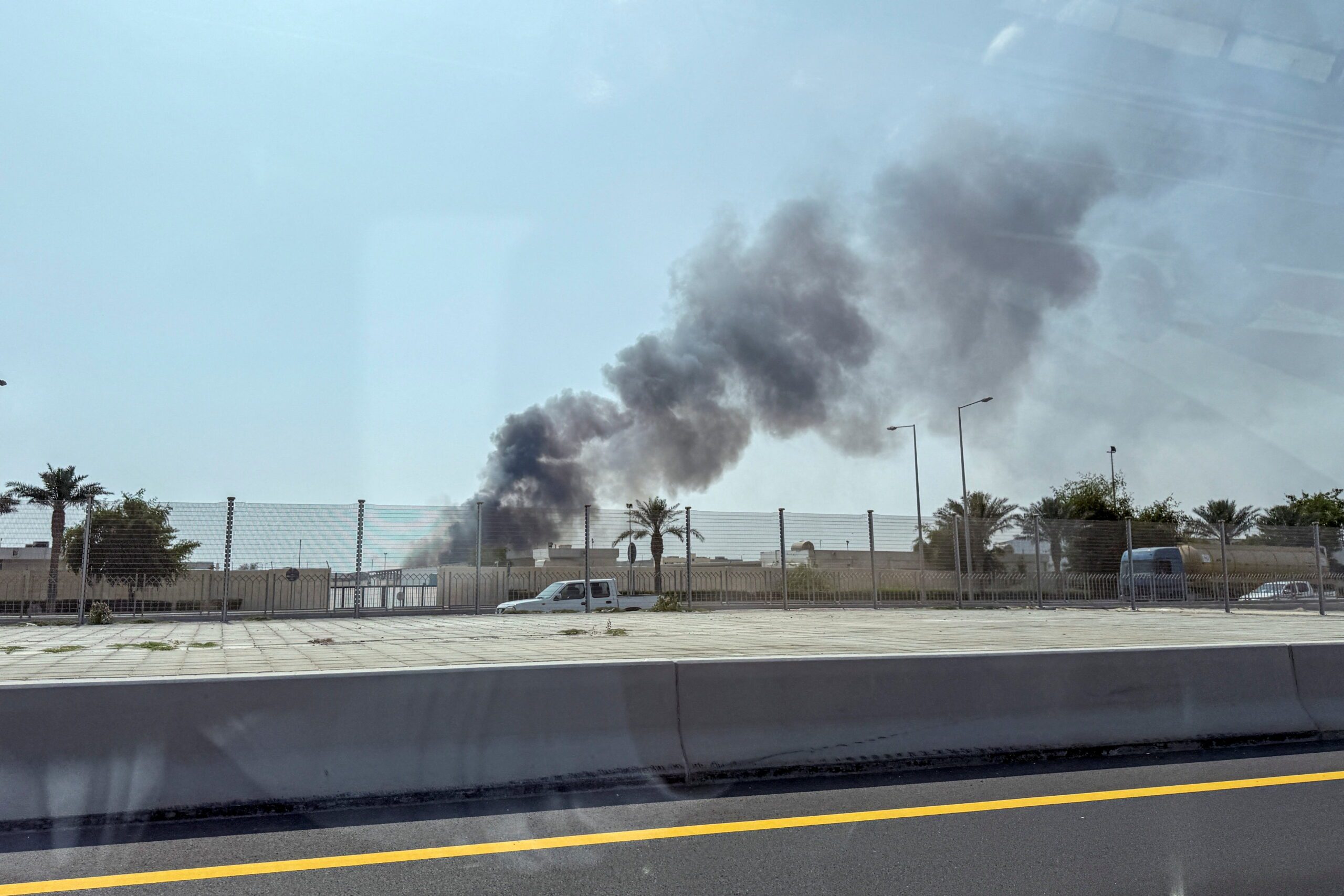
The second tier exposes Beijing’s limits. Cease-fires can often require an external actor to serve as a guarantor of the process. Mediation can require force or pressure to bring and keep actors at the table. Often, that threat of coercion has to be sufficient and balanced to offset the desire to defect from a cease-fire or deal. This can be a mix of incentives and coercive tools, not necessarily military force. This is often the most difficult, dirty, and complex mediation and the context in which China is less likely to be engaged. Beijing does not believe in the use of overt coercion to bring or keep parties at the negotiating table when they do not want to be there. Beijing is not likely to use sanctions or military force, or the threat of it, to keep a mediation process or cease-fire operational. The 2023 rapprochement illustrates that boundary. Beijing facilitated a deal between two consensual states seeking an off-ramp to escalation. When Tehran effectively defected from the deal by bombing Saudi Arabia following the start of the current conflict, China reverted to shuttle diplomacy, often a default mode to manage uncertainty when two of its partners are fighting. However, it offered no credible incentives or coercion that can be observed publicly to keep Iran in the deal. This is often the ceiling for Chinese mediation.
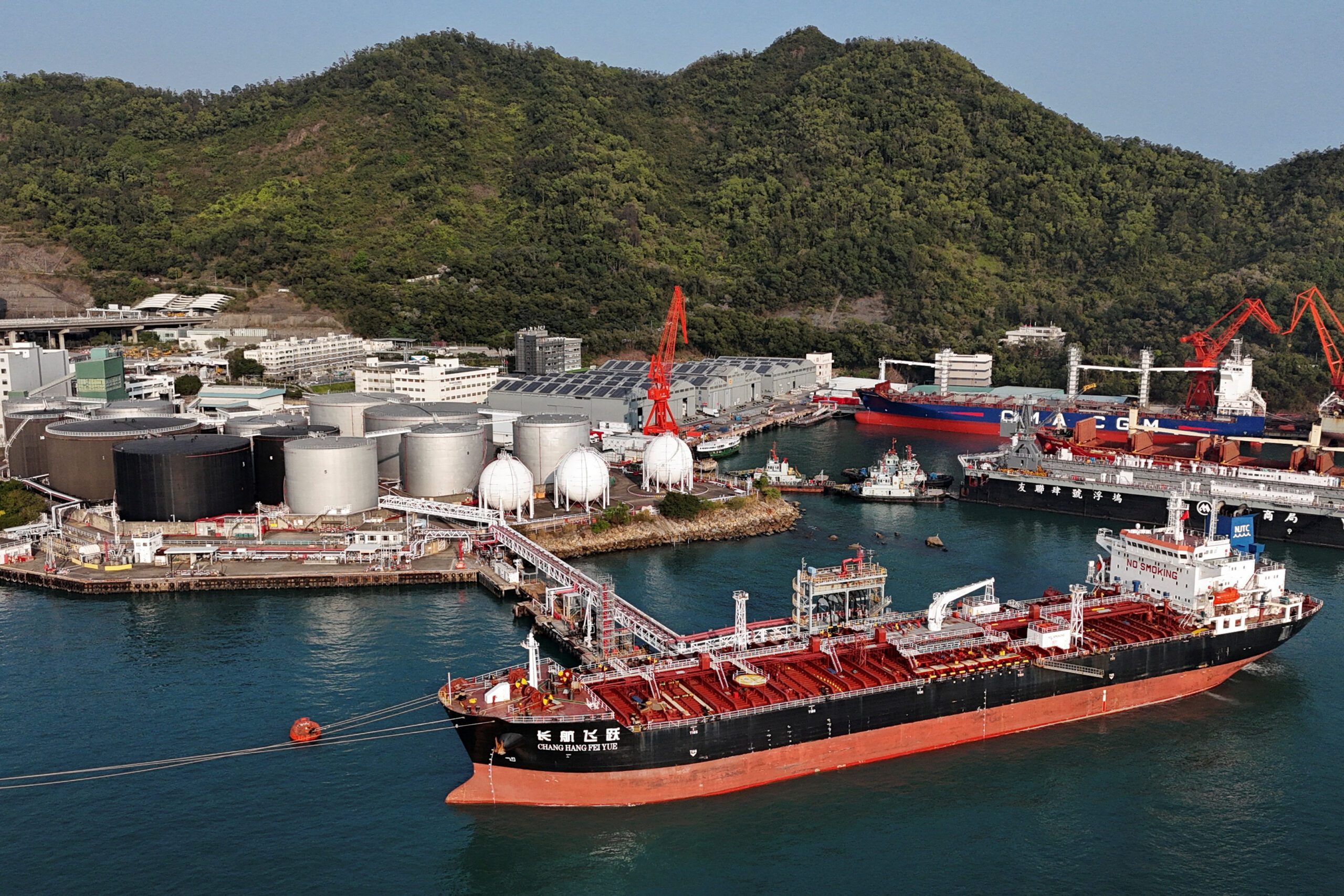
Many analysts often point out that China maintains leverage over Iran through economic ties. However, Beijing’s reluctance to deploy economic leverage against Iran reflects less a coherent strategic choice than a point of indecision. China is Iran’s largest oil buyer, purchasing roughly 1.38 million barrels per day and accounting for over 80% of Iran’s seaborne exports, and a significant trade and infrastructure partner. Some Western analysts argue these dependencies give Beijing meaningful tools to shape Iranian behavior. Chinese officials and experts tend to push back on this assessment, arguing that Western counterparts consistently overinflate Beijing’s leverage over Tehran. The truth sits somewhere between.
China holds economic instruments it could theoretically deploy, but their effectiveness against a regime that has spent decades absorbing sanctions pressure is genuinely uncertain. More fundamentally, Beijing is reaching the limits of its interested involvement in the region’s conflicts. Chinese diplomacy in the Middle East works best where it can score high-visibility wins without absorbing significant costs or risks. The 2023 Saudi-Iranian rapprochement was exactly this type of opportunity. The current war is not. Without a viable pathway forward between Riyadh and Tehran, there is no diplomatic surface for Beijing to work on that matches its preferred model. China is not refusing to act out of a clearly articulated strategic logic. It is stuck, and the analytical distinction matters because a stuck actor behaves differently than a restrained one. A restrained actor has a threshold at which it acts. A stuck actor drifts until external conditions force a decision or create a window of opportunity.
Tier Three: Intervention in Asymmetric Great Power Conflicts
The third tier of cease-fire is where the current war sits, and it is the environment least hospitable to Chinese involvement. When a conflict involves a powerful state, such as the United States, and a weaker, but determined state capable of sustaining operations through asymmetric capabilities, such as Iran, the process of mediation grows highly complex because rarely does a third external actor sustain the same leverage over both parties to bring or keep them at the table. Rather, both sides use cease-fires as strategic pauses to reset, rearm, and remobilize for the next round of fighting. In the U.S. and Israeli conflict with Iran, the constellation of actors and interests makes the demand for a cease-fire high, especially when considering the war’s high price on the global economy and neighboring Gulf states. But none of the parties have been willing or ready to accept a floor to negotiations. Rather, talks themselves have become an extension of the conflict and an opportunity for leaders on both sides to signal to their own audiences. Even under the terms of the current cease-fire, the administration of President Donald J. Trump had dispatched Vice President JD Vance to Islamabad for negotiations, the highest level U.S. engagement with Tehran in decades, but neither side has agreed to the basic terms nor returned to the negotiation table. This does not bode well for potential success.
In this environment, China is unlikely to be a major mediator or player. The risks to its national interests and image are too great for it to intervene. Beijing will likely avoid being perceived as intervening in a U.S. war that could have knock on effects on other areas of the bilateral relationship. Beijing also does not have the effective will, nor leverage, to restrain the core warring parties in a meaningful way. The bilateral calculation is more specific than a general desire to avoid entanglement. Beijing fears that visible mediation in a U.S.-led military campaign could provoke retaliation across other pressure points in the relationship: accelerated technology export controls, heightened scrutiny of Chinese commercial activity in the Gulf, or diminished diplomatic space on Taiwan. Chinese officials also recognize that any mediation effort that appears to constrain U.S. military operations would be read in Washington as adversarial not constructive. Moscow’s role compounds this caution. Russia maintains its own interests in Tehran’s survival and has not coordinated a joint mediation posture with Beijing, leaving China to calculate that a failed or half-supported intervention would damage its credibility without any guarantee of Russian backup.
The real mediators during these types of conflicts are middle powers because the risk of protracted war undermines the strategic stability of their neighborhood as well as the global economy. Notably, the Gulf Cooperation Council states have resisted joining the war, despite ample justification following Iranian strikes, and have pursued diplomatic and mediation off-ramps to the conflict. However, these off-ramps have been largely met with defiance by all actors involved in the war.
Finally, the current cease-fire brokered by Pakistan in concert with other Muslim countries with the tacit backing of China finally produced some progress. China’s role here provides an umbrella of legitimacy, but it is not the decisive factor. Thus, Beijing’s tacit role should be acknowledged but not overweighted as the driving force behind the deal.
If China can play a constructive role in sustaining a cease-fire and urging Iran to remain at the table, this would be a welcome action. However, Beijing cannot guarantee the United States will remain in the cease-fire, and it is unlikely to urge Iranian restraint if the United States is not showing it. Meanwhile, Pakistan and the GCC states have the hard path of incentivizing the United States to remain in the cease-fire. If this fails, there is the real possibility that some GCC states may join the conflict overtly or covertly, potentially reducing the middle power constellation supporting the mediation process.
A Narrow Diplomatic Window
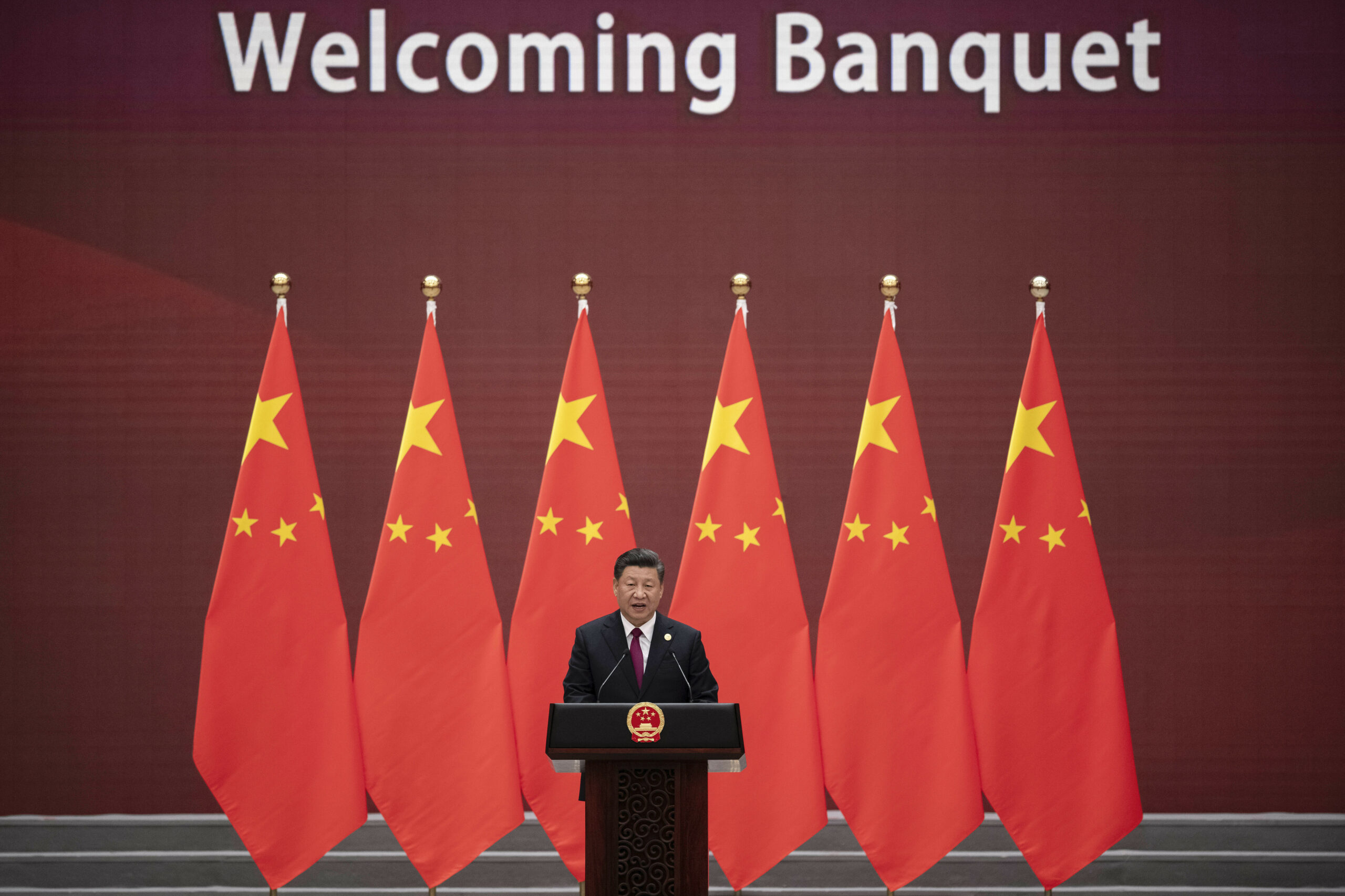
The cease-fire, however fragile, does open one narrow diplomatic window ahead of a potential summit with Trump and Chinese President Xi Jinping later in May. The Trump administration and China could use this moment for a face-to-face discussion on the future of Gulf security as a way of making positions clear and trying to align where there is overlap. Both sides have converging interests in freedom of navigation through the Strait of Hormuz, the protection of energy infrastructure, and the prevention of a wider regional war that would further destabilize global markets. A bilateral channel on Gulf security would not require Beijing to abandon its noncoercive posture or Washington to concede strategic ground. It would simply acknowledge that neither power can secure the outcomes it wants in the Gulf without understanding the other’s redlines. That would be the moment Beijing’s calculus changes, not because it would suddenly discover coercive tools, but because Gulf states host Chinese artificial intelligence infrastructure, absorb Chinese exports, and anchor Belt and Road Initiative corridors. Their entry into the war would force Beijing to weigh its Iran relationship against its Gulf investments in a way that the current conflict has allowed it to avoid. For now, China is waiting. The question is what forces the decision.
The views represented herein are the author's or speaker's own and do not necessarily reflect the views of AGSI, its staff, or its board of directors.
The Iran conflict reinforces China’s short-term position as one of managing and mitigating risks rather than shaping outcomes that expand Chinese influence in the Middle East.
Saudi Arabia is eyeing the growth of a sovereign compute exchange model that, like OPEC for crude, would let it shape and stabilize long-term compute costs.