Politics and Governance
Sep 8, 2026
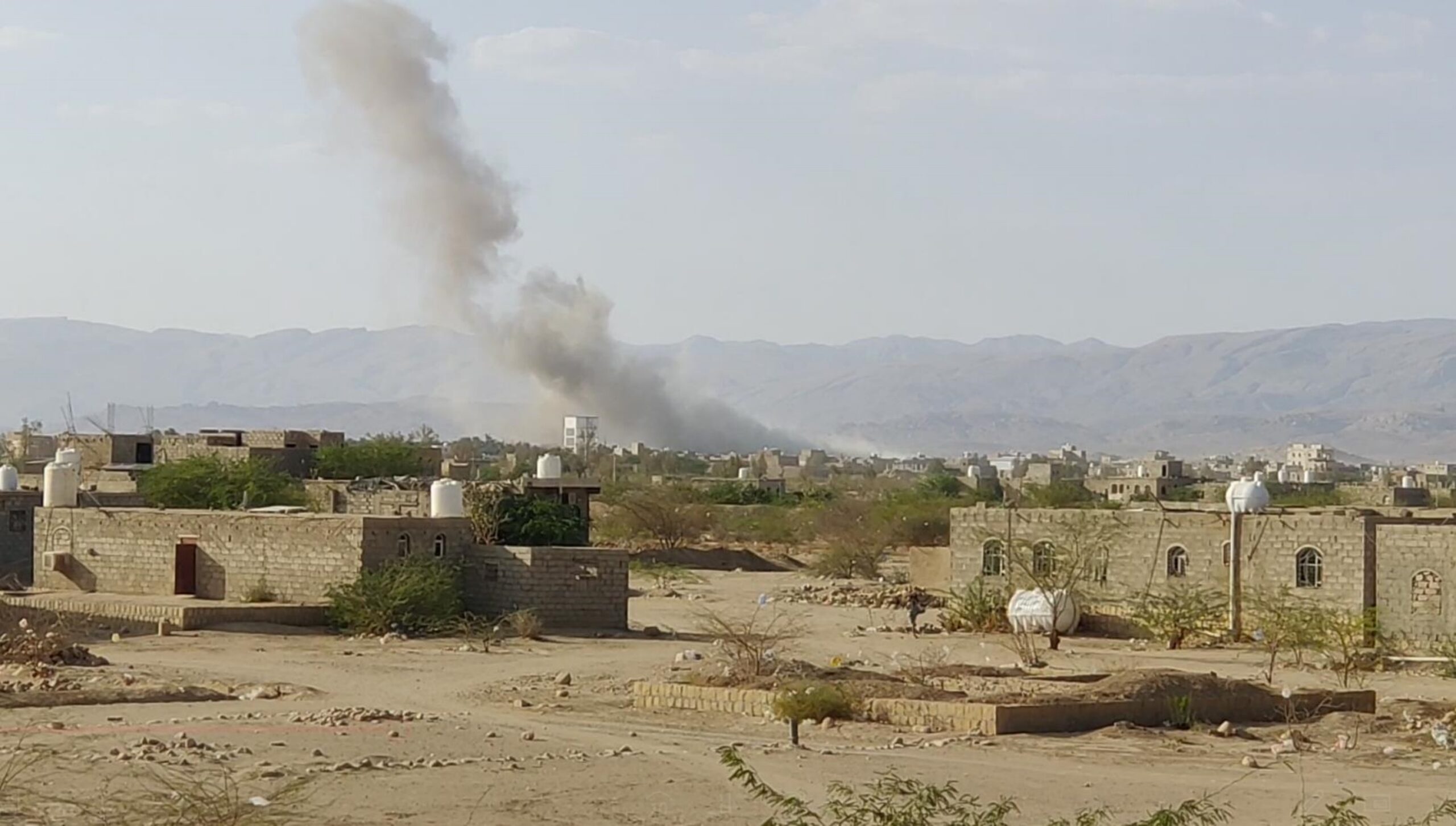
Yemen’s Strategic Reckoning? The Houthis and the Expanding Regional War
On September 10, AGSI hosted a discussion on the latest escalation between the Houthis and Saudi Arabia.




Sep 3, 2026
Saudi Arabia’s Strategic Recalibration?
On September 15, AGSI hosted a discussion on Saudi Arabia's positioning within the emerging regional political and security order.


Sep 2, 2026
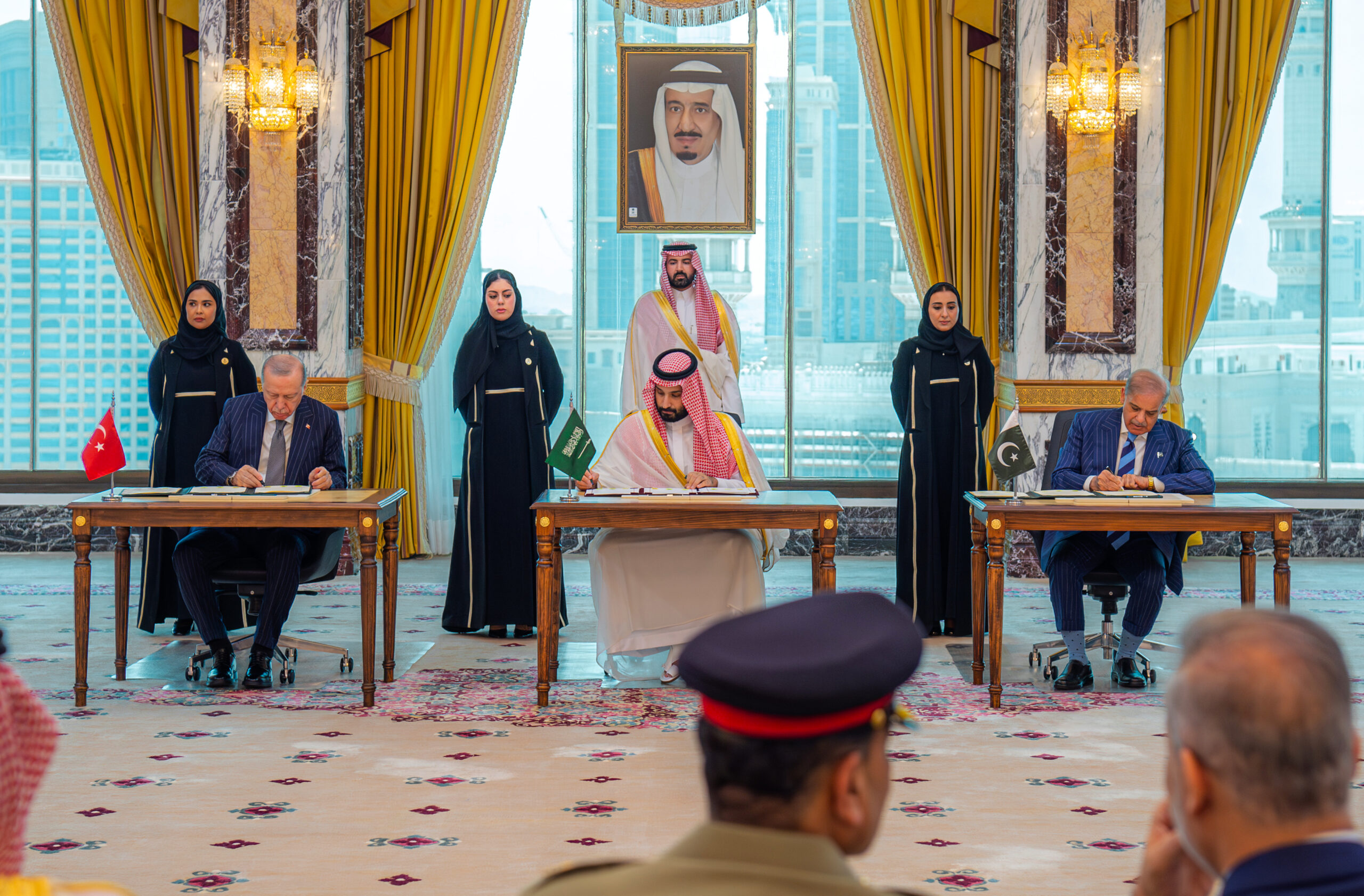
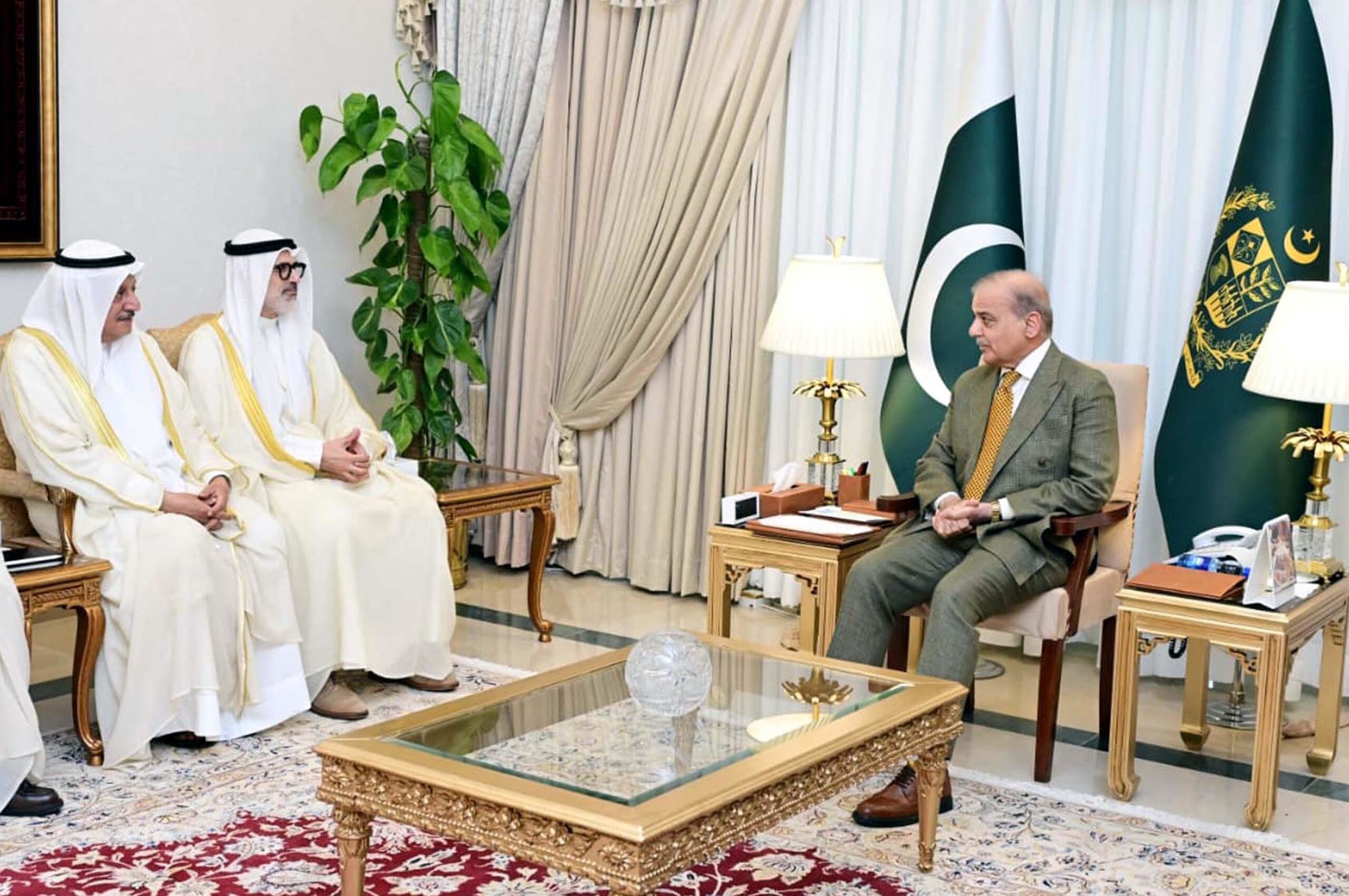
Kuwait’s Defense Diversification Through Pakistan
The significance of Kuwait’s defense pact with Pakistan lies less in any immediate military transformation than in what it reveals about the evolving security landscape of the Gulf.

Aug 28, 2026
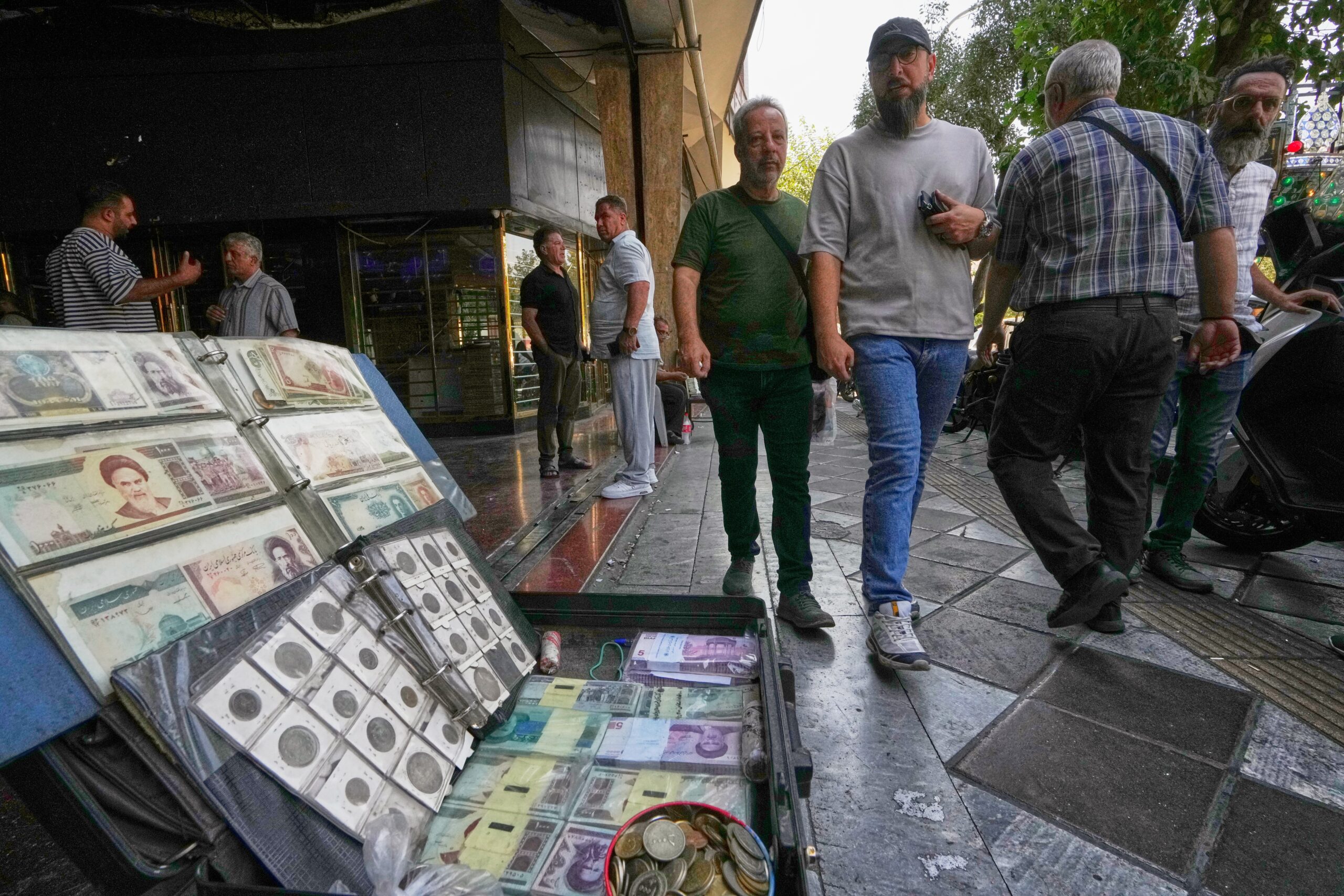
Operation Economic Outcast: Will Economic Pressure on Iran Work, and Are the Gulf Countries On Board?
On September 2, AGSI hosted a discussion on the new U.S. sanctions against Iran.




Aug 25, 2026
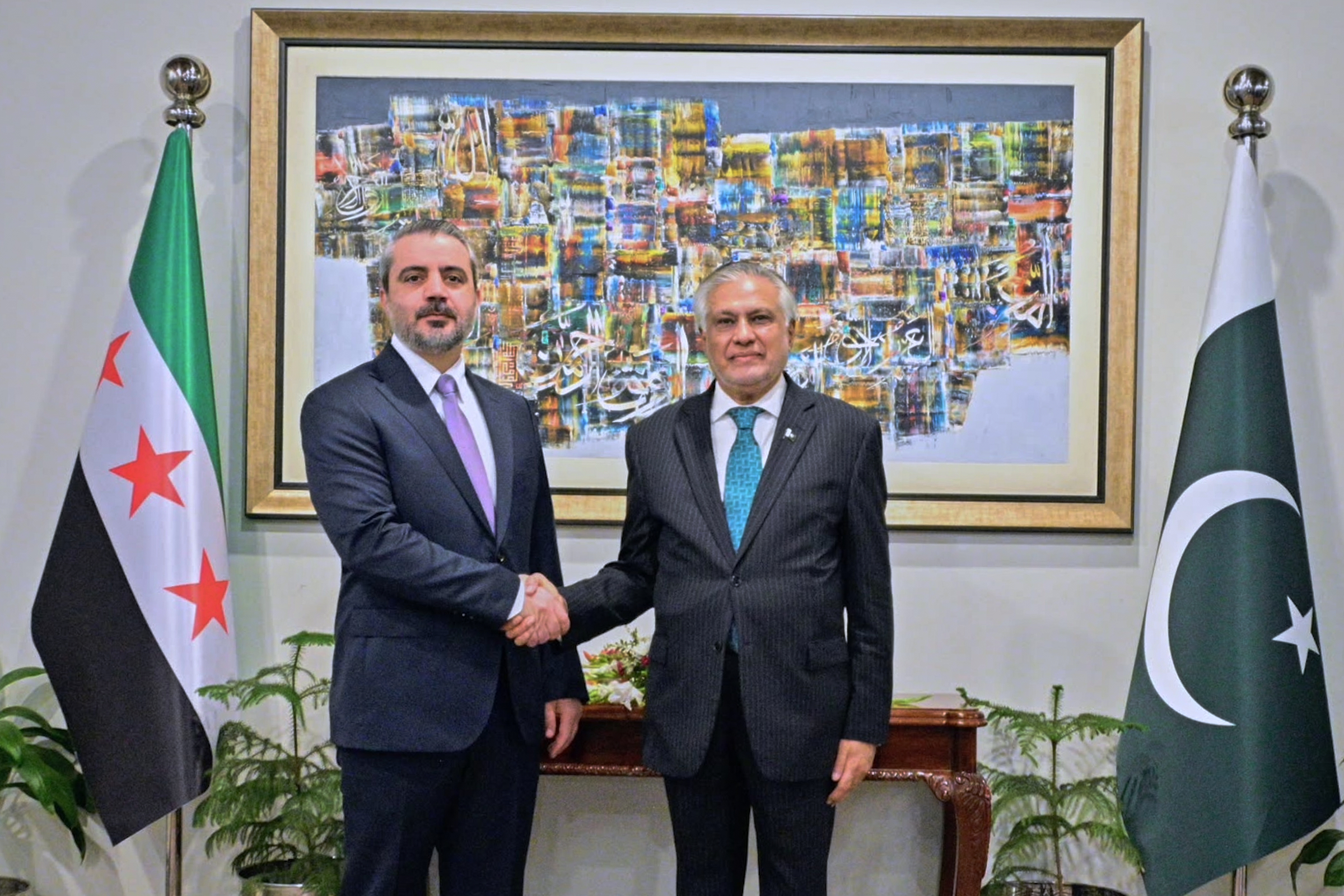
What Is at Stake if Syria Joins the Mecca Agreement?
Joining the Mecca agreement could offer strategic benefits to both Damascus and its existing members while also introducing political and security complications that could test the agreement’s credibility.

Aug 21, 2026
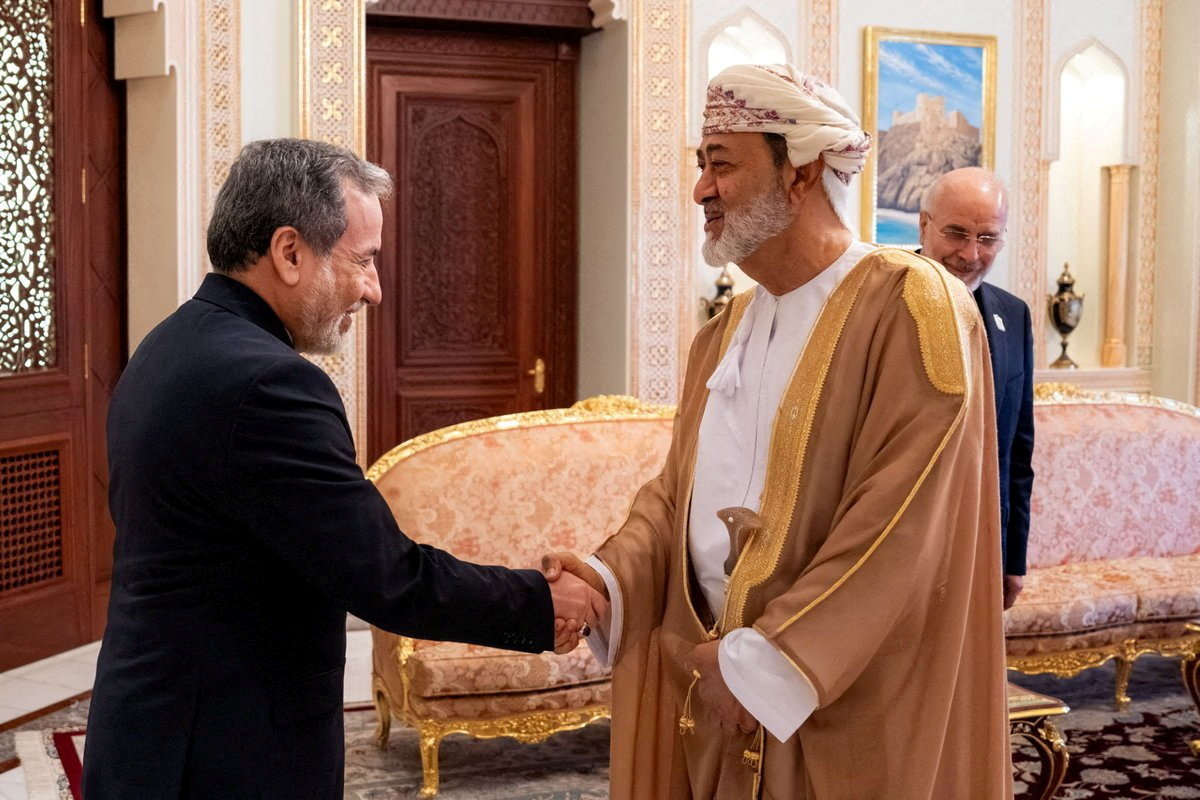
Oman’s Quiet Return to the Region’s Center
Oman’s divergence from the other Gulf Arab states could help shape the postwar regional order and determine the future of the Strait of Hormuz.

Aug 13, 2026
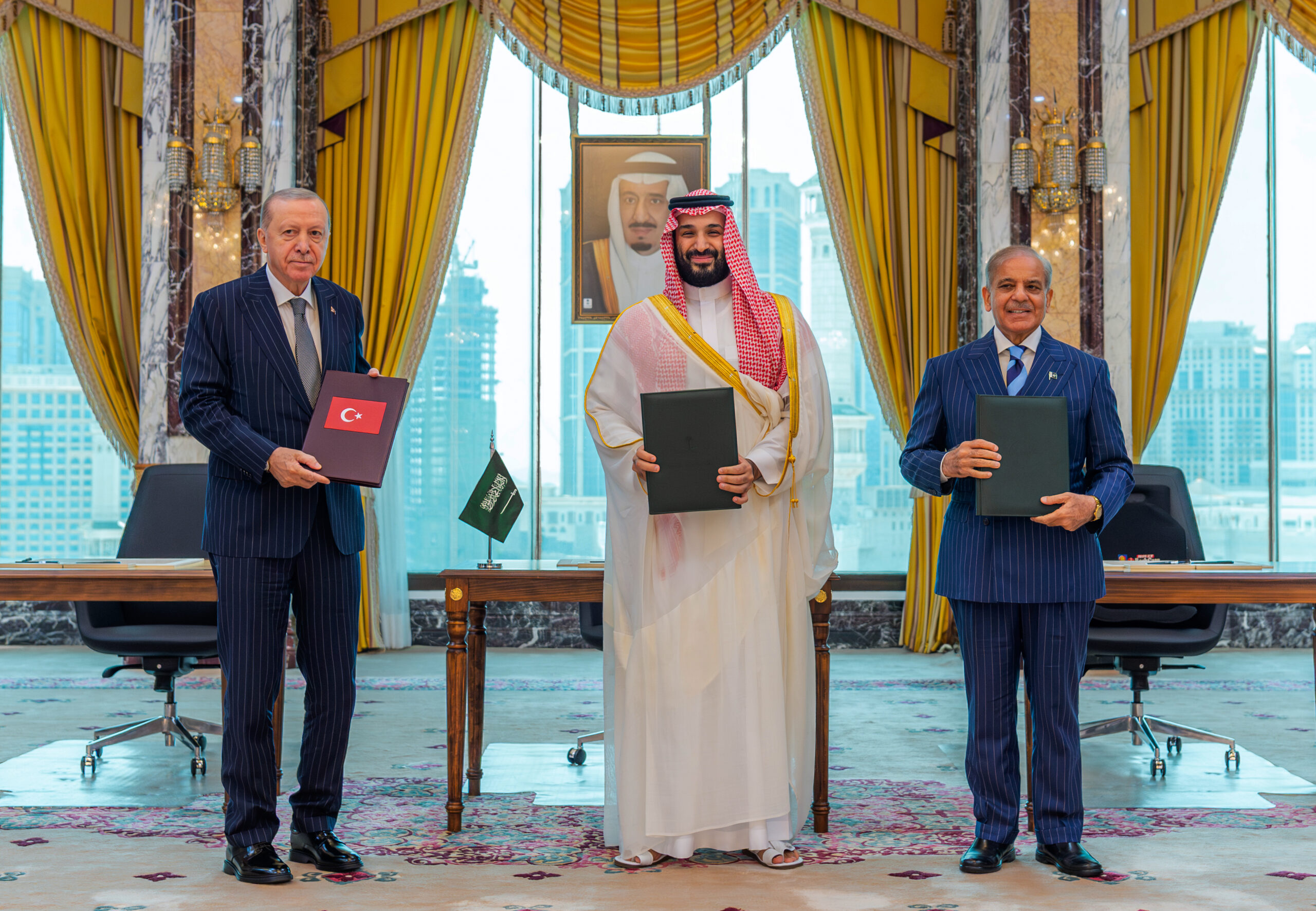
The New Trilateral Axis and the Iraqi Dilemma
As the September deadline for the U.S. troop drawdown approaches, Iraq’s period of comfortable neutrality is ending, but the country’s policymakers should not rush into unsustainable alignments.

Aug 13, 2026
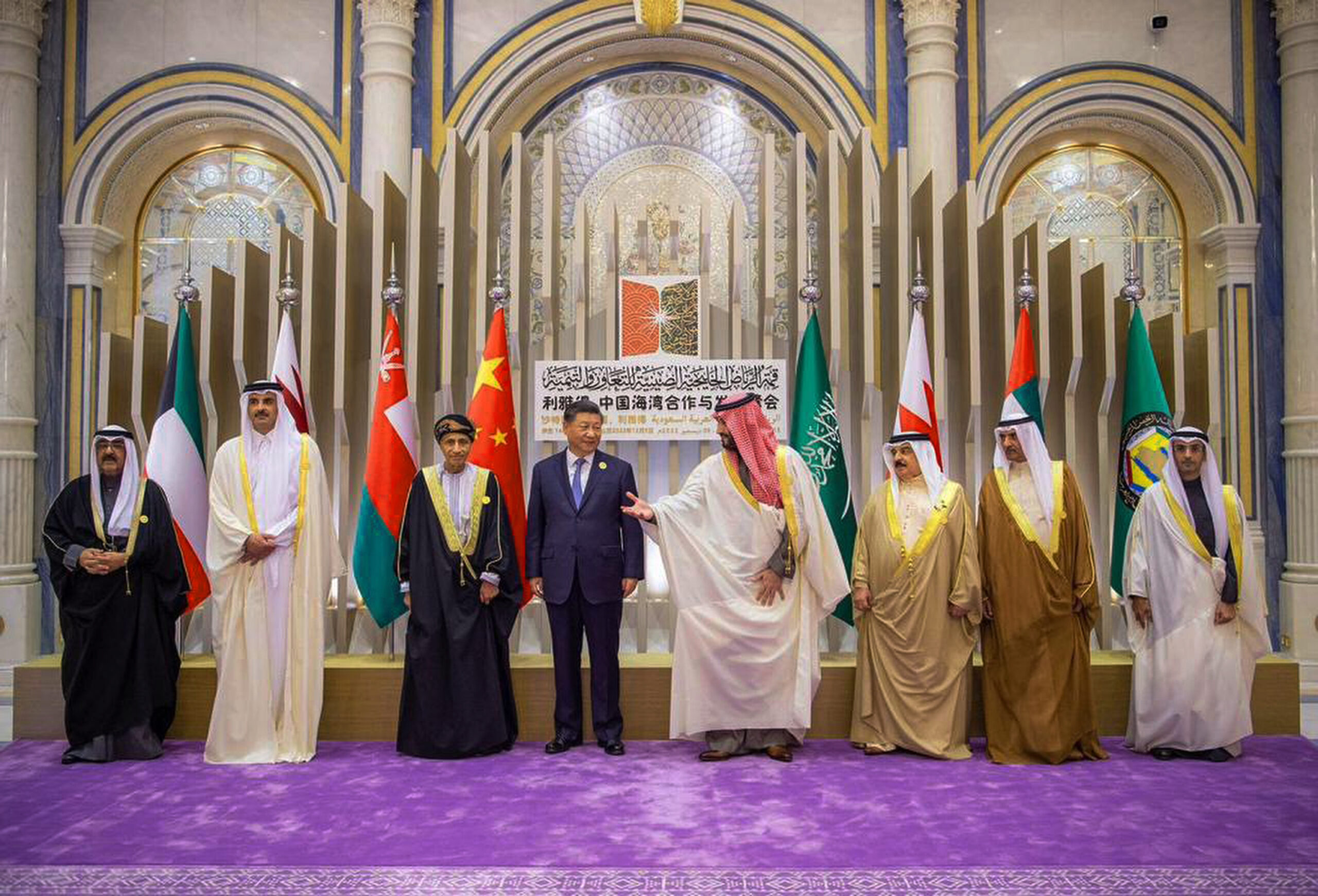
The Challenge of Gulf-China Ties: Reassessing Beijing’s Role After the Iran War
On August 25, AGSI hosted a discussion on the impact of the Iran war on Gulf-China relations.