May 6, 2026
Spending Surge Puts Saudi Budget in Large First Quarter Deficit
The Saudi budget recorded a large deficit in the first quarter of 2026 as spending surged, but higher oil revenue during the rest of the year should limit the size of the annual fiscal deficit.

The Saudi budget deficit increased to 126 billion riyals ($34 billion) in the first quarter of 2026, the largest quarterly deficit ever recorded. Government spending surged by 20% (year over year) to 387 billion riyals ($103 billion), while revenue dipped due to lower oil revenue.
The 20% spending increase was driven by goods and services (52% higher than in the first quarter of 2025), subsidies (170% higher), and investment projects (56% higher). On a sector basis, military spending was 26% higher than in the first quarter of 2025 with this increase likely reflecting spending on goods and services and investment projects. Increased military and subsidy spending is unsurprising given the security and economic effects of the U.S.-Israeli war with Iran. The strength of investment spending is more surprising. This spending is usually quite weak in the first quarter and accelerates as the year progresses. For example, only 16% of annual capital spending was made in the first quarter of 2025 while this figure is 27% in 2026 (relative to budget). This suggests that either the government is trying to implement a smoother quarterly path of investment spending as part of its fiscal reform efforts, that it has accelerated investment spending this year to support the economy, or that a significant part of the increase is for military purposes.
The conflict is unlikely to have yet had a sizeable impact on oil revenue as this revenue accrues to the government budget from Saudi Aramco with a lag. While oil exports have fallen with the closure of the Strait of Hormuz despite the operation of the East-West pipeline, oil prices have risen sharply. Higher prices will more than offset lower export volumes and boost oil revenue from the second quarter.
2026 Fiscal Outlook
The 2026 budget projected a fiscal deficit for the year of 165 billion riyals ($44 billion) with revenue of 1.15 trillion riyals and spending of 1.31 trillion riyals. Based on the first quarter outcome and the expected trajectory of oil prices, both revenue and expenditure will exceed budget, but the fiscal deficit will likely come in close to target.
Financial markets expect oil prices to decline from current levels in the second half of 2026 but remain at a more elevated level ($85 per barrel in December) than expected preconflict. Presuming the conflict ends relatively soon and the Strait of Hormuz is gradually reopened to shipping, oil export volumes should start to increase. With oil prices remaining elevated, this would result in higher oil revenue in 2026 than expected at the time of the budget, perhaps by as much as 20% to 25% (budgeted oil revenue is not disclosed by the Ministry of Finance and is estimated by the author). With a slowdown in the non-oil economy likely to have a modest negative impact on non-oil revenue, overall government revenue could be around 1.28 trillion riyals, exceeding the budget by some 12%.
Government spending will exceed budget, potentially reaching 1.46 trillion riyals. This assumes that spending on the military and subsidies remains elevated through the third quarter of the year, that high capital spending in the first quarter is part of a plan to better smooth spending across the year rather than to increase it relative to budget, and that spending overruns in other areas are limited.
These revenue and expenditure assumptions would put the 2026 budget deficit at 180 billion riyals ($48 billion). Higher oil revenue during the rest of 2026 offsets higher spending leaving the deficit close to the budget target. Of course, this forecast comes with a high degree of uncertainty. The duration and outcome of the war and the time it will take for trade to recover postconflict are all unclear. There is also no clarity from the Ministry of Finance about the causes of the spending surge in the first quarter and whether it will be sustained going forward. Changing conditions could quickly render the above forecast obsolete. Nevertheless, the projections do suggest that the large first quarter deficit will not necessarily translate into an annual fiscal deficit that is substantially above the budget as long as oil revenue picks up and most of the spending surge in the first quarter is war related and dissipates as the year progresses.
The views represented herein are the author's or speaker's own and do not necessarily reflect the views of AGSI, its staff, or its board of directors.
Related
Saudi Economic Spotlight
May 5, 2026
Gulf PMIs Raise Specter of Stagflation
Business conditions in the Gulf generally improved in April, but they remained weaker than before the Iran war. There are signs that price pressures are increasing as the conflict impedes trade.
The Iran War and the Saudi Economy
Data shows that the Saudi economy is being negatively affected by the U.S.-Israeli war on Iran, and the impact will likely continue for the next few months at least.
Saudi Economic Spotlight
Apr 2, 2026
Saudi Equities Outperform Global Markets
Saudi equity prices have risen since the start of the Iran conflict, outperforming many regional and global markets. Whether this continues will depend on how and when the conflict ends.
May 5, 2026
Gulf PMIs Raise Specter of Stagflation
Business conditions in the Gulf generally improved in April, but they remained weaker than before the Iran war. There are signs that price pressures are increasing as the conflict impedes trade.
The Iran War and the Saudi Economy
Data shows that the Saudi economy is being negatively affected by the U.S.-Israeli war on Iran, and the impact will likely continue for the next few months at least.
Apr 2, 2026
Saudi Equities Outperform Global Markets
Saudi equity prices have risen since the start of the Iran conflict, outperforming many regional and global markets. Whether this continues will depend on how and when the conflict ends.
Analysis
Saudi Economic Recovery Delayed by New Threats
Attacks on the East-West oil pipeline and other targets in Saudi Arabia will result in a larger-than-expected economic contraction in the kingdom this year.
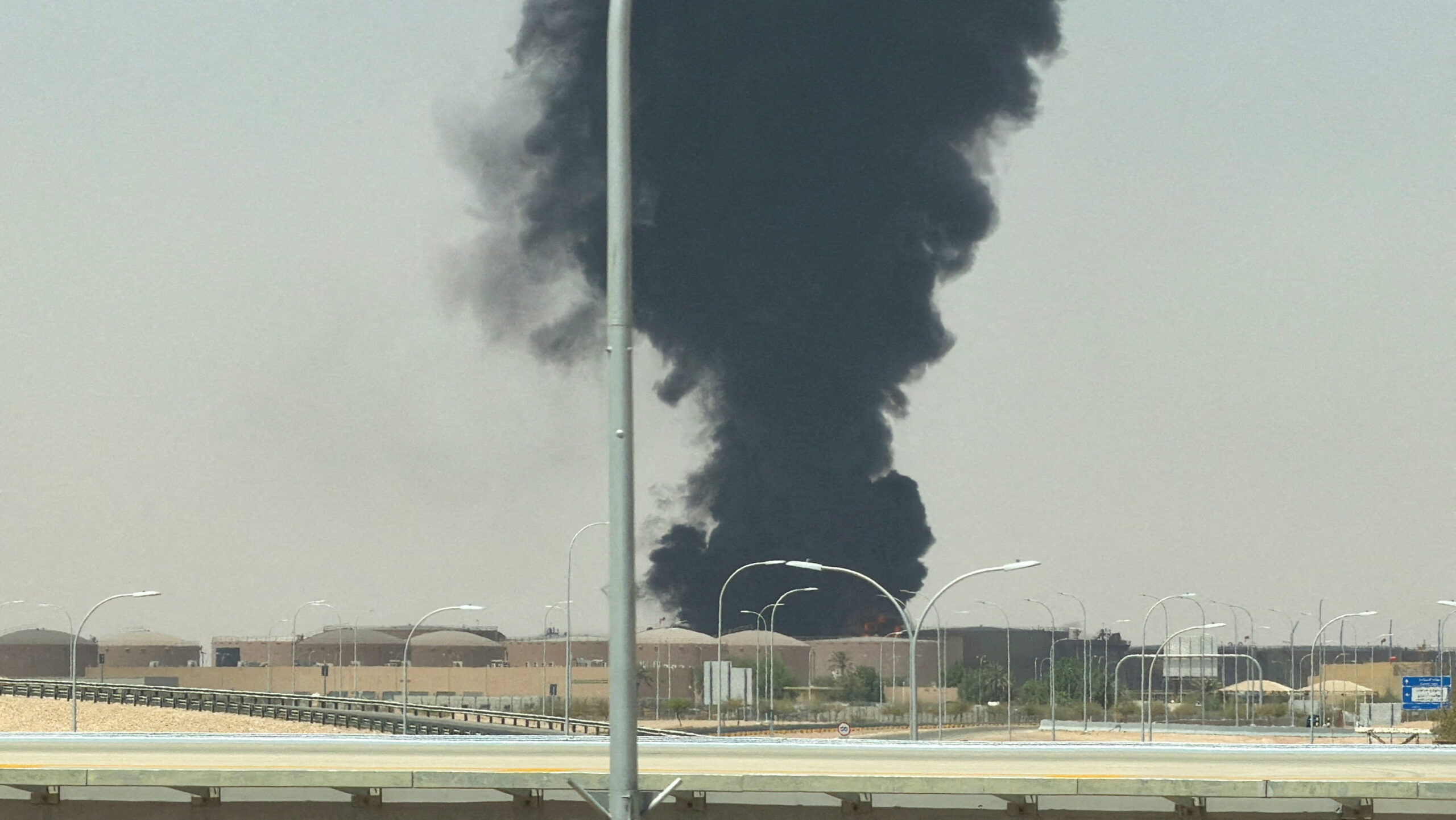
The Trump Presidency, Iran War, and U.S.-Gulf Economic Relationship
The outbreak of the Iran war has halted the deepening of the economic relationship between the United States and the Gulf countries. While likely temporary, it could take some time before the upward trajectory is restored.
Have Saudi Labor Market Reforms Run Their Course?
Recent data suggests that the positive impact of a decade of reforms to improve Saudi labor market outcomes may now be waning.

Saudi Arabia Weathers the Iran War Thanks to Investments in “Economic Resiliency”
The impact of the Iran war on the Saudi economy has been mitigated by investments in “economic resiliency,” including the East-West oil pipeline, relatively prudent fiscal policy, and the accumulation of a large stock of foreign financial assets.
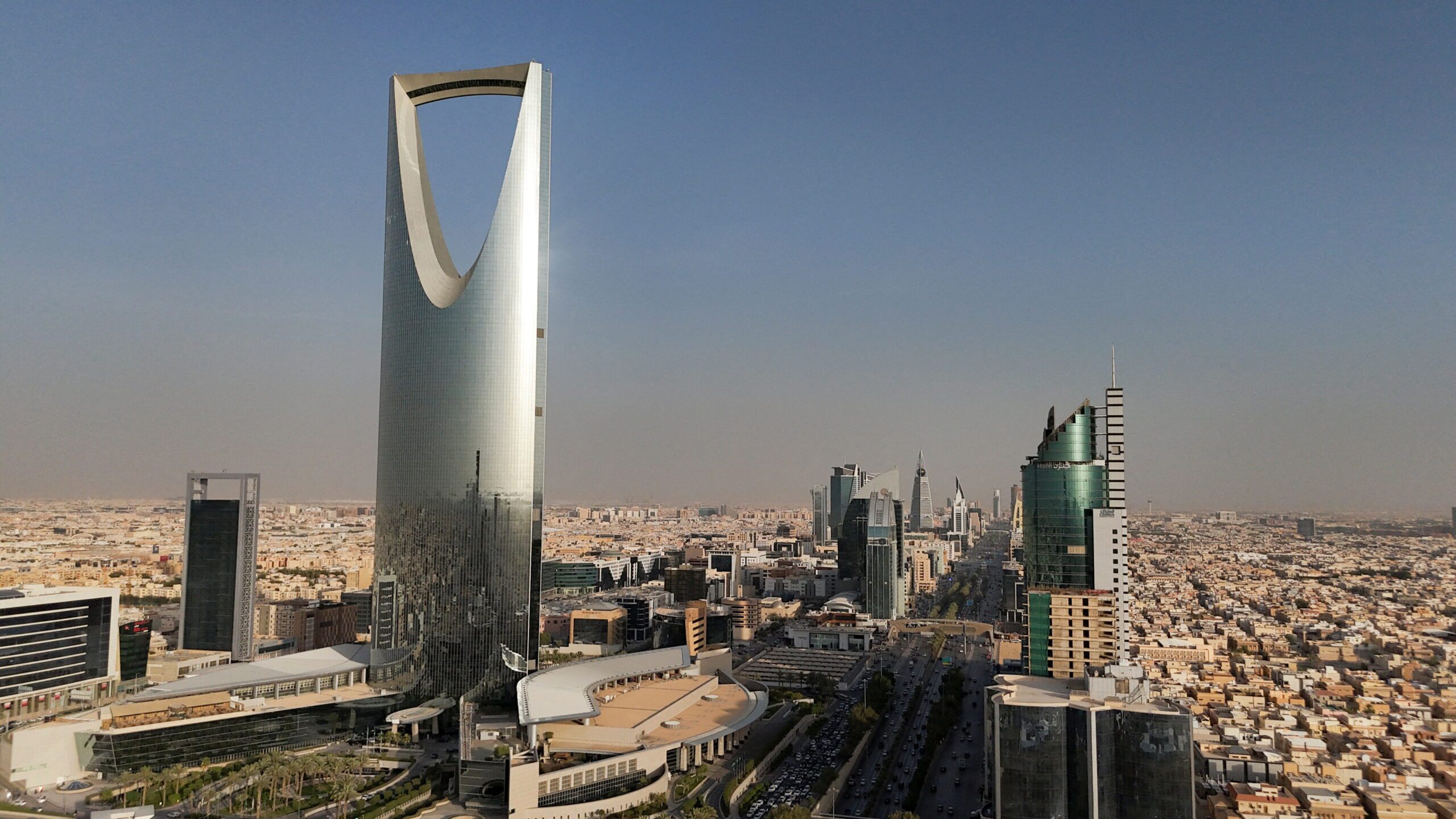
Events
Mar 11, 2026
Shockwaves From Iran: Implications for Energy Markets and the Global Economy
On March 11, AGSI hosted a discussion on global energy and economic market volatility.
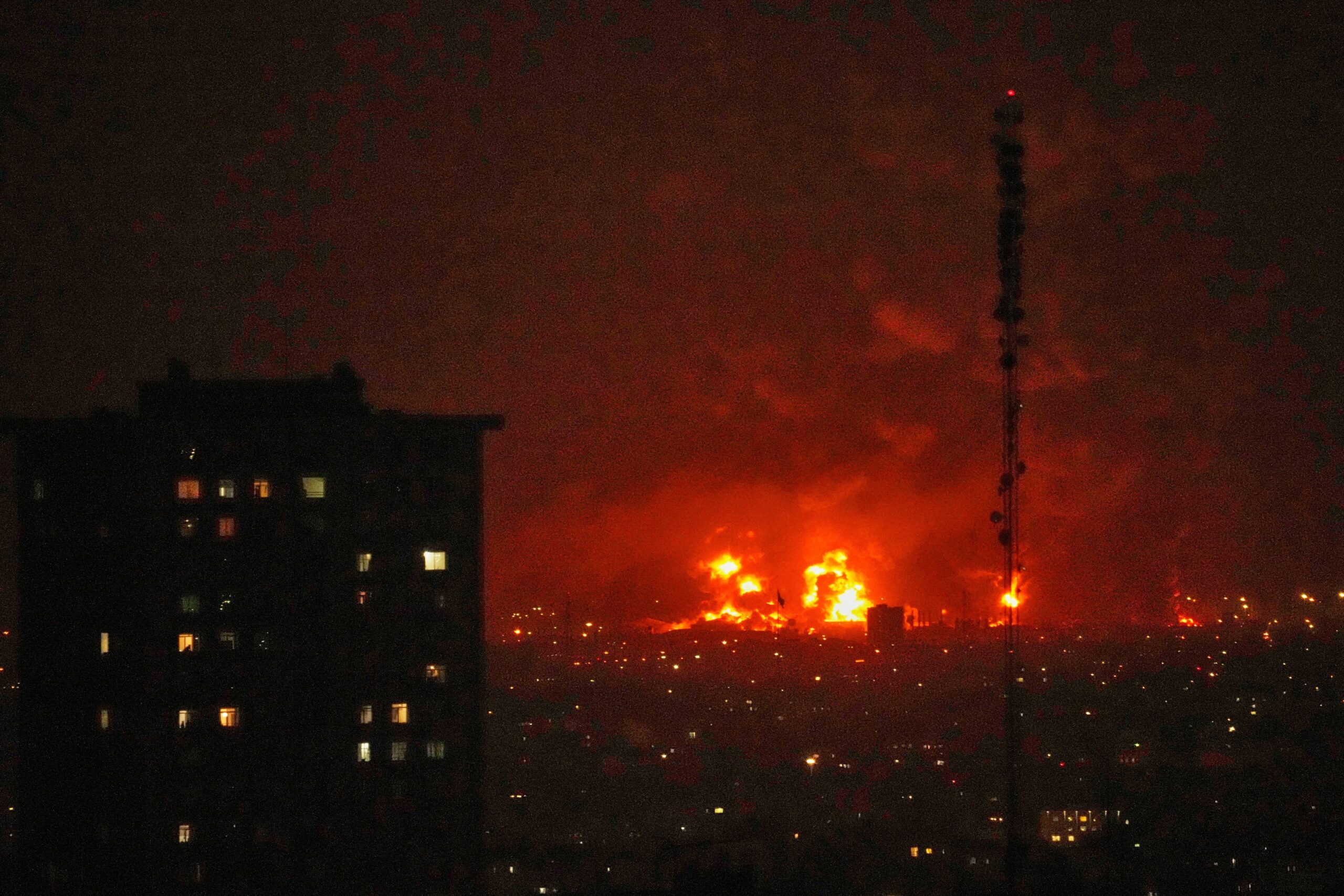
Speakers




Jan 8, 2026
Outlook 2026: Prospects and Priorities for U.S.-Gulf Relations in the Year Ahead
On January 8, AGSI hosted a virtual roundtable with its leadership and scholars as they look ahead and assess trends likely to shape the Gulf region and U.S. foreign policy during the coming year.
Speakers





Dec 15, 2025
Looking to 2026: Economic Prospects and Policy Challenges in the GCC
On December 15, AGSI hosted a discussion on the future of Gulf economies.
Speakers


Sep 4, 2025
Saudi Arabia: Sustaining Strong Growth Amid Global Economic Uncertainty
On September 4, AGSI hosted a discussion on the International Monetary Fund’s 2025 Article IV report on Saudi Arabia.
Speakers