Security
Sep 17, 2026
Saudi Arabia’s Grim Options as the Houthis Storm Mokha
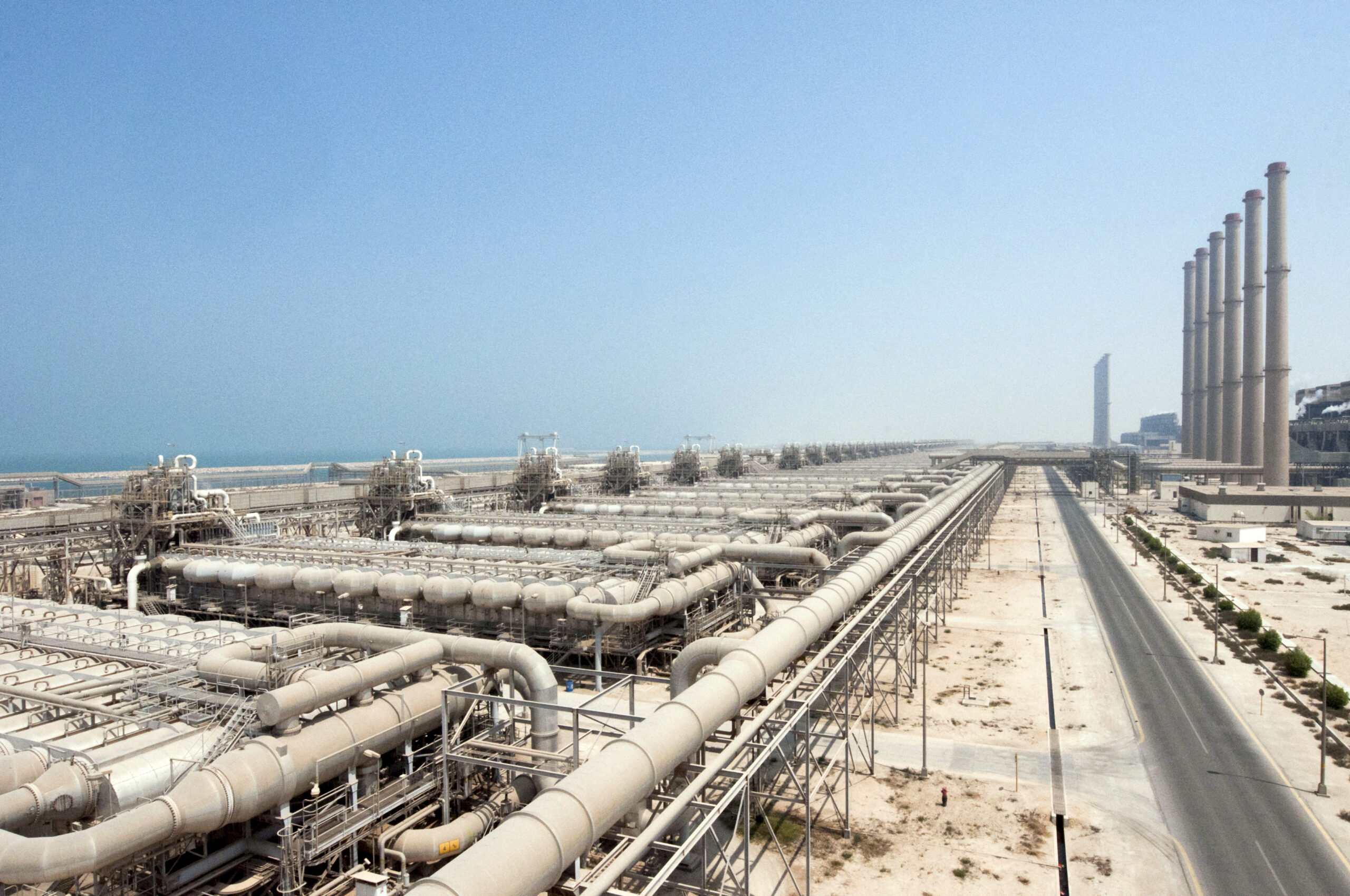
In tandem with President Trump’s refusal to offer help with the Houthis, the Saudis are facing grim options to reverse Houthi military successes and a chokehold over their oil exports.

Sep 8, 2026
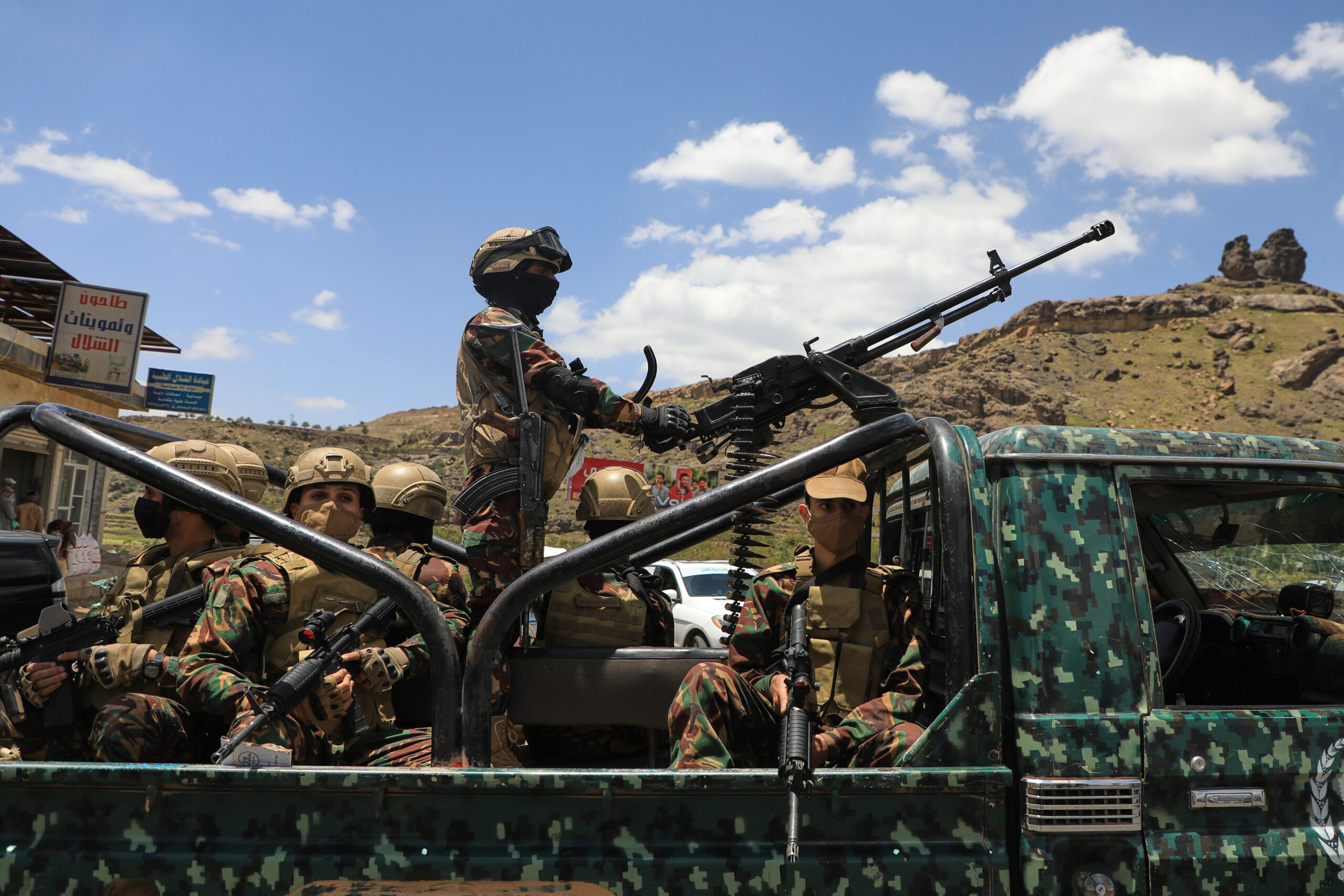
Yemen’s Strategic Reckoning? The Houthis and the Expanding Regional War
On September 10, AGSI hosted a discussion on the latest escalation between the Houthis and Saudi Arabia.



Sep 8, 2026
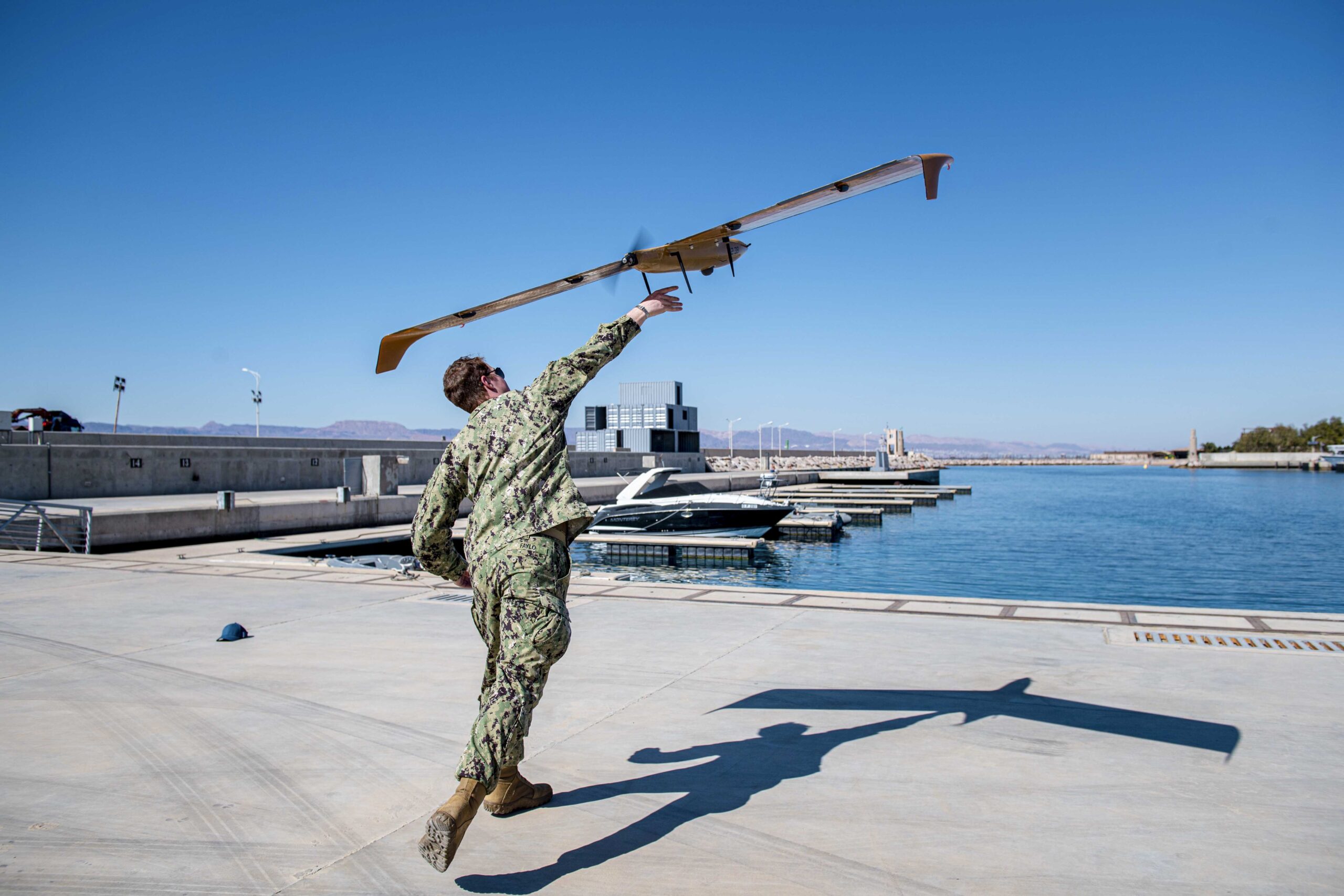
Emerging Technologies and U.S. Military Power in the Gulf
U.S. force projection in the Gulf is increasingly relying on artificial intelligence, unmanned platforms, and space technology, using these systems to augment existing military infrastructure.

Sep 2, 2026
Kuwait’s Defense Diversification Through Pakistan
The significance of Kuwait’s defense pact with Pakistan lies less in any immediate military transformation than in what it reveals about the evolving security landscape of the Gulf.


Aug 26, 2026
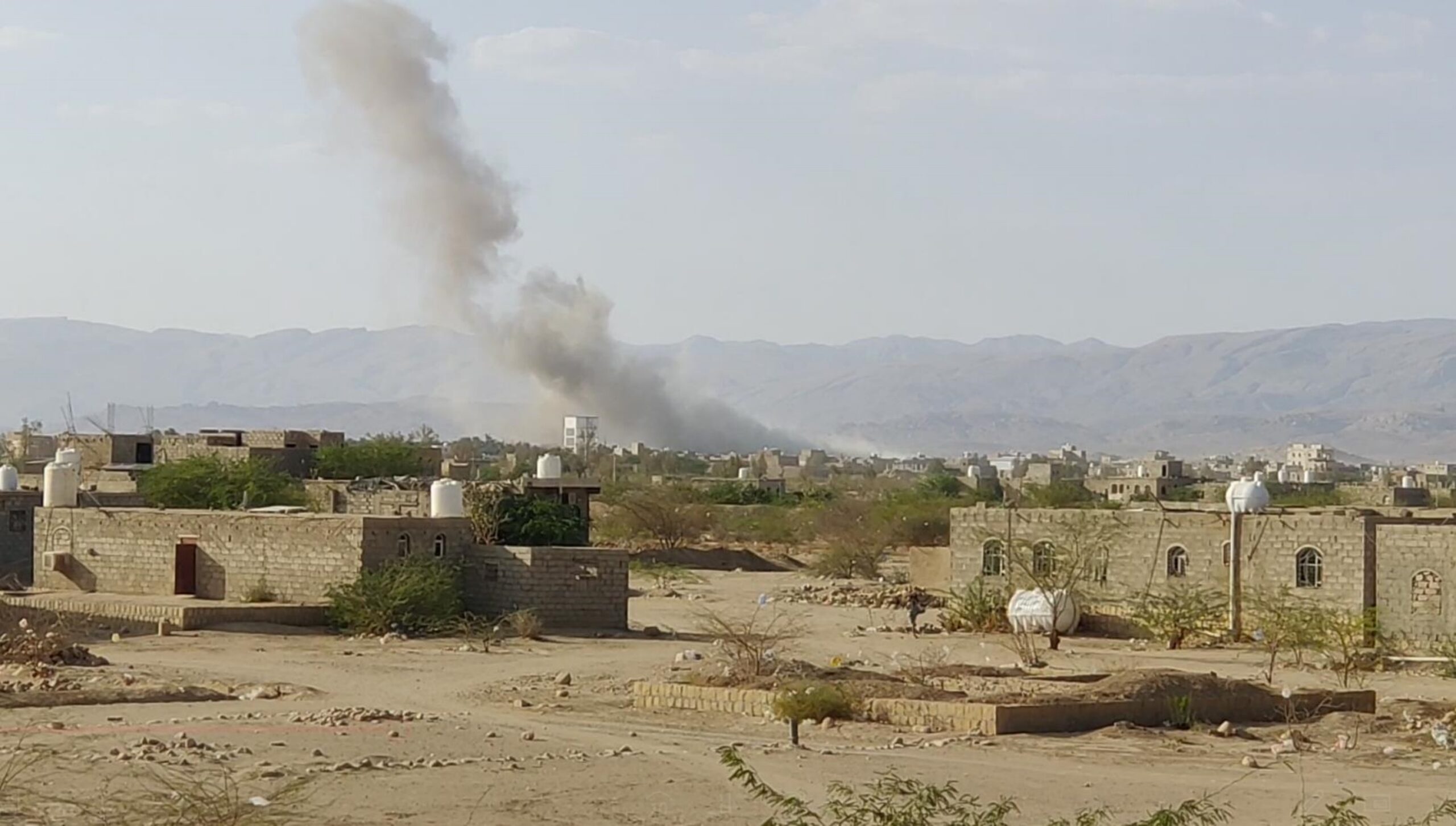
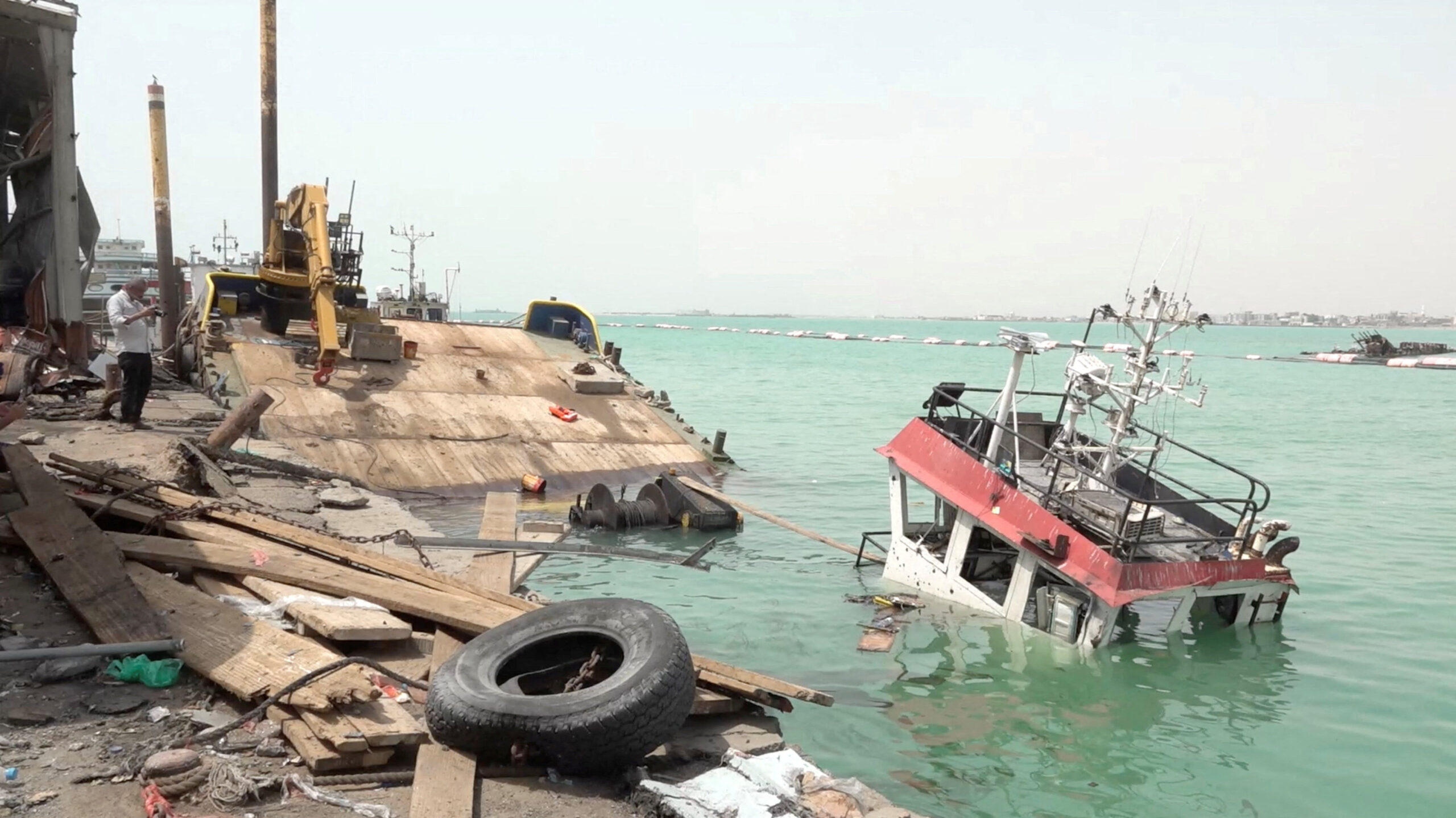
Yemen’s Mokha Under Fire: The Houthis Target Saudi Interests
The Houthi escalation against the port city of Mokha is rooted in intra-Yemeni power balances but, at the same time, it has broader implications for Saudi and regional security, testing new defensive coalitions and alliances.

Aug 25, 2026
What Is at Stake if Syria Joins the Mecca Agreement?
Joining the Mecca agreement could offer strategic benefits to both Damascus and its existing members while also introducing political and security complications that could test the agreement’s credibility.


Aug 19, 2026
Charting a Path to a Durable End State in Iran
A coordinated strategy with allies, alongside sustained military and economic pressure, can help the United States end the conflict with Iran in a way that stabilizes the region, restores freedom of navigation, and prevents Tehran from becoming a nuclear power.

Aug 14, 2026
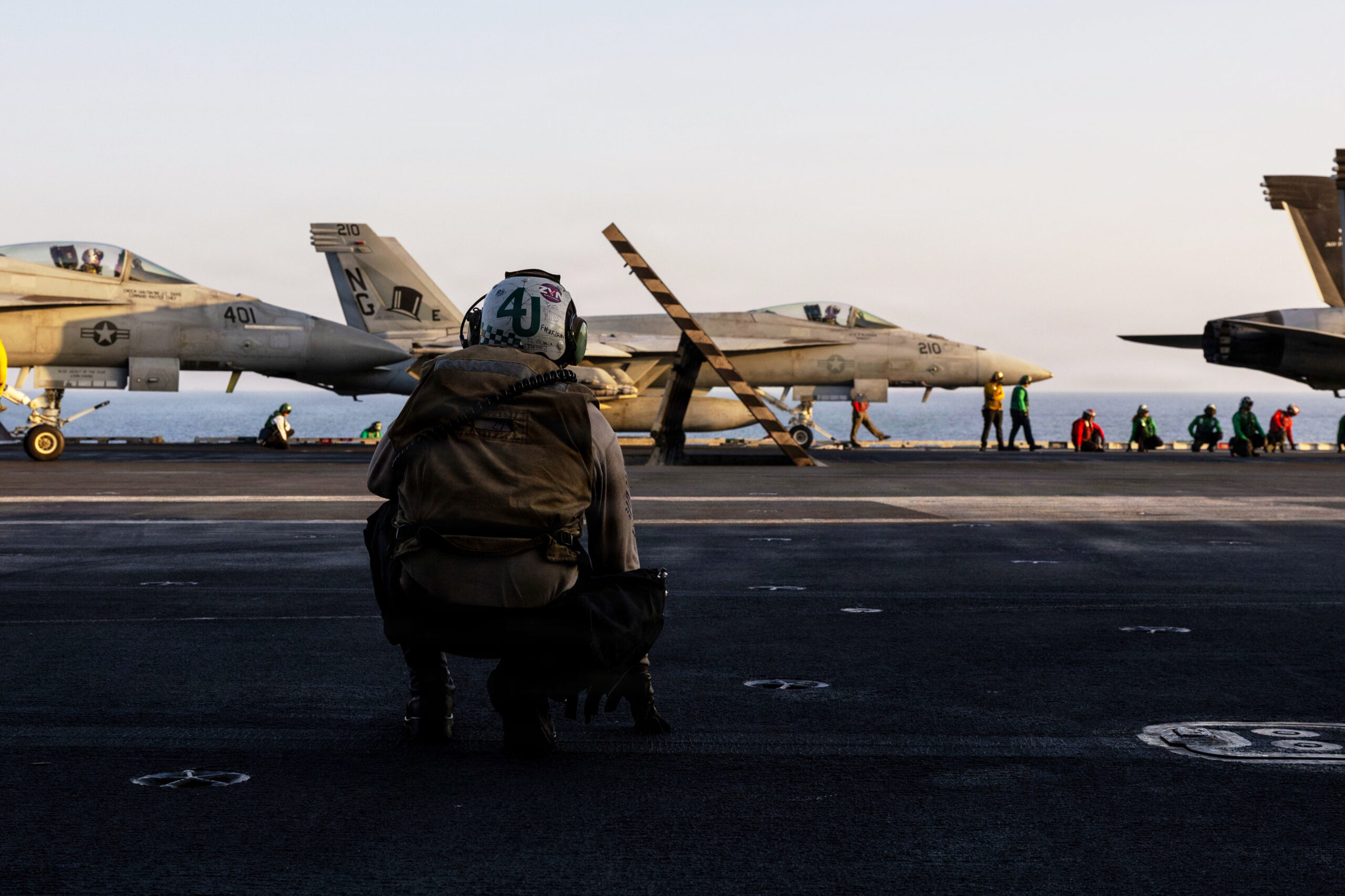
A Security Lens for Gulf Water Policy
As hostile actors recognize the vulnerability of critical water infrastructure, recognizing water as a national security priority is the first step toward resilience.