From Shield to Target: The Gulf’s Security Dilemma
Regardless of the outcome of ongoing U.S.-Iranian negotiations, Gulf states are likely to speed up the diversification of their defense partnerships, including with each other, though many hurdles have yet to be overcome.
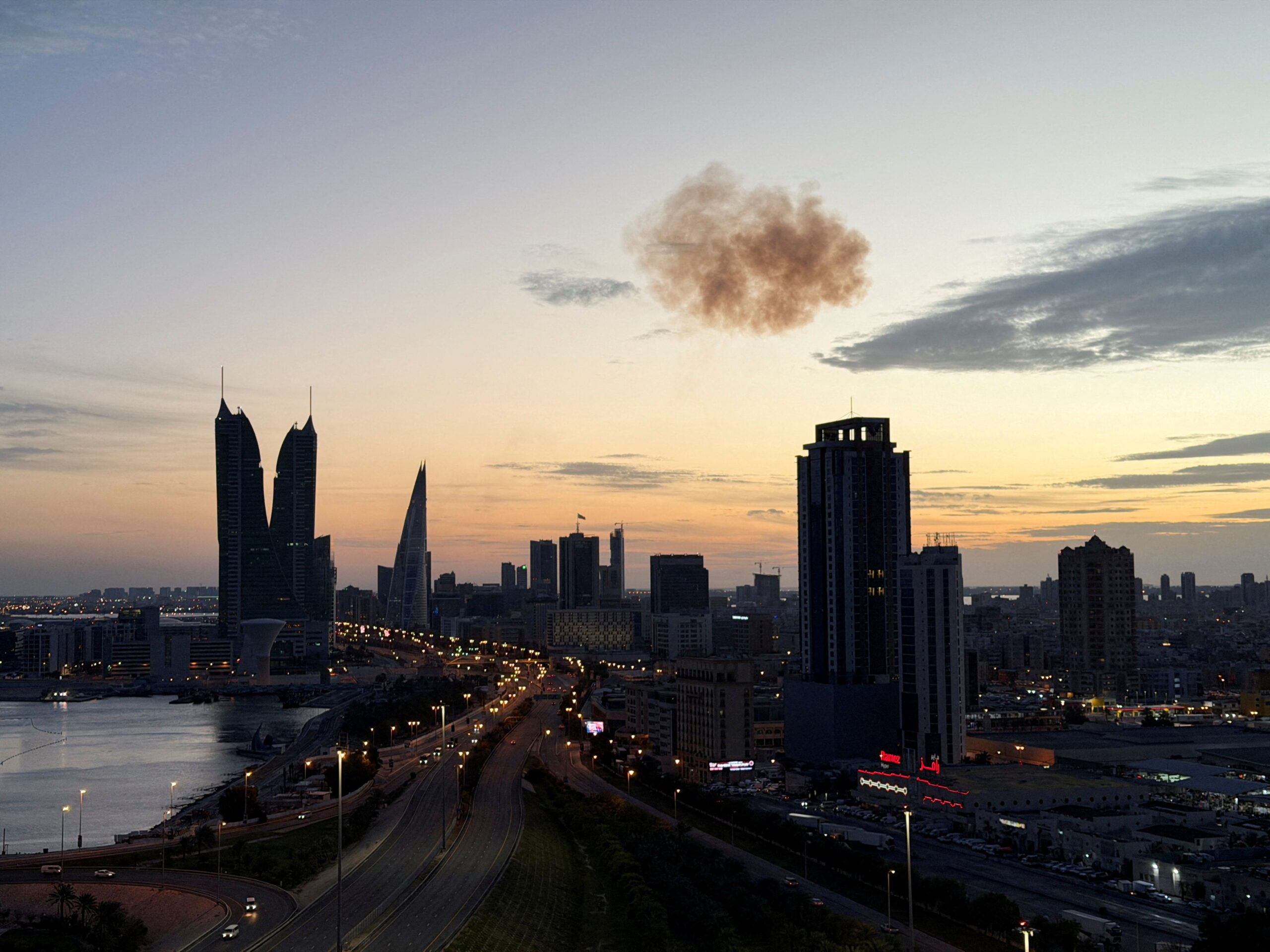
Smoke rises after an Iranian drone was intercepted over the Bahrain Financial Harbour towers in Manama, Bahrain, March 6. (REUTERS/Stringer TPX)
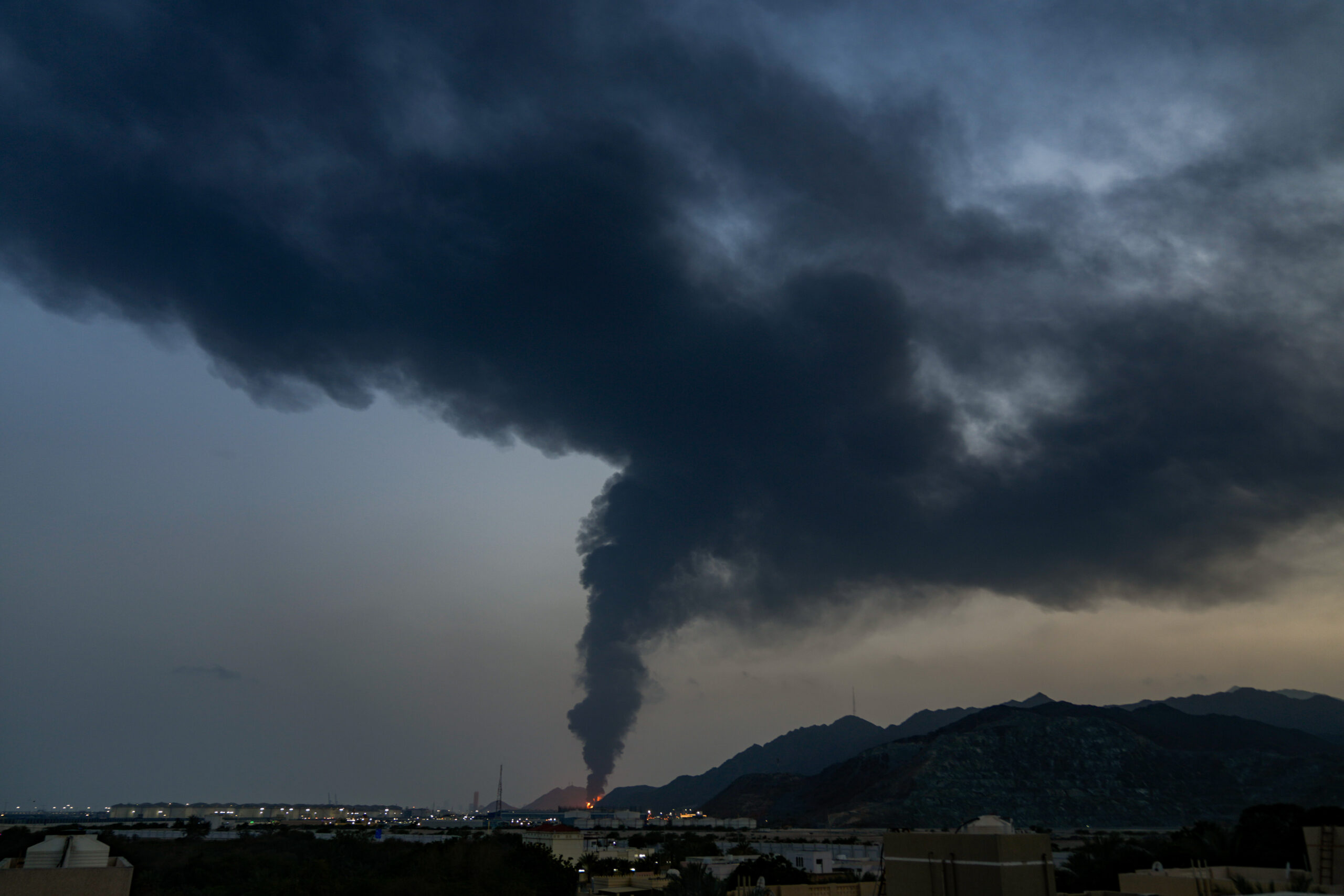
For decades, Gulf Arab states have structured their defense policies around close alignment with Washington, investing heavily in arms purchases, hosting military facilities, and embedding themselves within a U.S.-led regional order designed to shield them from external threats, particularly from Iran. But Gulf states have long had concerns about the extent of U.S. protection and whether the presence of U.S. bases in the region shields them or increases their vulnerability. The current U.S.-Israeli conflict with Iran has brought these concerns into sharp focus. Despite actively seeking to avoid escalation, Gulf Cooperation Council states themselves have been directly exposed to retaliation, with key infrastructure hit by missile and drone strikes.
Regardless of the outcome of ongoing U.S.-Iranian negotiations, what is unfolding is a turning point forcing Gulf states to reconsider the foundations of their strategic dependence. This reassessment underscores the need for a renewed intra-GCC defense framework, though long-standing dynamics have in the past made such coordination challenging. Gulf states will likely look to accelerate the diversification of partnerships they began pursuing after the Arab Spring uprisings. Saudi Arabia, for example, could collaborate more closely with Turkey on technological transfer, further developing its domestic defense industry. At the same time, Gulf countries will likely invest more heavily in antimissile defense systems, which have proved highly effective during the ongoing war, and minesweepers, essential tools to limit Iran’s ability to control the Strait of Hormuz.
The Erosion of the Security Compact
The contemporary security posture of Gulf states is rooted in a decades-long partnership with the United States. But a critical moment came September 14, 2019, when strikes hit Saudi Arabia’s Abqaiq and Khurais oil facilities. Despite the scale and precision of the attack, the U.S. reaction was widely perceived in the Gulf as muted, raising questions about whether even major shocks would prompt a robust response. The ongoing conflict with Iran underscores U.S. regional strategy: Washington’s actions appear heavily influenced by Israeli priorities, despite Gulf states’ repeated efforts to avoid all-out war. What Gulf leaders had hoped would be careful U.S. restraint, particularly under the administration of President Donald J. Trump, instead resulted in them being drawn into hostilities without sufficient consultation or opportunity for preparation.
Weaknesses of theGCC Defense Architecture
The GCC was initially established in 1981 amid the turbulence of the Iran-Iraq War, as the six Gulf states sought a platform to coordinate political, economic, and security policies. Security concerns were central from the outset. Gulf leaders viewed Iran’s export of its revolution and regional ambitions as existential threats, and the war underscored the strategic vulnerability of the region.
In 1984, the GCC created the Peninsula Shield Force, a 5,000-strong combined military unit intended to collectively safeguard member states. Its early exercises in 1985 and 1986 demonstrated an ambition to forge a unified defense capability, but requests for intervention, such as Kuwait’s plea to secure its border with Iranian-occupied territory in Iraq, were largely denied due to lack of consensus among members. The 1990-91 Gulf War exposed further limitations. While GCC states contributed forces to expel Iraqi troops from Kuwait, operations were integrated into a U.S.-led coalition rather than a coordinated GCC deployment. And in 2011, the Peninsula Shield Force intervened in Bahrain, however, this was to address internal unrest rather than an external threat. At the January 2021 Al-Ula summit, the force was renamed the GCC Unified Military Command and the GCC stressed “the importance of strengthening joint Gulf action to ensure security and the stability of the GCC states.”
Nonetheless, despite these initiatives over the past four decades, the Unified Military Command has not developed into a cohesive military bloc capable of responding effectively to external threats. Its deployments have been rare and limited in scope, and cooperation has focused mainly on internal stability rather than external defense.
GCC states have never fully aligned on threat perception, strategic priorities, or leadership. These differences have become more pronounced in recent years, particularly between Saudi Arabia and the UAE. Riyadh has prioritized stability and use of its regional diplomatic and convening influence, while Abu Dhabi has pursued a more forward-leaning approach that has at times been backed by military support in the region.
The ongoing war has eased these tensions, with Saudi Crown Prince Mohammed bin Salman and UAE President Mohammed bin Zayed al-Nahyan publicly showcasing their support for each other’s country as they manage the immediate Iranian threat. But these divergences reflect fundamentally different conceptions of the regional order and are of such strategic importance to both countries that they are likely to resurface once the conflict subsides. And they represent a fresh version of long-standing cross-GCC differences that help explain why there’s been a continued absence of an effective collective defense capability at a time of heightened regional vulnerability.
Challenges to an Intra-GCC Defense Framework
Beyond political disagreements, a more deep-seated challenge to establishing an effective GCC defense framework lies in the technical and infrastructural dependencies that tie Gulf states to U.S. defense systems. Advanced U.S. systems, such as the Terminal High Altitude Area Defense, Patriot, and F-35, are not plug-and-play assets; they are complex ecosystems requiring continuous U.S. technical support, software updates, and proprietary maintenance. The 26 million lines of code in an F-35, for example, cannot be modified locally without violating intellectual property restrictions, while missile defense networks rely on integrated radar, communications, and command systems controlled through U.S. contractors. Even minor hardware replacements often necessitate U.S. involvement, creating a structural dependency.
Beyond hardware, these systems are deeply networked. Command-and-control integration across Gulf forces relies on U.S. operational standards, digital architectures, and interoperability protocols. Even with capable personnel, Gulf states cannot fully operate, maintain, or upgrade their high-end platforms independently. Export controls and dual-use restrictions further limit the ability to source alternative components or technologies from third-party partners.
In sum, Gulf efforts at domestic defense industrialization, while advancing incrementally, remain constrained by this entrenched U.S. technological architecture. Projects such as local assembly of missile components or drone payload integration offer bargaining leverage and limited operational autonomy but cannot replace the broader ecosystem of software, diagnostics, and logistics controlled by the United States. As a result, any move toward greater self-reliance must contend with deeply embedded technological dependencies, which limit the speed, scope, and flexibility of Gulf military modernization.
Even if Saudi Arabia and Qatar, for example, were to deepen ties with partners such as Turkey or Egypt, they still won’t be truly independent from the United States. Both countries rely on U.S.-backed frameworks in some form: Turkey as a NATO member and Egypt through substantial U.S. military aid. And the GCC will still rely on the United States’ sophisticated systems.
Moreover, the composition of Gulf arsenals has often reflected a balance between signaling value and operational requirements. Some high-profile acquisitions – such as advanced fighter jets and missile platforms – have played an important role in deterrence and demonstrating capability, even if their utility varies across different threat environments. At the same time, comparatively less visible assets, including mine countermeasure vessels essential for security of the Strait of Hormuz, have received more limited emphasis. This has, in some cases, contributed to gaps in addressing asymmetric challenges, where even relatively modest attacks can carry outsized regional consequences.
The human and doctrinal dimensions of Gulf militaries reinforce these technical dependencies. Training remains overwhelmingly conducted by the U.S. military, and English is the primary operational language. While some personnel attend French or Chinese programs, the core military culture, planning methods, and operational mindset remain rooted in U.S. practices. This deep institutional and cognitive imprint further complicates any effort to achieve rapid partnership diversification and strategic autonomy.
A Diversified Future
Once the dust settles, Gulf states are likely to accelerate the diversification of their strategic partnerships with greater urgency and focus. They have already started to do so, with outreach to countries from South Korea to Ukraine. Nonetheless, the United States is expected to remain the Gulf’s primary defense partner. While this diversification has long been understood as a negotiating tactic, in the aftermath of this war it will also signal stronger resolve from the Gulf states to assert and advance their own priorities.
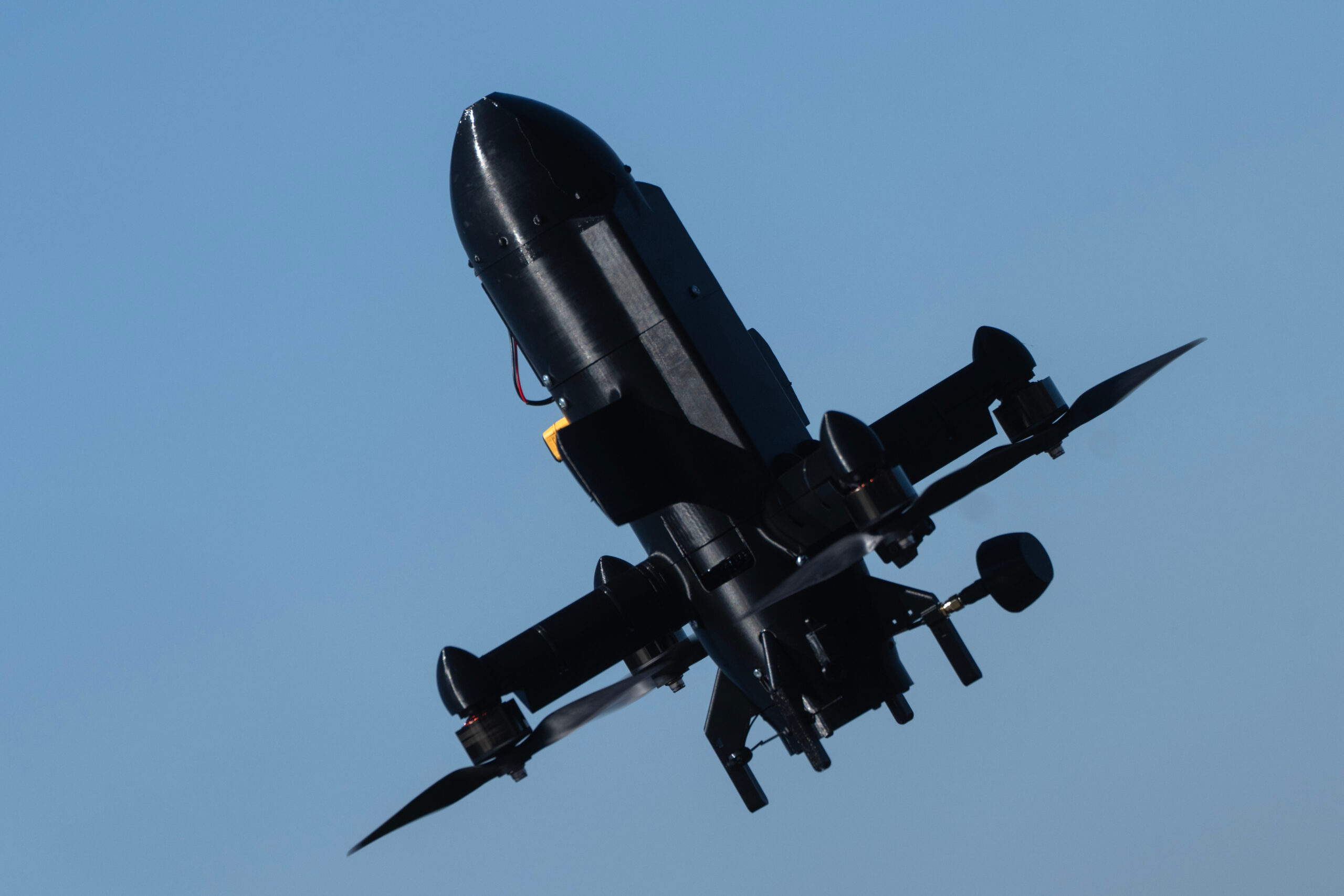
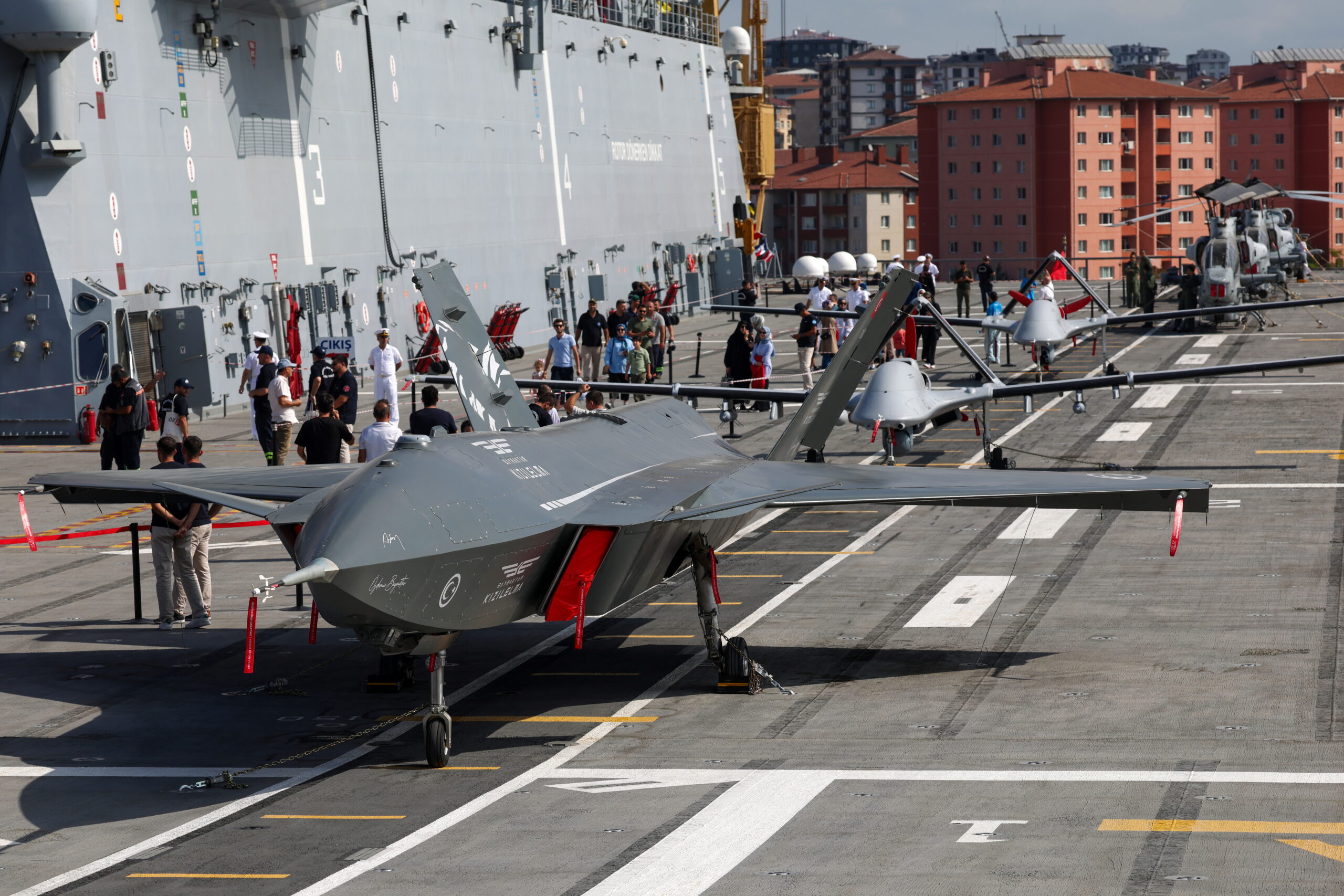
Countries that seem to have a similar vision of the Middle East, such as Turkey, Egypt, and Saudi Arabia, potentially in cooperation with Qatar and Oman, could form a networked framework aimed not only at mutual security assurances but also at sharing technological expertise and defense know-how. This would help Gulf states continue to strengthen domestic defense industries, enhance operational autonomy, and reduce reliance on single suppliers for critical systems. For instance, Saudi Arabia could turn to its defense partnership with Turkey to pursue the KAAN jet or other high-tech joint programs, such as counter-unmanned aerial vehicle systems, combining procurement with industrial collaboration and capacity-building initiatives. Turkey would in return benefit from Saudi financial support to sustain and scale its defense industry ambitions.
In parallel, Gulf countries will likely continue investing in practical capabilities, such as missile defense and mine-clearing systems, providing tangible tactical advantages in securing key chokepoints, such as the Strait of Hormuz, and mitigating the asymmetric threats that have emerged during the conflict. In modern conflicts that no longer hinge on clear winners and losers, the Gulf states can leverage limited capabilities to generate outsized disruption. The strategic calculus is therefore less about achieving decisive battlefield victories than about mitigating asymmetric risks and maintaining regional stability, which is crucial to secure external investments and further establish themselves as economic hubs.
Ultimately, what is most crucial is initiating serious discussions and planning for a diversified future. The current modus operandi, based heavily on reliance on U.S. guarantees and high-profile acquisitions and hampered by divergent national interests and historical rivalries, has limited the speed and scope of new partnerships. Nonetheless, serious discussions are now unavoidable: Gulf states need to explore alternatives to the old security model, rethink intra-GCC cooperation, and pursue partnerships that provide both operational depth and industrial capacity. These steps may not guarantee independence from external powers, but they are essential to ensuring that the Gulf can navigate a volatile region with greater resilience and strategic flexibility.
The views represented herein are the author's or speaker's own and do not necessarily reflect the views of AGSI, its staff, or its board of directors.
The imperative for Gulf states to unify their position has grown since the onset of Iranian attacks on their countries. Yet under conditions of uncertainty about the U.S. position and the war's outcome, Gulf states are demonstrating differing regional alignments and preferences for managing the crisis.
As the Gulf states pursue defense localization and seek to reduce dependence on the United States and Europe, Ankara offers cost-effective technology and a model of how to build capacity.
The United States and Saudi Arabia signed a joint declaration cementing U.S. interest in nuclear cooperation, but they have yet to settle the more divisive issues, mainly domestic enrichment.