There is an assumption, perhaps by Israel and even the administration of President Donald J. Trump, that most Gulf leaders despise Hamas and thus will look sympathetically at the Israeli targeted action in Qatar. There are further arguments, held over from the 2017 Gulf crisis, that the United Arab Emirates and Saudi Arabia resent Qatar and will be satisfied with the country taken down a notch by Israeli actions. This is a serious misreading of the Gulf states’ most fundamental interests and where their relations stand today.
The Israeli strike on a Hamas delegation hosted by Qatar and involved in peace negotiations over the most recent Trump proposal on Gaza will shake Gulf assumptions about their ties to the United States and will bring them closer together, despite their policy differences. No Gulf state can look dispassionately at a foreign strike on the soil of any Gulf Cooperation Council state. These oil monarchies are too much alike, in their compacts with their populations and in their paths toward economic diversification through global integration. Such a direct strike on their sovereignty and perceived safety is anathema to them all.
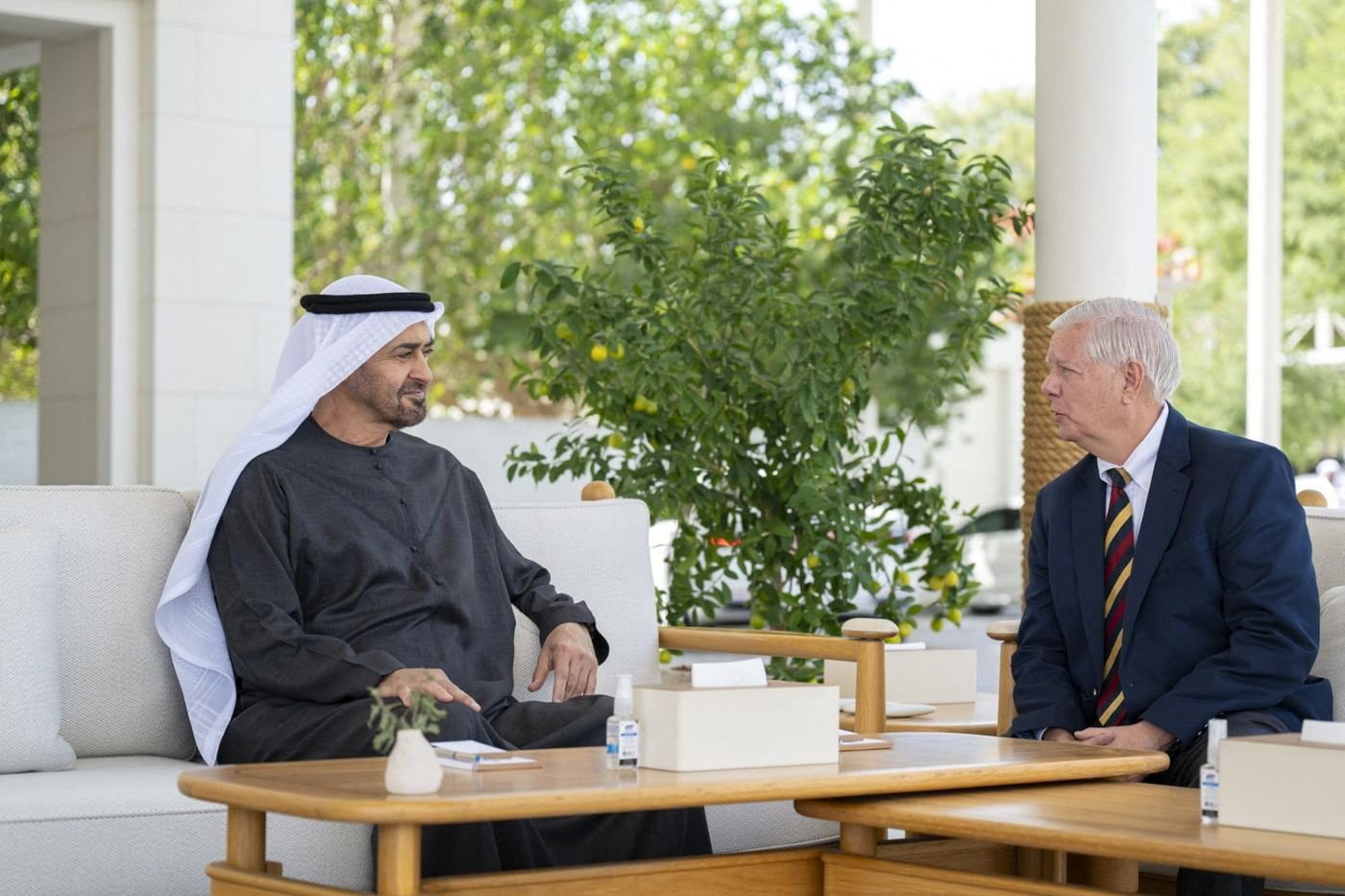
The formal statements they released, carefully coordinated, should not be ignored. Neither should the personal visit of UAE President Mohammed bin Zayed al-Nahyan, the ruler of the state most at odds with Qatar, to show solidarity with his often-time foe, Qatari Emir Tamim bin Hamad al-Thani. There are differences, in political orientation and relations to Israel itself, but, at the core, these are states that share an essential fate and can’t ignore such a direct challenge to their shared basis of sovereignty and global ambitions.
The Israeli attack on Qatar may have much deeper repercussions, not just for Doha’s relationship with Israel but also regarding the role of the United States in the Gulf. This could be both on the level of the air defense equipment GCC countries use as well as the impact of the security partnership with the United States, considering Qatar is a major non-NATO ally to the United States. If there is no U.S. reaction, this would be compounded with the failure of the United States to provide critical security guarantees following the attacks on Saudi oil facilities in 2019. There may be a very rigid revision to counterintelligence capacities within the United States, and it will be directed toward Israel not Iran, as it was traditionally designed.
The attack may also trigger the need to revisit the call for an integrated air-defense network that may even extend to Jordan, the Levant, and Iraq, which has become the Achilles’ heel allowing these attacks to proceed undetected. Unfortunately, given the perceived deficiencies in U.S. security assurances for the Gulf, such a network is unlikely to be led by the United States.
Israel’s lawless and reckless airstrike in Qatar will likely strongly reinforce existing doubts among the United States’ Gulf partners regarding Washington’s reliability as a security guarantor.
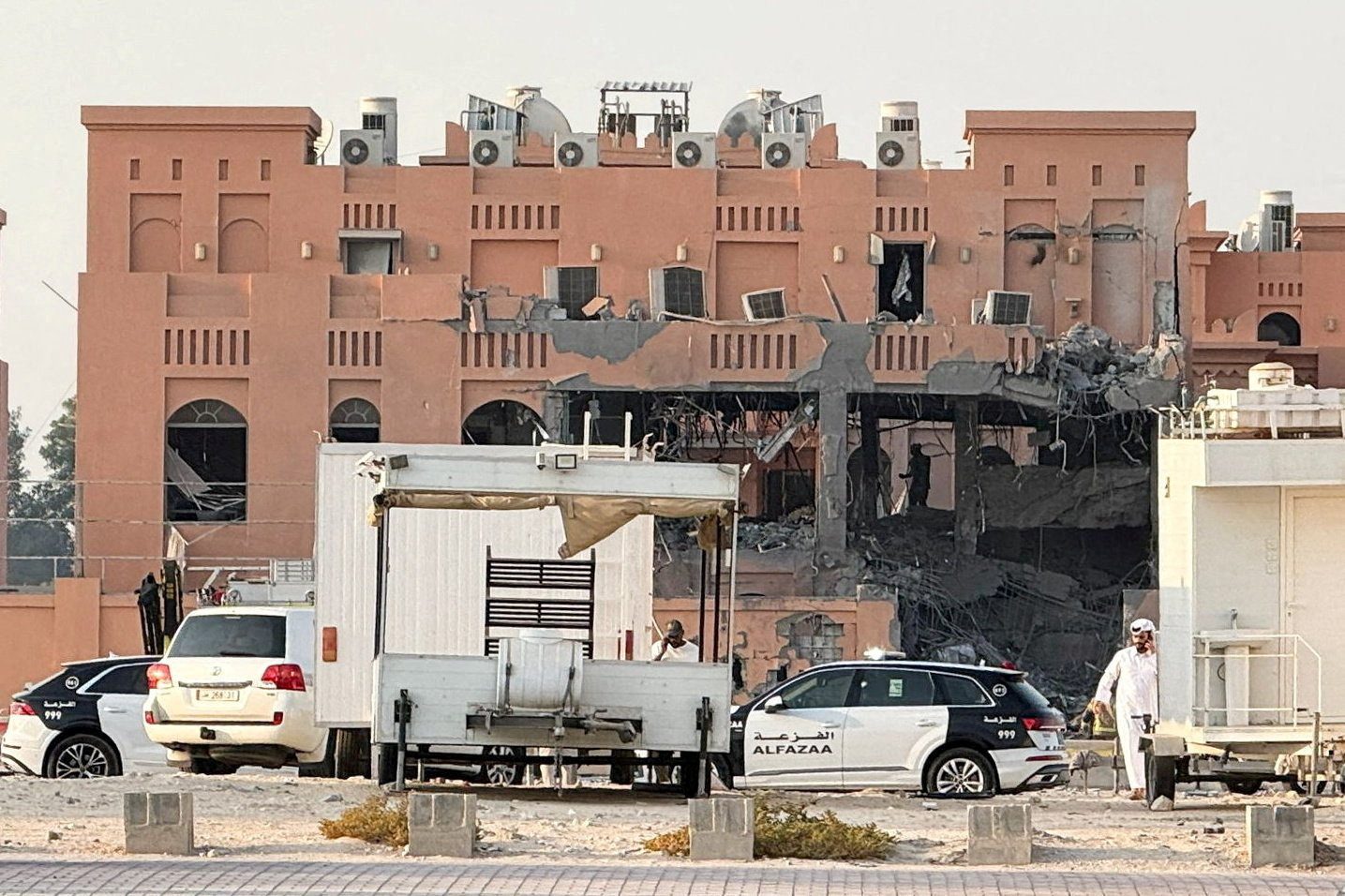
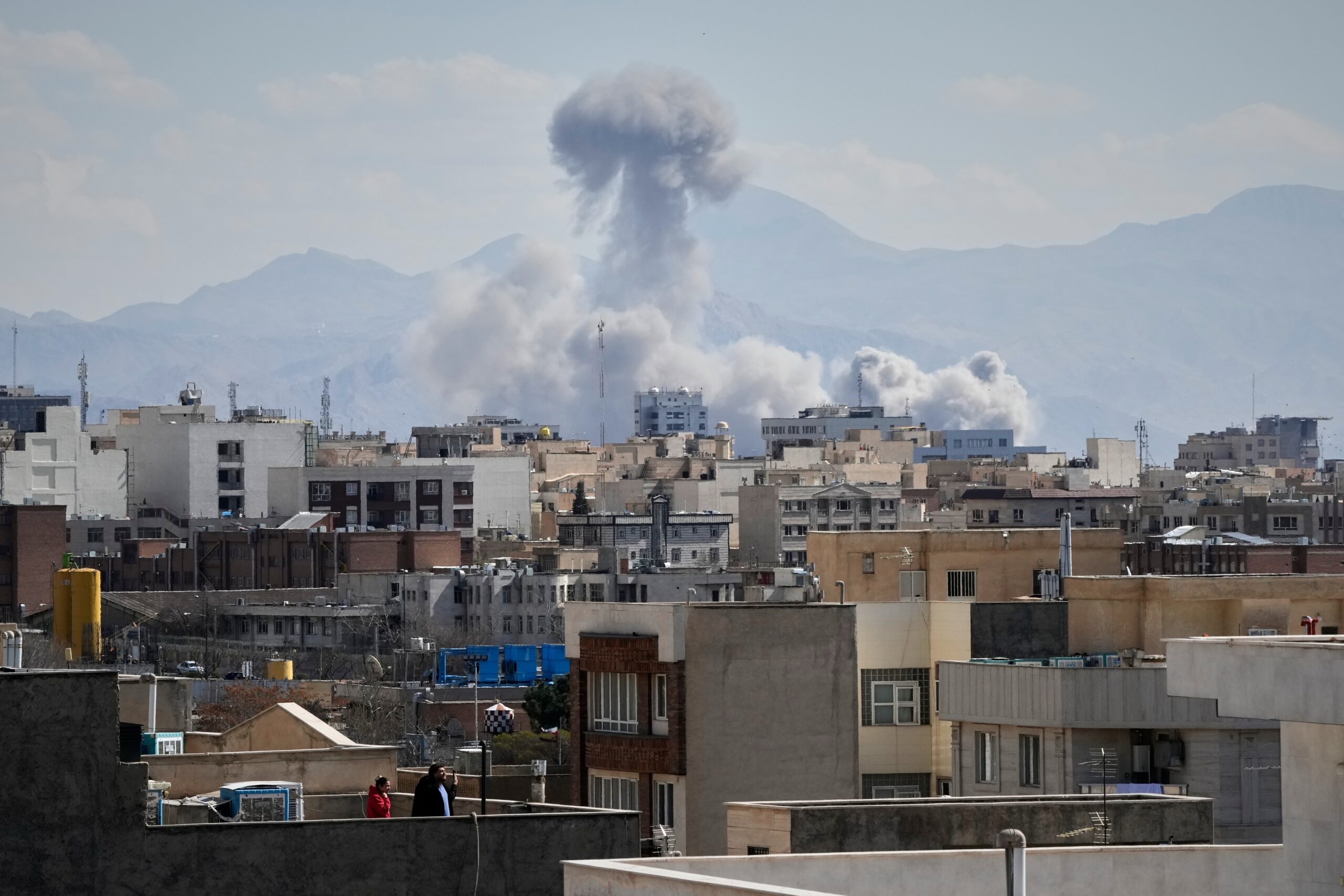
Qatar undoubtedly and reasonably believed that its close relations with the United States – especially hosting and largely paying for the Al Udeid Air Base that houses 11,000 U.S. service personnel at any given time, serves as the forward headquarters of the U.S. Central Command, and is effectively the epicenter of the U.S. force posture in the Gulf region and broader Middle East – would effectively preclude such a sudden and massive attack on its territory by another major U.S. military partner: Israel. Worse, the Israeli attack was on a civilian apartment building in a residential neighborhood and cost the life of a Qatari security officer as well as several others. Moreover, the primarily targets were two senior Hamas figures marked for death by Israel but who were only in Doha for the indirect cease-fire and hostage-release talks that both Israel and the United States participate in and thanked Qatar for hosting, and they have urged Doha to continue such a brokering role on the Gaza war.
No one is surprised that Israel continues to hunt down the Hamas leaders it has sworn to assassinate because it holds them responsible for the atrocious October 7, 2023 Hamas-led attack on southern Israel. Most of these external leaders had lived in Doha for over a decade before that attack, and the administration of former President Joseph R. Biden Jr. urged Qatar not to expel them until October 2024, by which time almost all Hamas politburo members had either relocated to, or acquired alternative homes in, Turkey.
The only reason these Hamas figures had returned to Doha was to participate in the cease-fire and hostage-release talks that had resulted in months of quiet and large numbers of prisoner releases. The cease-fire that began on January 19, 2024 was broken in early March by massive Israeli airstrikes in Gaza that killed hundreds of Palestinians, many of them children.
But Trump has repeatedly emphasized his demand that the war end through the indirect talks in Qatar, so not only did the Hamas figures no doubt feel safe in returning to participate in them, Doha was shocked to find itself under Israeli air attack under these circumstances. It’s hard to imagine Qatar agreeing to hold more talks that open it to additional deadly Israeli bombardment and also difficult to imagine what assurances Washington could give Doha that would fully reassure the Qataris that they would be safe from additional Israeli attacks.
This brazen and shocking attack by one major U.S. military partner against another will join the September 2019 attack on Saudi Aramco facilities and 2022 deadly Houthi drone strikes in Abu Dhabi, both of which went unanswered by Washington, as another key inflection point in intensifying Gulf Arab doubts about Washington’s reliability as a security guarantor.
Whatever some of its Gulf Arab neighbors think of Qatar’s long-standing friendly relations with Hamas and support of other Islamist groups in the region, all will be shocked and dismayed by the ambivalent and contradictory responses from the White House that seem to criticize and praise the attack simultaneously. The sense that powerful neighbors, such as Israel and Iran, can strike Gulf Arab countries with no meaningful response from Washington will likely greatly intensify the impression that the United States has become a thoroughly unreliable security guarantor and that the pursuit of additional defense options is no longer optional, unless the United States moves quickly and decisively to address these concerns and reverse the severe damage the Israeli attack on Qatar has caused.
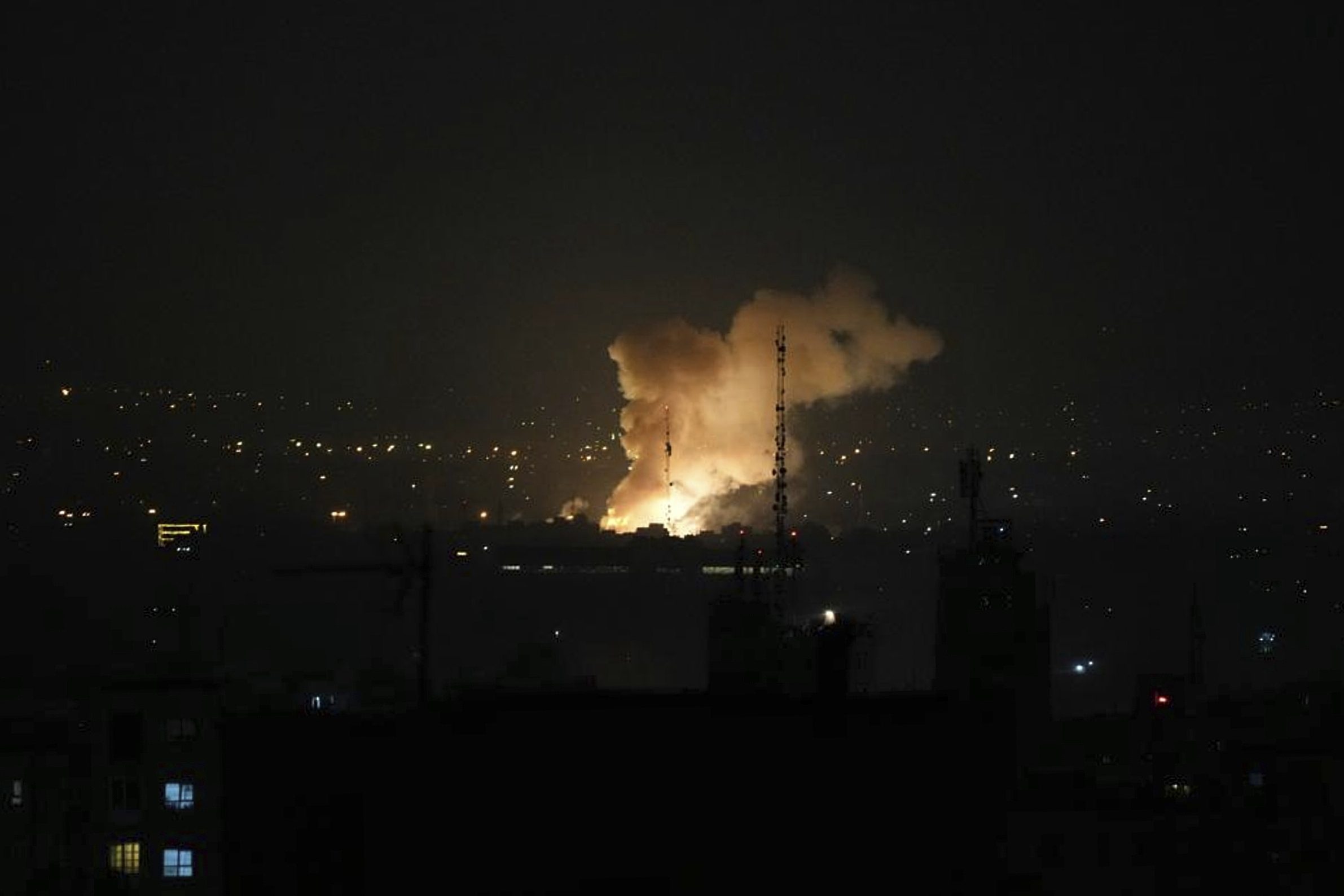
Gulf capitals have reacted strongly to the September 9 Israeli attack on Hamas leaders in Doha. Initial reactions have condemned the Israeli action in harsh terms that reference key themes: Gulf solidarity with Qatar and framing the attack as a violation of international law and Qatari sovereignty, a dangerous escalation, and, according to a key Emirati official, a “treacherous Israeli act.” The White House response evolved over time – reactions communicated significant if nonspecific irritation with Israel, softened with some degree of understanding for Israel’s action against Hamas, deep appreciation for Qatar as an ally and key mediator, and conflicting messages about how much warning the United States received from Israel. The White House has not yet offered a public assessment of the impact the attack will have on its recent proposal to end the war in Gaza or the negotiating process it is leading.
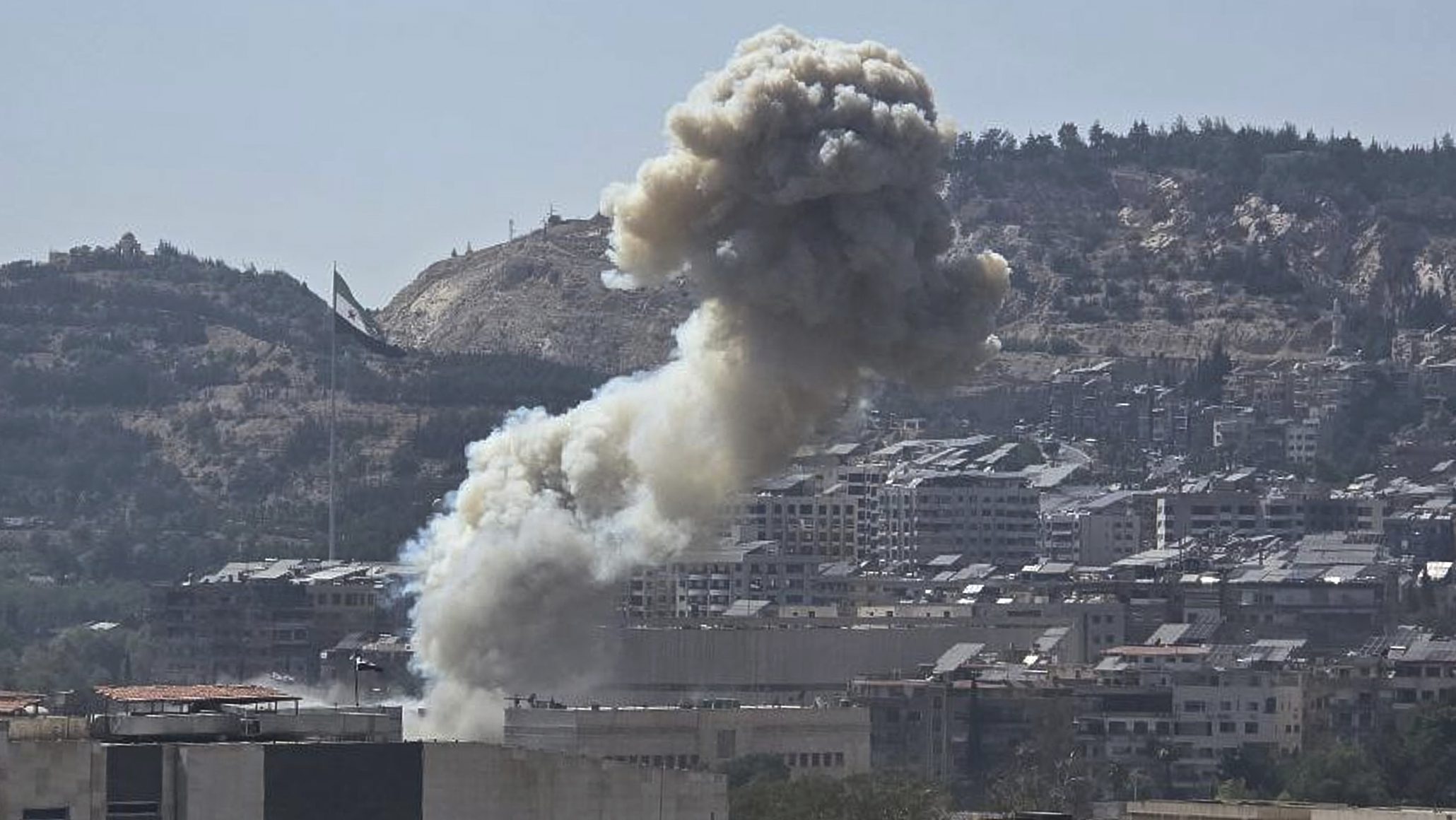
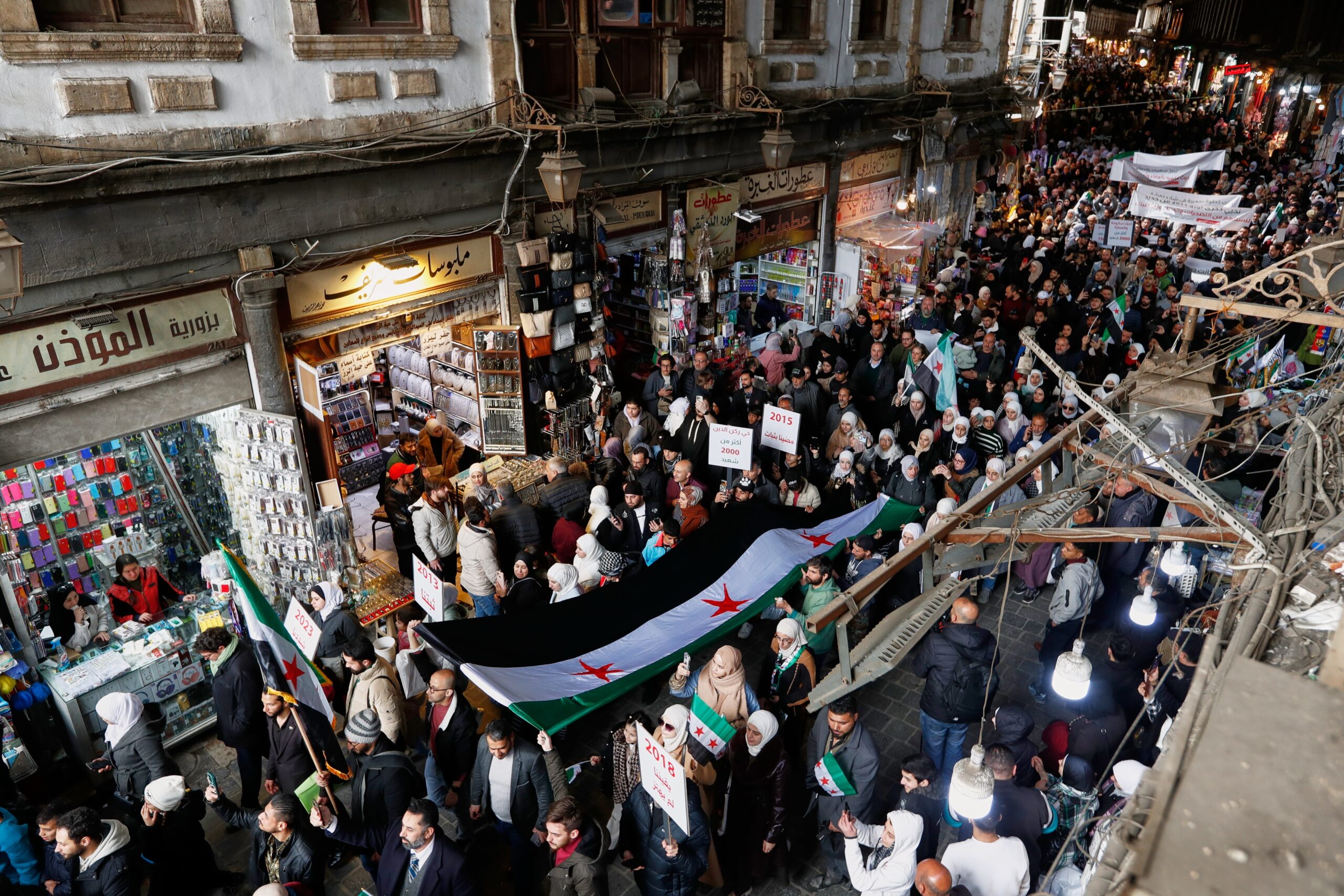
The attack comes at a time of heightened Gulf nervousness about Israeli military actions and policy discourse. Israel has recently launched an offensive in Gaza City and, since the December 2024 fall of Bashar al-Assad, has launched hundreds of airstrikes and ground incursions in Syria, including a late August airborne landing of Israeli forces on the outskirts of Damascus at a time when Gulf countries and the West have been working to stabilize the country and invest in reconstruction. Gulf leaders have stressed that the Syrian government did not threaten or attack Israel to prompt the monthslong military campaign. Overwhelming Israeli military and intelligence successes against Hezbollah and Iran in the past year, while not prompting the same type of criticism, have contributed to the notion in the Gulf that Israel has become an unchecked, dominant military power, acting in ways that risk destabilizing the region.
Israeli policy discourse has similarly alarmed Gulf leaders and analysts. Recent discussions by Israeli political leaders, analysts, and media referencing the need to expel Gazans from Gaza and annex four-fifths of the West Bank (essentially dooming any prospect of a two-state solution to the conflict with the Palestinians) and expressing support for a fragmented Syria have fed the growing Gulf nervousness about Israeli capabilities, language, and regional ambitions. Recent support expressed by Israeli Prime Minister Benjamin Netanyahu for the concept of “Greater Israel,” a notion widely understood to involve implicit claims on territory in Jordan, Egypt, Syria, and Lebanon, also recently sparked Gulf concerns about Israel’s projected borders and the way it perceives relations with the Arab world.
The timing of the attack in Qatar unfortunately contributes to these concerns, which have begun prompting Gulf leaders to revisit generally accepted notions developing over the past decade or more that Arab states and Israel share significant interests and perceptions about future relations, a bedrock of the Abraham Accords. For now, these concerns about normalization of relations with Israel, greatly heightened in recent days by the West Bank annexation threat, may be tactical and serving primarily as leverage to push Israel to back away from its more radical plans and discourse. The attack on Qatar will do nothing to calm Gulf anxiety.
Qatar has discovered the brutal realities of international politics. In many ways, it has long done the right thing for a state of its size (tiny), wealth (huge), and location (dangerous). Hosting the critical U.S. Central Command forward headquarters, courting Trump with strategic investments and a $400 million aircraft deal for Air Force One, and building soft power through U.S. university campuses made strategic sense. Qatar positioned itself as Washington’s indispensable regional partner, hosting Taliban negotiators for U.S. hostage releases and troop withdrawals while simultaneously – at U.S. and Israeli requests – managing Hamas officials to keep Gaza’s roiling politics on a simmer, and so to support Israel and core U.S. regional aims.
This high-wire act has collapsed. Some of this is Qatar’s fault, but plenty is not. Trump’s unpredictability, endemic undependability, and scattered focus created deep-seated uncertainties in international politics that politicians like Russian President Vladimir Putin and Israeli Prime Minister Benjamin Netanyahu can skillfully exploit. But Qatar, the Gulf’s Icarus, bears responsibility for overextending itself, feeling uninured from the consequences of regional politics by placing excessive faith in increasingly unreliable U.S. security guarantees and failing to develop deterrent capabilities that might have restrained Israeli or Iranian aggression.
Brutally mugged by reality, Qatar ought not panic. It remains a successful, prosperous little state with key tools to safeguard its future. It needs to do four things.
First, it needs to jettison Hamas. The state is too vulnerable to continue this mediating role without significantly stronger – and unlikely – U.S. guarantees or a politically costly Israeli rapprochement. Second, it needs to develop a policy lever with teeth – something on the cyber spectrum, deep financial leverage, critical personal relations – that will give it hard or at least genuine sharp power. Third, it needs to keep and augment its warm, close U.S. relations, while treating with caution future promises or guarantees of security from the United States, and fastidiously hone its military instrument as if its independence depends upon it – which it does. Fourth, Qatar should pivot from controversy to competence. The discussion surrounding Qatar ought not focus on hosting the world’s most contentious political movement but on Qatar as the global hub for educating nurses, students, and medics.
The path forward demands strategic restraint and focused capability building. Qatar’s survival depends on reading the new rules of a more dangerous game.
The views represented herein are the author's or speaker's own and do not necessarily reflect the views of AGSI, its staff, or its board of directors.
AGSI explains what Israel’s sudden and massive attack on Iran is likely to mean for Gulf Arab states, Iran, the United States, and global and regional economies.
The disconnect on Syria is so profound it risks rupturing the assessment of shared interests that underlies the Abraham Accords and the tentative efforts by others in the Gulf to find the right circumstances and timing to sign on to that project.
Syria hopes to use the Iran war to deepen its connection to its Gulf Arab partners. Can it compete for inclusion within the regional security order and emerging trade corridors?
The imperative for Gulf states to unify their position has grown since the onset of Iranian attacks on their countries. Yet under conditions of uncertainty about the U.S. position and the war's outcome, Gulf states are demonstrating differing regional alignments and preferences for managing the crisis.
Caught between Iranian strikes and U.S.-Israeli pressure to join the fight, Gulf Arab states strive to maintain their autonomy over decision making, playing defense and preserving the space to maneuver when the war ends.
For the Gulf Arab countries, the future is more important than the present, but it is unclear if Iran, the United States, and Israel have the same vision.
AGSI explains what Israel’s sudden and massive attack on Iran is likely to mean for Gulf Arab states, Iran, the United States, and global and regional economies.
President Trump has led the United States into an impossible dilemma in which resuming and intensifying the war presents one set of alarming consequences while ending it under current circumstances offers at least as many disasters for Washington.
The Trump administration has positioned the United States at a crossroads between a new regime of containment against Iran or a historic drawdown of U.S. influence in the Gulf and broader Middle East.
Riyadh and Abu Dhabi urged President Trump not to attack Iran, but now that the war is into its second month, leaving the current situation in place would be an unthinkable fiasco for them.
Though they were unsuccessful in preventing the current conflict, and, as expected, have been dragged into the U.S.-Israeli confrontation with Iran, Gulf Arab countries remain crucial to hopes for limiting the war and bringing it to a quick resolution.
When regional actors or great powers ask these days what determines the success or failure of their strategies in the region, they are increasingly discovering that developments in Syria heavily shape the outcome.
The blockade, artfully deployed, and a focus on coalition building, international law, and interests-based negotiations can help the United States and its Gulf allies extricate themselves from the current impasse.
To respond to harsh Saudi criticisms, the Emiratis have sought to reframe, deflect, and calibrate, avoiding escalation while also benefitting from powerful advocates, including Senator Lindsey Graham.
Disputes in the Gulf tend to be structurally constrained by dense interdependence, established patterns of dispute management, and various shades of elite empathy among leaderships.
Under Emir Hamad bin Khalifa al-Thani, Qatar would be known – as a mediator, a broadcaster, a host of mega sports events, and an investor – and that notoriety would itself become a form of security: deterrence by relevance.
As Gulf states pursue economic diversification and knowledge economies less dependent on resource extraction, the logic of competition may be becoming less compelling and the benefits of coordination more apparent.
Where Hamas operates from matters less than the broader absence of any coherent vision – from Israel, the Palestinians, or the international community – for future Arab leadership in Gaza.