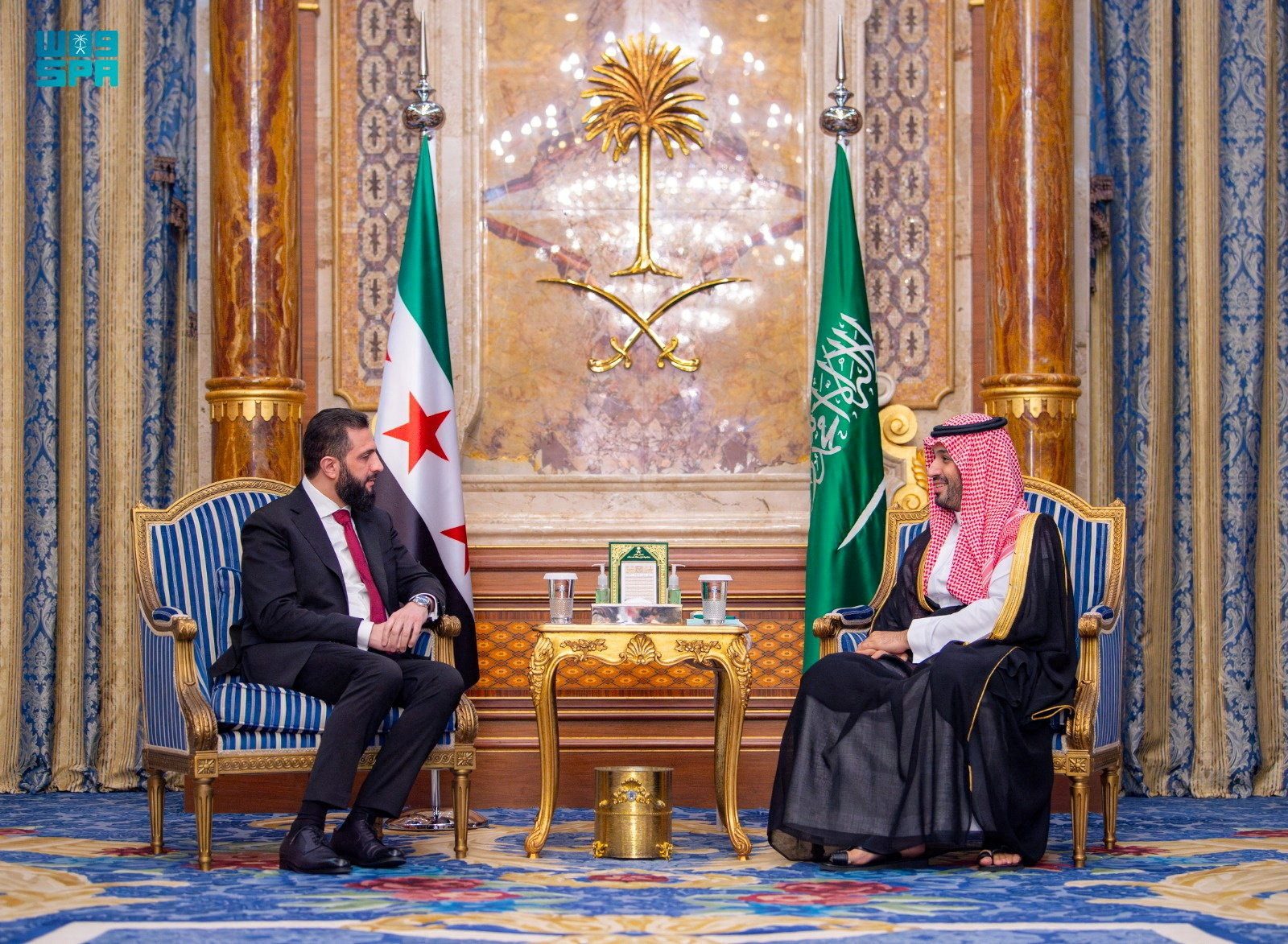
Syria
Oct 6, 2026
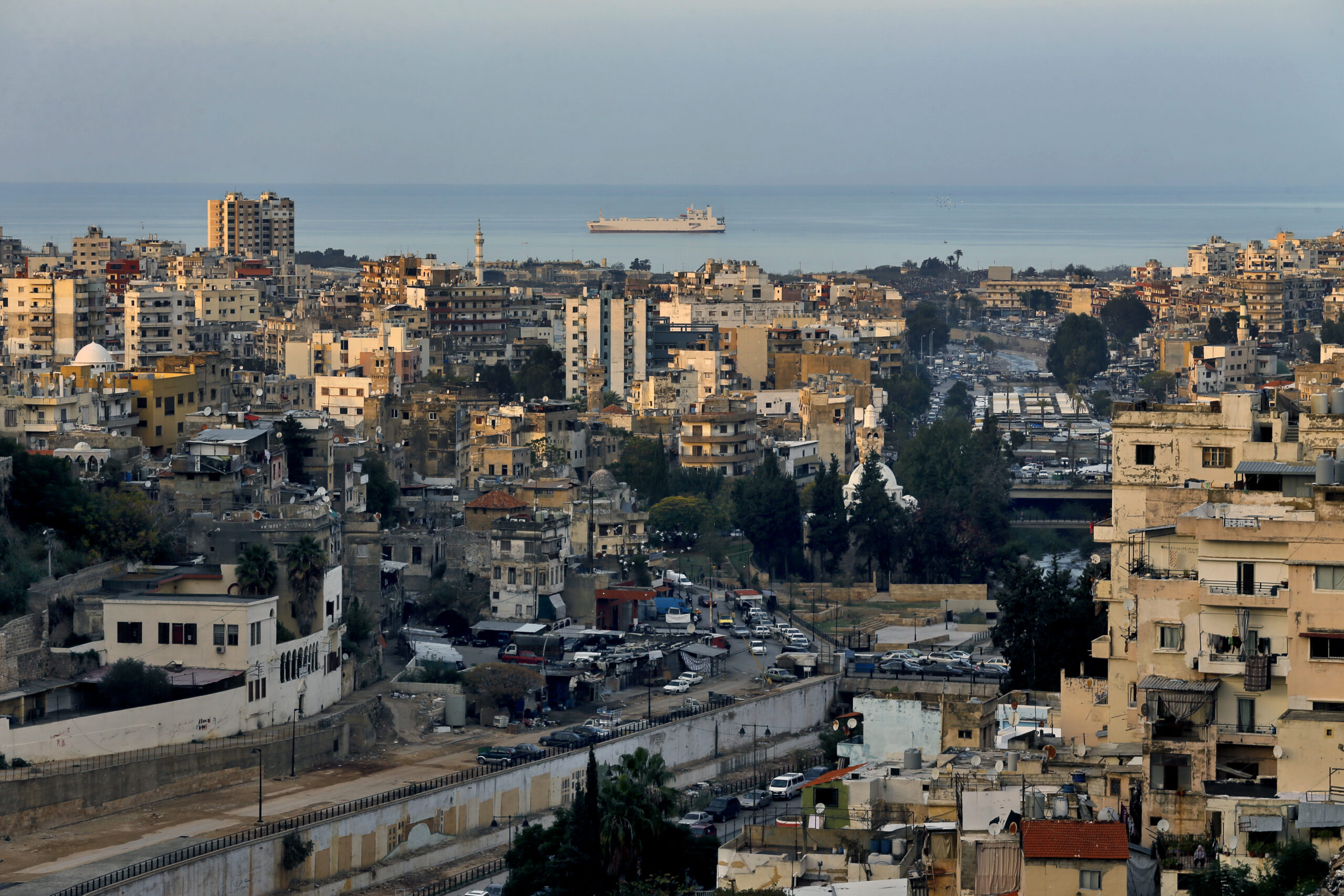
Where Does Lebanon Fit in the Emerging Regional Trade Network?
As Gulf countries seek alternative routes beyond the Strait of Hormuz, Lebanon is positioning Tripoli as a complementary Mediterranean gateway alongside Syria, but long-standing political and financial risks could limit serious capital inflows.

Sep 1, 2026
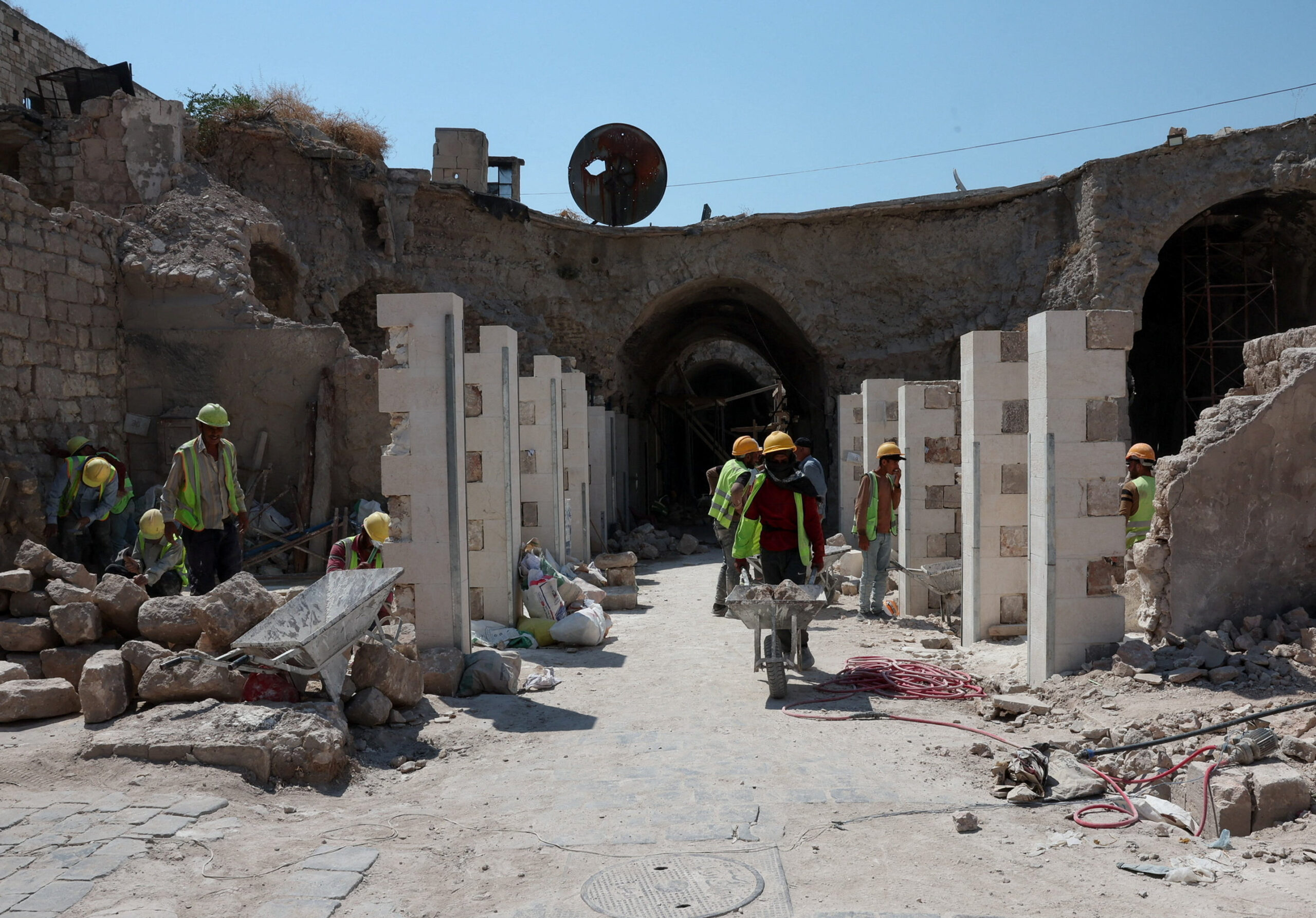
Gulf States Divide the Work of Rebuilding Syria
Saudi Arabia, the UAE, and Qatar are each anchoring a different piece in the rebuilding of Syria’s infrastructure, turning investment and reconstruction into an informal division of labor.

Aug 25, 2026
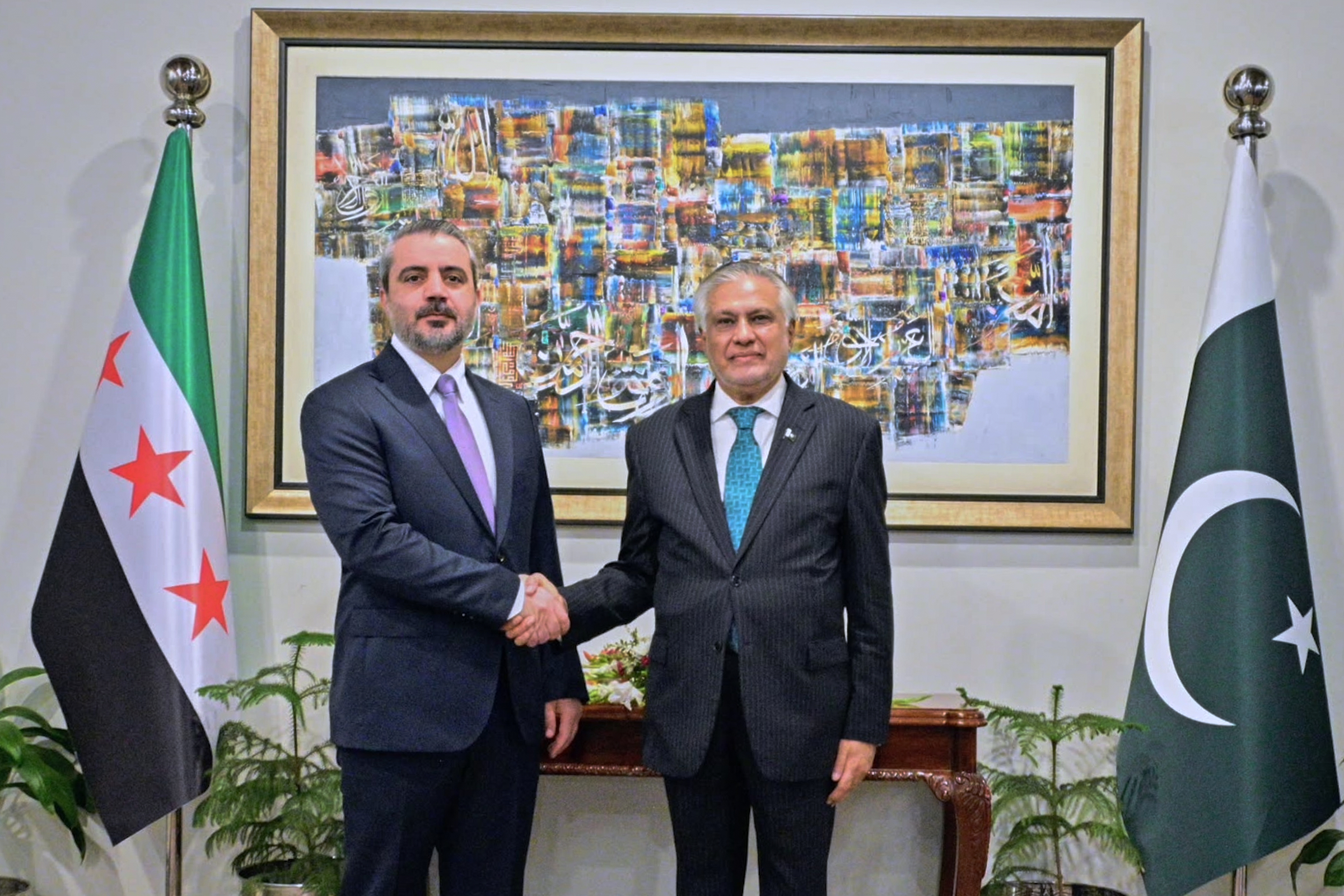
What Is at Stake if Syria Joins the Mecca Agreement?
Joining the Mecca agreement could offer strategic benefits to both Damascus and its existing members while also introducing political and security complications that could test the agreement’s credibility.
Jul 2, 2026
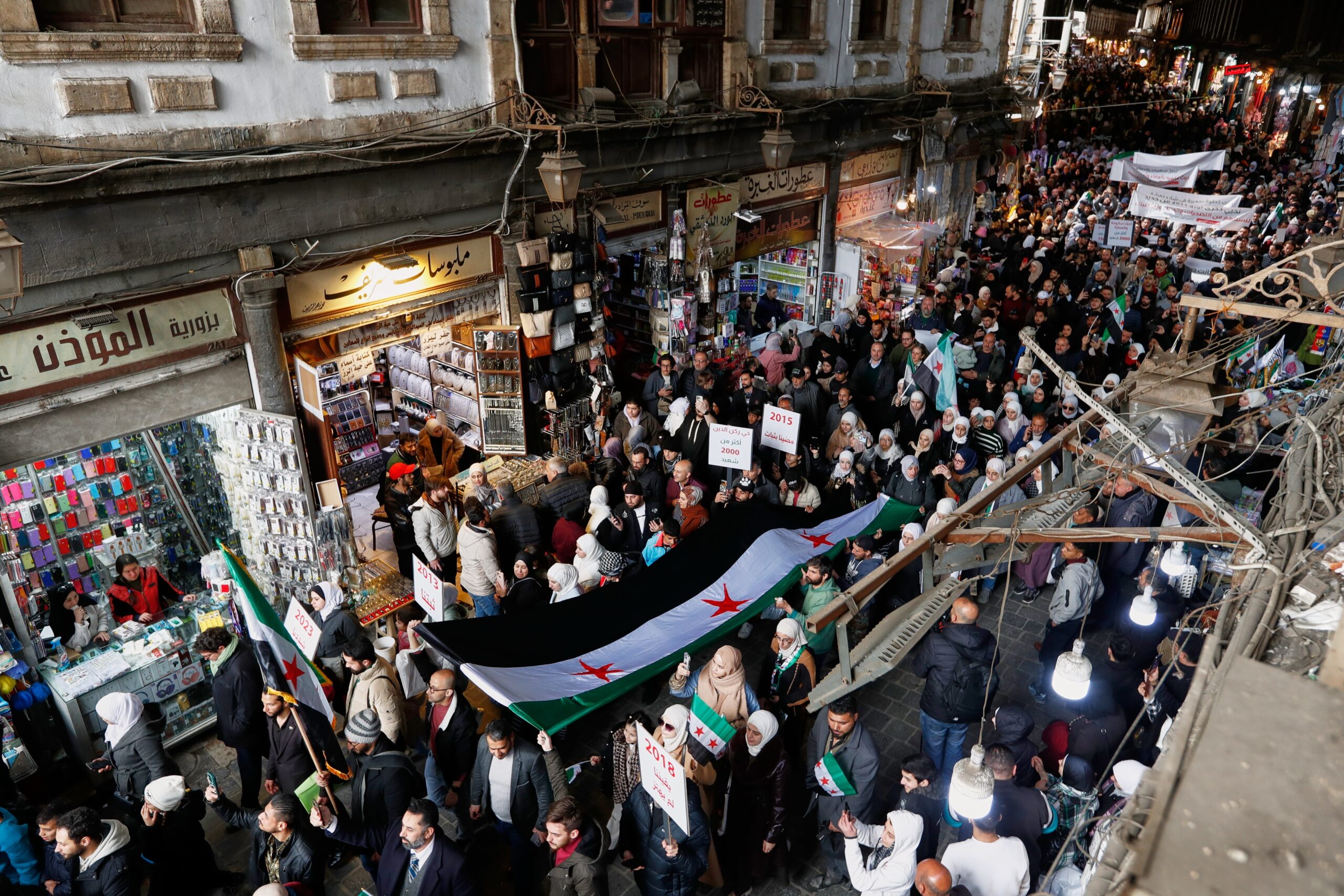
Syria Is the Answer
When regional actors or great powers ask these days what determines the success or failure of their strategies in the region, they are increasingly discovering that developments in Syria heavily shape the outcome.

Jul 1, 2026
The Geopolitics of Reviving the Hejaz Railway
The revived Hejaz Railway could become one of the region’s most significant transportation and integration projects as a land route connecting Europe to the Gulf.


Jun 29, 2026
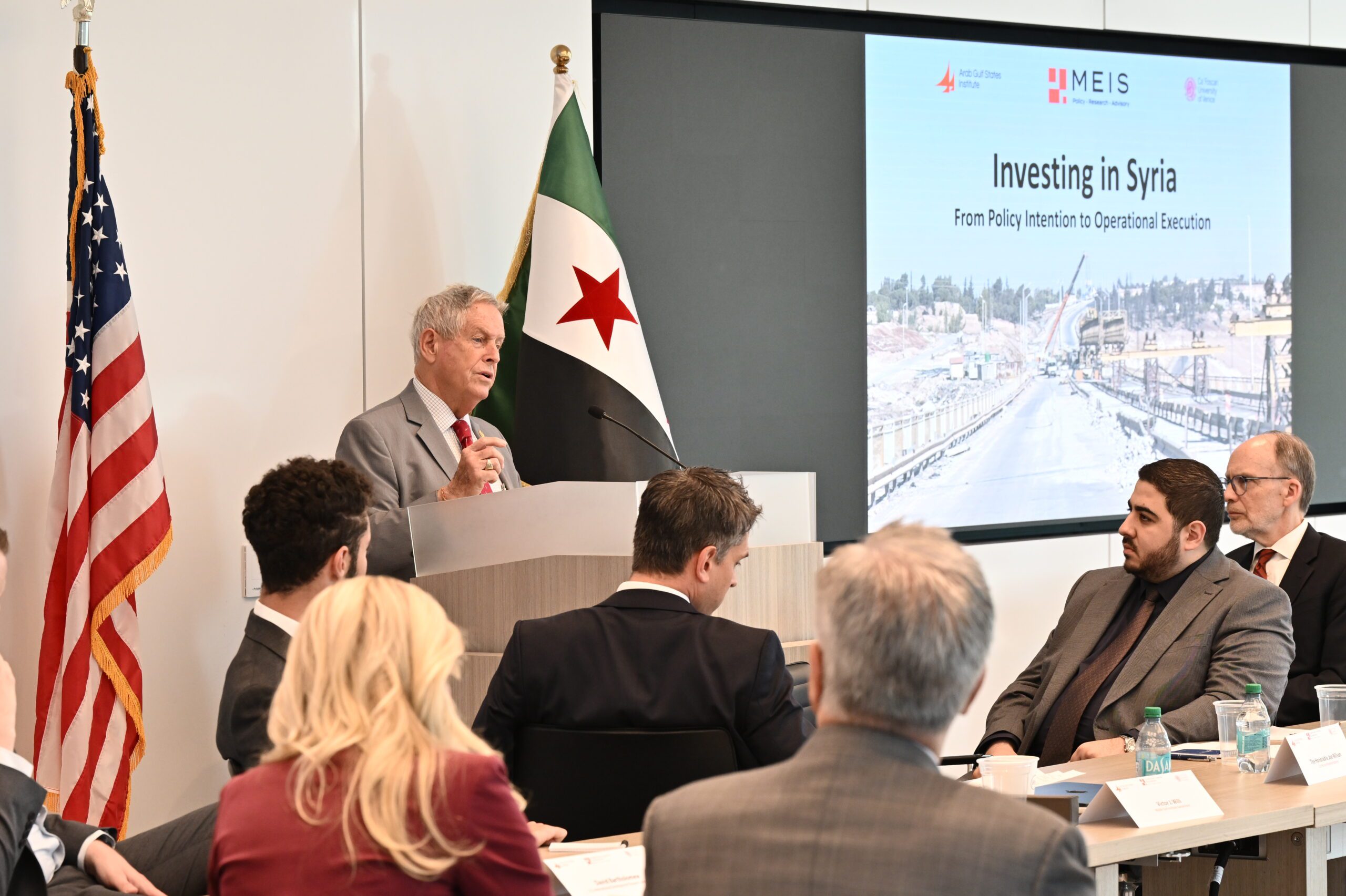
Investing in Syria: From Policy Intention to Operational Execution
The Arab Gulf States Institute, Middle East Institute Switzerland, and Università Ca' Foscari co-hosted a roundtable on U.S. investment in Syria.
Jun 3, 2026
Petro Diplomacy 2026: Energy in Crisis: Markets and Geopolitics of Supply
On June 8, AGSI convened its Petro Diplomacy conference for the 12th consecutive year.
May 15, 2026
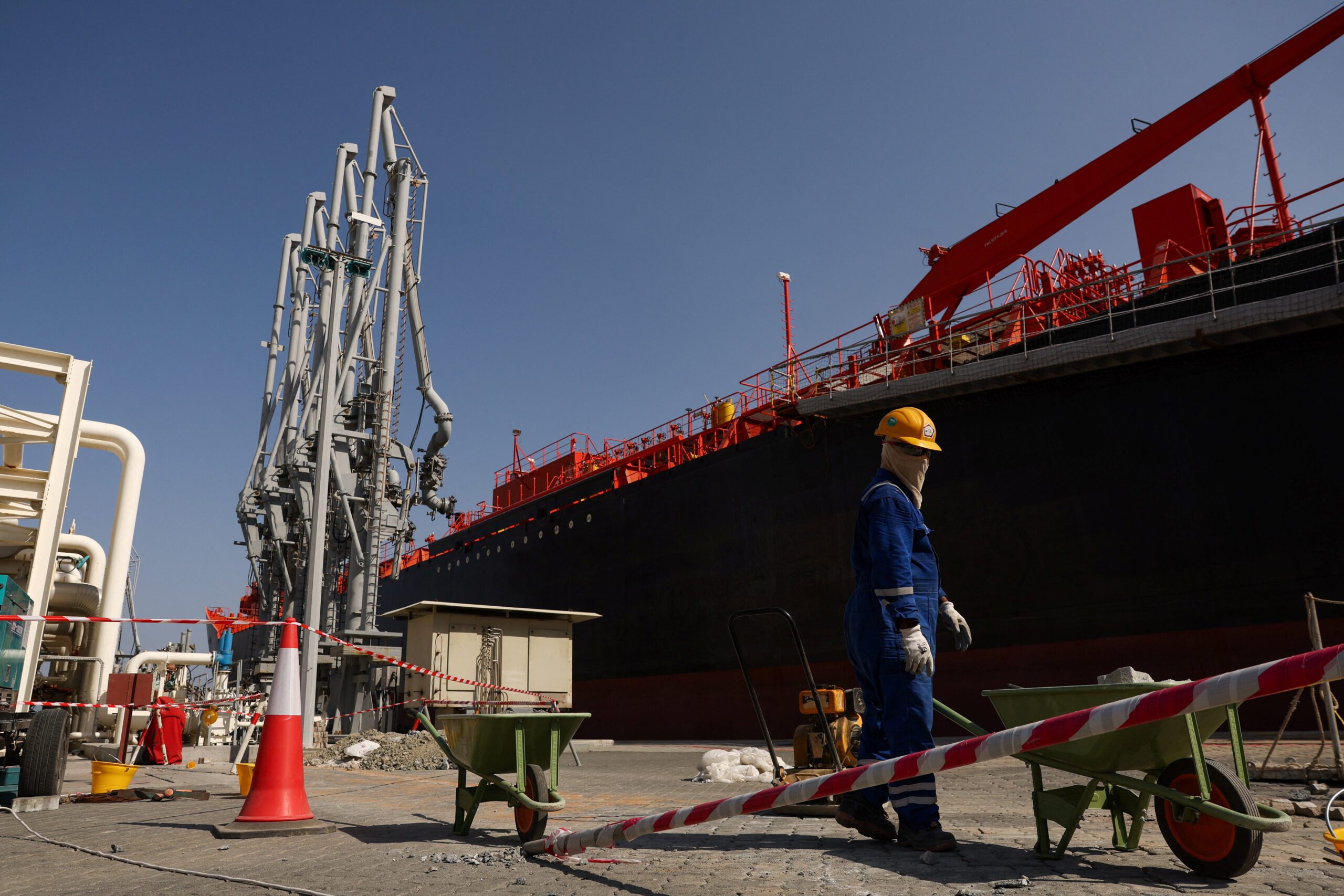
Syria Escapes Iran War, Can It Benefit From It?
Syria hopes to use the Iran war to deepen its connection to its Gulf Arab partners. Can it compete for inclusion within the regional security order and emerging trade corridors?