
Kristian Coates Ulrichsen
Baker Institute Fellow
Kristian Coates Ulrichsen is a Baker Institute fellow for the Middle East at Rice University.
Analysis
A Saudi-UAE Thaw?
The thaw between Saudi Arabia and the United Arab Emirates is likely designed to project a united front, particularly against the Houthis in Yemen.
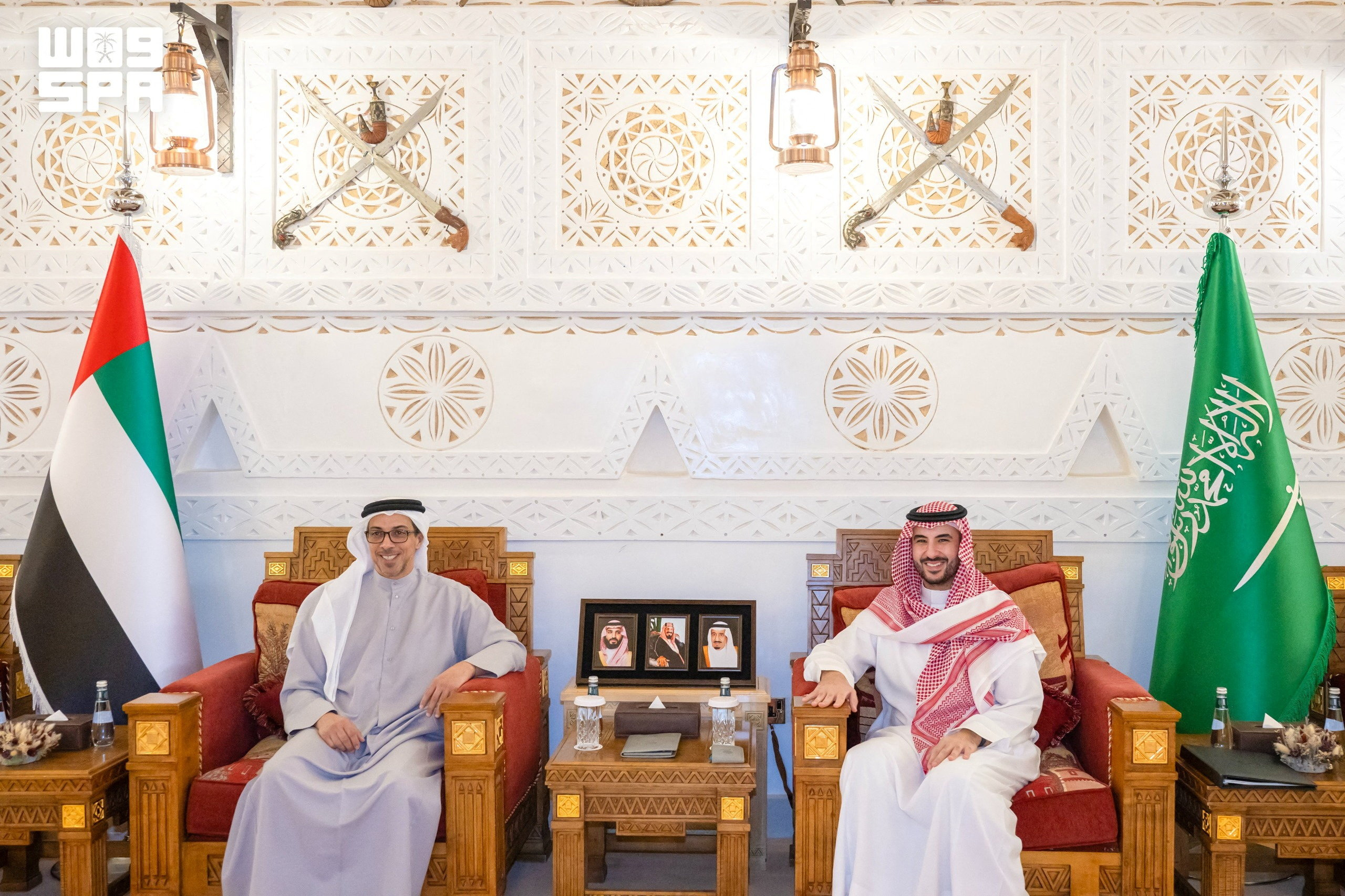
Saudi Arabia and the UAE Publicly Reconcile
Saudi-Emirati public reconciliation, a result of hard-earned lessons about the difficulty of going it alone, bodes well for a region at war and under attack, but there are still issues left to resolve.
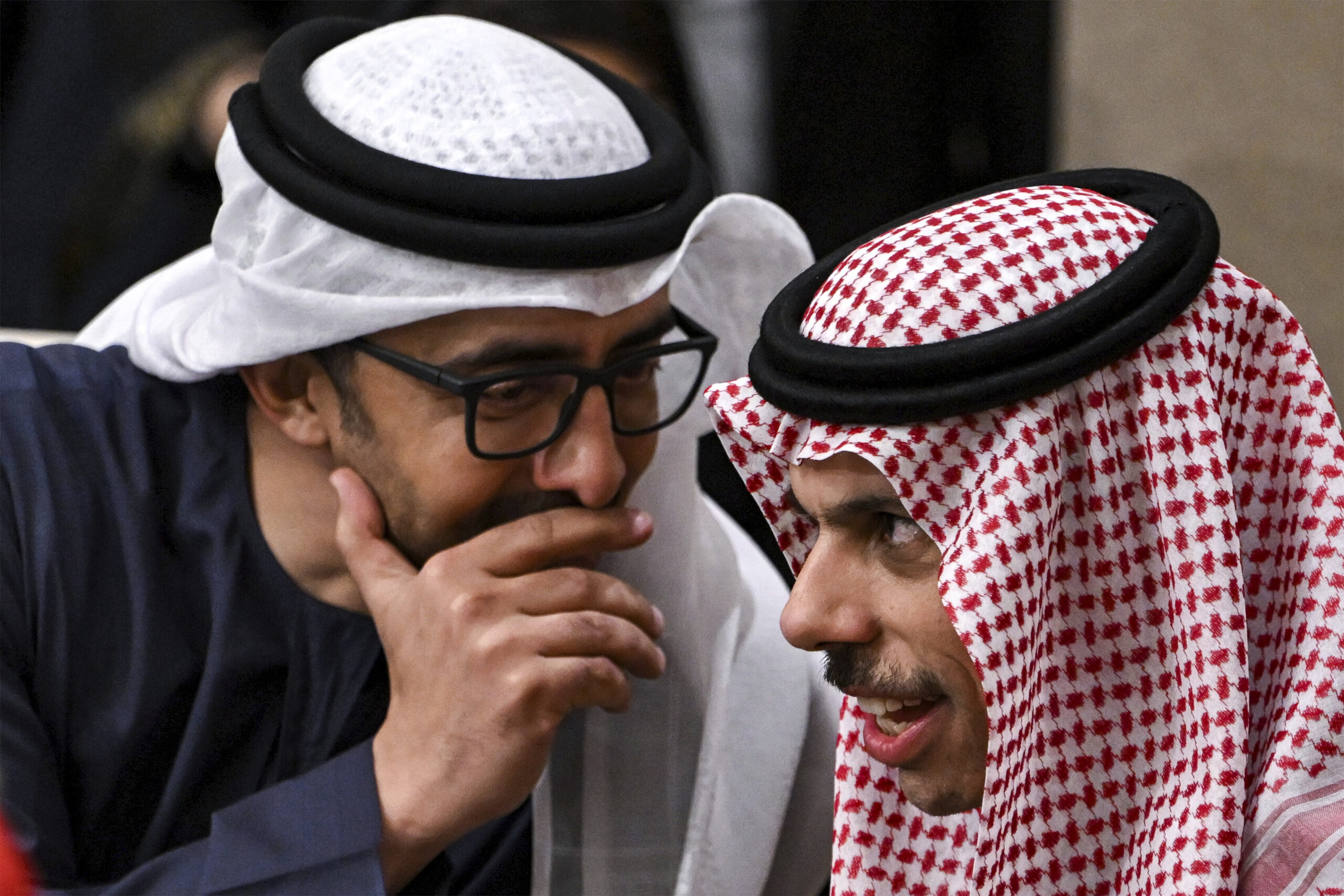
Saudi Arabia Reflects on Underwhelming World Cup
Following Saudi Arabia’s early exit from the World Cup, the kingdom’s soccer authorities may enter a period of introspection considering challenges that have cast a shadow over the post-2023 landscape of Saudi soccer.
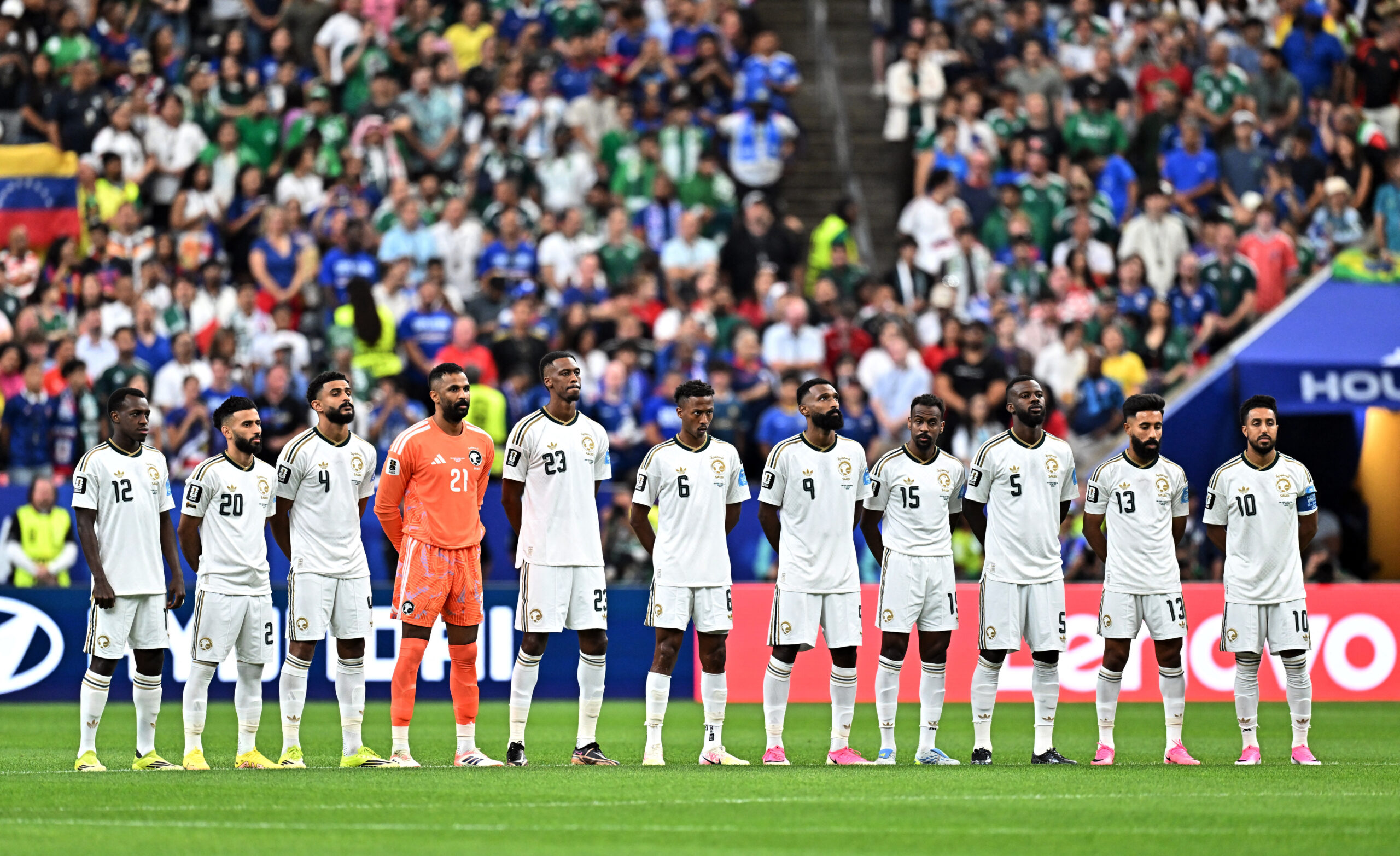
Gulf States Adjust to a New Normal
Gulf capitals are facing immediate policy choices around how to restore order in a regional setting that is greatly changed – for the worse – as a result of the Iran war.
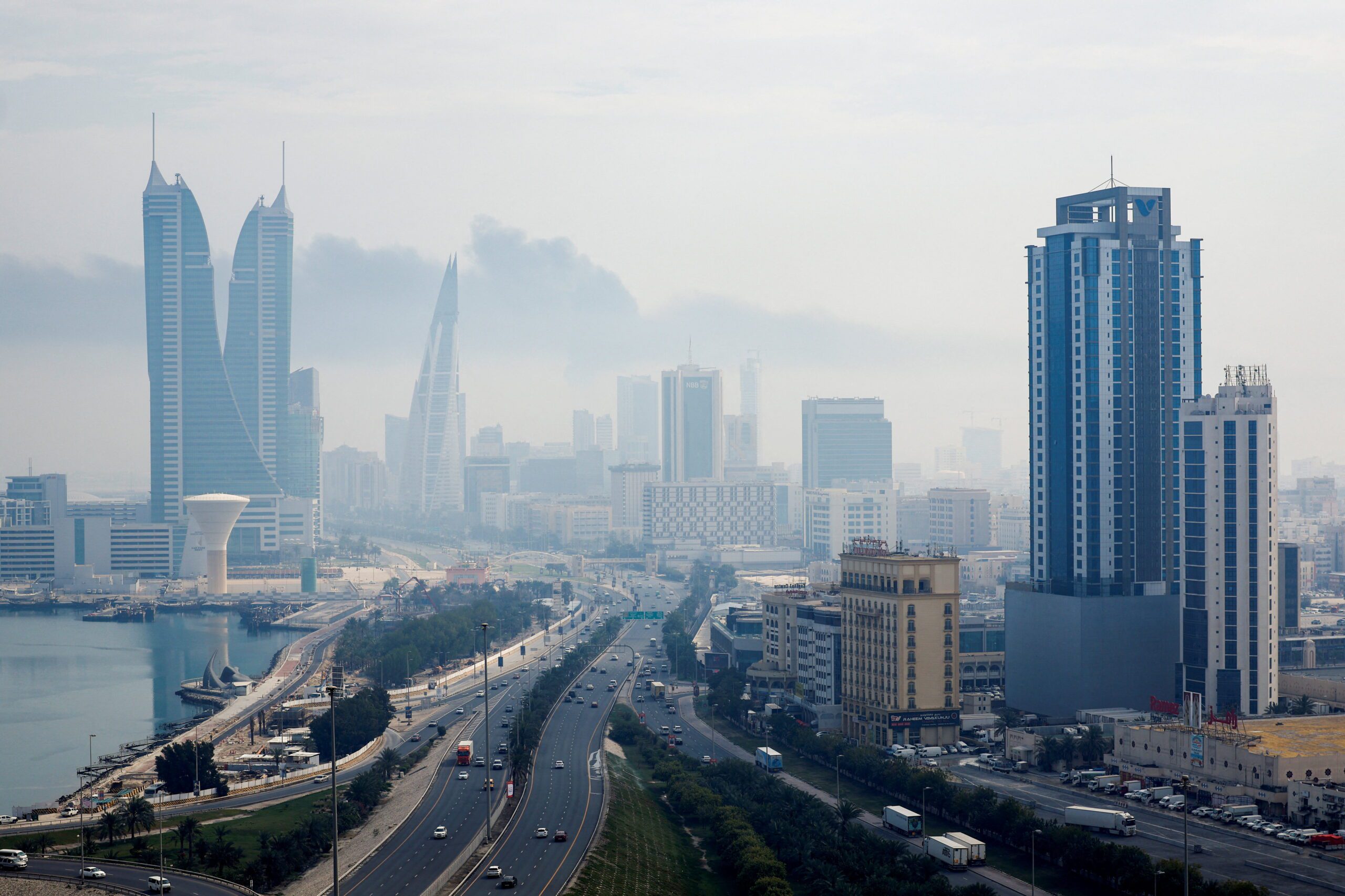
Gulf States on the Frontline of U.S.-Iran Volatility
From a Gulf perspective, red lines keep being crossed, and the guardrails for avoiding entanglement in conflict prove unsatisfactory.
Iran Is Attacked, the Gulf Reacts
AGSI explains what Israel’s sudden and massive attack on Iran is likely to mean for Gulf Arab states, Iran, the United States, and global and regional economies.
34 min read





Events
Jun 10, 2026
Kingdom of Football: Saudi Arabia and the World Cup
On June 10, AGSI hosted a discussion on Saudi Arabia's growing engagement in the global soccer community.

Speakers