Gulf capitals are facing immediate policy choices around how to restore order in a regional setting that is greatly changed – for the worse – as a result of the Iran war.
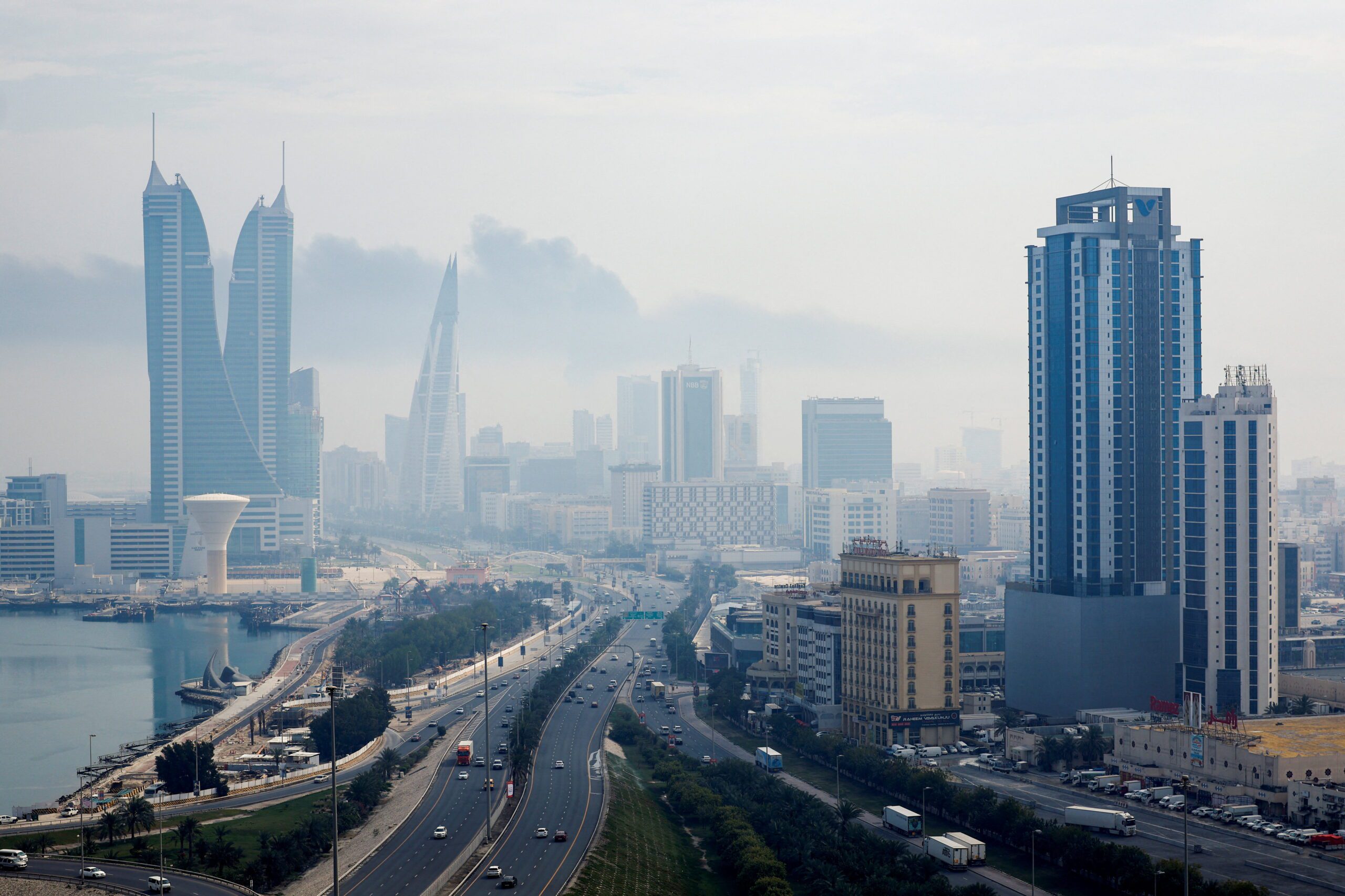
Smoke rises over the capital Manama, following a reported Iranian drone strike on the fuel storage facility of Bahrain International Airport, amid the U.S.-Israeli conflict with Iran, in Muharraq, Manama, Bahrain, March 12. (REUTERS/Stringer)
More than two months into a war that the Gulf Arab states long sought to avoid, the weeks of conflict and fragile cease-fire have revealed a series of hard truths and strategic dilemmas for regional leaders as they begin to chart a path forward. Having accurately assessed the risk/reward balance of military action against Iran prior to the February 28 start of the conflict and calculated their own vulnerability of being caught in the middle, there is no satisfaction in being proved right. While officials in Gulf capitals may reassess how they can project influence and leverage in the longer term, they face a more immediate set of policy choices of how to restore order in a regional setting that is greatly changed – for the worse – as a result of the war. Reopening the Strait of Hormuz is only the start of a period of adjustment to a “new normal” in the Gulf.
Tensions between Iran and the Gulf Arab states, which had flared in 2016 and culminated in a set of attacks in 2019 on maritime and energy targets in Saudi Arabia and the United Arab Emirates, eased considerably in the 2020s. This was in part because of the failure of President Donald J. Trump’s first administration to respond to the attacks on its Gulf partners in 2019, as he drew a very public distinction between the interests of the United States and the Gulf states. Policies toward Iran in Abu Dhabi and Riyadh shifted from confrontation to coexistence as diplomatic relations were restored in 2022 and 2023, respectively, and even Bahrain, the Gulf state with the most difficult relationship to Iran, embarked on a bilateral track in 2024. A policy of de-escalation was part of a strategy to de-risk the region as leaderships prioritized large-scale economic, infrastructure, energy, and investment projects post pandemic.
The recent weeks of missile and drone attacks on the Gulf states and the monthslong effective closure of the Strait of Hormuz has impacted the region in different yet uneven ways. As the strikes between Iran and Israel in 2024 and the 12-day war in June 2025 drew the region closer to all-out war, many Gulf officials believed that an Iranian regime with its back to the wall and facing an existential battle for survival might abandon all restraint in an attempt to raise and spread the cost of its demise. And yet, the scale of the targeting of civilian and energy infrastructure, in addition to the network of military facilities hosting U.S. forces, has arguably exceeded the base-case scenarios of Iranian responses as has the ease with which Iran succeeded in raising the risk to shippers and insurers of passage through the Strait of Hormuz.
Together with Kuwait and Bahrain, the UAE took the brunt of attacks, although the March 18-19 missile strikes on Ras Laffan Industrial City in Qatar inflicted consequential damage on Qatari energy infrastructure that will be felt for several years to come. Saudi Arabia and Oman (to a much lesser extent) were also hit, while the intensity of attacks on Kuwait also reflected the malign activities of Iran-aligned groups operating from Iraqi territory. The impact of economic disruption, especially to energy flows, to the Gulf states is also varied, as Saudi Arabia and the UAE have pipelines that can bypass the Strait of Hormuz for significant proportions of oil exports, whereas Kuwait and Bahrain (for oil) and Qatar and the UAE (for liquefied natural gas) currently lack alternative routes to get molecules to market.
While the cease-fire that took effect April 8 has largely held, developments since the kinetic phase of the war have highlighted the predicaments facing Gulf leaders as they adapt to an uncertain and volatile landscape. With the “no peace, no war” status, periods of relative calm are vulnerable to sudden eruptions, as with the May 4 resumption of Iranian missile and drone attacks on Emirati targets. This poses a severe threat to business models of the smaller Gulf states, especially Qatar and the UAE, as they evolved into regional hubs in an interconnected world. Just two days prior to the May 4 attacks, for example, the General Civil Aviation Authority in the UAE had fully reopened national airspace and lifted restrictions imposed February 28.
Officials face the prospect of potentially months of constant uncertainty, as a single missile, drone, or attack on a ship could put on hold or reverse the resumption of normal activity. Meanwhile, losses from the blockage of the Strait of Hormuz continue to mount, for Gulf economies and global supply chains alike, as more than a billion barrels of oil remain offline, disrupting exports of hydrocarbons as well as enormous quantities of byproducts critical to modern technology. While the size of accumulated financial reserves renders the Gulf states resilient in the short term, the temptation to reach arrangements with Iran for safe passage through the Strait of Hormuz may increase, particularly if U.S. negotiations with Iran or a resort to further military action should fail to open the strait. Should such hedging activity become a pattern of postwar activity, by necessity if the United States and Iran are unable or unwilling to negotiate a deal to reopen the strait, it could reinforce national-level approaches and undermine potential collective responses at the Gulf Cooperation Council level. Iran might also selectively target GCC states to try and take advantage of different interests and priorities.
Historically, the GCC has functioned best at times of external danger. Indeed, the GCC came together, at speed, in a matter of months in the spring of 1981 after the shocks of the 1979 Iranian Revolution and the 1980 outbreak of the Iran-Iraq War. For the first time since the 1990-91 Iraqi occupation of Kuwait, a regional crisis affects all six states simultaneously (albeit unevenly), but it remains to be seen whether the different interplay of interests leads them to respond separately to postwar challenges. A similar uncertainty extends to longer-term reassessments of concepts of leverage, deterrence, and relations with a United States pursuing strategic calculations that appear to render it less a security guarantor than a destabilizing actor. It is likely too soon to assess how relations will evolve and the degree to which the Gulf states will seek to further diversify external partnerships and deepen domestic industries or GCC-wide security mechanisms. It is equally unclear how – or when – they will reengage with Iran after the war, as each weighs the crisis through its own distinct calculations.
The views represented herein are the author's or speaker's own and do not necessarily reflect the views of AGSI, its staff, or its board of directors.
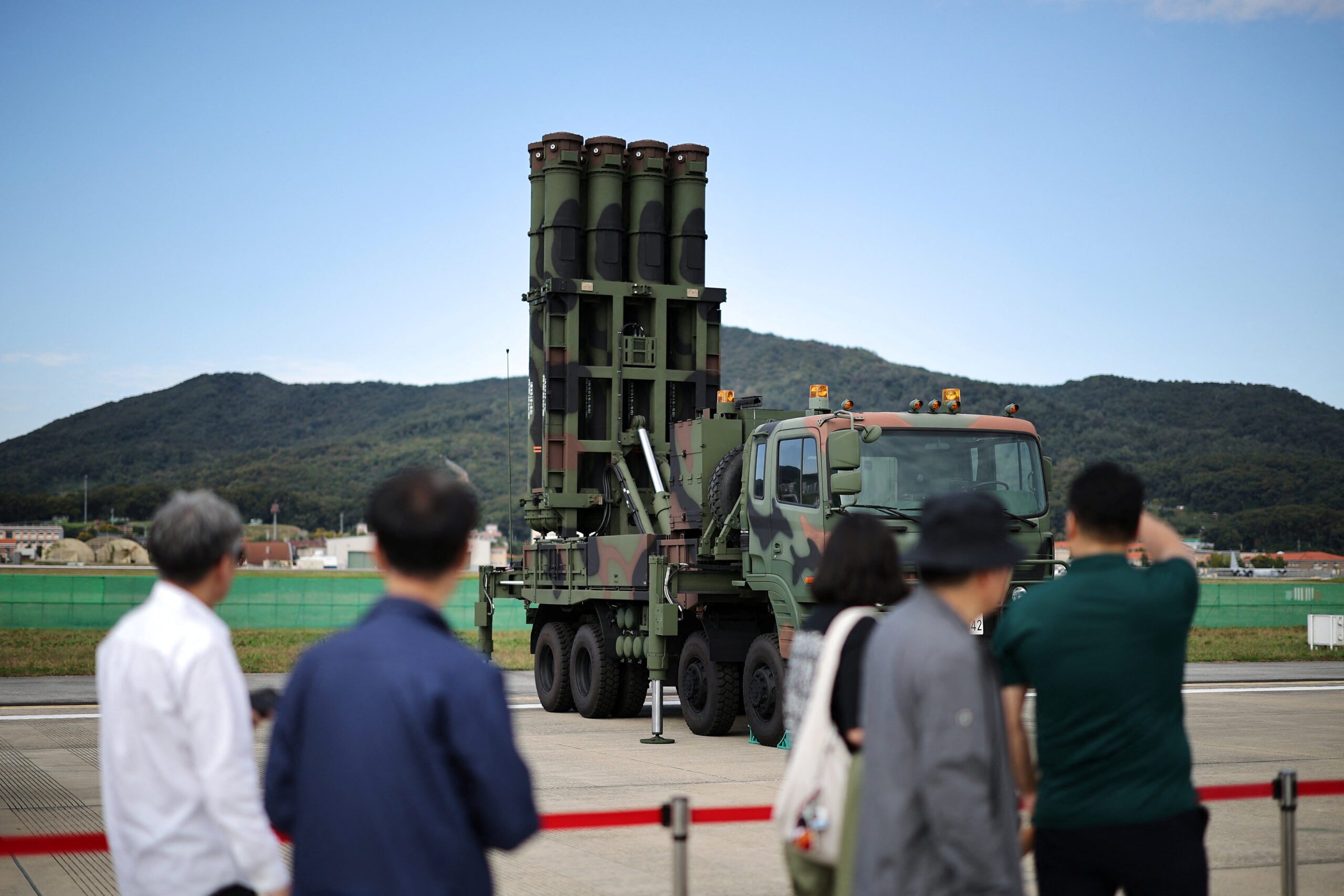
As Iranian strikes exposed structural gaps, Gulf states are expanding their air defense architecture through new suppliers, lower-cost systems, and operational partnerships.
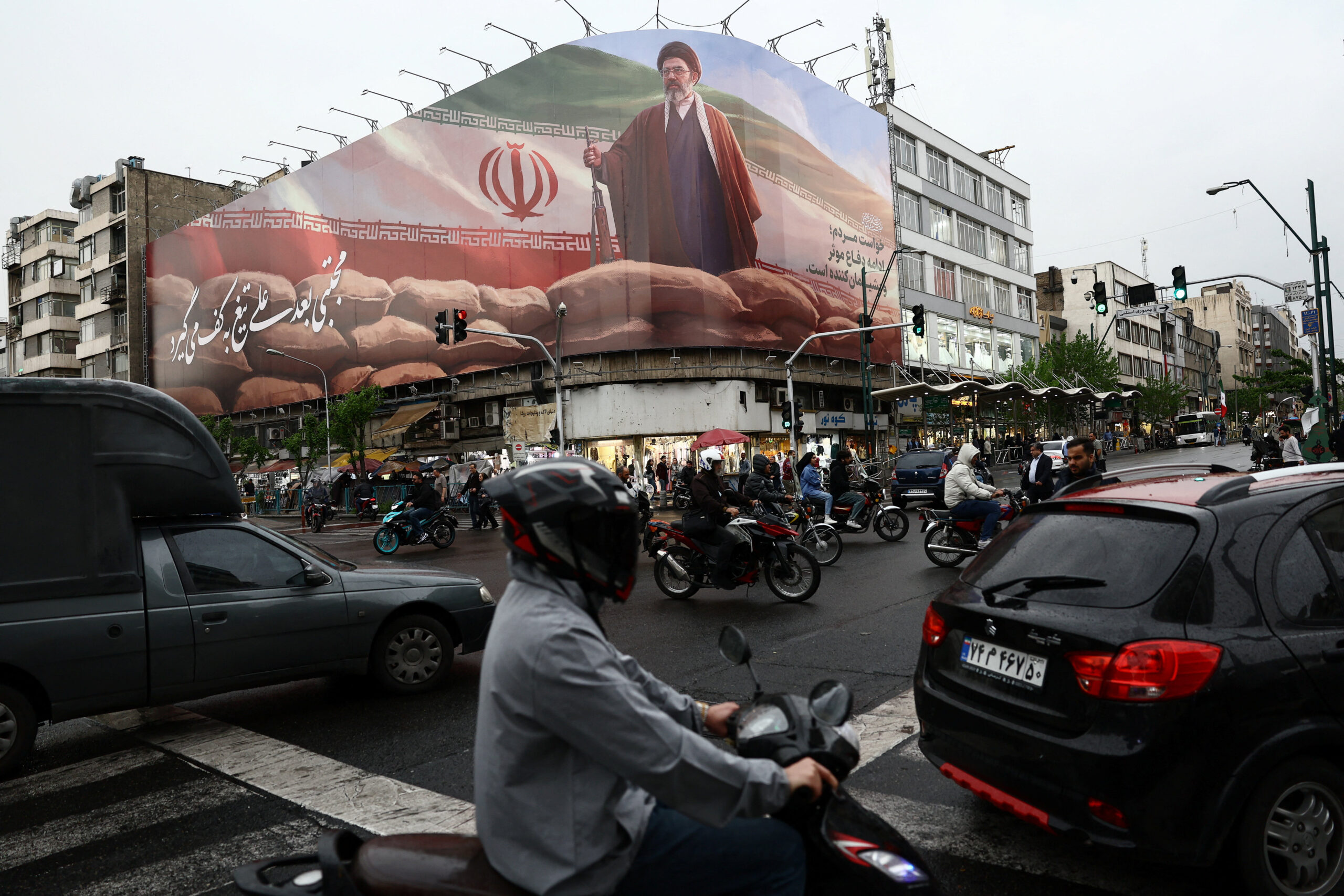
Operation Epic Fury has delivered tactical gains without a viable strategic end state. The Strait of Hormuz remains effectively closed, Iran’s leadership has reorganized, and the diplomatic track has fractured.
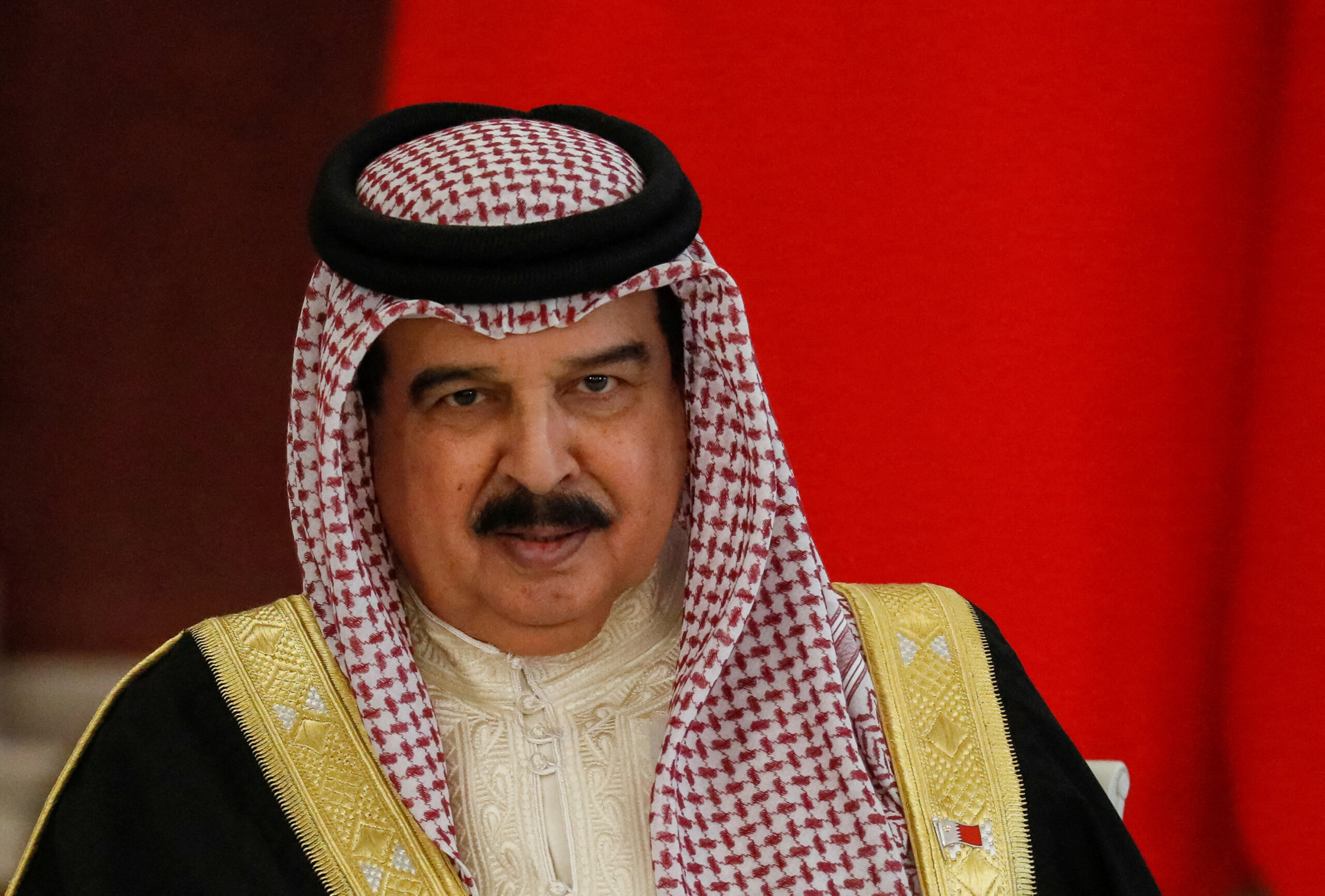
While regional dynamics support de-escalation between Bahrain and Iran, a host of obstacles and a potent history of bilateral grievances are likely to ensure anemic relations.
Saudi-Emirati public reconciliation, a result of hard-earned lessons about the difficulty of going it alone, bodes well for a region at war and under attack, but there are still issues left to resolve.
Following Saudi Arabia’s early exit from the World Cup, the kingdom’s soccer authorities may enter a period of introspection considering challenges that have cast a shadow over the post-2023 landscape of Saudi soccer.
AGSI explains what Israel’s sudden and massive attack on Iran is likely to mean for Gulf Arab states, Iran, the United States, and global and regional economies.