Bahrain
Sep 9, 2026
A New Generation Is Putting Bahraini Cuisine on the Map
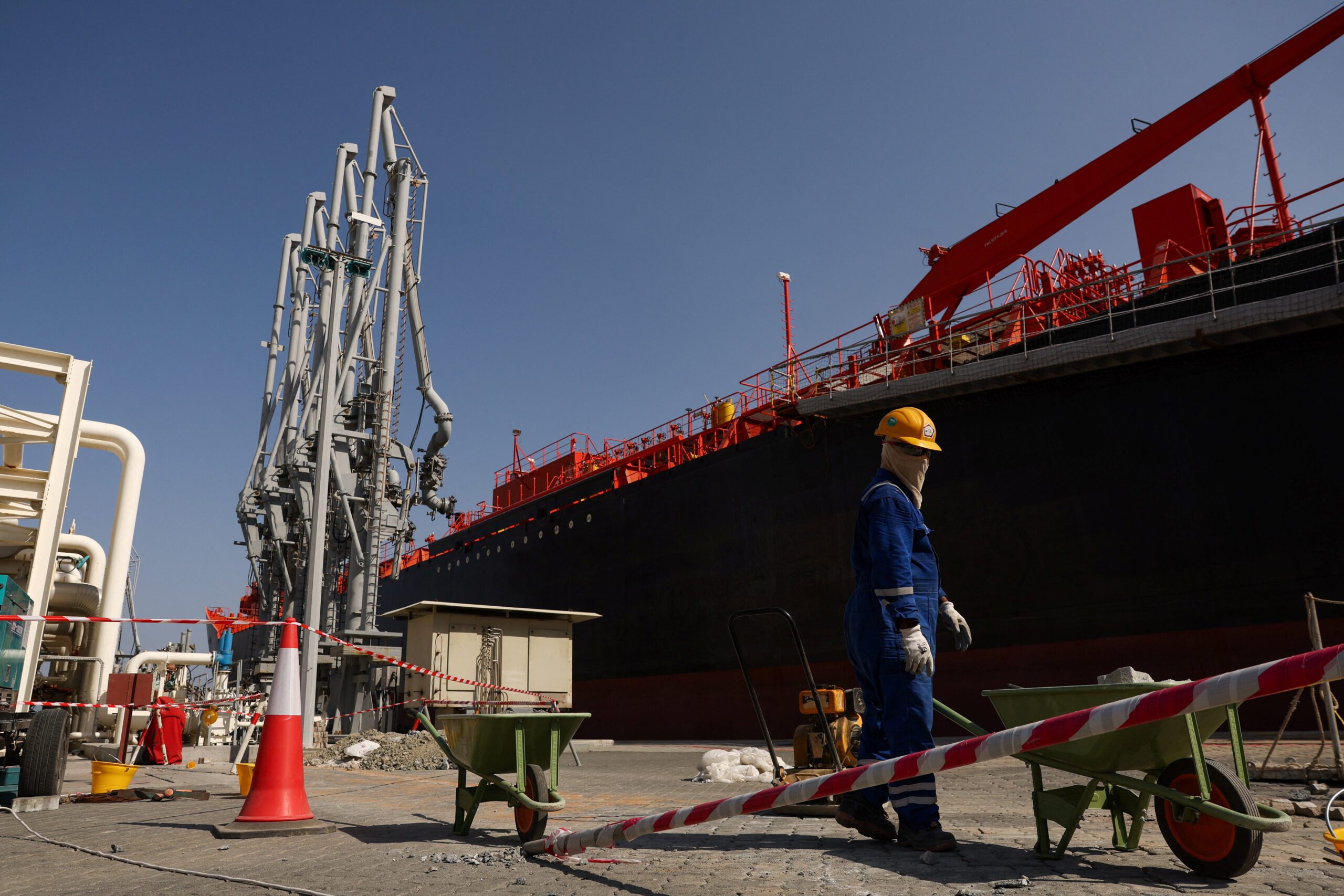
Chefs Suman Ali Sayed and Dona Murad are introducing Bahraini cuisine to eateries abroad, attracting international diners increasingly interested in distinct food cultures and histories.

Sep 8, 2026
Emerging Technologies and U.S. Military Power in the Gulf
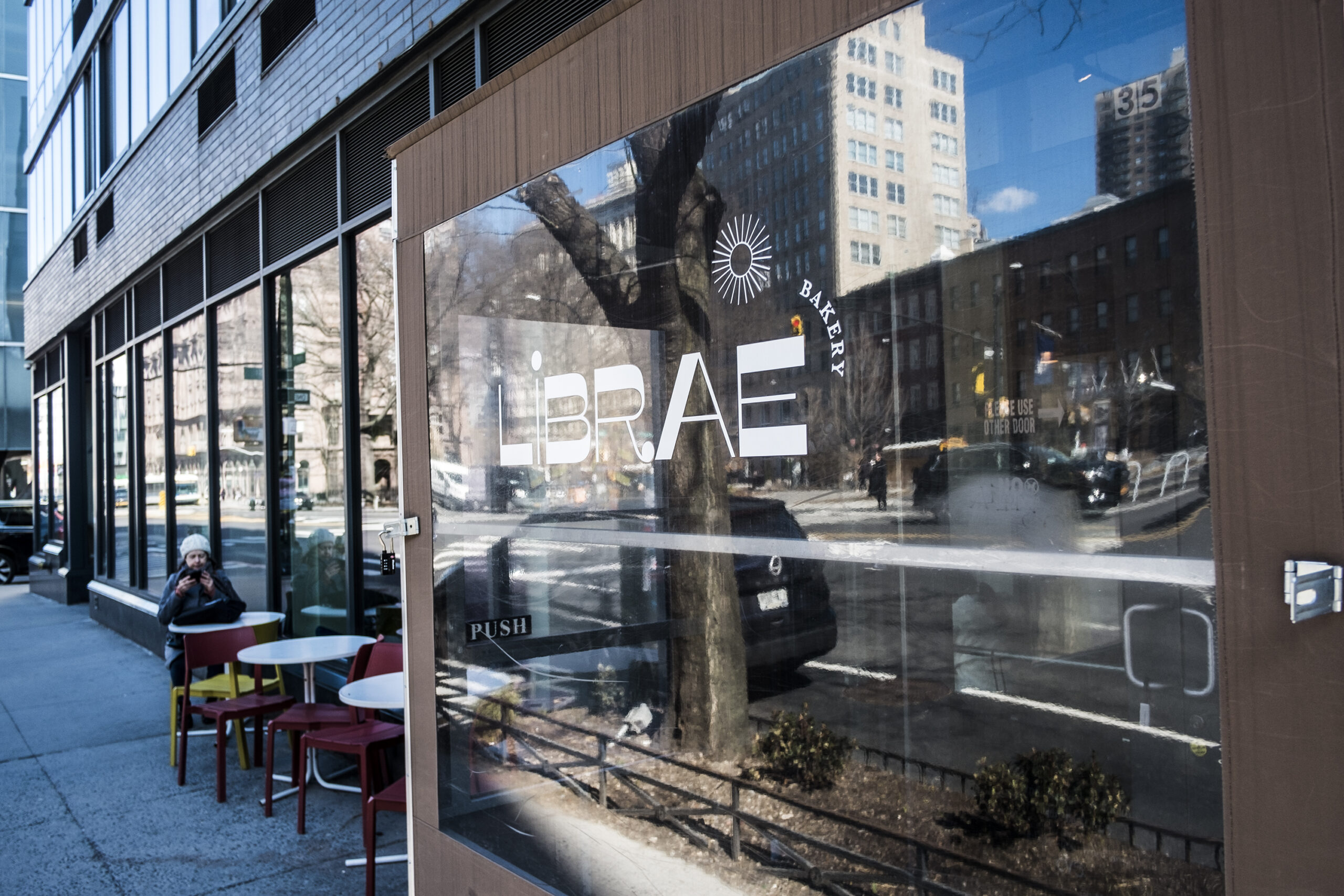
U.S. force projection in the Gulf is increasingly relying on artificial intelligence, unmanned platforms, and space technology, using these systems to augment existing military infrastructure.

Sep 3, 2026
The Gulf Economic Infrastructure Buildout
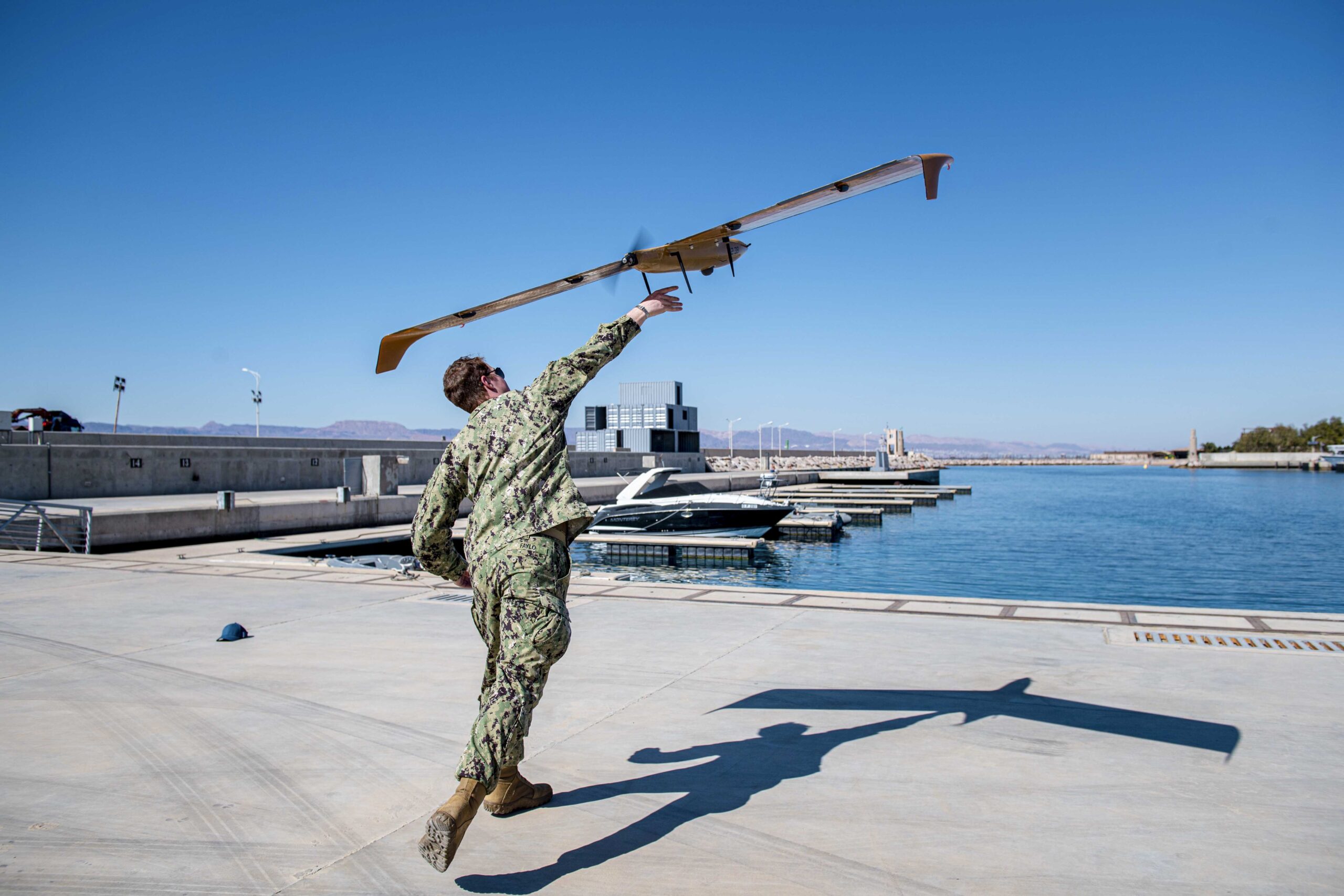
Gulf countries are at the center of an emerging regional economic infrastructure expansion, but the implications will be global in nature.

Aug 31, 2026
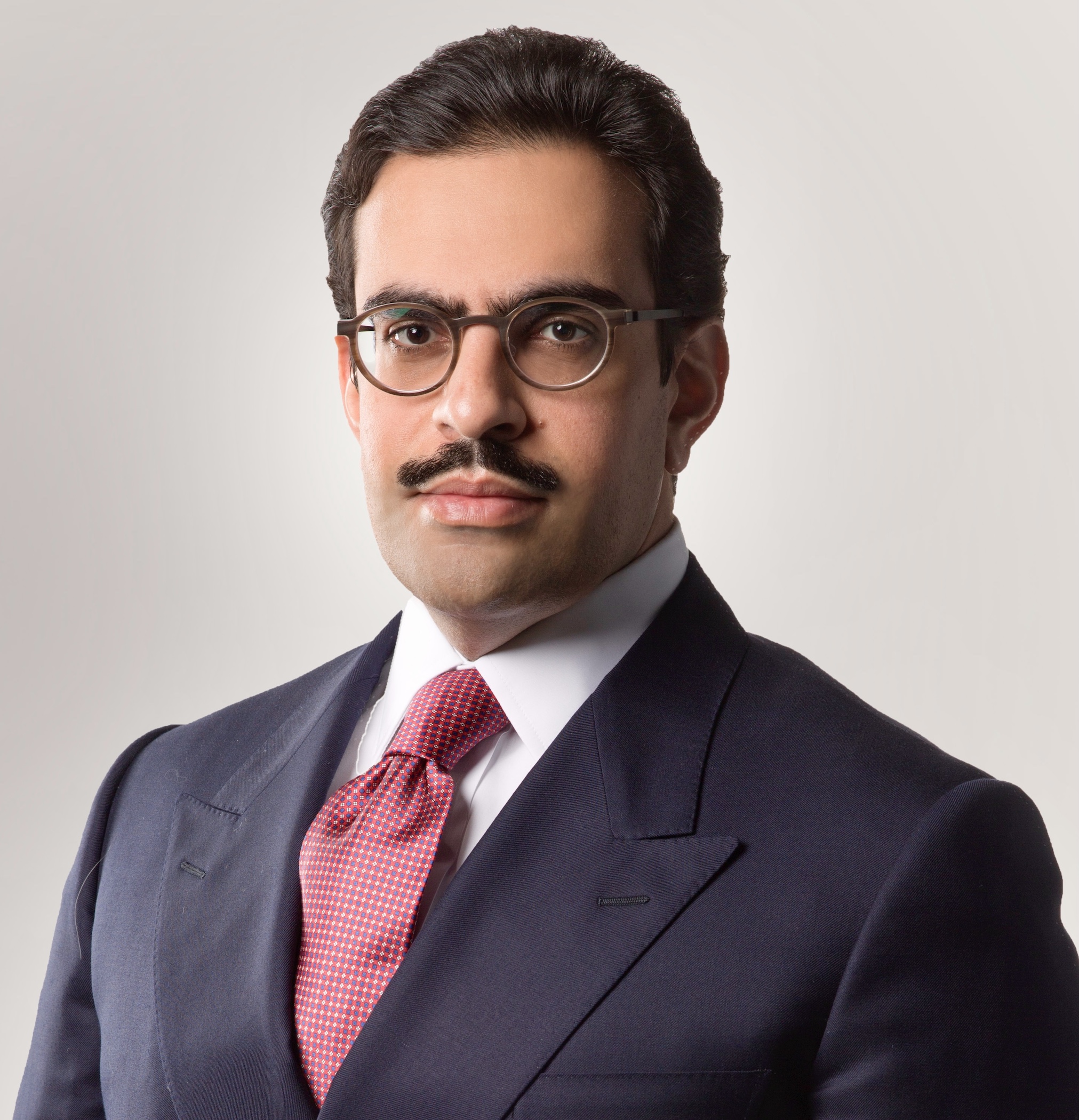
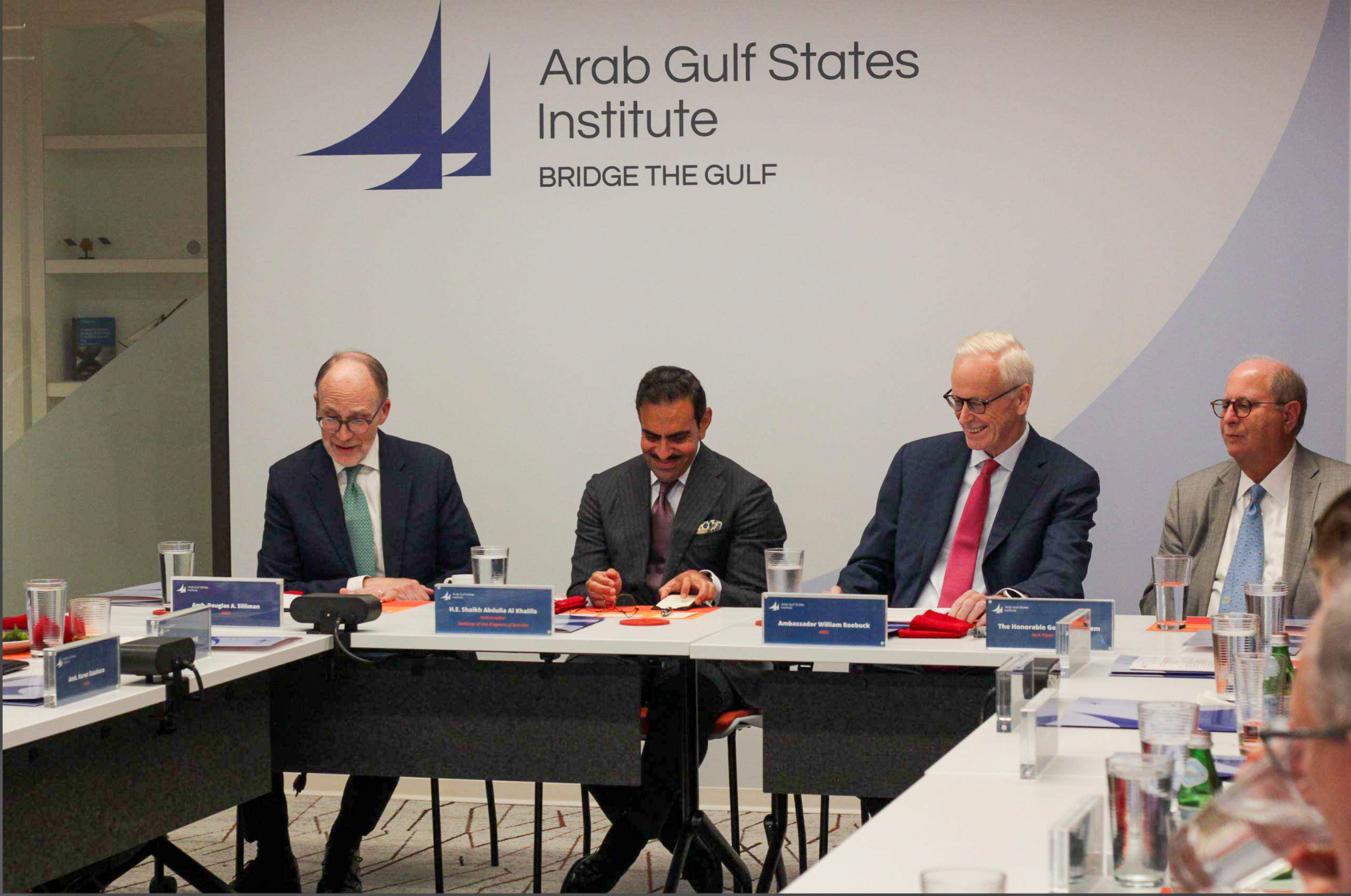
Roundtable With Sheikh Abdullah bin Rashid Al Khalifa
On August 27, AGSI hosted a private roundtable with Sheikh Abdulla bin Rashid Al Khalifa ambassador of the Kingdom of Bahrain to the United States.

Aug 3, 2026
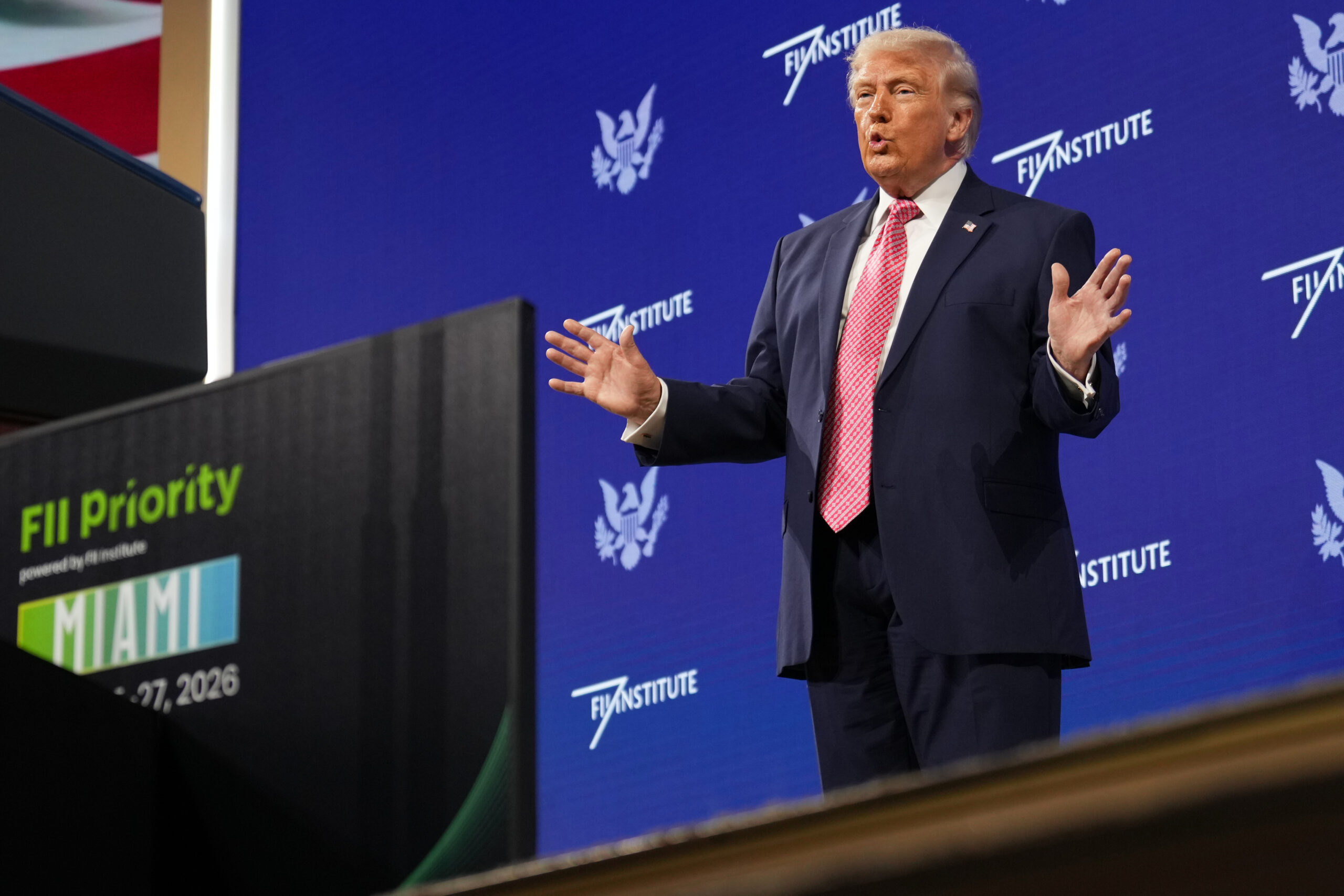
The Trump Presidency, Iran War, and U.S.-Gulf Economic Relationship
The outbreak of the Iran war has halted the deepening of the economic relationship between the United States and the Gulf countries. While likely temporary, it could take some time before the upward trajectory is restored.

Jun 29, 2026
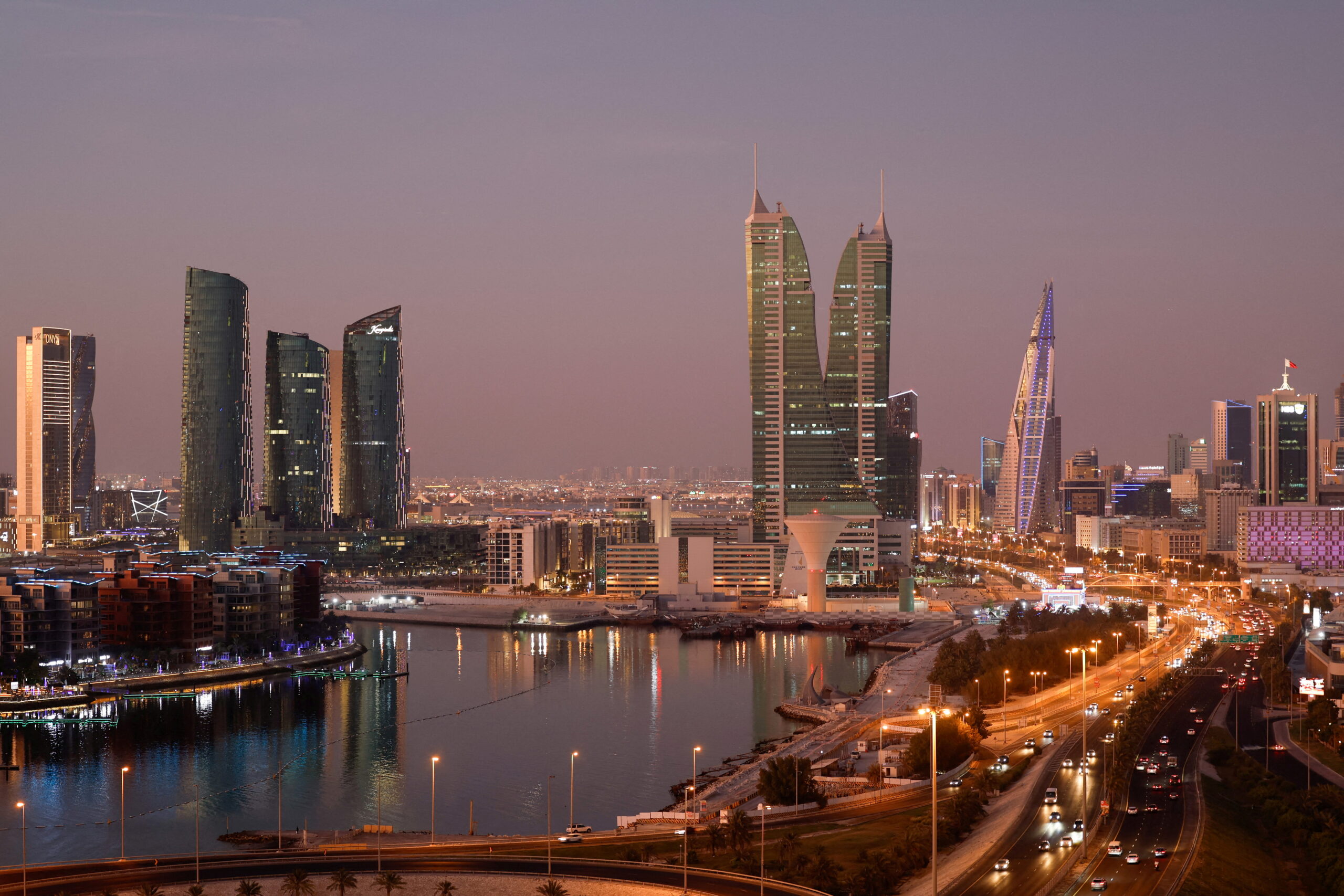
Lingering Vulnerabilities: Bahrain’s Political Economy and the Iran War
Despite the massive disruptions caused by the Iran conflict, how Bahraini policymakers address structural vulnerabilities moving forward will be the critical determinant of the country’s longer-term economic outlook.

Jun 4, 2026
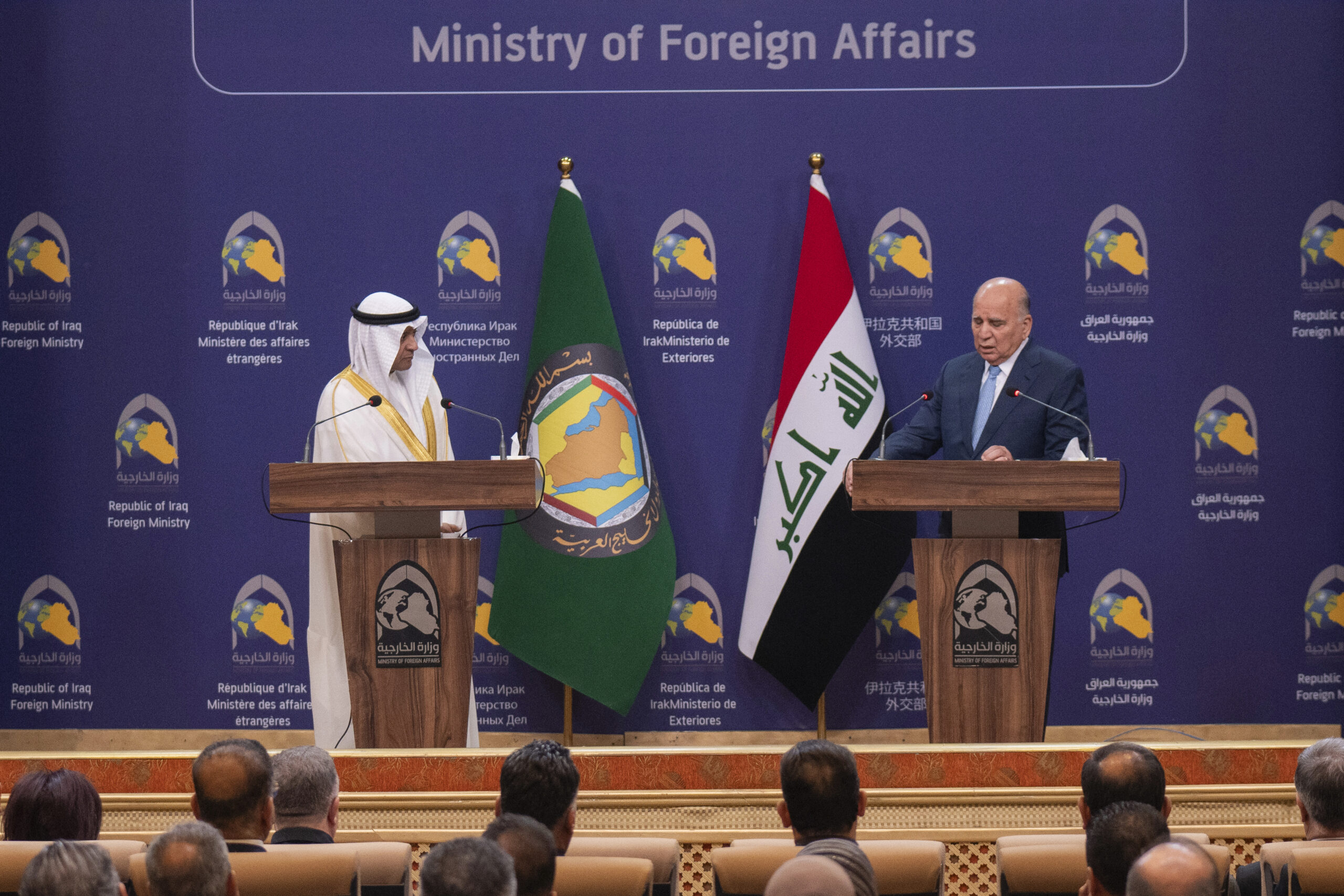
The Geopolitical Imperative of Iraq-GCC Relations
A strong relationship with the GCC acts as a stabilizing force for an inherently fragile Iraqi state. But to maintain this, Iraq needs to pair sophisticated regional diplomacy with assertive control over the nonstate actors operating within its borders.
Jun 3, 2026
Petro Diplomacy 2026: Energy in Crisis: Markets and Geopolitics of Supply
On June 8, AGSI convened its Petro Diplomacy conference for the 12th consecutive year.