The early reactions of regional stock markets reflect serious concerns but not full-blown panic despite an unprecedented escalation of the Iran conflict.
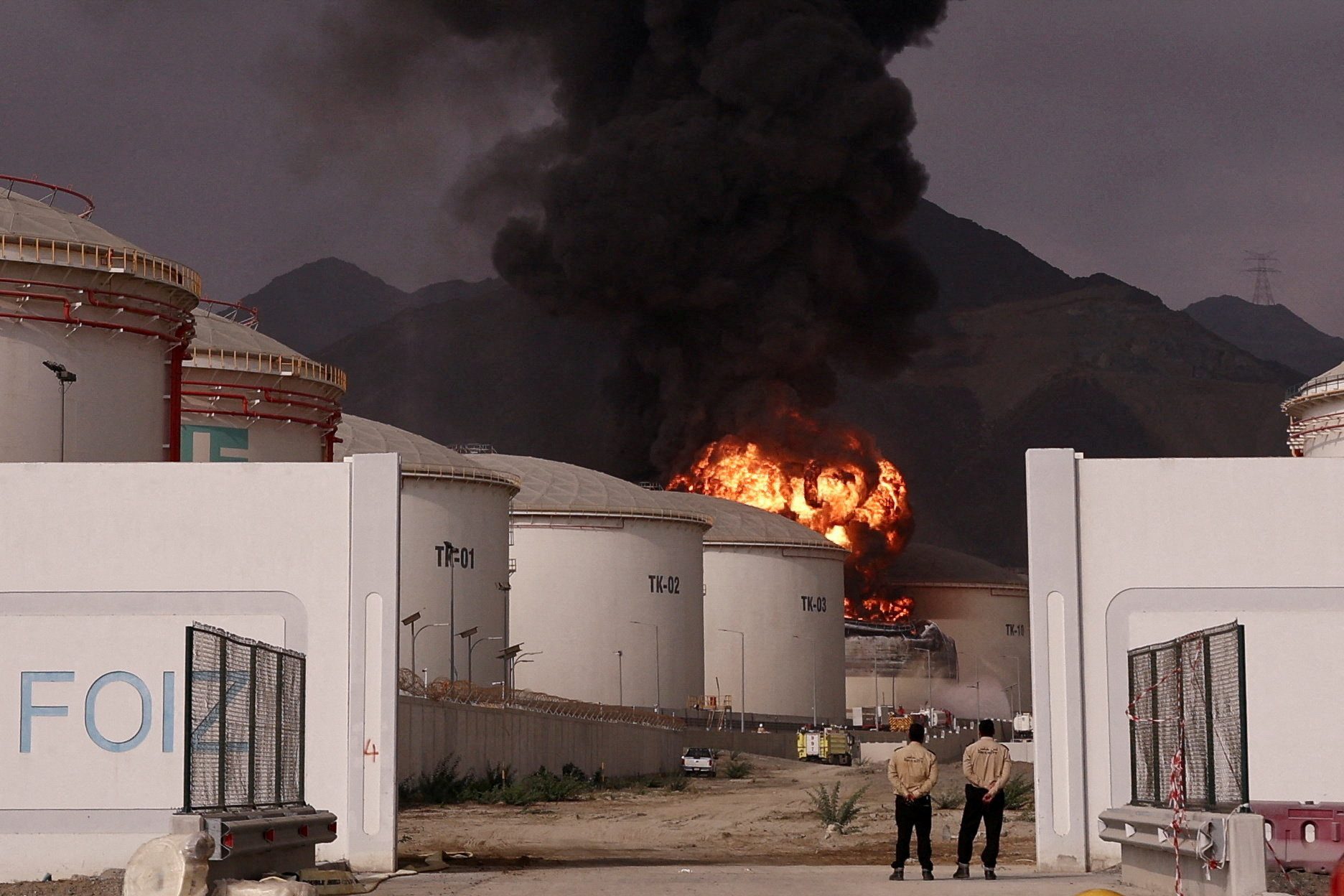
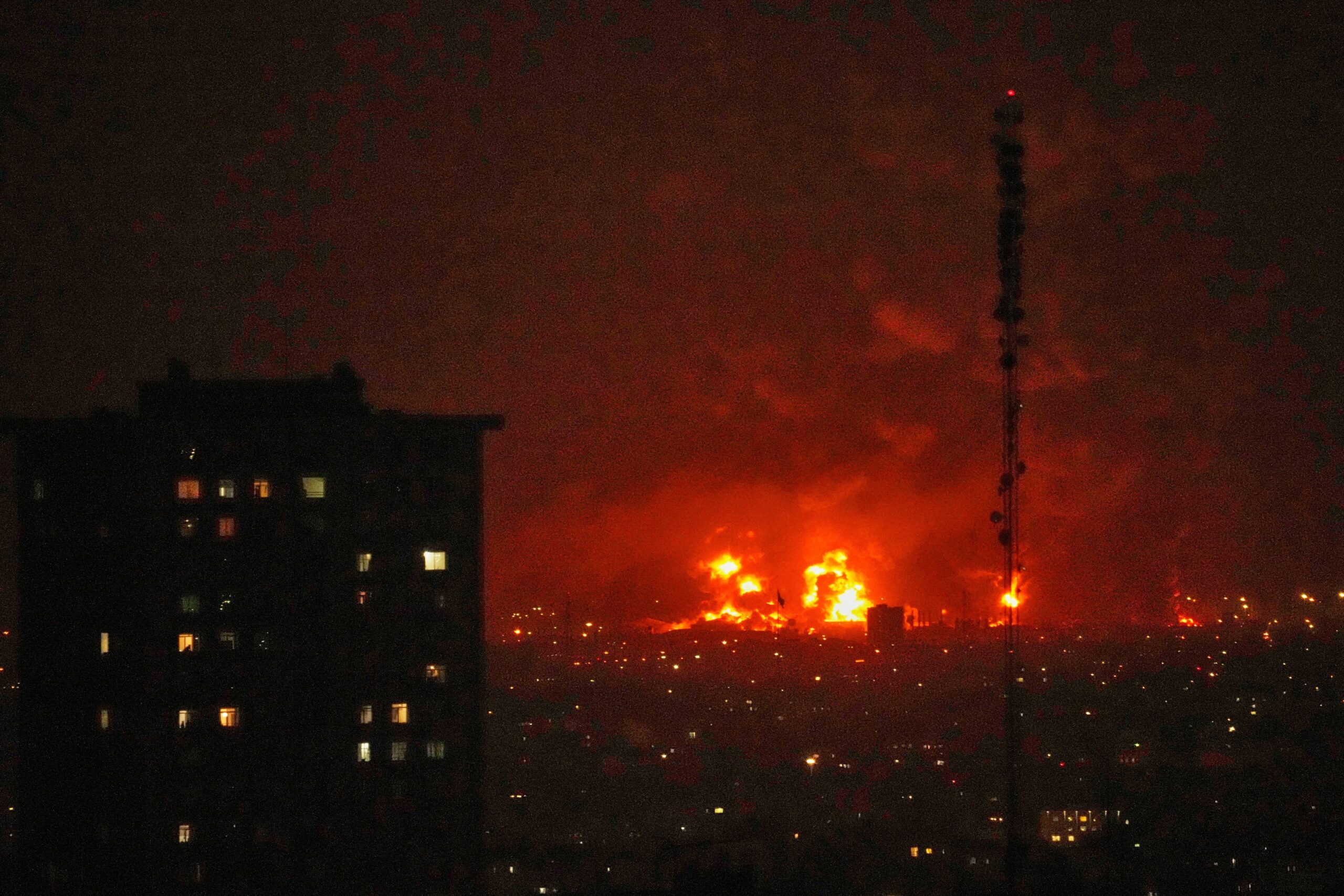
Large fire and plume of smoke is visible after, according to the authorities, debris of an Iranian intercepted drone hit an oil facility in Fujairah, United Arab Emirates, March 3. (AP Photo/Altaf Qadri)
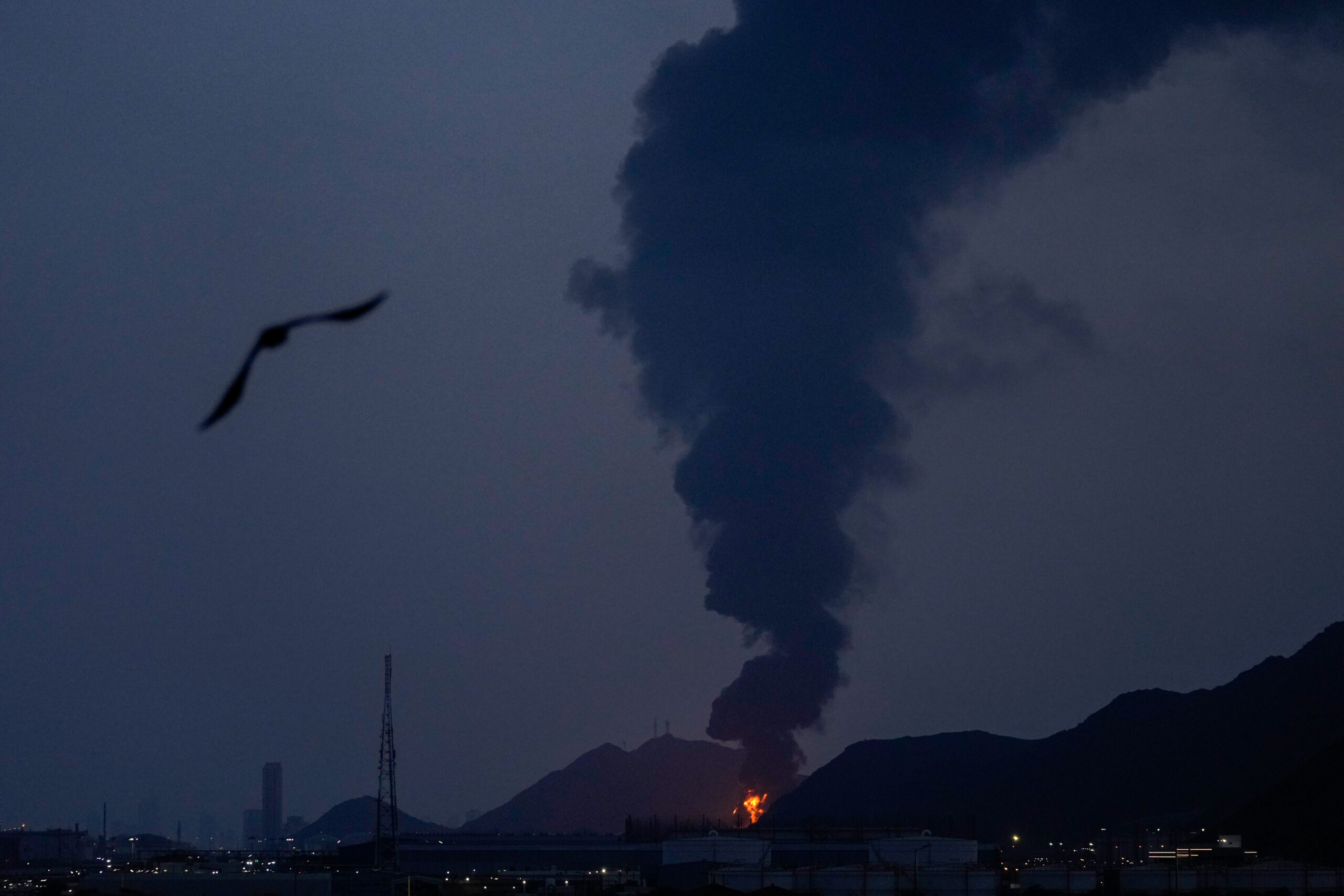
On February 28, joint U.S. and Israeli attacks on Iran led to the death of Supreme Leader Ayatollah Ali Khamenei and set off an unprecedented escalation of the Iran conflict. A swift Iranian retaliation has targeted a wide range of assets, including energy and civilian infrastructure, in neighboring Gulf countries. Iran has effectively closed the Strait of Hormuz, and Gulf oil producers continue to manage other serious disruptions stemming from attacks on their energy infrastructure and decreasing storage capacities.
As the conflict enters its second week, there are few signs of hostilities slowing down. Mojtaba Khamenei – the son of Ali Khamenei and a hard-liner – was selected as the next supreme leader, despite President Donald J. Trump indicating he was an “unacceptable” choice. Iran’s president apologized for attacks on neighboring Gulf Arab states, but Iranian strikes have continued nonetheless. The persisting and escalating conflict has heightened concerns over the economic impact on Gulf states.
Regional stock markets can help quantify immediate economic spillovers and investor sentiment. While Gulf stock markets have exhibited volatility and pressure on specific equities, there has not been a major sell-off and market correction accompanying the unprecedented Iranian retaliation and targeting of Gulf states. For now, these markets appear to suggest that the conflict’s duration matters most for broad-based economic implications, though certain affected sectors will underperform in the meantime. Global energy markets have demonstrated a stronger response – in terms of price movement and consistency – to the unfolding Iran conflict.
During the first week of conflict, the reactions across different share indexes and specific equities were mixed. Some governments took steps to prevent panic selling in the aftermath of the February 28 attack. Kuwait suspended trading March 1. The United Arab Emirates halted trading on the Dubai and Abu Dhabi stock markets from March 2-3 and imposed a 5% limit on share price declines. Dubai’s main share index fell by approximately 9% during the subsequent three days of trading. Neighboring Abu Dhabi posted a weekly loss of about 4%.
However, a number of the region’s stock markets managed to climb throughout the week following initial losses. Stock markets in Qatar, Oman, and Kuwait recovered, exhibiting some resilience. Saudi Arabia’s Tadawul All Share Index actually ended its first full week of the Iran conflict in positive territory.
Certain sectors confronted acute pressure. Real estate companies, airlines, and banks weighed down regional stock markets. However, some analysts cautioned against viewing Gulf equity losses as “durable damage” given that extraordinary Iranian attacks resulted in mostly modest losses as well as the likelihood that Iran will be significantly weakened after this conflict.
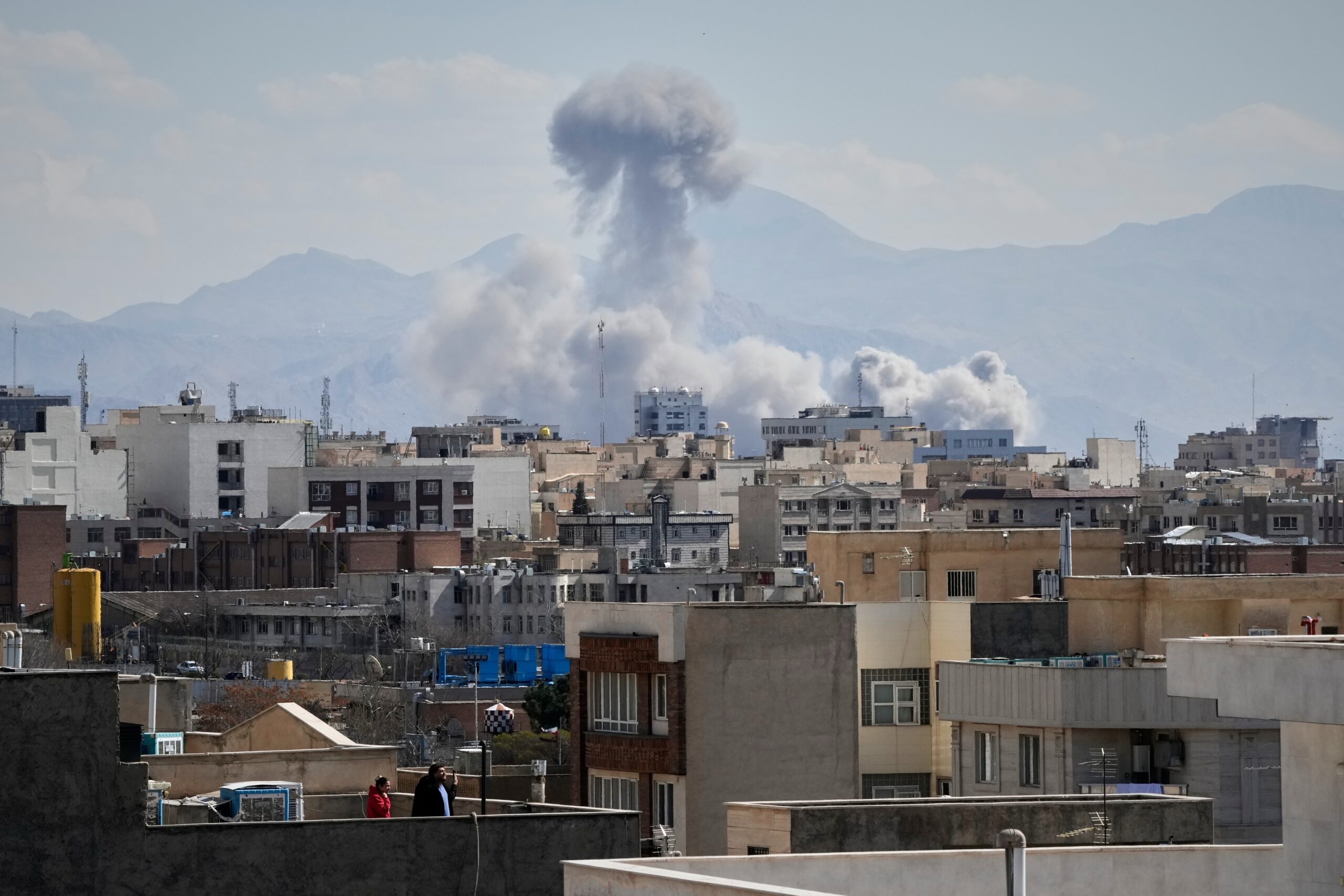
Over the second weekend of the conflict, Israel stepped up attacks on Iranian energy infrastructure, striking around 30 fuel depots in Iran. There were strikes on desalination plants in both Iran and Bahrain. And two people were killed in Saudi Arabia after a military projectile fell in a residential area.
Regional stock markets are digesting the latest developments. Saudi Aramco’s stock surged 4.9% before paring gains and closing around 4.1% March 8. With help from energy stock gains, Saudi Arabia’s benchmark index edged up March 8 for a 5-day rally, but it eased March 9. Gulf markets largely fell in early trading, with Dubai’s main share index dropping 3.8%. Most of the region’s equity markets posted losses when trading closed March 9; however, the benchmark index of the Muscat stock exchange gained 3.1% on the day.
The varied performance across and within indexes relates to a range of factors. Some Gulf Arab countries have been in the crosshairs more than others: The UAE’s Ministry of Defense reported being targeted by 16 ballistic missiles and more than 120 drones March 7. Meanwhile, Saudi Arabia and Oman have the geographic flexibility to use the commercial capacity of coasts on the Red Sea and Indian Ocean, partially mitigating tensions emanating from Gulf waters. Investors are also making decisions amid a highly uncertain environment.
Global energy prices have reflected a clearer picture of increasing pressures coming from the Gulf. The price of Brent crude oil broke $90 per barrel last week and spiked to nearly $120/bbl March 9 before resting closer to $100/bbl. Murban – a light high-sulfur crude oil produced in Abu Dhabi – was trading around $110/bbl March 9, up from around $80/bbl at the beginning of March. Higher oil prices are usually welcomed across Gulf capitals, but there is a costly geopolitical price to pay for this oil price environment.
Prior to February 28, there were very different signals emerging from the region’s equity markets, including indications of strong foreign investment activity. Saudi Arabia and the UAE led net inflows into the region with $1 billion and $560 million, respectively, in February, while Kuwait reversed six consecutive months of net foreign outflows, according to Iridium Advisors data. On February 1, Saudi Arabia began permitting all categories of foreign investors – including nonresidents – to directly invest in the country’s main market, removing previous barriers. Bahrain had launched a strategic overhaul of its stock market February 10 to receive a market classification upgrade and attract $4 billion in investments by 2028.
These initiatives and the economic policymakers behind them will have to contend with an altered business environment when the dust settles from this conflict. Plans to deepen liquidity and enhance national economies will require renewed efforts. But the economic fallout in Gulf countries may not be as damaging as some people worry, especially if hostilities end sooner rather than later and oil prices stay elevated.
The views represented herein are the author's or speaker's own and do not necessarily reflect the views of AGSI, its staff, or its board of directors.
The longer the conflict lasts, and the more damage to energy facilities, the greater the risk of oil market tightness, rising prices, and stranded commodities.
There was a growing war risk premium in the oil markets tied to escalating regional tensions; the shift from shadow confrontation to direct military action changes the calculus.
Beijing keeps treading carefully around conflict in the Middle East while seeking opportunities to deepen ties with key country partners through a longer-term regional engagement strategy.
The UAE’s decision to halt trade and commercial ties with Iran reflects an exercise in applying carefully calibrated geoeconomic pressure amid an uncertain and evolving geopolitical context.