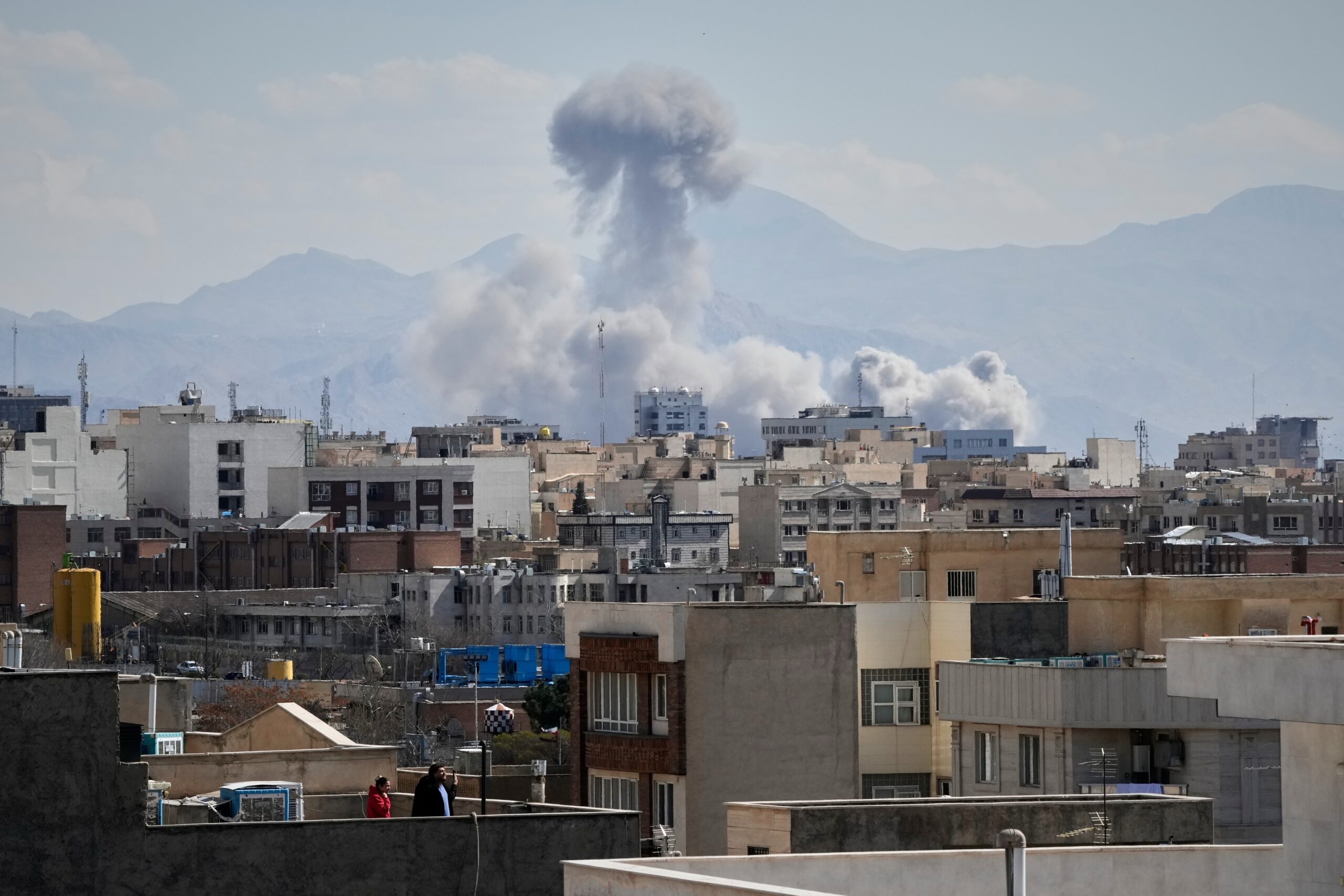
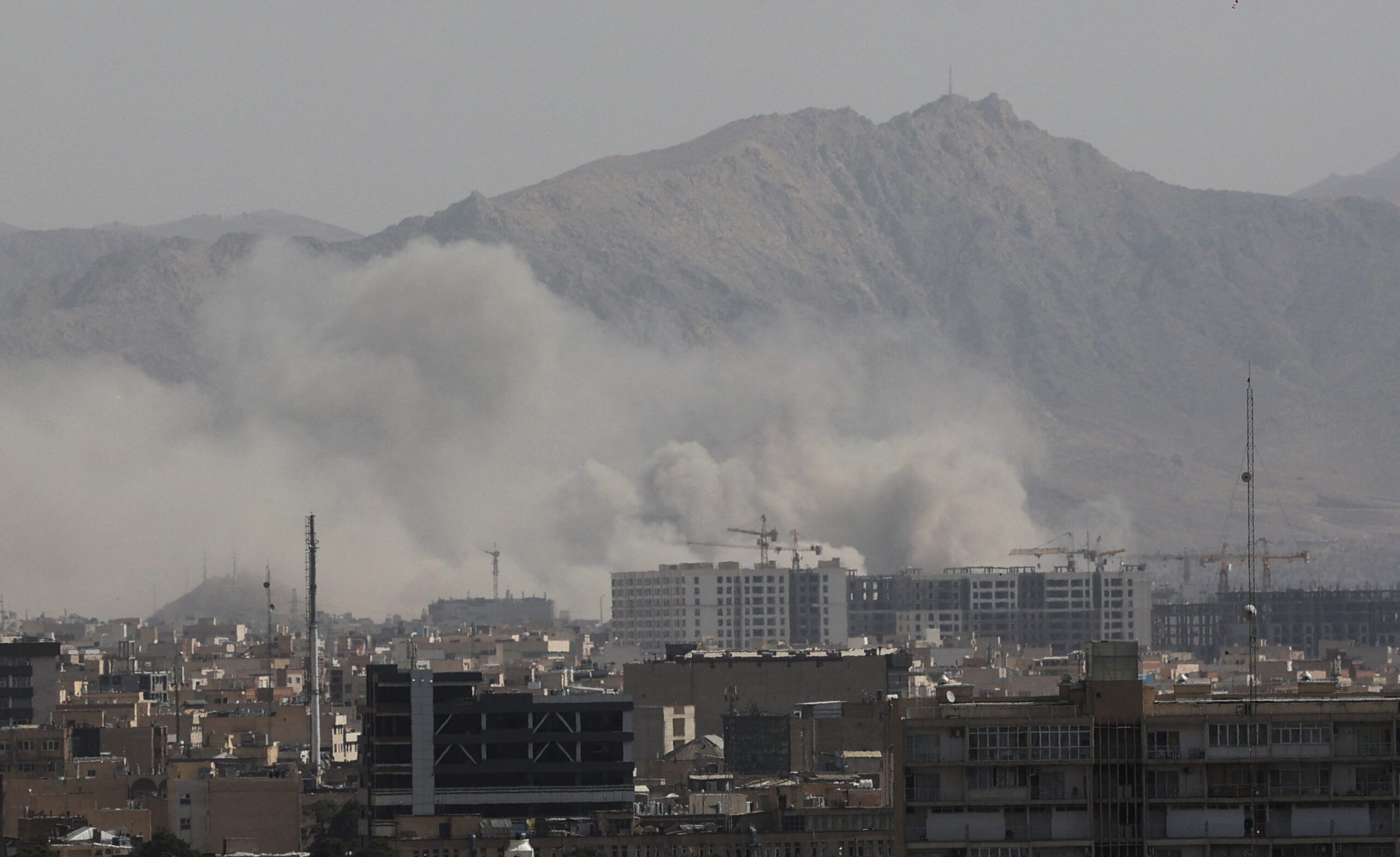
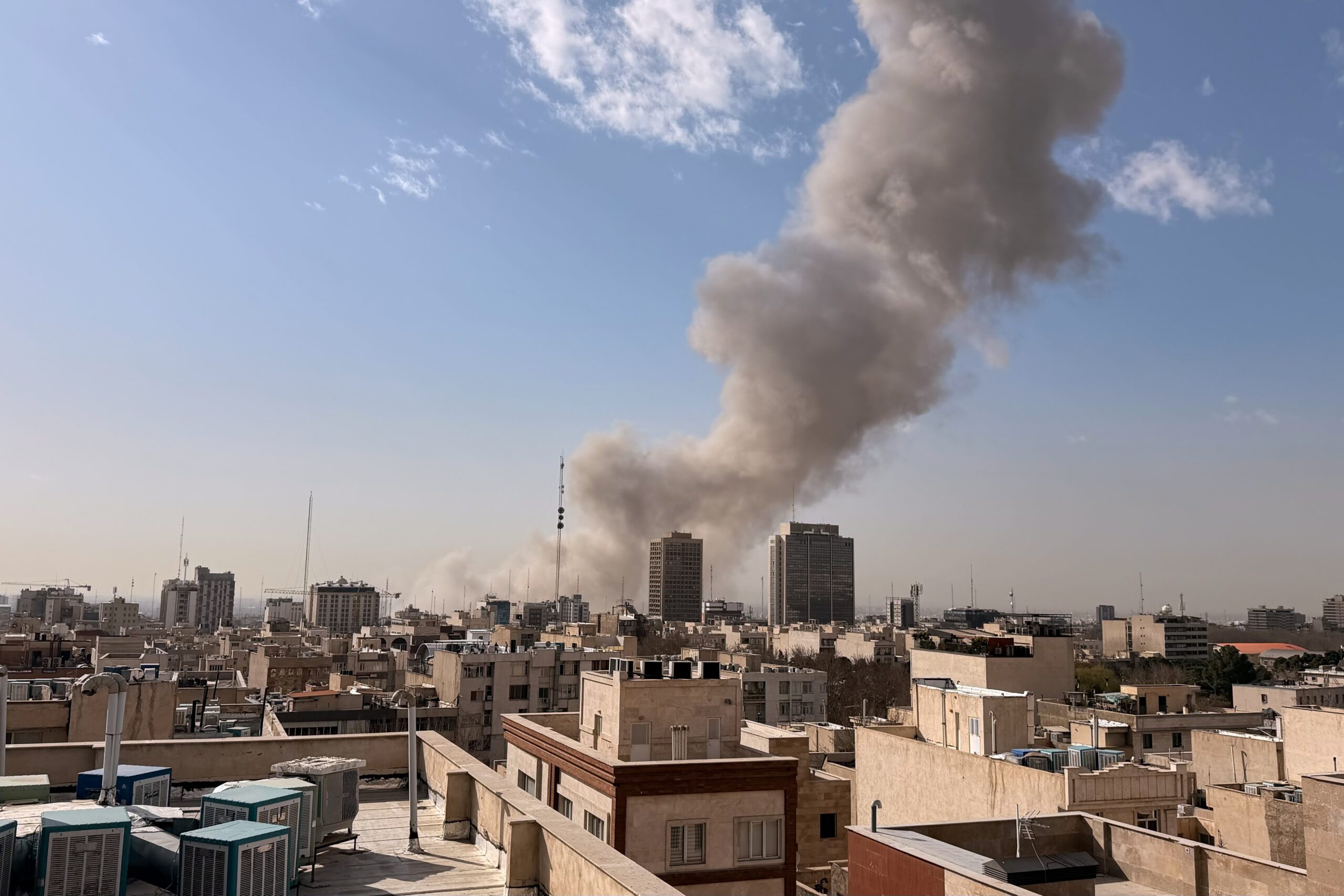
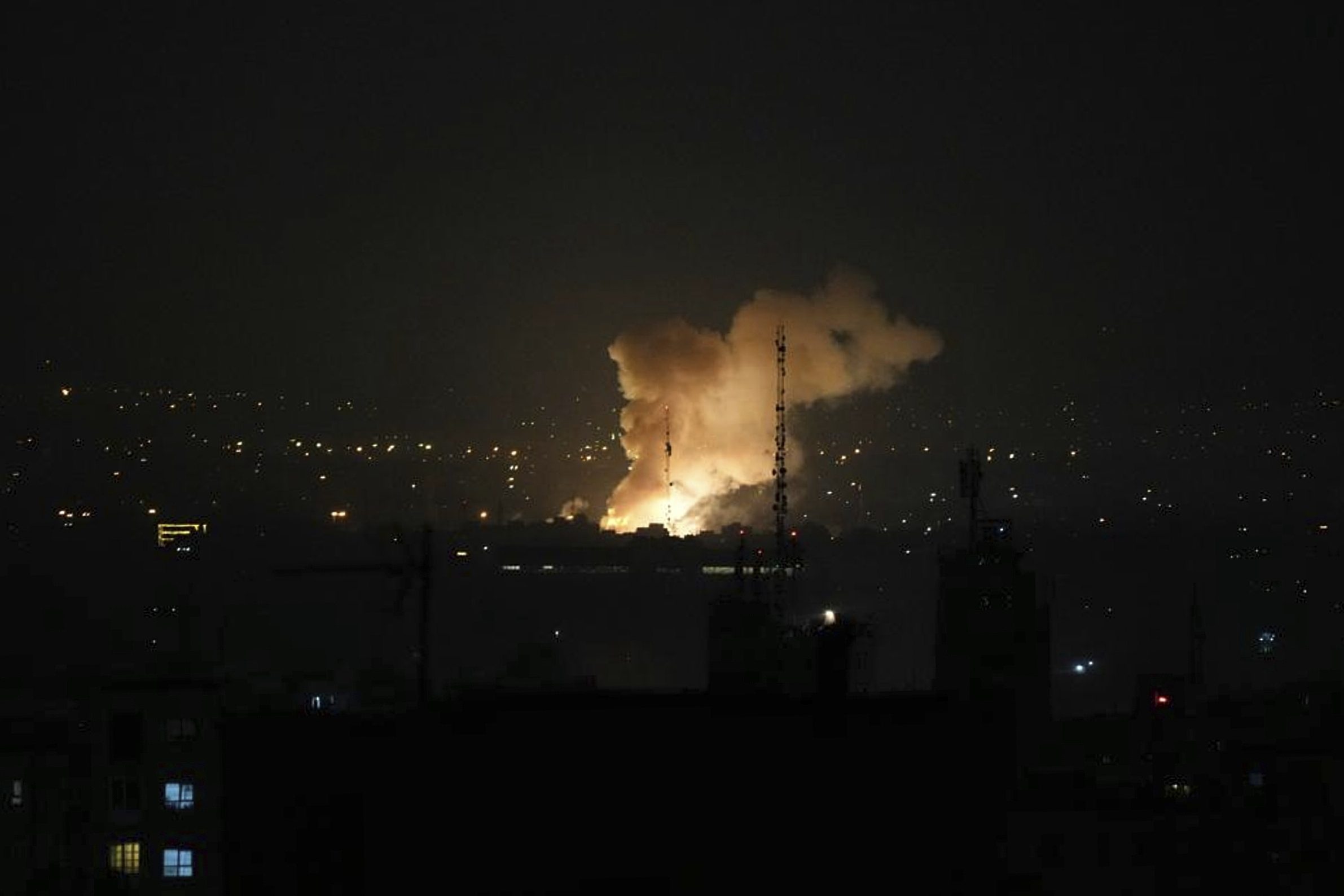
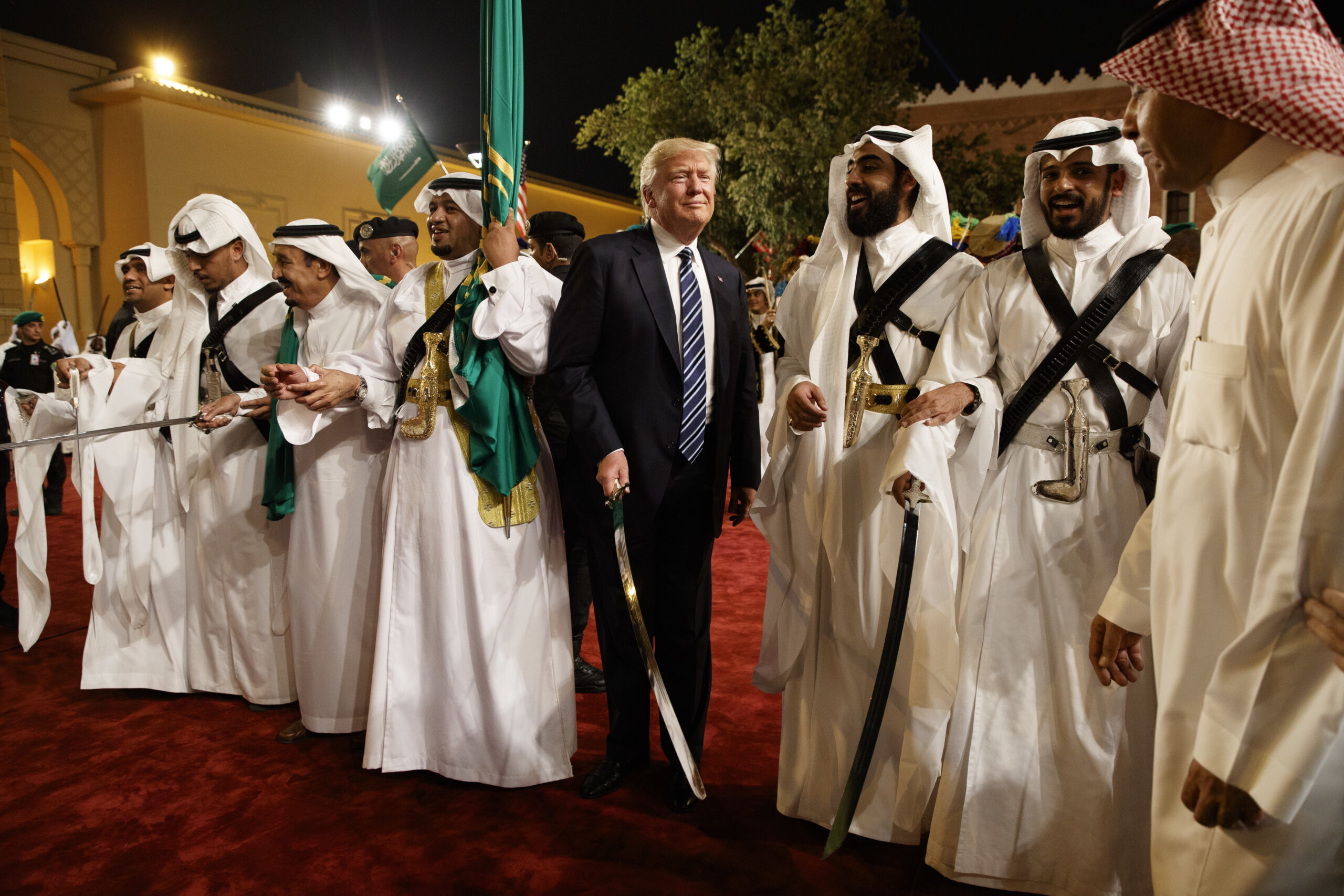
The coordinated U.S.-Israeli attacks on Iran came at a time of discord in Gulf relations. Since early December 2025, Saudi Arabia and the United Arab Emirates have been in dispute over political approaches to Yemen and East Africa, particularly Sudan. Competing diplomatic measures threatened to expand their political feud into a regional rift, while a bitter media war has sharpened the ideological distance between the erstwhile allies.
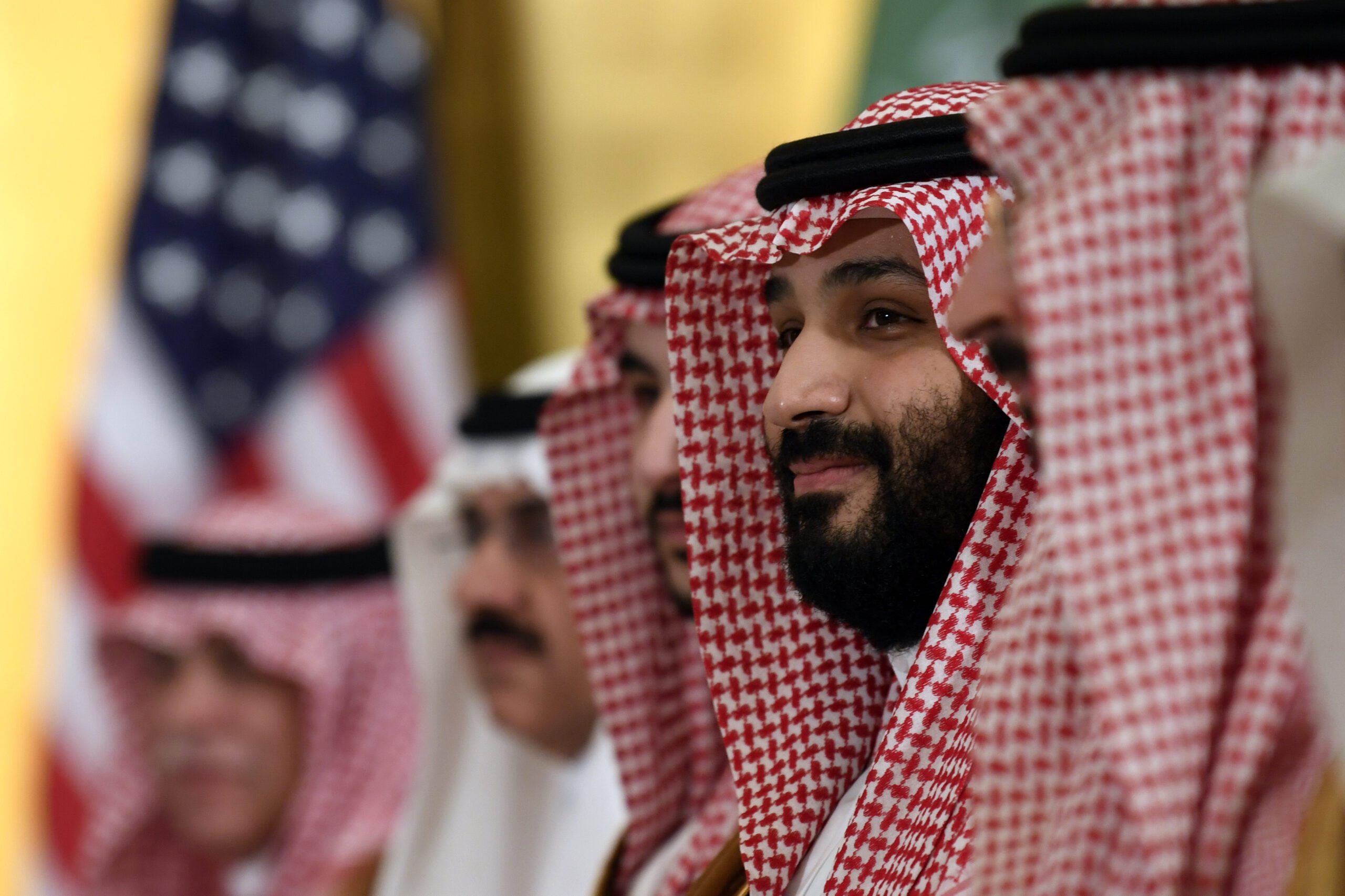
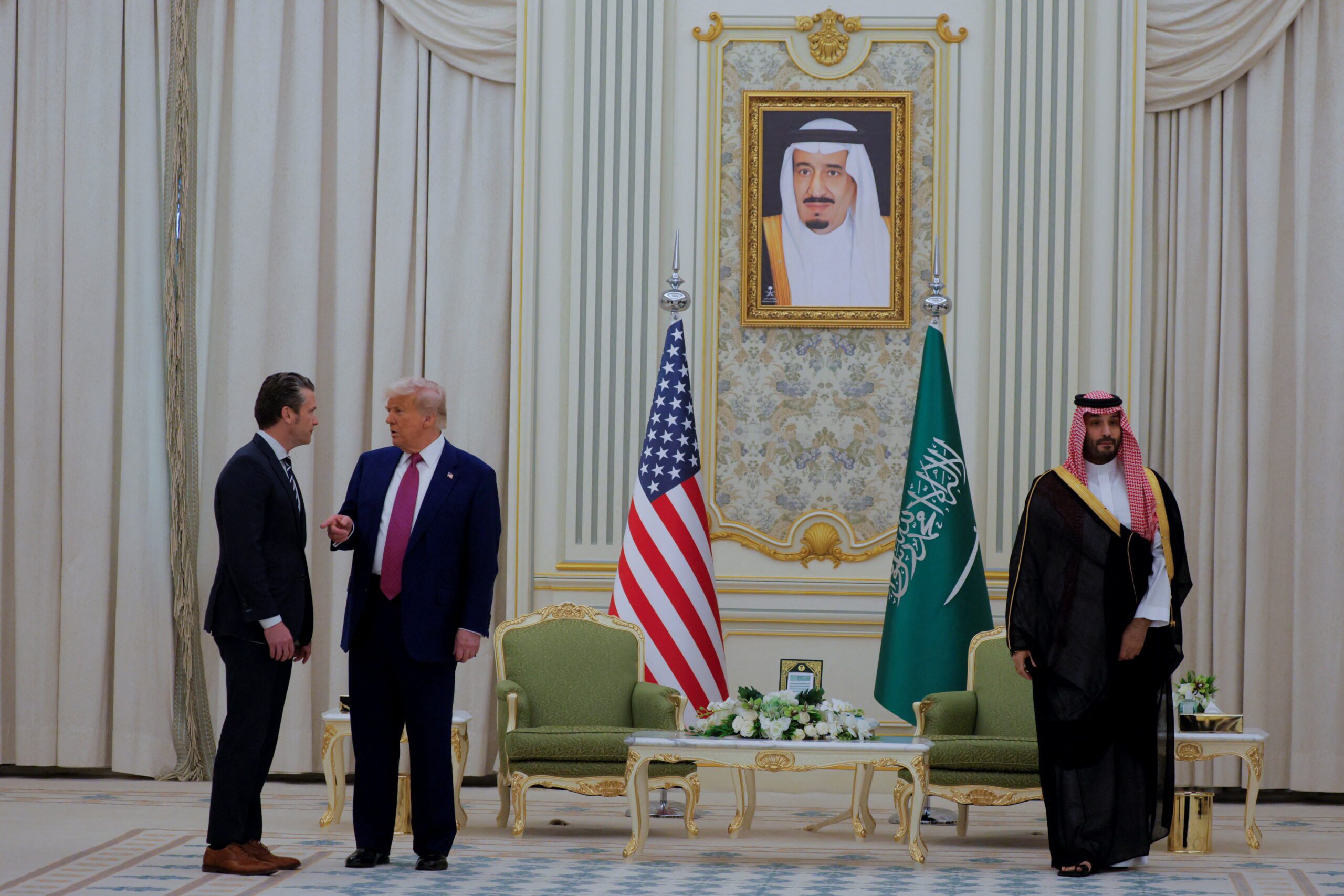
With the launch of a second U.S.-Israeli conflict with Iran, that feud has been set aside. Iranian counterstrikes targeting Gulf territories have united the Gulf Arab states in shared outrage and condemnation of Iran. Saudi Crown Prince and Prime Minister Mohammed bin Salman initiated his first reported phone call with Emirati President Mohammed bin Zayed al-Nahyan since their dispute began. In a formal statement, the Saudi Ministry of Foreign Affairs not only “affirmed its full solidarity with fellow Gulf neighbors” but pointedly asserted Saudi Arabia would be “placing all its capabilities at their disposal to support them in all measures they take.” With air transportation in the Gulf littoral states more severely impacted, Saudi Arabia has been accepting diverted flights and accommodating stranded Gulf Cooperation Council citizens.
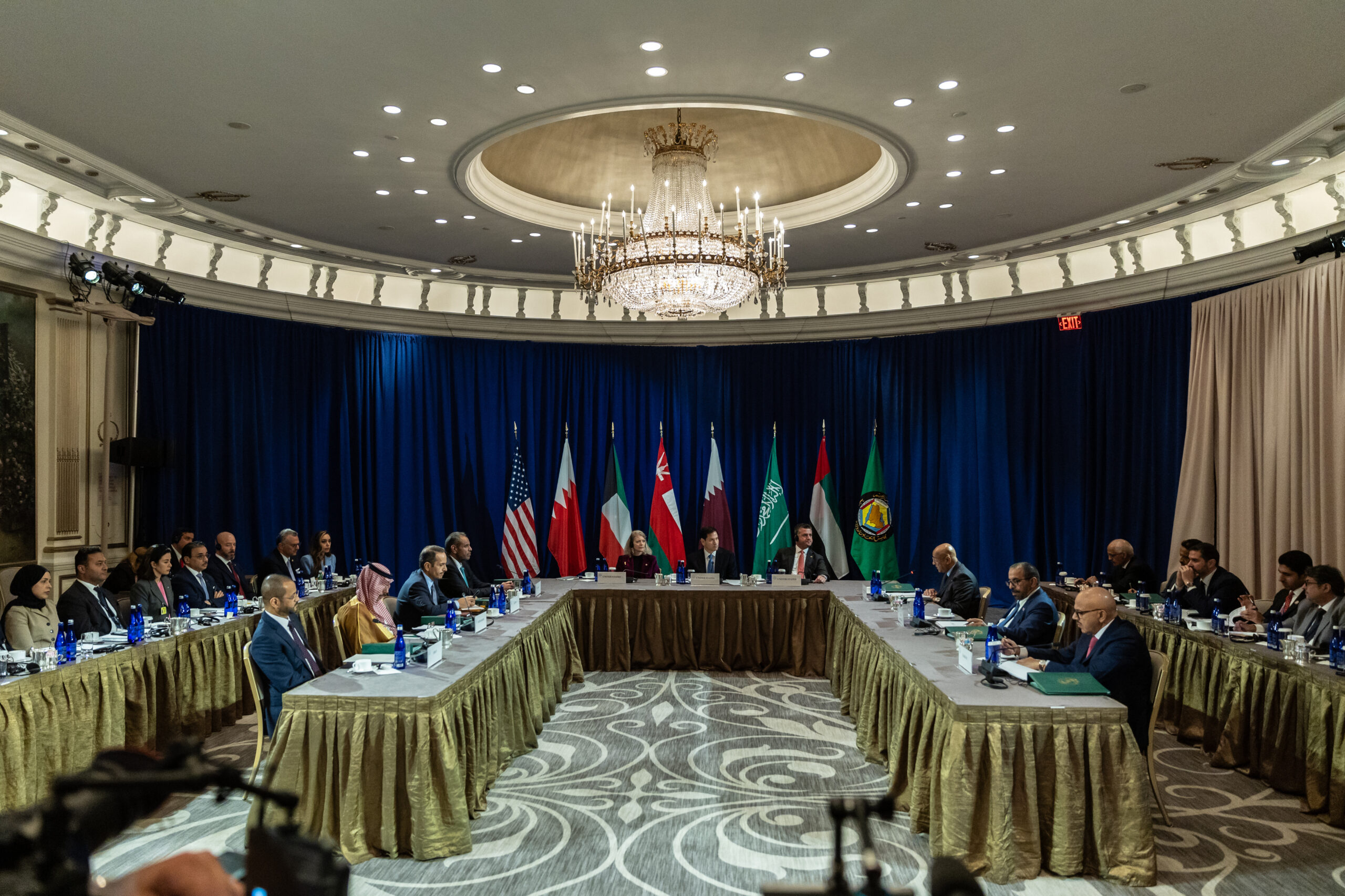
As happened after the Israeli strikes on Qatar in September 2025, the Ministerial Council of the Gulf Cooperation Council met to declare the security of the member states “indivisible” and affirmed their legal right to respond to the Iranian attacks individually and collectively. The United States issued its own joint statement alongside the Gulf Arab states and Jordan condemning “the indiscriminate and reckless missile and drone attacks … endangering civilian populations” and infrastructure. As the U.S.-Israeli campaign lengthens and burdens on Gulf states mount, it remains to be seen if this political alignment among Gulf states – as well as between the U.S. and Israeli protagonists – can be maintained.
The missile war convulsing the Gulf represents the most serious regional security crisis since Iraq’s 1990 invasion of Kuwait. Alarmism is understandable but analytically unhelpful. Interception rates remain high, and physical damage has thus far been contained – a testament to years of layered investment in air and missile defense and the operational experience accumulated through repeated Houthi campaigns. Yet the most consequential anxieties in Gulf capitals are structural rather than tactical, and they will outlast any cease-fire. Three interlocking issues will dominate the strategic calculus.
Duration and the Erosion of the Stability Premium
Three days of rocket and missile attacks constitute a serious escalation, but they do not yet represent the nightmare scenario – a protracted, grinding conflict measured in weeks or months of sporadic attack, never permitting the restoration of confidence or normalcy. The Gulf Arab states have invested hundreds of billions of dollars repositioning themselves as globally competitive hubs for tourism, finance, logistics, and advanced industry. These diversification strategies are predicated on the credible projection of seamless stability. Even largely intercepted missile salvos puncture that projection in ways that matter strategically. The true center of gravity in this conflict is not the asymmetric cost exchange between cheap offensive Iranian missiles and expensive interceptors but the slow repricing of regional risk: higher insurance premiums, elevated shipping costs, widening sovereign spreads, and the higher costs required to entice foreign human and financial capital to the region.
The Erosion of Taboos
The targeting of hotels, commercial districts, and critical infrastructure crosses a psychological threshold. Such targeting signals a creeping legitimization of coercive missile strikes against the urban cores of the Gulf, even where material damage remains limited. The visual impact is strategically disproportionate to the physical: The long-cultivated illusion of insulation from regional disorder has been shattered. The deeper danger is precedential. Once such targeting becomes is demonstrated, absorbed, and normalized, it becomes reusable. Each iteration lowers the threshold for the next.
The Crisis of the Core Security Compact
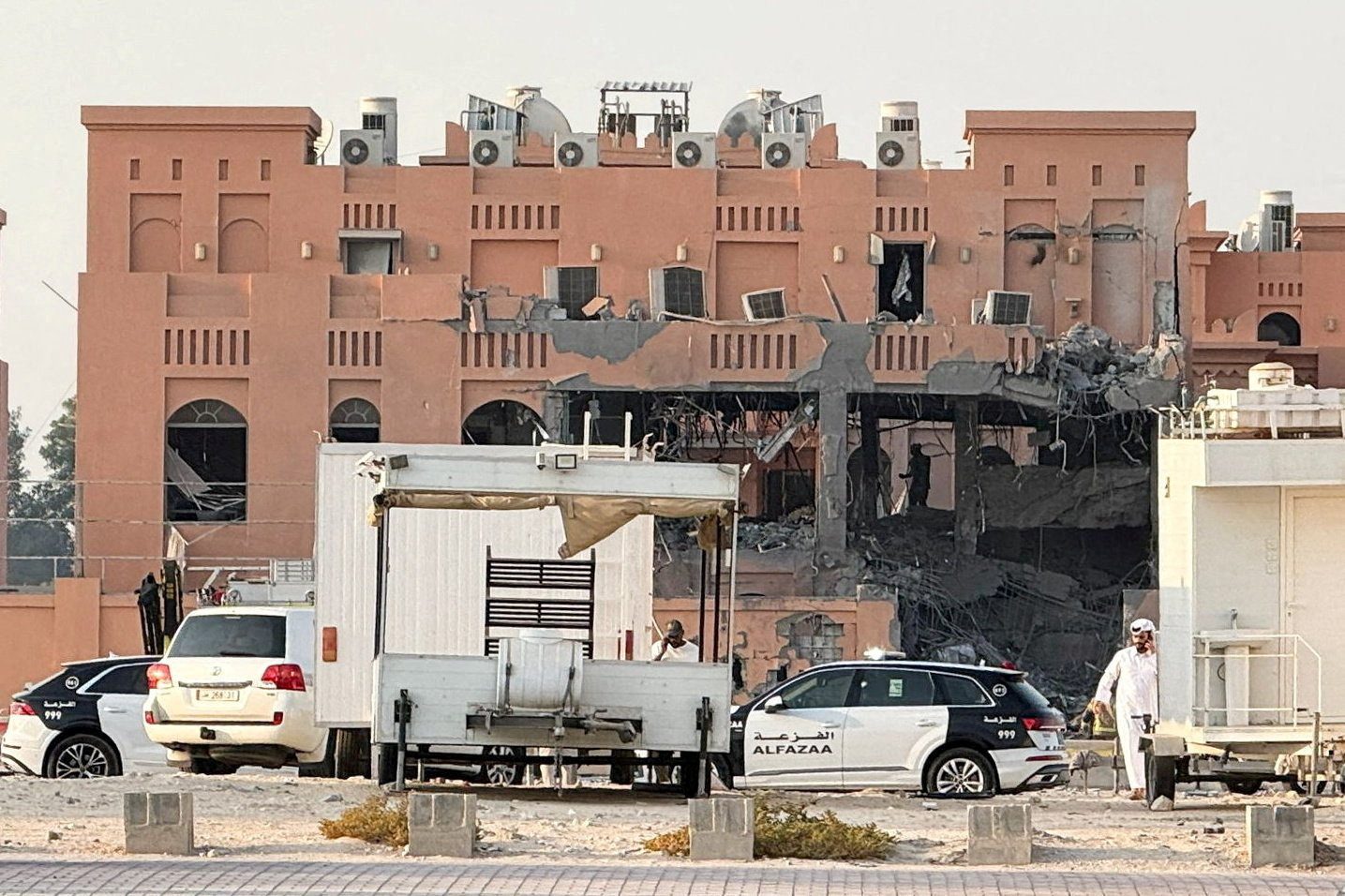
The third and most structurally profound issue concerns the foundational premise of Gulf security architecture. Gulf cities are sustaining missile attacks as a consequence of U.S. and Israeli military action. The fundamental purpose of the U.S. security relationship – in which Gulf Arab states have invested hundreds of billions of dollars across multiple generations of procurement, basing agreements, and political accommodation – was precisely to have prevented Iranian missiles falling on Gulf population centers.
Hedging strategies pursued over the past decade expanding relationships with middle powers have not provided sufficient strategic autonomy to escape this dynamic. The Gulf states remain structurally tied to the United States. Yet the United States they are tied to in 2026 is one operating without the normative constraints that once governed alliance management: heedless of the regional consequences of its policies, unanchored from the strategic frameworks that historically moderated its behavior, and partly responsive to the maximalist agenda of an Israeli government whose interests diverge sharply from those of its Gulf partners. For Riyadh, Abu Dhabi, and Doha, the calculation is stark: The alliance that was supposed to provide strategic insurance has itself become a source of hugely consequential strategic liability.
The Collapse of Crisis Management Architecture
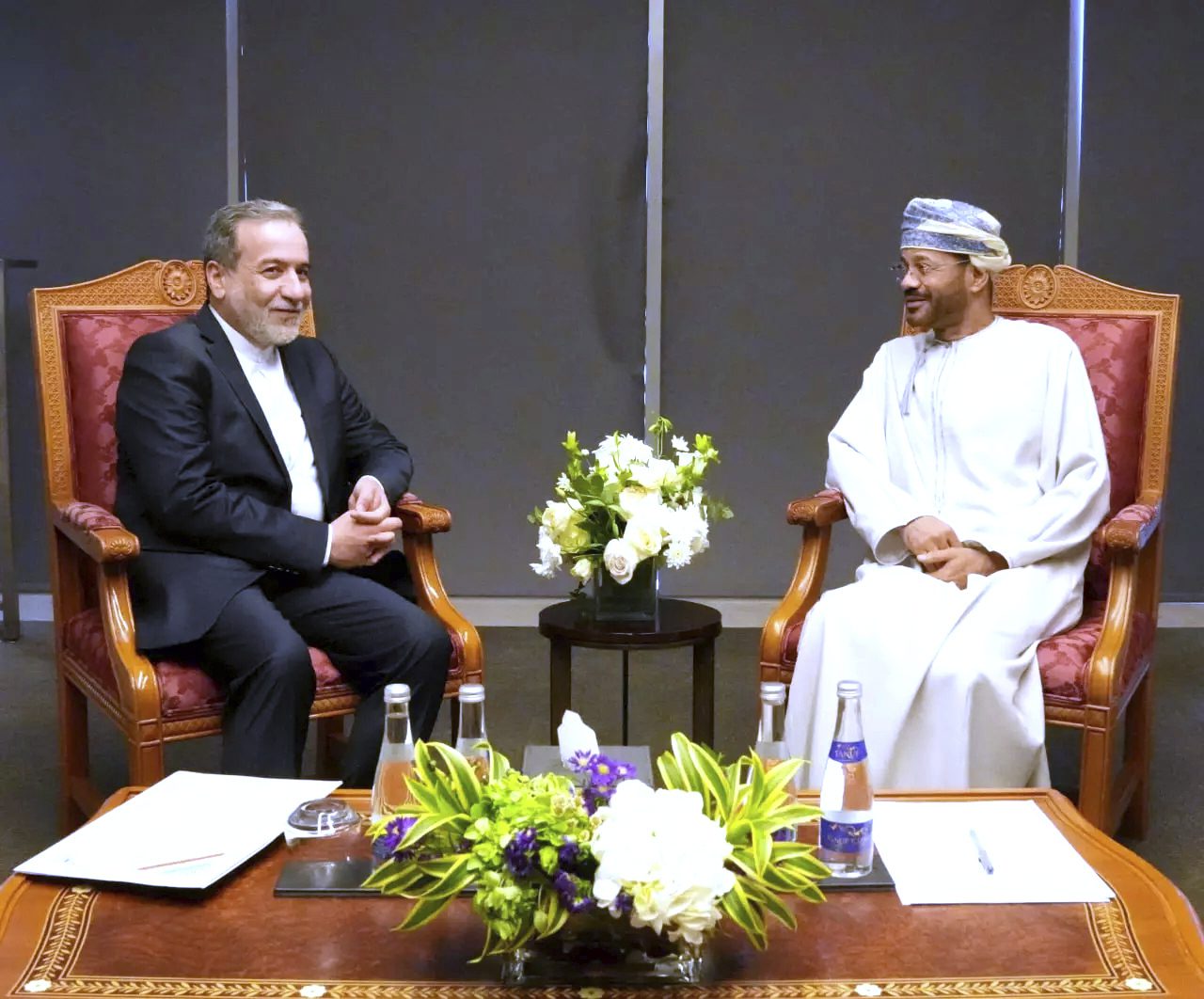
Layered across all three of these structural issues is a diplomatic environment of unusual fragility. Traditional Gulf mediation channels – historically anchored in Muscat and Doha – are severely constrained at precisely the moment they are most needed: Oman and Qatar have themselves absorbed Iranian strikes, complicating their capacity to serve as credible interlocutors. Yet the more severe problem lies on the Iranian side. Leadership decapitation, whether actual or functional, combined with fragmented command structures and dispersed Islamic Revolutionary Guard Corps elements operating with uncertain degrees of central coordination, has rendered crisis management acutely difficult. The question of whom to contact in Tehran is no longer straightforward, and it is far from clear that whatever political authority remains in the capital exercises reliable command over dispersed missile forces. In a crisis in which escalation control depends on coherent interlocutors, the absence of a credible, authoritative Iranian counterpart may prove the most dangerous variable of all.
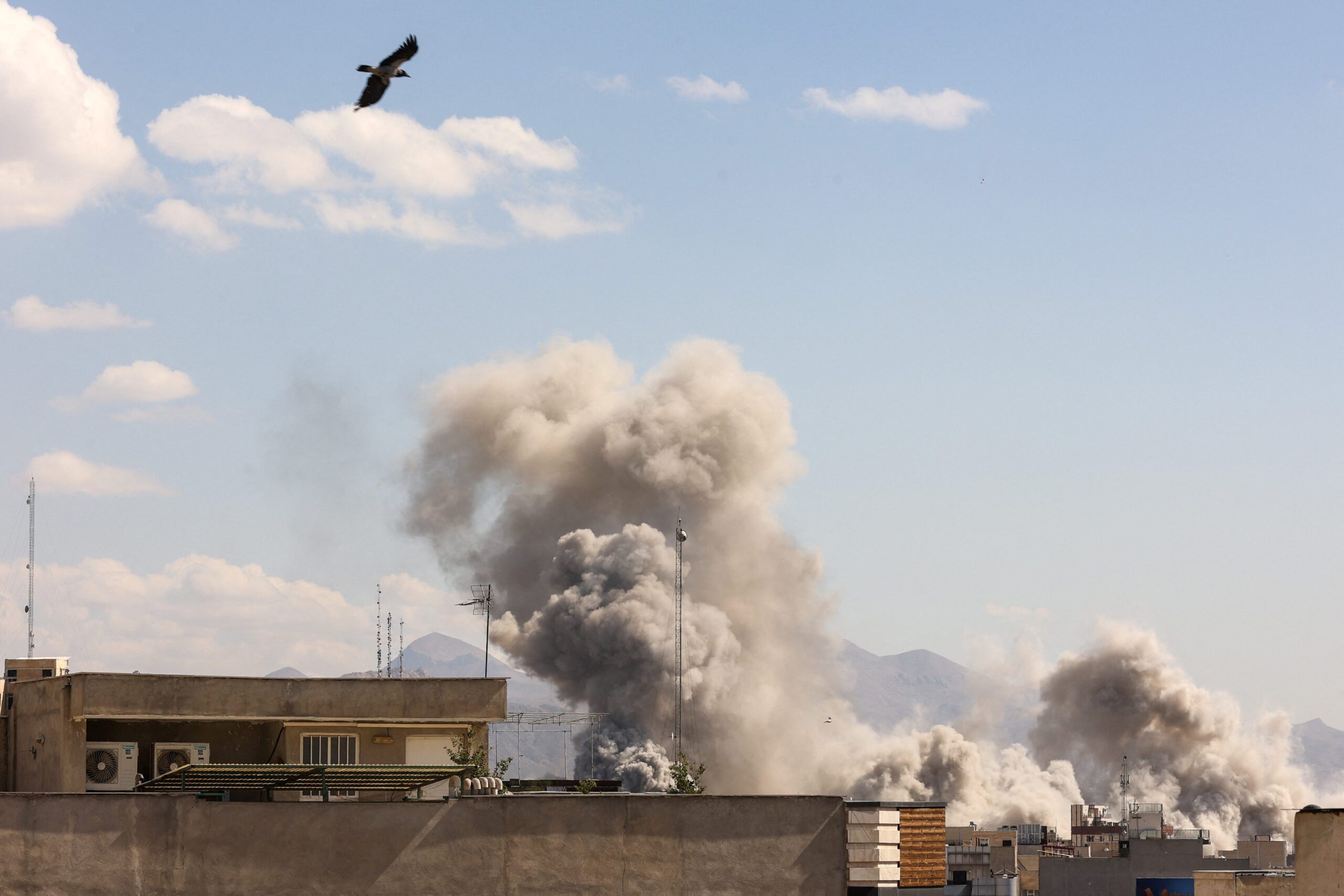
Israeli and U.S. attacks on Iran – and the subsequent killing of the Iranian supreme leader – have heightened economic uncertainty in Gulf countries. While previous strikes on Iran can offer a rough guide for assessing immediate economic impacts, this round of the conflict has raised the economic stakes. Energy markets are poised for significant volatility. Brent crude oil prices edged upward past $70 per barrel prior to the February 28 military strikes and were hovering around $80/bbl March 2. Both oil and gas prices are likely to face strong upward pressure over the coming days. Regional stock markets in Riyadh, Muscat, and Manama slumped as investors assessed the evolving situation. Kuwait halted trading March 1, while the UAE suspended trading on its Dubai and Abu Dhabi stock markets for March 2 and 3. The attacks have upended the aviation industry, as Gulf airlines suspended operations out of security concerns. Trade flows of certain goods and commodities, such as gold, coming to and from the region by air will be curbed over the immediate term.
The scale and scope of the economic impact over the short and medium term will hinge on two key, related factors: the duration and nature of the U.S.-Israeli operation and how Iran continues retaliatory actions. A brief military operation and end to hostilities would limit negative economic spillovers in a region that has demonstrated economic resilience during past rounds of conflict. A prolonged conflict would inflict severe economic stress on regional economies, affecting a wide range of sectors and activities. Tourism remains vulnerable – it accounts for around 13% of the UAE’s gross domestic product and serves as a strategic pillar of economic diversification for most GCC states.
Much depends on the behavior of Tehran, which promised a “crushing” response and already delivered blows to neighboring Gulf states in the form of missiles and drones. The initial, limited damage caused by Iranian attacks could still dampen investor sentiment, create new headwinds for economic growth, and complicate ambitious development plans in Gulf Arab states. Any major damage to energy facilities or civilian infrastructure would threaten the fiscal health of Gulf governments and renew long-standing fears of expatriate and capital outflows. Other forms of Iranian retaliation – such as obstruction of the Strait of Hormuz – could halt shipping for an extended period and disrupt strategic economic activities pertaining to Gulf economies. Iran has called on ships to avoid the strait and reportedly attacked vessels. Meanwhile, the potential for renewed military operations and other disruptive activities by Iran-aligned groups, such as the Houthis, threatens Gulf economic interests in and around other crucial waterways, such as the Red Sea.
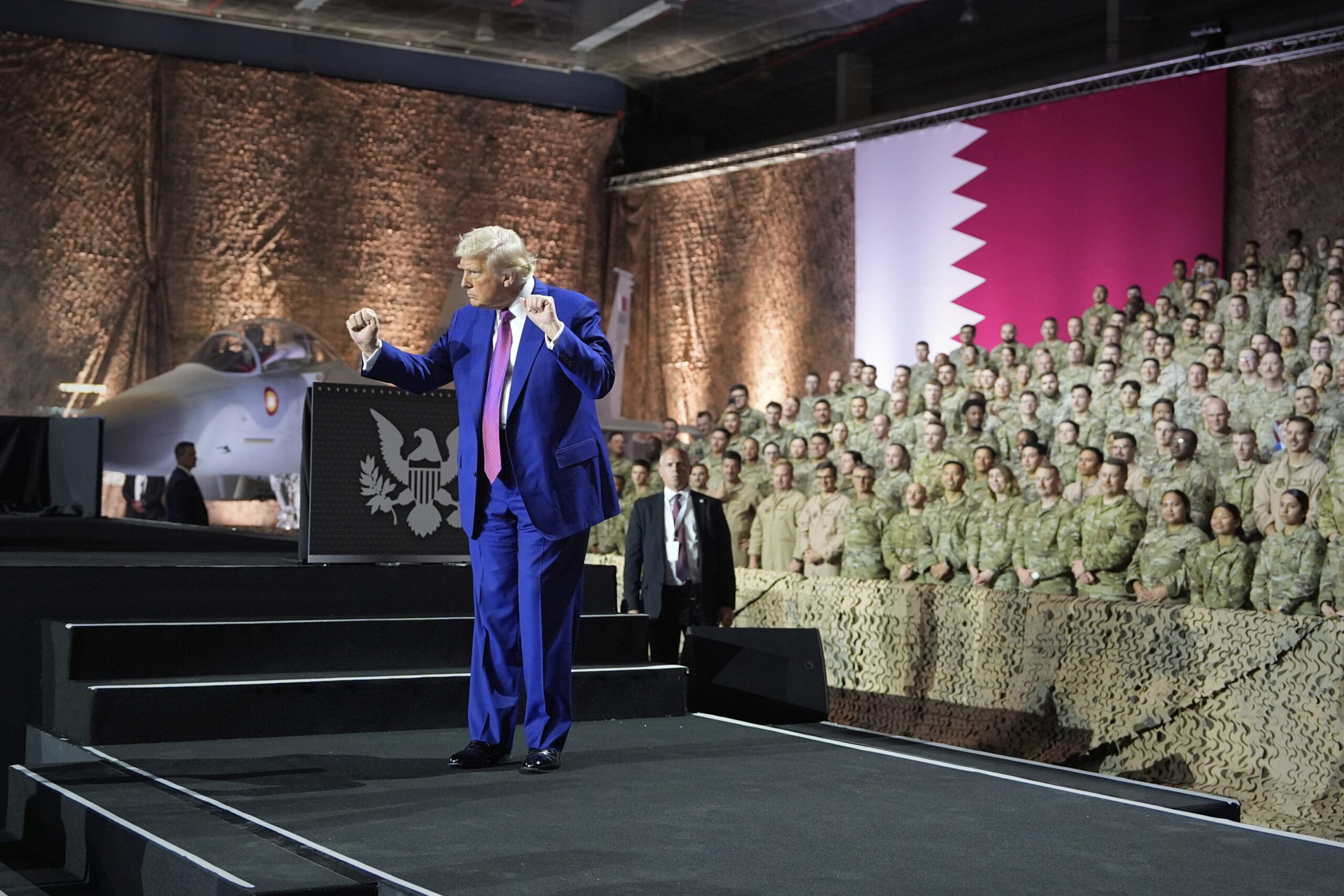
Iran’s attack on the Al-Udeid Air Base in Qatar, at the end of the June war with Israel, was a high-stakes gamble. On one hand, Iran risked going back to being the region’s archenemy after five years of investing in breaking its isolation. That President Donald J. Trump accepted the attack as “venting” and an acceptable cost to ending the conflict may have given Iran the impression that it can use the region as part of a diplomatic punching bag.
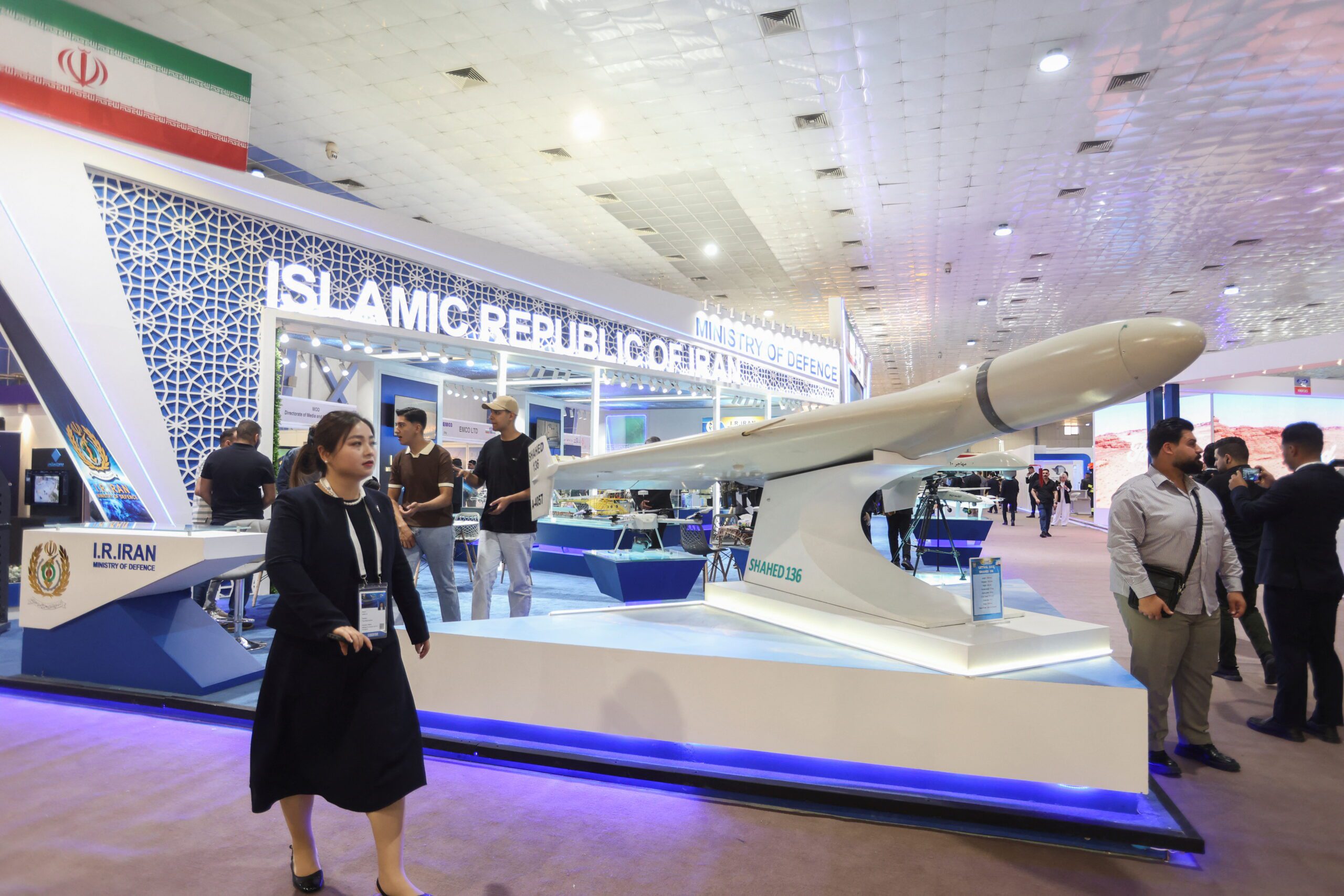
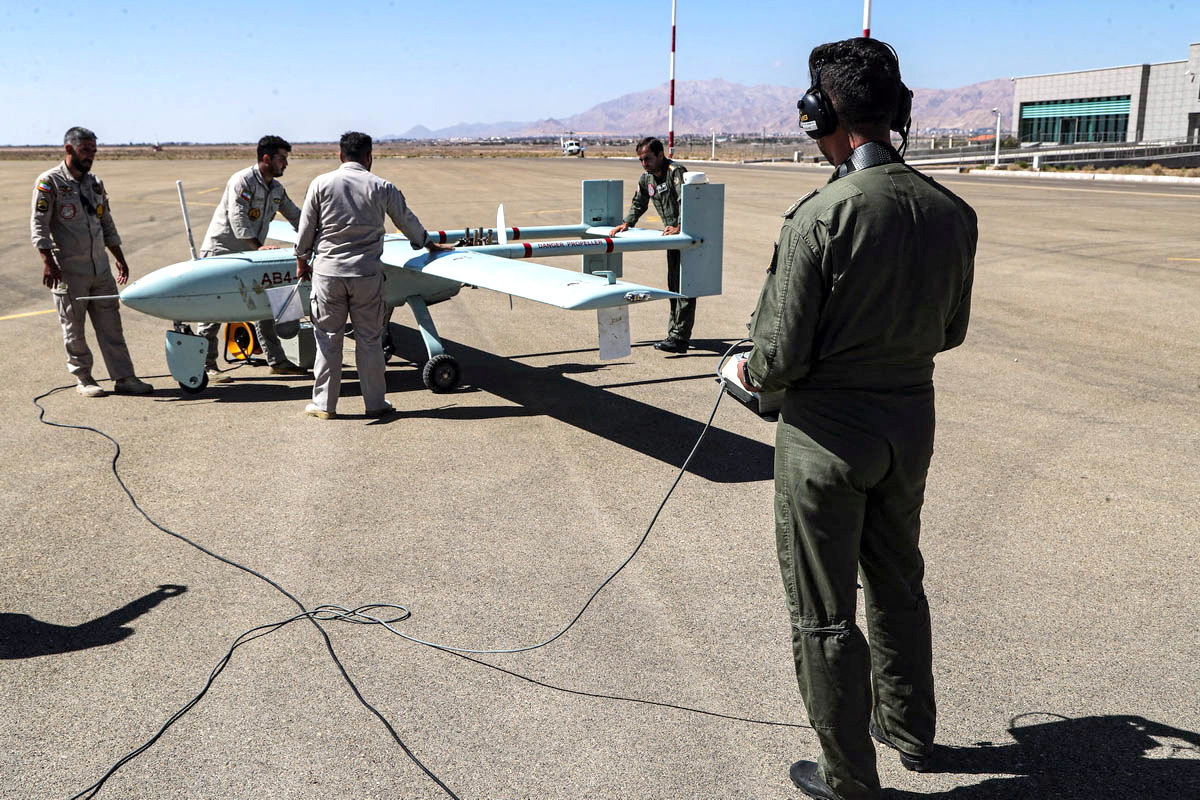
The United States’ Operation Epic Fury, which began February 28, seems to depict an expansion of that strategy, in which Gulf countries, particularly the UAE, initially received more attacks than Israel. This could be an operational tactic since the U.S. and Israeli attacks focused on crippling Iran’s longer range missile capabilities, which made Iran resort to shorter range missiles and Kamikaze drones that can be more effective against neighboring Gulf Arab countries. However, strategically Iran is making a grave mistake in eroding its regional support base and even risking pushing Gulf countries into a state of war against Iran.
The formation of a coalition of the willing – similar to those assembled after the Iraqi occupation of Kuwait, in Afghanistan, and even in Libya – is a real risk – to Tehran – that such a coalition will expand the war effort against Iran. On March 1 the leaders of Britain, France, and Germany, or E3, issued a statement condemning “the indiscriminate and disproportionate missile attacks launched by Iran against countries in the region.” This statement may be the beginning.
This potential expansion of military partners attacking Iran is almost certainly a development GCC countries would find worrisome, given the possibilities for further escalation, but they may find no other alternative if the current attacks continue or lead to an incident that becomes an act of war.
Iran’s best option is to take Trump’s hinted-at off-ramp for diplomatic engagement with the “new leadership” and use it to build the second republic. Iranian leaders should see the overthrow of Syrian President Bashar al-Assad as a cautionary tale, as Assad wasted diplomatic opportunities to reverse course and chart a new path for Syria in the region. Iran, by choosing to attack its neighbors, is losing relevance and burning the bridges built to break its isolation.
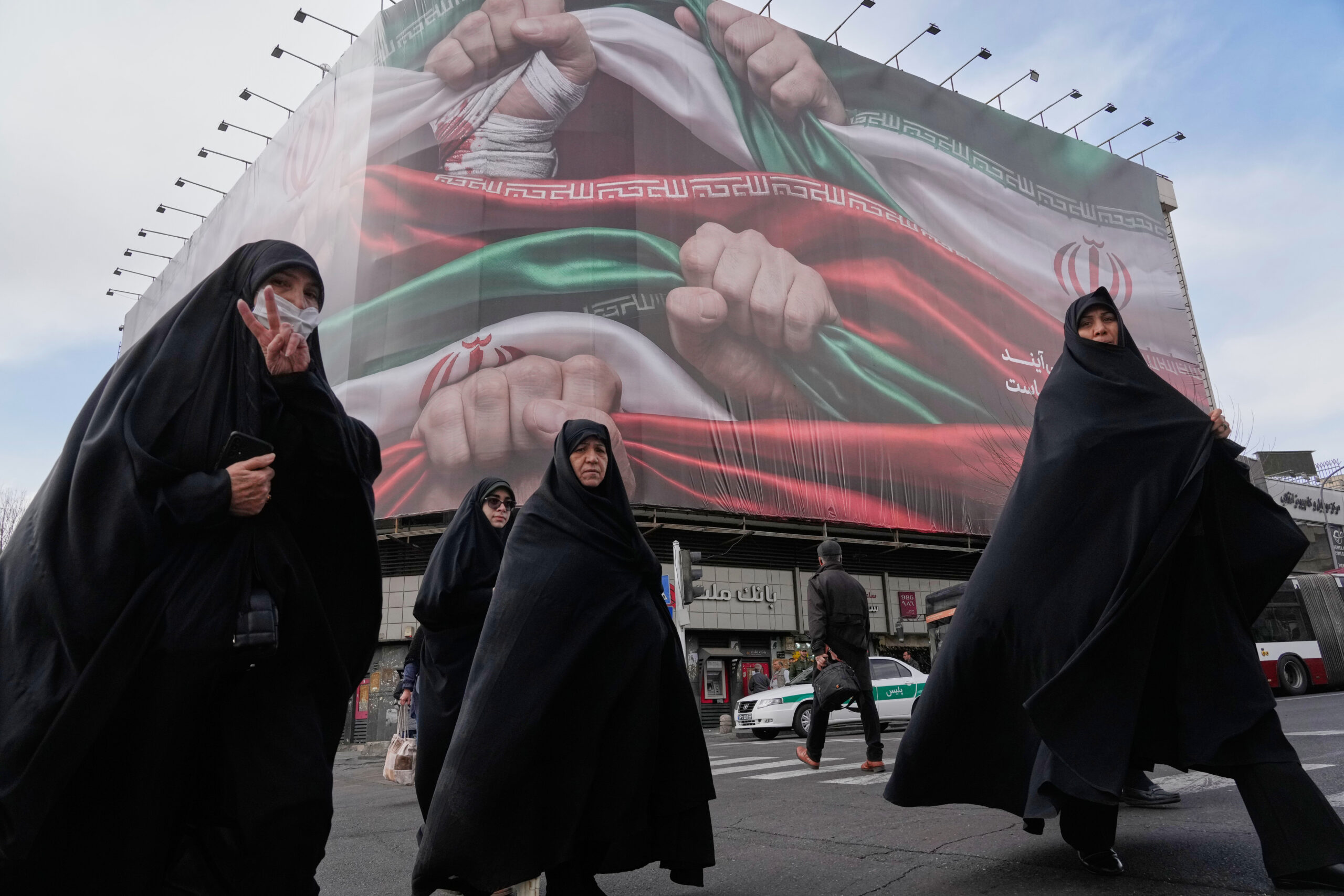
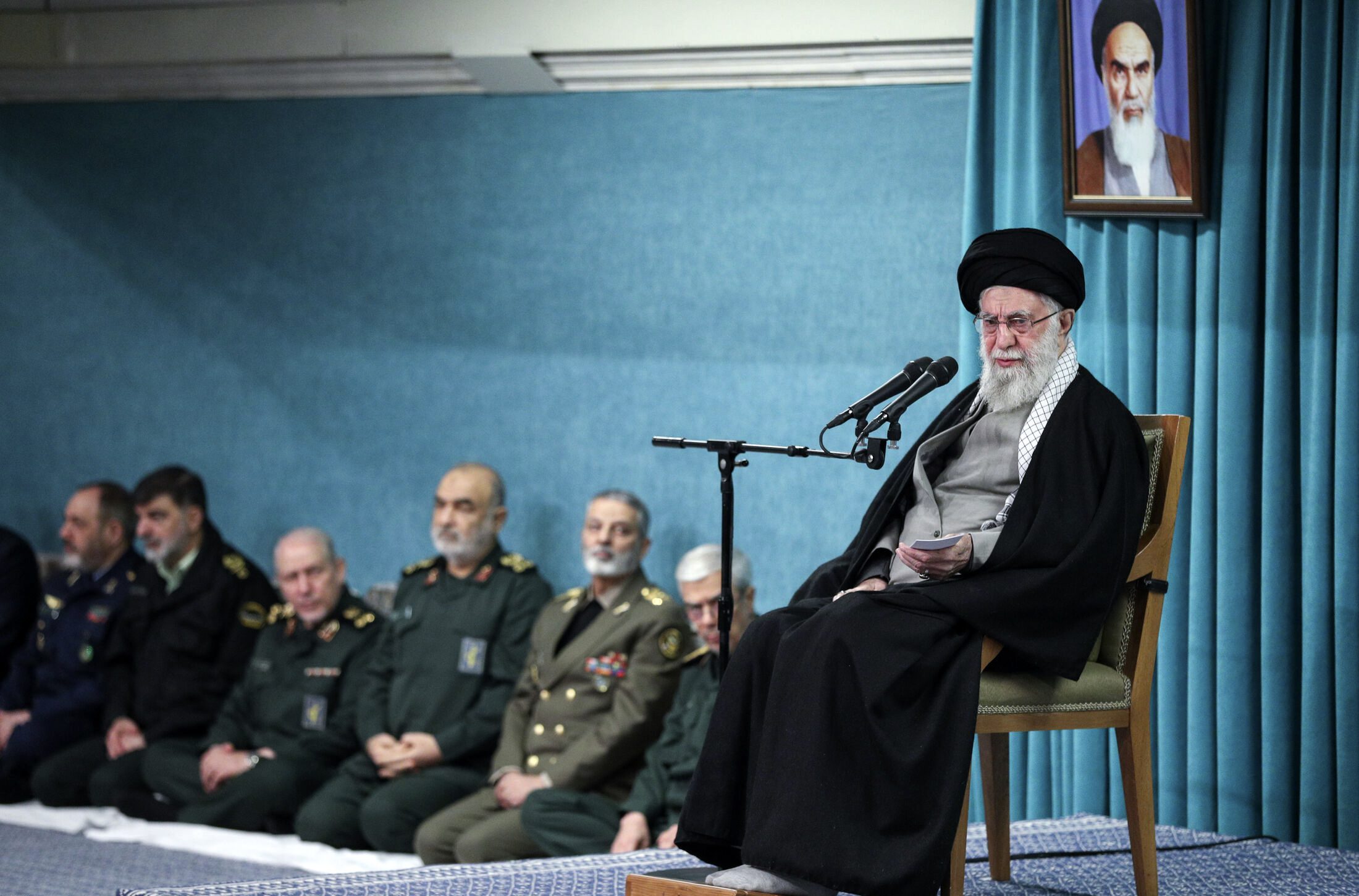
After initial denials by Iranian officials, Iranian state media confirmed the death of Supreme Leader Ayatollah Ali Khamenei early on March 1. Celebrations erupted across Iran, though the ever-present fear of regime retribution meant few dared take to the streets openly. Instead, joy found more cautious expression: sporadic cheers captured in leaked videos, people shouting from apartment windows, and drivers honking in traffic. Joy, however, quickly gave way to anxiety over whether the United States and remnants of the regime might strike a deal that preserves the system without the man.
What does Khamenei’s death actually mean for the regime, and can the Islamic Republic survive it?
The answer to these questions lies in how the military campaign unfolds, how the surviving elements of the regime respond, and whether the Islamic Republic can hold together under the pressure of ongoing strikes and a restless population. Three scenarios look possible:
The military campaign continues until the regime genuinely collapses, opening space for a transition – the outcome Iranian dissidents are hoping for.
Powerful figures within the surviving state apparatus consolidate power in the vacuum left by Khamenei’s death. This could be IRGC or senior political figures, such as Ali Larijani, currently the most senior civilian official still standing, or the parliament speaker, Mohammad-Bagher Qalibaf, replacing theocratic rule with a harder, more transactional authoritarianism.
Washington cuts a deal with regime survivors, halting the strikes in exchange for nominal concessions while leaving the Islamic Republic’s coercive apparatus largely intact. This is similar to what happened in Venezuela, and many Iranians see this as the most worrisome scenario.
The most immediate danger, many Iranians fear, is not chaos but a takeover by hard-line elements of the political elite or rebranding of the Islamic Republic. This may manifest as a military takeover that preserves the Islamic Republic’s coercive apparatus under new management – a Venezuela-like outcome in which the face changes but the system does not. A deal between Washington and the surviving remnants of the regime – trading a cease-fire for nominal power sharing – would leave key elements of the regime intact and the Iranian people no freer than before.
What matters is what the regime does in the coming days: fight, fracture, or negotiate. Equally important would be whether the United States and Israel remain committed to regime collapse rather than regime management. For Iranians who have buried protesters, lost relatives to execution, and lived under theocratic rule for nearly five decades, a rebranded tyranny brokered in a back-room deal would be the bitterest possible outcome.
While Saudi Arabia has condemned Iran for retaliatory strikes, it has not condemned Israel for its part in the initial U.S.-Israeli strikes. The lack of an Israeli condemnation does not negate the frustration that Saudi ruling elite have with Israel lobbying for regional war prior to this attack. Nor is there any love lost with the orchestrated misleading campaign designed to impose the narrative of Saudi Arabia lobbying the Trump administration for an attack on Iran.
Such a notion goes against the immense amount of investment Saudi leaders made in reproachment with Iran – a thoughtful process that was designed to increase its security. This notion was further solidified by the Saudi Embassy spokesperson stating that the Saudi government has never lobbied for such U.S. actions. The outrage over the Iranian retaliatory strikes on Saudi Arabia and other GCC states, after all Riyadh did to accommodate Iranian anxieties by not allowing the United States to use Saudi airspace, outweighs the Saudi condemnation toward Israel – hence why Riyadh has not condemned the Israeli strikes on Iran – yet.
What is unfolding is exactly what Saudi Arabia had profusely strived to avoid. The Saudi leadership is furious because yearslong efforts of diplomacy have been upended for others’ political calculations. So, how will Saudi Arabia deal with both spoilers – Iran and Israel?
Saudi Arabia will most likely have a more robust posture toward Iran. This won’t be an aggressive one but a posture that projects more deterrence through military capabilities rather than alliances – as neither Saudi Arabia’s alliance with the United States nor Pakistan has deterred Iranian aggression.
This is where Saudi diversification of military procurement will intensify. Saudi diplomacy will most likely, or maybe should, increase in Washington with the aim of two things: leveraging U.S. action and inaction in the region toward Saudi and GCC security and obtaining military procurement.
Saudi diplomatic efforts, however, will not include the normalization of ties with Israel, and Saudi Arabia may even distance itself even more. For the Saudis, the Israeli actions have been troublesome and self-serving. The Saudi leadership, as well as the Saudi public, will not buy that Israeli actions were “a favor for the region.” The Israeli government has not only shown it is a threat to Saudi Arabia but a spoiler to Saudi Arabia’s security strategy.
The views represented herein are the author's or speaker's own and do not necessarily reflect the views of AGSI, its staff, or its board of directors.
Gulf Arab countries urged the United States not to strike Iran, but now that is happening, they are in danger of being sucked into a conflict they cannot control but that will likely reshape their present and future realities.
Iran is signaling that it will not absorb attacks passively. But whether this strategy ensures the regime’s survival, seals its fate, or accelerates a broader catastrophe will shape the region for years to come.
AGSI explains what Israel’s sudden and massive attack on Iran is likely to mean for Gulf Arab states, Iran, the United States, and global and regional economies.
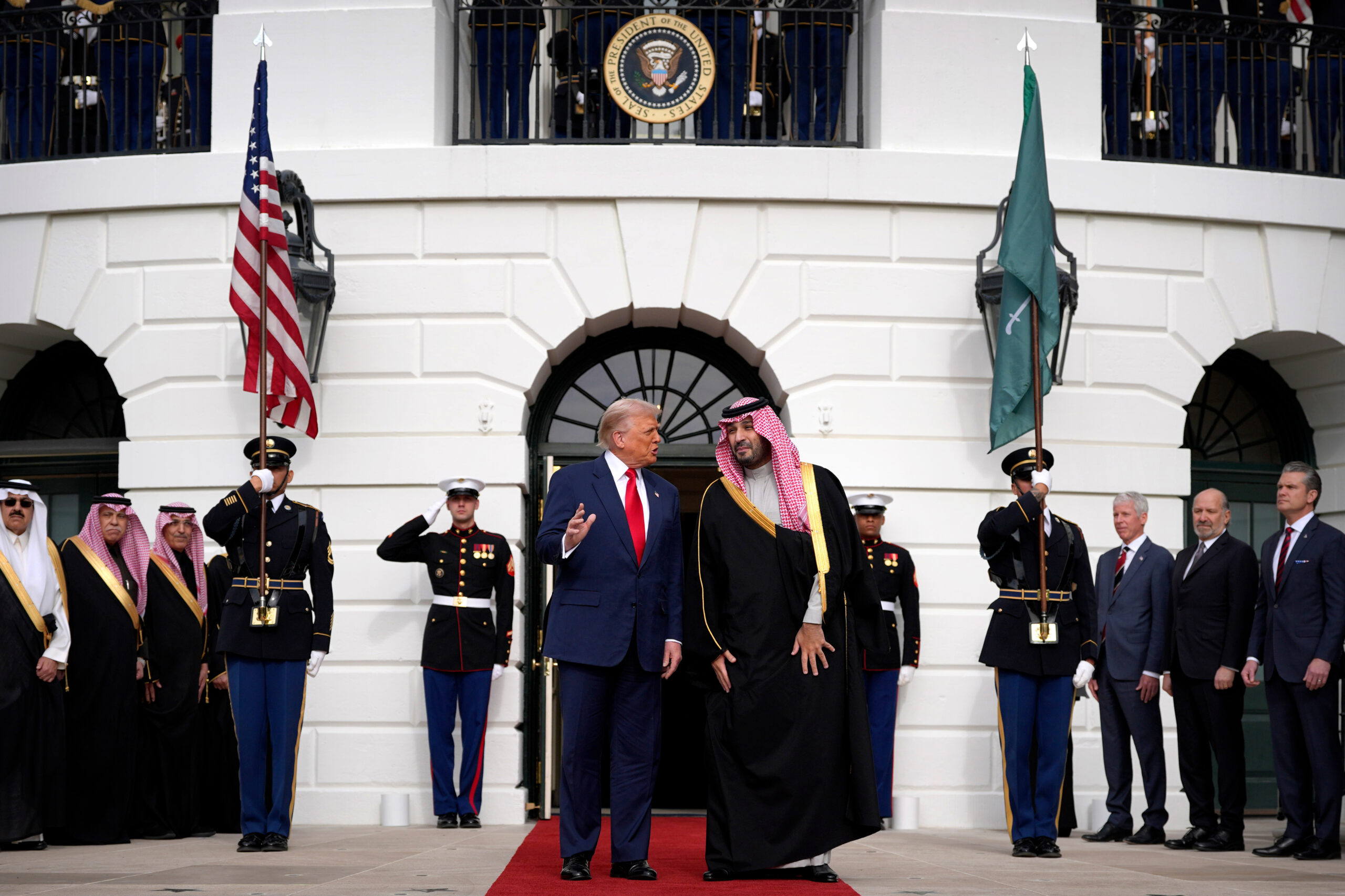
When the Saudi crown prince meets President Trump in Washington, the main topics of discussion are likely to be commercial deals, a defense pact, a Saudi civilian nuclear program, and normalization with Israel.
Saudi Arabia’s first Cultural Investment Conference sought to convince domestic and global investors that arts and culture in the kingdom are a value proposition and to entice them to share in this project.
An apology from Israel’s prime minister – delivered under the watchful eye of President Trump in the Oval Office – and a written promise of a U.S. response if Qatar is attacked go a long way toward restoring Qatar's deterrence and bolstering its security and stability following the Israeli attack.
On January 8, AGSI hosted a virtual roundtable with its leadership and scholars as they look ahead and assess trends likely to shape the Gulf region and U.S. foreign policy during the coming year.
As Gulf states pursue economic diversification and knowledge economies less dependent on resource extraction, the logic of competition may be becoming less compelling and the benefits of coordination more apparent.
Where Hamas operates from matters less than the broader absence of any coherent vision – from Israel, the Palestinians, or the international community – for future Arab leadership in Gaza.
A flurry of economic announcements and initiatives by the Omani government indicate a strong desire to sustain both reform progress and economic momentum amid potential headwinds.
U.S. authorizations for exporting advanced chips to the leading Gulf technology firms is sure to please regional authorities, who will push to broaden and accelerate technology collaboration with the United States.
When the Saudi crown prince meets President Trump in Washington, the main topics of discussion are likely to be commercial deals, a defense pact, a Saudi civilian nuclear program, and normalization with Israel.
AGSI explains what Israel’s sudden and massive attack on Iran is likely to mean for Gulf Arab states, Iran, the United States, and global and regional economies.
As President-elect Trump returns to the White House, he will find a transformed Gulf region, brimming with confidence and initiative; the best way to tap this energy is to consult the region and take on board the regional perspectives.
The Iranian regime’s internet censorship and shutdowns function as comprehensive weapons of political warfare, designed to isolate, demoralize, and ultimately suppress dissent.
As AI capabilities increasingly converge with cyber warfare, military superiority will depend not on troop numbers or weapons platforms but on algorithmic advantages and digital resilience.
The convergence of internal dysfunction and external pressure has renewed speculation regarding the Iranian regime’s downfall and scenarios for a political transformation.
Rather than addressing deficiencies in social services, Iran is intensely focused on the military and security fields in developing its knowledge-based sector.
Saudi leaders are seeking bilateral deals that advance the Saudi-U.S. relationship without the need for the normalization of relations between Israel and Saudi Arabia.
AGSI explains what Israel’s sudden and massive attack on Iran is likely to mean for Gulf Arab states, Iran, the United States, and global and regional economies.
The Gaza war has demonstrated the strategic utility and resilience of the detente between Saudi Arabia and Iran. However, its longer-term sustainability may depend on unpredictable regional dynamics or other outside factors.