An apology from Israel’s prime minister – delivered under the watchful eye of President Trump in the Oval Office – and a written promise of a U.S. response if Qatar is attacked go a long way toward restoring Qatar's deterrence and bolstering its security and stability following the Israeli attack.
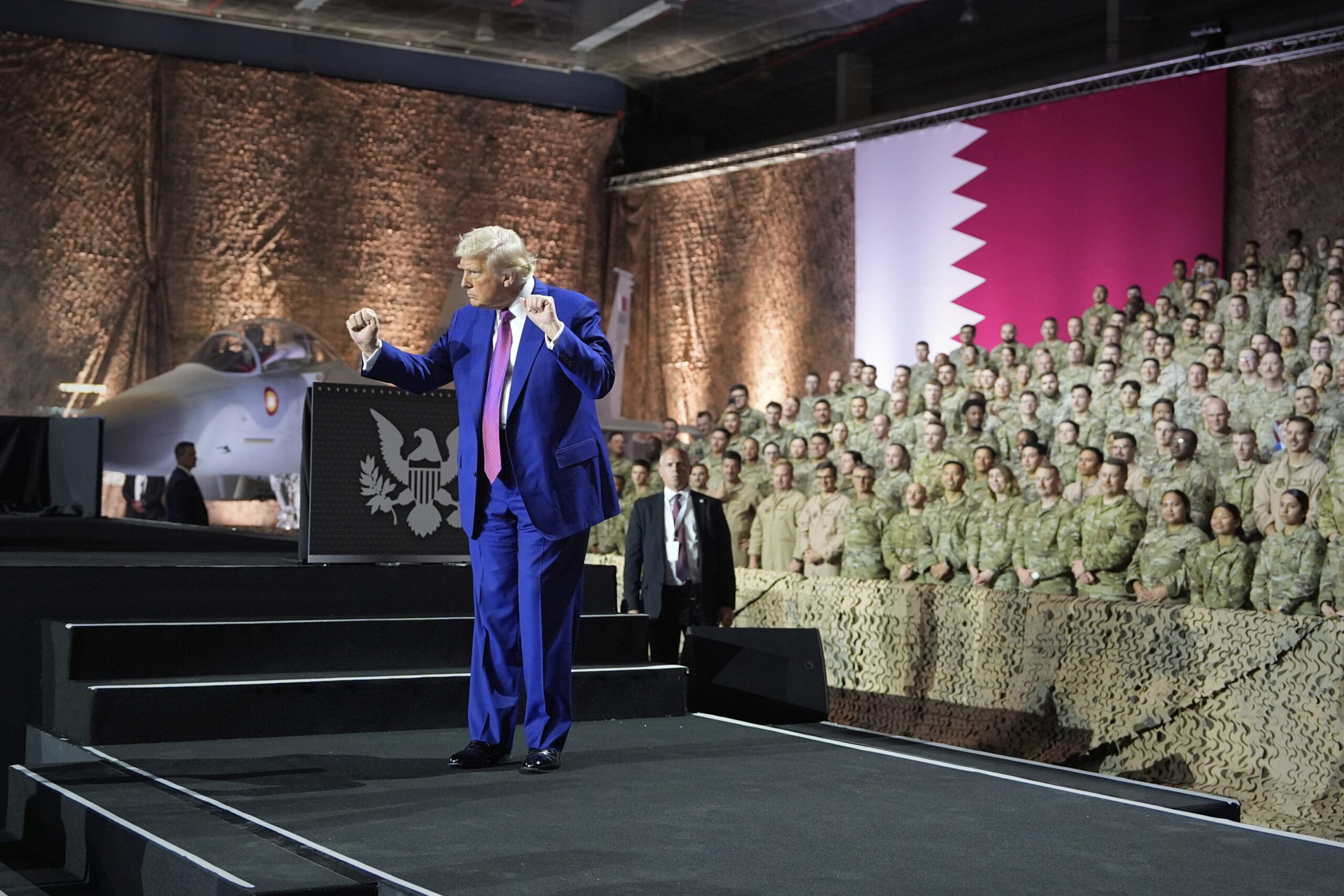
President Donald J. Trump gestures after speaking at the Al Udeid Air Base, May 15, in Doha, Qatar. (AP Photo/Alex Brandon)
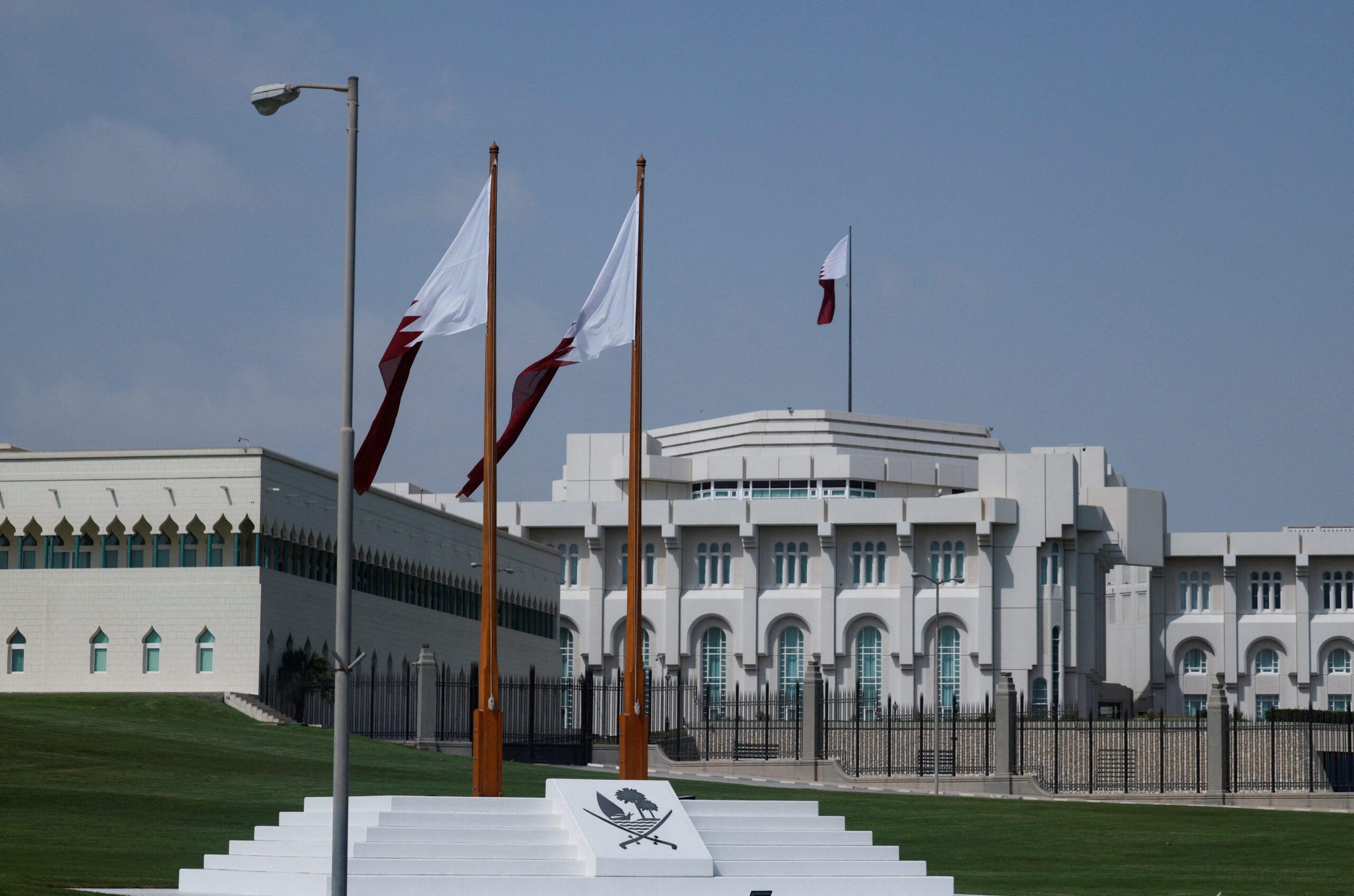
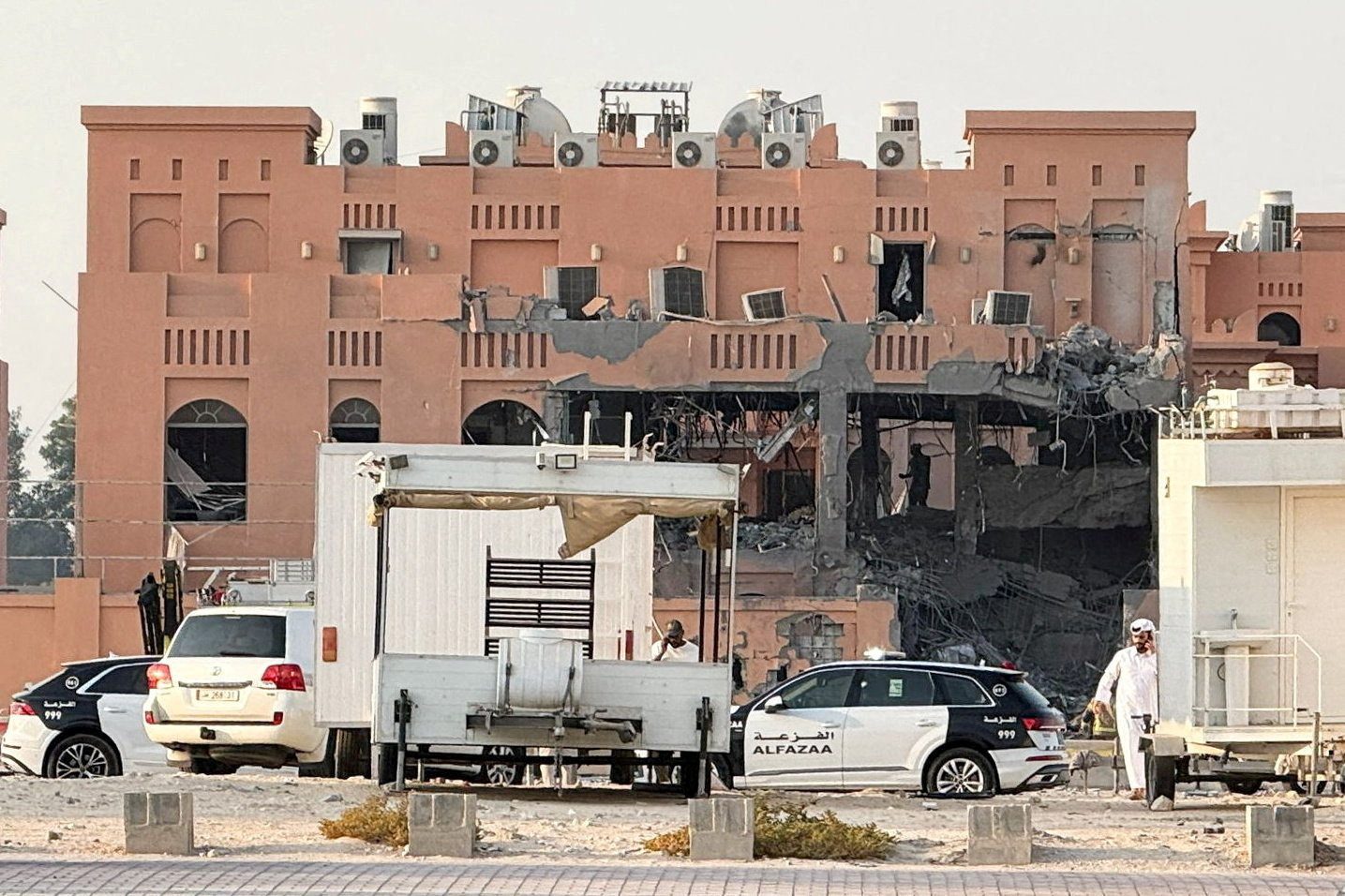
Israel’s September 9 airstrike on a Hamas negotiating team in a residential neighborhood of Qatar’s capital, Doha, struck at more than the prospects for a cease-fire in Gaza. It represented a blatant assault on Qatar’s sovereignty, undermined its role as a mediator, and raised pointed questions about the presumed protection afforded by hosting the United States’ Central Command forward headquarters at Al Udeid Air Base. What good is the presence of CENTCOM if Qatar can be attacked by a close ally of the United States? And how can one serve as mediator when the negotiating team, assembled at the behest of the United States, can be targeted while at the negotiating table?
These are tough questions requiring an unambiguous response. But this was not forthcoming in the aftermath of the Israeli attack. On the contrary, there was no public condemnation or rebuke of the government of Israeli Prime Minister Benjamin Netanyahu from President Donald J. Trump and his administration. Netanyahu boasted of the action only hours afterwards while at an event at the U.S. Embassy in Jerusalem. And the visit of Secretary of State Marco Rubio to Israel only days later, in which he fulsomely backed the Netanyahu government, overshadowed a brief two-hour stop in Qatar. Most worrying, Netanyahu openly bragged that the Israelis would not hesitate to repeat the action.
President Donald J. Trump leads a trilateral phone call with Israeli Prime Minister Benjamin Netanyahu and Qatari Prime Minister Mohammed bin Abdulahman al-Thani discussing the U.S. peace plan for Gaza, September 29, in the Oval Office. (Official White House Photo by Daniel Torok)
On September 29, the Qataris finally got their public apology and significantly stronger guarantees of their protection from Trump himself. A trilateral phone call from Netanyahu to Qatari Prime Minister Mohammed bin Abdulahman al-Thani, made from the Oval Office, included a public apology from Israel and a promise of no future attack on Qatar. To underline the U.S. imprimatur of the promise, the White House released its own readout of the conversation, alongside a photograph of Netanyahu speaking with the Qatari prime minister as Trump held the phone in his lap.
The public stand down from the Netanyahu government was matched by the Qataris’ most important win: a forceful written statement from Trump assuring Qatar of the United States’ commitment to its security. The executive order issued from the president’s office states explicitly: “The United States shall regard any armed attack on the territory, sovereignty, or critical infrastructure of the State of Qatar as a threat to the peace and security of the United States.”
The Value of an Executive Order
The signing of the executive order immediately elevates Qatar’s security guarantees to the level of the United States’ most trusted transatlantic allies. It echoes the most forceful language used in NATO’s Article 5: “The Parties agree that an armed attack against one or more of them in Europe or North America shall be considered an attack against them all.” Both the NATO treaty and the executive order authorize the use of armed force: “as it deems necessary,” in the case of NATO, and “all lawful and appropriate measures – including diplomatic, economic, and, if necessary, military” in the case of Qatar. In comparison, this language is stronger than that provided in the mutual defense treaties between the United States and Asian partners Japan and the Republic of Korea, both of which recognize that an armed attack against either country is “dangerous” to the United States’ “peace and safety” but offer a lower level of security commitment that the United States would “act to meet the common danger in accordance with its constitutional processes.”
The language in the executive order also provides Qatar with guarantees above and beyond those granted to the United States’ other Gulf partners. Three Gulf countries – Qatar, Kuwait, and Bahrain – share the designation of major non-NATO allies, an important if largely symbolic status falling well short of a mutual defense treaty with the United States. Both Saudi Arabia and the United Arab Emirates have been seeking greater security coordination and guarantees. Saudi Arabia was recently negotiating with the administration of former President Joseph R. Biden Jr. for a mutual security agreement. While the UAE has a mutual defense agreement with France, it has never signed one with the United States. A May Letter of Intent the two countries signed indicated continuing efforts to establish a comprehensive defense partnership.
In 2023, the United States and Bahrain signed a comprehensive security integration and prosperity agreement, which the United States hoped could serve as a model for other Gulf states to join, concurrent with an expansion of the Abraham Accords. Yet this document considers an incident of aggression against either country as simply “a matter of grave concern” that would trigger the two parties to “immediately meet at the most senior levels to determine additional defense needs and to develop and implement appropriate defense and deterrent responses.”
Still, the very strong security guarantees offered to Qatar came in the form of an executive order, not ratified by the Senate, as required for mutual defense treaties. Presumably this leaves Qatar with less long-term reassurance, as any future president could unilaterally abrogate Trump’s executive order.
The Return to a Cease-Fire
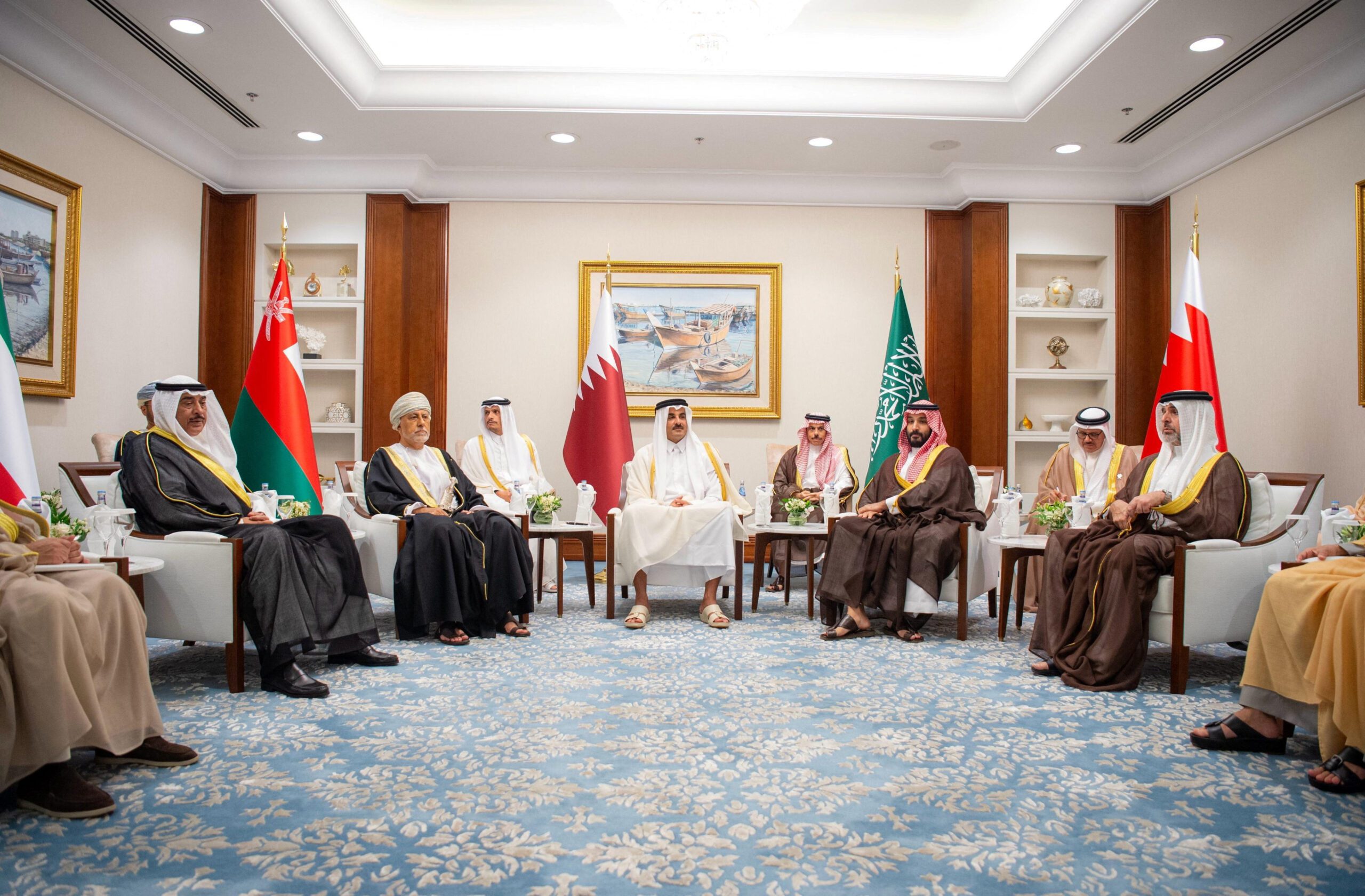
Gulf states were shocked by the Israeli attack and initial lack of response from the Trump administration. They presented a unified front in their strong solidarity with Qatar immediately working toward greater defense coordination among Gulf Cooperation Council states and their Arab and Islamic partners. The expedited announcement of a Saudi-Pakistani mutual defense agreement was a tangible reaction to the heightened threat perception of an increasingly assertive Israel. This may have also weighed on the minds of the Trump team, pressing them to offer concrete reassurances to Qatar and their Gulf partners.
Washington’s reaction extended beyond the security realm to the political. Qatar’s call for a summit between Trump and the leaders of eight Arab and Muslim countries on the sidelines of the United Nations General Assembly meetings in New York presented an opportunity seized upon by the Trump administration to revive the idea of a cease-fire between Israel and Hamas. Thus, Qatar was called upon to resume its mediation efforts with Hamas to press for the acceptance of Trump’s 20-point peace plan to end the war in Gaza. Still, Arab partners were again provided evidence of Netanyahu’s influence within the Trump administration as changes made to the proposal on his request have left the Arab parties angered and the mediators’ job more difficult.
Trusting the Trump Administration
The orchestrated apology from Netanyahu and pledge not to repeat Israel’s attack on Qatar backed by the written security guarantees from the Trump administration go a long way toward meeting the requirements of the Qatari leadership in the wake of the unprecedented attack. The revival of a plan to end the war in Gaza as well as for governance and reconstruction of the territory are likewise welcome developments for Qatar and its Arab and Islamic partners. Both underline the importance of Qatar in the United States’ regional security architecture and its value as a trusted negotiator.
Still, Qatar and other Gulf states will have no illusions about the hierarchy of their influence with the Trump administration and will continue to strengthen other security and diplomatic partnerships to achieve their goals of regional stabilization. Ultimately, the value of an executive order is measured in the limits of their trust in this most personalized presidency and in the character of Trump himself.
The views represented herein are the author's or speaker's own and do not necessarily reflect the views of AGSI, its staff, or its board of directors.
Gulf states need to prioritize enhanced regional defense cooperation with an expanded group of potential partners, consider using the financial leverage of sovereign wealth funds’ action, and ramp up diplomatic pressure to deter such attacks in the future.
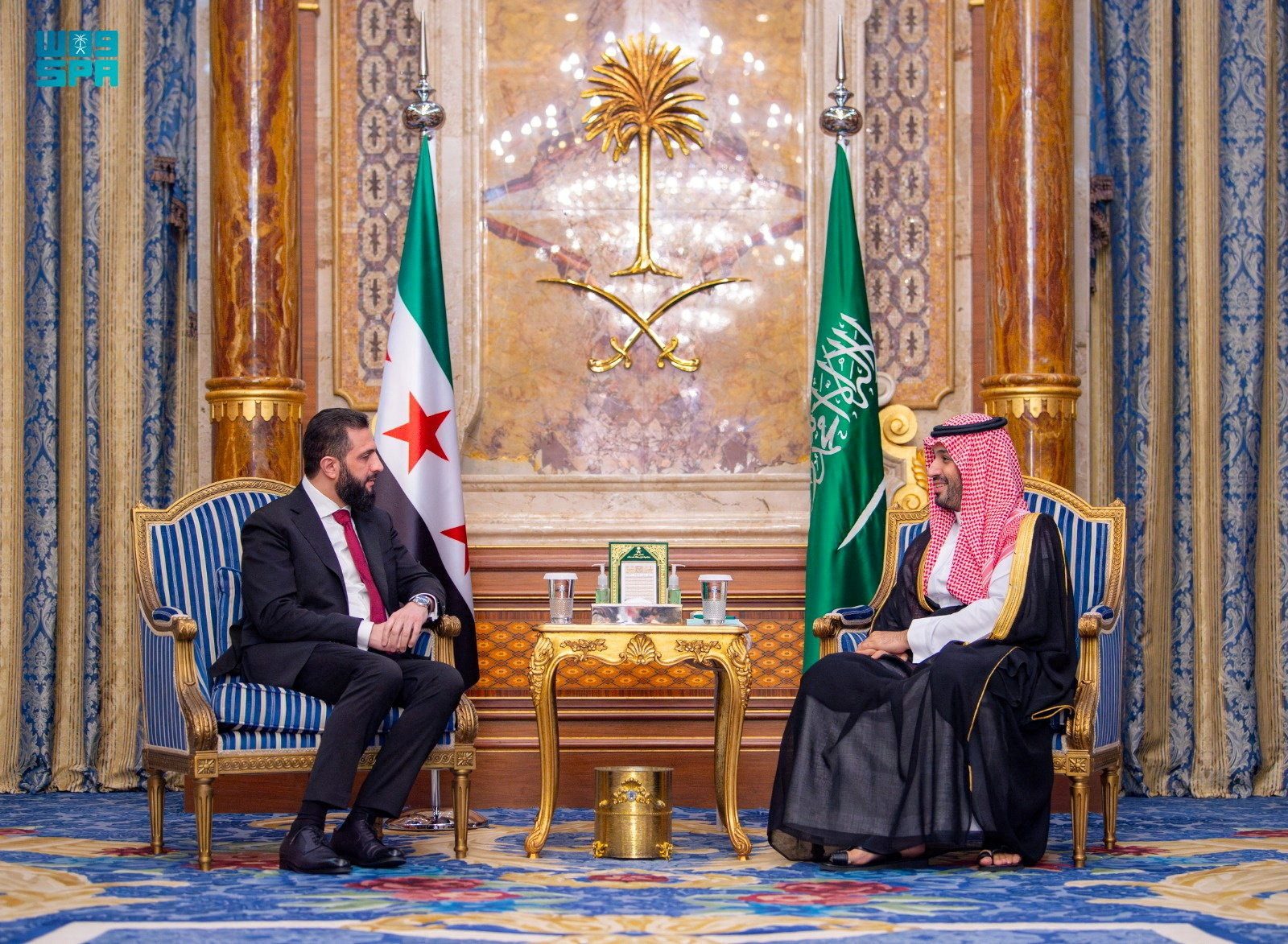
The GCC states now consider an attack on one to be an attack on all, and Saudi Arabia may be covered by a Pakistani rather than U.S. military umbrella.
Syria hopes to use the Iran war to deepen its connection to its Gulf Arab partners. Can it compete for inclusion within the regional security order and emerging trade corridors?
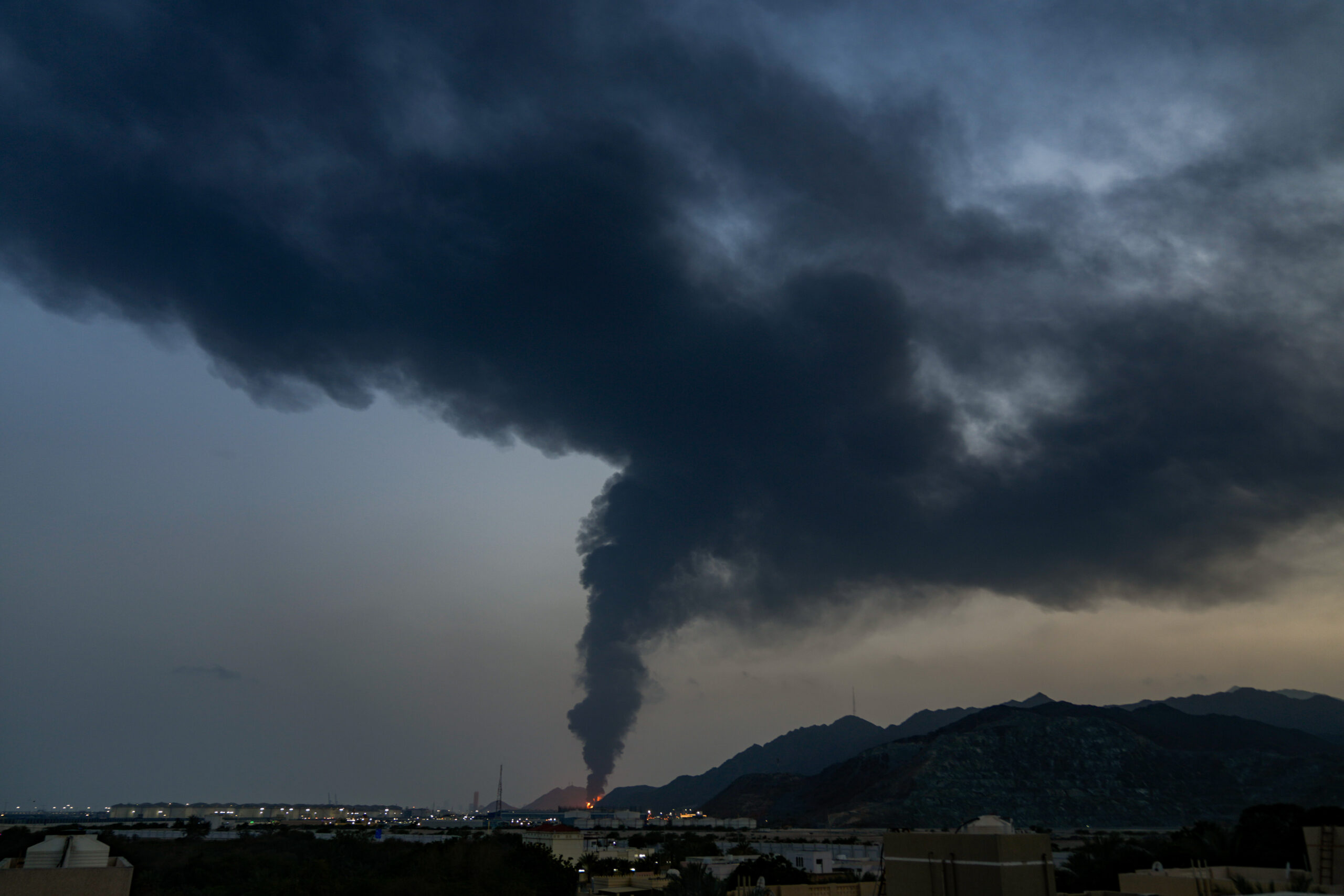
The imperative for Gulf states to unify their position has grown since the onset of Iranian attacks on their countries. Yet under conditions of uncertainty about the U.S. position and the war's outcome, Gulf states are demonstrating differing regional alignments and preferences for managing the crisis.
Caught between Iranian strikes and U.S.-Israeli pressure to join the fight, Gulf Arab states strive to maintain their autonomy over decision making, playing defense and preserving the space to maneuver when the war ends.