Analysis
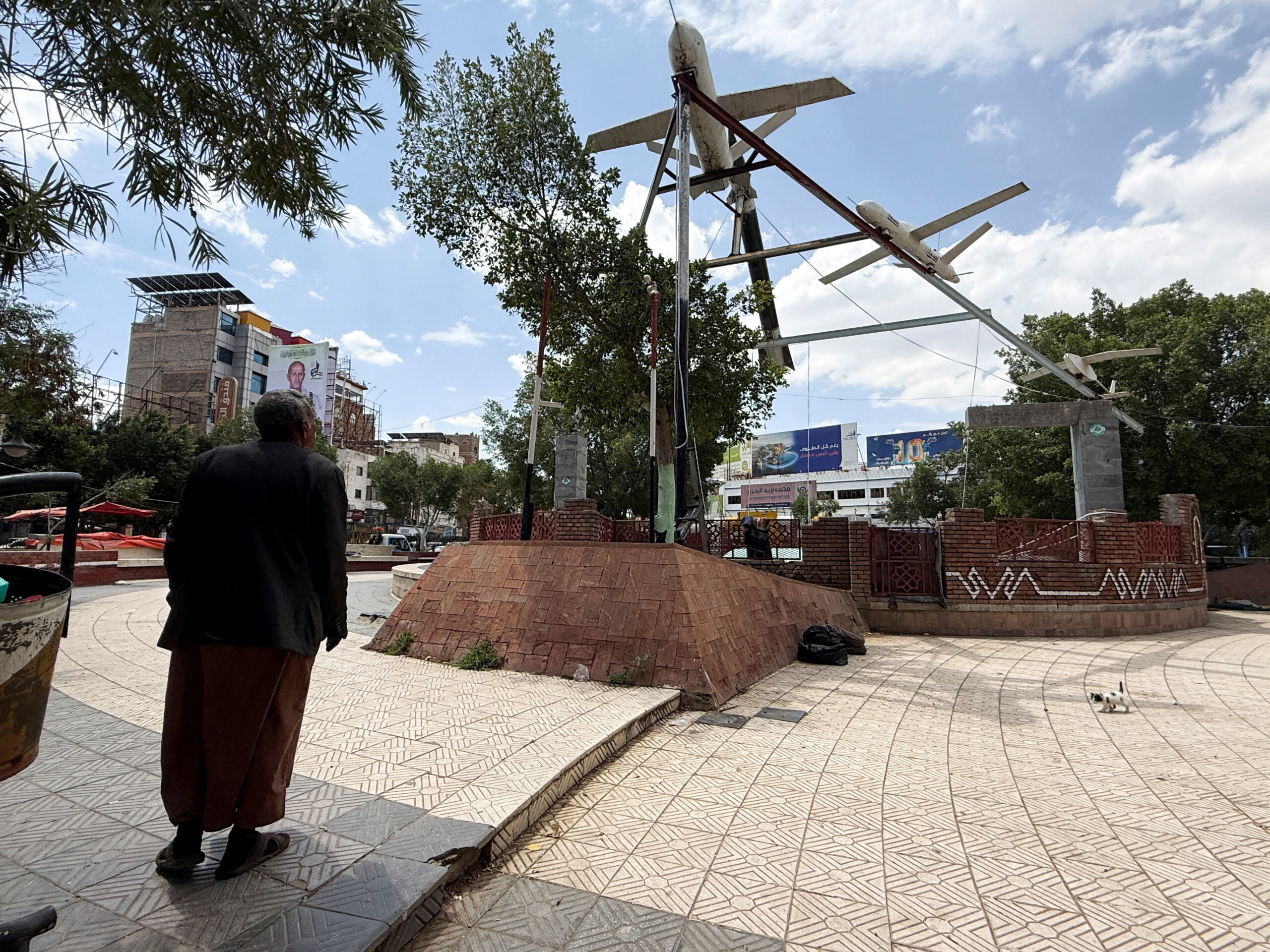
View AllRisky Business: China’s Houthi Dilemma
China’s ties with Yemen’s Houthis could bolster Beijing’s regional ambitions, but they also risk drawing it into conflicts that complicate its broader strategic goals.

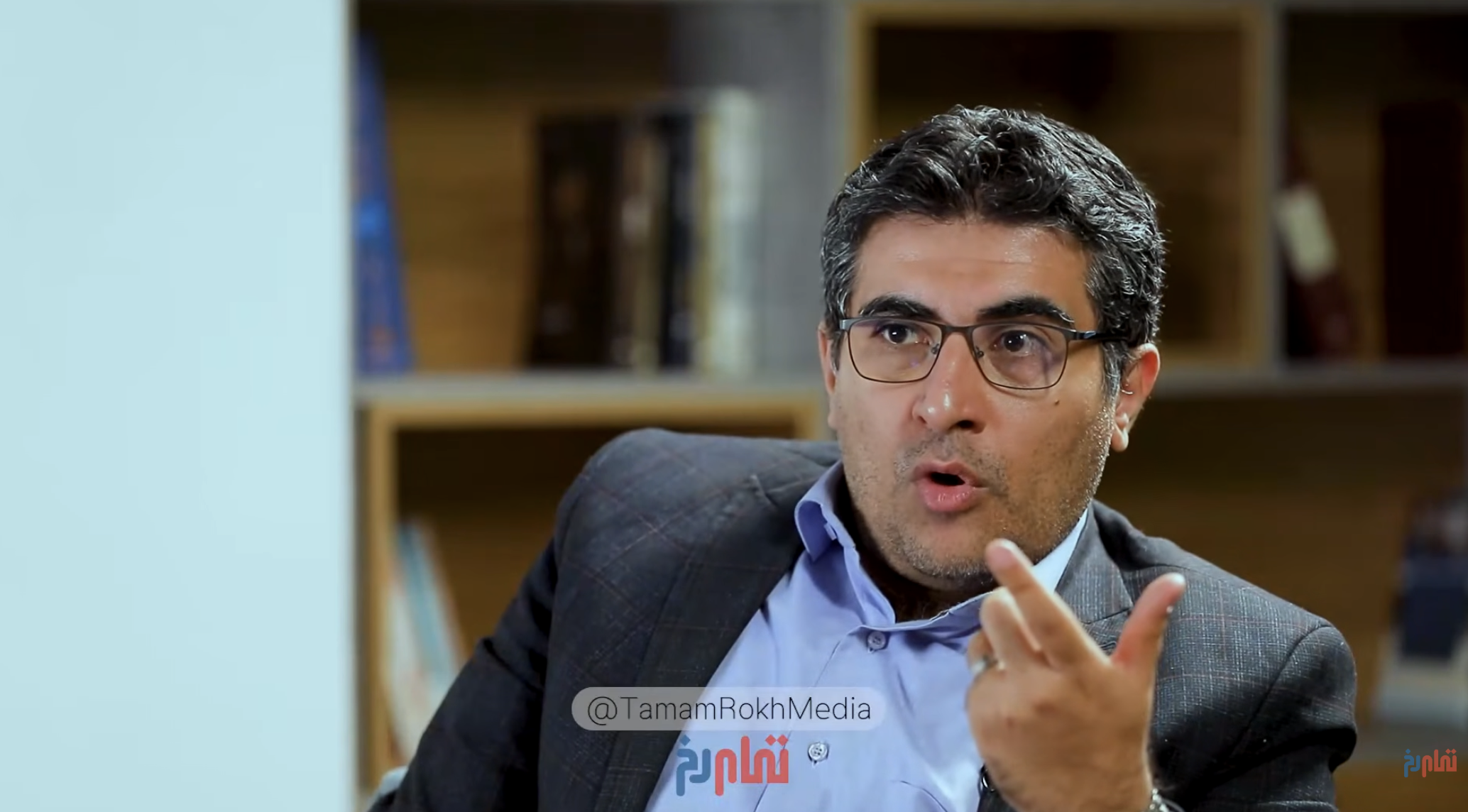
Debating Policy in Public: Iranian Elites Turn to YouTube
Rival camps within the Islamic Republic are increasingly turning to YouTube for policy debate, but there is a limit to the regime’s tolerance for that debate.

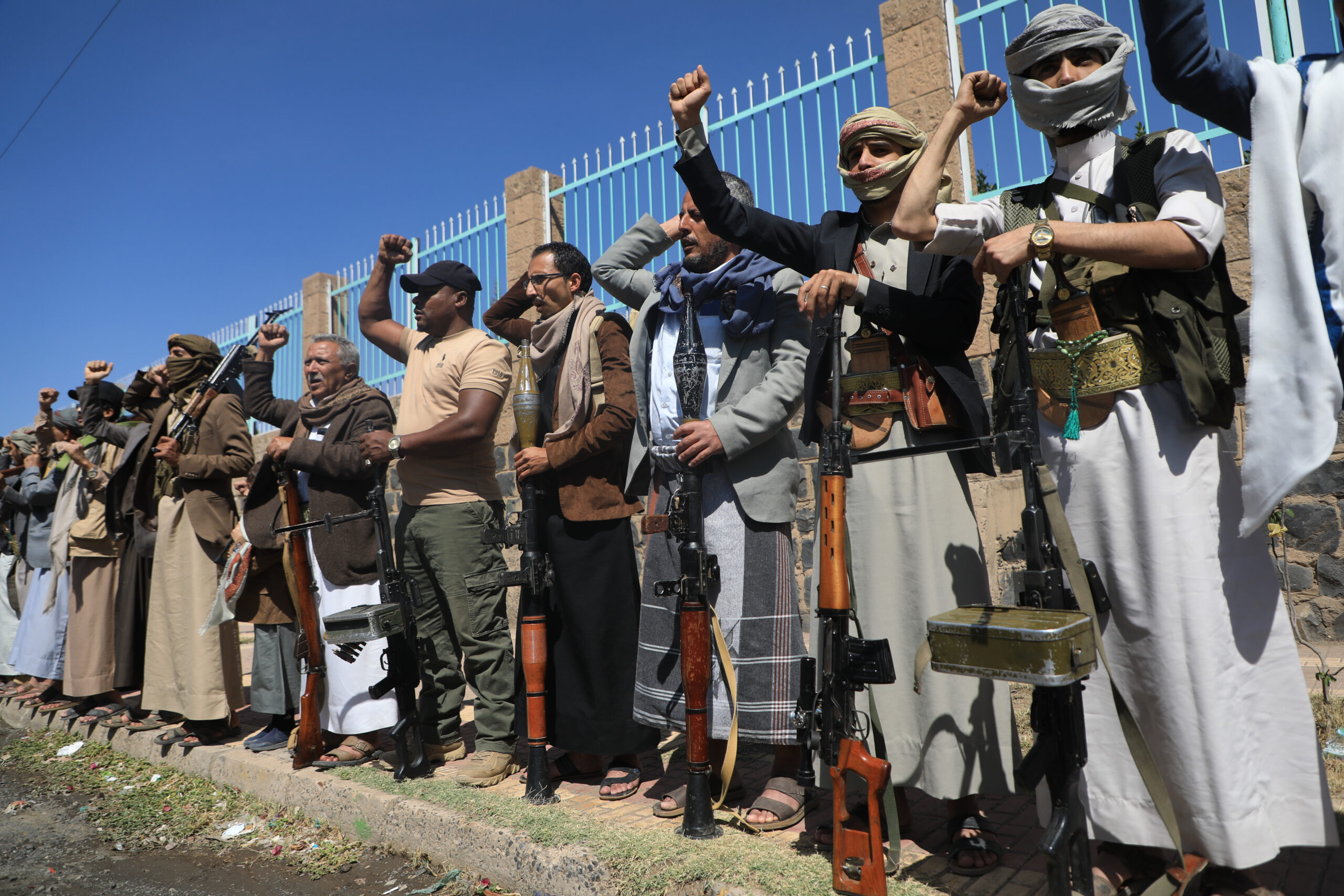
The Houthi Strategy to Break Saudi Resolve
Why have the Houthis chosen to escalate now, and what do they hope to accomplish by bringing the confrontation directly to Saudi soil?

The Domestic Considerations of Gulf Sovereign Wealth Funds
The trendline of growing domestic roles for regional sovereign wealth funds is coming into sharper focus.


Oct 23, 2026
Closing Borders: The Blockade Moves Inland
The October 23 edition of the Iran Media Review considers Iranian admissions that U.S. economic warfare is pressuring Iran.

Oct 20, 2026
Who Authorized Iranian Strikes Against U.S. Vessels?
The October 20 edition of the Iran Media Review examines IRGC messaging about July 7 strikes against U.S. Navy vessels and the debate surrounding the confirmation of a new Iranian defense minister.
Oct 16, 2026
Qalibaf’s New Equation: War, Negotiation, and Deterrence
The October 16 edition of the Iran Media Review highlights the call by Iran’s parliamentary speaker for a combination of war and negotiation to establish deterrence against further attacks on Iran.
Oct 13, 2026
From Neighbor to Target: Iranian Analysts on the UAE
The October 13 edition of the Iran Media Review explores calls by senior Iranian strategists for Iran to target the United Arab Emirates and Dubai’s airport.
Oct 2, 2026
Saudi Current Account Back in Deficit in the Second Quarter
The Saudi current account moved back into deficit in the second quarter of 2026, but the external sector position of the kingdom remains very strong.

Oct 1, 2026
Saudi Fiscal Deficit To Be Larger Than Budgeted in 2026
The Saudi Ministry of Finance now expects a larger-than-budgeted fiscal deficit in 2026 as expenditure increases to support the economy.
Saudi Labor Market Holds Firm in Face of Regional Conflict
The regional conflict has so far had a limited impact on the Saudi labor market.
Jul 31, 2026
Data Confirms a Large Economic Contraction in Saudi Arabia in the Second Quarter
The Saudi economy contracted sharply in the second quarter of 2026. Any recovery will be slowed by the recent renewal of hostilities in the region.
A New Generation Is Putting Bahraini Cuisine on the Map
Chefs Suman Ali Sayed and Dona Murad are introducing Bahraini cuisine to eateries abroad, attracting international diners increasingly interested in distinct food cultures and histories.


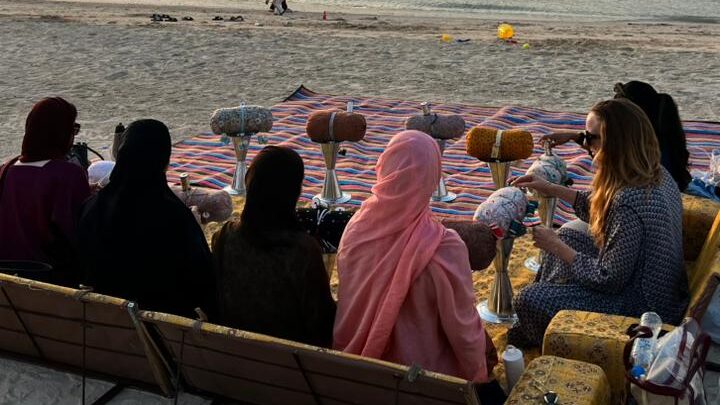
Talli Circle: Traditional Weaving Connects Emirati Women
Talli Circle, a new platform highlighting a traditional Emirati form of weaving, is reconnecting young Emirati women with their culture, heritage, and mothers and grandmothers.
Al-Falaj Connects Researchers to the Scattered Archives of Arabia
Saudi author and anthropologist Ghada AlMuhanna Abalkhail launched al-Falaj, an open access digital directory, to help users explore the Arabian Peninsula's visual and documentary heritage.

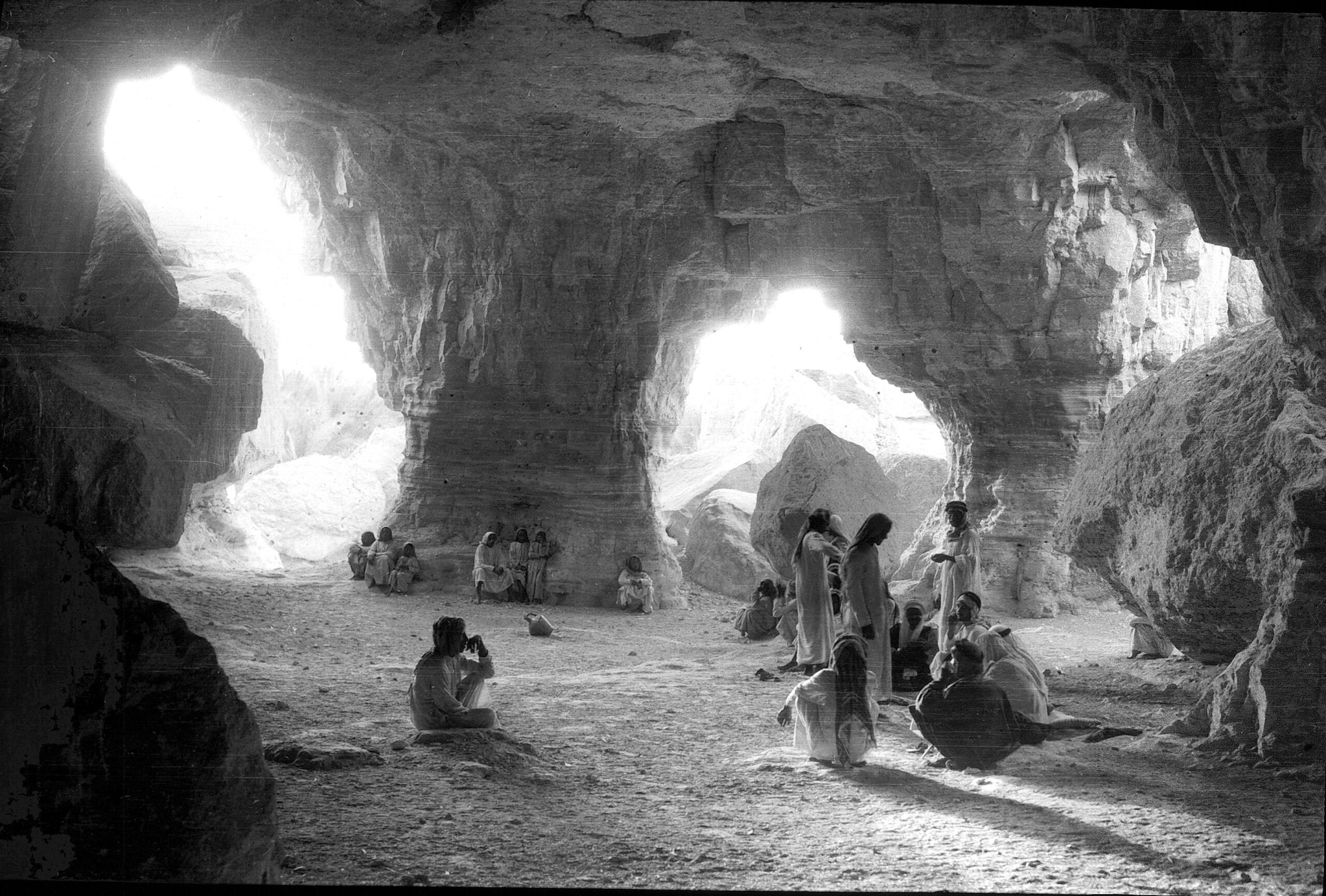
Hind Al Mulla Is Taking Home Bakery Global
After building highly successful restaurants in the UAE and Saudi Arabia, Emirati pastry chef Hind Al Mulla plans to take the Home Bakery group global while providing a platform for other Emirati entrepreneurs.

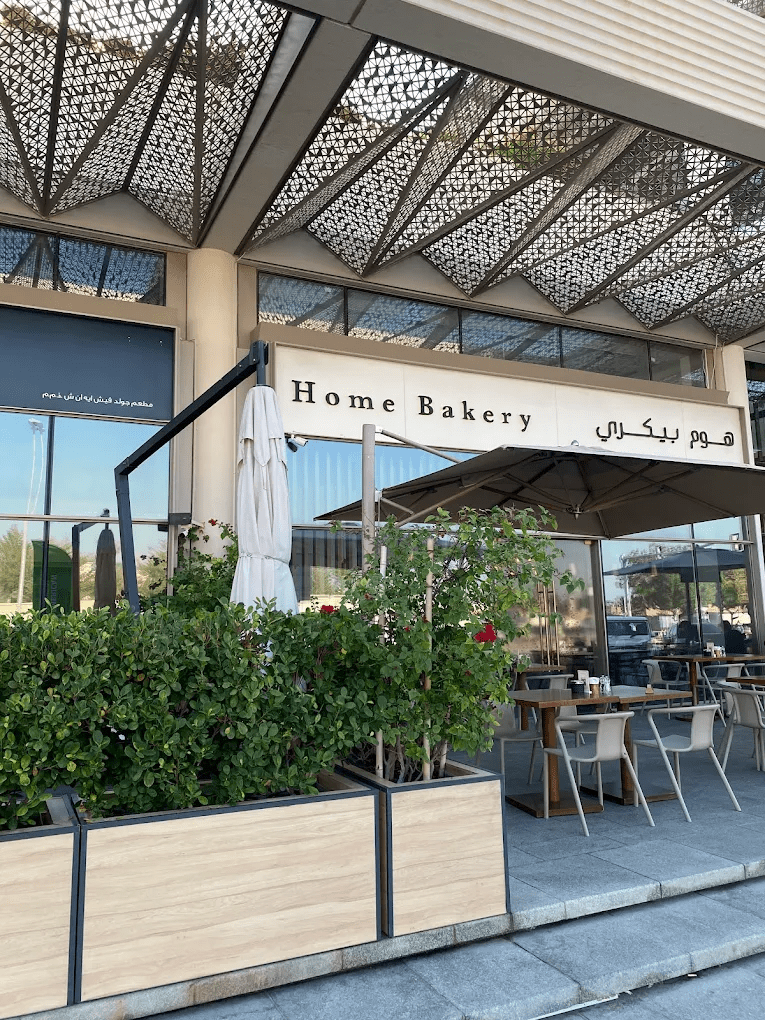
A New Gulf Partnership
In May, President Donald J. Trump embarked on a trip to the Gulf that signals a new era in U.S.-Gulf relations. AGSI's A New Gulf Partnership series explores the ways U.S. strategic relations with these countries are evolving and offers policy recommendations for the U.S. administration to maximize political and economic influence.
Nov 13, 2024
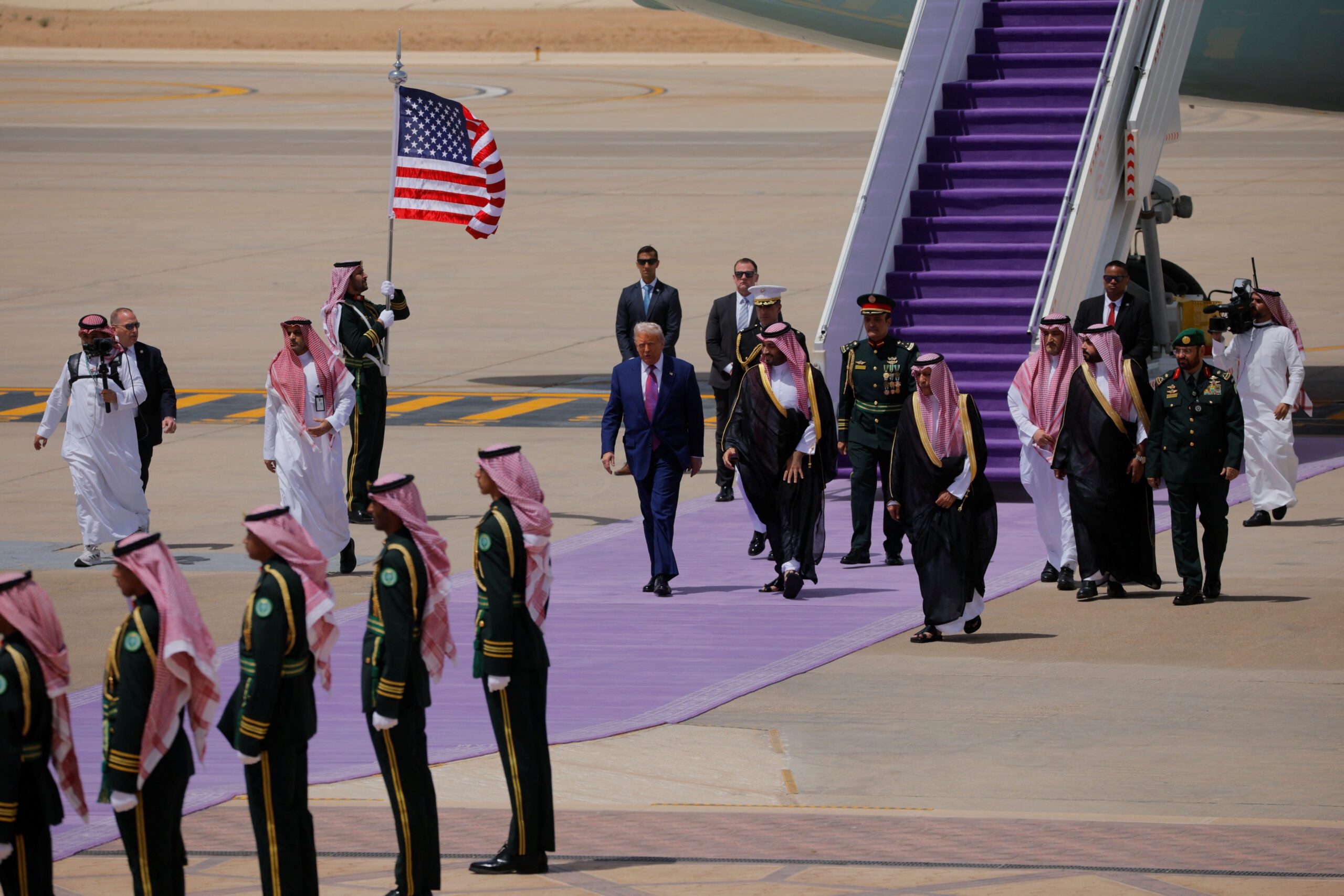
Energy and Climate Initiative
AGSIW’s Energy and Climate Initiative explores Gulf energy and climate policies, technological advances, and pressing political, social, and environmental issues ahead of COP28.
Nov 5, 2024
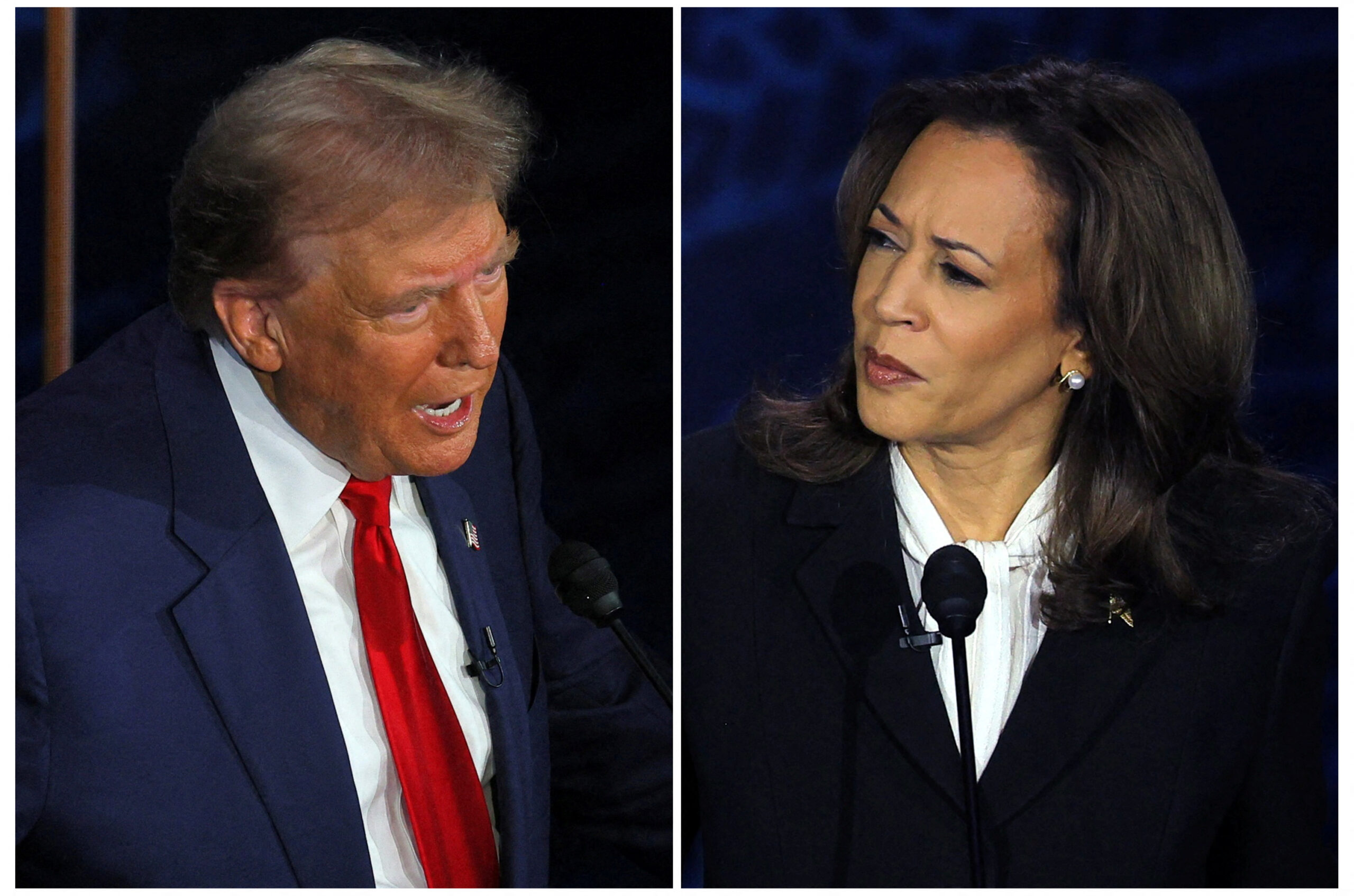
U.S. Presidential Election
AGSIW’s U.S. Presidential Election series explores Gulf perspectives on the 2024 election and considers how the election results may shape the future of U.S. engagement in the Gulf region.
Sep 6, 2024
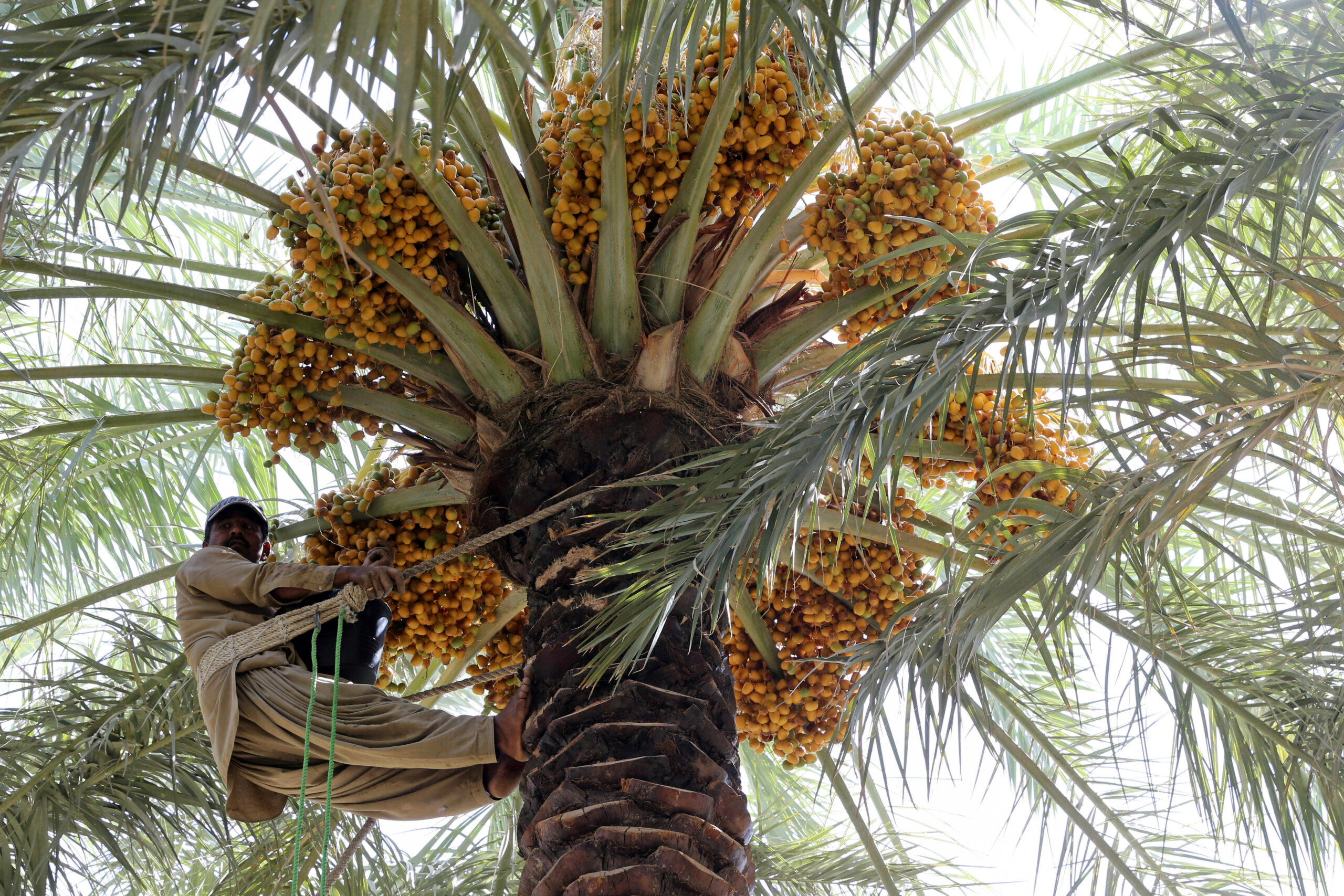
Trees of the Gulf
This series looks at the vital role certain trees play in the region's collective memory, survival, and plans for the future.
All Analysis
Risky Business: China’s Houthi Dilemma
China’s ties with Yemen’s Houthis could bolster Beijing’s regional ambitions, but they also risk drawing it into conflicts that complicate its broader strategic goals.
Debating Policy in Public: Iranian Elites Turn to YouTube
Rival camps within the Islamic Republic are increasingly turning to YouTube for policy debate, but there is a limit to the regime’s tolerance for that debate.
The Houthi Strategy to Break Saudi Resolve
Why have the Houthis chosen to escalate now, and what do they hope to accomplish by bringing the confrontation directly to Saudi soil?
The Domestic Considerations of Gulf Sovereign Wealth Funds
The trendline of growing domestic roles for regional sovereign wealth funds is coming into sharper focus.
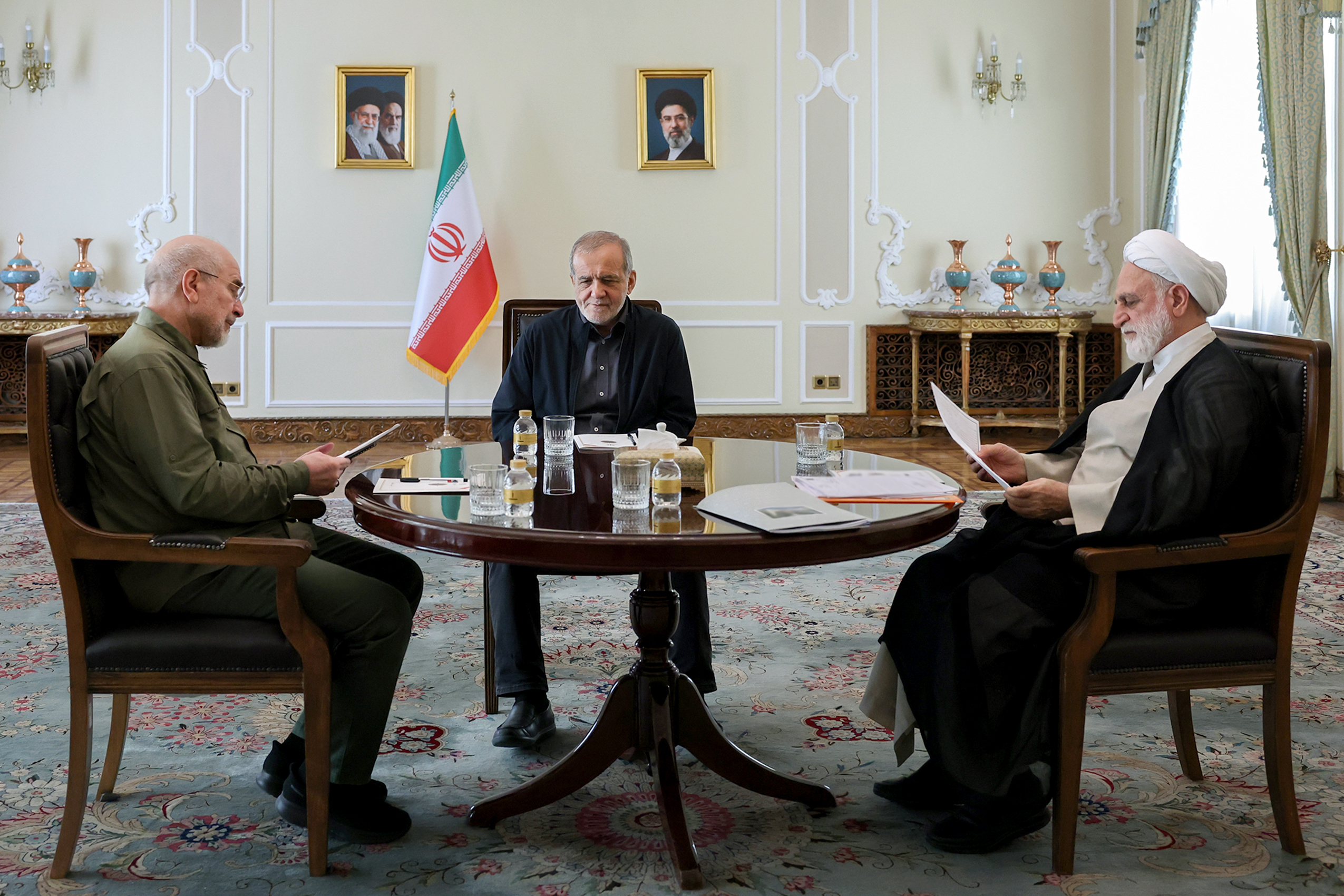
The Committee of Six and Strategic Decision Making in Iran
Remarks by Iran’s president offer a rare glimpse of how the Islamic Republic has adapted its decision making to the absence of its supreme leader.
Evaluating the PIF’s Financial Performance and New Strategic Direction
In its new strategy, the Saudi Public Investment Fund seems to focus more on investment returns and less on asset growth. How this will work in practice is less clear, including what it means for the future of existing projects, such as Neom.