A Gulf-Yemen energy corridor could reshape the Arabian Peninsula. But it cannot happen without a durable political settlement involving the Houthis and other Yemeni factions.
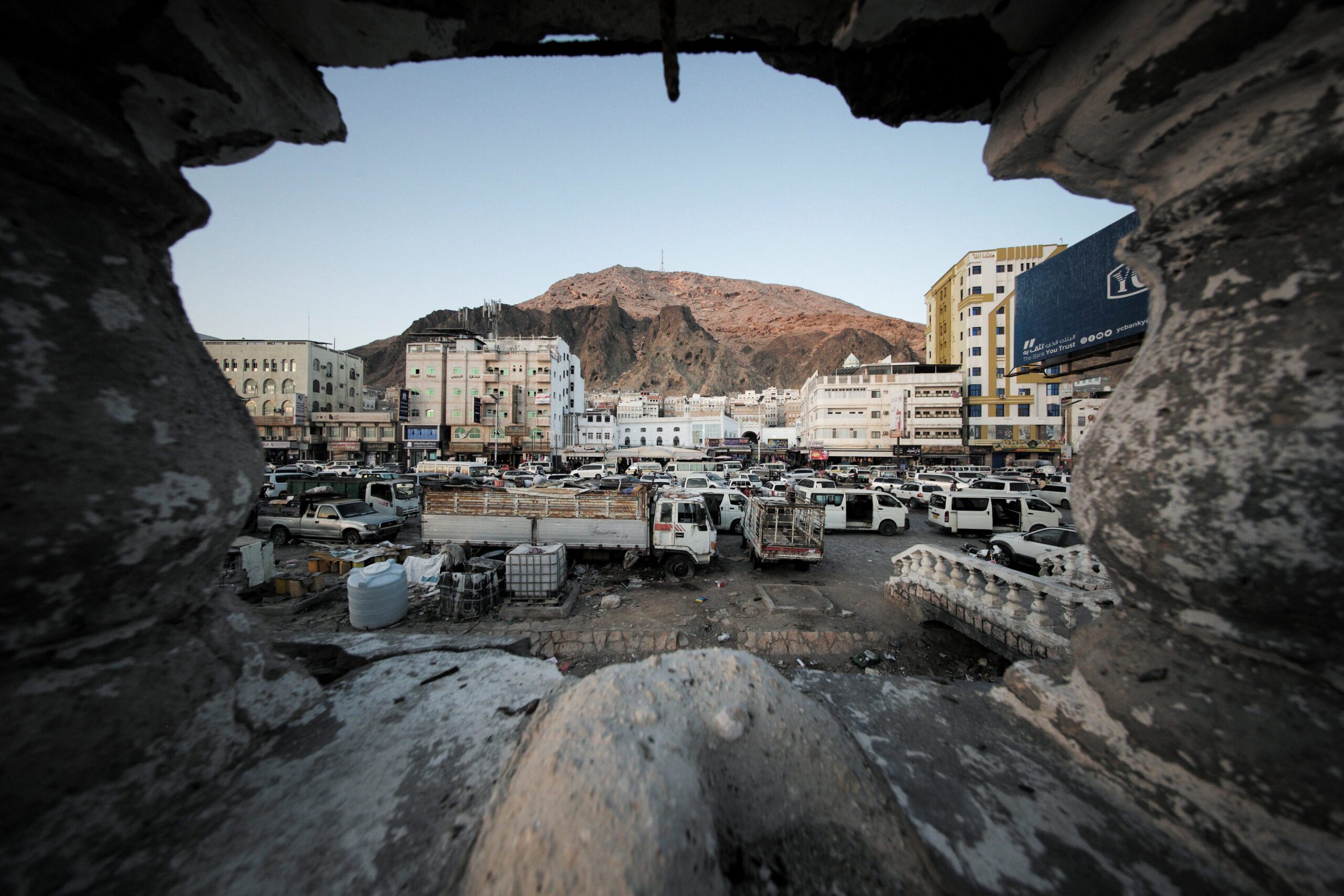
General view of the downtown port city of Mukalla in Hadramout, Yemen, January 20. (REUTERS/Hamad I Mohammed)
The U.S.-Israeli war with Iran and the disruption of shipping through the Strait of Hormuz have exposed one of the Gulf’s deepest strategic vulnerabilities. For decades, Saudi Arabia and other Gulf states have relied on the Strait of Hormuz as the main artery for global commerce and energy exports. But the events since the United States and Israel began launching strikes on Iran February 28 have demonstrated how quickly regional conflict can threaten international oil and gas markets.
The International Energy Agency described the crisis as the largest supply disruption in modern energy history, with oil flows through the Strait of Hormuz collapsing from roughly 20 million barrels per day to just above 2 million within weeks of the war’s outbreak.
This renewed attention toward a long-standing Saudi strategic objective: securing alternative export routes that bypass the Strait of Hormuz, including the possibility of a pipeline corridor through Yemen’s eastern governorates toward the Arabian Sea.
The timing for considering Yemen for an alternative route seems opportune for reasons beyond the blockade of the strait. On May 14, the warring parties in Yemen signed the largest prisoner exchange agreement since Yemen’s conflict began, with around 1,600 detainees expected to be released, including captured Saudis. The agreement followed months of negotiations in Amman and marked one of the clearest confidence-building measures in years. At the same time, it has been more than six months since the last Houthi attack on a commercial vessel in the Red Sea and more than a month since the last Yemen-based drone or missile attack targeting Israel. De-escalation measures are beginning to produce tangible political and security outcomes. If sustained, economic and energy cooperation, first and foremost within Yemen itself and later between Yemen and the Gulf states, could become the next major confidence-building track in the broader regional peace process.
For Saudi Arabia and the Gulf Cooperation Council states, the logic is compelling. Existing alternatives to the Strait of Hormuz remain limited. Saudi Arabia’s East-West pipeline still depends on the Bab el-Mandeb route, itself vulnerable to the Houthis if they decide to resume attacks in the Red Sea. The United Arab Emirates’ export infrastructure around the port of Fujairah, on the Gulf of Oman, has also faced drone threats during the regional escalation with Iran. Other proposed routes through Iraq, Jordan, and Oman remain constrained by cost, instability, or geography.
A Saudi-Yemeni Energy Corridor
A Saudi-Yemeni corridor through Hadramout or Mahra therefore remains one of the few strategically viable long-term alternatives. But it is not simply an engineering project. It would require political agreements among Northern and Southern Yemeni powerbrokers, Saudi Arabia, Oman, the GCC, tribal actors in eastern Yemen, and eventually the Houthis themselves.
Since 2017, Saudi activity in Mahra has intensified suspicions regarding Riyadh’s ambitions in Yemen’s easternmost governorate. What began as a limited deployment evolved into a broad Saudi security presence, with more than 20 military bases and outposts established by 2019. Saudi forces secured border crossings, expanded influence around Nishtun port, recruited local tribesmen into Saudi-backed units, and financed infrastructure projects many residents believed were linked to a future pipeline toward the Arabian Sea.
These moves fueled resistance among Mahri communities, who feared Mahra was becoming a long-term Saudi sphere of influence rather than simply a security zone tied to the Yemen war. Suspicions deepened in 2018 after leaked documents suggested feasibility studies for a future oil export terminal, reinforcing speculation that Riyadh was quietly reviving its long-discussed pipeline project through eastern Yemen. Saudi policy in Mahra was also shaped by regional competition with Oman, which historically maintained strong tribal and political ties with Mahri communities.
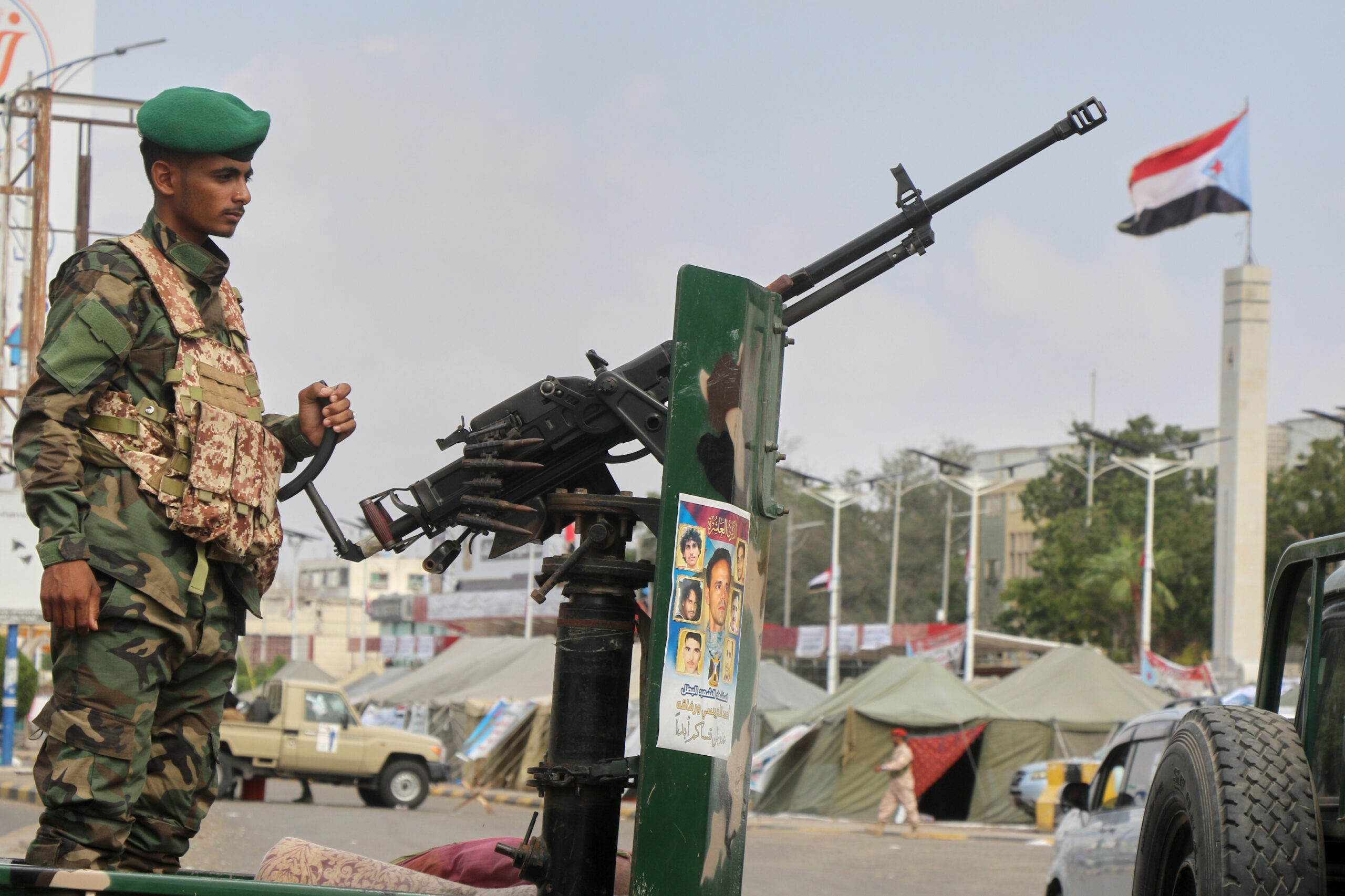
Today, however, the situation in Mahra is more stable than during the tensions of 2018 and 2019. Saudi Arabia increasingly relies on locally recruited Mahri forces, particularly the National Shield Forces, while relations between Riyadh and Muscat have improved significantly since both countries experienced tensions with the UAE over influence and competing agendas in Yemen.
Since the 1990s, Saudi Arabia has examined the possibility of building a pipeline through Yemen to bypass the Strait of Hormuz. The late former Yemeni President Ali Abdullah Saleh reportedly resisted Saudi demands for sovereign control over territory needed to secure and monitor such a corridor. Negotiations eventually collapsed amid Yemeni fears that the project would expand Saudi political and territorial influence inside Yemen.
Still, Saudi interest never disappeared. Over the years, regional tensions with Iran and repeated threats to maritime shipping steadily increased the strategic value of a direct Gulf-to-Arabian Sea export route. Eastern Yemen, particularly Hadramout and Mahra, offered a geographically attractive option. Unlike routes through western Oman, eastern Yemen provides relatively open terrain stretching toward the Arabian Sea with fewer engineering challenges and lower construction costs.
Obstacles
Yet despite the strategic logic behind a Saudi-Yemen energy corridor, the project faces enormous obstacles. The most immediate is Yemen’s unresolved political and military conflict. No major energy infrastructure project costing tens of billions of dollars can realistically move forward without a stable political settlement and security guarantees involving the Houthis.
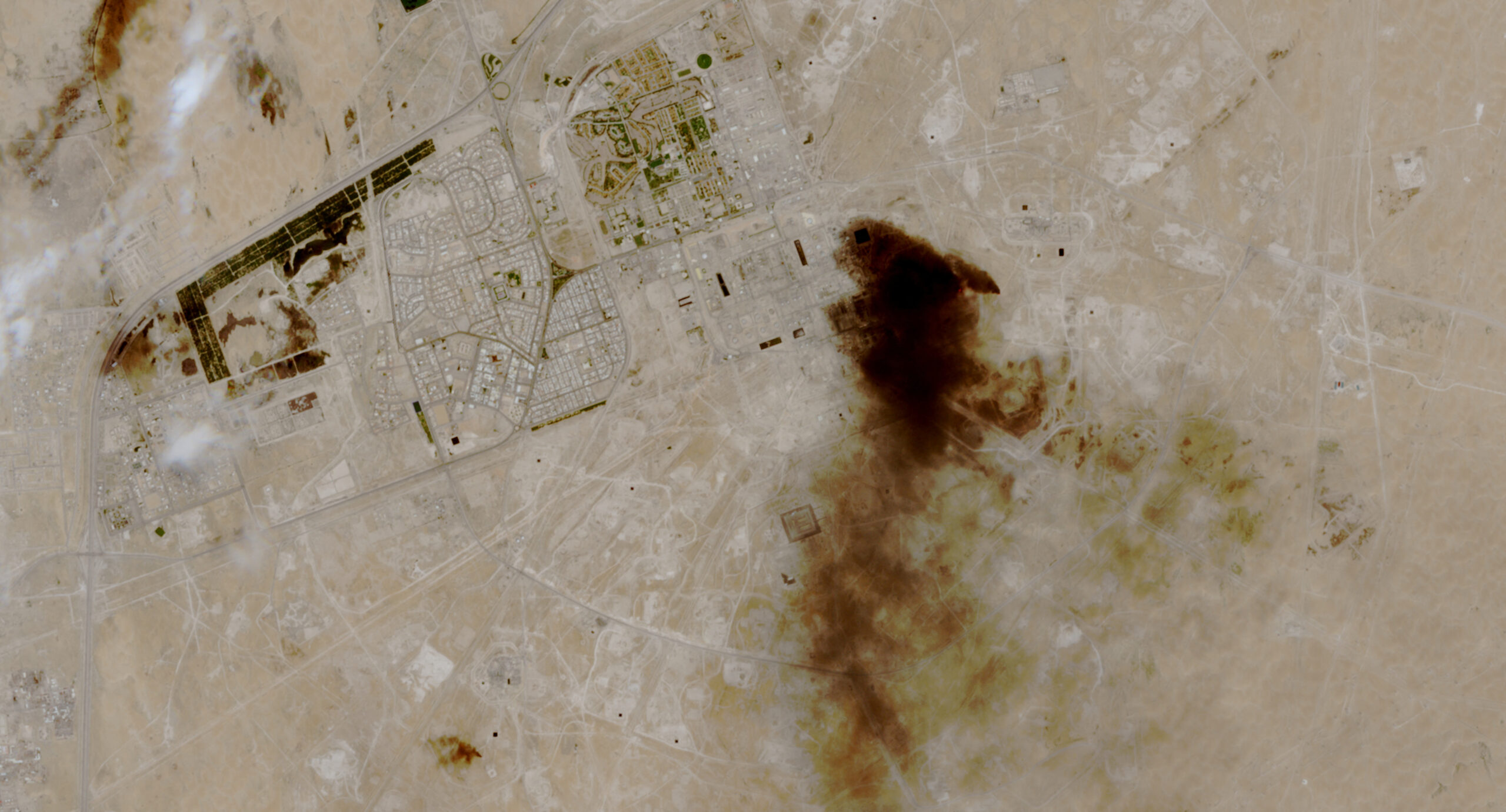
The Houthis have targeted energy infrastructure in the past. In October 2022, after weeks of Houthi warnings against Yemeni oil exports, the Houthis launched drone attacks targeting the Nushayma oil terminal in Shabwa and Dhabba oil terminal in Hadramout. On October 21, 2022, a Greek tanker preparing to load nearly two million barrels of crude at Dhabba departed without taking cargo after drones struck near the facility. Days later, authorities temporarily closed the port of Mukalla after detecting additional Houthi drones nearby. In November 2022, the Houthis fired a missile at the Dhabba oil terminal that landed near the entrance of the facility, further cementing the halt of Yemen’s crude oil exports and underscoring the vulnerability of the country’s energy infrastructure to conflict escalation.
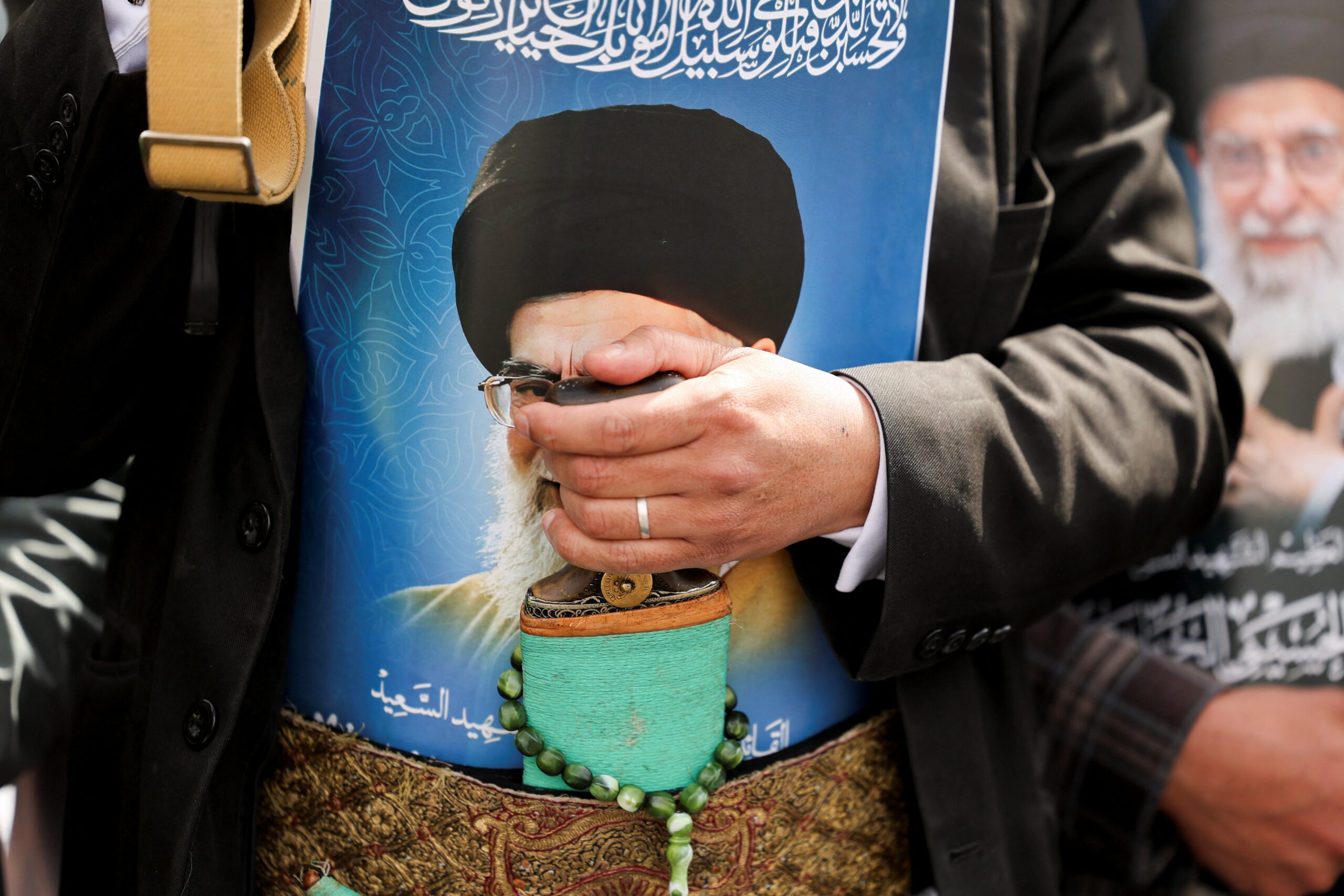
The Houthis continue to frame Yemen’s energy and natural resource sector as a sovereignty issue, closely monitoring any foreign involvement tied to oil, gas, or mining projects in areas controlled by the United Nations-recognized government. Tensions resurfaced after reports emerged that Saudi Arabia planned to sign a memorandum of understanding with the Yemeni government for technical and geological cooperation on mineral resources between the Saudi Geological Survey and Yemen’s Geological Survey and Mineral Resources Authority. On May 9, the Houthi’s parliament speaker, Yahya al-Raee, warned Saudi Arabia and its allies against any activities involving Yemen’s natural resources, calling them illegal violations of Yemeni sovereignty.
This creates the central contradiction facing any future Gulf-Yemen energy corridor. Economically and strategically, the project could reshape the Arabian Peninsula. Politically and militarily, it cannot happen without a durable settlement involving the Houthis and broader Yemeni factions.
Opportunities
Yet that same reality may also create an opportunity. Yemen’s long-term stability will likely depend on stronger economic interdependence, both within the country and across the region. One example already exists through Yemen LNG, where liquefied natural gas fields in Marib in Northern Yemen are linked to export infrastructure in Shabwa in the South. Despite years of war and fragmentation, the project created shared economic interests across competing regions. LNG remains the crown jewel of the country’s natural resources, with greater long-term revenue potential than crude oil. There is less likely to be fighting at the table when everyone is eating from the same plate.
Yemen-focused policymakers in the Gulf may also draw lessons from both Europe and Sudan. The European Union’s integration of eastern European countries expanded the EU’s economic strength while helping newer member states develop through infrastructure investment, trade access, and economic integration. At the same time, the relationship between Sudan and South Sudan illustrates both the benefits and vulnerabilities of interdependence. Before Sudan’s civil war erupted in 2023, Khartoum was generating an estimated $146 million per month from transit, processing, and sovereign fees linked to South Sudanese crude exports transported through pipelines crossing Sudanese territory to Port Sudan on the Red Sea. The arrangement created strong incentives for cooperation, but it also demonstrated how quickly political instability and conflict can undermine strategic energy infrastructure and cross-border economic systems.
Gulf-Yemen Infrastructure Network
A broader Gulf-Yemen infrastructure network could expand this model further through pipelines, ports, electricity, railways, industrial zones, and trade corridors linking the Gulf directly to the Arabian Sea, East Africa, and West Asia. Such a network could gradually transform Yemen from a battlefield into a strategic transit state connecting Gulf energy exports to the Indian Ocean. This would not only generate income for Yemen through pipeline transit and access fees, but it would also create jobs, help reduce high unemployment, and potentially limit recruitment opportunities for violent extremist organizations targeting vulnerable youth.
A new partnership with Saudi Arabia may signal further capital investment in Yemen’s energy infrastructure. In early May, Yemen’s electricity minister announced the revival of plans for an electricity interconnection project with Saudi Arabia covering Shabwa, Hadramout, and Mahra. If approved, the project would provide stable and continuous electricity supplies to the three eastern governorates, with expected transmission capacity up to 1,000 megawatts.
The future of such an energy corridor may ultimately depend on whether regional powers choose to view Yemen only as a security problem or as part of a larger economic system tying together the Gulf, the Arabian Sea, East Africa, and West Asia. If a political settlement ever emerges, Yemen could become a critical node in the Gulf’s energy and transport infrastructure.
The views represented herein are the author's or speaker's own and do not necessarily reflect the views of AGSI, its staff, or its board of directors.
In the future landscape of Gulf security, the United States may remain an essential arms supplier but wield less influence over force structure and military doctrine.
The Houthis appear to be following a North Korean playbook, using recurring cycles of provocation to extract concessions, forcing Saudi Arabia to carefully calculate its security ties.
Negotiations in Riyadh will determine whether the Presidential Leadership Council emerges as a functional governing body or dissolves into a symbol of Yemen’s enduring divisions.