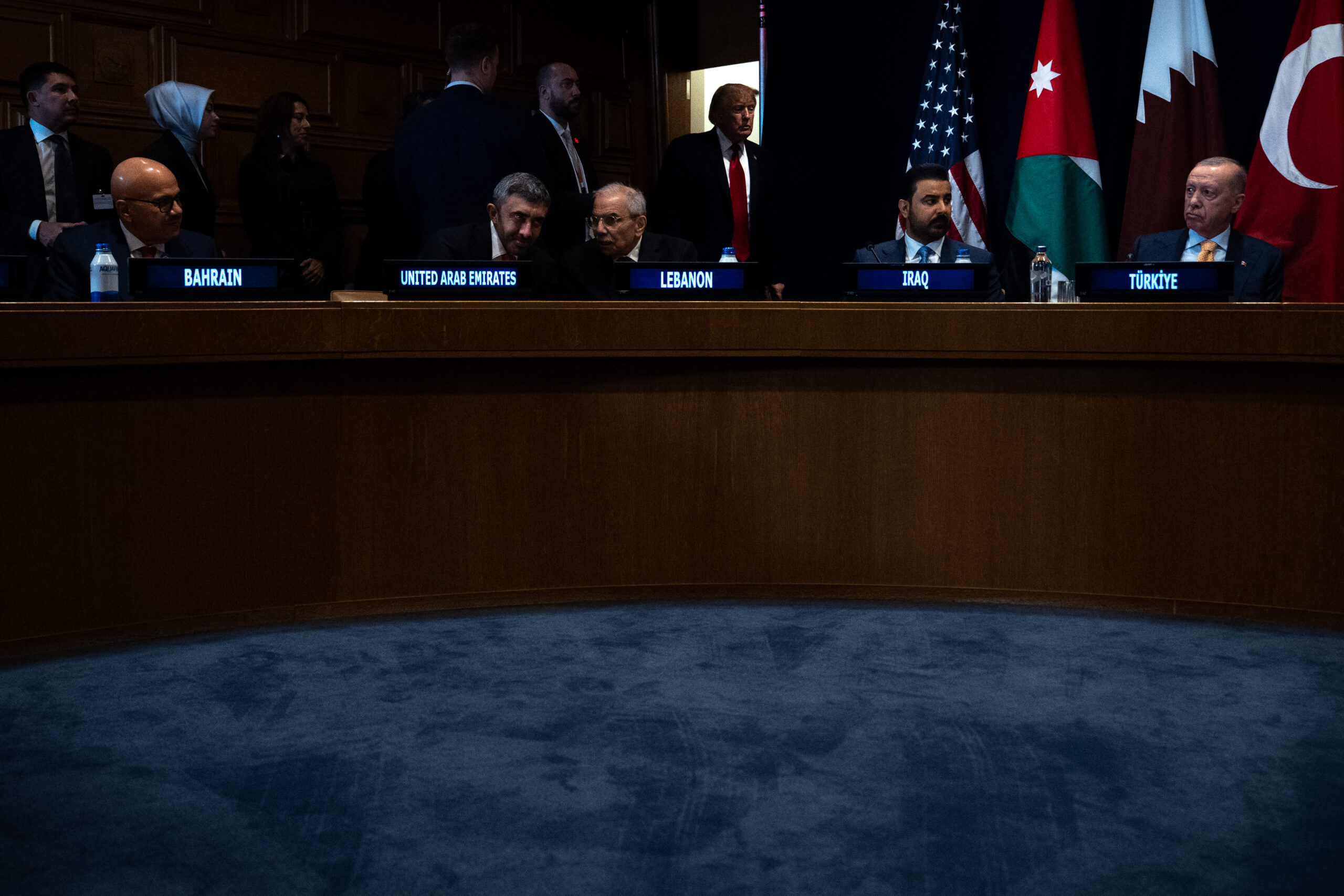
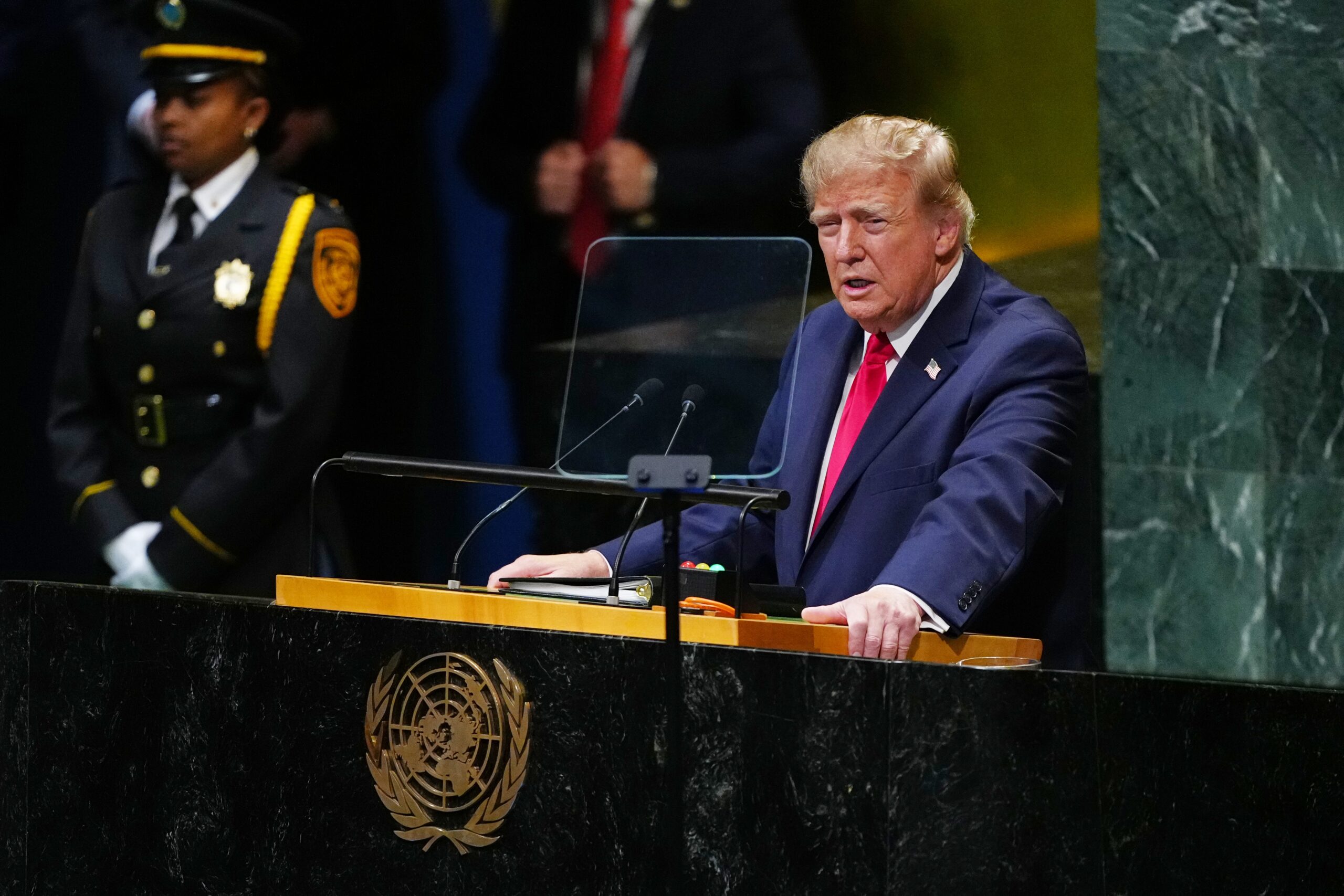
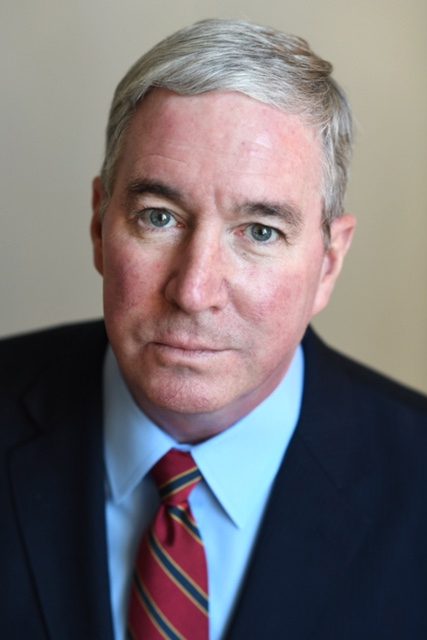
President Donald J. Trump arrives for a multilateral meeting with the Gulf Cooperation Council during the United Nations General Assembly, Sept. 22. (AP Photo/Julia Demaree Nikhinson)
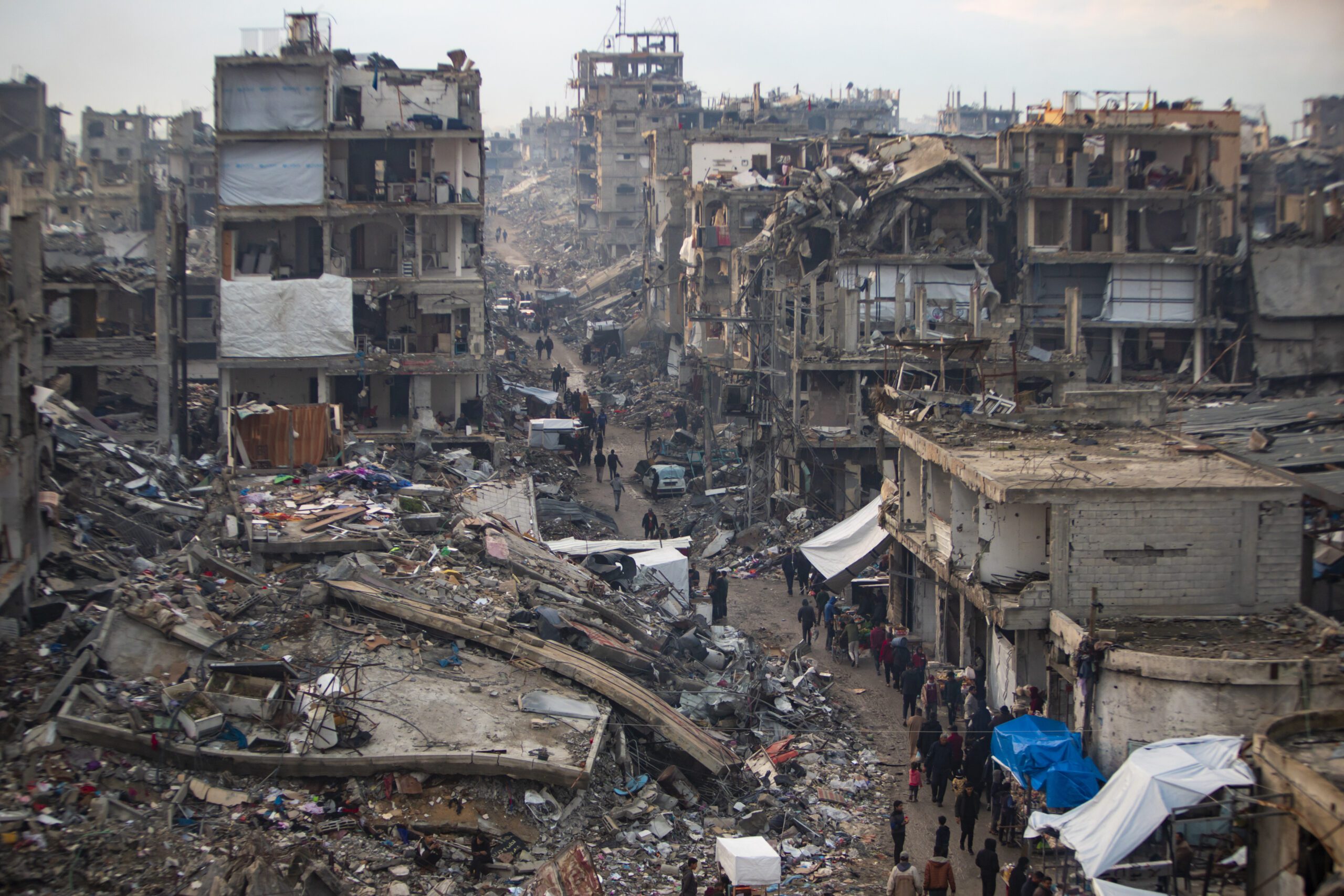
The 81st session of the United Nations General Assembly took place in New York at a challenging time for multilateral institutions, chief among them the world’s largest forum for diplomacy. The debilitating wars in Ukraine and the Gulf were the subject of speeches and side meetings without any foreseeable breakthrough. The immiseration of a broken Gaza, with political progress and reconstruction stalled, drew condemnation and calls for action; but oversight is now held not by the U.N. but the Board of Peace initiated by President Donald J. Trump. Meanwhile, the two most powerful countries, the United States and China, moved their diplomacy offsite, as Trump and Chinese President Xi Jinping chose to meet in Washington instead of New York. The global challenges demanding multilateral cooperation and a coordinated response are numerous and growing, including climate change, refugee crises, and the governance of artificial intelligence and other emerging technologies.
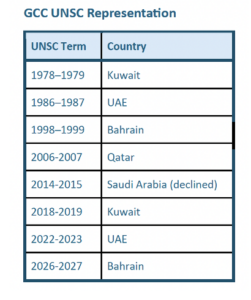
One might cite these mounting failures as evidence of the growing irrelevance of the U.N. in a time of nation-first populism and great power competition. Yet Gulf Arab states have continued investing in the world’s preeminent international institution for diplomacy and peacekeeping. As Gulf states’ presence in the global economy has increased and their influence over politics beyond the Middle East expanded, Gulf delegations to the U.N. have grown in size and importance. Over the past 20 years, representation of Gulf Cooperation Council members on the U.N. Security Council has doubled. What do they hope to achieve?
Gulf Priorities at the U.N.
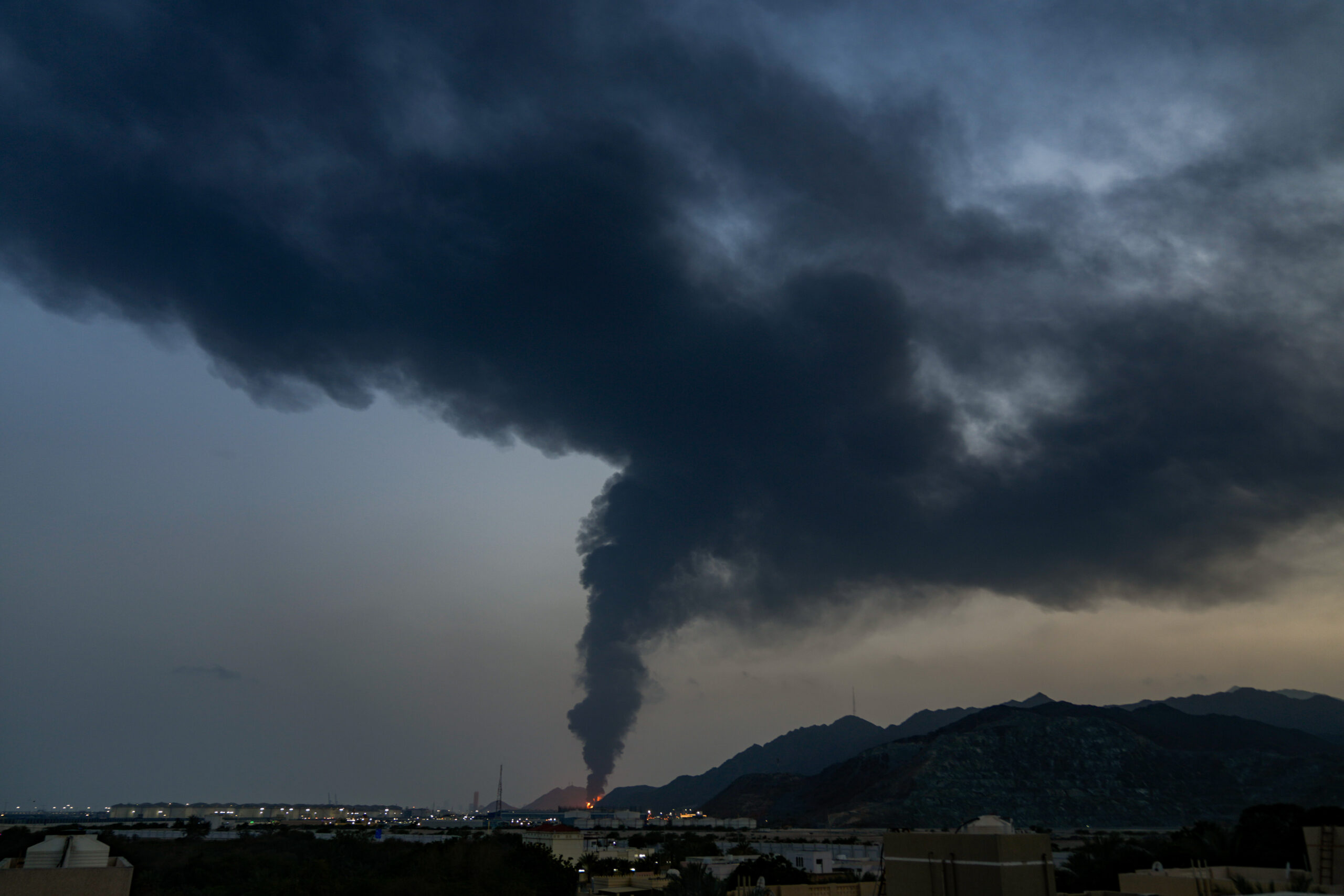
In the past two years, Gulf states have demonstrated leadership on pivotal security, political, and social issues. In March, Bahrain, as a nonpermanent member of the Security Council and on behalf of GCC states and Jordan, led the international community’s condemnation of Iran’s attacks on its neighbors, sponsoring U.N. Resolution 2817. In April, Bahrain introduced a second resolution with the United States, to boost security in the Strait of Hormuz, which was ultimately vetoed by China and Russia. Another resolution submitted by Bahrain for GCC states and Jordan condemning Iranian attacks on civilians and infrastructure in regional states was adopted without a vote at the 61st session of the U.N. Human Rights Council. Qatar also drafted a resolution that passed at the Human Rights Council protecting healthcare in armed conflicts. Notably, at the General Assembly in 2025, Saudi Arabia cochaired the high-level international conference on Palestine, which resulted in the New York Declaration on the Peaceful Settlement of the Question of Palestine and the Implementation of the Two-State Solution – the culmination of a yearlong initiative with France to encourage states to recognize Palestine as a state. Also in 2025, Qatar hosted the second World Social Summit, where the Doha Political Declaration was adopted to advance equality, eradicate poverty, promote decent work for all, and protect human rights some 30 years after the 1995 Copenhagen Declaration, which established a landmark global agenda for social development. Gulf states also have led global initiatives, such as the United Arab Emirates cohosting the U.N. Water Conference as part of the Mohamed bin Zayed Water Initiative.
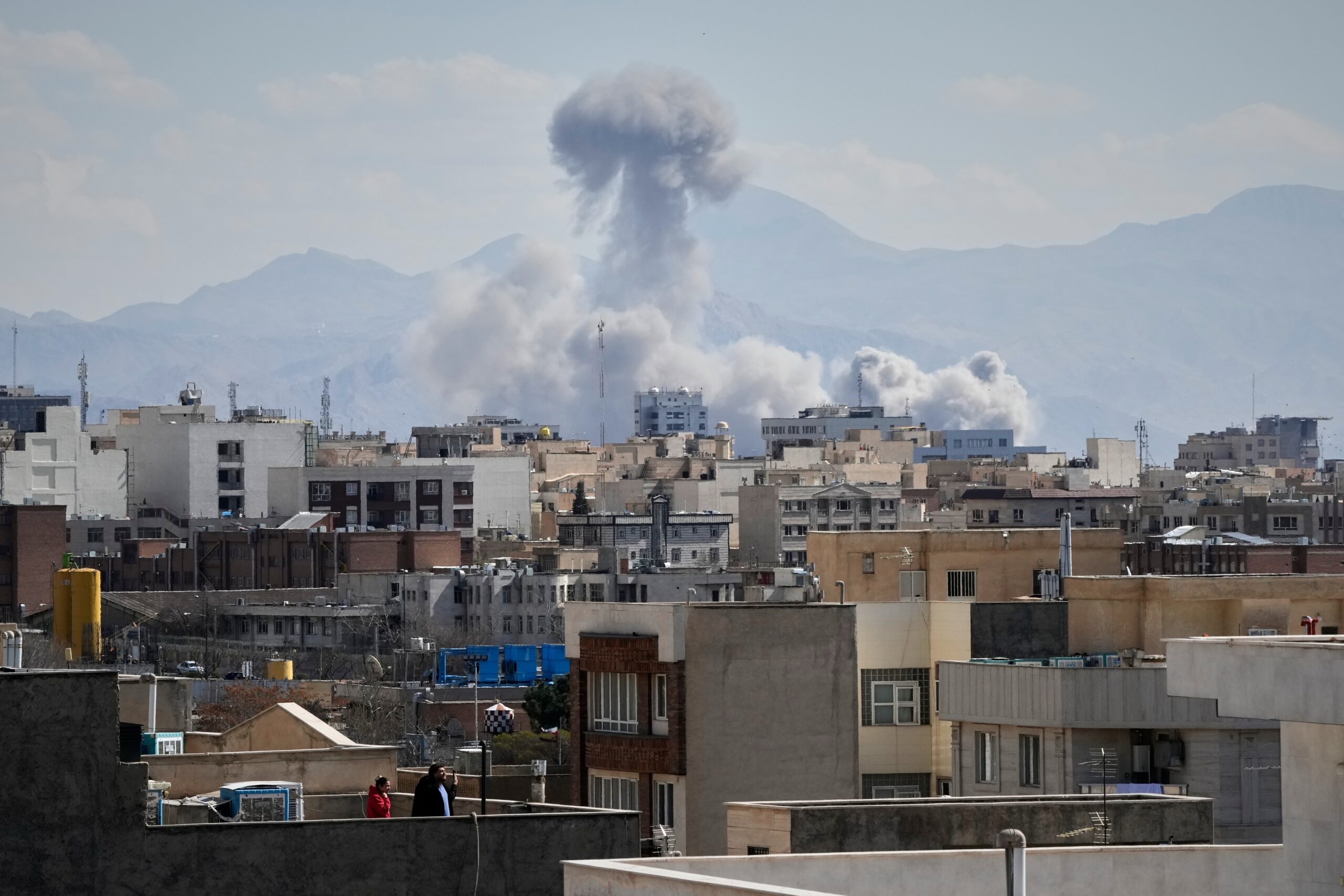
Nonetheless, on the most critical political issues of Gulf engagement – namely the Iran war and Strait of Hormuz crisis as well as peace and reconstruction in Gaza – the U.N. has been hamstrung and largely ineffective. Global leadership and political commitment through the U.N. on longer-term socioeconomic issues are also inadequate. In the U.N., as in broader diplomacy, it is hard for Gulf states to succeed without positive U.S. engagement and commitment and in the face of blockage by other great powers. For this reason, the GCC states have advocated for urgent reform of the Security Council to end institutional paralysis and broaden representation.
Still, there are many reasons that Gulf states find U.N. engagement indispensable. While the United States’ waning commitment to the U.N. is a concern, the U.S. retreat has provided an opportunity, especially for small and wealthy states, such as Qatar and the UAE, to extend their influence within the U.N.’s deliberative bodies. At times, Gulf states have worked through the U.N. to counterbalance unilateral U.S. moves, such as Saudi Arabia’s efforts to align Arab and Islamic states with sympathetic European states in a coalition to pressure the United States on its policies toward Israel. Nonetheless, for Gulf states, U.N. commitments do not preclude other forms of diplomatic coordination and political action. Simultaneously, Gulf Arab states have increased their reliance on minilateral agreements tailored to specific issues. The UAE is particularly active in this regard, having established the I2U2 group with India, Israel, and the United States to promote joint infrastructure and food security and the Mangrove Alliance for Climate cofounded with Indonesia, among other minilateral initiatives. And Gulf Arab states are resorting more frequently to unilateral action, particularly for defense and deterrence when necessary.
Gulf States at the 81st General Assembly
The 81st General Assembly demonstrated the breadth of Gulf engagement at the U.N. while highlighting some differences in their approaches. Their clear priority was the Iran war. The meeting was preceded by the aborted attempt of GCC countries to meet with Iran in Oman to find a formula for improving transit through the Strait of Hormuz. The attempt –joined by Iraq and boycotted by Bahrain – is indicative of the Gulf states’ new coordination and independent initiative to settle the crisis. This was further underlined in an interview given by senior Emirati official Anwar Gargash on the eve of the General Assembly during which he emphasized the need to put the Gulf states at the center of security talks with Iran instead of merely subject to the vagaries of U.S.-Iranian negotiations.
Nonetheless, Qatar-mediated talks on the sidelines of the General Assembly between Trump’s special envoys and Iranian Foreign Minister Abbas Araghchi yielded no breakthrough. Reports from Iran and the United States suggest the attempt to reach an interim scaled-back version of the June memorandum of understanding centered on sanctions relief for Iran in exchange for nuclear concessions. A closed meeting held later that day among Trump and representatives from the GCC states and other Middle East countries produced only public remarks from Trump praising the United States’ regional partnerships. GCC states were thus left to promote their peace efforts and enlist international support for maintaining freedom of navigation from the podium at the General Assembly. The speeches of Gulf delegation leaders also called for respect for state sovereignty in Syria, Iraq, and Lebanon and for resolving the conflicts in Yemen and Sudan – although notable differences remain on Gulf approaches to those conflicts.
Other side meetings advanced another priority at the General Assembly – advocacy for Palestine. The foreign ministers of Arab and Muslim countries, including Gulf states Saudi Arabia, Qatar, and the UAE, met to express their deep concern over the continued humanitarian suffering in Gaza and to press Israel and all parties to fulfil their outstanding commitments under the first phase of the Gaza Road Map. These countries are all members of the U.S.-sponsored Board of Peace and were mostly represented in the Gaza Contact group formed in 2023 at the joint summit of the Arab League and Organization of Islamic Countries in Riyadh; they have issued numerous joint statements in recent months, condemning Israeli military violations in Gaza, settlement plans in the West Bank, and escalations at the Al-Aqsa Mosque in Jerusalem. Saudi Foreign Minister Faisal bin Farhan spoke at a separate high-level ministerial meeting of the Global Alliance for a Two State Solution. The absence of the Palestinian leadership, denied visas to attend the General Assembly by the United States, underscores the difficulty of corralling global support in defiance of U.S. leadership.
Future Gulf Leadership at the General Assembly?
There have been several recent reports that the UAE is promoting its own candidate in the current race to select a new U.N. Secretary-General: Lana Nusseibeh, who served as the UAE’s permanent representative to the U.N. from 2013-24 and is currently the assistant minister of foreign affairs for political affairs and envoy of the minister of foreign affairs. Nusseibeh would be a historic choice among a strong push to select a woman for the first time in the U.N.’s history. Her potential candidacy is mostly viewed as a contingency should leading candidates falter in securing support and may be hindered by the informal rotation that dictates a candidate from Latin America or the Caribbean is due to take the leadership position. Regardless, her candidacy stands as confirmation of the importance Gulf states still place on the U.N. in their ambitious future planning.
“Crises arise not so much from an absence of resources and opportunities but rather from a lack of commitment to the principles agreed upon by the international community,” the Saudi foreign minister said in his speech before the General Assembly. Gulf states will continue to hammer home these principles – freedom of navigation, state sovereignty, and the right of self-defense in the face of aggression – while demanding the international community shoulder its responsibilities. But much as they seek economic resilience in pursuing alternatives to the Strait of Hormuz, they will continue to pursue diplomatic resilience in alternative bodies for collective action, often created by Gulf states themselves.
The views represented herein are the author's or speaker's own and do not necessarily reflect the views of AGSI, its staff, or its board of directors.
The GCC +2 meeting, followed by the Arab League, has to take Trump's dangerously implausible ideas about Gaza seriously, but Israel won't countenance the Arab states’ alternative.
France is positioning to be a more influential actor across the Middle East, but the European powerhouse is most likely to see immediate traction on the economic tracks that run to and from the Gulf.
Syria hopes to use the Iran war to deepen its connection to its Gulf Arab partners. Can it compete for inclusion within the regional security order and emerging trade corridors?
The imperative for Gulf states to unify their position has grown since the onset of Iranian attacks on their countries. Yet under conditions of uncertainty about the U.S. position and the war's outcome, Gulf states are demonstrating differing regional alignments and preferences for managing the crisis.
Caught between Iranian strikes and U.S.-Israeli pressure to join the fight, Gulf Arab states strive to maintain their autonomy over decision making, playing defense and preserving the space to maneuver when the war ends.