France is positioning to be a more influential actor across the Middle East, but the European powerhouse is most likely to see immediate traction on the economic tracks that run to and from the Gulf.
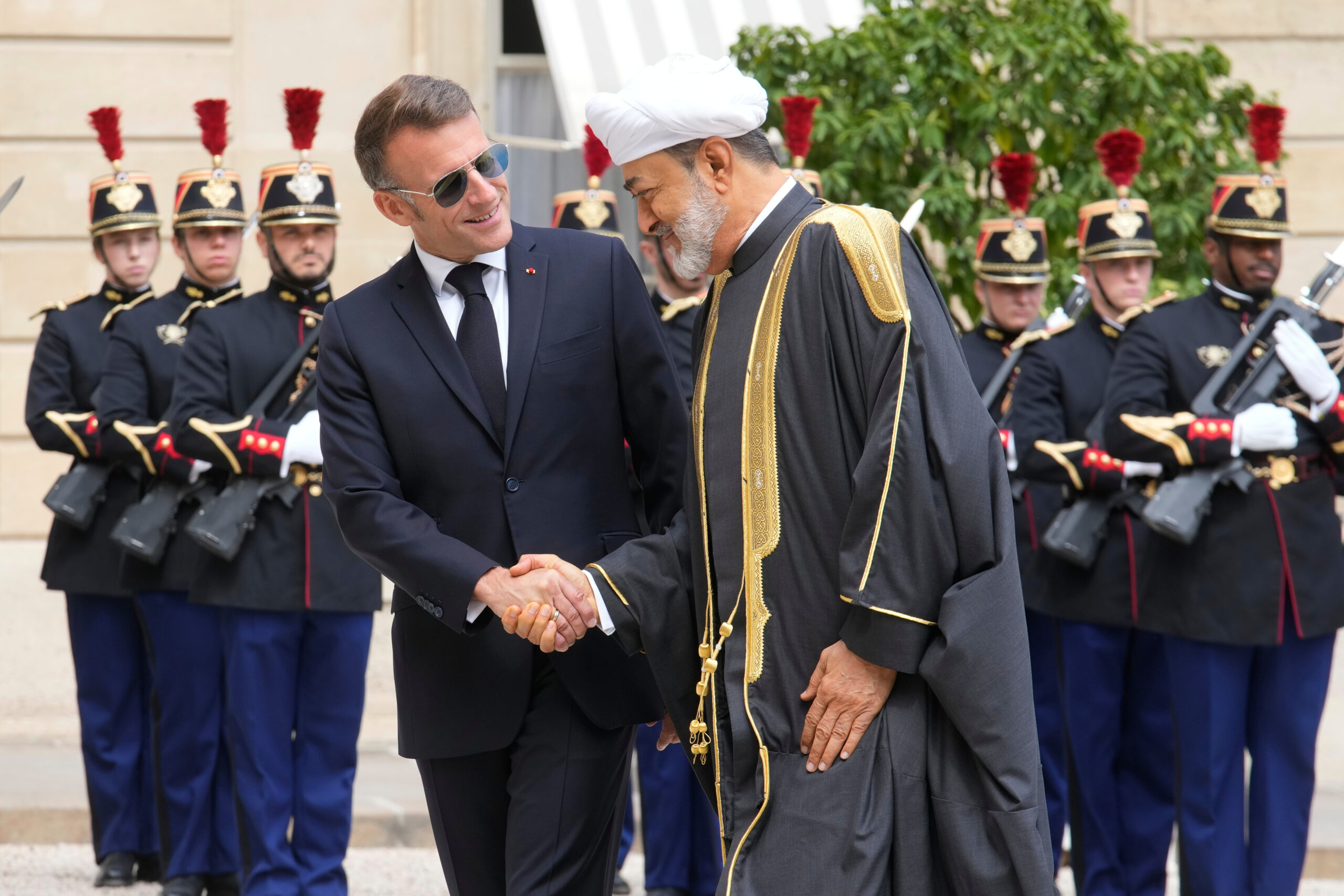
French President Emmanuel Macron, left, greets Omani Sultan Haitham bin Tariq al-Said before a meeting at the Elysee Palace, in Paris, June 29. (AP Photo/Michel Euler)
The diplomatic corridor between France and the Middle East has been especially busy of late. French President Emmanuel Macron visited Syria in early July, making him the first European head of state to visit the country since the fall of President Bashar al-Assad. Macron’s delegation included prominent business leaders, and French and Syrian counterparts signed a series of commercial deals and agreements during the trip. Bombs also exploded near Macron’s hotel, injuring at least 18 people and highlighting the persistent risks within Syria.
In late June, Omani Sultan Haitham bin Tariq al-Said completed an official visit to France – the first by an Omani ruler since 1989. A senior delegation comprising the deputy prime minister for defense affairs, foreign minister, chairman of the Oman Investment Authority, and minister of commerce, industry, and investment promotion accompanied the sultan. Government officials and business actors from the two countries also signed a flurry of major deals. The high-profile visit to Paris concluded without any security incidents.
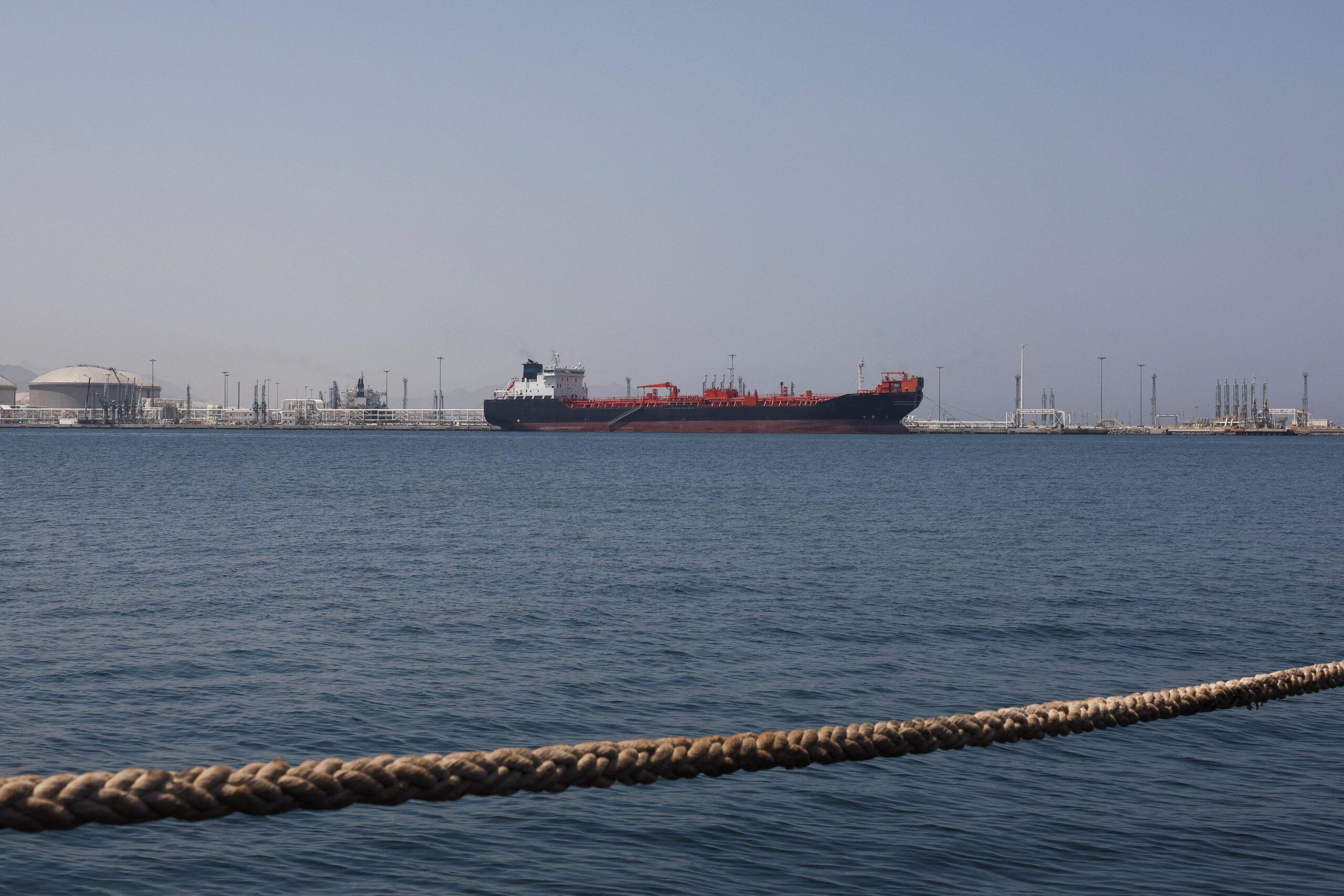
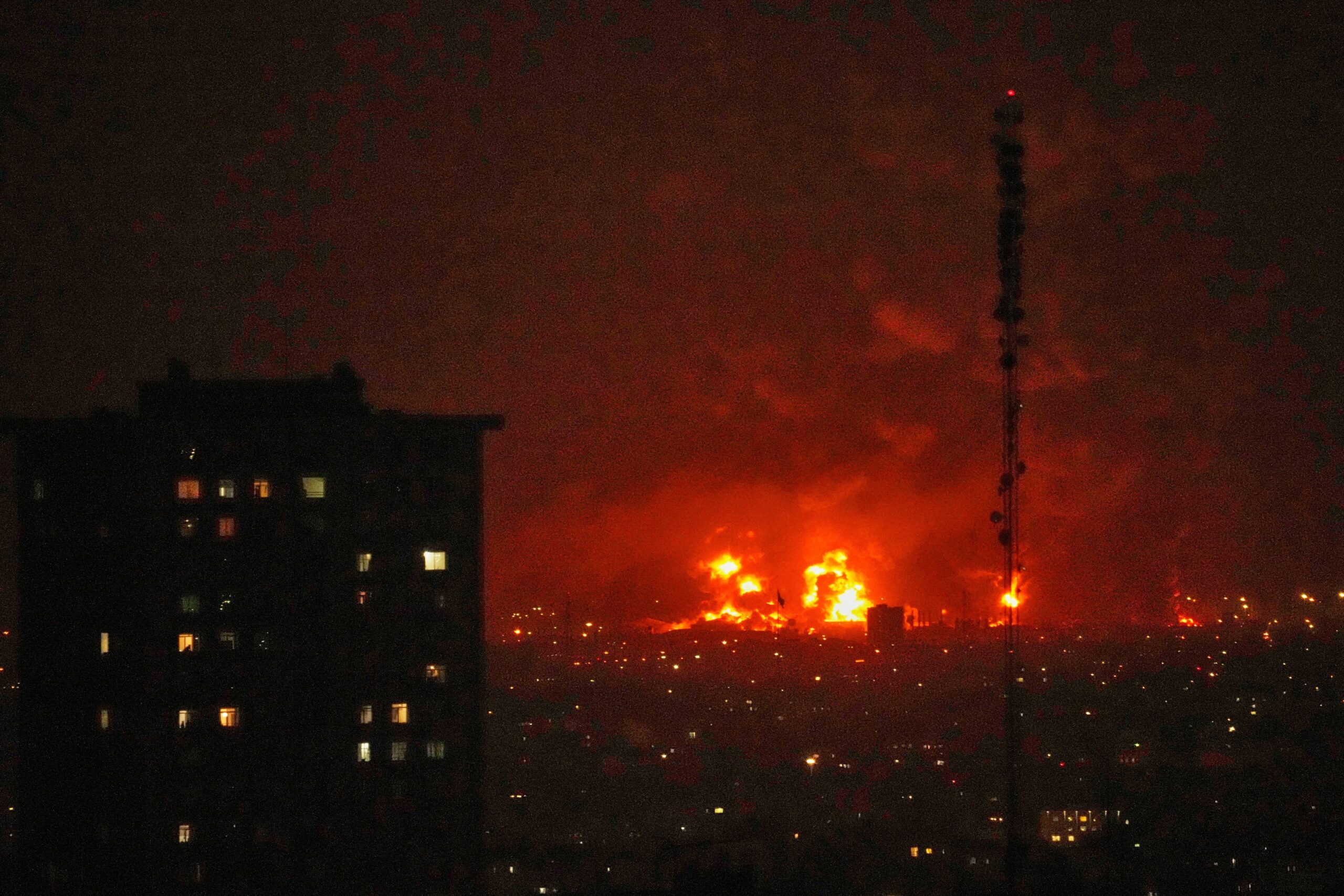
However, back in the Gulf region, fraught negotiations between Washington and Tehran have since devolved into renewed military exchanges and Iranian retaliatory attacks on neighboring Gulf Arab states. France has cautiously sought to engage with the persistent Iran war, which has direct implications for European interests. Following his meeting with Haitham, Macron indicated that France and Oman would cooperate on mine clearing in the Strait of Hormuz.
As France works to step into bigger regional shoes, its government and business actors are continuing to leverage deep ties to North Africa and flex diplomatic muscles in the Levant. Yet the Gulf offers France immediate opportunities for consequential diplomatic engagement and clear long-term commercial partnership potential. Greater French access and influence in the Gulf are critical for an effective broader Middle East policy, and the primary entry point will be economic.
Sectoral Synergies
Energy is an obvious starting point. Rising fuel prices following the outbreak of the Iran war pinched a number of French industrial sectors, highlighting the Gulf connection to energy security in France. Beyond risks associated with conflict in the Gulf, there are also plenty of regional opportunities. In July, the United Arab Emirates’ ADNOC announced a $6.2 billion final investment decision to develop the Umm Shaif Gas Cap with TotalEnergies as one of the key international partners. France’s EDF Group signed agreements with Omani entities for a hydroenergy storage project, solar power project, and sustainable digital infrastructure platform as part of the Omani delegation’s June visit to Paris. French multinational energy group Engie, which is active across all Gulf Cooperation Council countries, indicated in May that the Iran war has not prompted any revision to its Middle East development plans.
Shipping and logistics, port developers, and other companies focused on critical infrastructure represent another promising domain of cooperation. In late June, Asyad Group, Oman’s integrated logistics provider and a subsidiary of the OIA, signed a framework agreement with France-based CMA CGM Group to develop, manage, and operate a $400 million logistics terminal in Sohar. Nama Water Services and other Omani entities also signed an agreement with SUEZ Group to manage the greater Muscat water network. The 2 billion euro ($2.28 billion), 15-year contract is the company’s largest in the Middle East. An expected economic infrastructure buildout across the region will present more opportunities for French firms.
Sovereign wealth fund-focused collaboration presents another avenue to deepen economic ties. Indeed, the Saudi Public Investment Fund opened a Paris office in May 2025. European countries, including France, account for a much smaller share of assets under management in Gulf sovereign wealth fund portfolios compared with those from the United States and domestic holdings. However, any shifts in capital deployment trends driven by interest in enhancing the geographic diversification of portfolios or new geopolitical risk premiums on domestic Gulf assets could benefit European investment destinations.
Macron seems inclined to put forth effort from the European side. “We want as well more of the Omani investment to be present in France,” said the French president during Haitham’s June visit to Paris. In addition to deals involving large government-related entities and multinationals, sovereign wealth fund-enabled investments also support smaller-scale ventures. The OIA struck a strategic partnership agreement to launch a program supporting Omani startups seeking to expand into French and European markets.
French expertise in culture, the arts, and tourism resonates strongly with sectoral priorities in the region. Though the Iran war has dented foreign tourism to the region, Saudi Arabia, particularly, has sought to accelerate the development of these sectors. “French know-how is well aligned with Saudi ambitions,” explained the secretary general of the Federation of Saudi Chambers. There are approximately 500 French companies operating in Saudi Arabia, and around 30 of them have selected Riyadh as their regional headquarters.
Such alignment is clearly visible within French-Emirati relations too. The UAE hosts more than 600 French companies. The Louvre Abu Dhabi Museum – inaugurated in 2017 – is France’s largest cultural project abroad.
The Gulf Gateway
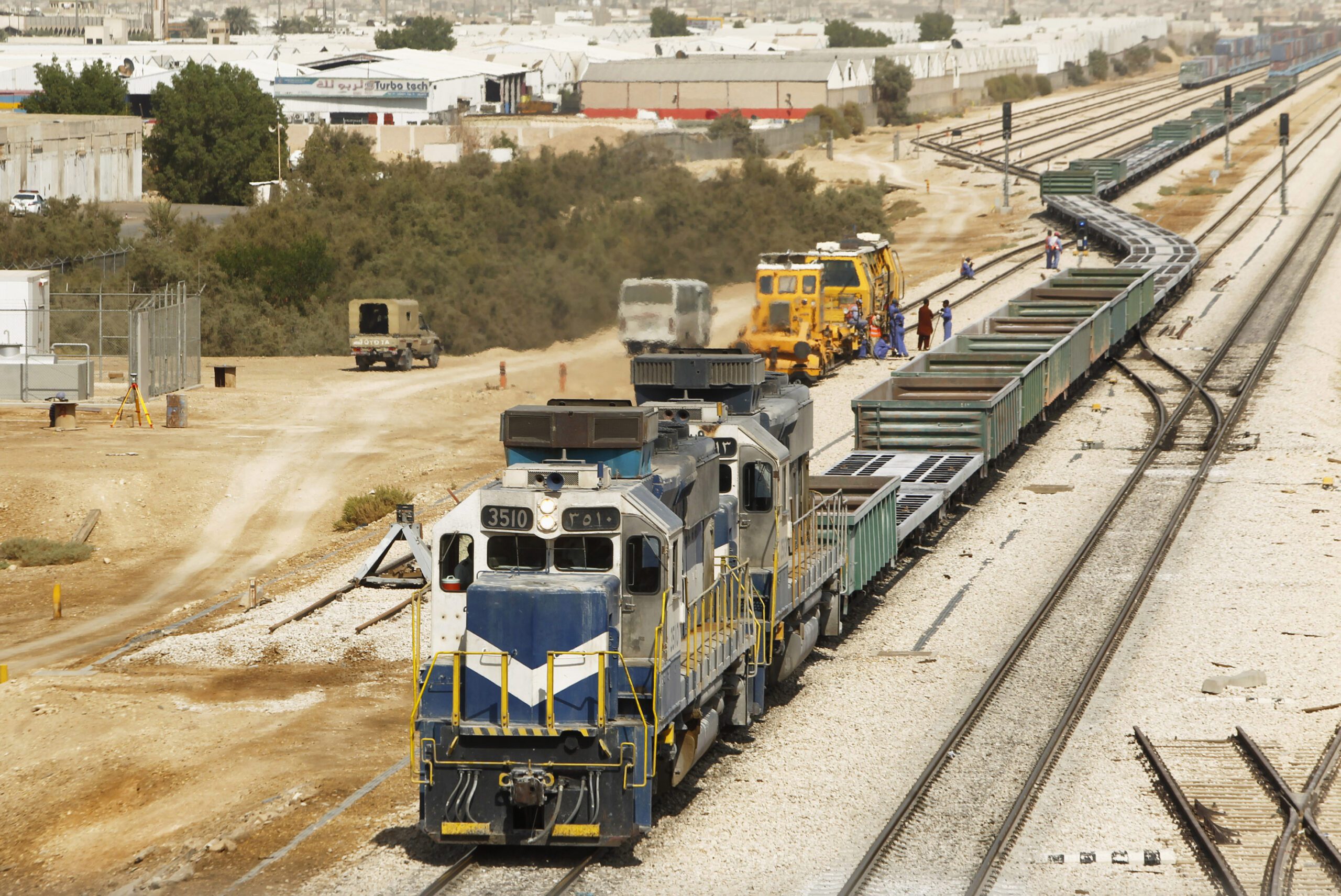
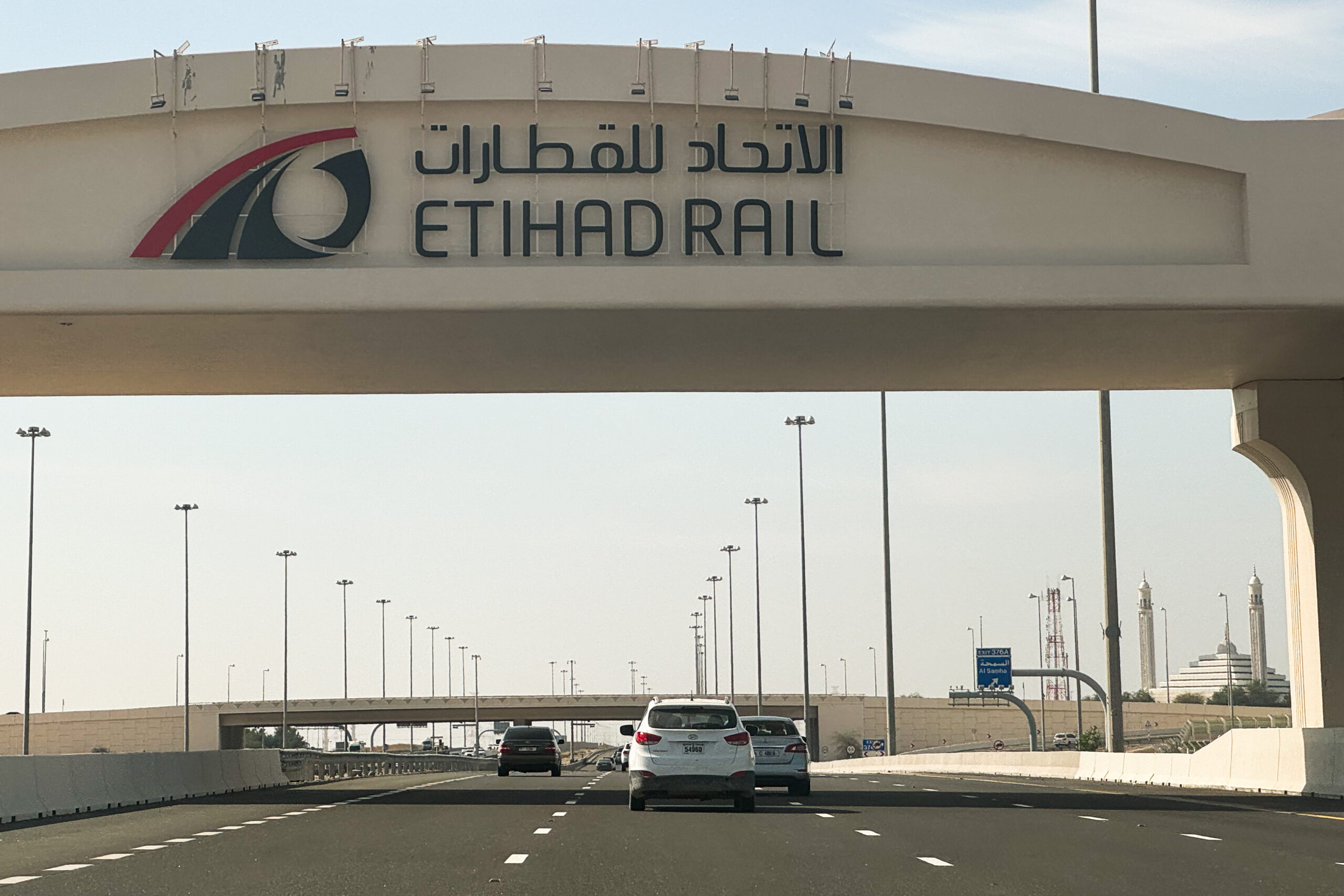
French regional influence may manifest through new and deepening linkages between the Gulf and rest of the Middle East. The Strait of Hormuz crisis is revealing new export routes between the Gulf and Levant. Indeed, Syria has assumed a newfound significance for Iraq, with Iraqi crude moving overland via tanker trucks through Syria, and plans to rebuild a Syrian-Iraqi oil pipeline. There are several other plans underway for multimodal bridges, rail connections, and even fiber-optic networks connecting the two subregions.
France is keen to see some regional corridors extend all the way to European markets while looping in other strategic international partners, such as India. France has championed the India-Middle East-Europe Economic Corridor – or IMEC – and even appointed in 2023 a special envoy for the corridor. While IMEC is unlikely to materialize precisely as originally envisioned, France’s early commitment to the initiative places the country’s government and business actors in a better position to engage proactively with diversifying trade routes and shifting strategic supply chains across the region.
North Africa is another domain where more economic collaboration between France and Gulf countries may unfold through joint investments and other commercial projects. Morocco is a key conduit of both French and Gulf investments. There are indications that Algeria is becoming a more favorable destination for Gulf investments, while recent tensions have strained French-Algerian relations, though signs of a thaw in ties have emerged this year.
Such tensions, however, appear manageable compared to those associated with the Iran war. A winding down of the conflict in the Gulf should give France’s economic ties to Gulf countries – in terms of bilateral or triangulated partnerships – more room to grow.
The views represented herein are the author's or speaker's own and do not necessarily reflect the views of AGSI, its staff, or its board of directors.
One silver lining of the Iran conflict may be the emergence of new, more durable foundations for regional economic integration via more agile trade corridors in the Gulf and beyond.
For the French president, hosting the two Gulf leaders in July may have been a calculated risk amid a more forgiving domestic and regional political context.
Despite the massive disruptions caused by the Iran conflict, how Bahraini policymakers address structural vulnerabilities moving forward will be the critical determinant of the country’s longer-term economic outlook.