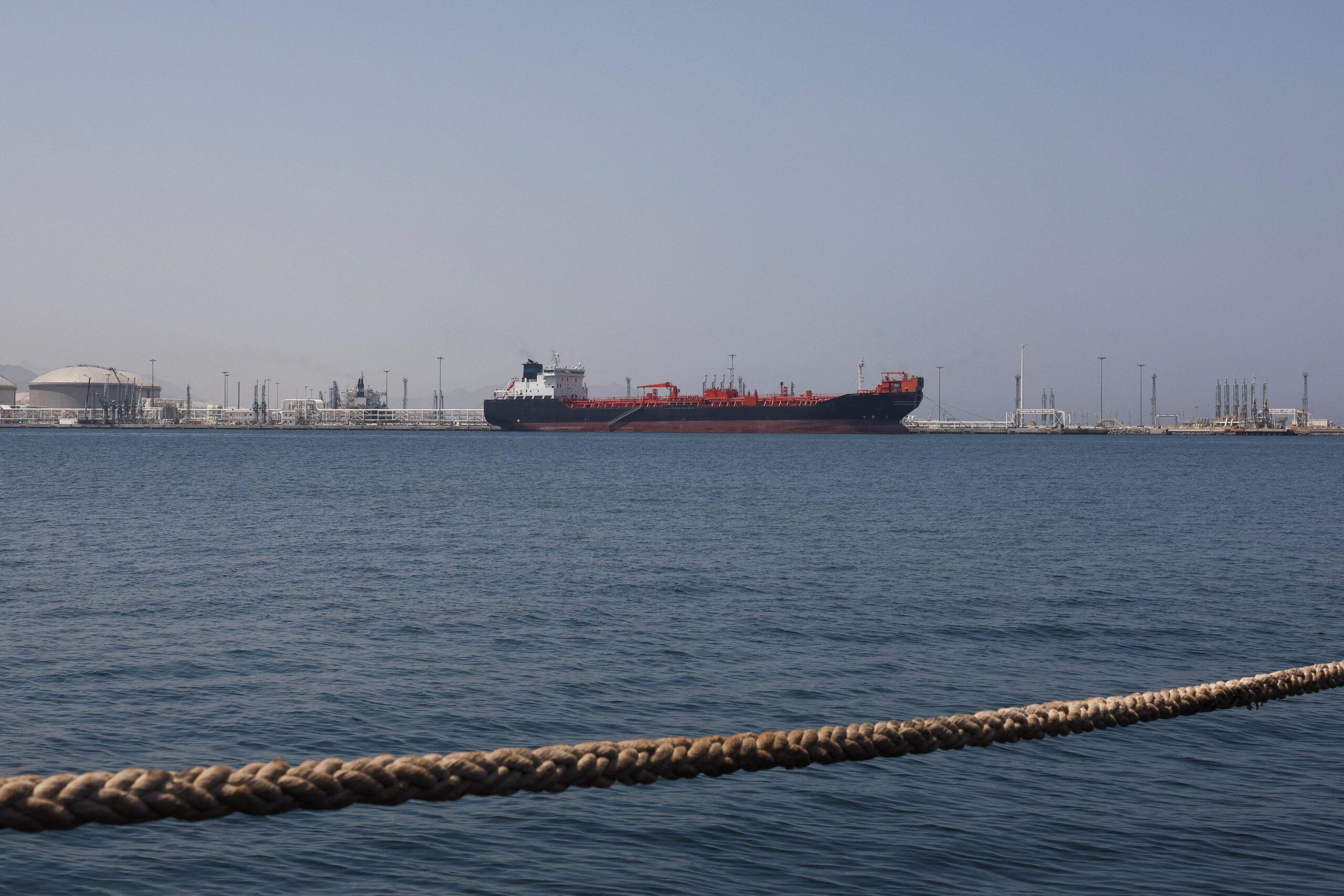
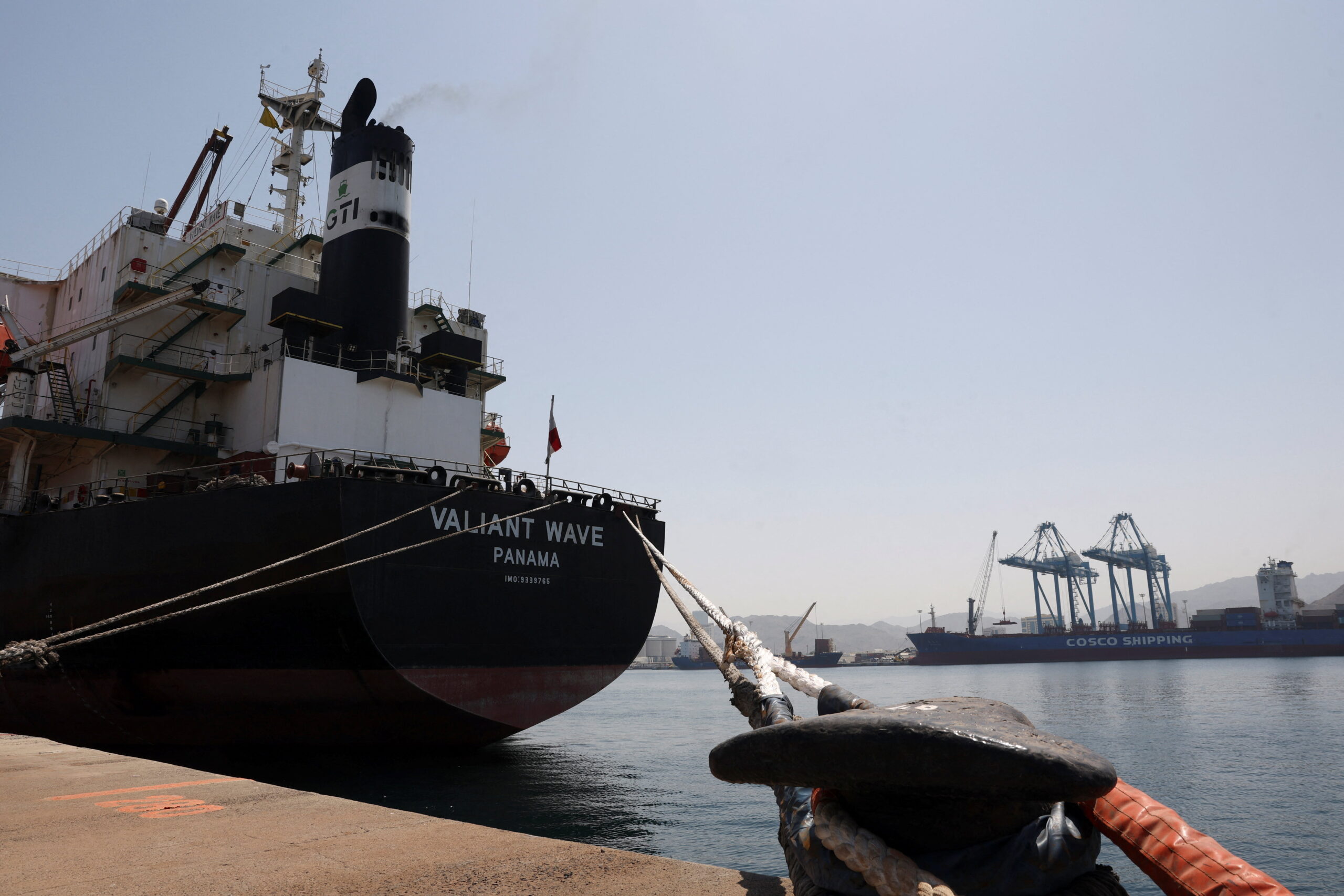
An oil Tanker at the Port of Fujairah in Fujairah, United Arab Emirates, May 6. (REUTERS/Amr Alfiky)
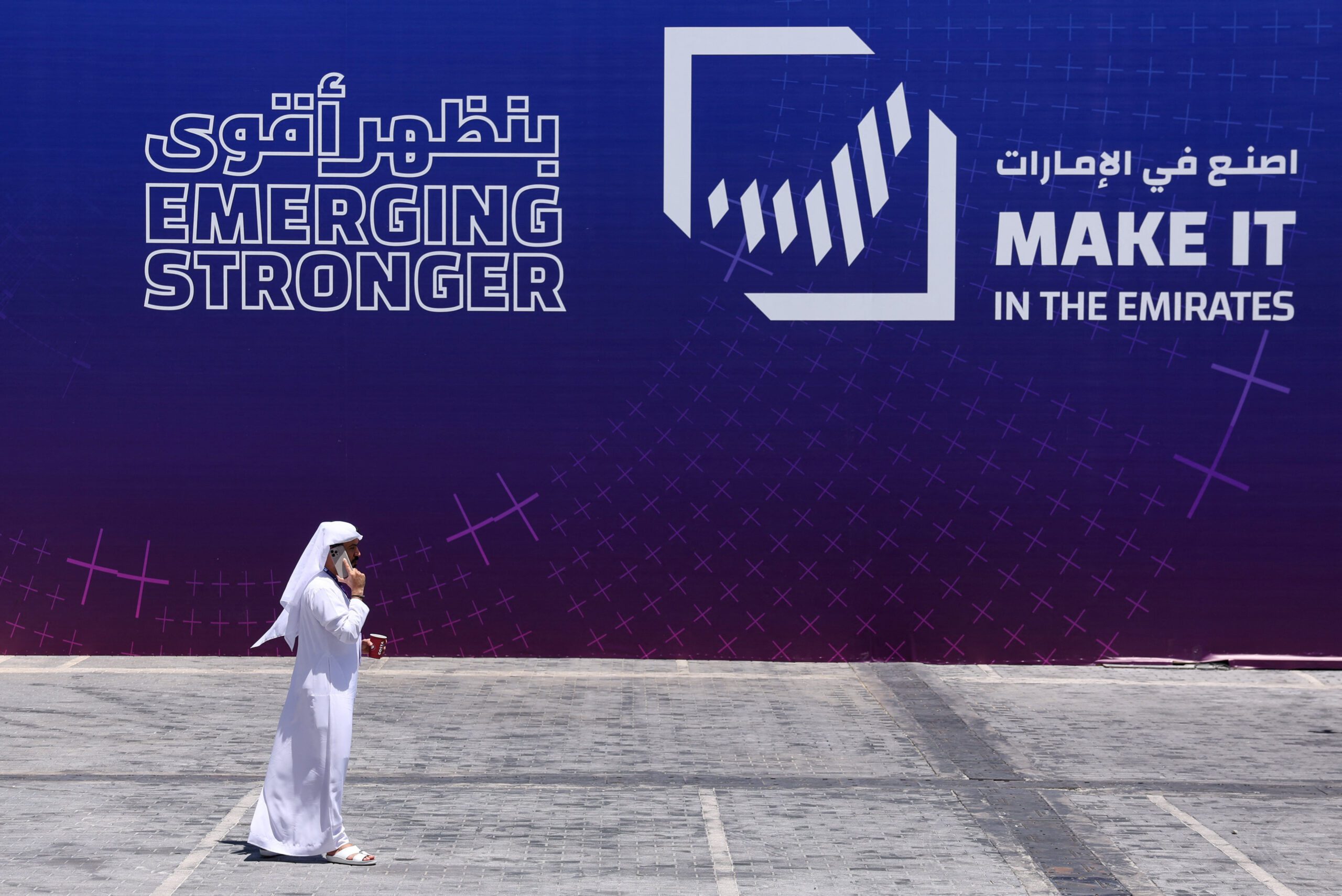
“The era of one strait, one port, one route is over,” proclaimed one official from the United Arab Emirates’ Ministry of Foreign Trade. Emirati Minister of Foreign Trade Thani Al Zeyoudi went one step further and indicated that his country wants to reduce its dependency on the Strait of Hormuz to “zero” – no matter what happens concerning maritime traffic in the crucial waterway.
Such statements – issued amid the lingering fog of war – reinforce the hyperfocus on Gulf ports’ geographic positioning, connectivity potential, and future capacities. These immediate concerns and associated longer-term interests are likely to persist long after the Iran war hostilities wind down and more normalized traffic returns to the strait.
From Too Many to Not Enough
Ports are crucial components of the region’s myriad logistics strategies. Yet this critical infrastructure also serves more immediate and strategic needs. Ports facilitate the exportation of most energy and other strategic commodities. Imports – from construction materials to food – matter a great deal too. More than 80% of Saudi Arabia’s imported food arrives by sea to ports in Jeddah and Dammam, though these figures are likely to adjust. Several other important economic activities take place in or around ports: bunkering, storage, refining, and warehousing.
Gulf countries have long sought to carve out competitive advantages for their ports, despite overlapping and duplicated regional infrastructure. Gulf port investors, developers, and operators even occasionally faced commercial competition from counterparts in the same country. However, regional concerns are moving from having too many ports to not enough – though a dense concentration of ports on the wrong side of the Strait of Hormuz will remain a challenge to commercial sustainability.
Those countries with coastlines outside the Strait of Hormuz are seeking to leverage this strategic positioning. Omani ports – namely those in Duqm, Salalah, and Sohar – posted a 27% year-on-year increase in net profits during 2025. Oman has continued to invest substantial political and financial investments in the Duqm Port and special economic zone since its creation in 2011. Iranian attacks targeted the commercial port in Duqm as well as an oil tanker off the coast of Oman in the early days of the war, but the limited attacks are unlikely to deter Duqm’s commercial trajectory.
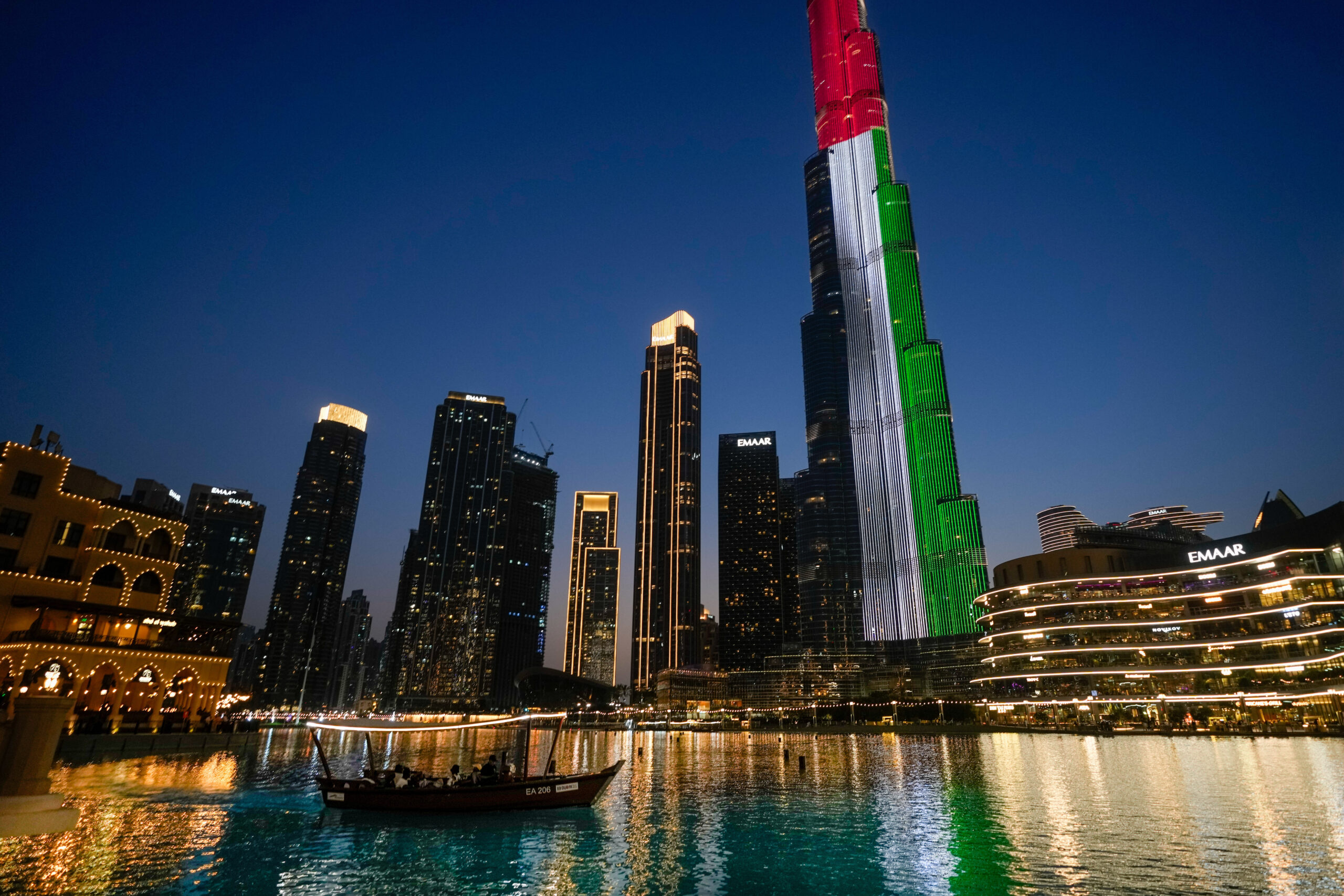
Associated commercial infrastructure around Gulf ports is also likely to see a boost of interest. In May, Oman’s Public Authority for Special Economic Zones and Free Zones announced agreements and memorandums of understanding expected to bring in around $7.5 billion. The UAE – in particular Dubai – represents the region’s gold standard for building out logistics and commercial hubs around ports.
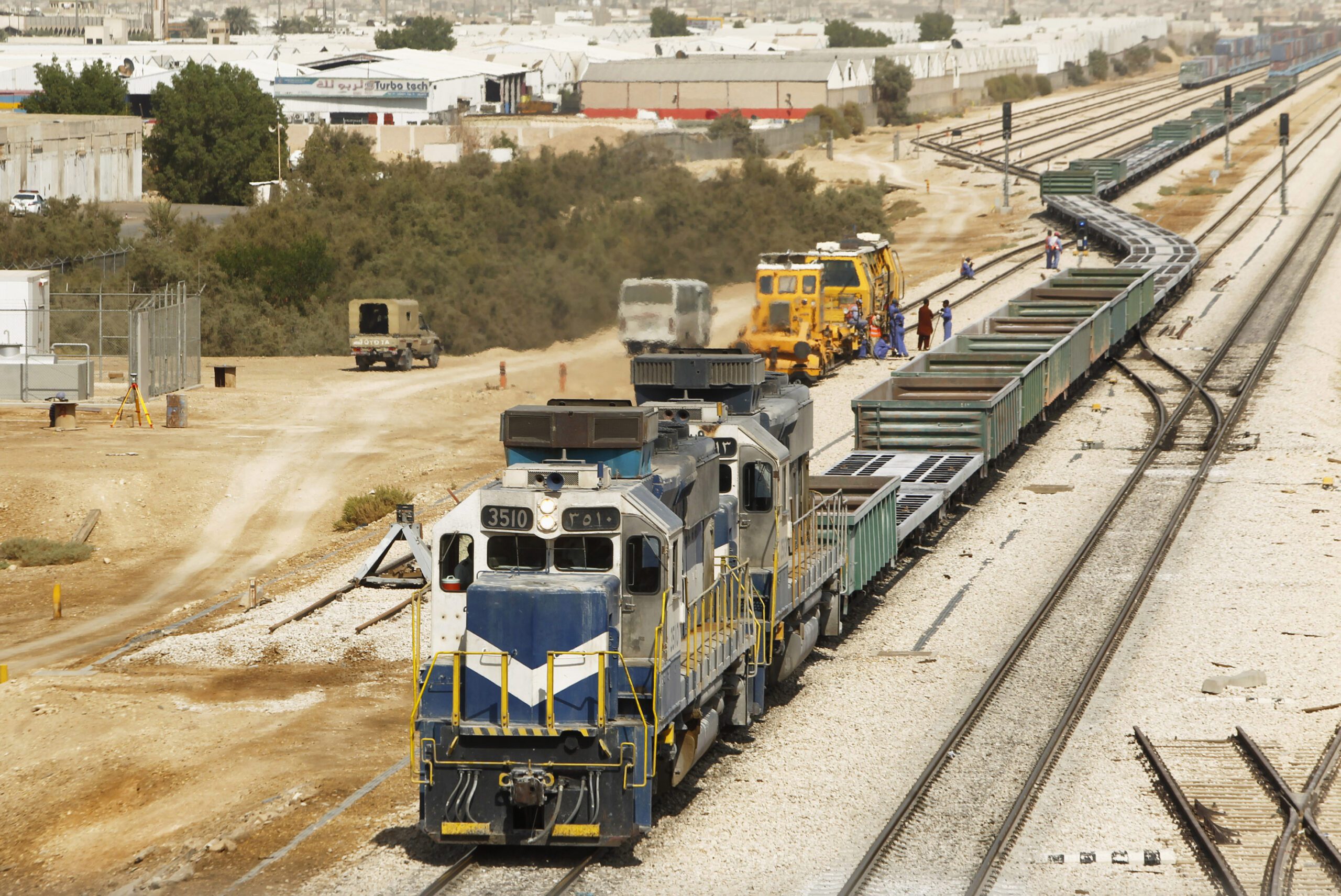
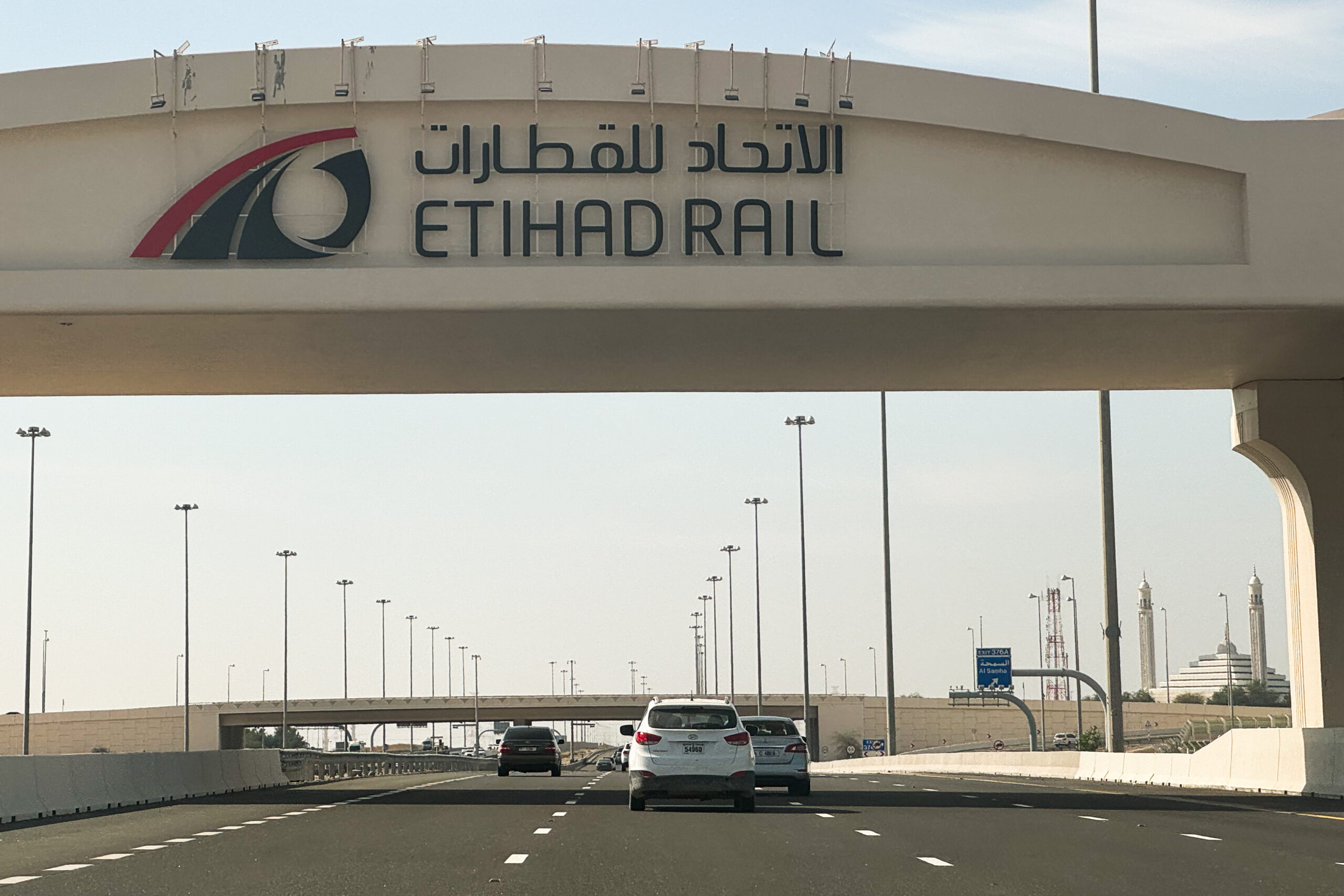
The UAE’s efforts to reduce its dependence on the Strait of Hormuz will provide a commercial boost to Emirati ports in Fujairah, Dibba, and Khor Fakkan. In addition to expanding these eastern ports, the UAE intends to build a new harbor and develop more connectivity infrastructure – pipelines, railways, and road networks – between the country’s ports.
Shifting commercial momentum, however, may have unintended consequences. Key port and logistics hubs located on the wrong side of the strait – for example the port and free zone at Jebel Ali, which alone accounts for nearly one-quarter of Dubai’s foreign direct investments – will likely confront economic headwinds. Emirati officials will keep promoting the longer-term attractiveness of the sector nonetheless: Abu Dhabi launched a maritime investment guide to help boost international business in early July.
In contrast, the prospects of other Gulf development initiatives with key port components may start looking rosier. Saudi Arabia’s Neom announced a new multimodal land bridge aiming to better connect Europe, Egypt, and the Gulf through the port of Neom. Prior to the outbreak of the Iran war, Saudi authorities began reassessing the development and spending priorities associated with Neom, resulting in many dimensions of the gigaproject being scaled back or delayed.
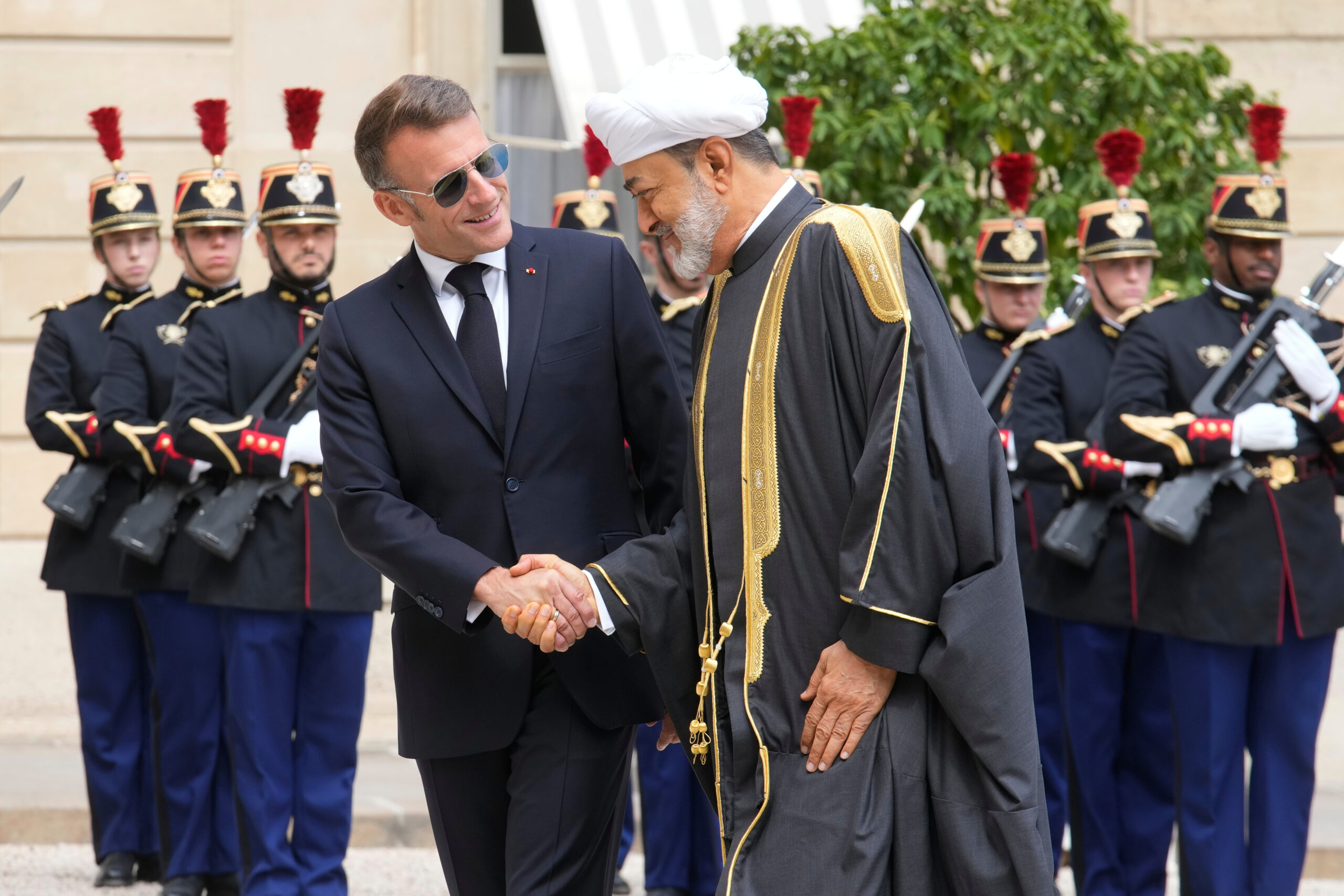
Regional port authorities and related government entities – including Saudi Arabia’s Mawani, AD Ports and DP World in the UAE, and Oman’s Asyad Group – are going to be key commercial actors in the months and years ahead. During an official visit of Omani Sultan Haitham bin Tariq al-Said to Paris in late June, Asyad Group, Oman’s integrated logistics provider, signed a framework agreement with France-based CMA CGM Group to develop, manage, and operate a $400 million logistics terminal in Sohar. Also in June, AD Ports and Emirates Global Aluminium announced plans to jointly invest nearly $23 million to develop Khalifa Port’s infrastructure with the goal of enabling larger vessels and bulk-handling volumes. There will be more where that came from.
There is also a growing commercial space for other, smaller commercial actors operating in and around the critical infrastructure domain that ports occupy. The artificial intelligence startup 1001, which uses AI to boost the efficiency of ports and other critical infrastructure in the Gulf region, has just raised $30 million in its latest funding round led by U.S. venture firm Lux Capital and Sanabil, a unit of the Saudi sovereign wealth fund.
Outward Expansions
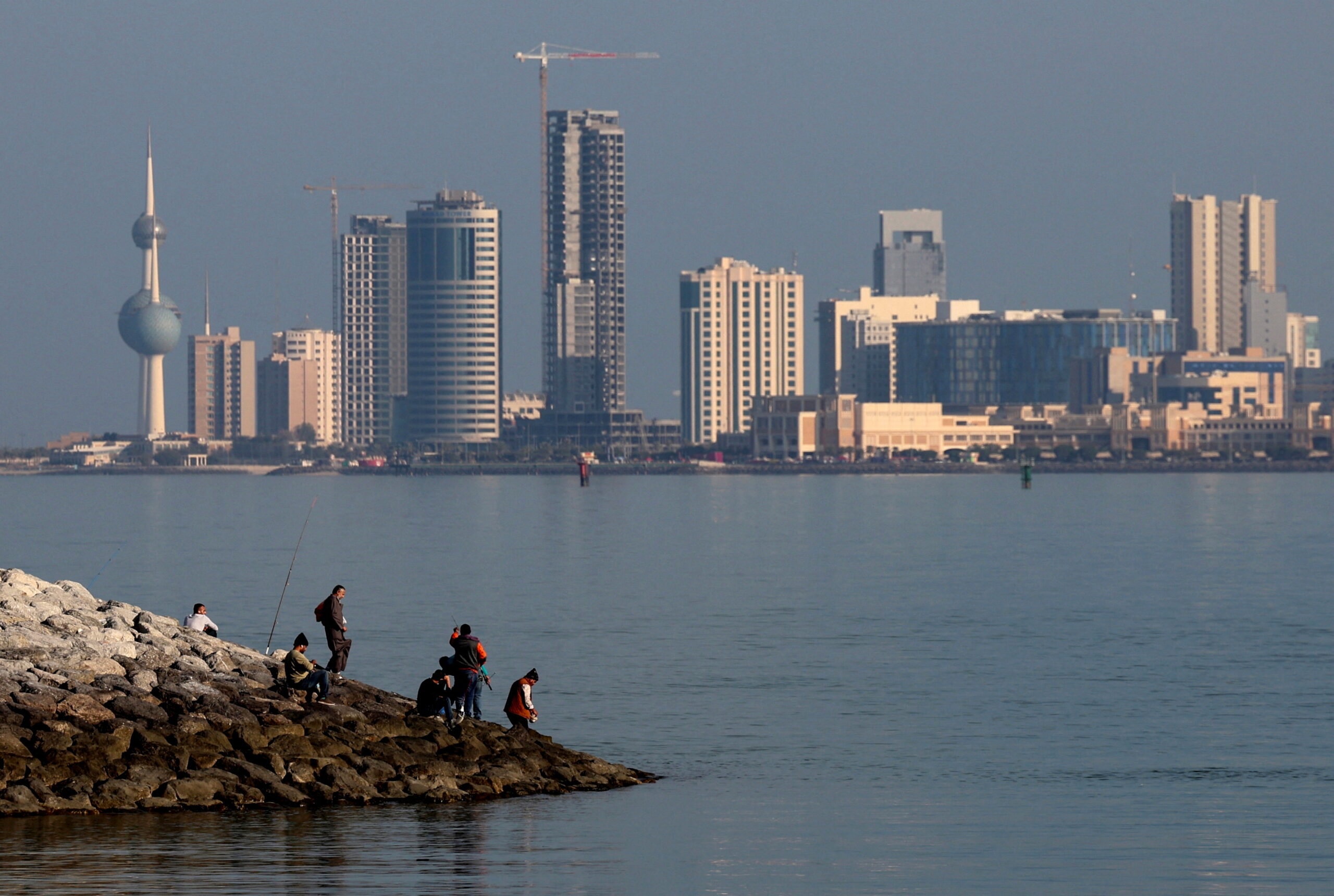
Port-related expansions are unfolding across Gulf countries, but Qatar, Kuwait, and Bahrain have more limited geographic capacity to mitigate risks related to the Strait of Hormuz than their fellow Gulf Cooperation Council member states. These three GCC states will therefore need to find ways of enhancing port linkages to alternate export routes through customs corridors, port-sharing agreements, and multimodal bridges with neighboring countries.
Some of this is already happening. In March, Saudi Arabia’s Mawani launched a new maritime link with Bahrain via MSC’s Gulf Shuttle service. The Saudi port authority had signed a memorandum of understanding with Qatar Ports Management Company on February 18 to boost maritime and logistics cooperation. Kuwaiti and Saudi business leaders are discussing prospects for building integrated regional logistics systems incorporating ports and other critical economic infrastructure.
Outward investment flows from the Gulf into global ports adjacent to the region or beyond is another intriguing space to watch. Saudi investors appear to be weighing deeper investments in Pakistani ports, shipping, and logistics. Meanwhile, Abu Dhabi’s efforts to consolidate its holdings of Egypt’s Alexandria Container & Cargo Handling Company, which operates the Alexandria and El Dekheila ports, highlights Emirati influence in the important North African country’s port sector.
Gulf stakes in strategic ports and related commercial entities can help to strengthen supply chains and enhance the resilience of the region’s logistics corridors. Such investments are unlikely to involve bargain prices nor will the successful domestic development of Gulf port infrastructure be a cheap undertaking. But Gulf governments and businesses have precious few alternatives for the moment.
The views represented herein are the author's or speaker's own and do not necessarily reflect the views of AGSI, its staff, or its board of directors.
The revived Hejaz Railway could become one of the region’s most significant transportation and integration projects as a land route connecting Europe to the Gulf.
The announcement of a new defense-focused free zone in Abu Dhabi emerges at a moment of acute national security concern but relies on an established economic development playbook.
One silver lining of the Iran conflict may be the emergence of new, more durable foundations for regional economic integration via more agile trade corridors in the Gulf and beyond.
The UAE’s decision to halt trade and commercial ties with Iran reflects an exercise in applying carefully calibrated geoeconomic pressure amid an uncertain and evolving geopolitical context.
France is positioning to be a more influential actor across the Middle East, but the European powerhouse is most likely to see immediate traction on the economic tracks that run to and from the Gulf.