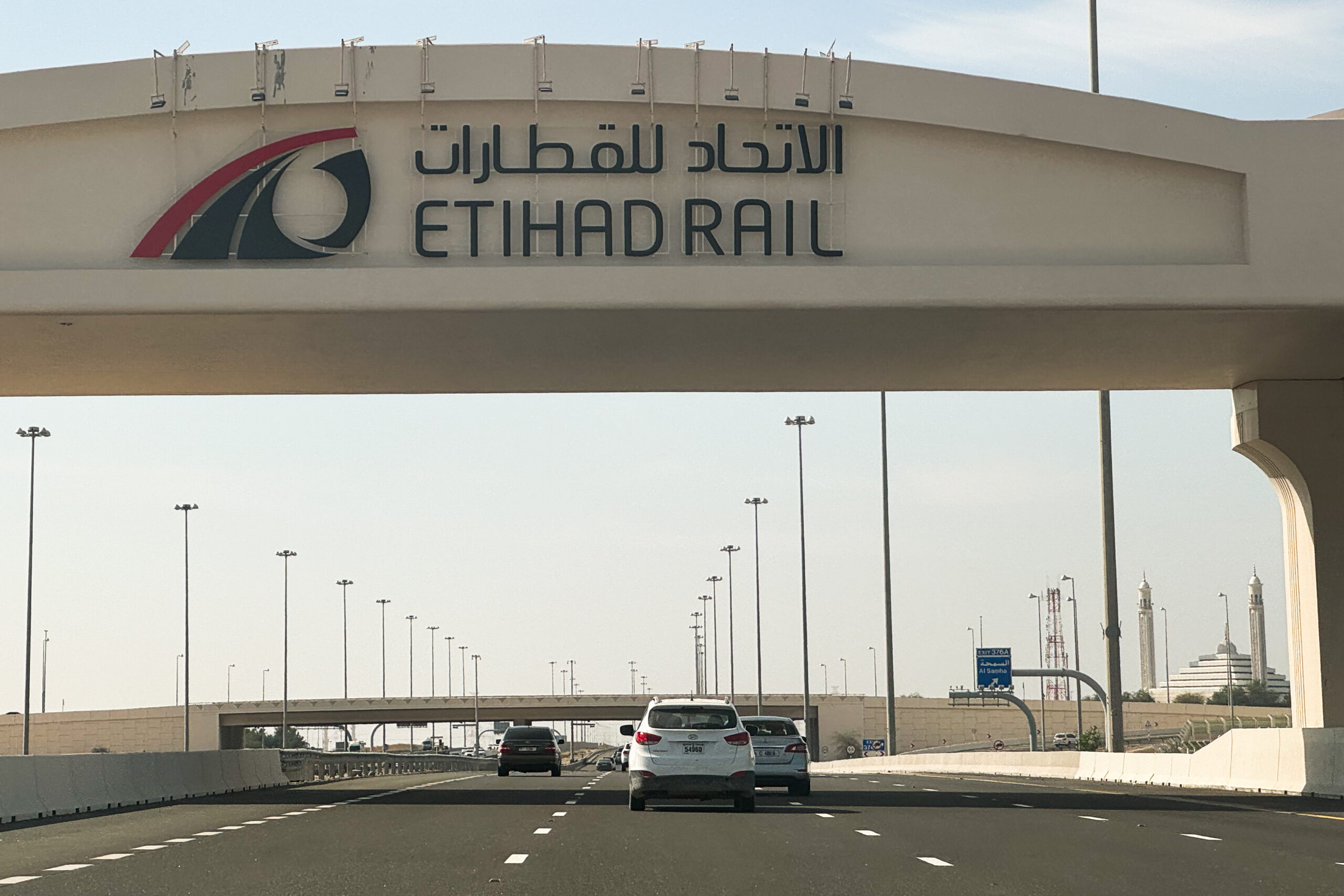
Etihad Rail is seen above a highway in the United Arab Emirates, November 26, 2023. (Photo by Jakub Porzycki/NurPhoto)
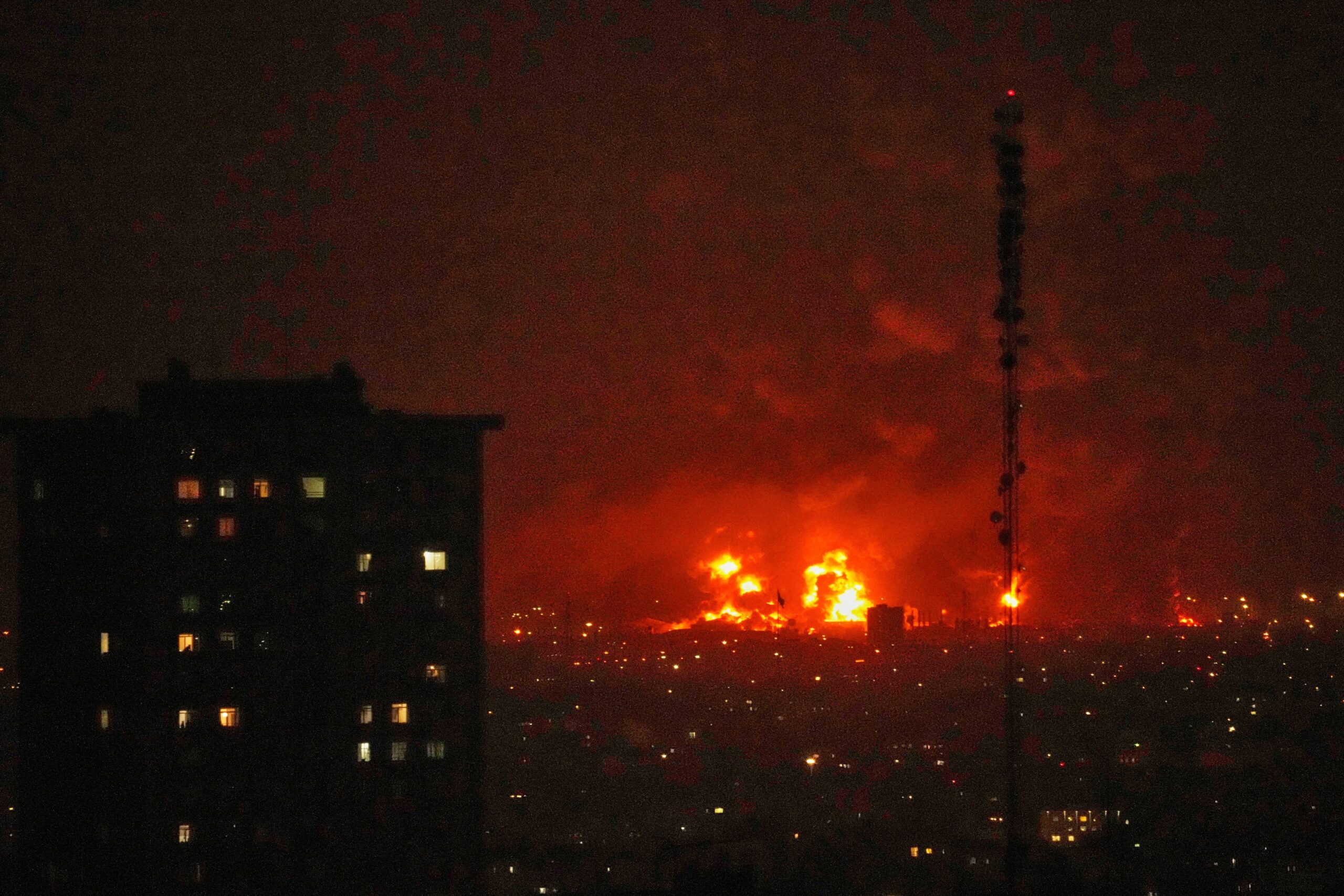
The Iran war has now persisted for six months. Prior to the war, Gulf Arab states captured the attention of governments and the global business community with massive investment commitments – especially in the U.S. economy – and ambitious technology agendas. Robust Gulf sovereign wealth fund investments and a steady stream of economic diversification initiatives have held the interest of investors and multinational firms for years. These activities are still underway, despite conflict-induced macroeconomic uncertainty.
Yet a new feature of the region’s economic landscape has emerged amid the prolonged Iran war: a major, Gulf-driven economic infrastructure buildout. This expansive and multifaceted development process is likely to continue apace regardless of the near-term outcome of the conflict. While bypassing the Strait of Hormuz is a key objective, economic infrastructure ambitions are much broader in scope than simply building pipelines around the strait and ensuring flows of goods and people to and from the region via rail, road, and other corridors. The economic infrastructure buildout is already moving in multiple directions at once, with significant implications for the region and beyond.
Bridging the Gulf
Within the Gulf region, three clear directions of development are taking shape. First, there is a westward shift of economic momentum benefitting Saudi Arabia. The country’s East-West pipeline can transport roughly 7 million barrels per day of crude oil to the Red Sea, providing a route that bypasses the Strait of Hormuz, and the Saudis are considering expanding the pipeline capacity and Red Sea export infrastructure. Broader economic corridors and connectivity initiatives intended to reduce dependency on the strait will further strengthen Saudi Arabia’s position as a trade and logistics node.
Saudi officials are positioning the port of Neom – part of the gigaproject owned by the Saudi Public Investment Fund currently undergoing a strategic revision of its development plan – within a multimodal economic corridor connecting the Gulf with Egypt and Europe. One Saudi commentator has described a strategic pivot from a recalibrated Neom to wartime logistics as “one of the Saudi state’s defining strengths.” Renewed Saudi-Houthi tensions, however, pose a threat to Saudi efforts to become an indispensable node in regional economic corridors, which requires stability in and access to the Red Sea corridor.
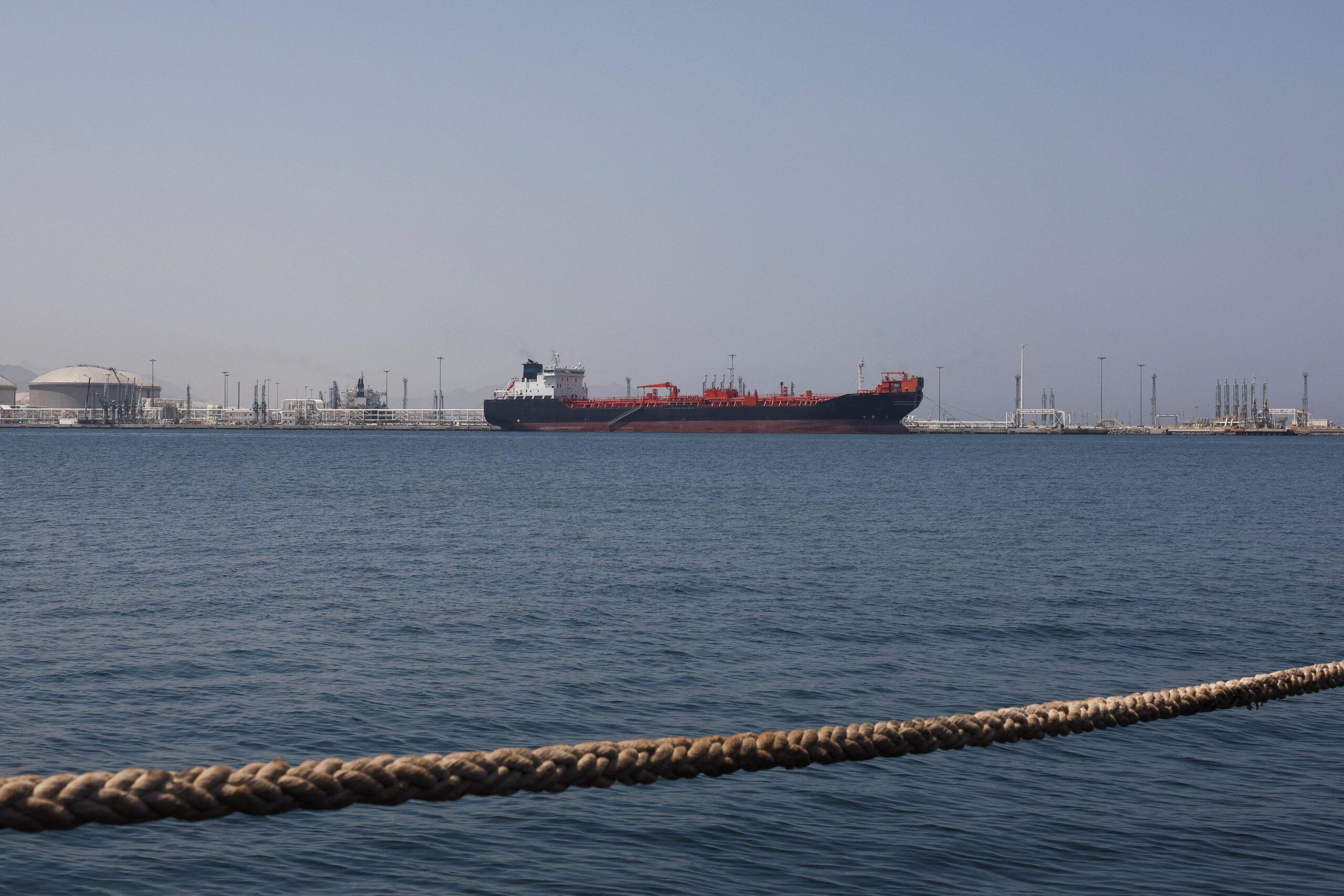
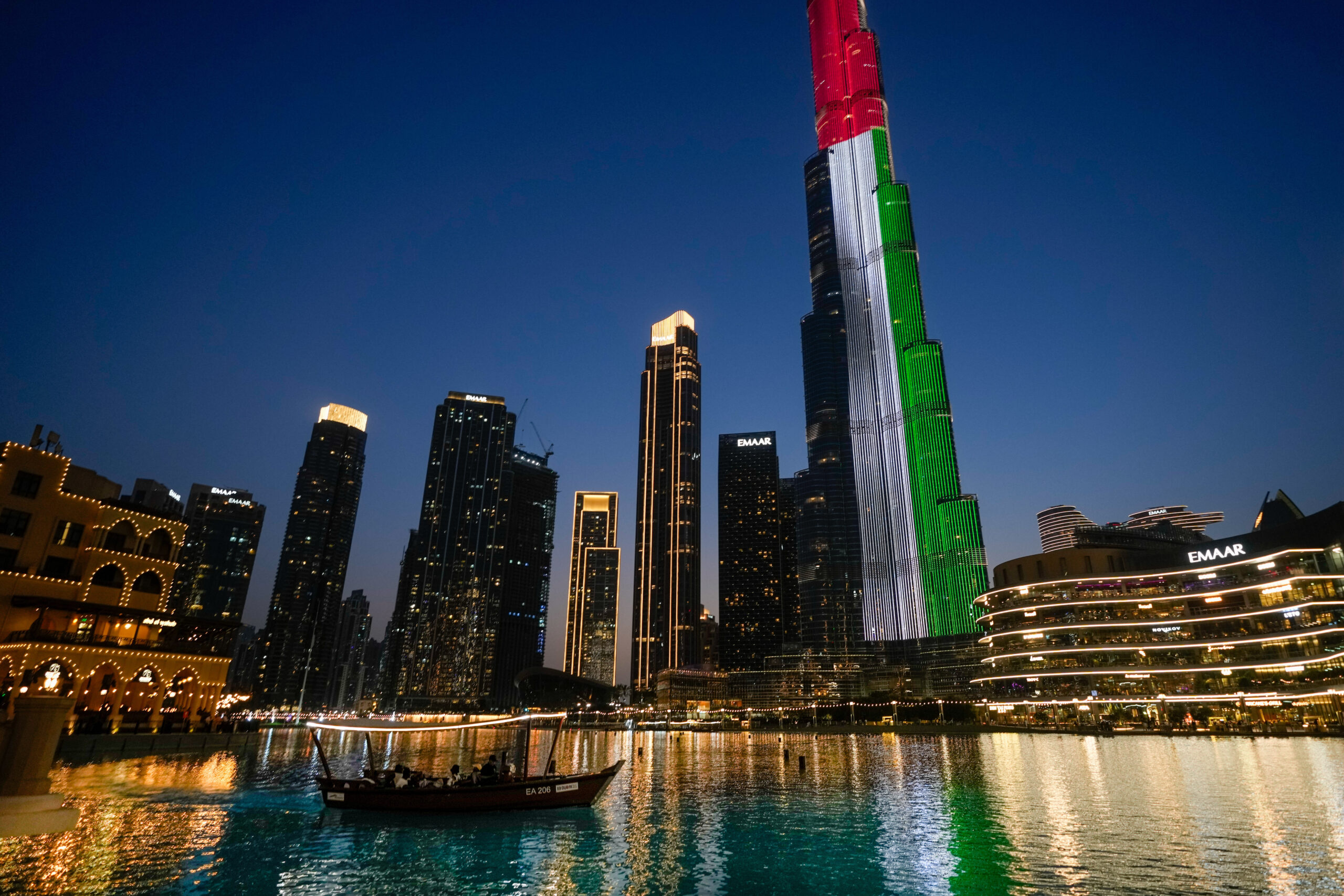
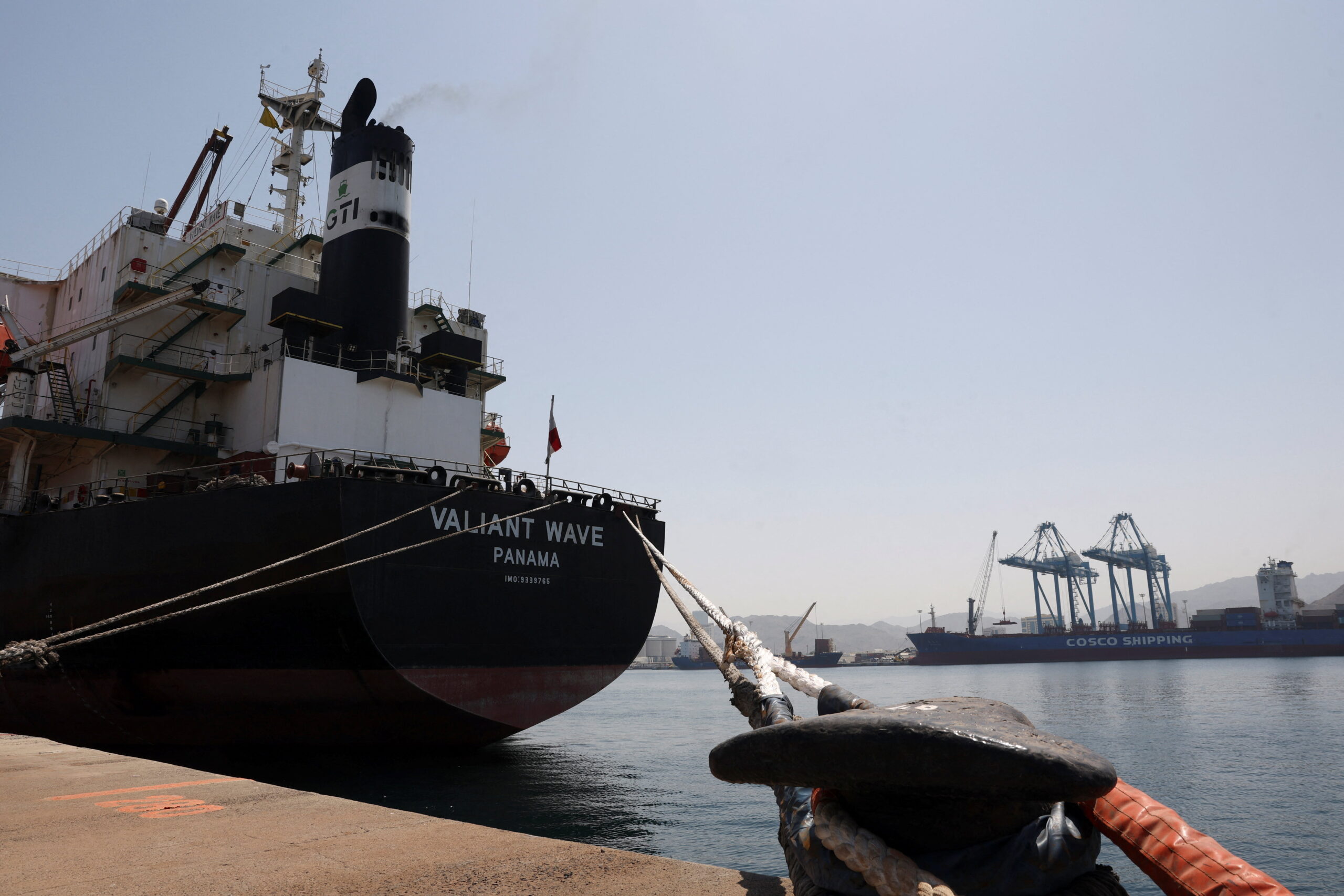
Second, the United Arab Emirates is at the forefront of an eastward development push, as the country advances plans to reduce dependency on the strait and builds up critical commercial infrastructure on its eastern coast. Abu Dhabi aims to double its oil export capacity by accelerating the development of a new energy corridor, the West-East pipeline, to complement the existing Habshan-Fujairah pipeline. The eastern hubs of Fujairah, Dibba, and Khor Fakkan are slated to rise dramatically in geoeconomic significance.
Dubai-based DP World is increasingly using inland routes to move goods across the country. DP World’s flagship free zone, Jebel Ali, is utilizing new fast-tracked bonded corridors to link logistics hubs on the east coast. The company recently added 700 trucks to boost cross-border and domestic freight capacity and is positioning container depots “for future rail-based container movement through Etihad Rail.” DP world is also using Red Sea routing options through the Jeddah Islamic Port and established a bonded corridor with Sohar in Oman.
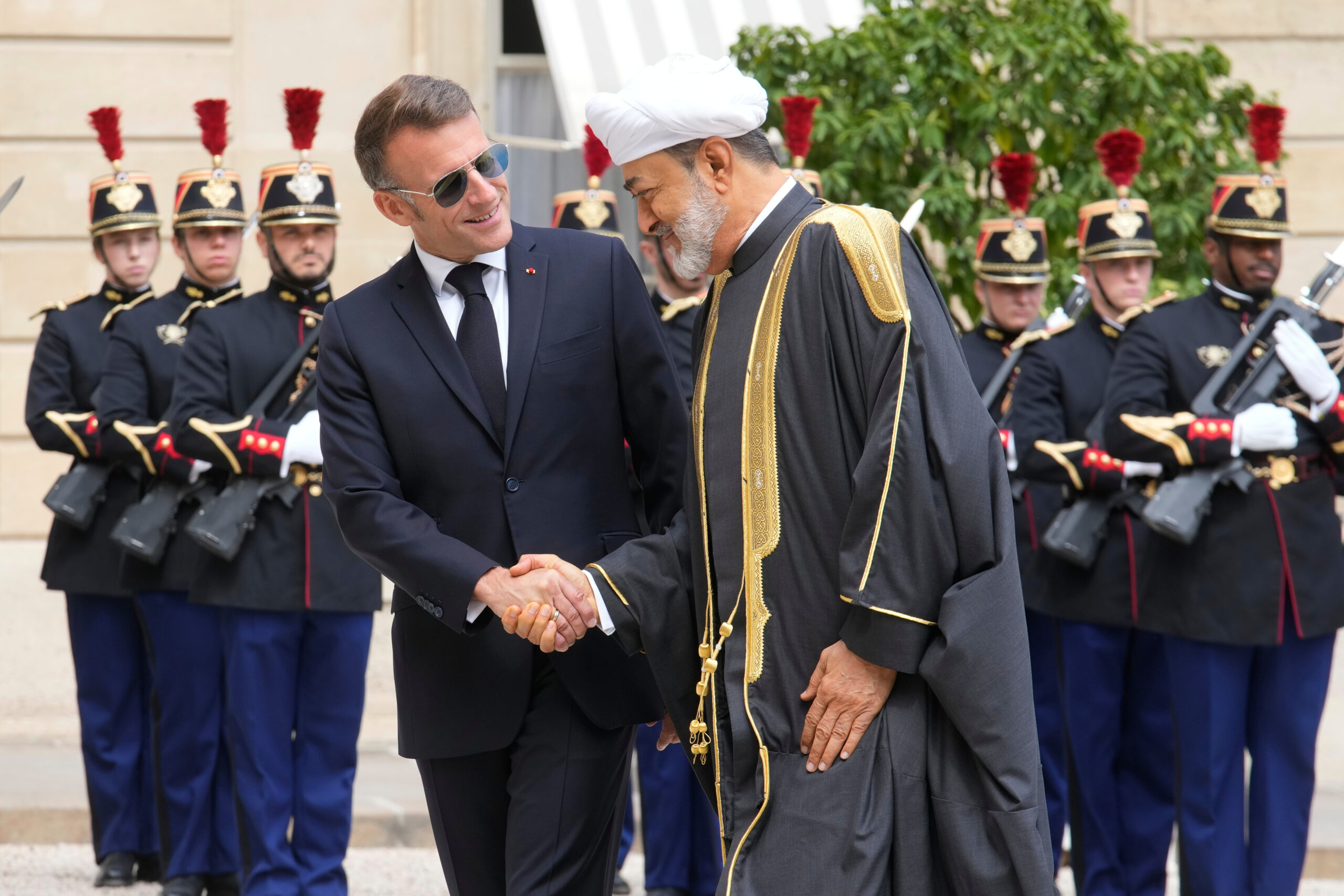
Third, a push into the southern Gulf to avoid the region’s critical chokepoints stands to benefit Oman. The country’s deep-water ports – in Sohar, Duqm, and Salalah – and its logistics hubs are located outside of both the Strait of Hormuz and Bab el-Mandeb. Immediately after the initial strikes of the Iran war, the customs departments of Dubai and Oman launched a Green Corridor. What was supposed to be a temporary initiative to reroute goods arriving in Oman for overland transport to the UAE through the Hatta border crossing now appears to be a more permanent fixture. Muscat is also leading negotiations with Tehran over future transit corridors through the Strait of Hormuz. Neighboring Gulf states hope that Oman can secure acceptable arrangements with Iran for passage through the strait – even if this may eventually involve some form of payment for secured maritime transit.
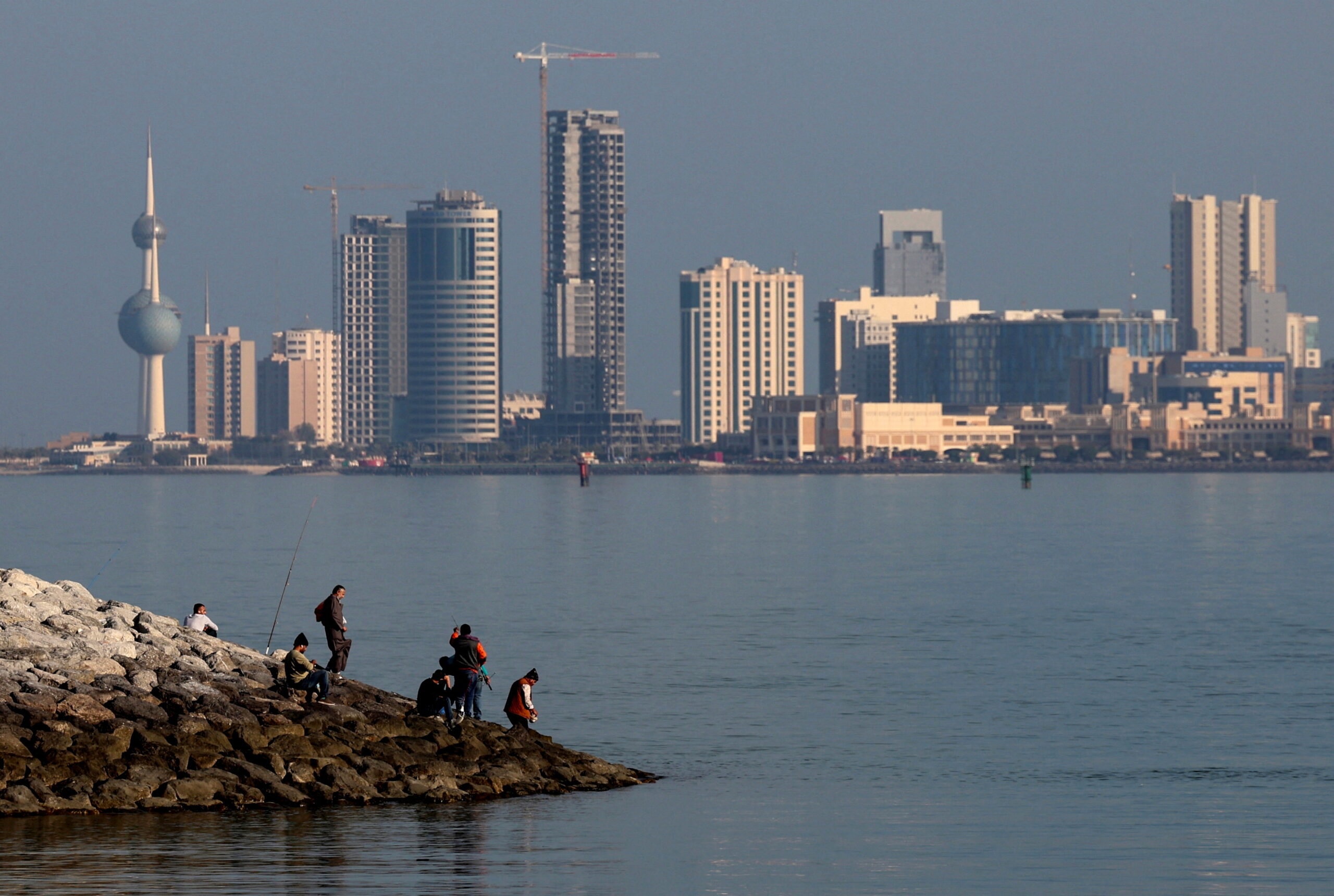
The remaining Gulf Cooperation Council states of Bahrain, Qatar, and Kuwait possess greater geographic constraints when it comes to developing corridors to bypass the Strait of Hormuz. These countries do stand to benefit from regional economic corridors developed by neighbors – provided they can forge durable economic infrastructure connections. Some maritime links are already in place, and rail networks are gaining steam. The GCC Railway project offered a convenient prewar foundation to build upon. There are also regional discussions over sharing expanded pipeline capacity, though meeting regional demand may conflict with national interests.
Into the Region and Beyond
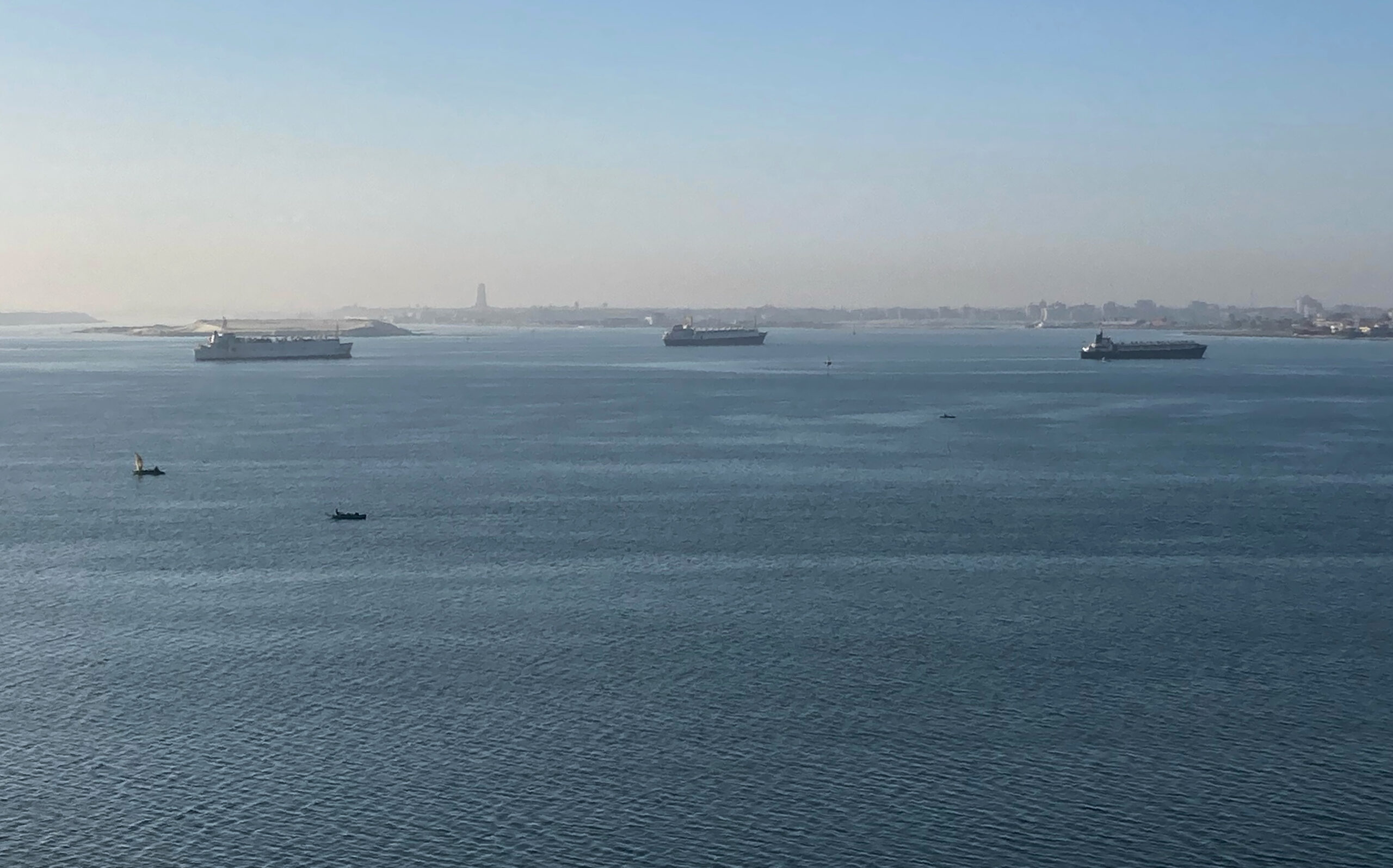
The direction of economic infrastructure buildout likewise extends out into the broader Middle East. Iraq is seeking alternative overland transit routes to the Mediterranean Sea through Syria, with support from other Gulf countries and the United States. Indeed, Washington welcomed the signing of a memorandum of understanding to revive the Kirkuk-Baniyas oil pipeline. Both Turkey and Lebanon offer other Mediterranean outlets. Egypt – with its Suez-Mediterranean, or Sumed, pipeline and Suez Canal – “has become the indispensable transit state linking Saudi Arabia’s Red Sea infrastructure with global markets,” according to energy analyst Kate Dorian.
Gulf countries will seek more regional and international opportunities to shift critical economic activities closer to key markets. Saudi Aramco, for example, is considering expanding its global storage facilities. Gulf governments and government-related entities are likely to explore ways to boost other important commercial capabilities – including refining, bunkering, and warehousing – beyond the region too as part of their threat mitigation strategies.
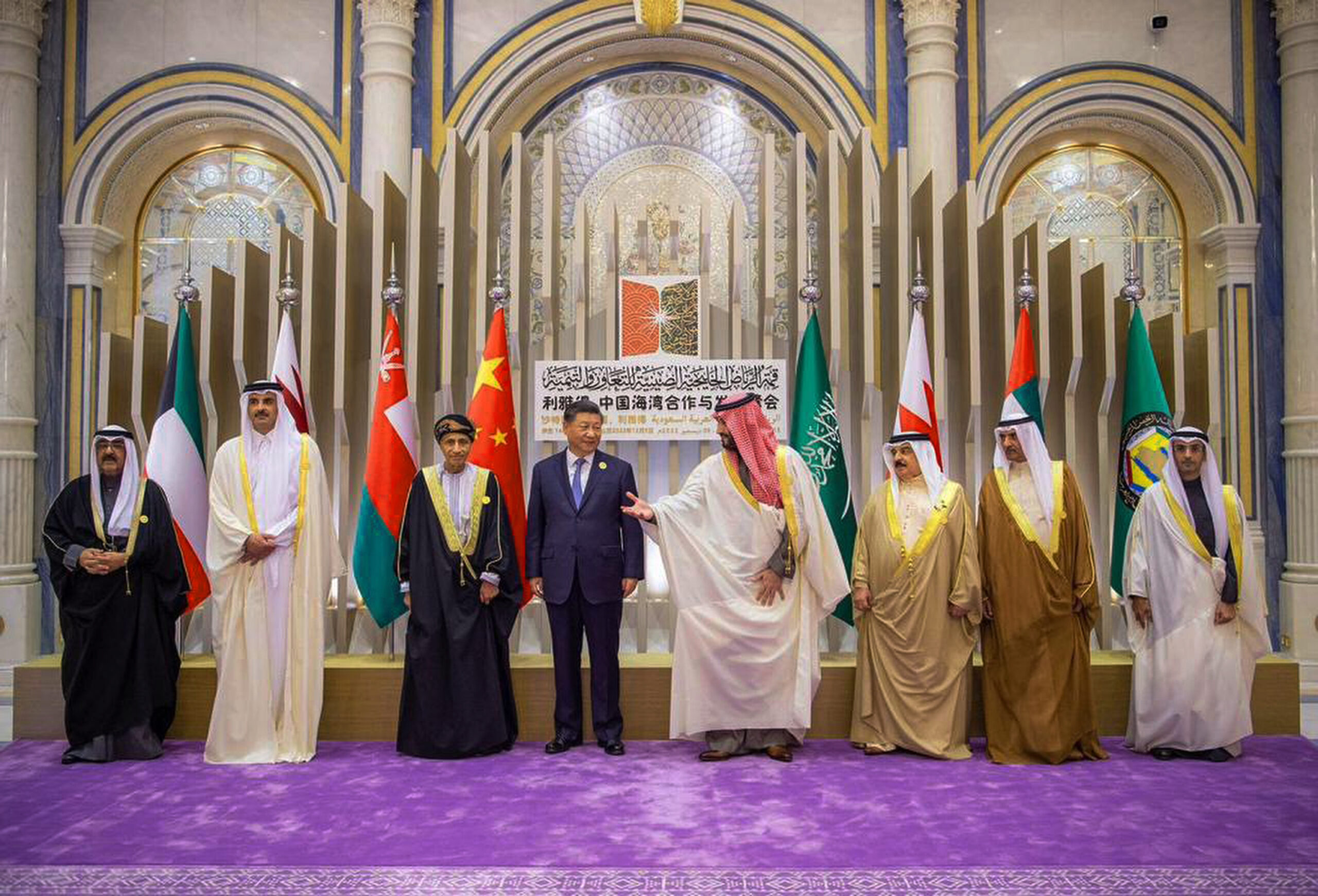
New corridors associated with the Gulf’s economic infrastructure buildout are bound to interact with existing connectivity initiatives: China’s Belt and Road Initiative, the India-Middle East-Europe Economic Corridor, and Iraq’s Development Road. Yet greater regional priority will be afforded to new and indigenous corridors that are ready-made and agile enough to meet the region’s new and pressing challenges. The regional footprint of existing global development initiatives and transregional corridors are therefore more likely to be shaped by emerging economic and energy infrastructure than the other way around.
With a Little Help From Friends
To be sure, this regional economic infrastructure buildout will face a host of challenges. Pipelines and other infrastructure projects can take years to develop and are expensive undertakings. Redundancy – the new regional buzzword – is largely a luxury for those countries with fiscal means and will likely result in negative economic spillover for some established infrastructure. Transnational corridors also require a level of sustained cooperation and trust that is not in large supply across the region. Even if trust deficits can be overcome, the resulting infrastructure may not fully escape shifting geopolitical and other risks.
These challenges nevertheless present opportunities for international partners. Foreign governments and private-sector firms can help to establish new avenues for economic infrastructure and make existing routes more efficient and cost effective. This will help Gulf countries establish the feasible options that are greatly needed. Resilience-building measures are also critical to ensure that present and future risks are mitigated and not just shifted geographically.
There are clear indicators of global business engagement already: Chevron is an investment partner in the Iraq-Syria pipeline project, and TotalEnergies indicated plans to partner on the Iraq-Syria and new UAE pipeline projects. France’s CMA CGM Group likewise plans to develop port and logistics terminals in Jeddah and Sohar.
The trajectory of the economic infrastructure buildout matters not only for Gulf countries themselves but also the global economy. This process and its implications for the region’s political economy may over time prove to be as consequential as that associated with Gulf tech agendas and sovereign wealth fund investment behavior. After six months of war, global focus has shifted beyond the confines of the conflict itself and toward how Gulf countries and their international partners plan to move forward.
The views represented herein are the author's or speaker's own and do not necessarily reflect the views of AGSI, its staff, or its board of directors.
The revived Hejaz Railway could become one of the region’s most significant transportation and integration projects as a land route connecting Europe to the Gulf.
A misreading of the Belt and Road Initiative has prompted a regional scramble to develop economic corridors ahead of the more foundational development of integrated manufacturing and intraregional trade.
Beijing keeps treading carefully around conflict in the Middle East while seeking opportunities to deepen ties with key country partners through a longer-term regional engagement strategy.
The UAE’s decision to halt trade and commercial ties with Iran reflects an exercise in applying carefully calibrated geoeconomic pressure amid an uncertain and evolving geopolitical context.
France is positioning to be a more influential actor across the Middle East, but the European powerhouse is most likely to see immediate traction on the economic tracks that run to and from the Gulf.