"*" indicates required fields

This field is for validation purposes and should be left unchanged.

Subscribe

By subscribing you agree to our Privacy Policy

Subscription Settings
Analysis

The Geoeconomics of Reconstruction in Yemen

The conflict in Yemen has exacted a disastrous toll on the country. This paper considers the outside forces in the conflict, seeking to elucidate who they are, what the nature is of their involvement, and what their converging and conflicting interests mean for reconstruction.

1 min read

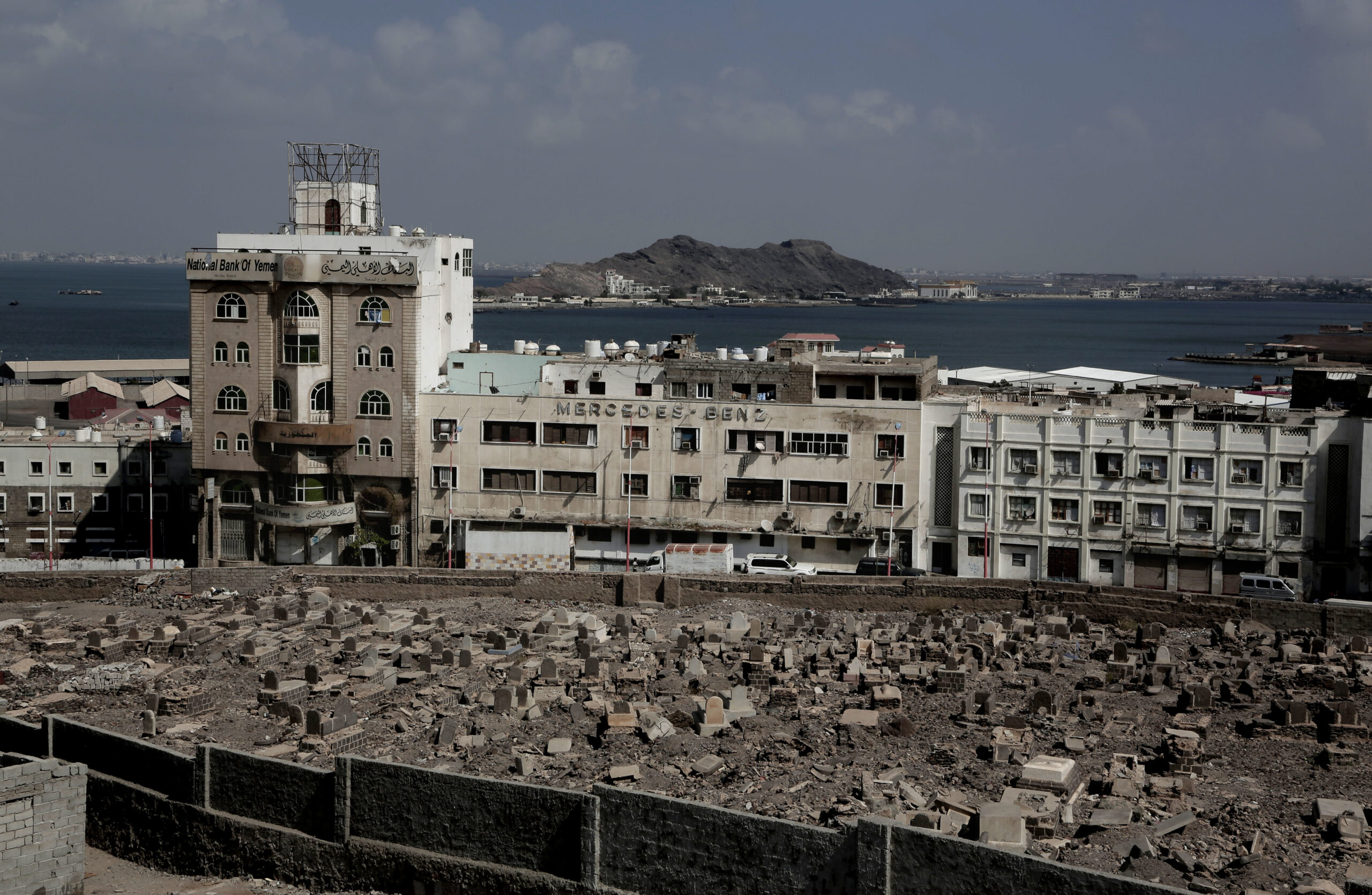
View of the damaged Mercedes Benz building in Aden, Yemen, Feb. 17 (AP Photo/Nariman El-Mofty)

Recommendations

  • A coordinated and unified GCC response to postconflict reconstruction in Yemen will be essential to meeting the country’s political and economic requirements.
  • Yemen’s long-term economic viability will be greatly enhanced if the GCC extends some of its membership privileges, such as tariff relief for exports from Yemen and labor concessions.
  • Yemen’s political culture of patronage, especially from foreign influence, is likely to persist. To reduce the tendency to play one foreign patron against another, patron-client relationships between foreign states and local governorates and armed groups must be centralized into state agencies or federal units, to bring legitimacy to government, not warlords, militias, or sectarian actors.
  • One effective mechanism to restore legitimacy to local governments and limit discrepancies in regional access to relief, including the disbursement of salaries, is an effort to increase transparency in the amount and distribution of aid funds by region and local governments at the municipal level.
  • A central tenet of any reconstruction program should be setting realistic goals. While the temptation may be to aim for major infrastructure projects like ports, airports, and free zones, small-scale projects like sanitation rehabilitation, localized solar power grids, infrastructure or public building repair, and small roads projects of the kind the World Bank is engaged in are far more likely to provide tangible benefits.
  • Local needs assessments should be conducted in conjunction with local communities to ensure maximum possible buy-in.

Read full paper

The views represented herein are the author's or speaker's own and do not necessarily reflect the views of AGSI, its staff, or its board of directors.

Kristin Smith Diwan

Senior Resident Scholar, AGSI

Analysis

The United States Plus: Gulf States Contemplate Regional Security After Iran War

The imperative for Gulf states to unify their position has grown since the onset of Iranian attacks on their countries. Yet under conditions of uncertainty about the U.S. position and the war's outcome, Gulf states are demonstrating differing regional alignments and preferences for managing the crisis.

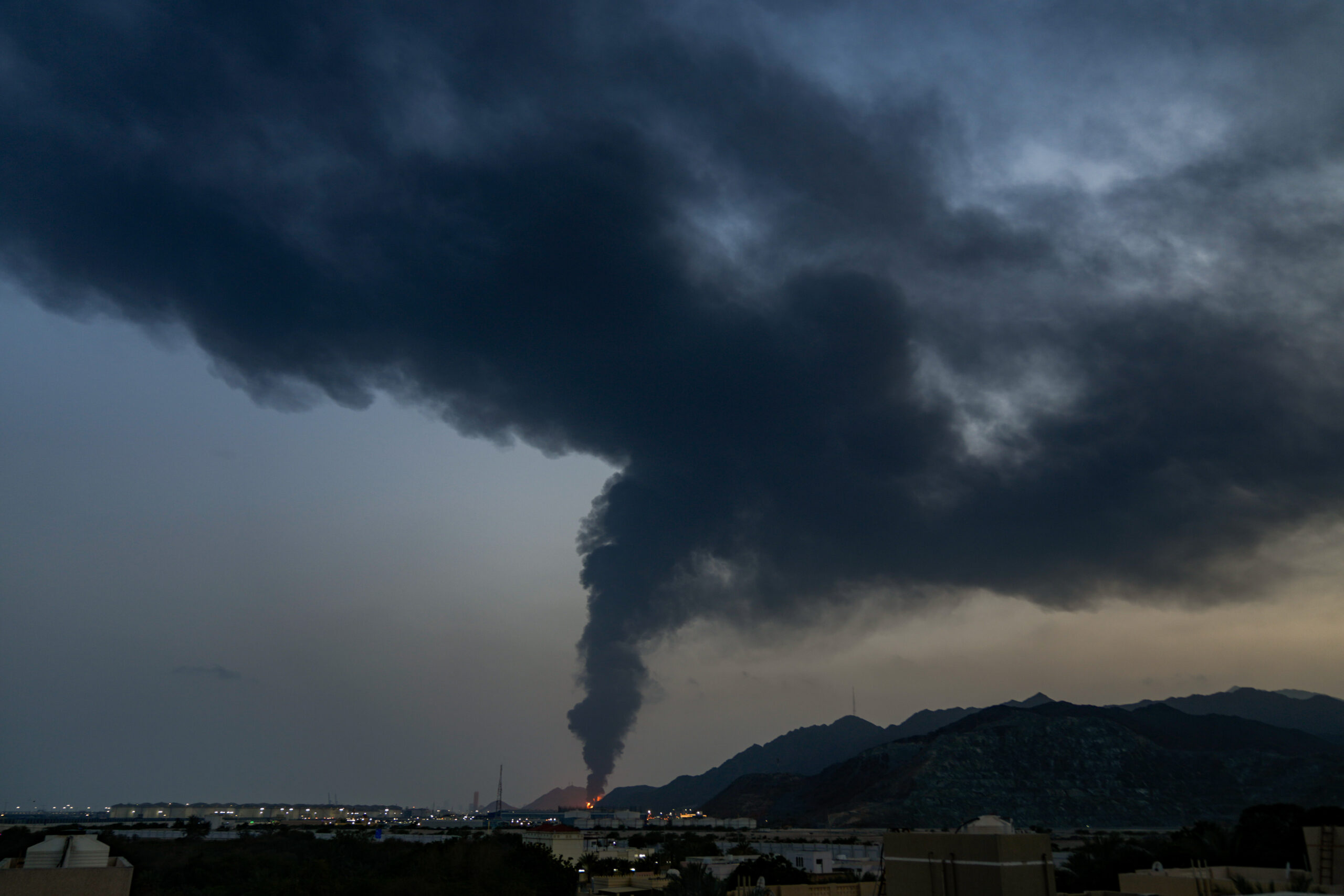
A large fire and plume of smoke is visible after the debris of an intercepted Iranian drone hit the Fujairah oil facility, in Fujairah, United Arab Emirates, March 3. (AP Photo/Altaf Qadri)

Gulf States Play Defense

Caught between Iranian strikes and U.S.-Israeli pressure to join the fight, Gulf Arab states strive to maintain their autonomy over decision making, playing defense and preserving the space to maneuver when the war ends.

Passengers wait at Muscat International Airport as the sultanate of Oman facilitates the return of passengers to their home countries amid the U.S.-Israeli conflict with Iran in Muscat, Oman, March 5. (Oman News Agency/Handout via REUTERS)

Iran War: Gulf Unity, Economic Shocks, and Regime Scenarios

After a massive U.S.-Israeli campaign against Iran, AGSI explores scenarios for the future of Iran and implications for broader Gulf security.

16 min read

A plume of smoke rises after a strike in Tehran, Iran, March 1. (AP Photo/Vahid Salemi)

Four Priorities for Mohammed bin Salman in Washington

When the Saudi crown prince meets President Trump in Washington, the main topics of discussion are likely to be commercial deals, a defense pact, a Saudi civilian nuclear program, and normalization with Israel.

10 min read

Saudi Crown Prince Mohammed bin Salman listens during his meeting with President Donald J. Trump on the sidelines of the G-20 summit in Osaka, Japan, June 29, 2019. (AP Photo/Susan Walsh, File)
View All

Events

Apr 13, 2026

10:00am - 11:00am

Assessing the U.S.-Iranian Truce and First Round of Negotiations

On April 13, AGSI will host a discussion on the recently announced U.S.-Iranian two-week cease-fire.

Register
The main entrance of Pakistan's foreign ministry in Islamabad, Pakistan, April 9. (AP Photo/Anjum Naveed)
The main entrance of Pakistan's Foreign Ministry in Islamabad, Pakistan, April 9. (AP Photo/Anjum Naveed)

Mar 2, 2026

After the Shock: Implications of the U.S.–Israeli Strikes and Iran’s Leadership Transition

On March 2, AGSI hosted a discussion on the U.S.-Israeli strikes on Iran.

Smoke rises following an explosion, after Israel and the U.S. launched strikes on Iran, in Tehran, Iran, March 1. (Majid Asgaripour/WANA via REUTERS)
Smoke rises following an explosion, after Israel and the United States launched strikes on Iran, in Tehran, Iran, March 1. (Majid Asgaripour/WANA via REUTERS)

Jan 8, 2026

Outlook 2026: Prospects and Priorities for U.S.-Gulf Relations in the Year Ahead

On January 8, AGSI hosted a virtual roundtable with its leadership and scholars as they look ahead and assess trends likely to shape the Gulf region and U.S. foreign policy during the coming year. 

Secretary of State Marco Rubio attends a meeting with the foreign ministers of the Gulf Cooperation Council states as part of the 80th session of the United Nations General Assembly at the Lotte Palace Hotel in New York, September 24. (AP Photo/Stefan Jeremiah, Pool)

Dec 18, 2025

Narrative Lens: Remaking Space and Photographic Possibilities

On December 18, AGSI hosted a unique event to close the exhibition “Making Space: Gulf Photographers on the Scene.”

dome of the stars (2012). (Credit: Mohammed Alkouh)
"Dome of the Stars" (2012). (Credit: Mohammed Alkouh)
View All
Hussein Ibish

Senior Resident Scholar, AGSI

Analysis

Why Saudi Arabia and the UAE Are Urging Trump to Continue a War They Did Not Want

Riyadh and Abu Dhabi urged President Trump not to attack Iran, but now that the war is into its second month, leaving the current situation in place would be an unthinkable fiasco for them.

Hussein Ibish

8 min read

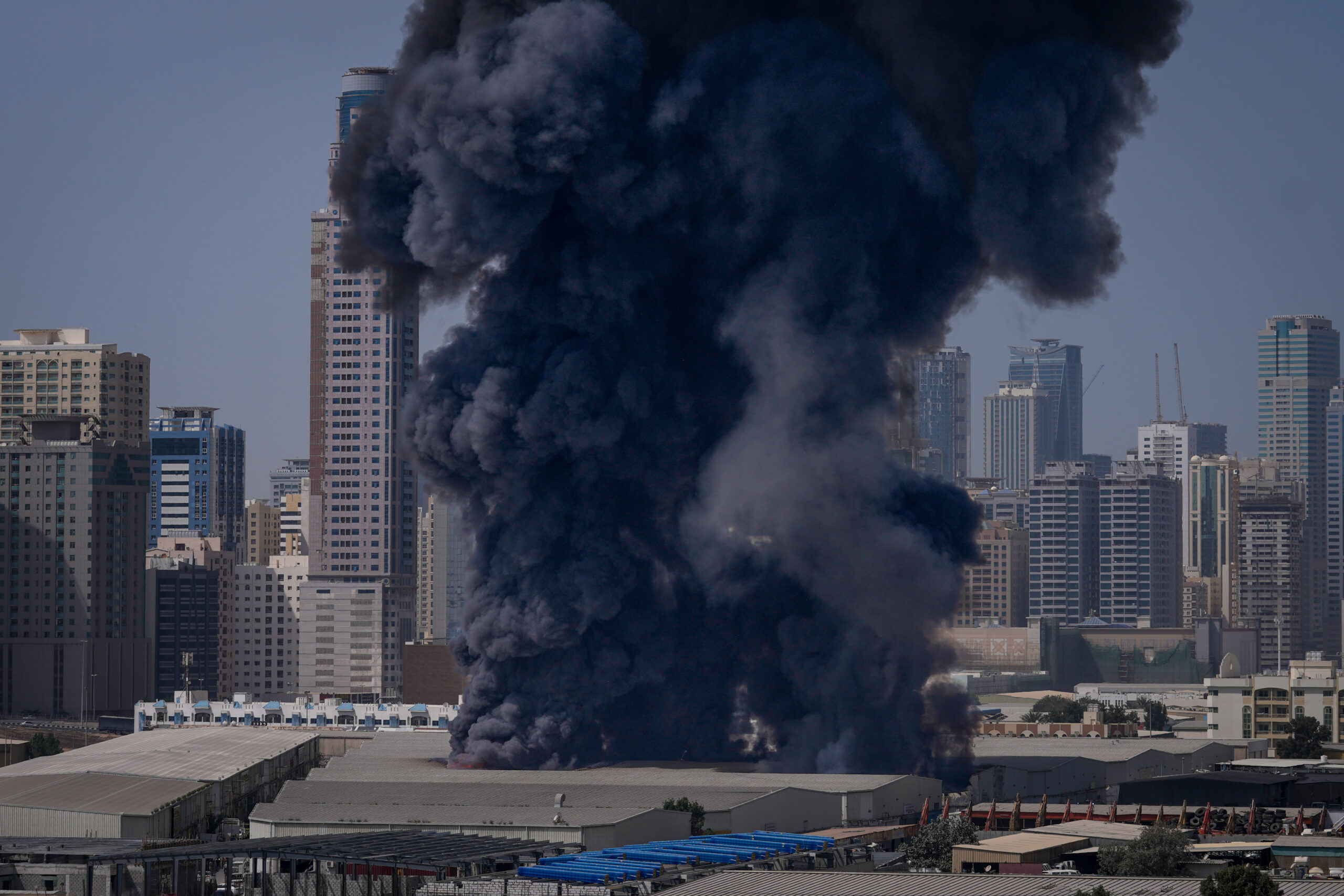
A black plume of smoke rises from a warehouse at the industrial area of Sharjah in the United Arab Emirates, March 1. (AP Photo/Altaf Qadri)

Caught in the Crosshairs, Gulf Arab Countries Remain Crucial to Peace

Though they were unsuccessful in preventing the current conflict, and, as expected, have been dragged into the U.S.-Israeli confrontation with Iran, Gulf Arab countries remain crucial to hopes for limiting the war and bringing it to a quick resolution.

Hussein Ibish

13 min read

A building damaged by an Iranian drone attack in Juffair, Manama, Bahrain, March 1. (REUTERS/Hamad I Mohammed)

Iran War Provides Decisive Test for Lebanon to Assert Authority Over Hezbollah

After decades of tolerating Hezbollah’s warmaking independence, the current crisis has compelled Lebanese leaders to ban its military activities; this project will do much to determine the reach Iran can maintain in the Arab world.

Hussein Ibish

8 min read

Smoke rises from Israeli airstrikes that struck a building housing Al-Manar channel studios in Dahiyeh, a southern suburb of Beirut, Lebanon, March 3. (AP Photo/Bilal Hussein)

Having Failed to Prevent a U.S. Attack Against Iran, Gulf Arab Countries Must Watch With Alarm

Gulf Arab countries urged the United States not to strike Iran, but now that is happening, they are in danger of being sucked into a conflict they cannot control but that will likely reshape their present and future realities.

Hussein Ibish

9 min read

Smoke rises following an explosion, after Israel and the U.S. launched strikes on Iran, in Tehran, Iran, February 28. (Majid Asgaripour/WANA via REUTERS)
View All

Events

Apr 13, 2026

10:00am - 11:00am

Assessing the U.S.-Iranian Truce and First Round of Negotiations

On April 13, AGSI will host a discussion on the recently announced U.S.-Iranian two-week cease-fire.

Register
The main entrance of Pakistan's foreign ministry in Islamabad, Pakistan, April 9. (AP Photo/Anjum Naveed)
The main entrance of Pakistan's Foreign Ministry in Islamabad, Pakistan, April 9. (AP Photo/Anjum Naveed)

Mar 2, 2026

After the Shock: Implications of the U.S.–Israeli Strikes and Iran’s Leadership Transition

On March 2, AGSI hosted a discussion on the U.S.-Israeli strikes on Iran.

Smoke rises following an explosion, after Israel and the U.S. launched strikes on Iran, in Tehran, Iran, March 1. (Majid Asgaripour/WANA via REUTERS)
Smoke rises following an explosion, after Israel and the United States launched strikes on Iran, in Tehran, Iran, March 1. (Majid Asgaripour/WANA via REUTERS)

Jan 8, 2026

Outlook 2026: Prospects and Priorities for U.S.-Gulf Relations in the Year Ahead

On January 8, AGSI hosted a virtual roundtable with its leadership and scholars as they look ahead and assess trends likely to shape the Gulf region and U.S. foreign policy during the coming year. 

Secretary of State Marco Rubio attends a meeting with the foreign ministers of the Gulf Cooperation Council states as part of the 80th session of the United Nations General Assembly at the Lotte Palace Hotel in New York, September 24. (AP Photo/Stefan Jeremiah, Pool)

Dec 4, 2025

A Pivotal Visit: Takeaways From Mohammed bin Salman’s Visit to Washington

On December 4, AGSI hosted a discussion on the outcomes of Saudi Crown Prince Mohammed bin Salman's visit to the United States.

President Donald J. Trump welcomes Saudi Crown Prince Mohammed bin Salman to the White House, Nov. 18, in Washington. (AP Photo/Mark Schiefelbein)
View All
Omar Rahman
Omar H. Rahman

Former Research Analyst

Peter Salisbury

Senior Analyst, Yemen, Crisis Group

Analysis

Yemen: After Hodeidah

On June 19, UAE-backed Yemeni forces announced that they had consolidated their control over Hodeidah airport after a week of fierce fighting with Houthi rebels for the facility as part of Operation Golden Victory, a military campaign for Hodeidah port and city.

Peter Salisbury

17 min read

Saudi-backed forces ride their vehicle in Hodeidah, Yemen, February 18. (AP Photo/Nariman El-Mofty)

Yemen’s Cratered Economy: Glimmers of Hope?

Yemen’s humanitarian crisis is now the world’s largest in terms of the number of people in need.

Peter Salisbury

3 min read

In Yemen, 2018 Looks Like it Will Be Another Grim Year

December brought some of the biggest shifts in Yemen’s civil war since a Saudi-led coalition entered the conflict in March 2015. On Dec. 4, former president Ali Abdullah Saleh was killed by members of the Zaydi Shiite Houthi movement with whom he had been allied until just a couple of days before. His death has...

Peter Salisbury

1 min read

Yemen: National Chaos, Local Order

Partial or total collapses in state authority, once rare, are no longer outliers in an otherwise stable international state system.

Peter Salisbury

1 min read

View All
Ambassador Stephen A. Seche

Former Executive Vice President

Analysis

U.S. Political Transition Weighs Heavily on Yemen Peace Process

Critics worry that the Trump administration’s threat to designate the Houthis as terrorists would also undermine humanitarian efforts, while President-elect Biden is expected to return to more robust diplomacy.

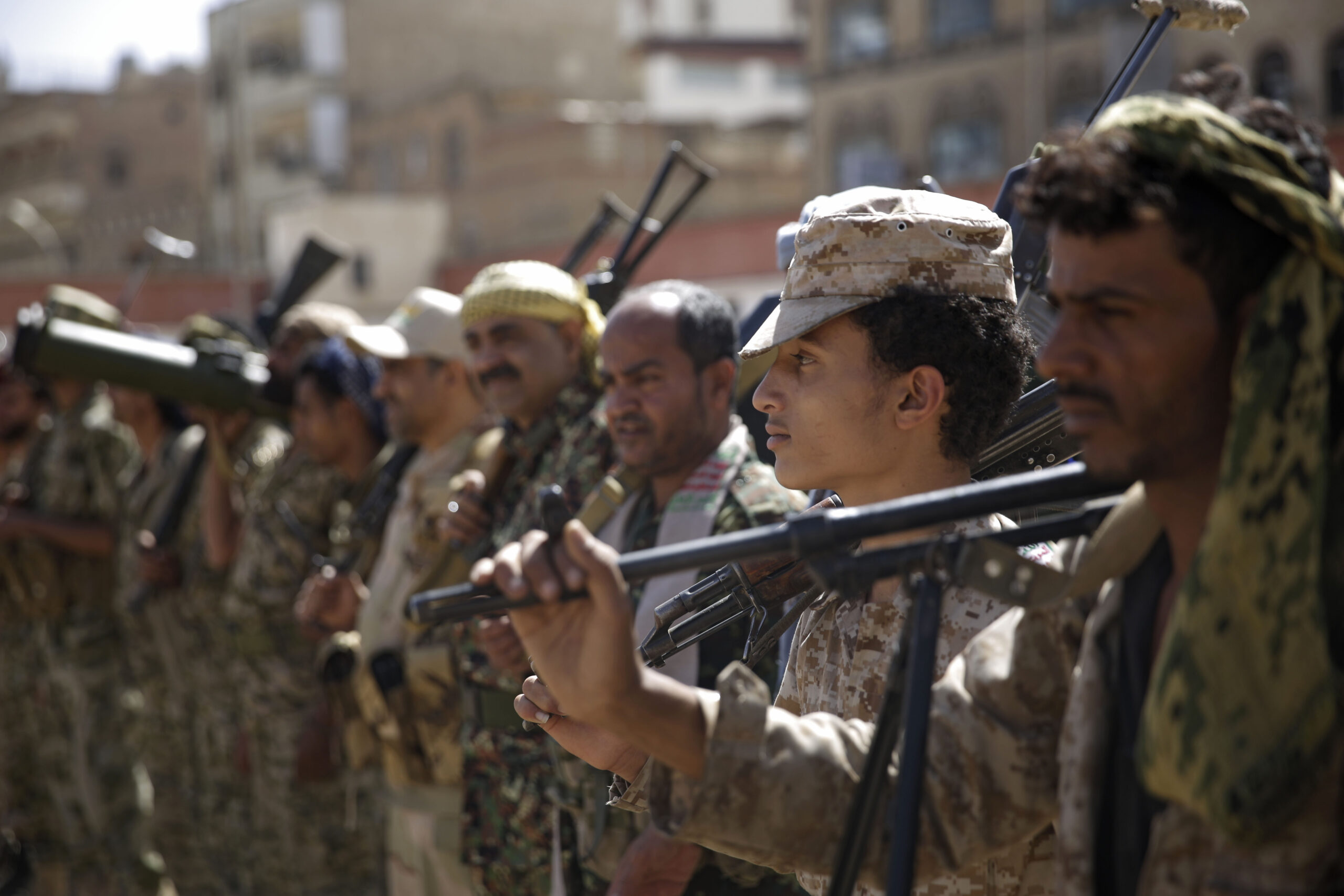
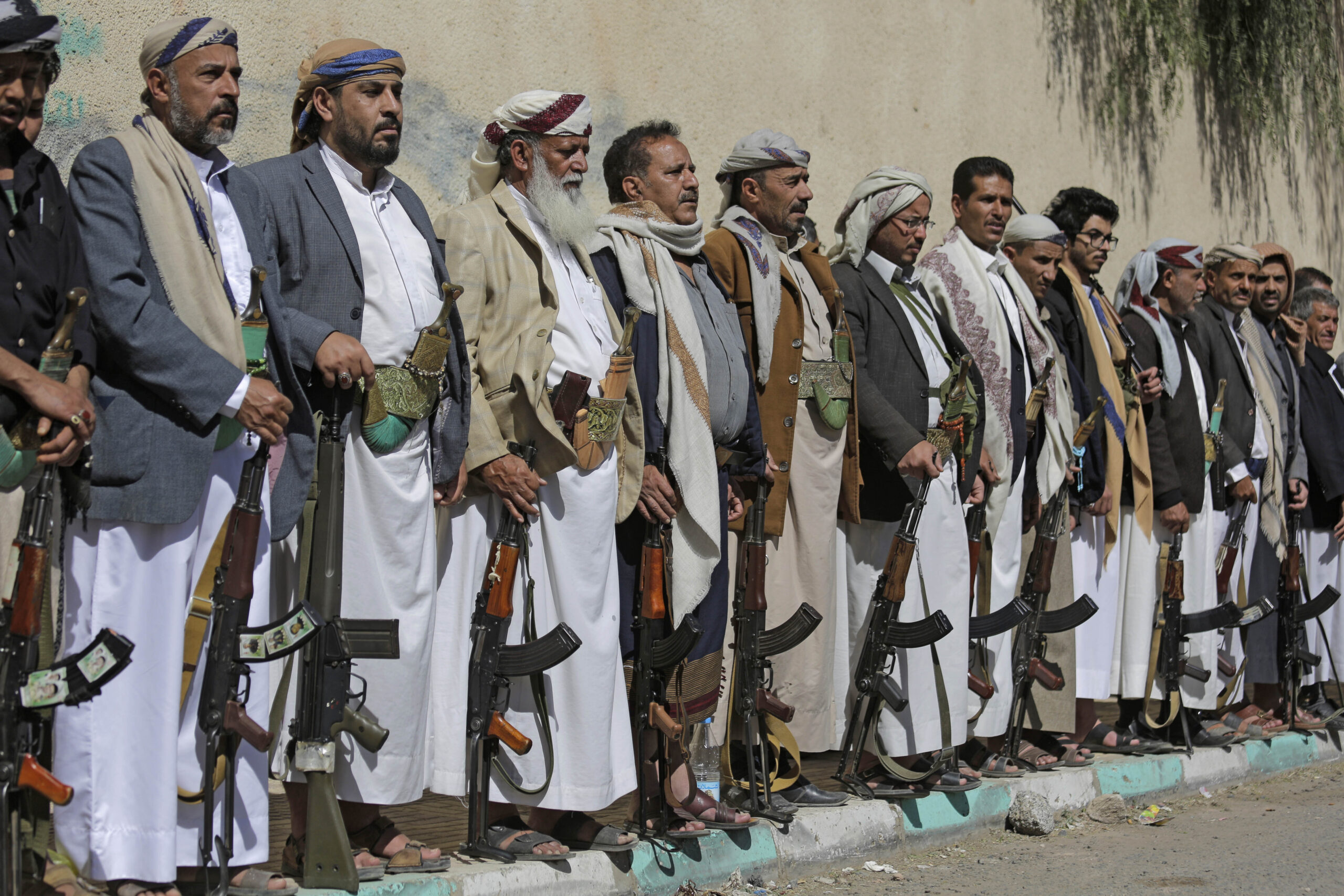
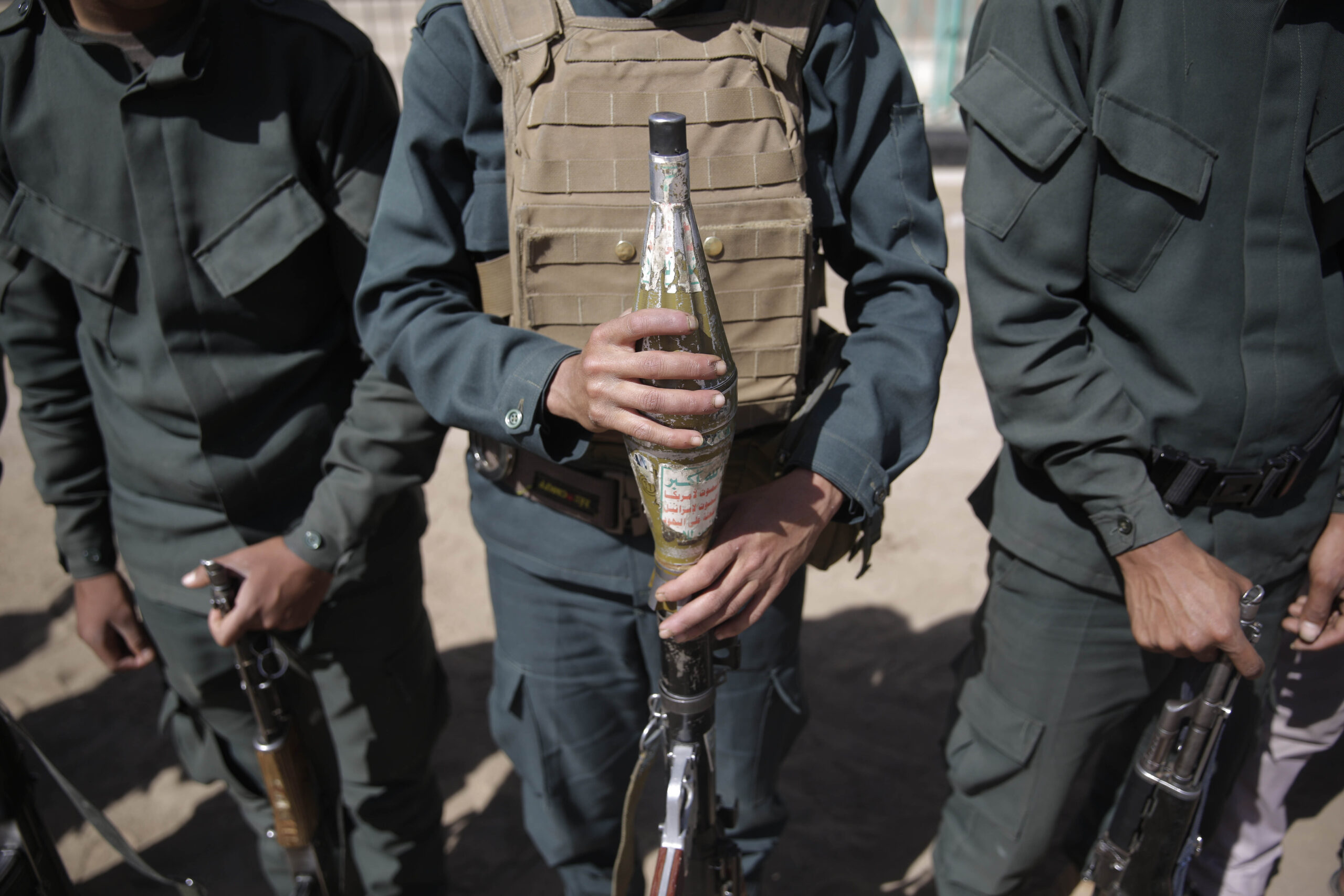
Houthi rebel fighters display their weapons during a gathering aimed at mobilizing more fighters for the Houthi movement, Sanaa, Yemen, Feb. 20. (AP Photo/Hani Mohammed)

Two Pillars of Yemeni Peace Efforts Near Collapse as Saudis Search for an Exit Door

The specter of a Saudi withdrawal from Yemen is prompting parties to the conflict to shore up their positions, further destabilizing the country.

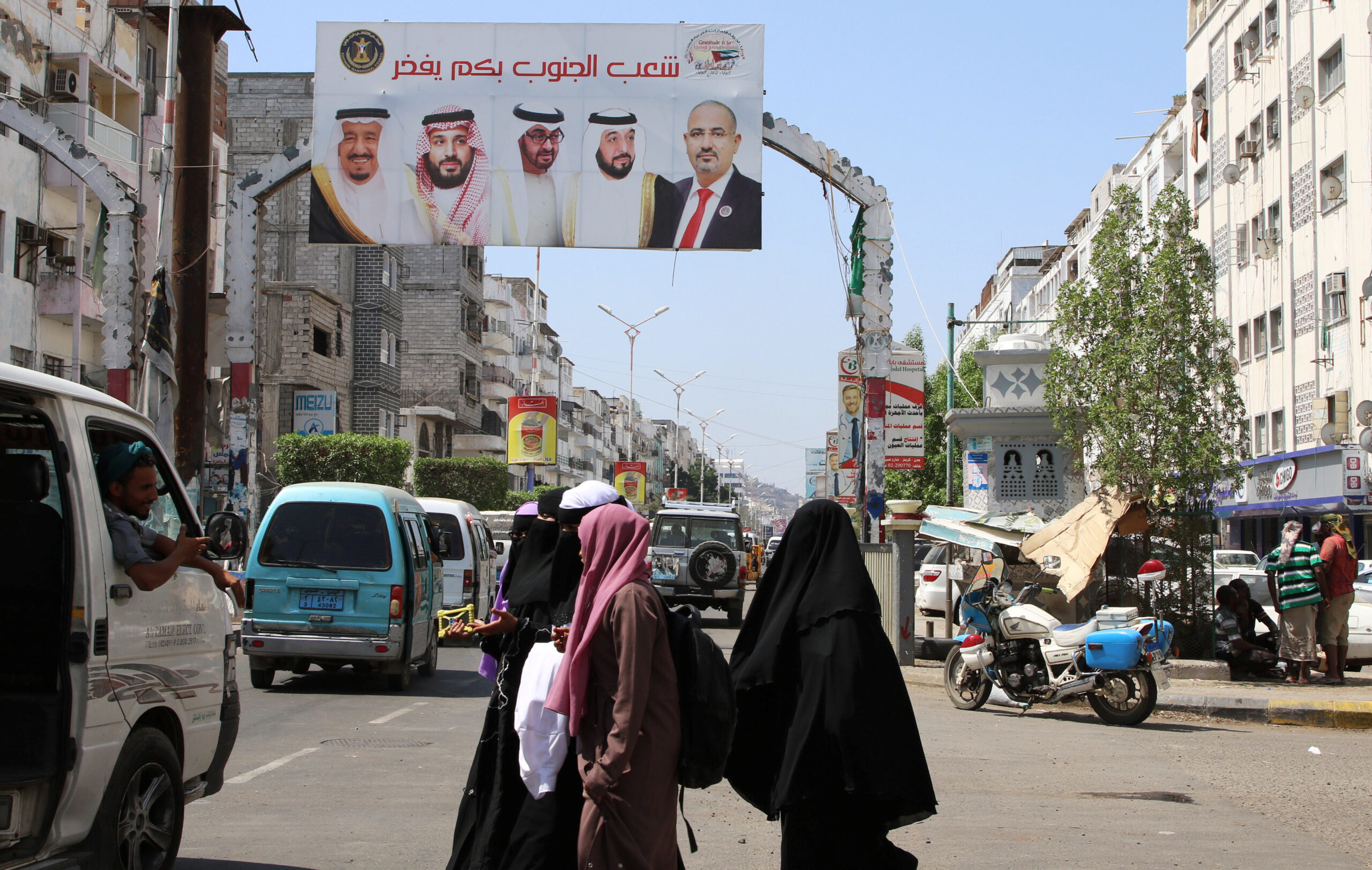
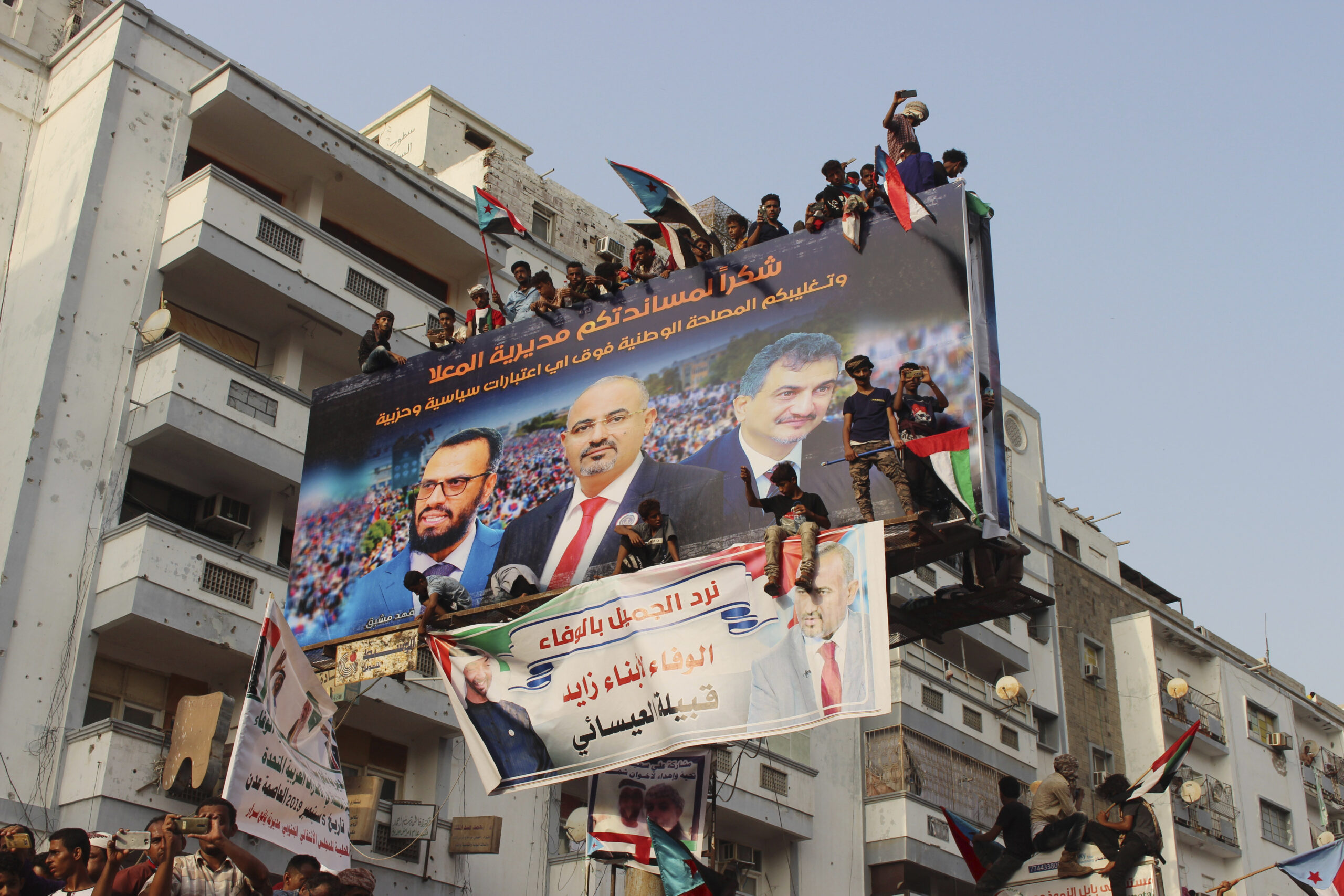
(From left) Cars drive under a billboard with posters of Saudi King Salman bin Abdulaziz, Saudi Crown Prince Mohammed bin Salman, Abu Dhabi Crown Prince Mohammed bin Zayed al-Nahyan, UAE President Khalifa bin Zayed al-Nahyan, and the head of Yemen's Southern Transitional Council Aidarous al-Zabidi, Aden, Yemen, November 5, 2019. (REUTERS/Fawaz Salman)

Houthi Advances Complicate the Saudi Path Out of Yemen

A precipitous withdrawal risks greater instability and further disintegration of the war-torn country.

Tribesmen loyal to the Houthi rebels hold their weapons during a gathering aimed at mobilizing more fighters for the Houthi movement in Sanaa, Yemen, Feb. 25. (AP Photo/Hani Mohammed)

Yemen’s Fragile Peace Efforts at Risk as Regional Tensions Spike

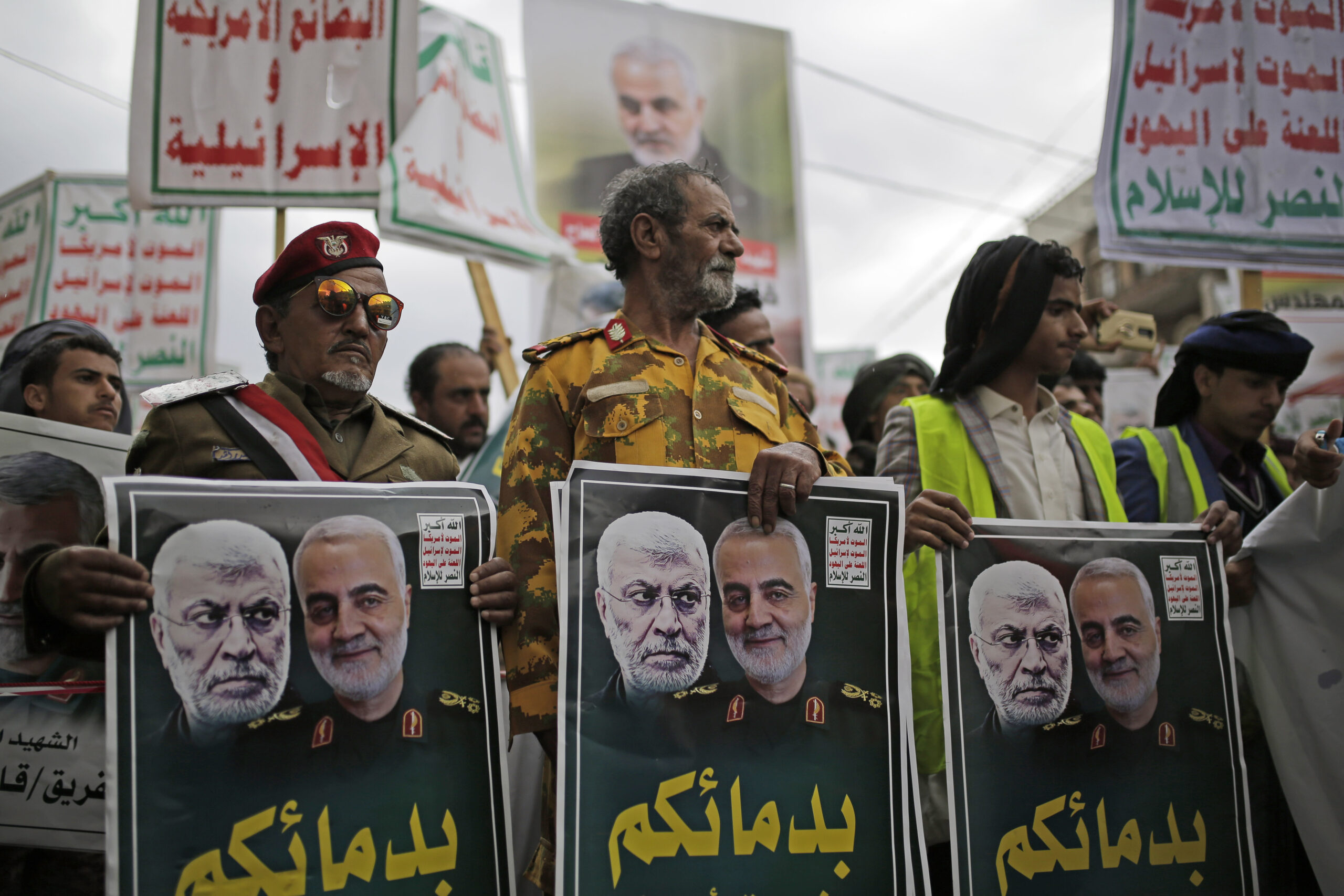
As Iran contemplates its response to the killing of Major General Qassim Suleimani, it will likely look to an asymmetric response employing resources in the region, such as the Houthi rebels in Yemen.

Yemeni Houthis hold posters of Iraqi militia commander Abu Mahdi al-Muhandis and Iranian military commander Qassim Sileimani during a protest against a U.S. airstrike in Iraq that killed them both, in Sanaa, Yemen, Jan. 6. (AP Photo/Hani Mohammed)
View All

Events

Oct 13, 2020

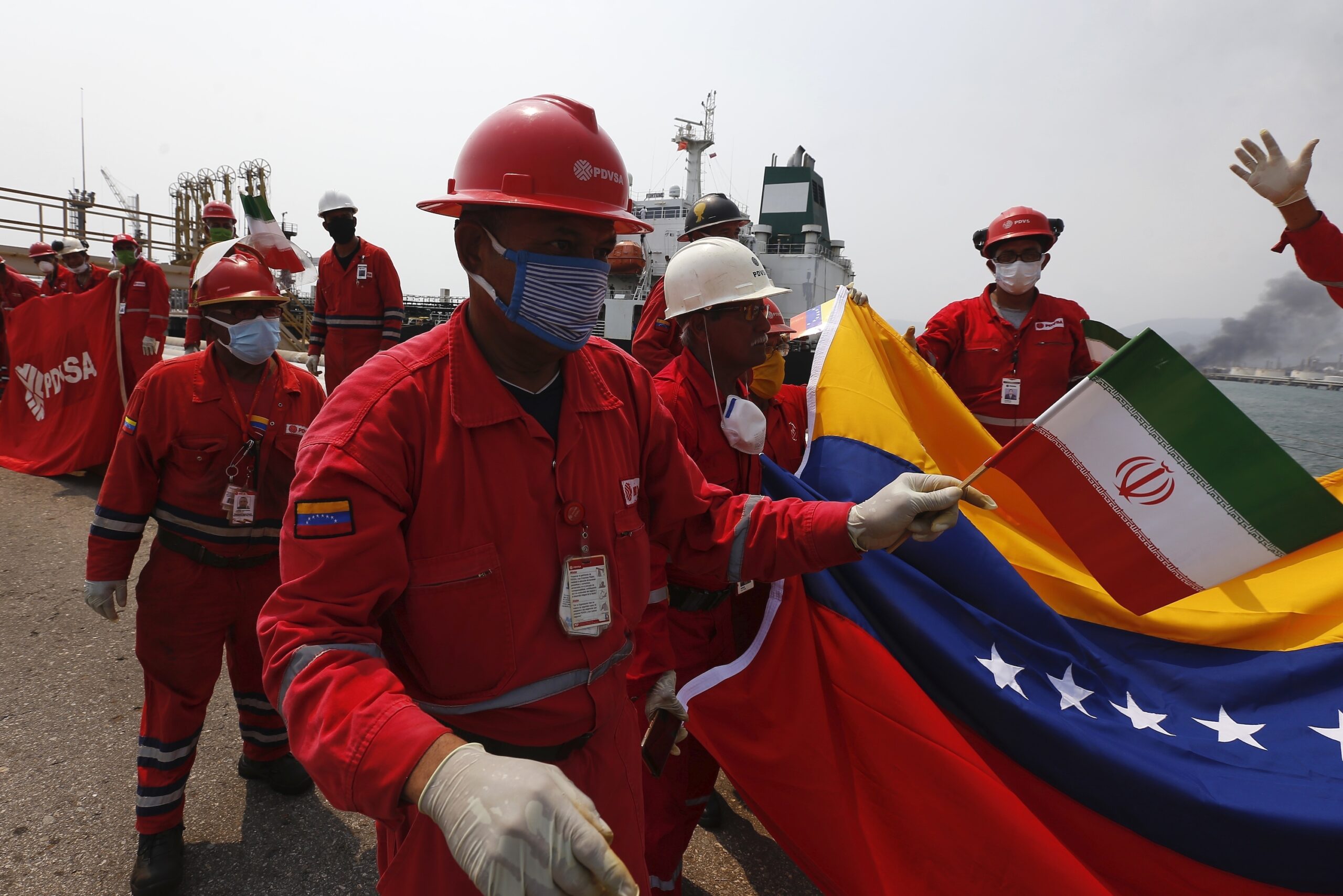
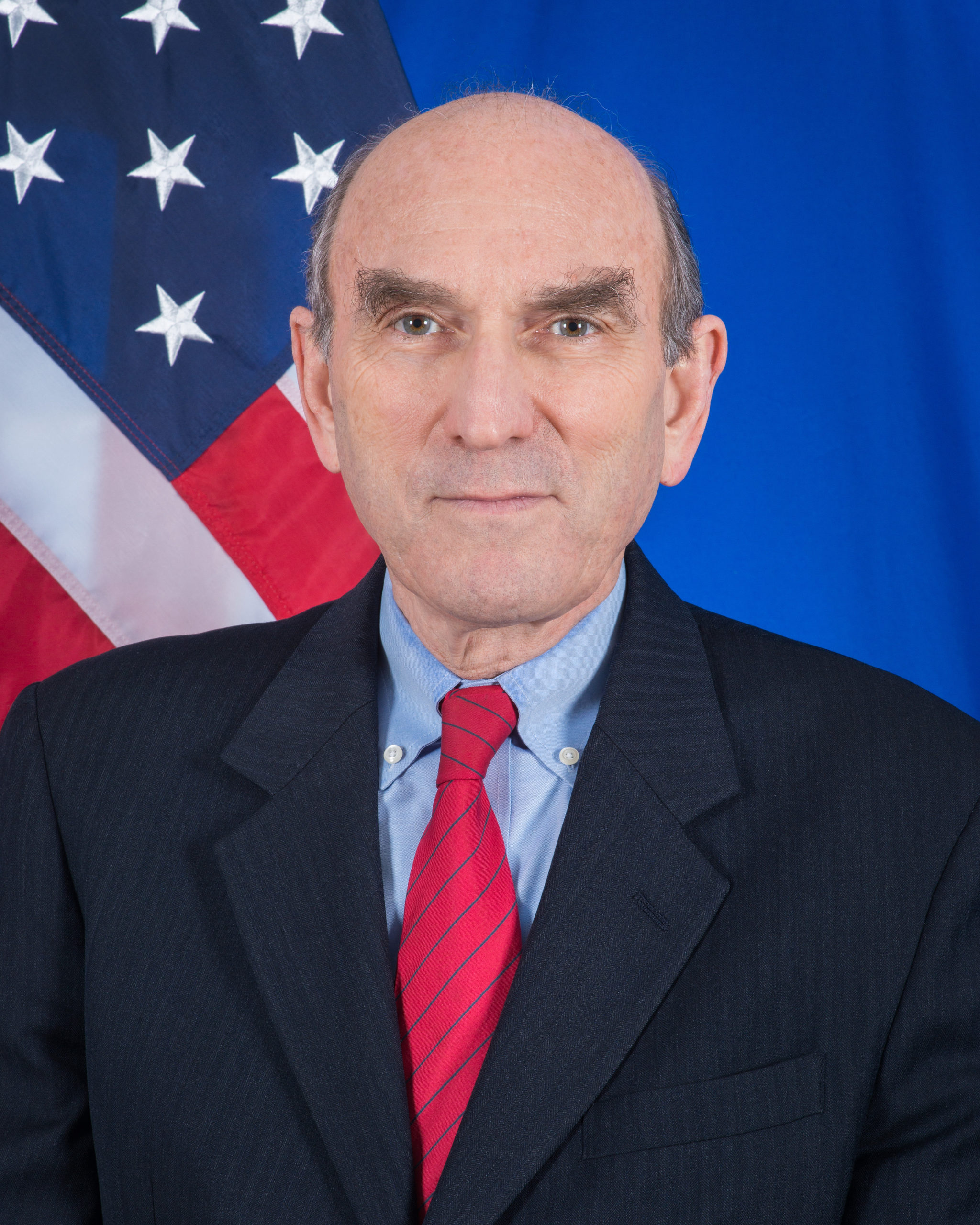
Roundtable With Elliott Abrams, Special Representative for Iran and Venezuela, U.S. Department of State

Abrams discussed his role and priorities as he endeavors to build international support for the Trump administration’s maximum pressure campaign.

A Venezuelan oil worker holding a small Iranian flag attends a ceremony for the arrival of Iranian oil tanker Fortune at the El Palito refinery near Puerto Cabello, Venezuela, May 25. (AP Photo/Ernesto Vargas)

Sep 24, 2020

Roundtable With Martin Griffiths, United Nations Special Envoy for Yemen 

Griffiths provided his unique insights into the U.N.-led effort to bring the principal combatants to a negotiated ceasefire and move the country toward a sustained, political solution.

Supporters of Southern separatists at a rally supporting the United Arab Emirates amid a standoff with the United Nations-recognized government, Aden, Yemen, Sept. 5. (AP Photo/Wail al-Qubaty)

Mar 30, 2020

The Conflict in Yemen in its Sixth Year

On March 30, AGSIW hosted a briefing discussing salient issues and developments in the conflict in Yemen as it enters its sixth year.

Houthi rebel fighters display their weapons during a gathering aimed at mobilizing more fighters for the Houthi movement, Sanaa, Yemen, Feb. 20. (AP Photo/Hani Mohammed)

Jan 8, 2020

2020 Vision: AGSIW Assesses Threats and Opportunities in the Gulf

On January 8, AGSIW hosted a conversation considering the trends likely to shape the Gulf region in 2020.

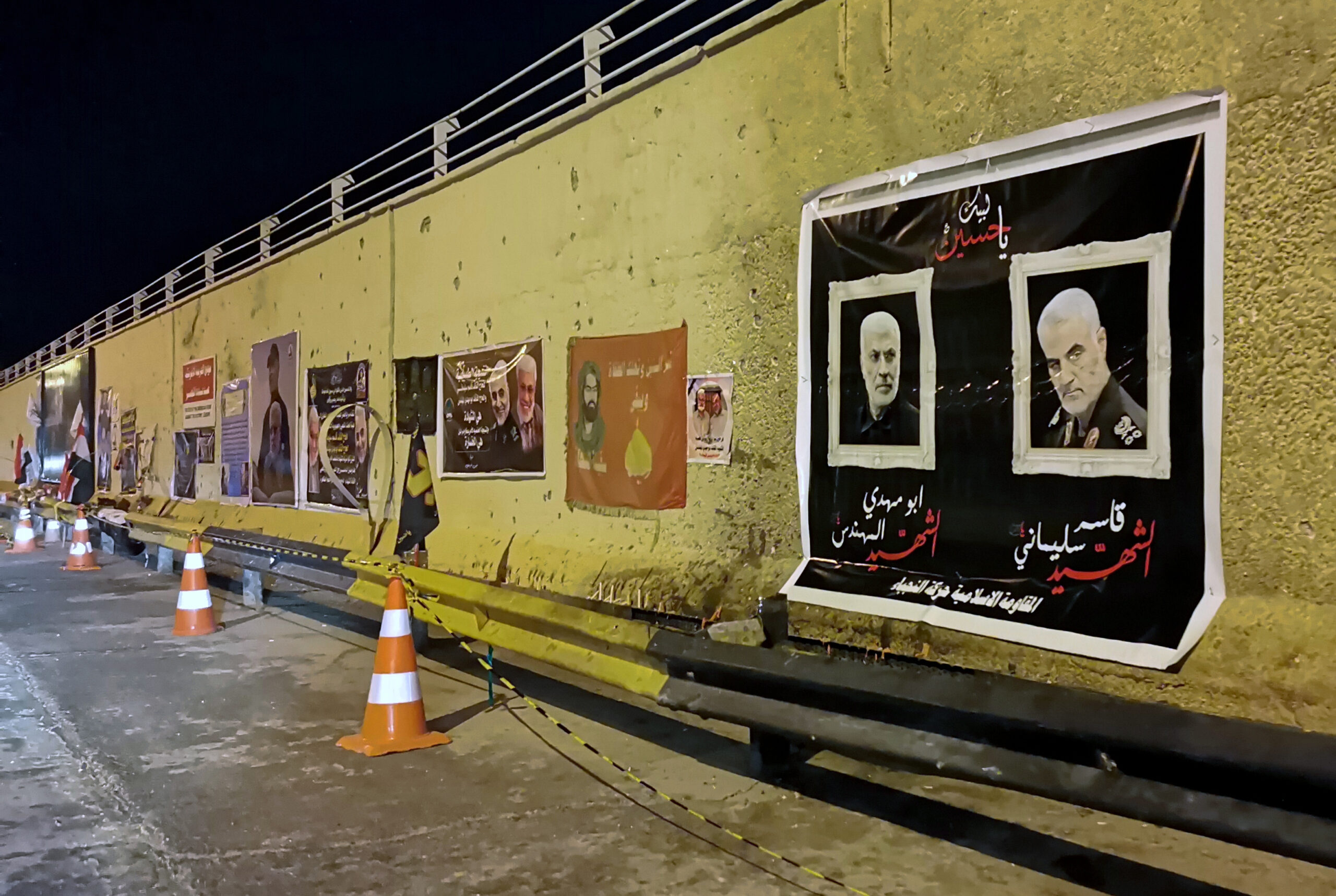
Posters of Islamic Revolutionary Guard Corps Quds Force commander Major General Qassim Suleimani and Kataib Hezbollah leader Abu Mahdi al-Muhandis, both killed in a U.S. strike in January, hang in Baghdad, Iraq, Jan. 16. (AP Photo/Hadi Mizban)
View All
Karen E. Young

Senior Research Scholar, Center on Global Energy Policy, Columbia University’s School of International and Public Affairs; Senior Fellow, MEI

Analysis

Iran Is Attacked, the Gulf Reacts

AGSI explains what Israel’s sudden and massive attack on Iran is likely to mean for Gulf Arab states, Iran, the United States, and global and regional economies.

34 min read

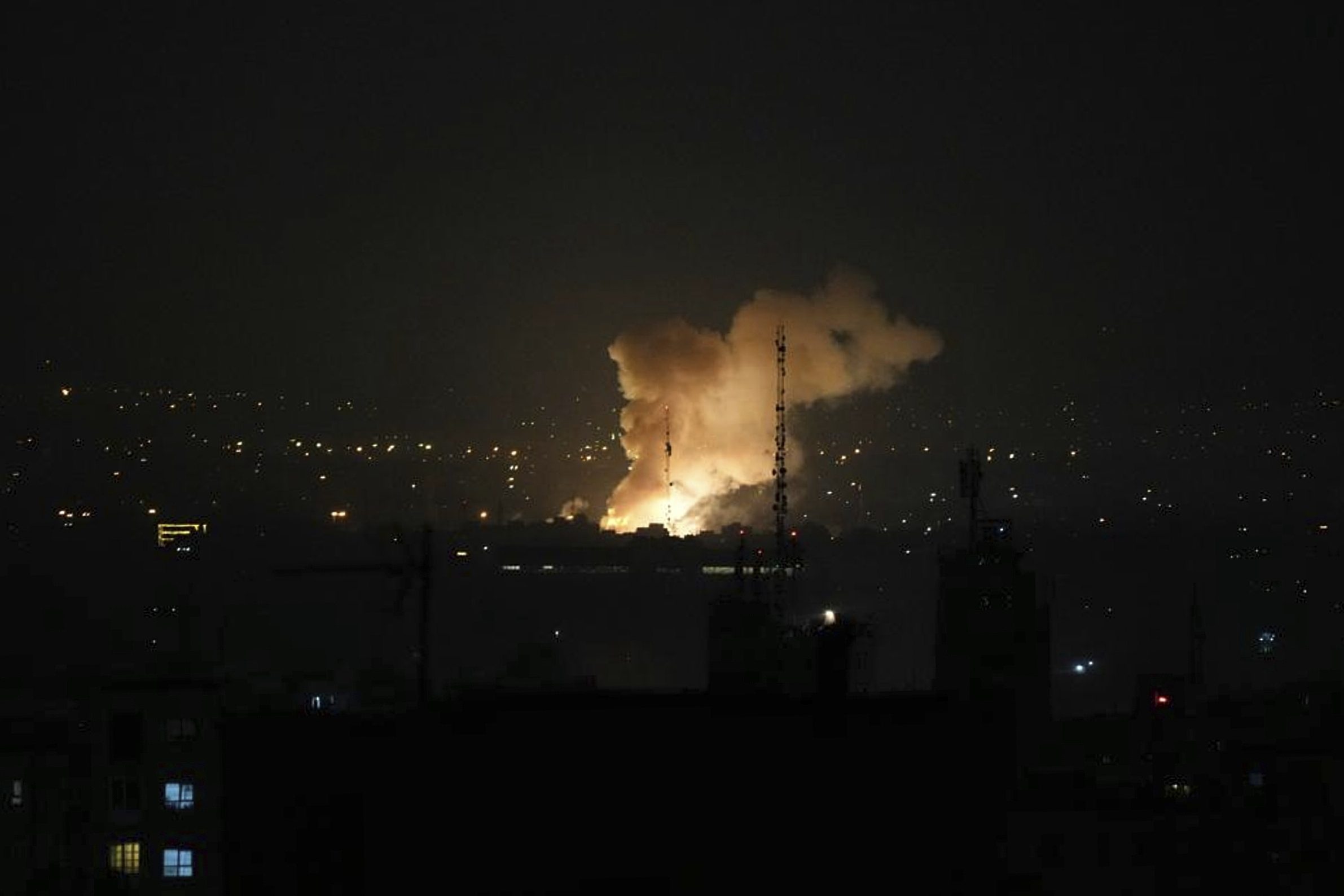
Smoke rises after an explosion in Tehran, Iran, Friday, June 13. (AP Photo/Vahid Salemi)

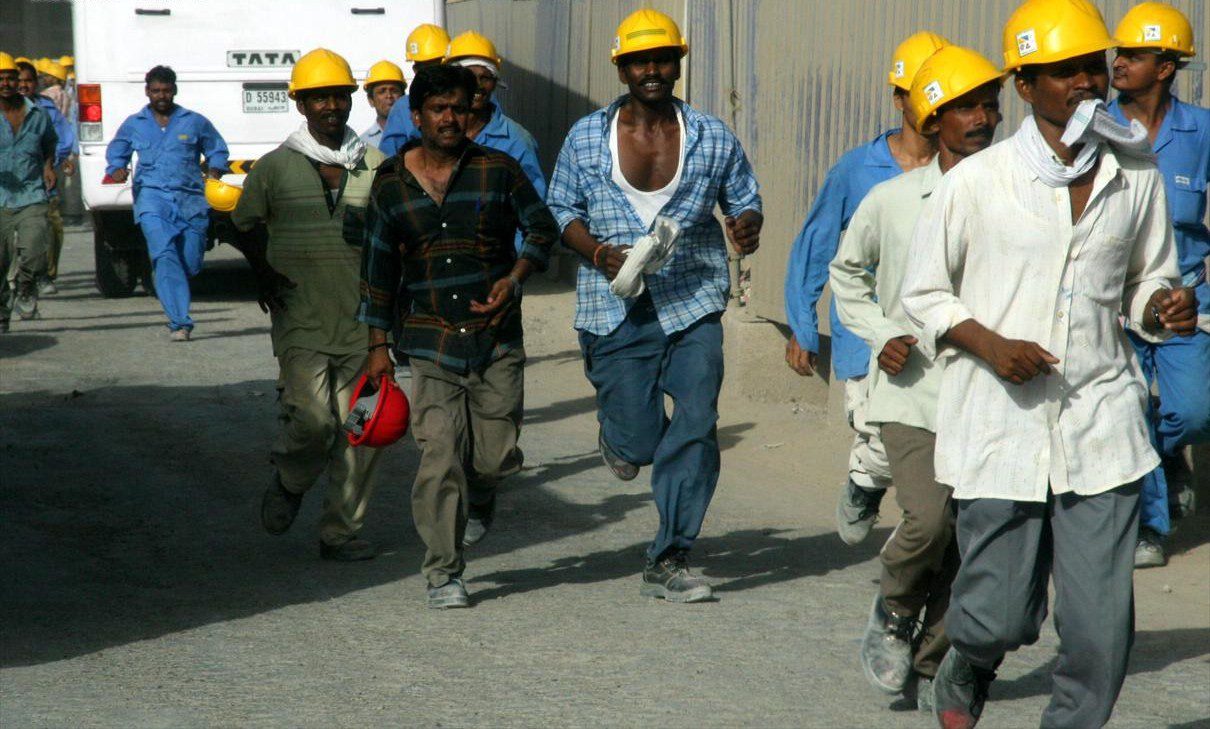
As Their Economies Contract, Gulf Countries Have Less Need For Migrant Laborers

Migrant labor has been an inherent part of economic development.

Karen E. Young

3 min read

Spending to Grow in Saudi Arabia

This post is part of an AGSIW series on Saudi Vision 2030, a sweeping set of programs and reforms adopted by the Saudi government to be implemented by 2030. Saudi Arabia did one thing right this week. It is seeing some positive news in the return on investment in its outwardly placed capital in new technology....


Karen E. Young

6 min read

Privatization in Saudi Arabia: Vision 2030 Ready to Sell

This post is part of an AGSIW series on Saudi Vision 2030, a sweeping set of programs and reforms adopted by the Saudi government to be implemented by 2030. While an Aramco initial public offering (IPO) has moved to the backburner of Saudi Arabia’s, and more importantly, Crown Prince Mohammed bin Salman’s, priorities, there have been...

Karen E. Young
18 min read

View All