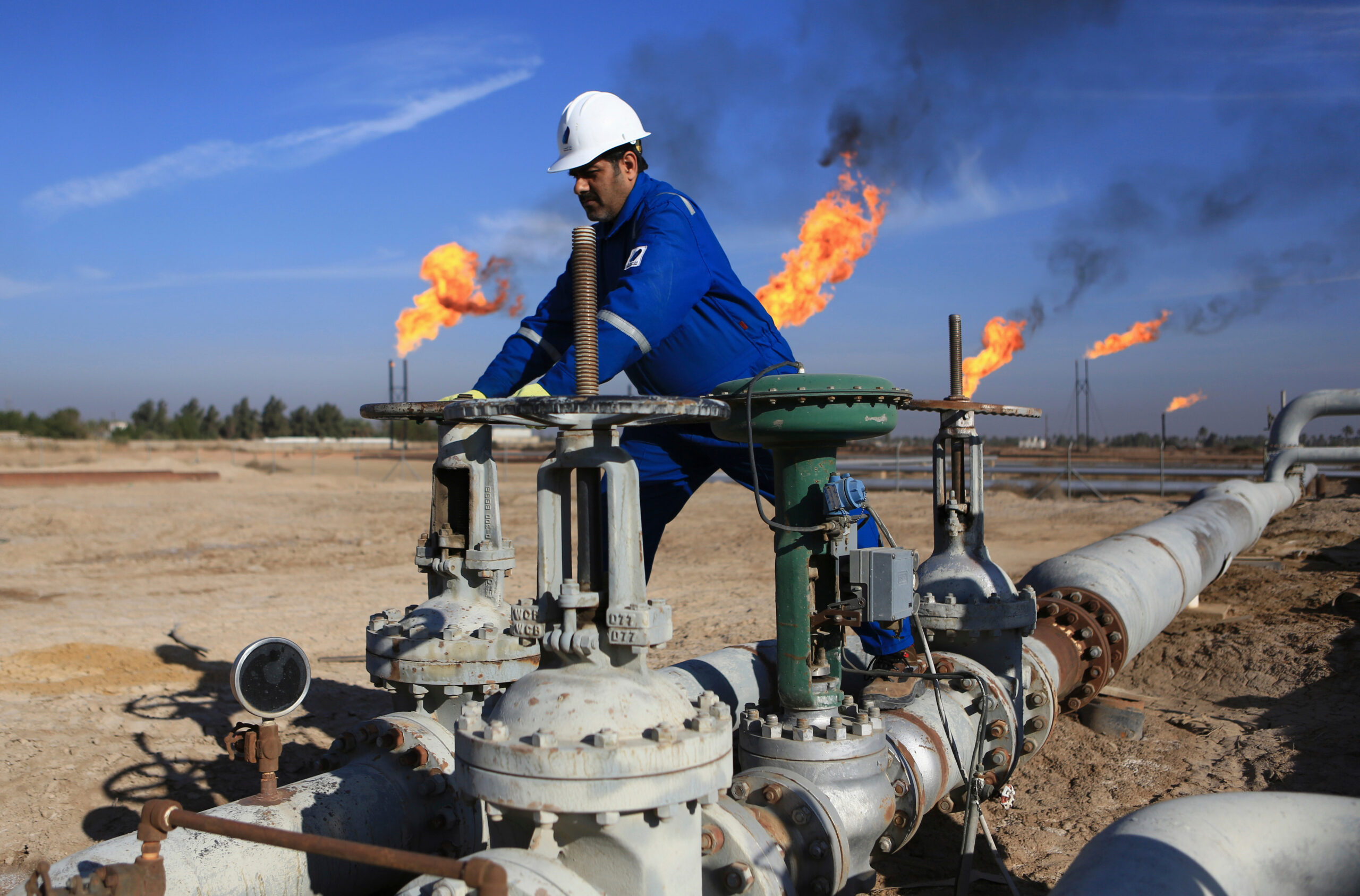
A worker operates valves in Nihran Bin Omar field north of Basra, Iraq, Jan. 12, 2017. (AP Photo/Nabil al-Jurani)
Iraq’s Parliament voted to reconstitute the Iraqi National Oil Company in March 2018, and the former oil minister, Jabbar al-Luaibi, was appointed head of INOC that October. The passage of a controversial and ambiguous INOC law revived an entity that was subsumed by the Ministry of Oil over three decades ago. In theory, INOC exercises broad powers over Iraq’s oil and gas resources and manages related commercial operations in the country. In practice, the company exists only on paper and its constitutionality is questionable. The creation of INOC intends to situate the energy portfolio within a professional commercial vehicle able to balance the competing demands of Iraqi constituencies and international stakeholders. Yet legal, political, and bureaucratic dynamics have impeded the development of an embryonic energy firm with aspirations to become the region’s next Aramco.
The Iraqi government established INOC in 1966; however, Saddam Hussein divided the firm into several regional companies in 1987, and these companies have since operated under the Ministry of Oil. In October 2018, Iraq’s Cabinet named Luaibi, then minister of oil, as head of the newly reformed INOC, and Thamir Ghadhban replaced Luaibi as oil minister. Luaibi promptly issued a decree transferring ownership of nine key Iraqi state-owned firms – a portfolio that included the Basra Oil Company, the country’s largest oil producer – from the Ministry of Oil to INOC. But he reversed this decision following concerns that the move superseded the authority of Prime Minister-designate Adel Abdul Mahdi. In January, Iraq’s Federal Supreme Court ruled that several articles within the INOC establishing legislation violated the country’s constitution, relegating the company to a state of legal and operational limbo.
The institutional organization of Iraq’s oil and gas sector depends heavily upon the ultimate delineation of authority between INOC and the Ministry of Oil as well as the personalities behind each entity. According to former officials, Luaibi has proved a reliable partner to the United States, especially as he possesses neither Islamist nor Shia sectarian tendencies. However, the aging technocrat’s ability to manage the demands of international oil players, and therefore his competency to lead INOC, is a source of debate. According to two senior U.S. officials with experience in the portfolio, Ghadhban seems to favor a centralized form of state control over the country’s oil and gas resources and has exercised caution when managing contracts with international oil companies. A functioning, independent INOC would encroach upon Ghadhban’s ministerial turf, which currently includes operational and regulatory responsibilities.
Beyond constitutional and bureaucratic hurdles, INOC’s fate rests upon competing visions for the future of Iraq’s oil and gas sector. One camp views INOC as a means for dissociating business decisions from the political process. Indeed, the second article of the INOC law, one that was not declared unconstitutional, pairs “financial and administrative autonomy” with a duty to report to the Council of Ministers. A benign interpretation of this autonomy considers Iraq’s ever-changing government dynamics as an impediment to efficient business operations. A less optimistic interpretation views INOC as a state within a state, possessing limited controls on corruption. Some politicians who believe that INOC will be packed with Luaibi loyalists, for example, might want the company to languish in a state of constitutional suspension and eventually fade away. Various sectarian blocs and Iranian-linked members of parliament also hope to extend control over Iraq’s oil resources by seeking to use their political power in the Parliament to gain management direction over INOC’s subcomponent companies.
Managing the expectations of Iraqi citizens will prove another challenge for INOC. Article 111 of the country’s 2005 constitution states: “oil and gas are owned by all the people of Iraq in all the regions and governorates.” In a likely response to this constitutional stipulation, the INOC law mandates that a portion of profits be allocated to three newly established funds: Citizen Fund, Generations Fund, and Reconstruction Fund.
None of these financial instruments are likely to materialize any time soon. According to the controversial company law, up to 90% of INOC profits are to be directed to Iraq’s state treasury, with an unspecified remainder to be divided among these three funds and INOC’s reserve capital stock. The precise allocation remains ambiguous and foreshadows a politicized distribution process. Constitutional issues aside, there is little room for maneuver within Iraq’s finances. The country has struggled to repay around $4 billion in remaining war reparations to Kuwait – an obligation that required diverting 5% of petroleum-related proceeds to the United Nations Compensation Commission until 2018, when the rate was reduced to 0.5%. Iraq must pay a rate of 1.5% over the course of 2019 and then 3% in 2020, until the outstanding compensation is paid in full.
As its future form and scope become clearer, INOC may serve as a key variable in local, regional, and international energy dynamics. Hydrocarbon revenue plays a crucial – but increasingly insufficient – role in assuaging socioeconomic pressures in the country. The oil and gas sector constitutes around 90% of government revenue and about 60% of gross domestic product. This level of fiscal dependence upon hydrocarbon commodities leaves the state vulnerable to acute shocks, such as cyberattacks that disrupt oil output, and longer-term challenges associated with the management of low and volatile oil prices.
Iraqi policymakers will look toward the country’s subset of state-owned oil and gas companies to help address persistent labor market and fiscal constraints. An estimated 800,000 annual entrants into Iraq’s labor market compete for a limited number of employment opportunities. The country’s labor force participation for 2018 was just 42.5%, according to the International Monetary Fund. A fiscal surplus of approximately 8% in 2018 – owing in large part to higher than expected oil prices – overshadowed a significant decline in non-oil revenue and spending increases. Among these domestic expenditures projected for 2019 are a large public sector wage bill, representing 17.4% of gross domestic product, and around $11 billion in electricity subsidies. The oil and gas sector is the largest industrial consumer of electricity in Iraq, and the majority of end users in the country do not pay for electricity, according to the U.S. Energy Information Administration.
Iraq’s state-owned oil companies are integrated components of the regional energy system. Following the September 14 attacks in Saudi Arabia, a report suggested that Aramco requested millions of barrels of crude oil from Iraq’s State Organization for Marketing of Oil. Saudi and Iraqi officials denied this, but it appears likely that Aramco is purchasing some petroleum products to help meet customer requirements. Iraq’s increasing oil production – reaching a record 4.88 million barrels per day in August – also complicates OPEC’s drive to cut production through 2020. Luaibi has previously stated his desire to see INOC produce 7 mb/d.
Any future INOC would also play a central role in managing economic relations with Iran and the Kurdistan region. The Iraqi power grid relies heavily upon imported Iranian gas – it may take years for Iraq to wean itself from its energy dependence on Iran. Updating the country’s energy infrastructure and technology to better control flared gas and increase processing capacity, however, could speed up the path toward energy independence. Negotiating power-sharing dynamics between Baghdad and the Kurdistan Regional Government would also fall under INOC’s purview. Since 2014, oil production and exports in KRG-administered northern Iraq have been the source of ongoing disputes between the Kurds and the central government in Baghdad, particularly since the KRG has used production sharing agreements with international oil companies to increase production. Iraq’s Ministry of Oil has relied on service contracts to bring international oil companies into southern fields without giving them a share of the production as compensation.
The commercial opportunities associated with INOC are vast. Iraq is the second largest OPEC producer, owing to the U.S. sanctions on Iranian hydrocarbon exports, and holds 12% of the world’s proven oil reserves. The International Energy Agency predicts that Iraq’s oil production will rise by 1.3 mb/d by 2030, making it the fourth-largest oil producer in the world. Only the United States and Brazil are expected to exceed this increase in oil production during this period. Iraq’s refining capacity also grew 10.9% in 2018.
Despite the substantial potential of Iraq’s oil market, international firms have struggled to find solid footing within Iraq’s shifting energy environment. Exxon proposed a $53 billion, 30-year megaproject to develop Iraq’s southern energy infrastructure. Yet, the new INOC law emerged over the course of negotiations and complicated long-term project planning. The massive scale of the project also risked overwhelming the Ministry of Oil, which has appeared keener on the prioritization of smaller-scale projects, such as a sea pipeline project with Eni and BP or a seawater injection facility. China and Iraq signed an investment agreement for as much as $10 billion – a move that followed a 2018 memorandum of understanding concerning a joint oil refinery and petrochemical facility in southern Iraq.
The risk-reward equation for multinational energy firms operating in Iraq remains an unattractive proposition. The stated goal of INOC – namely creating a depoliticized, professional national oil company – may have been well intentioned and designed to facilitate a win-win for local and international stakeholders. However, opacity and ambiguity in the INOC law have thus far made INOC more dream than reality. Iraq’s oil and gas market will remain underdeveloped until these legal, political, and bureaucratic hurdles are overcome.
The views represented herein are the author's or speaker's own and do not necessarily reflect the views of AGSI, its staff, or its board of directors.
In its new strategy, the Saudi Public Investment Fund seems to focus more on investment returns and less on asset growth. How this will work in practice is less clear, including what it means for the future of existing projects, such as Neom.
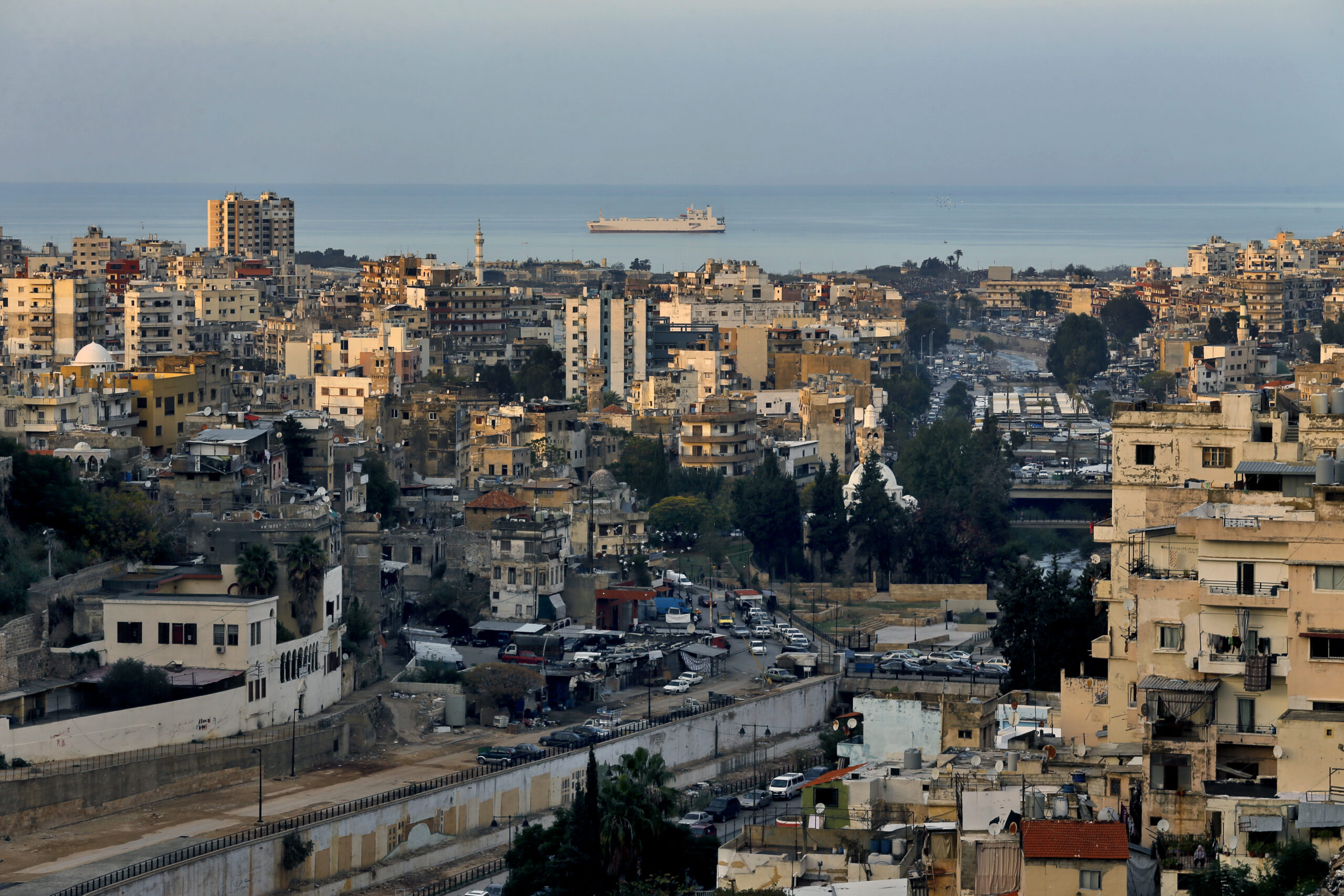
As Gulf countries seek alternative routes beyond the Strait of Hormuz, Lebanon is positioning Tripoli as a complementary Mediterranean gateway alongside Syria, but long-standing political and financial risks could limit serious capital inflows.
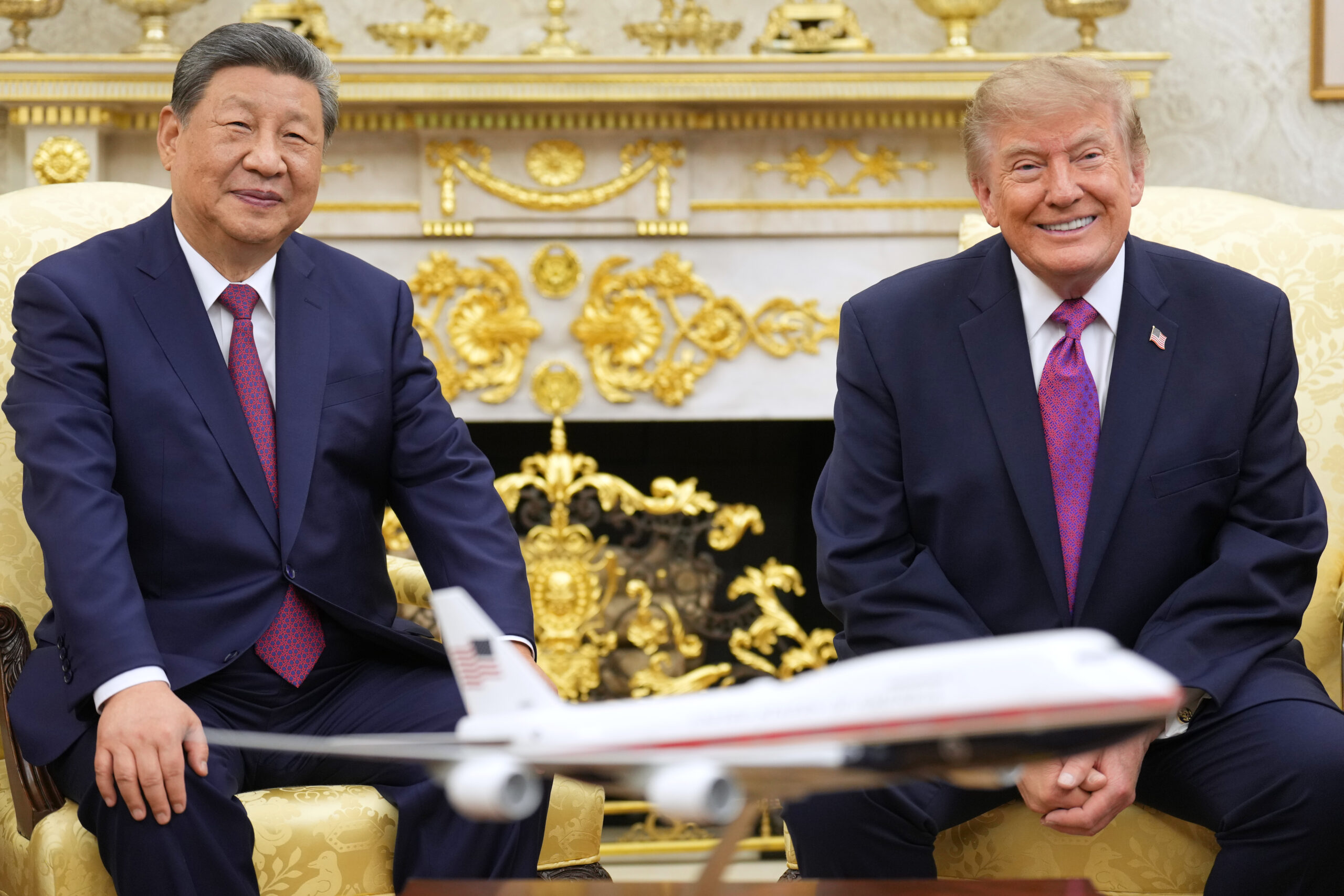
Beijing keeps treading carefully around conflict in the Middle East while seeking opportunities to deepen ties with key country partners through a longer-term regional engagement strategy.
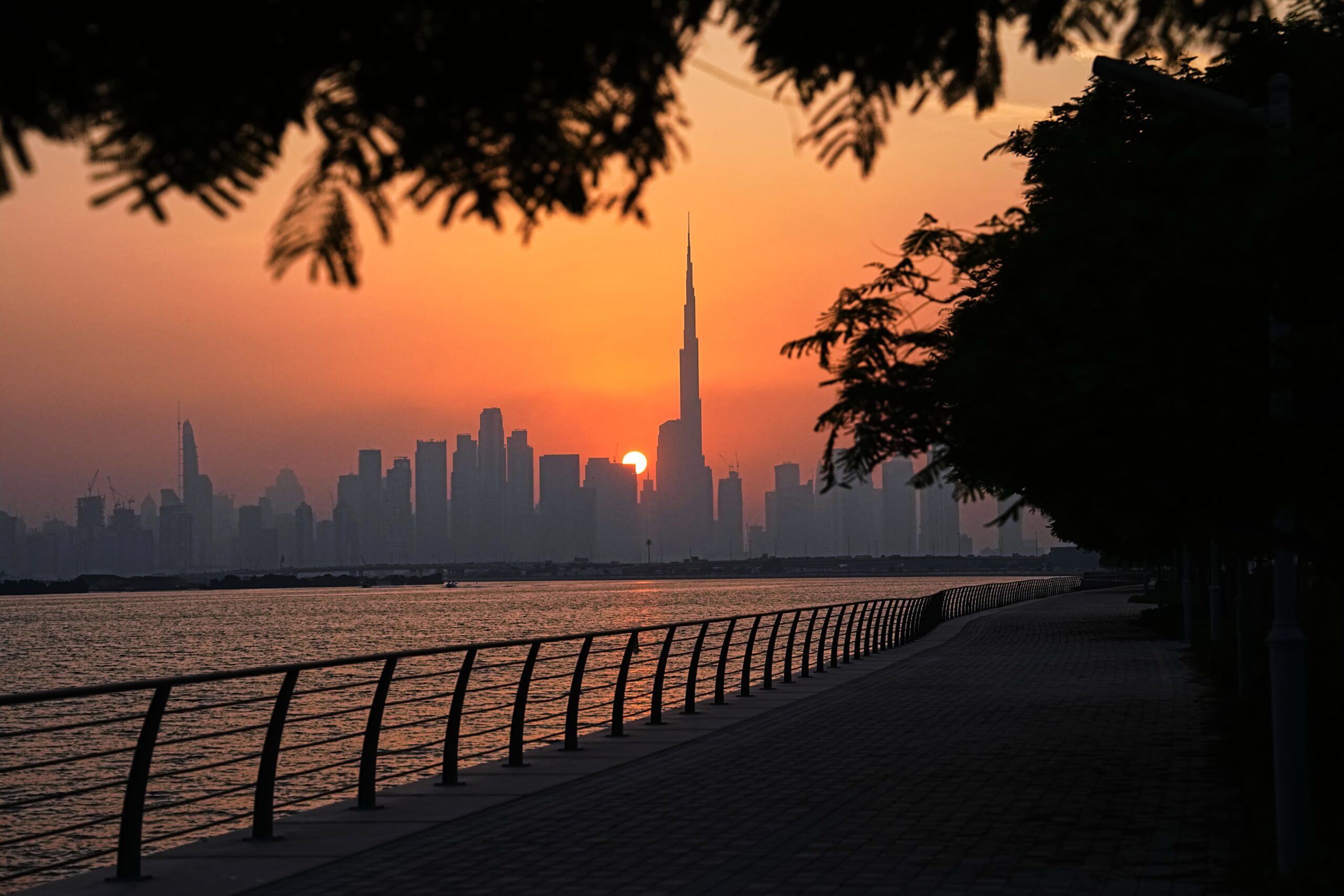
The UAE’s decision to halt trade and commercial ties with Iran reflects an exercise in applying carefully calibrated geoeconomic pressure amid an uncertain and evolving geopolitical context.