As Qatar looks to the future, it will have to assess the battered landscape of the global LNG industry, reassure its customer base, and rethink its approach for a very different market.
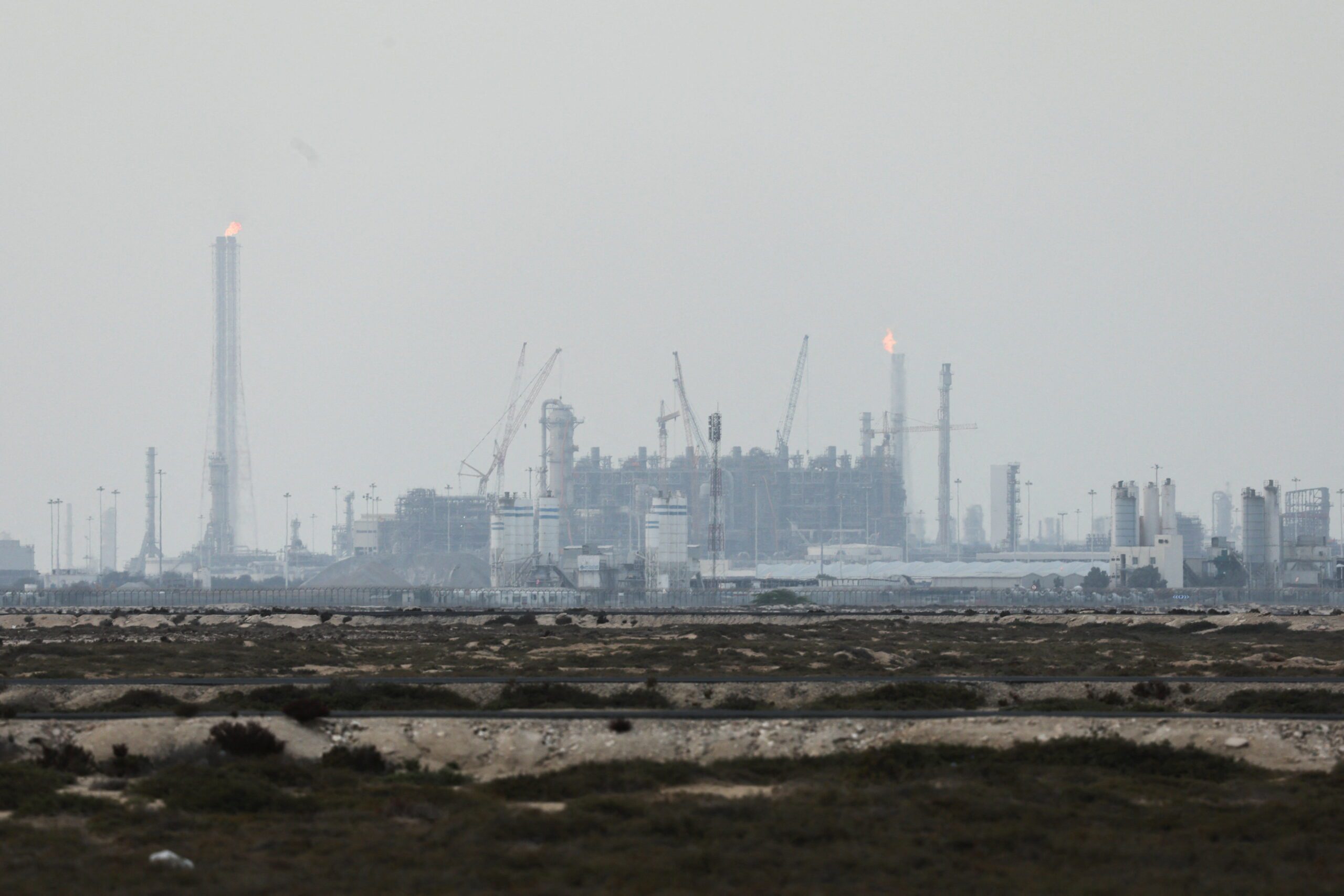
QatarEnergy's liquefied natural gas production facilities in Ras Laffan Industrial City, Qatar March 2. (REUTERS/Stringer)
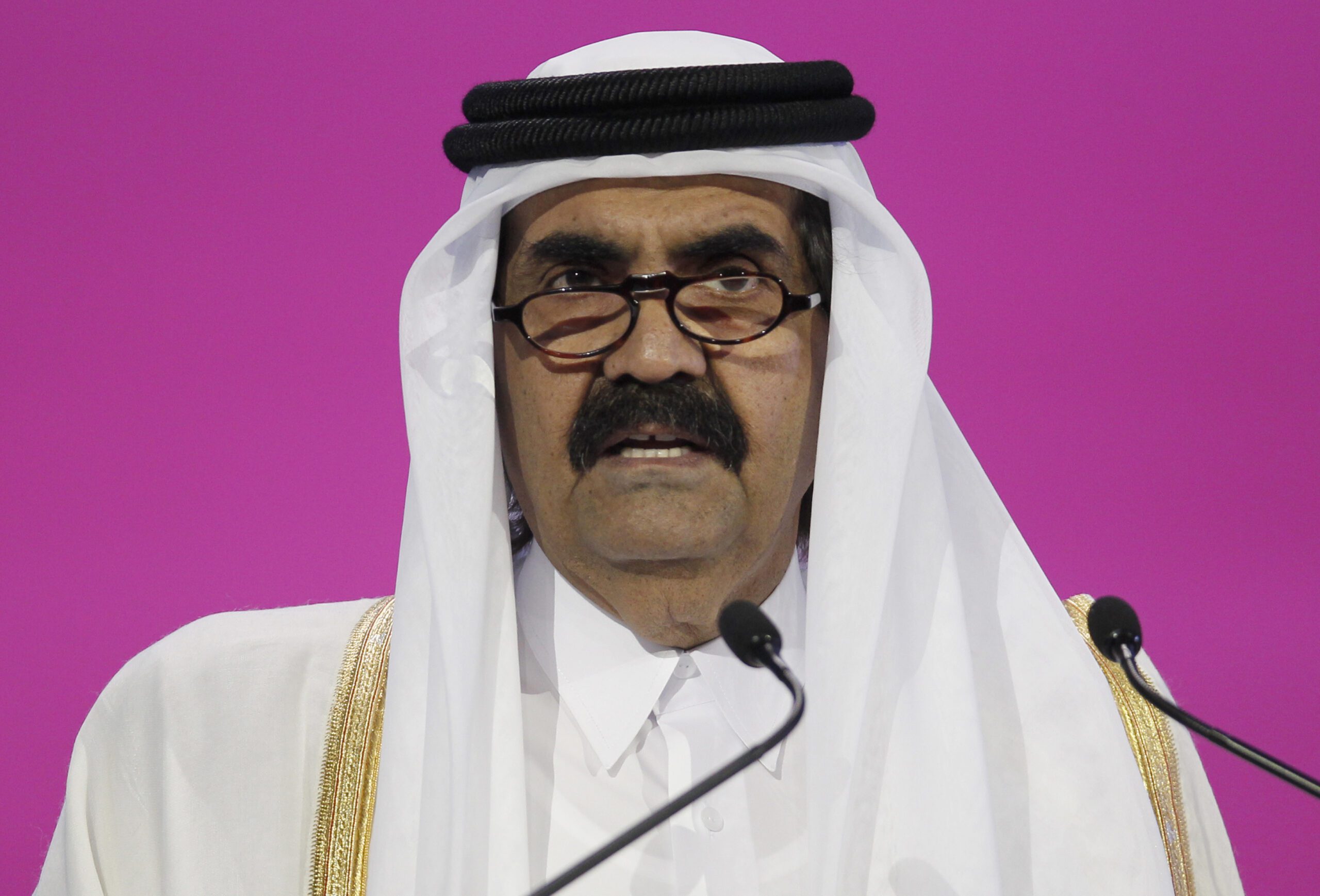
Neither Emir Hamad bin Khalifa al-Thani of Qatar nor his long-serving energy minister, Abdullah al-Attiyah, would have wanted to go out like this. The “Father Emir” died on July 12, his childhood companion Attiyah having predeceased him on May 27. The world-leading liquefied natural gas business they built now lies quiet, part of it badly damaged by Iranian attack, and its tankers hesitating to run the gauntlet of the Strait of Hormuz.
The North Field, the world’s largest conventional gas accumulation, lies just off Qatar’s northern coast and extends into Iranian waters as the South Pars field. Discovered by Shell in 1971, it sat idle for 20 years. There was no local market for such gigantic volumes, and the global LNG industry was in its infancy. Yet Qatar’s relatively modest oil resources, not on the scale of its neighbors in Saudi Arabia, the United Arab Emirates, Kuwait, and Iran, were running down. Low oil prices beginning in 1986 were a further headache.
In 1984, BP began working to develop the original Qatargas project, based at the new northern industrial hub of Ras Laffan, but, in a decision it must bitterly regret, decided the project was not profitable enough and handed its stake back to the state in 1992. It has never dared to return to Doha. Instead, Mobil took the project over, and it fell into the lap of Exxon when the companies merged in 1999. In 1995, Hamad ousted his father in a bloodless coup.
The success that made Qatar one of the world’s wealthiest countries and most influential small states was not at all preordained. When LNG exports commenced in 1996, there were only eight other significant LNG-exporting countries. The entire world market was about 93 million tons, barely bigger than the 77-million-ton capacity Qatar would reach by 2011.
Hamad, Attiyah, and ExxonMobil made several important bets. They calculated that the vast scale of plants and ships could drive down costs enough to make the North Field LNG projects viable. The associated hydrocarbon liquids produced with the gas in fact generated the majority of the revenue, a crucial advantage over “dry” gas fields elsewhere. The emir was willing to accumulate what, for Qatar in those days, was huge amounts of debt to finance its share.
They also believed that the United States would become a massive LNG importer as its domestic gas dwindled. That would move LNG beyond being a niche fuel for a few energy-short Asian markets: mostly, Japan, South Korea, and Taiwan. This turned out to be wrong because of the U.S. shale boom.
But Qatar was fortunate that LNG demand in Europe, China, and India boomed in the early 2000s. Europe was phasing out coal, and its domestic gas output was running down. Shell, TotalEnergies, ConocoPhillips, Occidental, and other important energy companies arrived to build LNG and other major gas-based facilities. The 2008 global financial crisis struck just as Qatar’s main plants were completed, and it entered a lengthy period of “maintenance” to restrict supply and limit a price crash.
Then Japanese demand got a big boost in 2011 when it turned urgently to Qatar to fill the energy gap left by the Fukushima nuclear accident. Even during the 2017-21 boycott by several of its neighbors, the LNG tankers kept sailing. Qatar’s new wealth was invested in massive, high-profile international assets as well as its Al Jazeera media network, detested by several regional neighbors, and its active diplomacy and political mediation – seen by some states as meddling. Hamad abdicated in 2013 in favor of his son, Tamim bin Hamad al-Thani, but as the “Father Emir,” he remained hugely influential behind the scenes.
Doha had also made a tricky geopolitical wager. On the advice of geologist Khalil Odouli, Iran drilled in 1990 on its side of the maritime border, not believing the convenient Qatari maps that showed the North Field halting there. South Pars turned out to hold about one-third of the total accumulation. Iran, suspicious of foreign investment and hampered by sanctions, was much slower to develop the field. It signaled to the Qataris that it would not look kindly on their aggressive production.
This, along with a need to give the market time to develop, encouraged Attiyah to announce his famous moratorium on further development of the North Field in 2005. This was not lifted until 2017. By then, Iran’s output had ramped up to the point at which, relative to its reserve share, it was producing more than Qatar. It represented about 70% of Iran’s supply – though dedicated for domestic use, with very little exported. Despite several tortuous attempts, Tehran never succeeded in creating its own LNG export business.
By contrast, Qatar was the world’s second-largest LNG exporter in 2025, with 18.7% of global supplies, just ahead of Australia. The United States topped the charts with 25.3%. No one else comes close to these three. But Australia’s capacity is stagnant, so the United States and Qatar were set to stretch their advantage even further.
The three North Field expansion projects – East, South, and the latest West – are meant to add 65 million tons per year of capacity by 2030, a near doubling on the original 77 million tons per year. Major Chinese state companies have joined the Western supermajors as equity investors. Meanwhile, in-progress U.S. projects would add 98.5 million t/y, taking U.S. capacity to about 204 million t/y.
It became essential for Doha to do something to match this growth in U.S. capacity to maintain its strategic dominance. QatarEnergy does have various advantages over its U.S. competitors: Its costs are much lower; it has the valuable associated liquid hydrocarbons, readily available coastal land, a simple government approval process, low-carbon production technology, and brownfield infrastructure that can be readily expanded.
Most important, unlike the U.S. business, which is fragmented among numerous private companies scattered across Texas, Louisiana, Georgia, and other states, even in Mexico using U.S. gas delivered by pipeline, QatarEnergy is a single decision maker – run by the dominant personality of its chief executive, also minister of energy, Saad Sherida Al Kaabi. Kaabi took over as minister in 2018, Attiyah having stepped down in 2011.
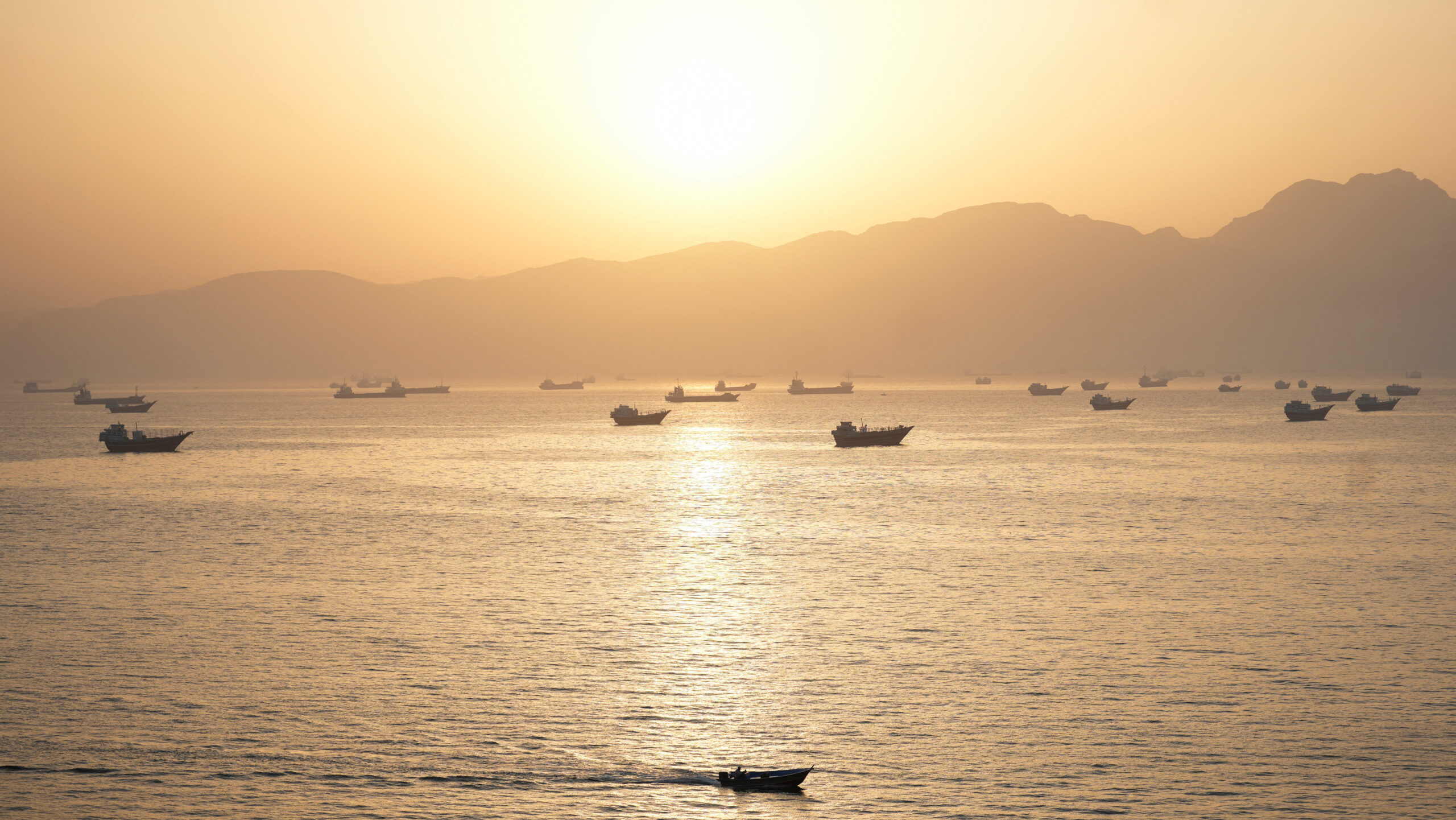
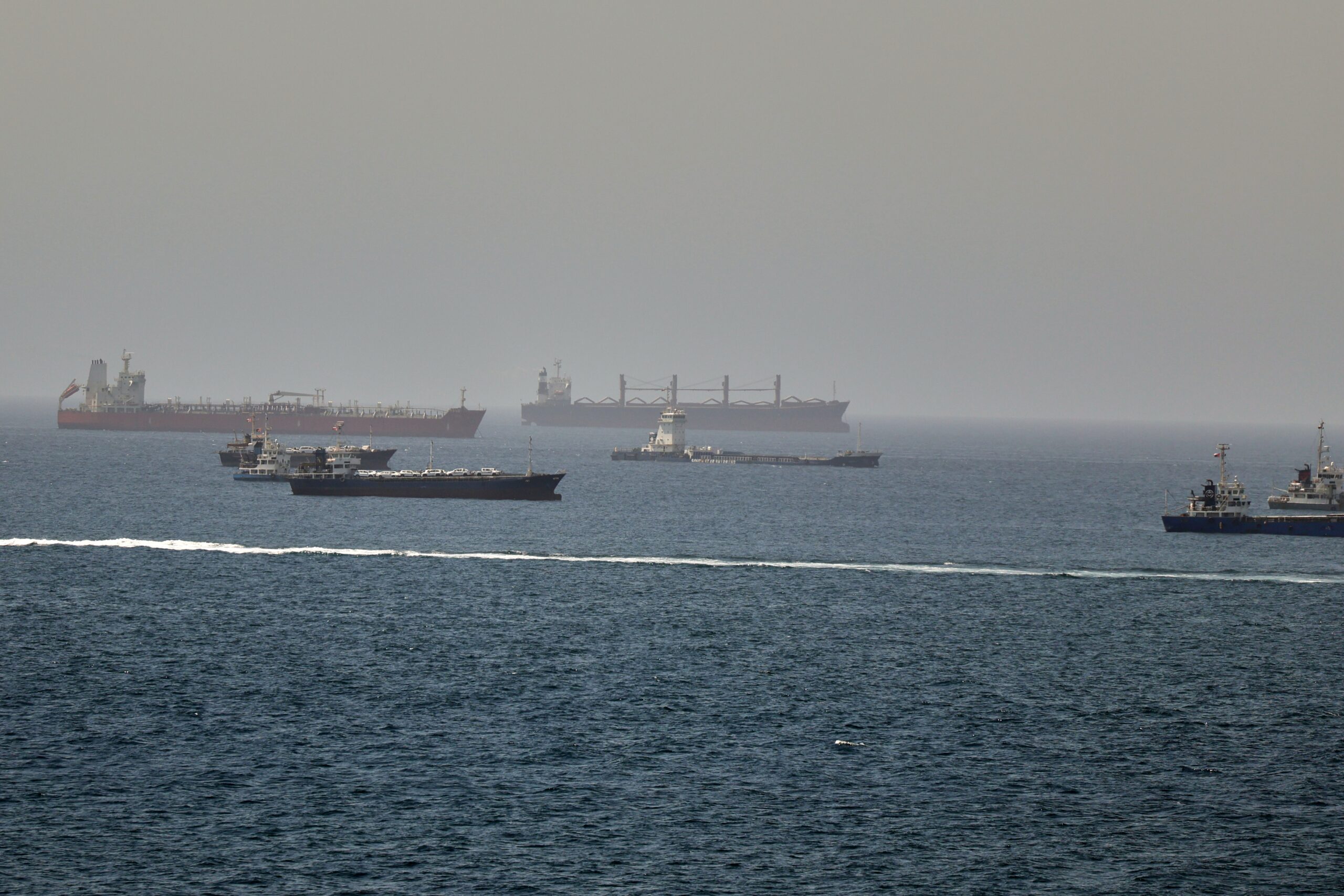
But Qatar’s LNG business now faces its gravest challenge ever. QatarEnergy had prided itself on never missing a cargo. But at the outbreak of the U.S.-Israeli war against Iran, it had to declare force majeure immediately because the Iranian blockade prevented its tankers from traversing the Strait of Hormuz, claiming these circumstances beyond its control allowed it to miss contractual obligations. There was some speculation this was in the hope of avoiding Iranian aggression.
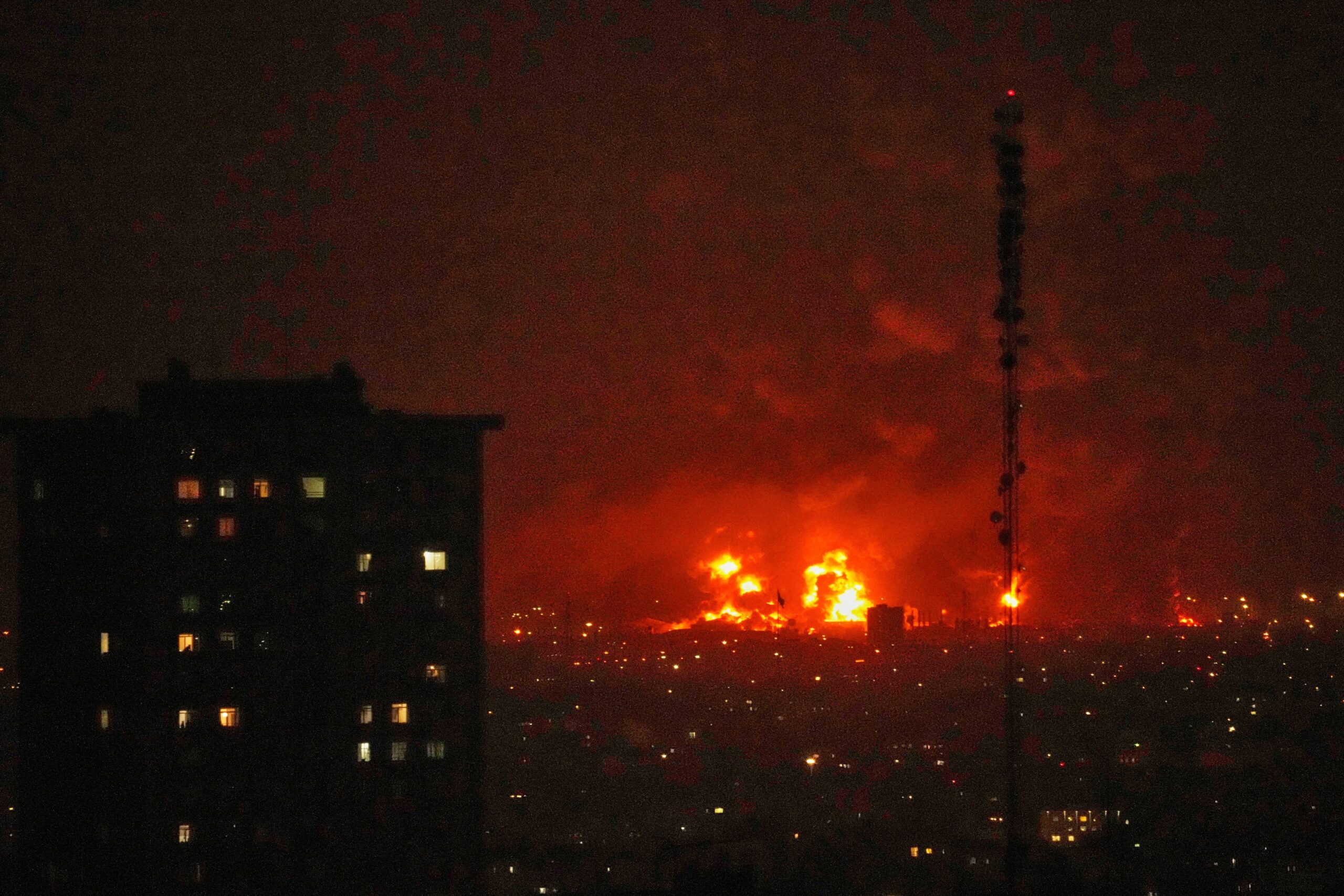
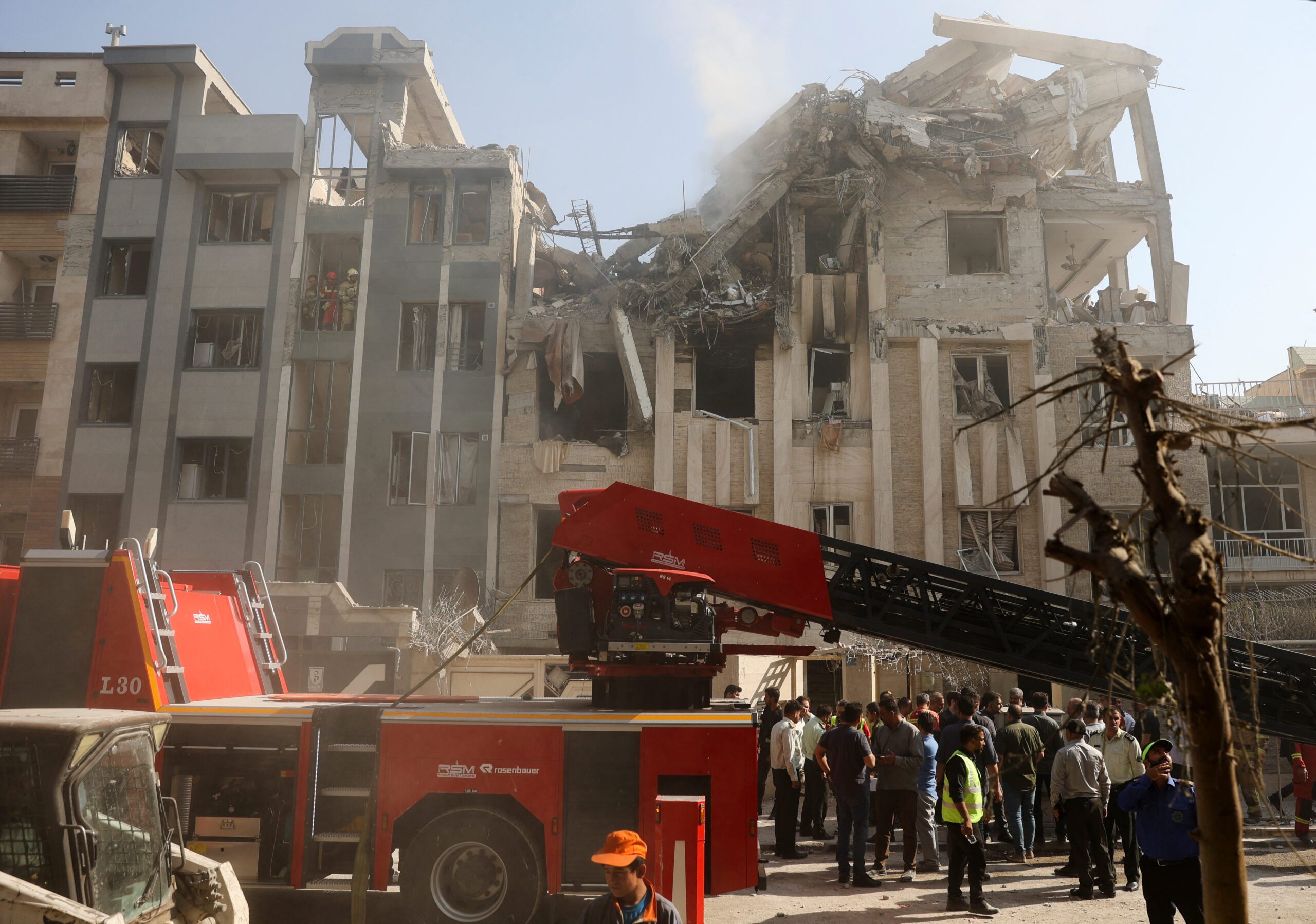
If so, that was unsuccessful. On March 18, Iranian missiles and drones struck Ras Laffan. Trains 4 and 6, two of the 14 liquefaction units, representing 17% of its total capacity, were badly damaged. The main cryogenic heat exchangers, the core of the system, were wrecked and will take three to five years to replace, according to QatarEnergy.
QatarEnergy kept its undamaged plants cool through the conflict, hoping for a rapid restart, and cycling low levels of production among them. As it was attempting to recommence output from the Barzan facility that supplies the domestic market, it suffered a massive explosion and fire on June 21, in this case accidental but testament to the risks involved in stop-start operations.
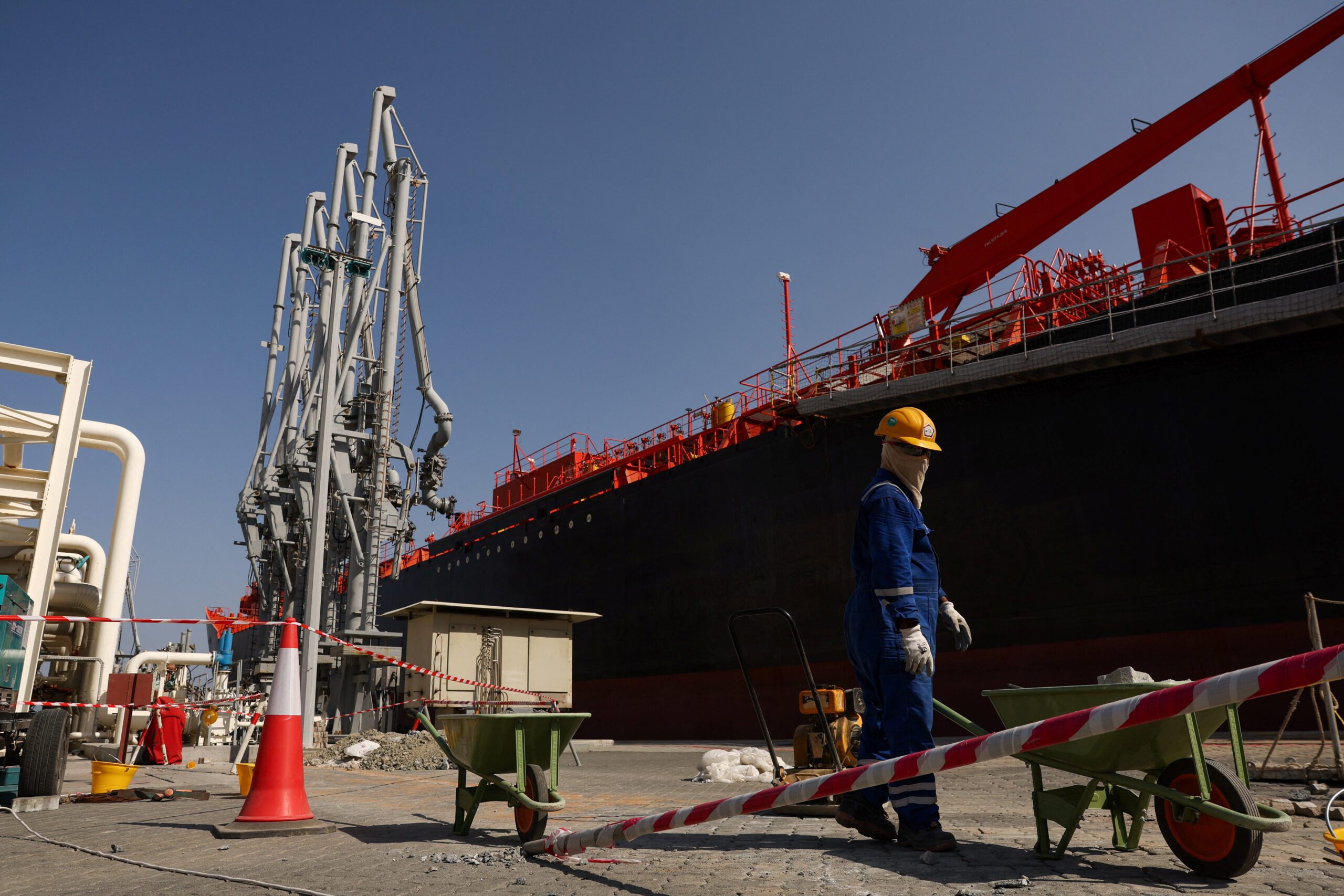
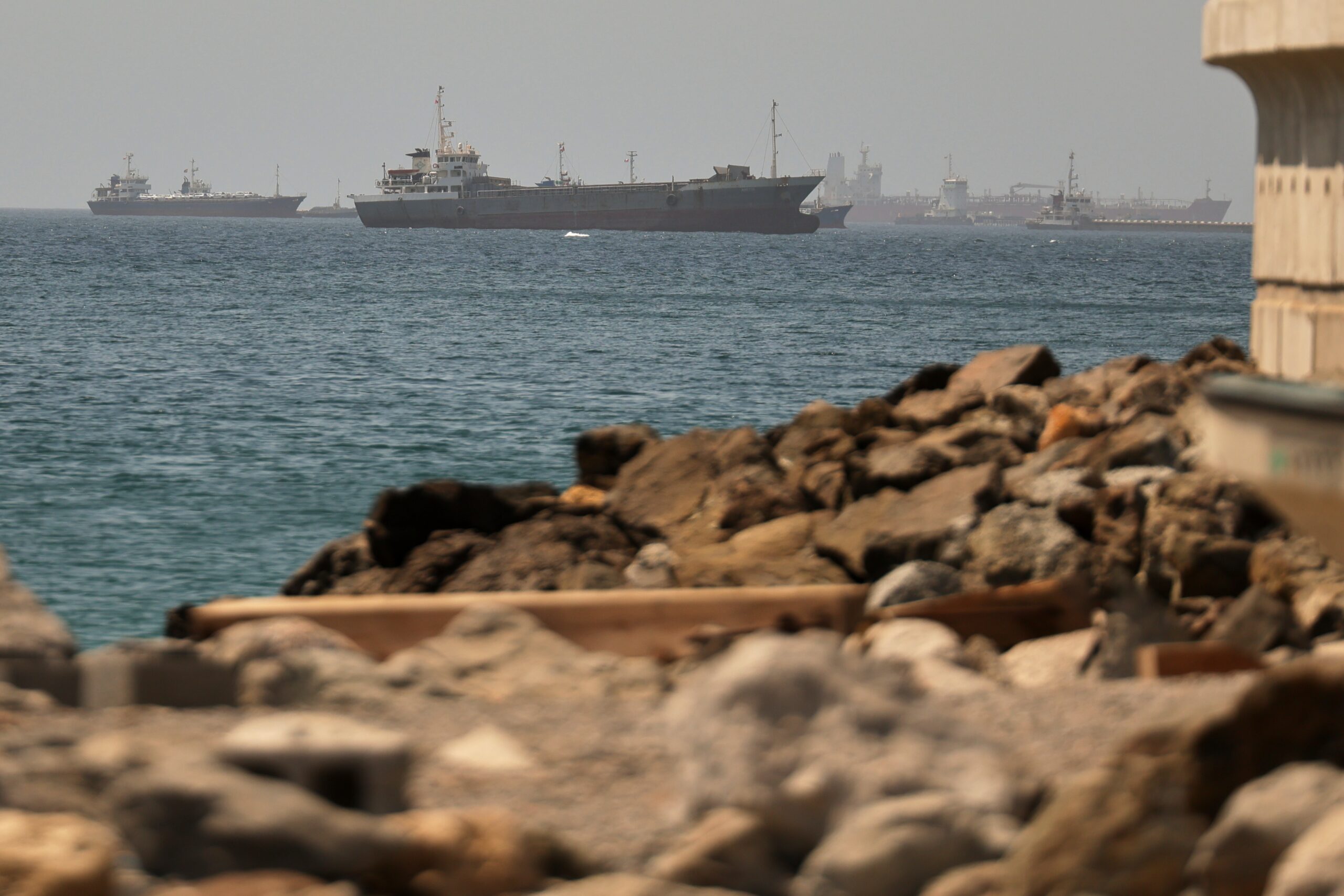
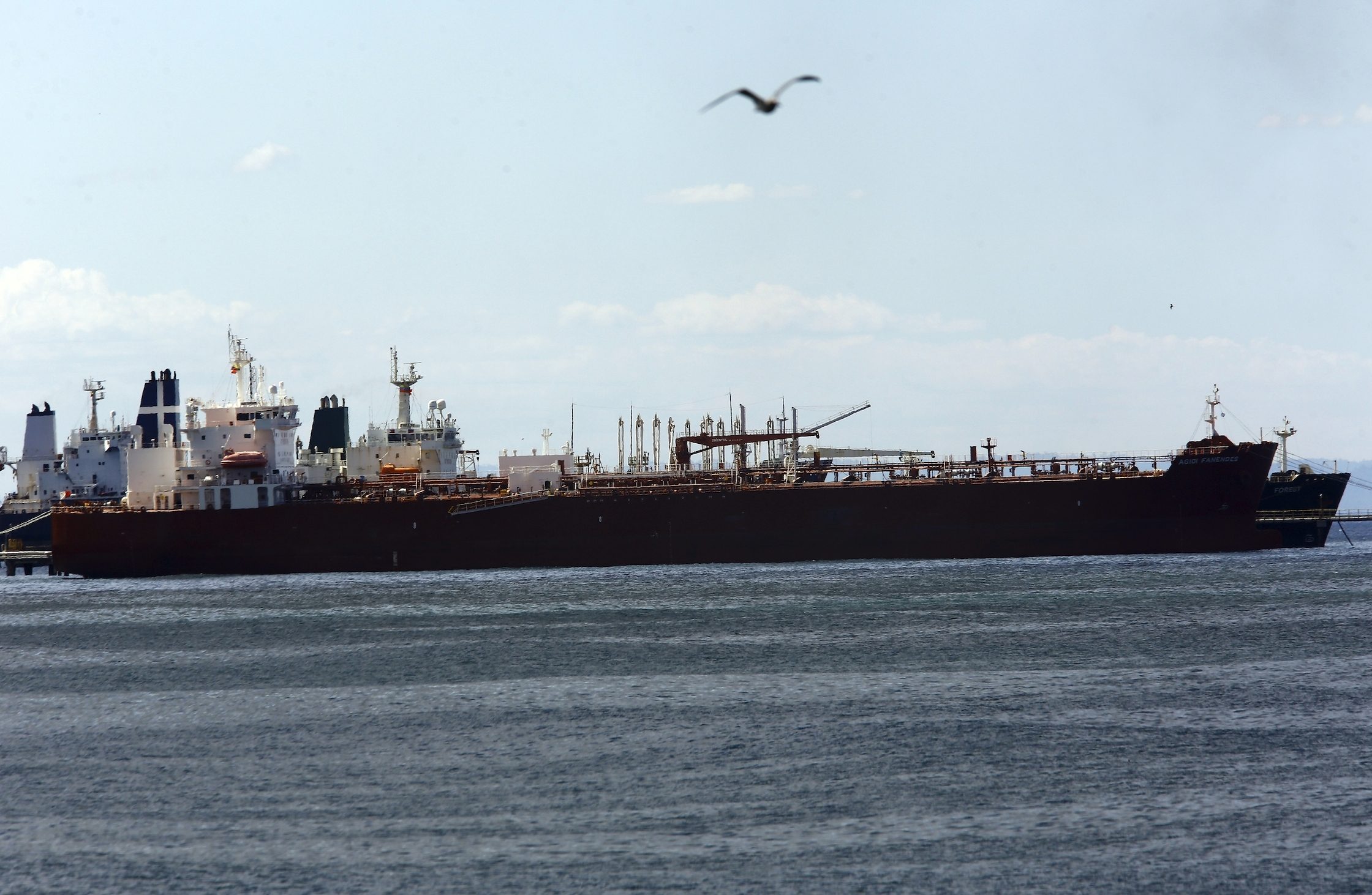
Within the Gulf, it was still able to send cargoes to Kuwait. It attempted to get LNG sailings going again in early July as part of restarting full operations, but after its tanker Al Rekayyat was set on fire on July 7, it paused shipments through the strait. LNG carriers are expensive, combustible assets, even more than oil tankers, not to be risked willy-nilly.
Even before the war, the outlook looked dicey for Qatari LNG. Its vast expansion plan, combined with those in the United States and other places, such as Canada and East Africa, threatened major market oversupply. Indeed, Doha’s own growth plans were partly intended to deter competitors. But it had been quite slow to sign up new buyers. It insisted on rigid, long-term commitments of 15 to 27 years, difficult in an environment of uncertainty over eventual demand, and with European climate targets increasingly biting. It also tried to maintain restrictions on resale to other markets.
LNG for power generation already faced increasing competition from wind and solar power, which, teamed with batteries, offer an increasingly reliable, self-sufficient, and low-cost option. Now, the security of Qatari LNG is in serious question. Major Asian buyers, such as India, China, and Indonesia may prefer the combination of renewables with domestic coal, which is dirty but at least cheap and secure.
Shell, the world’s largest independent LNG seller, still sees a bright future for the fuel, especially in emerging Asian markets, helping to clean up megacities, drive industry, and replace polluting heavy oil in ships. To be competitive, LNG has to be cheap.
Immediately before the war, the Japan-Korea Marker, the main Asian benchmark, was priced at about $10.8 per million British thermal units, the equivalent of about $63 per barrel of oil. This soared to $22 by March, fell back to $15 during the cease-fire, and has risen back to $20 with the renewed ship attacks. To capture the vast markets Shell predicts, and QatarEnergy is playing for, it needs to be much cheaper, probably in the range of $8 per million Btu to $10 per million Btu.
The priority for Qatar now is to avoid further damage to its crown jewels. Kaabi estimated that the destruction of the LNG plants so far would cost QatarEnergy $20 billion per year in lost sales and that the affected units had cost $26 billion to build. Then it needs to restart full output from the remaining trains and get tankers moving safely again. Unlike for oil, which can go through alternative pipelines, there is no way for Qatari LNG to bypass the strait. Doha will then have to complete its expansion projects, weighing their priority against the repair of the two damaged trains. Finally, it will have to assess the battered landscape of the global LNG industry, reassure its customer base, and rethink its approach for a very different market. Much of Qatar’s core competitive advantage will remain intact, the vision of Hamad and Attiyah is not over, but it faces the toughest moment in its three-decade LNG history.
The views represented herein are the author's or speaker's own and do not necessarily reflect the views of AGSI, its staff, or its board of directors.
Under Emir Hamad bin Khalifa al-Thani, Qatar would be known – as a mediator, a broadcaster, a host of mega sports events, and an investor – and that notoriety would itself become a form of security: deterrence by relevance.
Oman has benefitted from the U.S.-Israeli war with Iran, but continued conflict and Oman’s highwire neutrality balancing act mean that the sultanate’s economic windfall is still in danger.
Exports of power from the Gulf’s thriving renewables and battery sector could become a key driver of the economy, but restrained grid interconnectivity with neighbors limits any breakthrough.
On March 10, AGSIW hosted a discussion examining the impact of the Ukraine crisis on global oil and gas markets and the direct effects on the Gulf region.