Oman has benefitted from the U.S.-Israeli war with Iran, but continued conflict and Oman’s highwire neutrality balancing act mean that the sultanate’s economic windfall is still in danger.
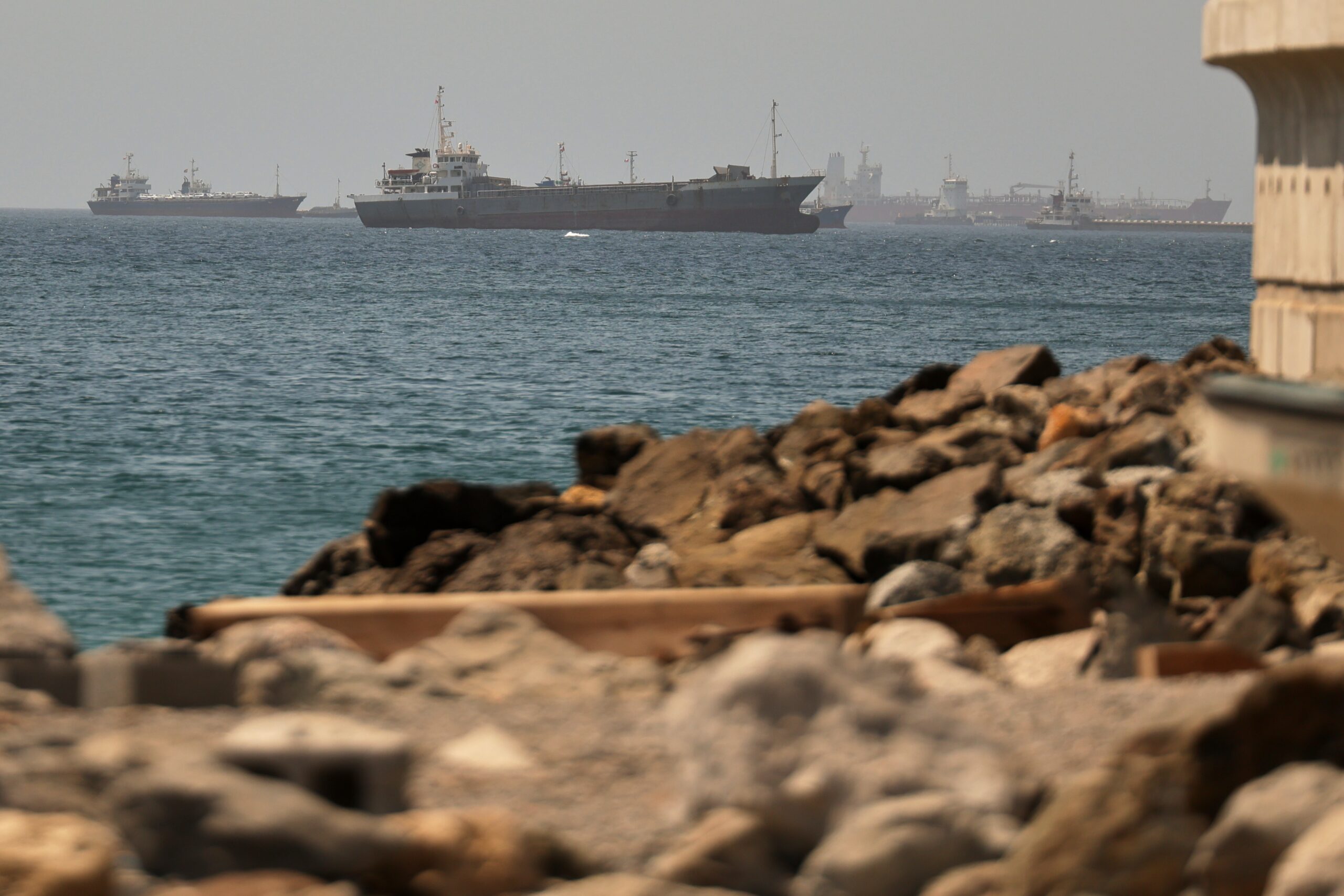
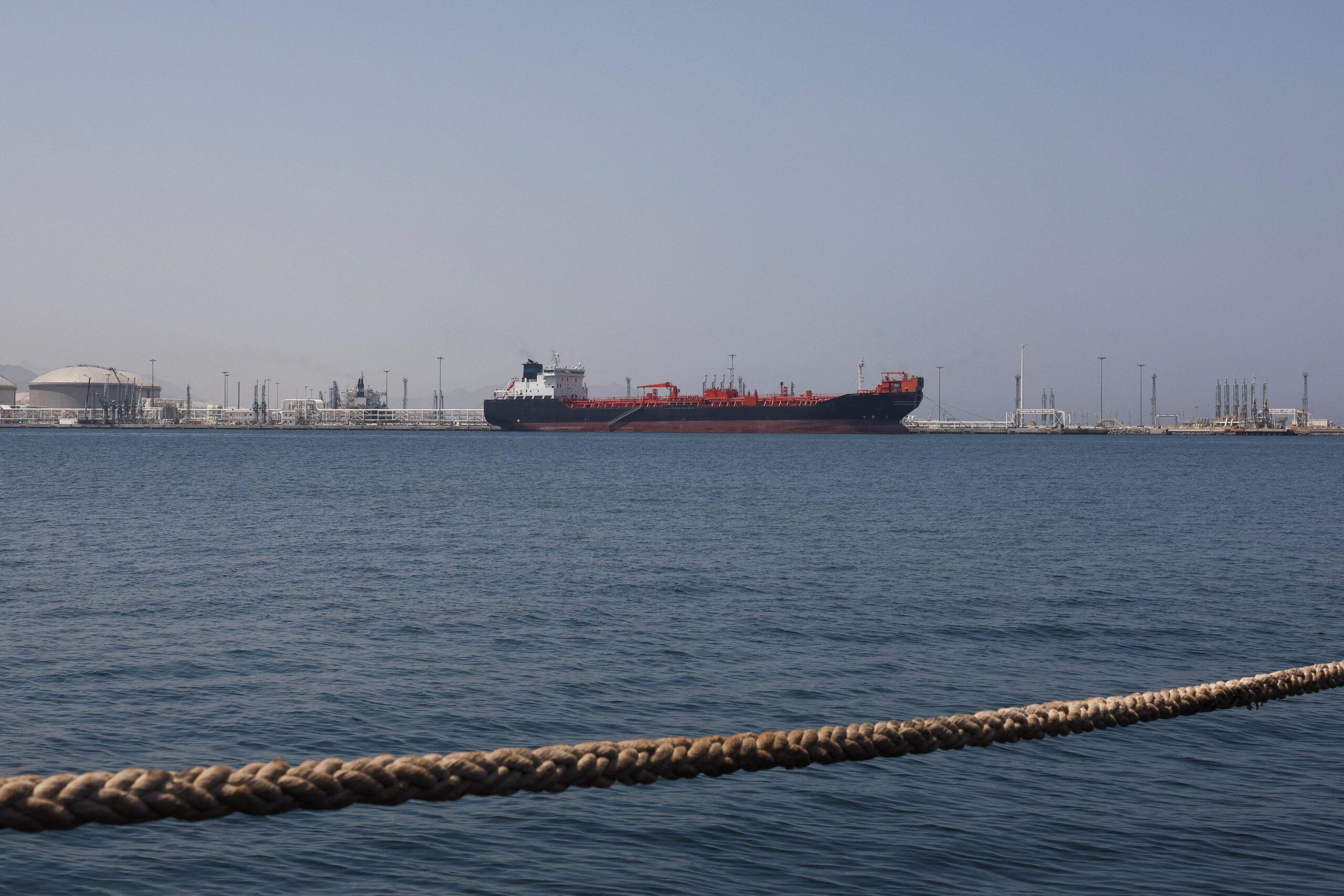
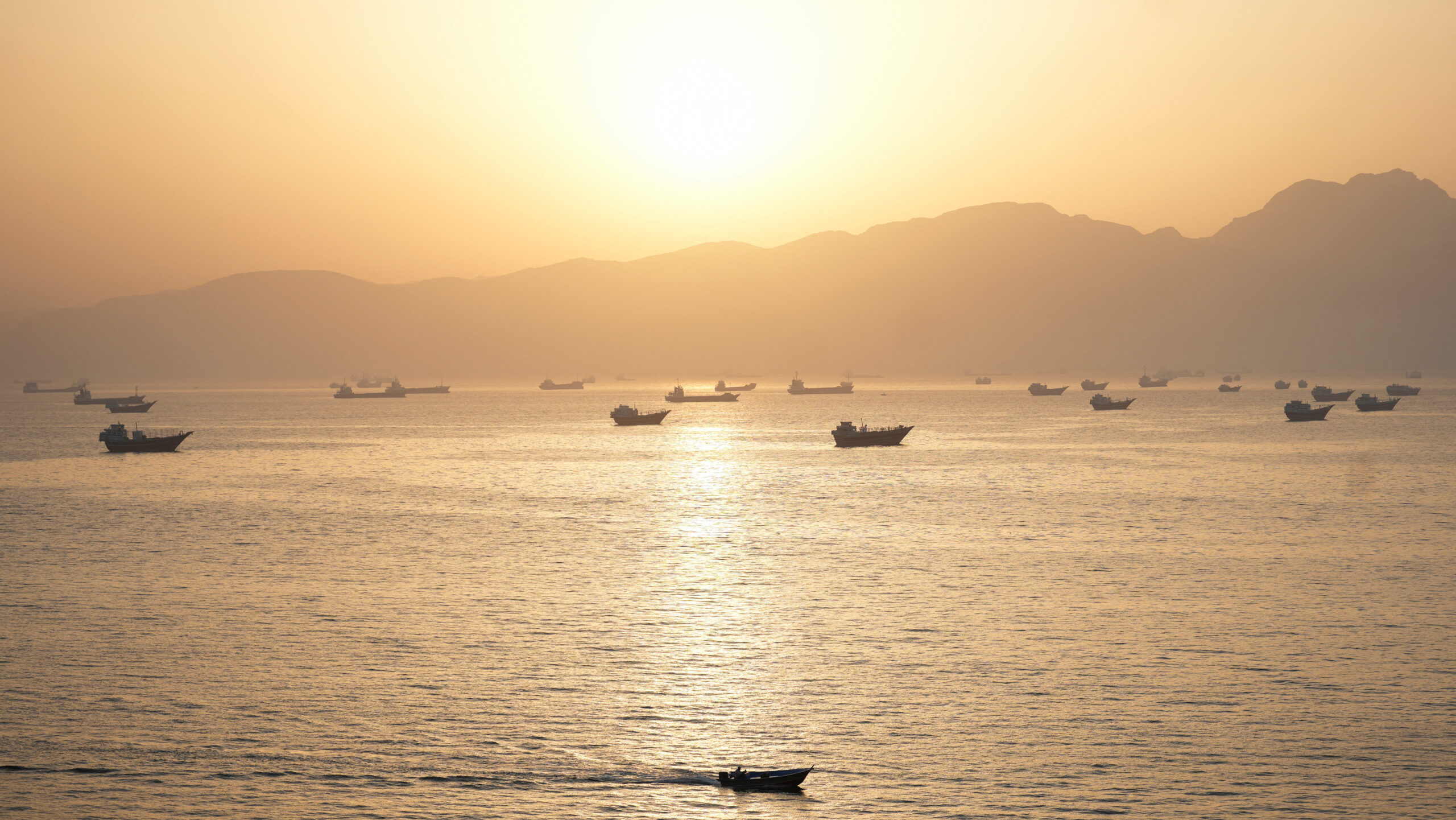
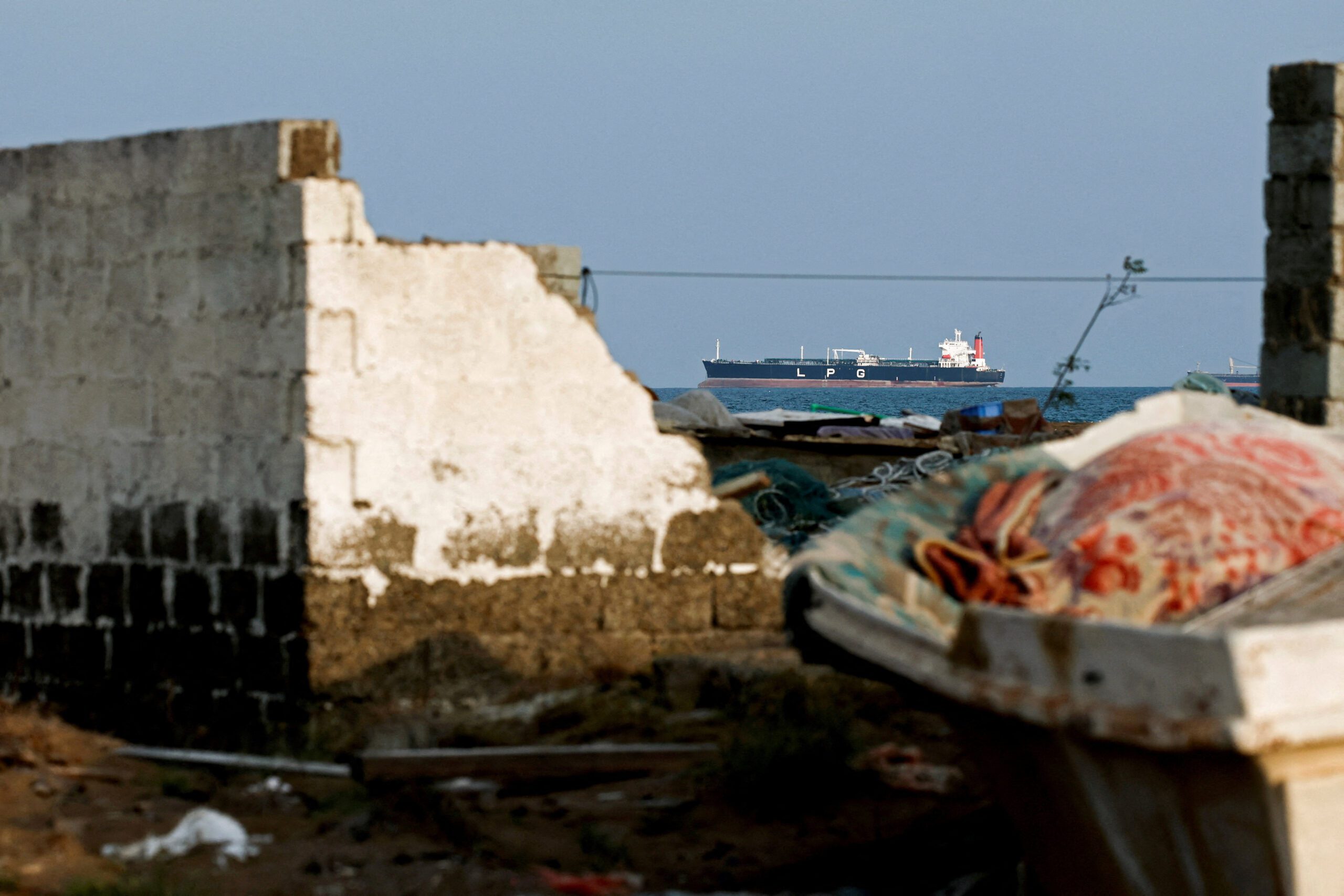
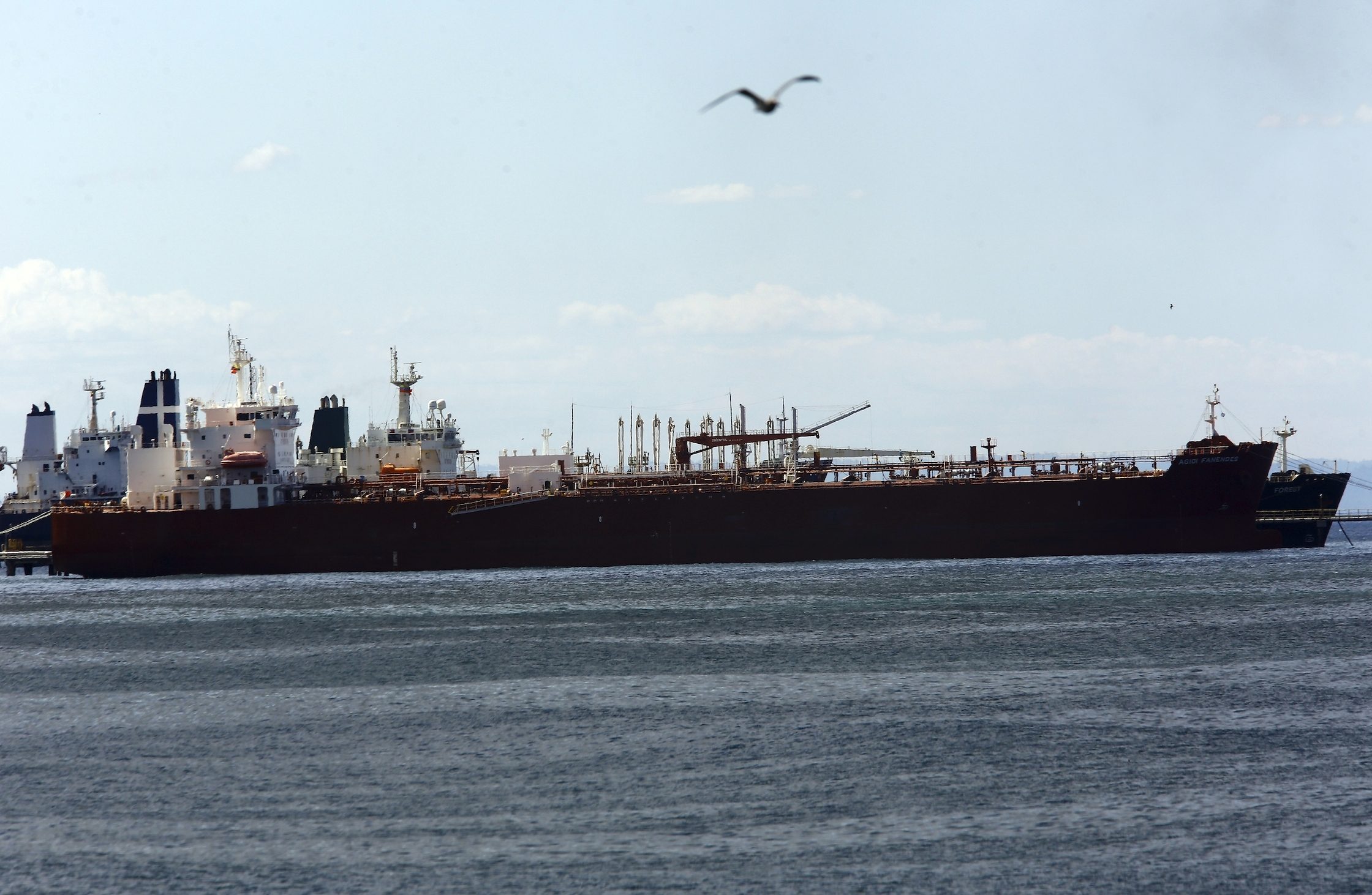
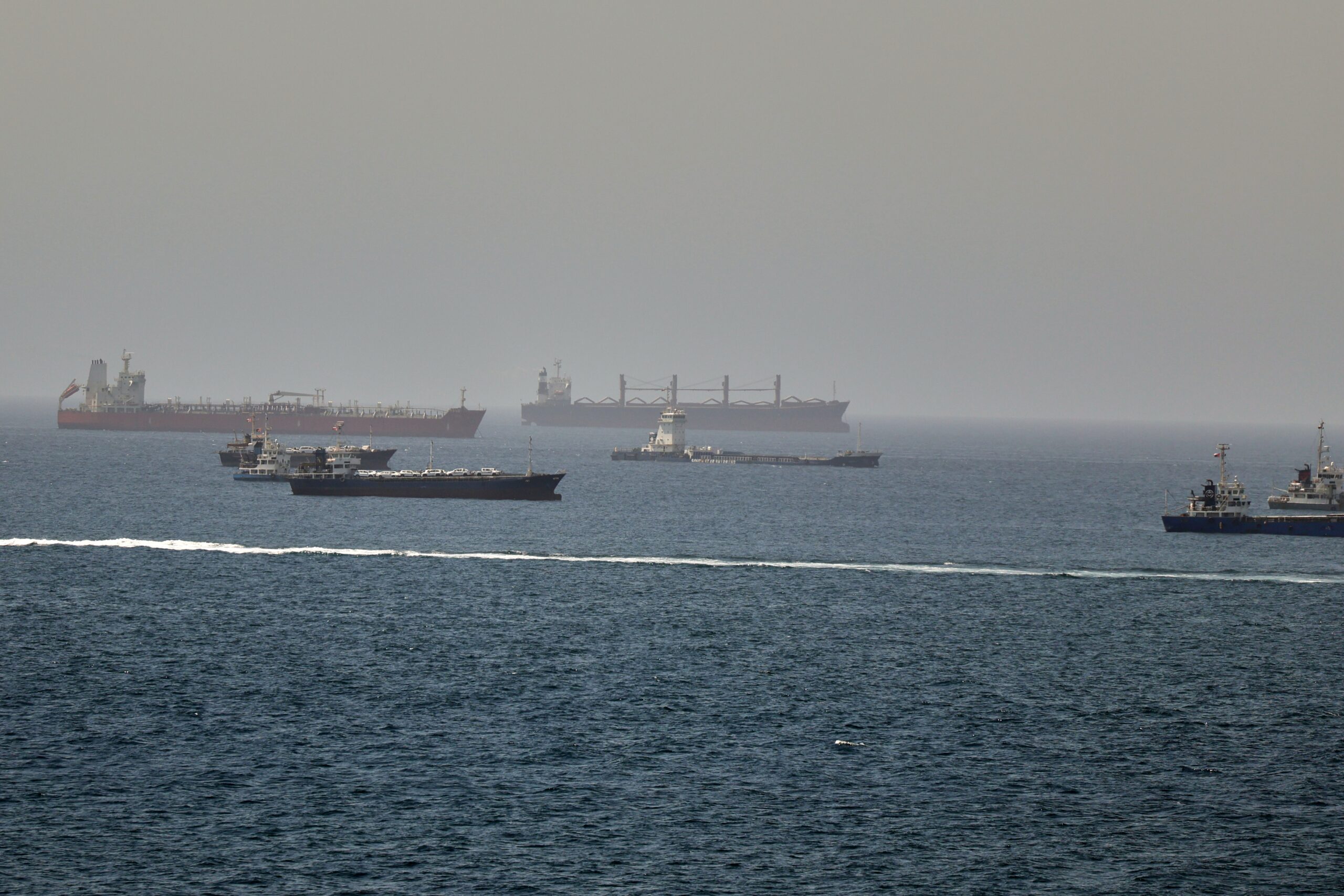
Tankers and cargo vessels are seen in the Gulf of Oman, June 16. (AP Photo)
As Switzerland and Sweden would testify, neutrality is a tricky position to manage, though it can be profitable. Oman has benefited economically from the U.S.-Israeli war with Iran, aided by well-timed recent investments and policy reforms, in the energy sector, the country’s bedrock. Muscat can capitalize, but even as talks with Tehran take place, Sultan Haitham bin Tariq al-Said has to tread a tricky economic and political tightrope.
Operationally, Oman’s energy sector is buzzing. Oil production averaged an all-time high in the second quarter at 1.15 million barrels per day, up from 1.002 mb/d in 2025. This is the reward for years of dogged investment in exploration, field development, and improved recovery. The Bisat-C oilfield, owned by OQ Exploration and Production, has been a particular success, and the company is targeting 300,000 barrels of oil-equivalent production daily by 2030, from 224,000 b/d in 2025. OQ Exploration and Production is 75% owned by the state, with 25% listed on the Muscat stock exchange.
An active exploration program delivered two finds for OQ near Bisat-C and what appears to be a substantial gas find by Occidental in May 2025. U.K.-listed Genel, whose main assets are in Iraq’s Kurdistan region, took a stake with OQ in the Karawan block on Oman’s southeast coast in March 2025. But it will take some large new discoveries in an overall mature province, a greatly expanded enhanced recovery program, or major unconventional resources to keep production rising much further.
Oman had forecast a budget deficit of $1.38 billion, 1.3% of gross domestic product, for 2026 based on an oil price of $60 per barrel. Oman’s average export oil price for the first half of the year rose to $81/bbl, from $74/bbl a year earlier and compared to the assumed budget price of $60/bbl. The latest Gulf blockade should raise that still higher. Even at a sustained level of $81/bbl, the gain in oil price alone means the sultanate could run a surplus of as much as $3 billion in 2026 if spending keeps to budget. That in turn would usefully eat into the country’s $38 billion in public debt, nearly 36% of GDP but already well down from the coronavirus pandemic-era high of 68% of GDP. Since acceding to the throne in January 2020, Haitham has prioritized conservative financial management alongside some selective strategic investments.
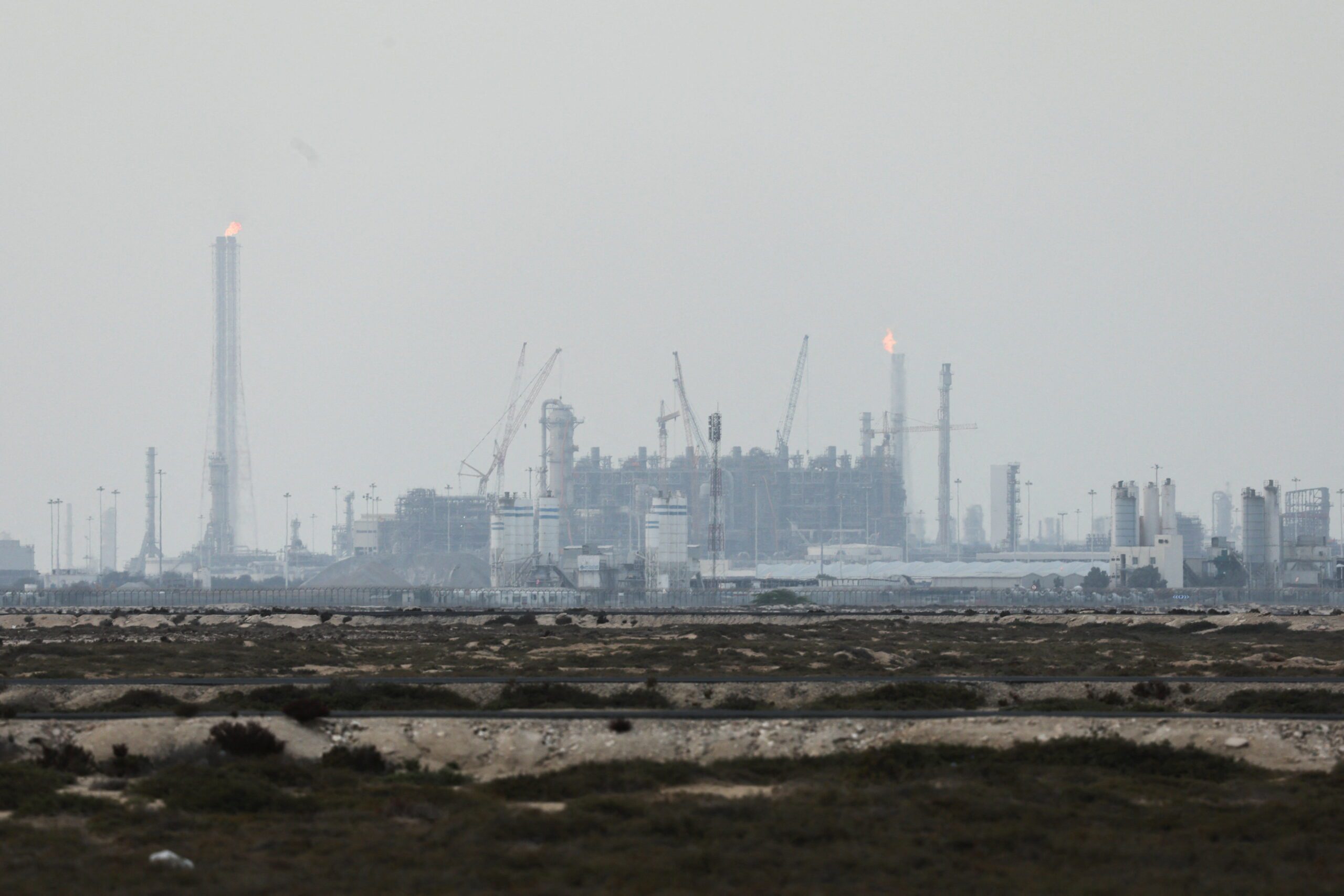
The big, modern Duqm refinery, which began operations in 2024, struggled a bit early in the war, as its usual crude inputs from Kuwait were cut off. But it has now sourced alternative feedstock and will benefit from currently very elevated refining margins. The prices for refined products, especially diesel and jet fuel, have far outstripped crude oil because of the loss of Gulf exports along with the successful Ukrainian air campaign against Russian refineries, which used to be a key supplier of diesel.
Gas production and exports should also be at a record high in 2026. Output in June, at about 6.1 billion cubic feet per day, was well above the previous year’s level of 5.45 billion cubic feet per day. BP plans a further expansion of the giant unconventional Khazzan gas field, whose challenging geology requires extensive hydraulic fracturing and other advanced production techniques. BP operates the field with partner OQ.
Unlike dominant regional player Qatar, Oman’s plant at Qalhat on the northwestern coast has continued exporting freely while also enjoying much higher prices. Oman LNG is considering building a fourth train, adding over 4 million tons per year of capacity to the existing capacity of 12.5 million tons per year. That looks more attractive if Qatar’s liquefied natural gas exports are held back long term because of war damage, the continued blockade of the Strait of Hormuz, and delays in Doha’s own massive expansion program.
The Japan-Korea Marker, an indicator for the key Asian market, started the year at $9.7 per million British thermal units, and by July 24 was at $22 per million Btu, nearly the highest point of the entire conflict. Most of Oman’s LNG is sold on spot contract, but even the one-third on long-term contracts linked to oil prices have seen a near doubling in prices. The domestic market will benefit from gains in the price of gas sold to industrial users and the higher prices for their export products, notably fertilizers, aluminum, and methanol. Oman is the world’s third-biggest exporter of nitrogen-based fertilizers.
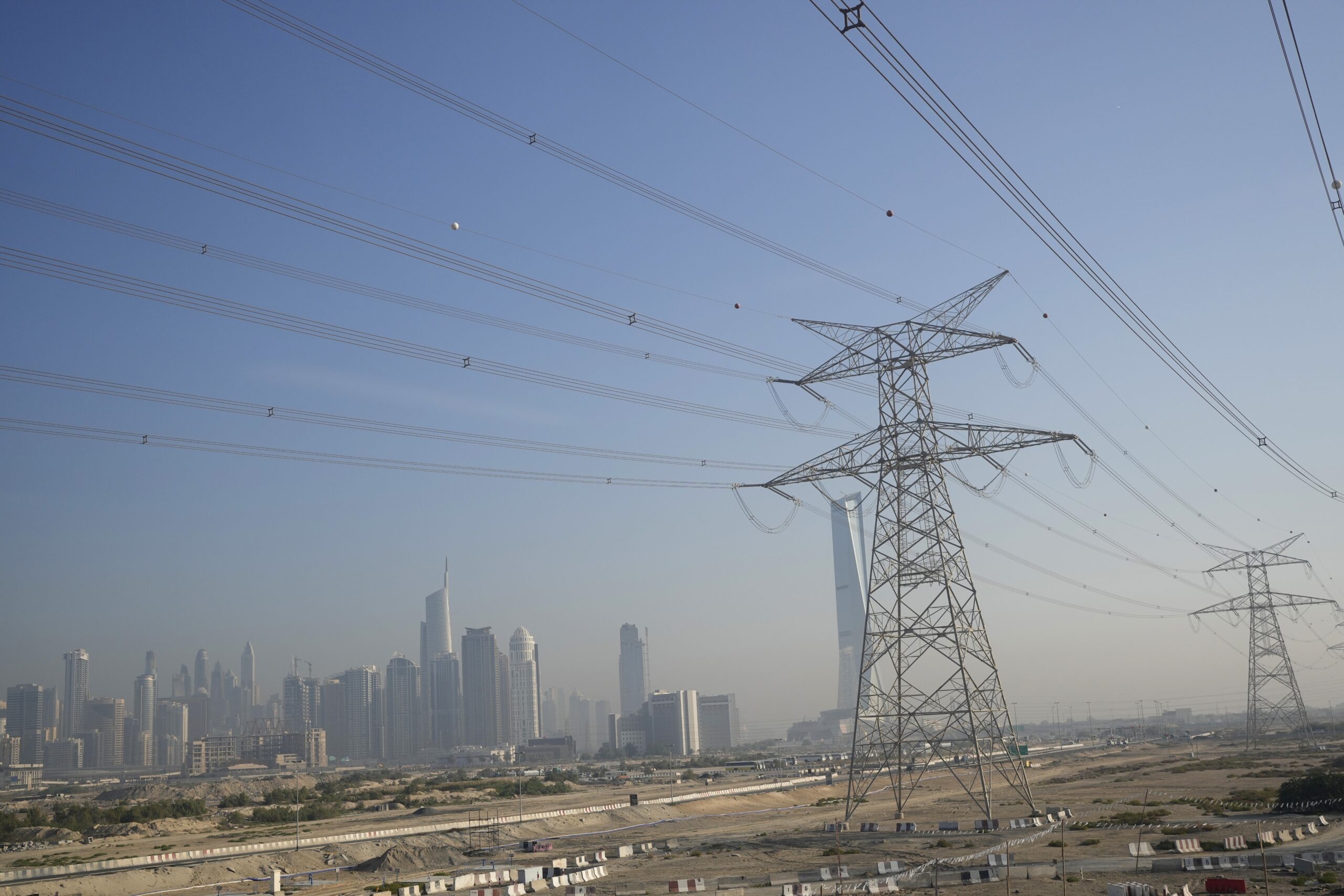
Domestic gas use has also jumped, partly because Oman is exporting more electricity through the Gulf Cooperation Council grid to meet the needs of gas-starved Kuwait. That could grow further when a link to Iraq becomes operational and, in the third quarter of 2027, when Oman’s connection to the GCC grid is upgraded from 400 megawatts to 1,700 MW.
Renewable energy is another success story. After a somewhat slow start, the pace of installation of wind and, in particular, solar is picking up in the country’s sunny deserts and breezy coastal areas. About 7% of electricity will come from renewables in 2026, which is intended to grow sharply to 30% to 40% by 2030. That in turn will see the absolute amount of gas-fired generation dropping.
The country’s three geographically separated grids are being linked, which should boost efficiency and flexibility. New battery storage and the massive 2 gigawatt Jabal Abyad-pumped hydro plant will balance renewable output with demand. The electricity and gas markets are also being reformed to cope with greater variability and new industrial loads.
Hydrogen has been targeted by Oman as a strategic sector where it could be a global leader. It has the most systematic strategy for the clean fuel in the GCC, with government planning for infrastructure. An Indian-led project at Duqm should start operations in early 2027, and two large hydrogen-based green steel projects at the new port may be commissioned in 2029.
Industry and power are expected to be ready to switch to hydrogen when domestic gas production is anticipated to begin to decline in the 2030s. International demand for hydrogen, though, continues to struggle with high costs, lack of government support, and an unwillingness to take bolder policy steps.
These plans were all well in train before the war. What is new is the suddenly heightened importance of Oman’s logistics. Sohar, closest to the United Arab Emirates, is a long-standing industrial port. Duqm, on the southeastern coast and further from the Strait of Hormuz, has grown up rapidly over the last decade as a refining and petrochemical center.
Oman has already played an important part in sustaining what oil has flowed from the Gulf. In the later stages of the last cease-fire, “shuttle runs” from the UAE, then Saudi Arabia and Iraq, revived exports through the Strait of Hormuz to 2.1 mb/d to 2.9 mb/d. This had risen to about 8.5 mb/d in late June.
These transits and reloadings made use of Sohar as well as Fujairah in the UAE. Ships sailed hugging the southern shore, around the Omani exclave of Musandam, in radio silence, usually at night, with transponders off and sometimes a U.S. military escort. But Iran’s attacks around July 14 on several ships in the Gulf of Oman that were performing the shuttling dammed this flow to a trickle.
The most recent Iranian strikes did not all target ships running the strait. On July 14, the Stolt Magnesium, a Norwegian-owned chemical tanker, was hit by a projectile while 40 nautical miles northeast of Qalhat, quite far from the Strait of Hormuz. It had departed Sohar for Malaysia.
Oman’s ports have been essential for keeping the rest of the GCC well stocked with essential goods. The planned Hafeet Rail network from Sohar to Abu Dhabi will bring in feedstock for heavy industries, such as iron ore and bauxite.
As the Gulf states look to bypass the Strait of Hormuz, long-held ideas of Oman as a pipeline terminus have resurfaced. Duqm was already designed to redirect the sultanate’s oil exports from Mina al Fahal on the crowded northern coast. The port’s oil tanks were intended to be a strategic storage hub, providing security outside the strait, even when the plans were conceived over a decade ago.
Now the Gulf countries without an alternate outlet – Qatar and Kuwait – could consider Oman. This would require a pipeline via Saudi Arabia or the UAE or shipping oil to Emirati ports. However, there are major political and commercial obstacles. During outright hostilities, Iran could still attack the ports or pipeline pumping stations, but this would at least raise the bar for action rather than Tehran simply detaining ships sailing through the strait. Perhaps more challenging is the unwillingness of Gulf countries to rely on another country, even a friendly one, for their economic lifeline.
The Oman route does have other advantages: It lies directly on the way to Asia, the main Gulf oil market, rather than pipelines through Turkey or Syria, which head to the Mediterranean and the shrinking European market. And, unlike the Saudi East-West pipeline, it avoids the Red Sea, where Houthi forces in Yemen have recently promised to block passage. Such logistical investments raise Muscat’s geopolitical salience and bring valuable investment and traffic.
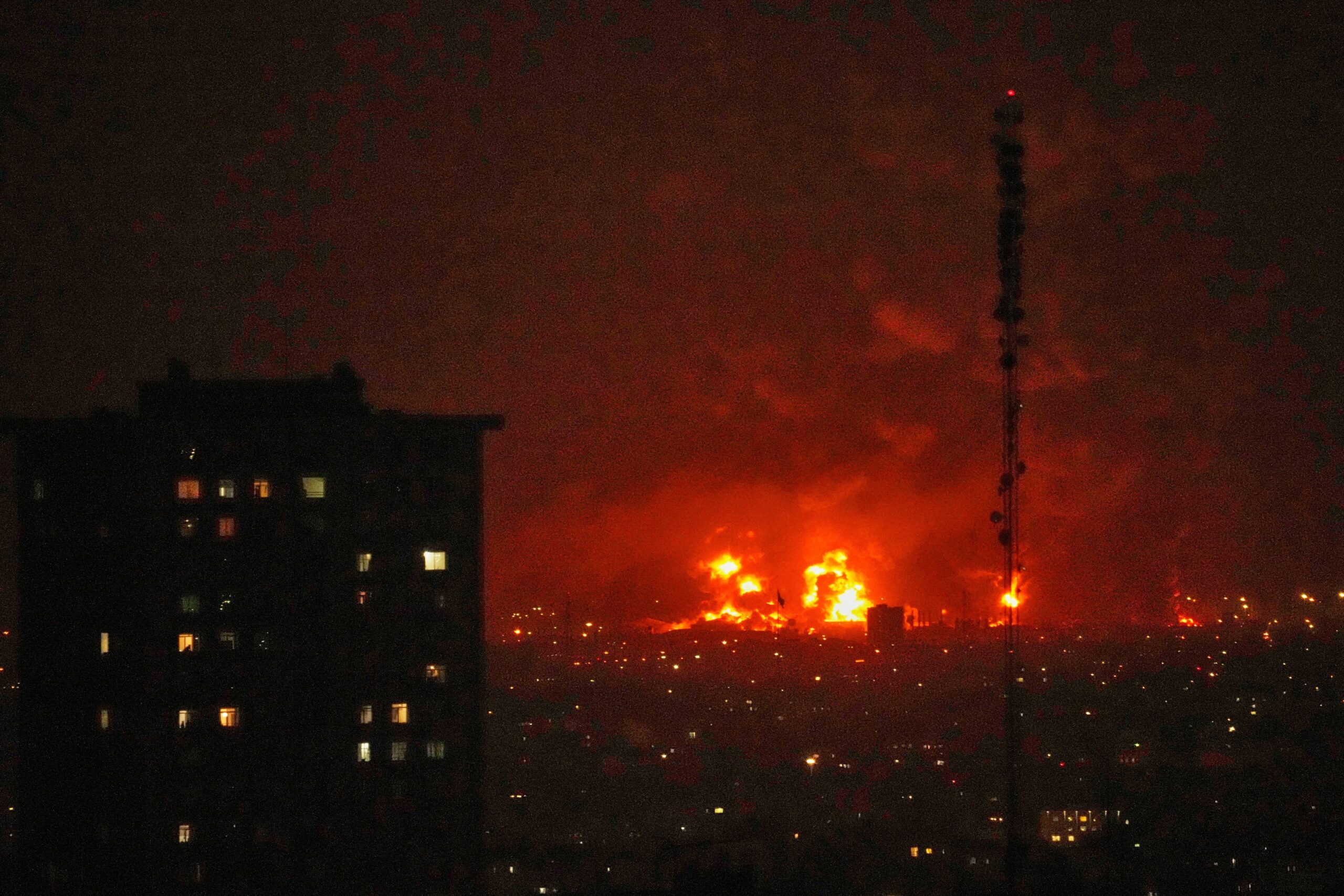
Nevertheless, the conflict poses four overlapping sets of risks to the sultanate’s economic prospects. First is the direct war risk. As well as strikes against shipping, Iranian attacks, allegedly aimed at U.S. military facilities, have hit the key ports of Sohar, Duqm, and Salalah. Fuel tanks in Salalah were set ablaze in March. Oman, like its neighbors, will have to spend more on security, hardening facilities against drone and missile attacks, and investing in cybersecurity as well as greater redundancy and resilience.
Second is the longer-term impact on energy markets. High oil and gas prices and, even more important, the perception of heightened energy insecurity are already boosting the uptake of renewable energy, electric vehicles, and other nonhydrocarbon technologies globally.
As a relatively small producer with a limited reserves life, 13.6 years for oil and 14.5 years for gas as of 2025, Oman is less exposed than neighbors, such as Saudi Arabia. But it is also a high-cost producer, reliant on unconventional resources and costlier enhanced recovery technologies. Its net revenue would therefore suffer much more from a drop in prices. It remains within the OPEC+ framework, unlike the UAE, which left in May. The group’s production limits practically don’t constrain it while the chokehold on the Strait of Hormuz continues but will probably resurface after the war.
For LNG, Oman’s key Asian markets have been shaken by high prices and perceived insecurity, particularly on top of the still raw memories of the Russia-induced gas crisis of 2022. Gas priced at more than $10 per million Btu – let alone $22 Btu – will be too costly for middle-income Asian countries, especially the key emerging markets of India, Indonesia, Vietnam, the Philippines, Bangladesh, and Pakistan. These countries have prioritized coal, renewables, and, in the case of traditional LNG mainstays Japan and South Korea, the restarting of nuclear reactors over expanding LNG for power generation. The LNG market in any case faced challenges of potential oversupply in the late 2020s and early 2030s because of a wave of new projects in the United States and Qatar. The Qatari expansion may, as noted, be delayed, but that may simply smear out the glut over a longer period.
Third is the collateral damage to the businesses Oman is counting on to drive economic growth and diversification, particularly tourism, finance, and manufacturing. Passenger traffic through its airports for the first five months of the year fell 9.3%. This works in the opposite direction from the diversification Oman desires. These sectors are also much more promising for providing meaningful jobs for young Omanis than the government machinery or the oil and gas industry.
Oman’s GCC peers, particularly the UAE and Saudi Arabia, with the advantages of greater market size and a headstart, are using the war to rethink their own approaches, further boosting business friendliness and wielding the immense power of their sovereign wealth holdings. While Oman’s data center roster is expanding, with 15 sites, it remains well behind its two immediate neighbors, who have 58 and 61 respectively.
Fourth is Oman’s own tricky diplomatic situation. It has traditionally pursued a neutral course while being broadly pro-Western. But its attempts at mediation, like those by the Qataris, can periodically land it in hot water. In May, President Donald J. Trump threatened, “The strait is going to be open to everybody. Nobody’s going to control it … Oman will behave just like everybody else. Or else we’ll have to blow them up.” The Iranian proposals for tolling vessels passing through the Strait of Hormuz with fees potentially split between Tehran and Muscat would infuriate Oman’s GCC colleagues if ever put into effect. Oman’s own Gulf-backed proposal for cooperative administration of the strait, with voluntary service fees, has not gotten traction with Iran.
Oman has not sought to profiteer from the crisis, but it has benefited while trying to play a constructive diplomatic and economic role.
The views represented herein are the author's or speaker's own and do not necessarily reflect the views of AGSI, its staff, or its board of directors.
Iranian attacks on Omani ports and oil tankers are straining Oman’s long-standing “friend to all” regional foreign policy, but Muscat still has a part to play in achieving peace.
As Qatar looks to the future, it will have to assess the battered landscape of the global LNG industry, reassure its customer base, and rethink its approach for a very different market.
Exports of power from the Gulf’s thriving renewables and battery sector could become a key driver of the economy, but restrained grid interconnectivity with neighbors limits any breakthrough.
On March 10, AGSIW hosted a discussion examining the impact of the Ukraine crisis on global oil and gas markets and the direct effects on the Gulf region.