Syria hopes to use the Iran war to deepen its connection to its Gulf Arab partners. Can it compete for inclusion within the regional security order and emerging trade corridors?
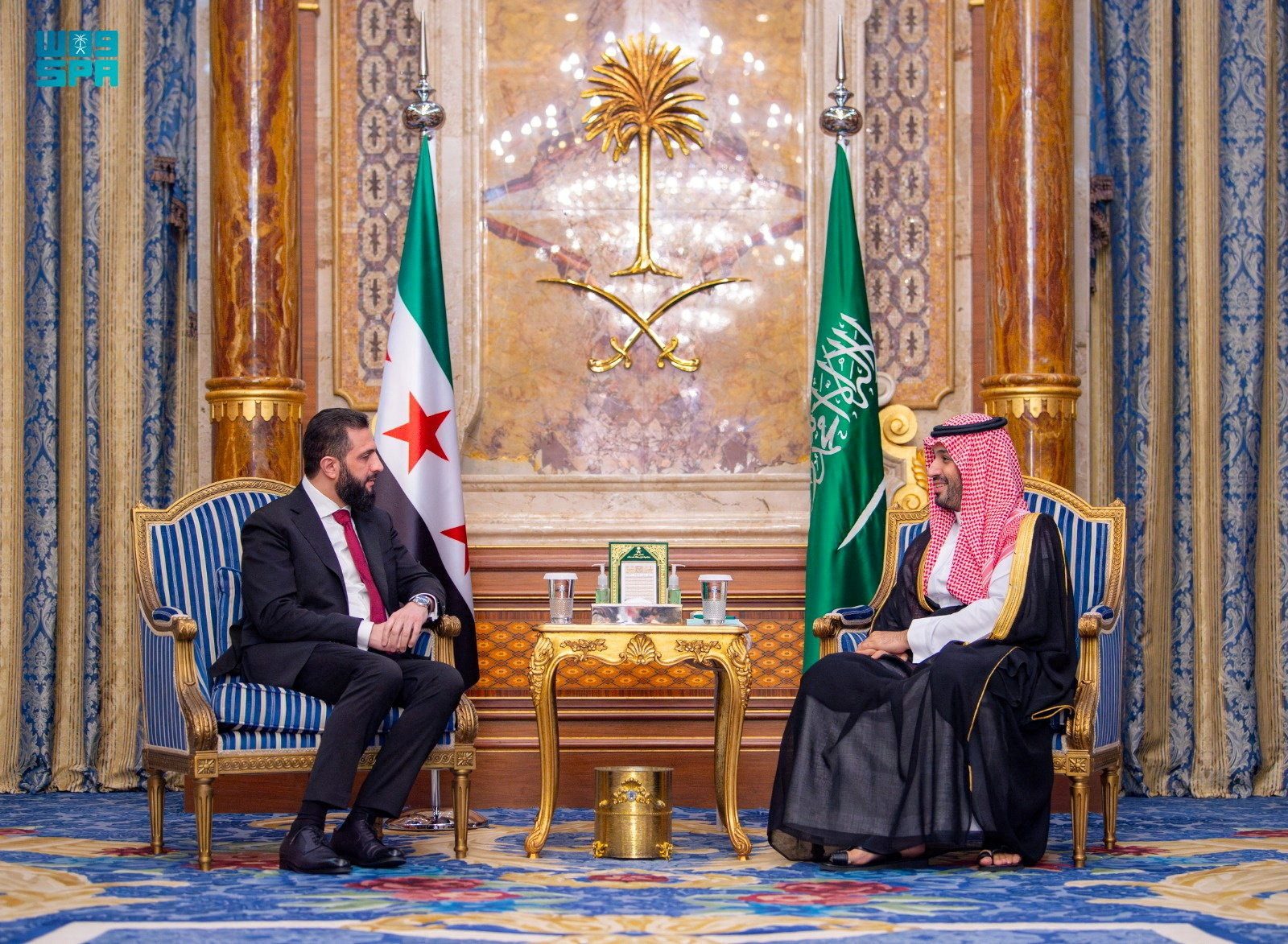
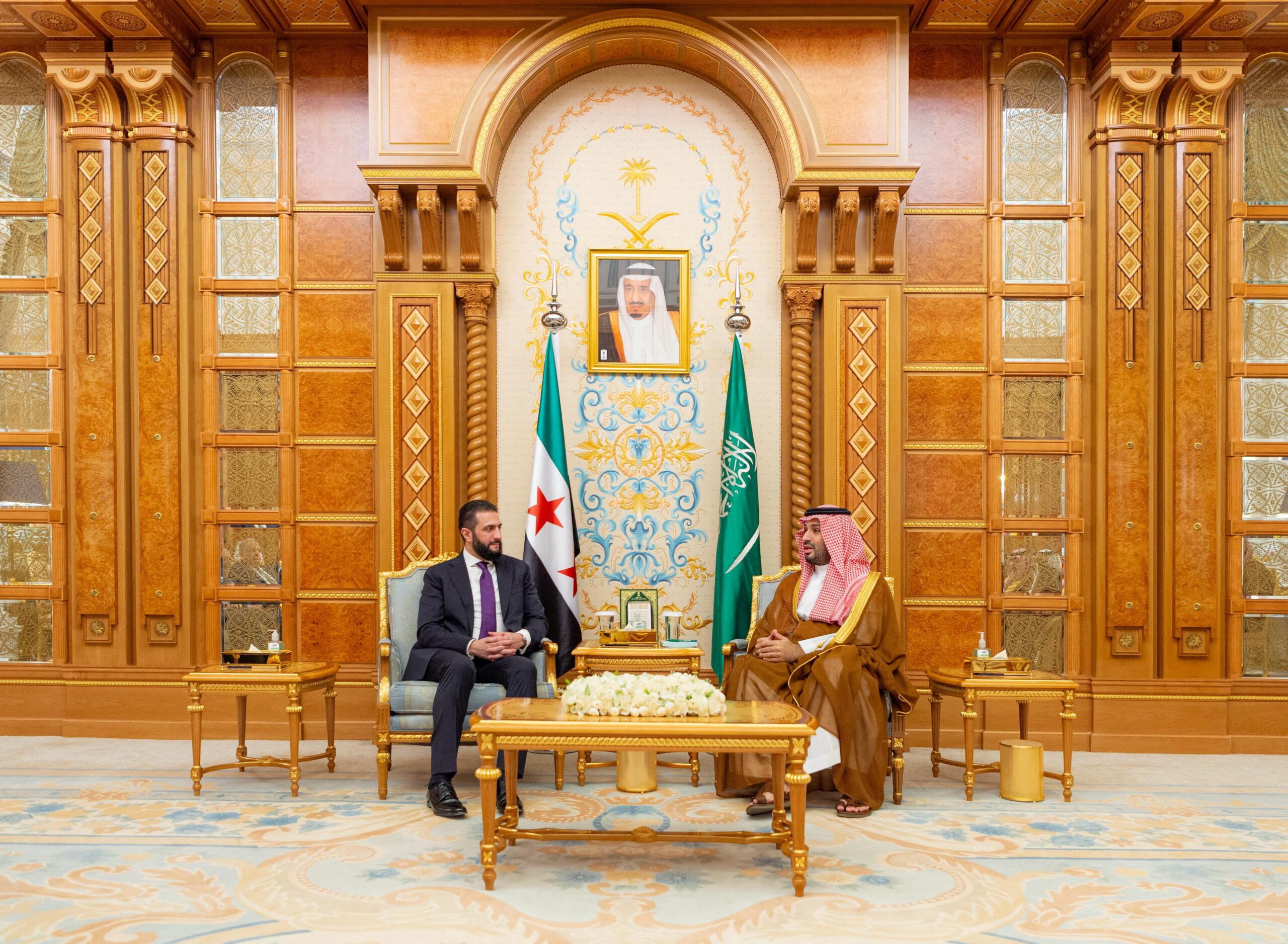
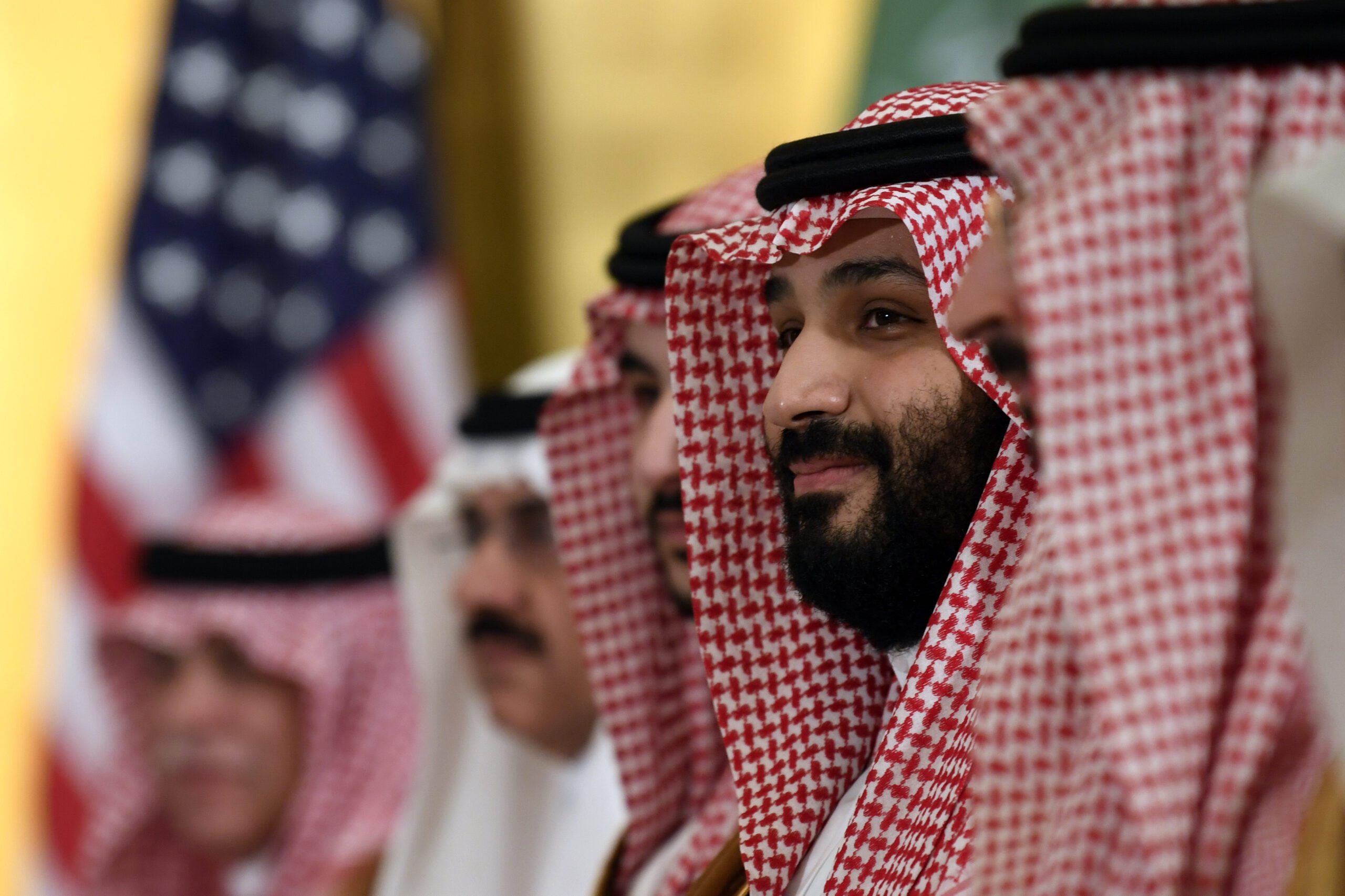
Syrian President Ahmed al-Sharaa meets Saudi Crown Prince Mohammed bin Salman in Jeddah, Saudi Arabia, April 21. (Saudi Press Agency/Handout via REUTERS)
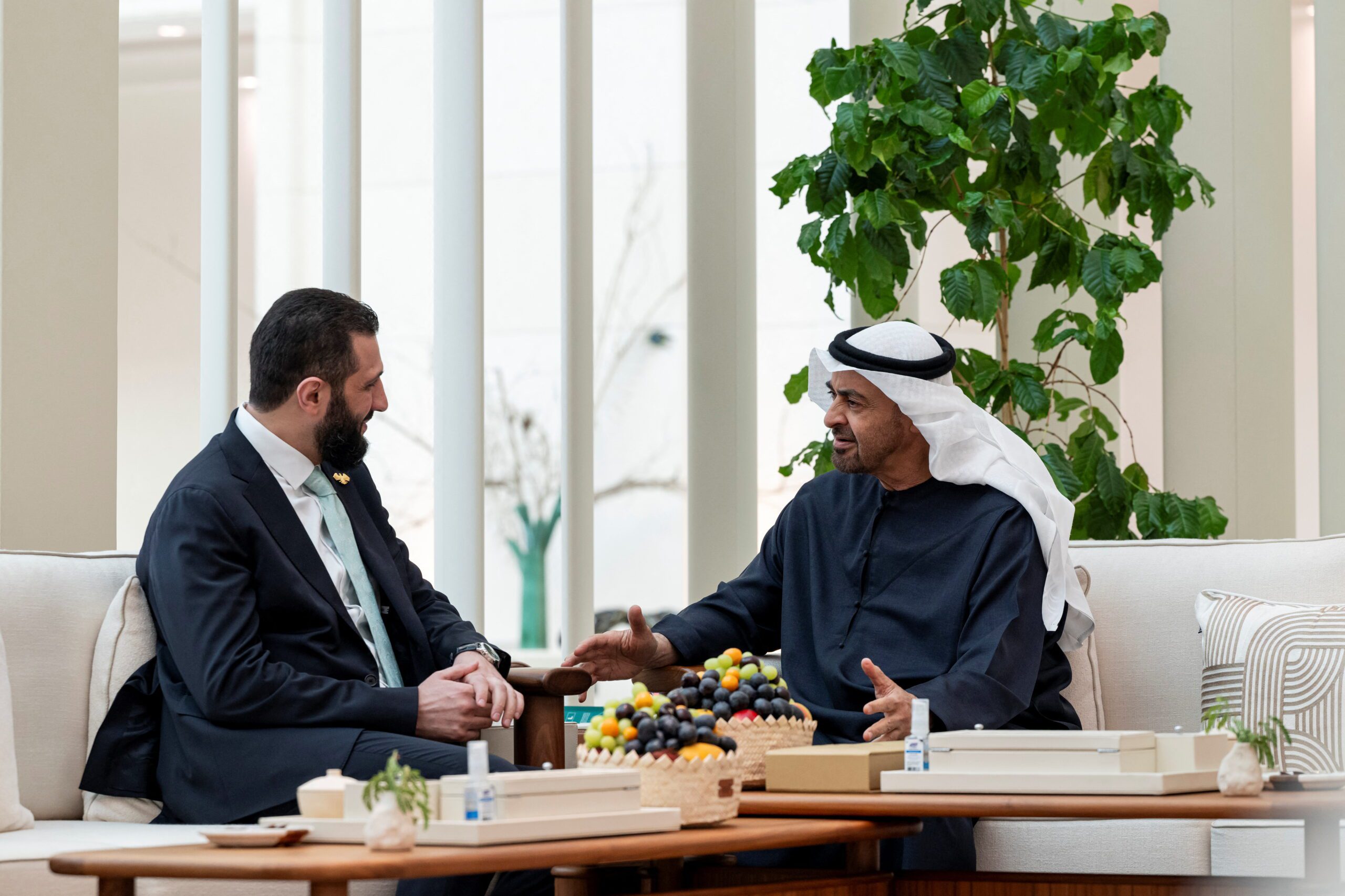
On May 5, Syrian President Ahmed al-Sharaa welcomed a delegation of five prominent Emirati businessmen to discuss investment opportunities in real estate, tourism, and finance. Sharaa opened the first Syrian-Emirati Investment Forum in Damascus May 11, including both public and private sector representatives and encompassing an even more ambitious economic agenda, accompanied by effusive praise of the two countries’ historic ties and prospects for future partnerships. This Syrian-Emirati outreach was preceded by Sharaa’s April meetings in the Gulf with the leaderships in Saudi Arabia, Qatar, and the United Arab Emirates. The visits had a certain poignancy: the battle-tested president of a country emerging from a devastating civil war expressing his solidarity with his wealthy partners and patrons, now themselves under Iranian attack. The meetings, concerning both regional security and the enhancement of economic cooperation and investment, came at a moment of vulnerability for the Gulf states and, given the stakes of the outcome, for Syria as well.
Were it not for President Bashar al-Assad’s overthrow in December 2024, Syria might have found itself drawn into the current war on the side of its Iranian ally, perhaps through actions in support of Hezbollah. Instead, Damascus has been able to stand apart from the conflict, Sharaa visiting the front only as a tangible expression of support for his Gulf partners. As neighboring countries are engulfed in war and conflict, Syria’s position as a relative island of stability in the Levant is surprising and a testament to Sharaa’s focus on internal consolidation and development.
That said, the questions for Sharaa and Syria are of a different nature. Will Sharaa be able to maintain the critical support of the Gulf states as their priorities turn to their own economic recovery and the security demands of facing down a more openly hostile Iranian government? Might Syria parlay its new regional alignment with Sunni partners to capitalize on the commercial disruption in the Gulf and the need for alternative transit routes for oil and commodity exports?
Syria Avoids the Iran War
Syrian security appeared vulnerable as the United States and Israel launched their military campaign February 28 targeting Iranian military infrastructure and the regime leadership. Assad’s 2024 overthrow disconnected Syria from the Tehran-Hezbollah axis that had preserved the Assad regime throughout the Syrian civil war. Despite this, the Sharaa-led government has struggled to gain control over the full Syrian territory. In addition to launching an armed offensive in the northeast in January to compel the integration of the Kurdish Syrian Democratic Forces – a relative success from Damascus’ perspective – it has had to contend with the expansion of Israeli occupied territory in Syria’s south, a significantly more daunting challenge. Israel has justified this intervention as being taken on behalf of allied elements within Syria’s minority Druze community. But the occupation likewise serves as a guarantee and pressure point against the Sharaa government. Sharaa has been open to negotiations with Israel, coordinated through the United States, but the talks, which gained momentum in 2025, appear to have stalled amid disagreements over Israeli military deployments and the scope of any agreement.
The Syria government has had to be proactive to prevent being brought into the current regional hostilities through this southern front. In early April, Syrian and Lebanese officials intervened with Washington to stop a threatened Israeli bombing of the Masnaa border crossing between their two countries, a move intended to isolate Lebanon by land and cut off any potential aid to Hezbollah. In parallel, Washington pressed Syria to engage in cross-border military action to disarm Hezbollah. Sharaa resisted and instead positioned thousands of troops along the Lebanese border in coordination with the government in Beirut, taking a posture aimed at containment, not combat.
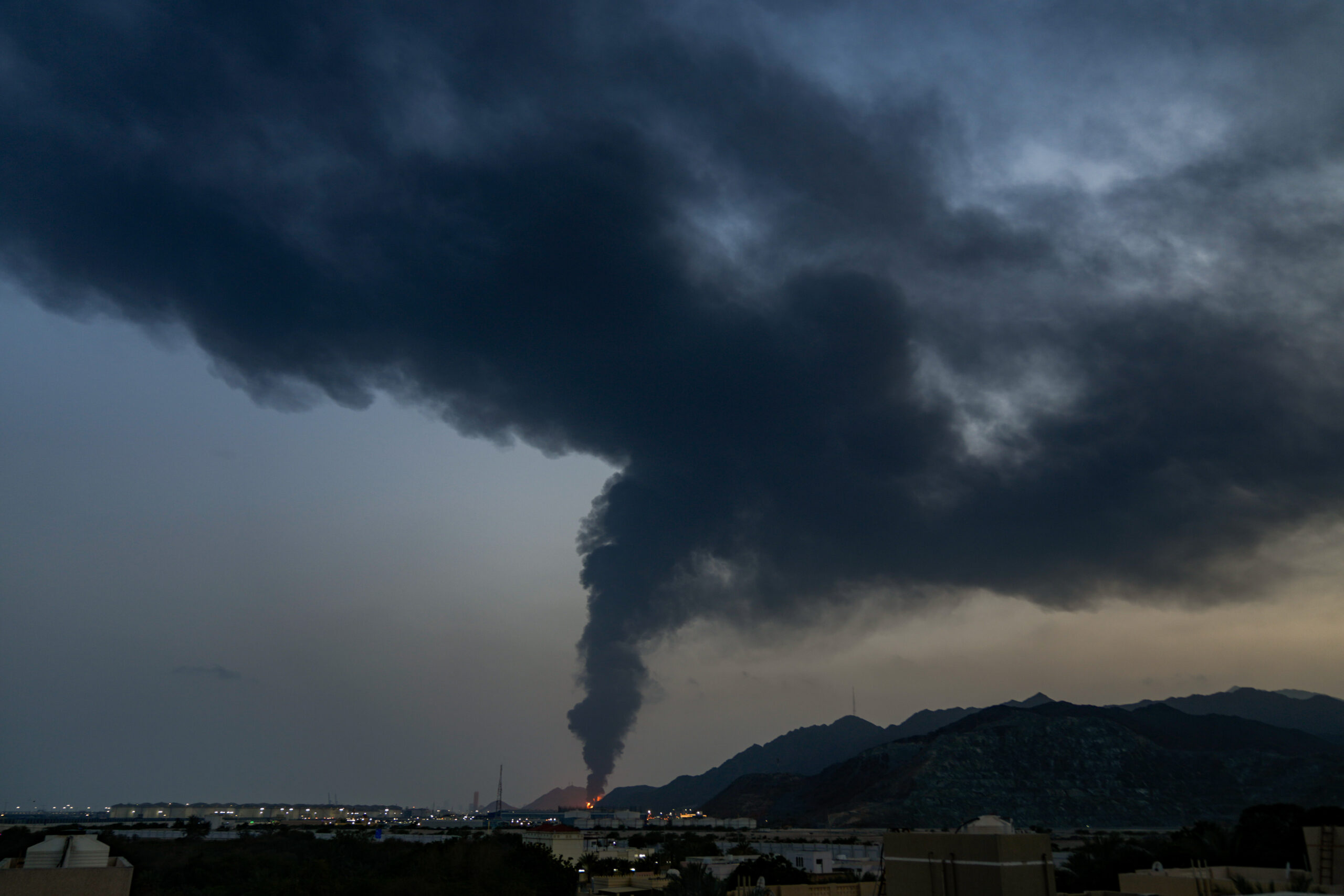
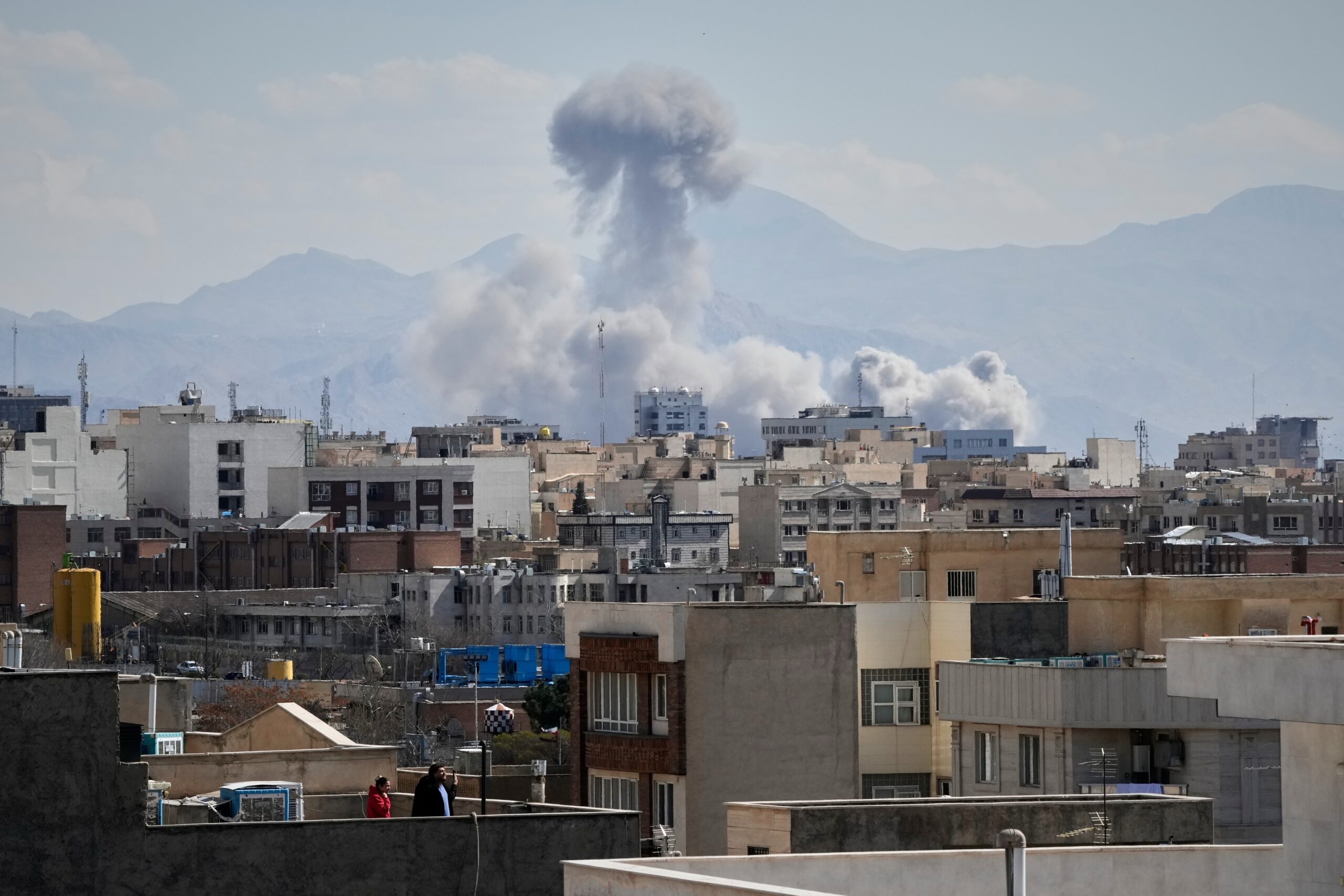
The conflict has nonetheless touched Syrian soil. Syrian military bases have been targeted on multiple occasions by drones and missiles launched from Iraq, a reminder that Iran-aligned militias retain reach into Syrian territory. The threat has also become explicit. On March 27, Iran threatened to strike Damascus directly, naming the Presidential Palace, Four Seasons, and Sheraton Damascus Hotel as targets, claiming that U.S., Israeli, and British advisors operate from those sites. The choice of targets carried symbolic weight: In singling out the hotels favored by foreign delegations, Tehran placed Sharaa’s new diplomatic partnerships under attack.
Thus far, Sharaa has been able to avoid provocation: Israeli and U.S. political pressure, Iraqi missiles, and Iranian threats have been met with diplomacy and a continued focus on state building. The wager is that Syria’s stability is now its strongest strategic asset, and Syria’s Gulf partners, and ultimately the United States, will help avoid Syria being pulled into the war to protect that asset.
Gulf Partners Building the New Syria
Gulf capital has been the engine of Syria’s ambitious – if largely still aspirational – reconstruction efforts since Assad’s fall, and the scale of the commitments now on the table is substantial. Saudi Arabia and Qatar moved quickly to stabilize the new Syrian government, settling a $15.5 million debt to the World Bank in spring 2025 and providing joint financial support to cover public sector wages. There has been a marked shift in Saudi investment strategy from government support to encouraging private sector involvement, clear with the February announcement of the Elaf Fund: a major infrastructure fund with private sector participation seeking to provide roughly $2 billion to develop Aleppo’s international airport. Other Saudi investments have spanned from real estate and banking to telecommunications. Qatar has matched the Saudi posture in scale, anchoring the power and aviation sectors and pursuing offshore oil and gas exploration in the eastern Mediterranean. The UAE has played a more measured but strategically targeted hand, concentrating on its strengths in logistics and mobility – including an $800 million agreement with DP World to develop the Mediterranean port of Tartous and a $2 billion agreement with the UAE’s National Investment Cooperation to build a metro system in Damascus. The recent Syrian-Emirati Investment Forum suggests that the UAE is looking to deepen these economic ties with a broader portfolio of commercial investments.
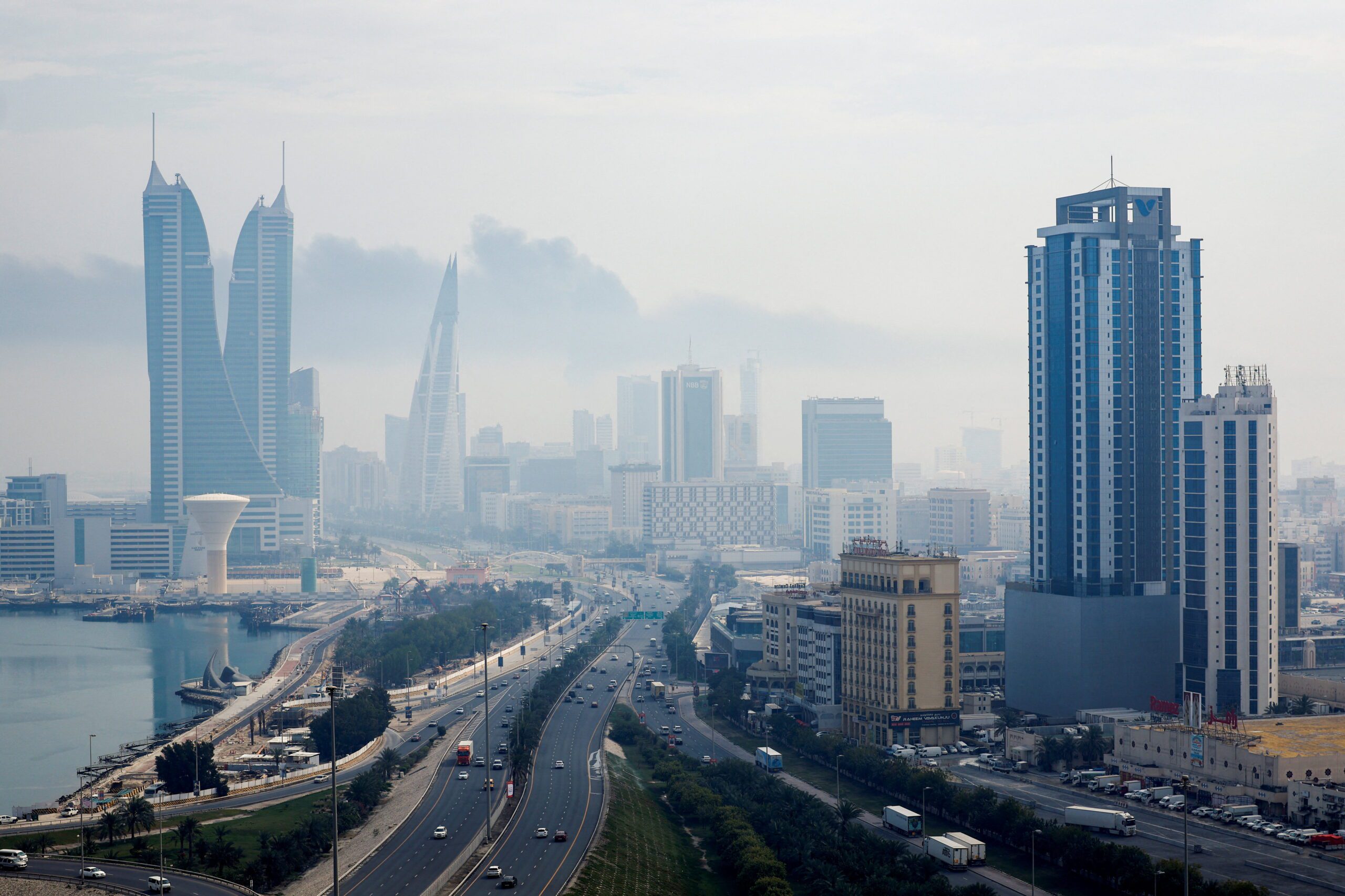
While this latest outreach is encouraging, most of these commitments predate the Iran war and are pledges that have not yet been fulfilled. As the Gulf Arab states take direct hits from Iran, Damascus must be concerned about the rising demands on Gulf capital. Sharaa has therefore been forceful in Syria’s condemnation of Iranian attacks, unlike many other Arab states that have emphasized Israel’s role, and has remained attentive to Gulf sentiment. His support landed Syria on Abu Dhabi’s short list of Arab states that have publicly supported the UAE and other Gulf states during the war, and this may have been a factor in the now expanding ties.
The New “Sunni Alignment” and Hopes for Deeper Connectivity
Those positive relations, carefully balanced, could help to stabilize and even expand Syria’s economy. As Gulf Arab states face the crisis of Iranian attacks and the uncertainty of the war’s outcome, their regional strategies and alignments are becoming more distinct. The UAE is increasingly emphasizing its ties with the United States and Israel and championing a more hawkish policy toward Iran while praising other international partners who have offered support. Saudi Arabia and Qatar are supporting negotiations with Tehran while turning to Pakistan and Turkey to strengthen their deterrence.
While Syria fits naturally within this emerging Saudi-Qatari-Pakistani-Turkish “Sunni alignment,” the Sharaa government is steering clear of potential Saudi-UAE competition. Instead, Sharaa will lean into geographic connectivity, the strategic logic that ties many of the new Gulf investments in Syria together. With Iran seeking control of the Strait of Hormuz and the Houthis threatening to resume disruptions to Red Sea shipping, Syria’s Mediterranean coastline and overland routes have reentered the regional map as more than just sites of reconstruction. Syria is now being considered as part of a planned alternate trade architecture.
On April 7, Syria, Turkey, and Jordan signed an agreement to enhance road and rail infrastructure and remove barriers to trade, linking Jordan’s Aqaba port on the Red Sea with Syrian and Turkish ports on the eastern Mediterranean. This north-south arrangement effectively ties three regional powers together, integrating Damascus into new trading corridors. Within days, Syria was becoming operative along a different trade route: Amid the closure of the Strait of Hormuz, Iraq began exporting roughly 50,000 barrels per day of crude oil overland through Syria by tanker truck. The arrangement was improvised, but its political message was unambiguous – Syria can move energy when the Gulf’s traditional maritime arteries cannot.
That message has been picked up by U.S. diplomatic channels. Speaking at an Atlantic Council conference in late March, U.S. Envoy to Syria Tom Barrack argued that Syria could emerge as a reliable alternative route to both the Strait of Hormuz and the Red Sea for redistributing energy – an unusually forward statement of Washington’s interest in Syrian connectivity. The longer-term anchor is the Saudi-Turkish project to revive the Hejaz Railway through Syria and Jordan, with a feasibility study expected by the end of 2026. Together, these initiatives sketch the outlines of a Sunni-aligned trade bloc – Saudi Arabia, Turkey, Qatar, the UAE, Jordan, Iraq, and Syria – organized around moving goods, oil, and capital around Iran rather than through it. For Sharaa, the prize is Syria’s role inside that architecture: as a corridor state and an indispensable connector of Gulf capital, Turkish industry, and Mediterranean trade.
Stability First
These projected plans depend on the future stability of Syria. The actions of the Syrian government, its Gulf and Turkish partners, and U.S. and European interests champion this stability through the empowerment of the central state. Sharaa’s de-politicization of foreign ties – avoiding entanglement in regional rivalries – has aided in advancing such efforts. But there remain questions regarding whether this centralized model can meet the political needs of a diverse Syria.
The internal and external risks to the fragile Syrian state remain high. The growing occurrence of domestic protests centered on the high cost of living and need for political accountability speak to the still dire economic circumstances in a country where up to 90% of the population remains in poverty. The navigation of the evolving geopolitical map will remain a formidable challenge. The recent protests and storming of the UAE Embassy in Damascus speak to the difficulty of insulating domestic politics from escalating regional tensions. Israel’s expanding military presence in Lebanon and continued occupation of Syria’s Druze region will continue to be a conduit for translating local grievances into foreign entanglements. Ultimately, while Syria may opportunistically benefit from military disruptions to trade in the Strait of Hormuz, both Syria and the Gulf Arab states will fare better with containment, or even better resolution, of both the Iran and Israel hostilities.
The views represented herein are the author's or speaker's own and do not necessarily reflect the views of AGSI, its staff, or its board of directors.
Gulf capitals are facing immediate policy choices around how to restore order in a regional setting that is greatly changed – for the worse – as a result of the Iran war.
New investment deals, mainly from the Gulf states and Turkey, are opening a path for Syrian reconstruction. But the fragile security situation and financial environment remain hurdles for foreign investment.
The imperative for Gulf states to unify their position has grown since the onset of Iranian attacks on their countries. Yet under conditions of uncertainty about the U.S. position and the war's outcome, Gulf states are demonstrating differing regional alignments and preferences for managing the crisis.
Caught between Iranian strikes and U.S.-Israeli pressure to join the fight, Gulf Arab states strive to maintain their autonomy over decision making, playing defense and preserving the space to maneuver when the war ends.
When the Saudi crown prince meets President Trump in Washington, the main topics of discussion are likely to be commercial deals, a defense pact, a Saudi civilian nuclear program, and normalization with Israel.