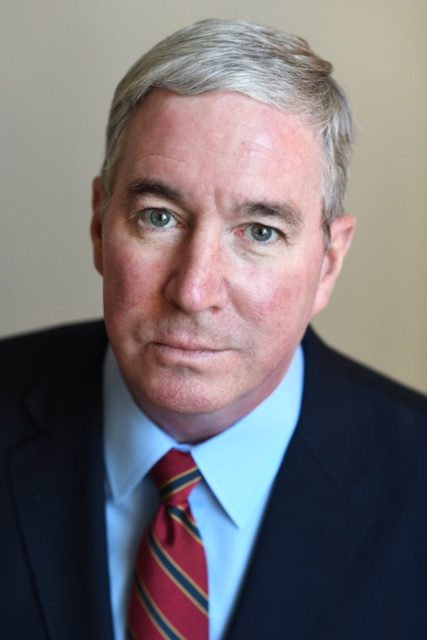
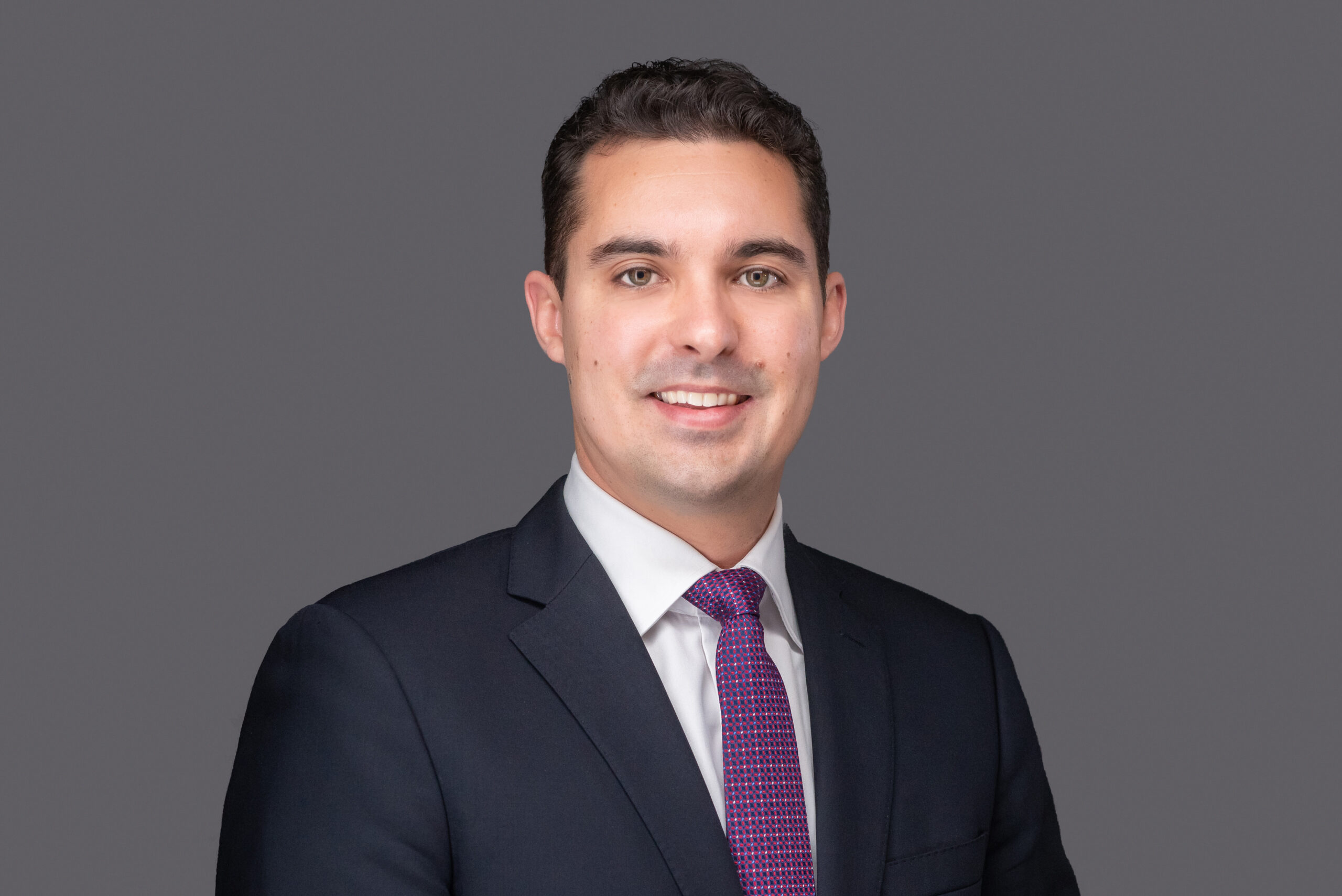
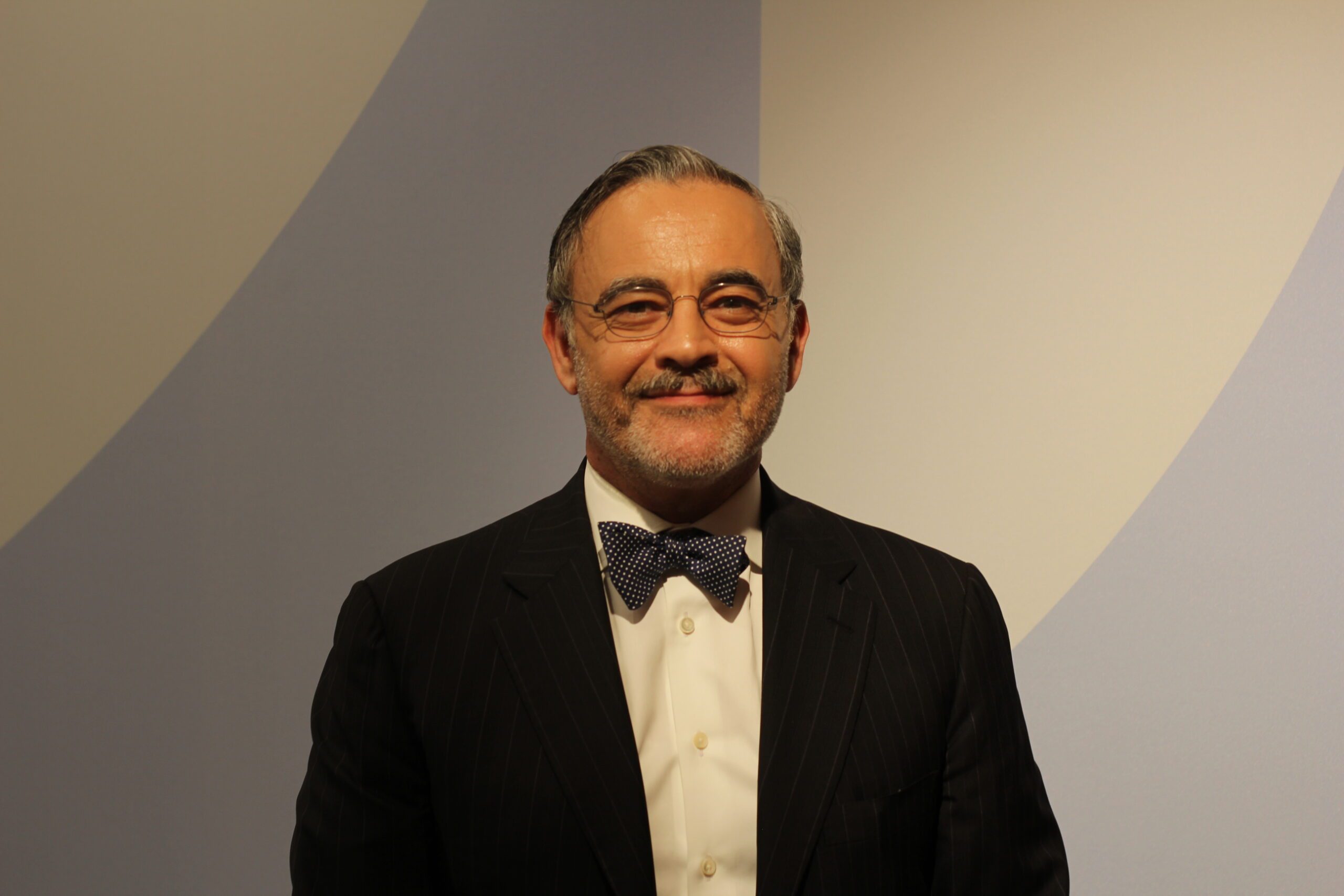
Kristin Smith Diwan is a senior resident scholar at the Arab Gulf States Institute. Her current projects concern generational change, nationalism, and the evolution of Islamism in the countries of the Gulf Cooperation Council. Her analysis of Gulf affairs has appeared in many publications, among them Foreign Affairs, Financial Times, and The Washington Post.
Diwan was previously an assistant professor at the American University School of International Service and has held visiting scholar positions at the George Washington University and Georgetown University. From 2013-14 she served as a visiting senior fellow at the Atlantic Council where she published on youth movements and participated in the Strategic Dialogue for a New US-Gulf Partnership.
Diwan received her PhD from Harvard University and holds an MA from the Johns Hopkins School of Advanced International Studies. She completed her undergraduate degree at Baylor University in Texas, her home state.
Analysis
Gulf States Double Down on a Weak U.N.
Resolving conflicts in the Middle East and meeting global challenges requires international commitment and action now in short supply. So why engage?

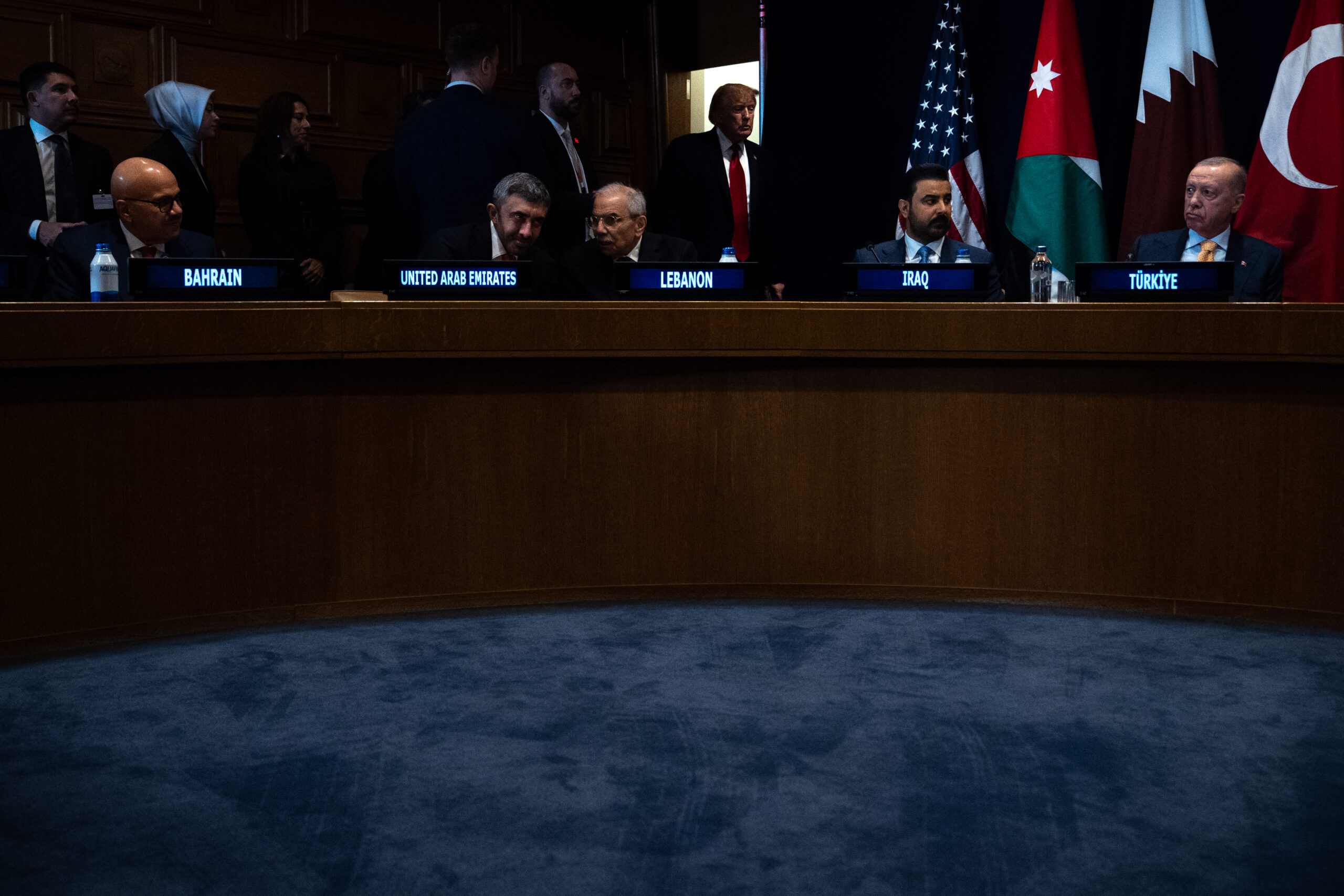
Syria Escapes Iran War, Can It Benefit From It?
Syria hopes to use the Iran war to deepen its connection to its Gulf Arab partners. Can it compete for inclusion within the regional security order and emerging trade corridors?
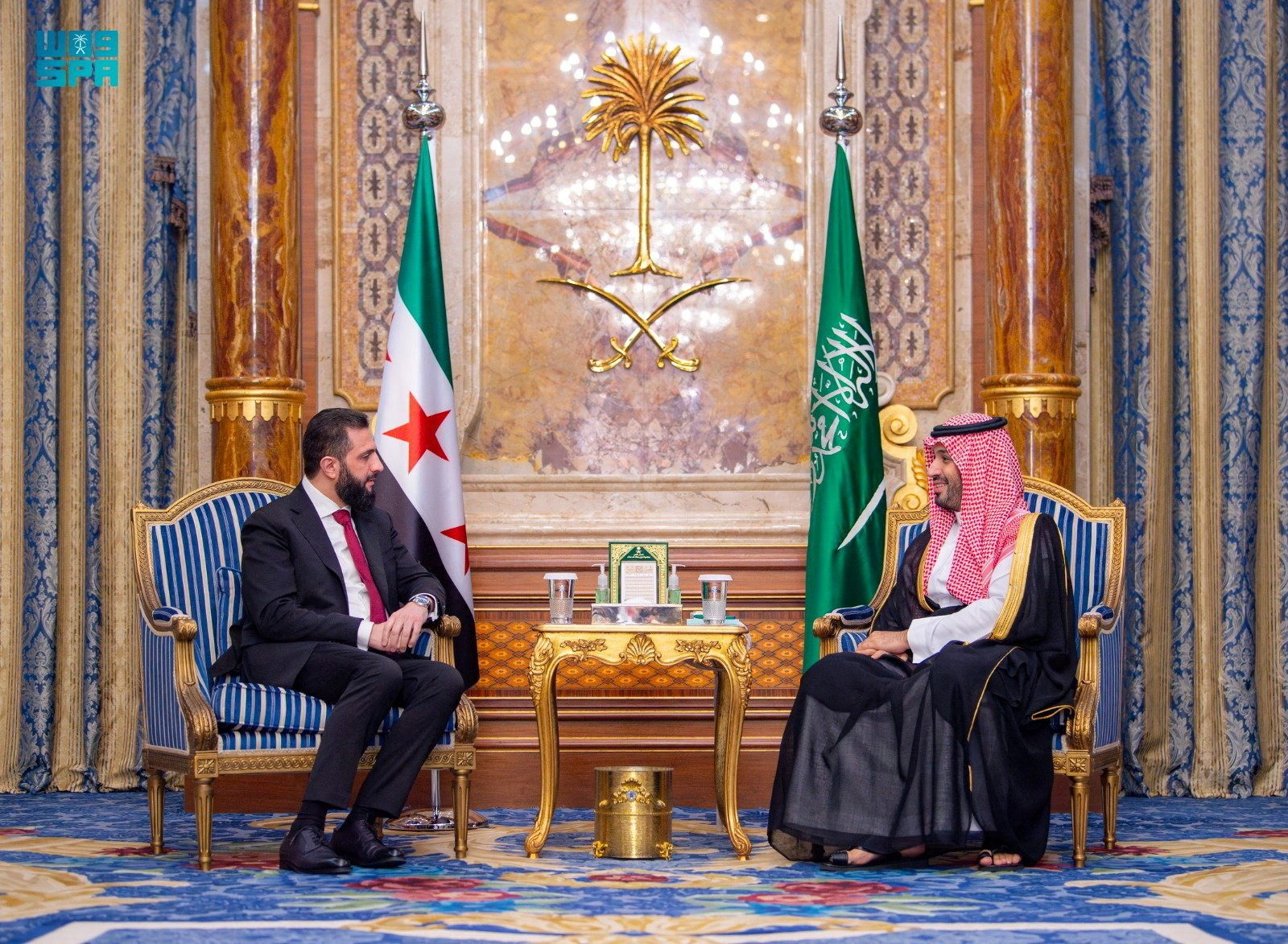
The United States Plus: Gulf States Contemplate Regional Security After Iran War
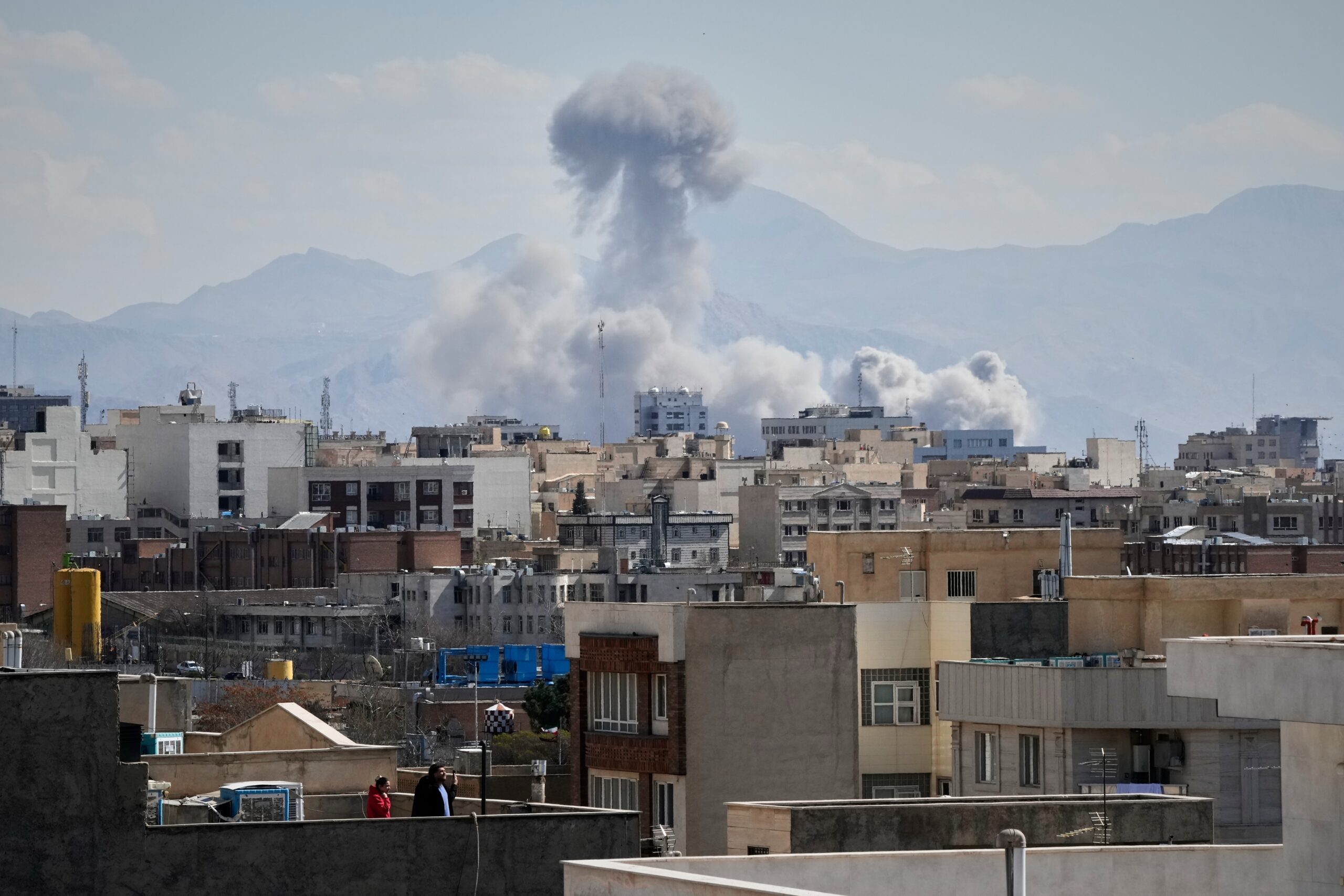
The imperative for Gulf states to unify their position has grown since the onset of Iranian attacks on their countries. Yet under conditions of uncertainty about the U.S. position and the war's outcome, Gulf states are demonstrating differing regional alignments and preferences for managing the crisis.
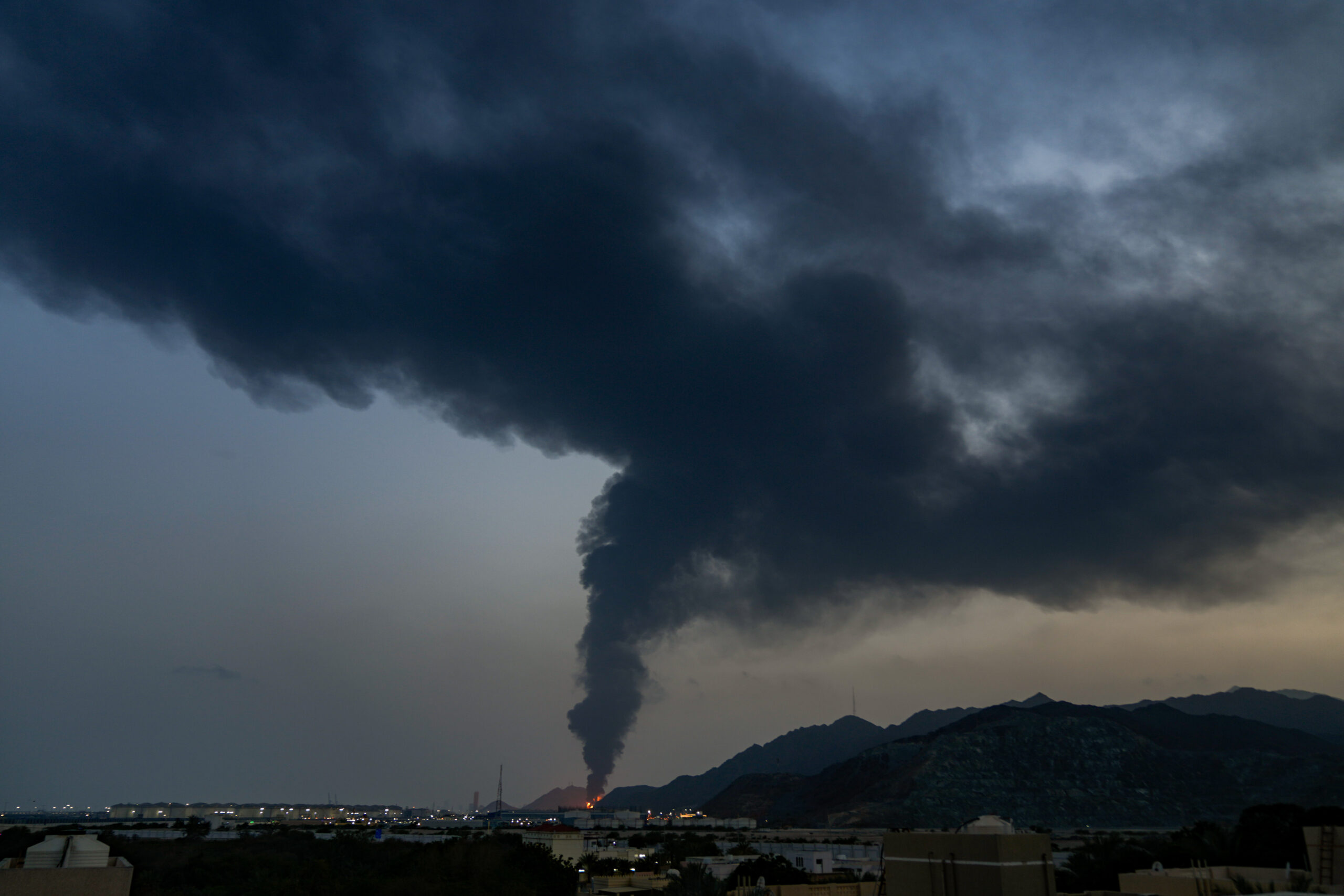
Gulf States Play Defense
Caught between Iranian strikes and U.S.-Israeli pressure to join the fight, Gulf Arab states strive to maintain their autonomy over decision making, playing defense and preserving the space to maneuver when the war ends.

Iran War: Gulf Unity, Economic Shocks, and Regime Scenarios
After a massive U.S.-Israeli campaign against Iran, AGSI explores scenarios for the future of Iran and implications for broader Gulf security.
16 min read




Four Priorities for Mohammed bin Salman in Washington
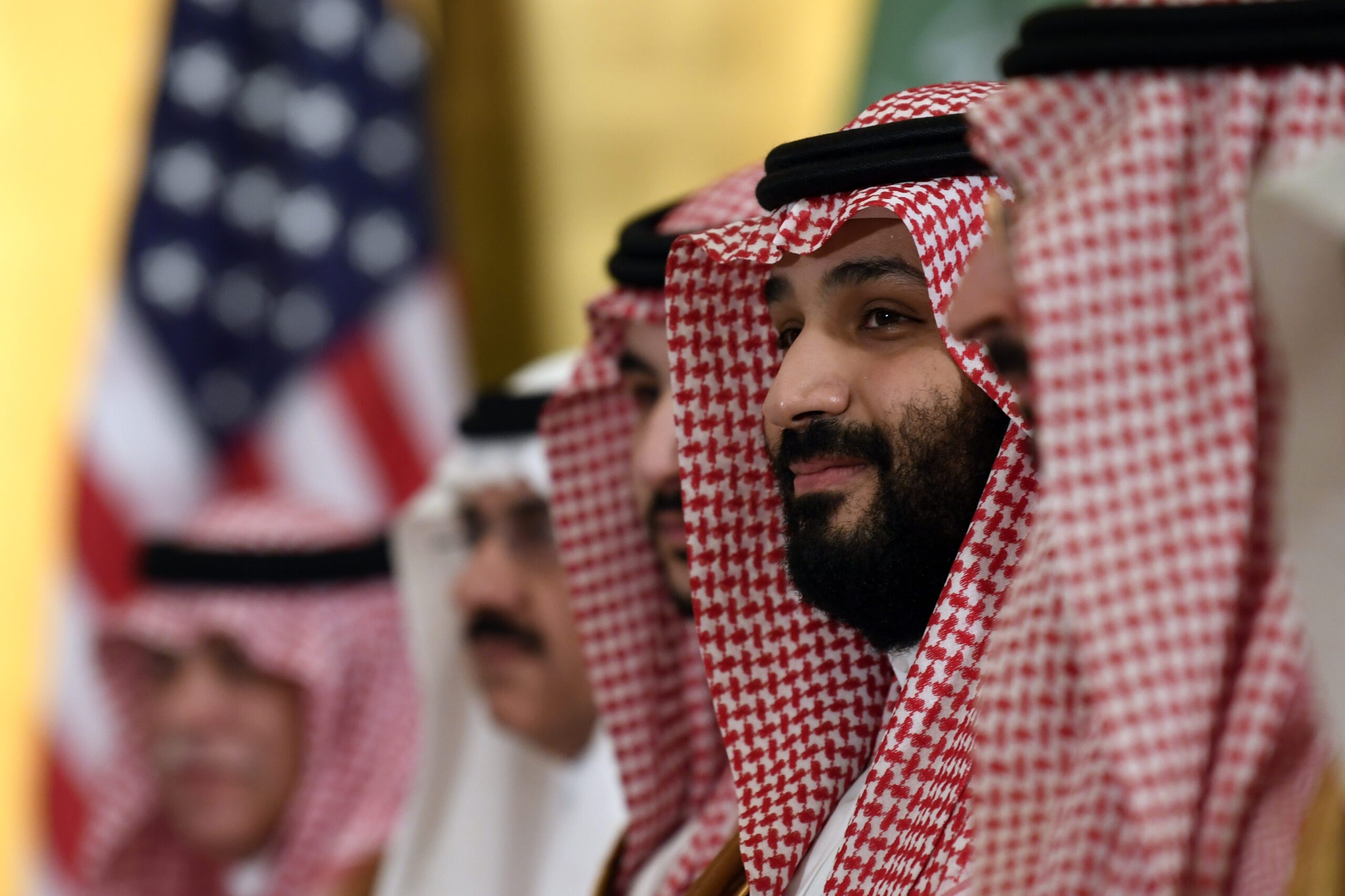
When the Saudi crown prince meets President Trump in Washington, the main topics of discussion are likely to be commercial deals, a defense pact, a Saudi civilian nuclear program, and normalization with Israel.
10 min read

Events
Nov 4, 2026
10:00am - 11:30am
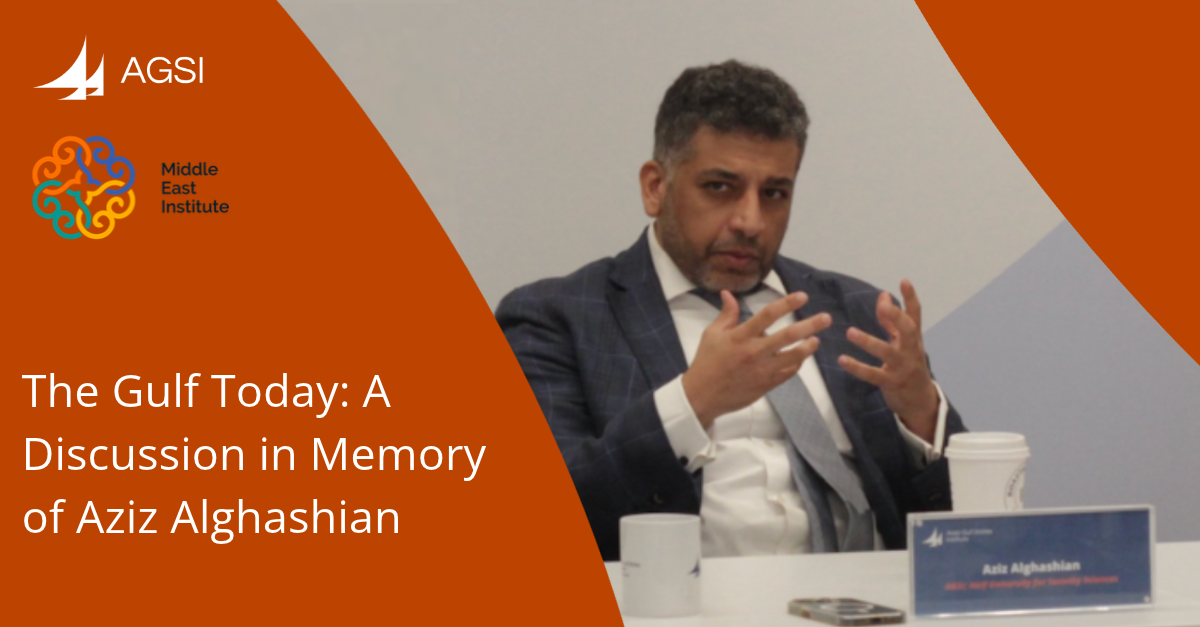
The Gulf Today: A Discussion in Memory of Aziz Alghashian
On November 4, AGSI and the Middle East Institute will co-host a discussion on the state of the Gulf region.
Speakers





Oct 29, 2026
4:00pm - 6:00pm
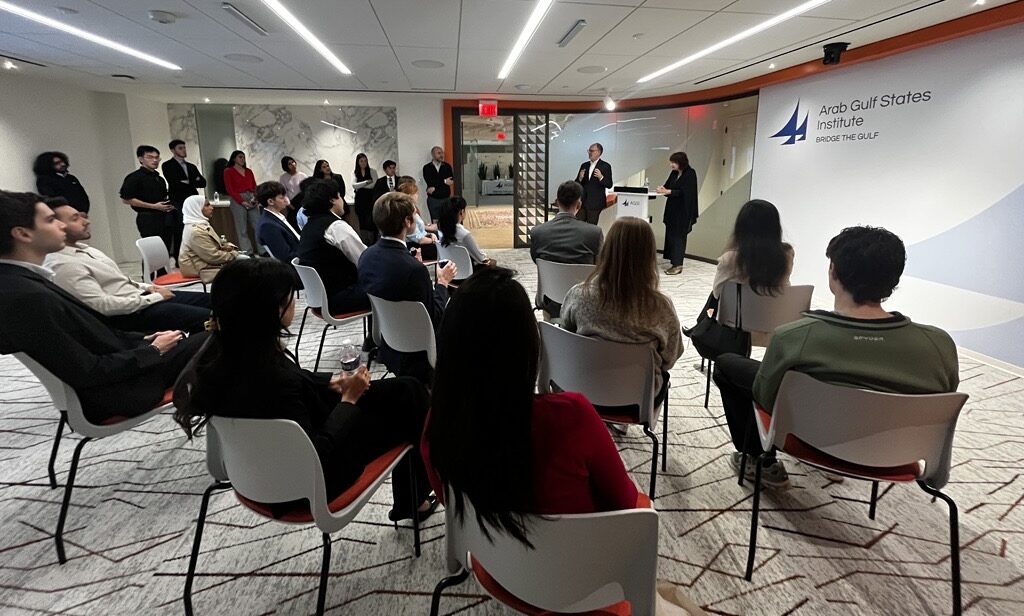
AGSI Student Open House and Reception
On October 29, AGSI will host an open house to welcome students studying or interested in the Gulf and Middle East.
Speakers
Oct 6, 2026
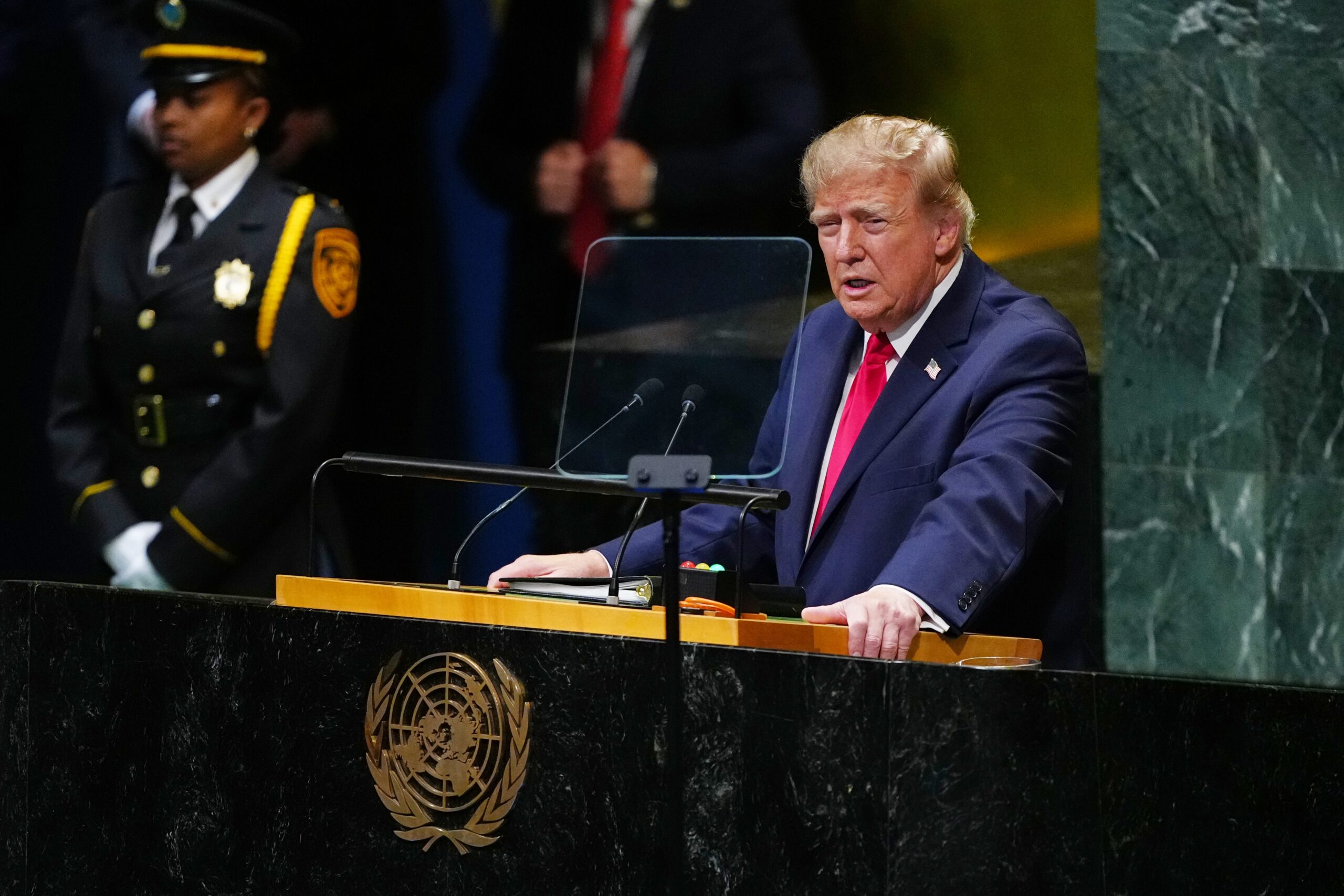
Is the U.S.-Iran Stalemate a “New Normal” or the Prelude to Another Explosion?
On October 6, AGSI hosted a discussion on the U.S.-Iran stalemate and the prospects for a cease-fire.
Speakers

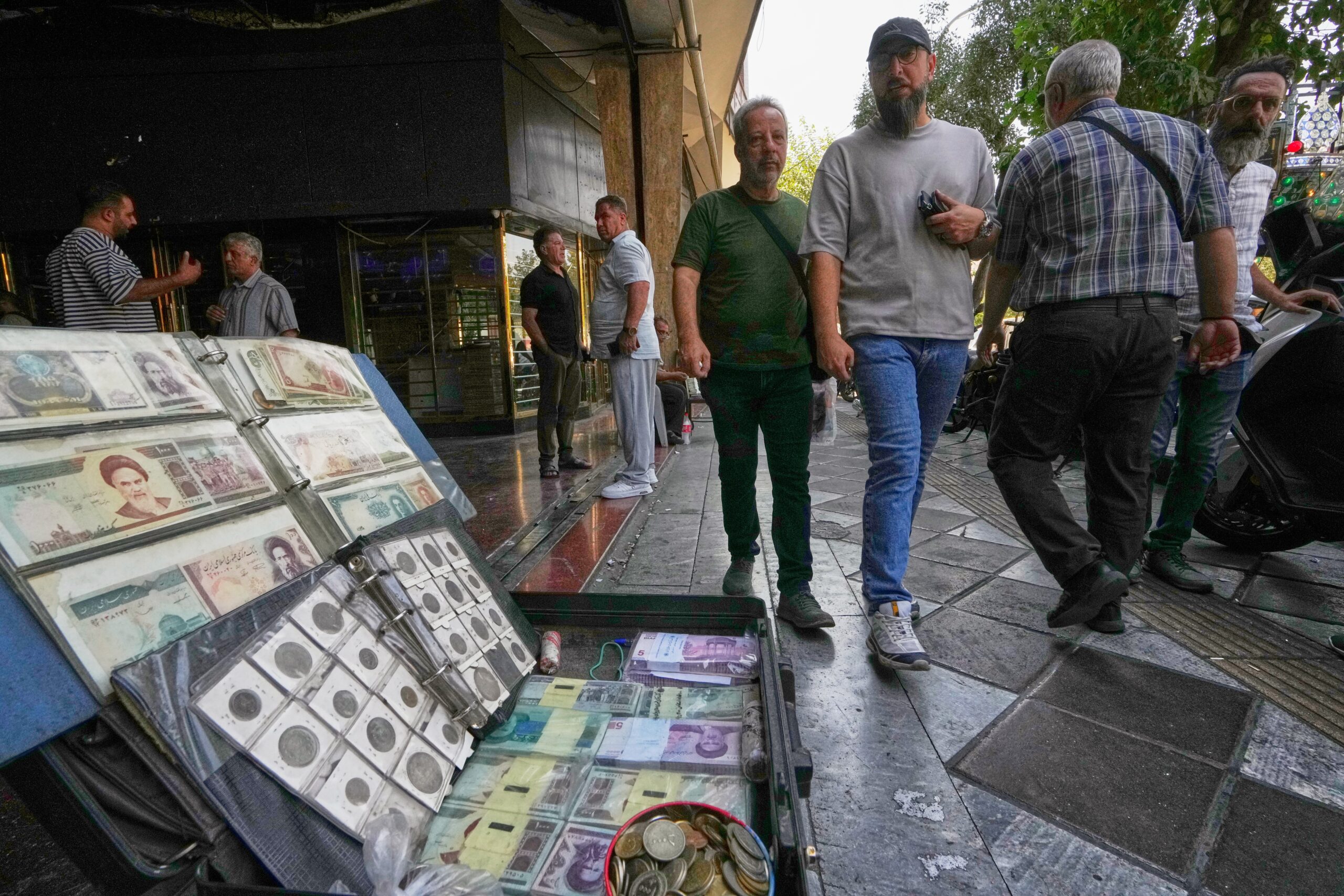
Operation Economic Outcast: Will Economic Pressure on Iran Work, and Are the Gulf Countries On Board?
On September 2, AGSI hosted a discussion on the new U.S. sanctions against Iran.
Speakers

Jun 10, 2026
Kingdom of Football: Saudi Arabia and the World Cup
On June 10, AGSI hosted a discussion on Saudi Arabia's growing engagement in the global soccer community.

Speakers

Jun 4, 2026
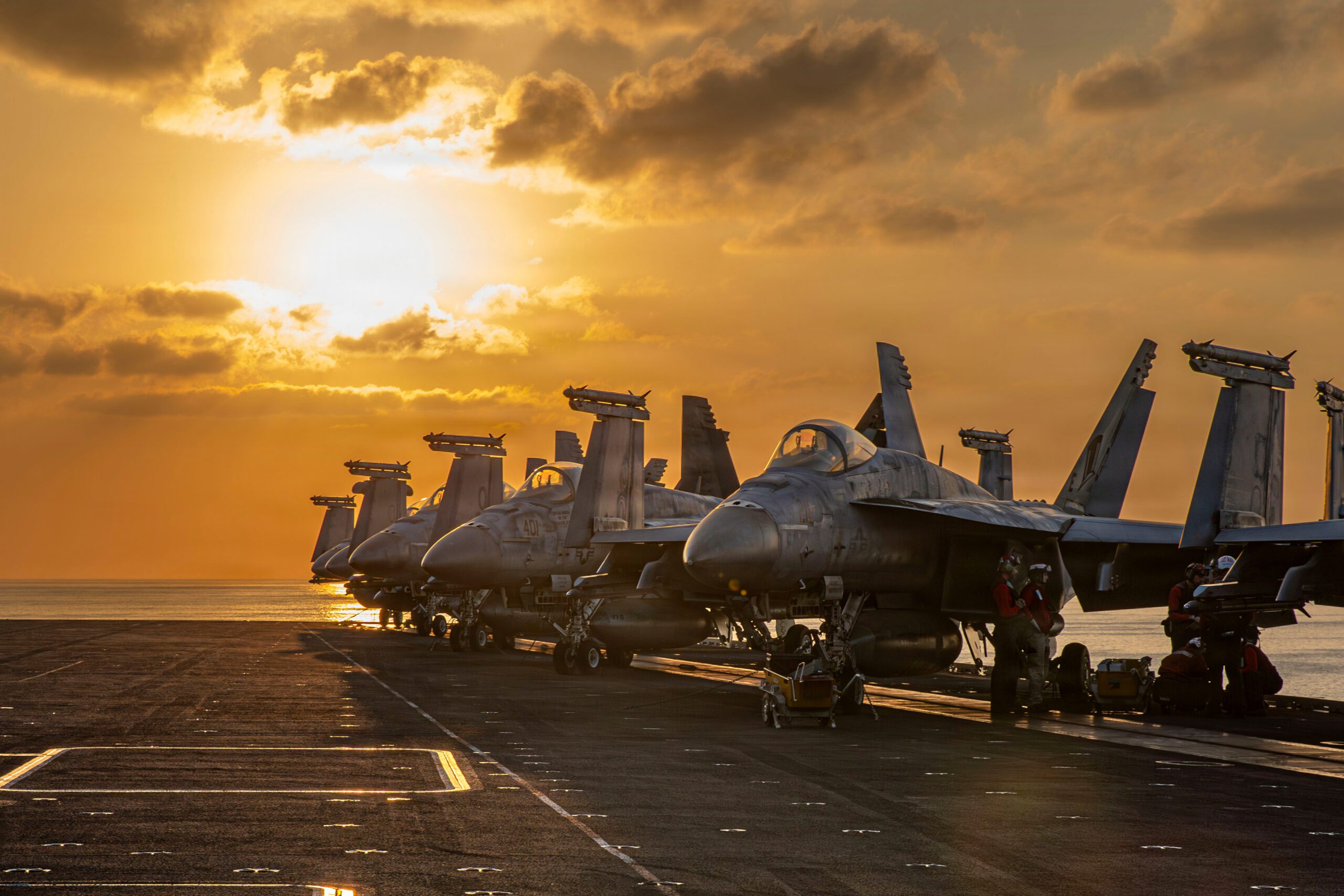
Will a U.S.-Iran Deal Bring a New Order for the Gulf?
On June 4, AGSI hosted a discussion on the implications of a potential U.S.-Iranian agreement for Gulf security.
Speakers