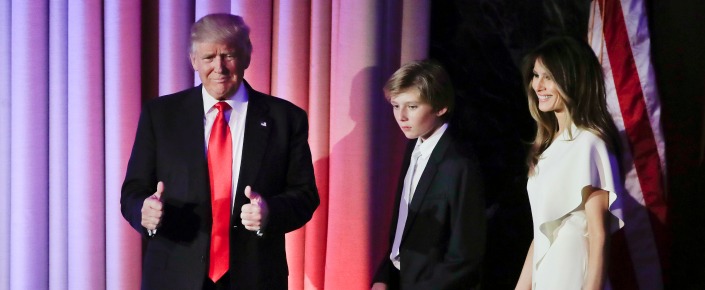
'President-elect Donald Trump motions to supporters as he and his son, Barron Trump, center, and wife, Melania Trump, walk on stage at an election night rally, Nov. 9, in New York. (AP Photo/Julie Jacobson)'
The world reacted with surprise to the election of Donald Trump as the 45th U.S. president, and the Gulf Arab states are no exception. While many Gulf citizens expressed concern regarding the numerous negative statements President-elect Trump has made about the Gulf states and Muslims, the official response of Gulf states has been more muted and diplomatic. Displaying tolerance and abidance to international political norms, Gulf leaders officially congratulated Trump. King Salman bin Abdulaziz of Saudi Arabia emphasized the strong and historical relations between Saudi Arabia and the United States and noted his hope to develop these relations further to serve mutual interests. King Salman’s statement was echoed by Adel al-Jubeir, the foreign minister of Saudi Arabia. The leaders of the United Arab Emirates, Kuwait, Qatar, Bahrain, and Oman have made similar official statements congratulating Trump and hoping to promote the already good relations with the United States.
In contrast, many Gulf citizens and opinion makers openly expressed their reservations about a Trump presidency. Many people on social media posted the negative statements about the Gulf states Trump made during his electoral campaign, as well as very old interviews such as one in which he suggested that Kuwait should pay the United States 25 percent of its oil revenue for the protection that allowed Kuwait to sell its oil, seeing as how “the poorest person in Kuwait, they live like kings.” Others bemoaned the many offensive statements Trump has made about Muslims, and the policies he has proposed against them such as the total ban on Muslim immigration to the United States. Gulf academics, journalists, and the public more generally bemoaned the failure of public opinion polling to predict the election results, and stressed the need for further studies on the influence of media on public opinion.
Skepticism – and Some Optimism – about Trump’s Foreign Policy
Acknowledging the global leadership role of the United States, several Gulf reactions on Twitter foresaw dramatic changes in world politics. A Saudi lawyer commenting on the election’s results said: “The world will no longer be the same. Now a new world will be formed with new values that will change the map of the world.” A Saudi academic and writer, Ali Alkheshaiban, underlined the uncertainty generated by the dramatic change in the world’s most powerful country, and the numerous unanswerable questions the future of the world with a Trump presidency prompts.
Abdulrahman Alrashid, former head of Alarabiya and a columnist for Alsharq Alawsat, hosted an informal poll on his Twitter feed, seeking opinions as to who will benefit from the Trump election. The choices were: 1. The Arabs; 2. Iran & Assad; 3. There’s no benefit. More than two-thirds of the respondents saw no benefit. Other opinion makers addressed the expected changes to U.S.- Gulf relations, and the potential for greater regional instability. Jamal Khashoggi, Al-Arab News Channel general manager, stressed the importance of having the Gulf states overcome their disputes in order to present a united front to a U.S. president who views them all as enemies and mere “cash.” He also recommended following the German government’s reaction to the election result, asserting that Germany’s history has given it the greatest insight into the risks of the expansion of the extreme right and its threats to democracy.
Salafi Islamist and former Kuwait parliamentarian Waleed Altabtabie, echoed Khashoggi’s call for Gulf unity, stating that Kuwait would need such an alliance because the United States is no longer the trusted ally. He also tweeted that while he expected a Hillary Clinton victory, he preferred Trump, as Clinton, like Obama, “would give you a sweet tongue then conspire against you, while Trump is open about his hostility” – an opinion that found some resonance among writers and individuals on social media.
Still Gulf reactions on social media were not entirely suspicious of the foreign policies expected from the president-elect. Some people were upbeat, expecting Trump to impede the Iran nuclear project, and Iranian ambitions in the region, while others expressed optimism that Trump will defeat the Islamic State in Iraq and the Levant. A hashtag created for the Saudi people to congratulate Trump attracted many positive and optimistic posts.
Fear and loathing from Gulf Students in the United States
Recalling the Islamophobic statements made by Trump throughout his election campaign, several people across the Gulf expressed shock and concern about the racism embedded in U.S. society revealed by the election results. Hamad Almajed, an academic and a writer for Alsharq Alawsat, stated that even if Trump had lost the election, the fact that he attracted large crowds and votes despite his racist and exclusionary speech was worrying.
While people in the Gulf were concerned about the spread of Islamophobia and racism within U.S. society from afar, the large number of Gulf young people living and studying in the United States are fearful of Islamophobic reactions they could directly encounter on a daily basis under the new administration. There are 80,000 Saudi students studying in universities across the United States. Some of these students, together with their fellow Kuwaiti students, have expressed astonishment and anger at the support Trump has received despite his racism against Arabs and Muslims. Prior to the announcement of the election results, a Saudi student encouraged all students to leave the United States in view of a Trump victory. Another concerned Saudi student sent a question to the Saudi Cultural Mission in Washington, DC asking what should be done if Trump wins. While these concerns are real for many of the students, others resorted to humor, such as one posting a picture of himself watching election returns with his suitcase in hand. Still, even among Gulf students studying in the United States, Trump has his admirers. One person interviewed for a news article confessed his admiration for Trump as a unique politician and distinguished businessman.
Gulf Social Media Discovers Humor in U.S. Election
Within the commentary and political analysis over the U.S. election circulating among the Gulf public on social media, sarcasm is ever present. A number of Saudis reposted an old tweet by Prince Alwaleed bin Talal in which he called Trump “a disgrace not only to the GOP but to all America” and recommended he withdraw from the U.S. presidential race telling Trump “you will never win.” One person sent the tweet to Prince Alwaleed himself with the ironic heading “in case you forgot.” The prince has since reversed his position and congratulated Trump. Others on Twitter found the humor in Trump’s lack of political experience and qualifications. Another Tweet circulated a comical map for how Trump views the world, giving the entire Middle East and North Africa region the label of “terrorists” (meanwhile Africa received the moniker “Obama’s homeland”). One popular Tweet drew upon a Saudi YouTube comedy series to mock the Saudi public’s intense interest and ardent commentary about the U.S. election, despite their lack of political – and democratic – experience.
Still among the humor and sarcasm, Gulf citizens found room to reflect on how the democratic experience in the United States might look if fully experienced in their own countries. Saudis engaging in the hashtag #ifwehadelections debated what their own results might be. While some predicted that the tribal and sectarian culture would lead people to elect representatives of their own communities regardless of qualifications, others expressed hope that ministerial elections would eliminate corruption and promote the development of the country, encapsulating both the dangers and promise of elections for all.
Reham Jambi is a research associate at the Arab Gulf States Institute in Washington. Kristin Smith Diwan is a senior resident scholar at the Arab Gulf States Institute in Washington.
The views represented herein are the author's or speaker's own and do not necessarily reflect the views of AGSI, its staff, or its board of directors.
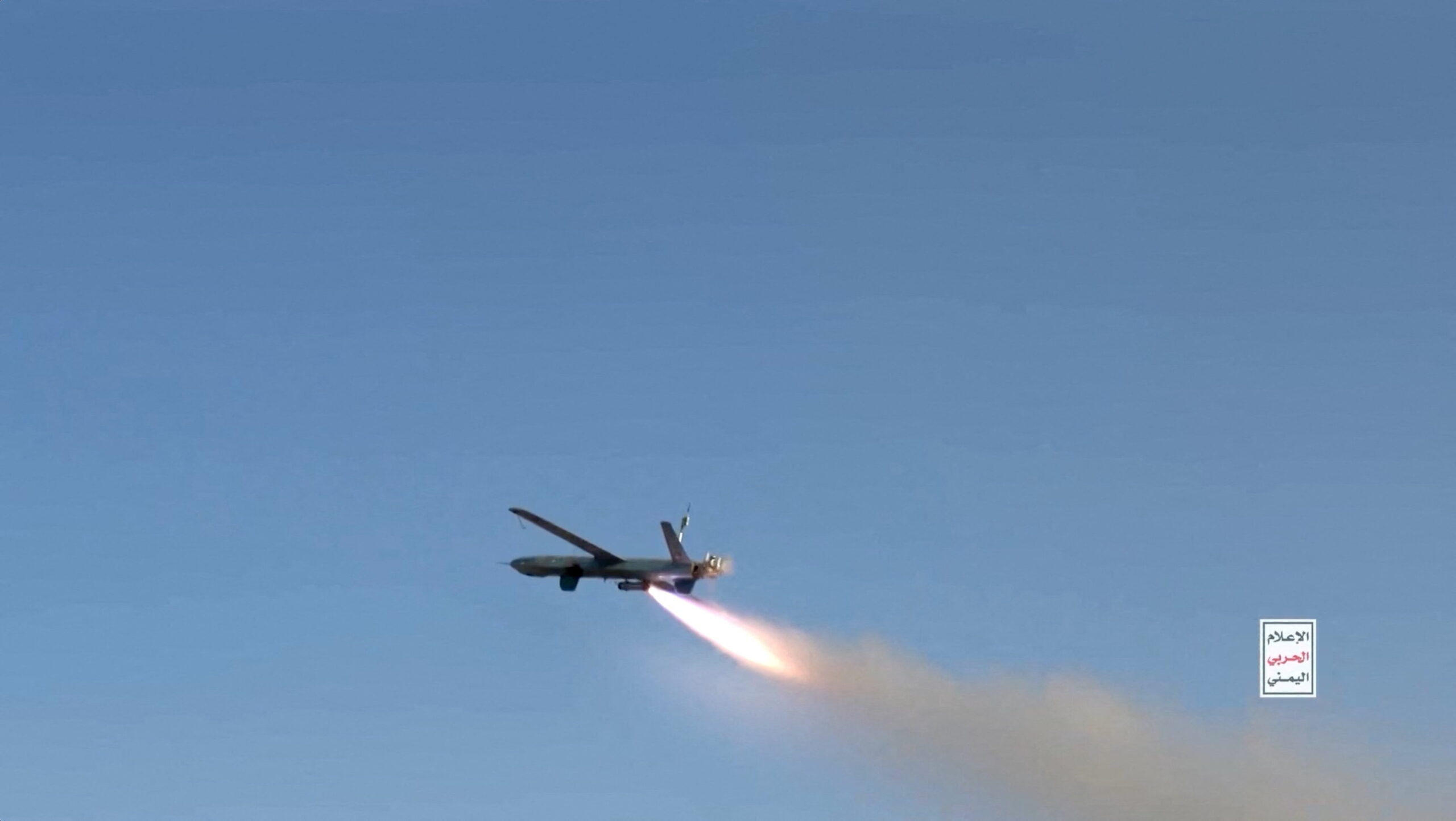
Artificial intelligence is entering the Yemen conflict through weapons engineering and U.S.-supported targeting operations, extending a regional transformation accelerated by the war with Iran.
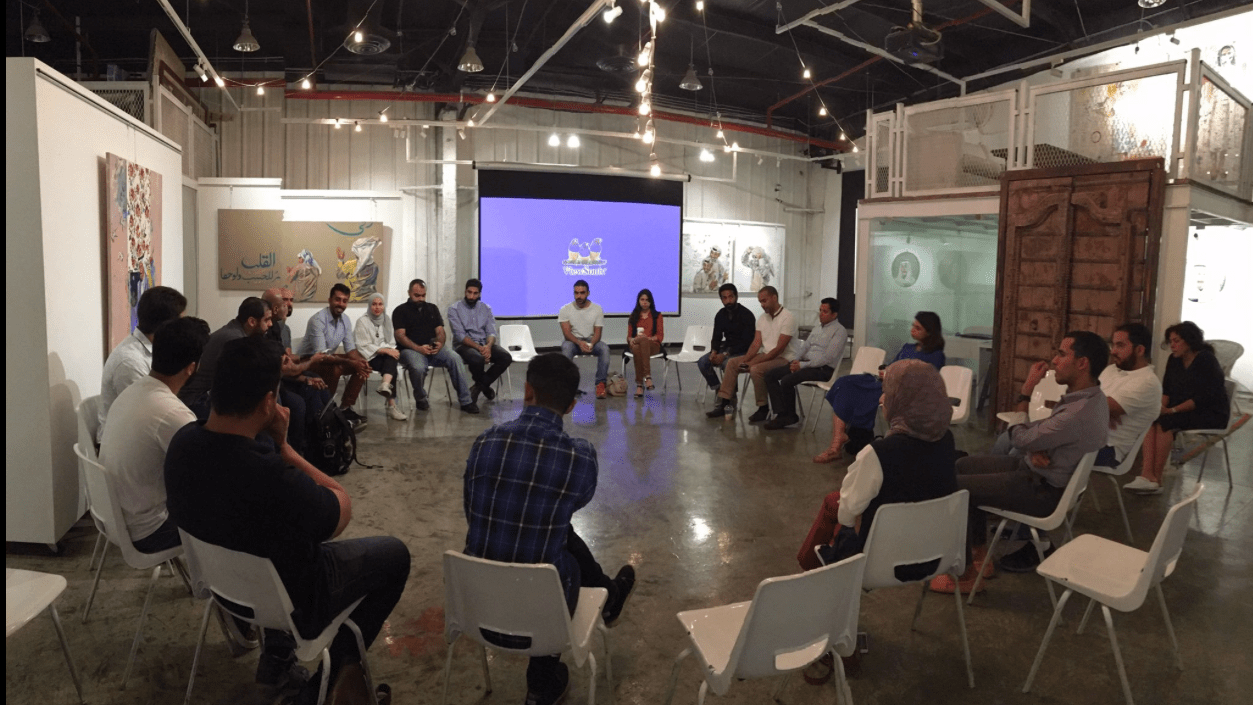
Dissatisfied with existing political dynamics, a group of young activists established a think tank as a new approach to effectively contribute to Kuwaiti politics. The Rai Institute for Strategic Studies and Research is the first private think tank in Kuwait. It aims to provide fact-based research and analysis to better inform the issues influencing, and...
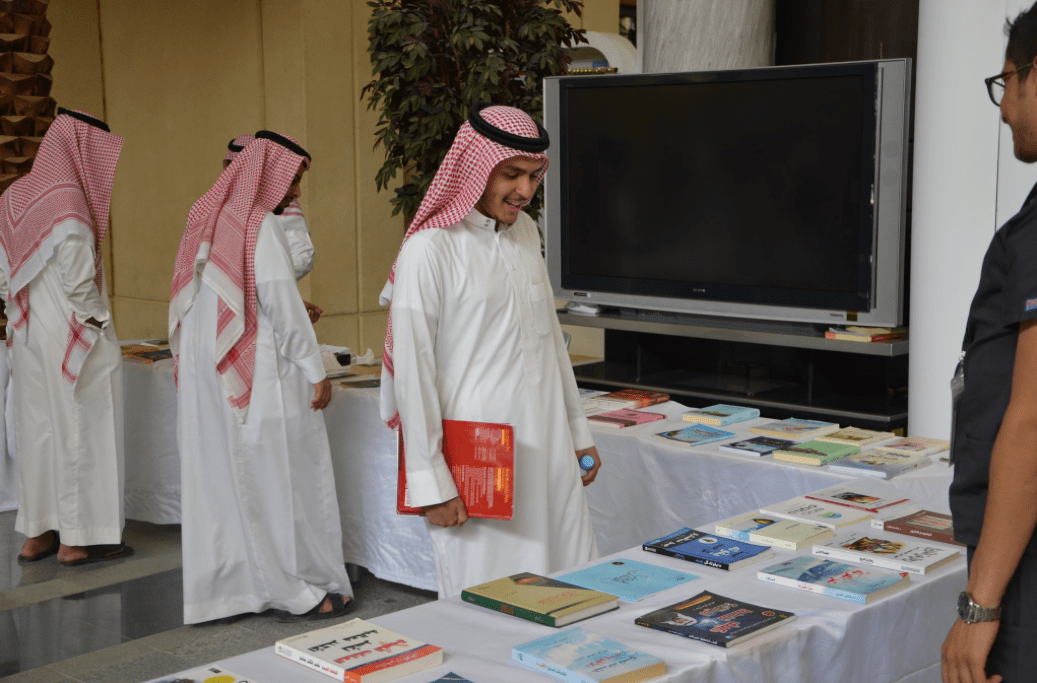
Motivated to discover their own potential and voice, independent of the prevailing social and political norms, Gulf youth have been establishing reading clubs at a rapid pace. On their face, these initiatives might look like typical intellectual activities. However, considering the Gulf social context, the particular goals and activities on which these initiatives focus, and...
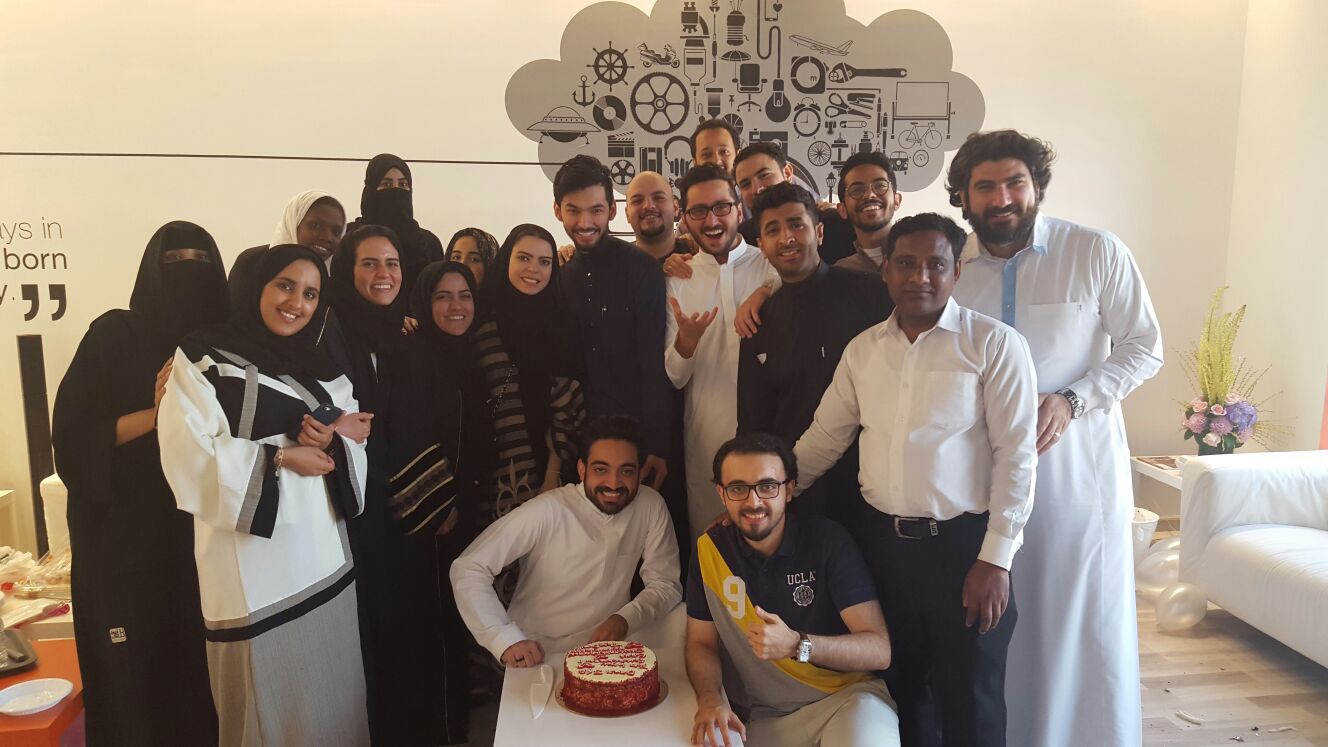
Tam is a public interest initiative registered in Saudi Arabia as a limited liability company. Its activities focus on transforming social problems and challenges in the Arab world into competitive opportunities, encouraging local talents to engage in the discovery of solutions. Tam’s team is committed to making a social impact, while maintaining a high standard...
Saudi State and Society React to JASTA Saudi Arabia and its fellow Gulf states were quick to react to the passage of the Justice Against Sponsors of Terrorism Act (JASTA) by the U.S. Congress and, in an equally overwhelming vote, its override of the presidential veto of the bill. Still the negative, yet cautious, tone...
Syria hopes to use the Iran war to deepen its connection to its Gulf Arab partners. Can it compete for inclusion within the regional security order and emerging trade corridors?
The imperative for Gulf states to unify their position has grown since the onset of Iranian attacks on their countries. Yet under conditions of uncertainty about the U.S. position and the war's outcome, Gulf states are demonstrating differing regional alignments and preferences for managing the crisis.
Caught between Iranian strikes and U.S.-Israeli pressure to join the fight, Gulf Arab states strive to maintain their autonomy over decision making, playing defense and preserving the space to maneuver when the war ends.