Since at least the 1990s, Islamists have felt the pull of domestic politics as semi-authoritarian states opened up room for Islamist parties or proto-parties in national parliaments and structured national dialogues. The preponderance of academic studies followed them with analyses of organizational change; the moderation of Islamist parties; and the contribution of Islamists to either...
'Kuwaitis take part in a protest outside the Egyptian embassy against Egypt's crackdown on supporters of ousted President Mohamed Morsi on August 14, 2013 in Kuwait City. (YASSER AL-ZAYYAT/AFP/Getty Images)'
Since at least the 1990s, Islamists have felt the pull of domestic politics as semi-authoritarian states opened up room for Islamist parties or proto-parties in national parliaments and structured national dialogues. The preponderance of academic studies followed them with analyses of organizational change; the moderation of Islamist parties; and the contribution of Islamists to either persistent authoritarianism or democratization depending on the analysts’ leanings. The jihadist literature such as studies of al-Qaeda countered this trend by necessity, but there is no mistaking the strong contribution of country-based research done by scholars of comparative politics to our understanding of Islamist politics.
Today’s Islamist politics in the Middle East augur a sharp turn towards the international. Resurgent authoritarianism, inter-state security cooperation, proxy wars, and sectarian polarization mean that the actions of Islamist movements are unintelligible without consideration of the international environment. Individual movements cooperate across borders, and the competition among rival movements is regional. The third image – the international system and actions to alleviate security dilemmas fed by anarchy – takes center stage, decisively shaping the behavior of states and movements alike.
From Domestic Politics to Regional Strategies
Resurgent authoritarianism is stifling representative domestic politics, closing down or narrowing the arena for political participation. Security crackdowns are sending Islamists – both Sunni and Shia – to jail or to exile. Once abroad, Islamist political activists are forging new transnational connections, and rethinking their strategies and ideas in light of their shared experience of political suppression.
Cooperation is not limited to the Islamist movements. The five years since the citizen uprisings have seen a pronounced jump in inter-state security cooperation as well as foreign interventions. In such an environment the political and security calculations of Islamist movements can no longer be restricted to their own state authorities.
More broadly, the current flux due to state collapse, civil wars, and proxy wars opens up big strategic questions about the future of Islamism and the survival of the state system in the Middle East. Most indicative of this transformational environment is the rise of the Islamic State, which challenges Middle Eastern states and Islamic movements alike. Domestic debates among Islamists today are dominated by questions of foreign policy and geopolitics centered on the proper course of state action in this unsettled and unsettling environment. The terms of the competition amongst Islamist movements are increasingly set by their strategic and doctrinal positions on regional conflicts and on the future of the region.
Sectarian polarization, fed by the competition between regional heavyweights Saudi Arabia and Iran, in most cases pulls Sunni movements closer to their governments, and makes captives of Shia communities in Sunni-led states. This environment is completely inimical to the cross-sectarian cooperation needed to empower domestic opposition coalitions, weakening the movements for constitutional reform which showed some strength at the end of the first decade of the millennium and into the Arab Spring.
The Gulf Intervenes
This shift towards transnational and interstate action – as both movements and states have sought to define the future trajectory of political life and to decide the outcome of regional political struggles – has been accompanied by the ascendancy of the Arab Gulf in regional affairs.
In the Gulf, the challenge to domestic reform movements came early in the Arab Spring, as regional dynamics affected the balance of opposition coalitions. In Kuwait, a diverse opposition of Muslim Brotherhood, movement Salafis, tribal populists and leftist nationalists initially allied to push for greater popular sovereignty. Still the question of the role of the Muslim Brotherhood in regional politics plagued the opposition enterprise.
An early expression of solidarity with the mounting Bahrain protest movement by Kuwait’s prominent Muslim Brotherhood leader Tareq al-Suwaidan was quickly silenced. Fellow Muslim Brothers and other Sunni Islamists adopted a sectarian view of the Bahrain uprising and fell in line in support of the loyalist position of the Muslim Brotherhood in Bahrain, exacerbating relations with Kuwait’s Shia. Later the success of the Egyptian Muslim Brotherhood in parliamentary and presidential elections escalated fears of the group’s regional ascendancy, costing the Kuwait opposition liberal support, and weakening the opposition coalition.
The rise to power of the Muslim Brotherhood in Egypt altered state calculations as well. In June 2013, a prominent group of Muslim scholars gathered in Cairo to encourage Sunni support for jihad in Syria. The gathering included prominent Egyptian Salafi preachers; the Qatar-based, Muslim Brotherhood-allied Youssef Qaradawi; and the popular Saudi Salafi Sheikh Mohammed al-Arefi. The Brotherhood-led government’s leadership in mobilizing transnational Islamist support from within Gulf societies for a more activist regional agenda portended trouble for conservative Gulf states. In the ensuing month the Morsi government would be overthrown, Mohammed al-Arefi detained for questioning in Saudi Arabia, and Qatar subjected to unprecedented political pressure from Saudi Arabia and the United Arab Emirates (UAE) to reverse its maverick support for the regional agenda of the Muslim Brotherhood.
The campaign against the Muslim Brotherhood and all independent forms of political Islam defined the increasingly assertive policies of the UAE. In the early days of the Arab uprisings the government cracked down on the Muslim Brotherhood organization within the country. Yet their prosecution of the movement did not stop there. On the basis of a newly negotiated Gulf security agreement, the UAE began threatening extradition of Muslim Brotherhood members in Kuwait accused of financially supporting their Emirati brethren; one former MP was sentenced to five years in jail for insulting the Abu Dhabi crown prince. The UAE later joined Saudi Arabia in withdrawing its ambassadors from Qatar and threatening to blockade the fellow Gulf nation for its backing of the Muslim Brotherhood in Egypt and within the Gulf. The UAE’s foreign interventions in Egypt, Libya, and Yemen have been driven in large part by its desire to defeat the Brotherhood’s political program.
Still the regional wars, particularly the civil war in Syria, commanded the attention of the region’s Islamists and provided an open arena for mobilization. The uncoordinated efforts of Qatar, Turkey, and Saudi Arabia to back rival rebel factions within the Syrian opposition was matched by the independent initiatives of Salafi preachers and activists. Kuwait became a center for bundlers collecting private donations to support Syrian fighters. It had a radicalizing effect. The sectarian narrative begun in the civil war in Iraq intensified dramatically with Syria, as Sunni Islamists within Gulf societies and elsewhere used sectarian rhetoric to mobilize arms and men to counter the Hizbollah and Iran-backed Assad government.
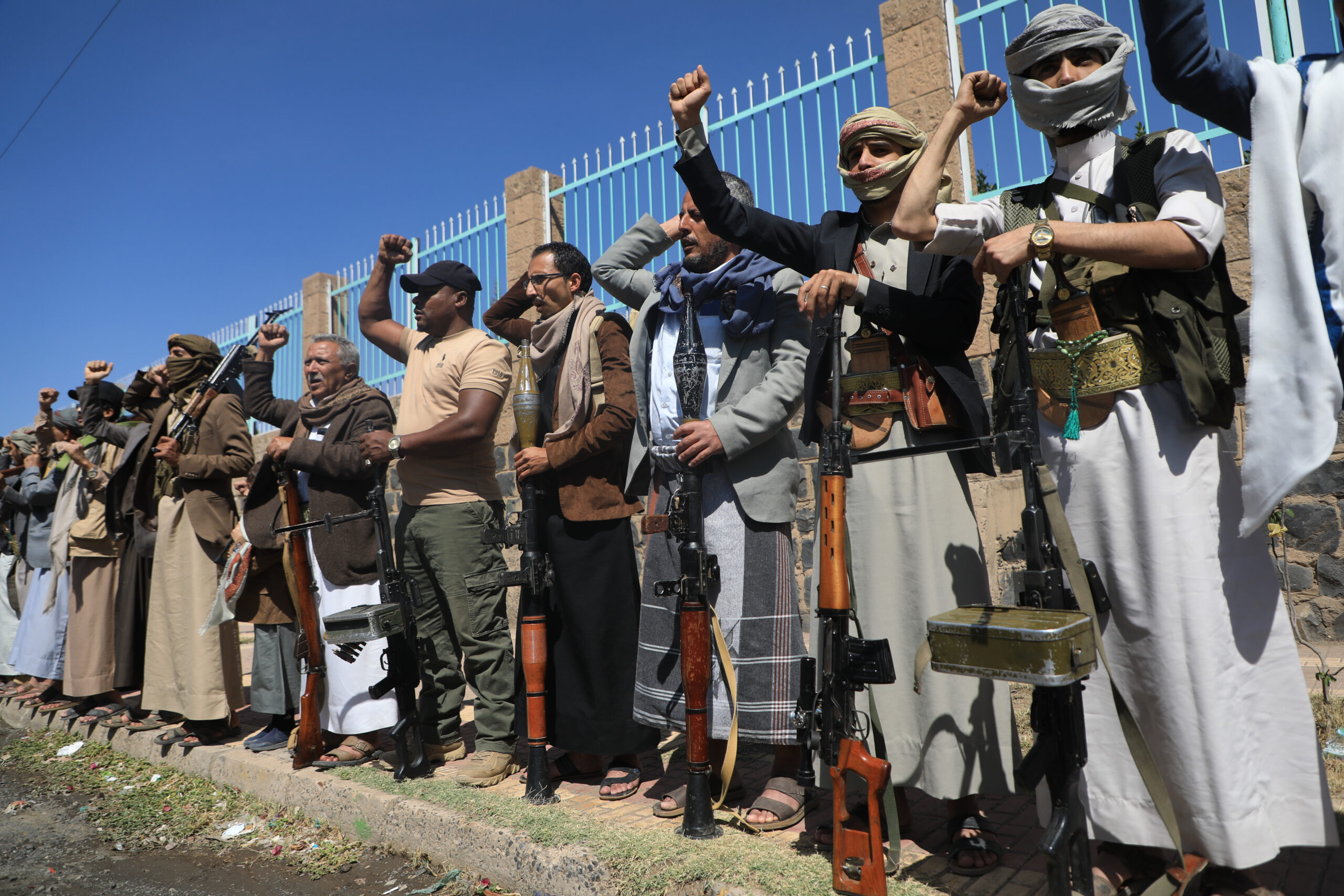
New leadership in Saudi Arabia brought resolve to militarily confront perceived advances by Iran and allies across the region. The Saudi-led Sunni coalition to confront the Houthi advance in Yemen introduced yet another arena for regional contestation. Yet unlike in Syria, the Saudi actions in Yemen served as a vehicle to recapture the support of Sunni Islamists for the state, both for the execution of the Yemen war and stepped up confrontation with Iran. Sunni political movements of all stripes – Salafi, Ikhwan and reformist – have expressed enthusiastic backing for the Yemen intervention.
As states wrestle with how to secure their interests regionally while establishing control over transnational Islamist mobilization, national integration becomes critical. Yet early indications do not augur well for a return to the policies of the 2000s, when states provided greater political opening and expanded representation. Instead Gulf states appear to be confronting the challenge of the new regionalized Islamist landscape by a combination of stick and carrot: more vigorous prosecution as represented in new terrorism laws, and nationalist appeals under the leadership of ruling families. The recent execution in Saudi Arabia of 47 detainees based on terrorism charges, including members of al-Qaeda as well as the firebrand Shia cleric Nimr al-Nimr is indicative of new state red-lines. Yet in keeping with the new international imperative, the success of their national strategies are likely to be determined by the outcome of regional confrontations, as much as by domestic measures.
This article originally appeared in the Project on Middle East Political Science (POMEPS).
The views represented herein are the author's or speaker's own and do not necessarily reflect the views of AGSI, its staff, or its board of directors.
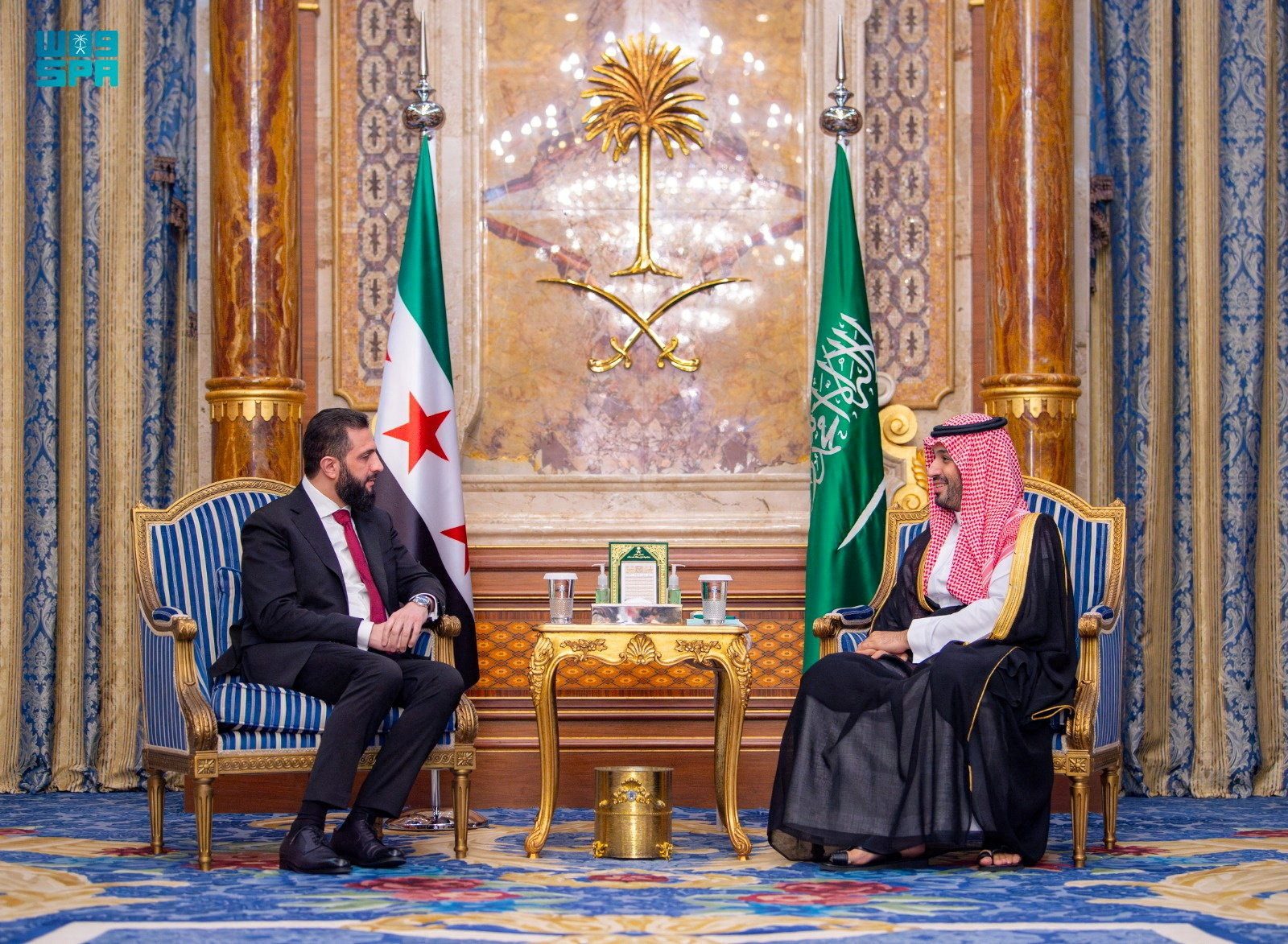
Syria hopes to use the Iran war to deepen its connection to its Gulf Arab partners. Can it compete for inclusion within the regional security order and emerging trade corridors?
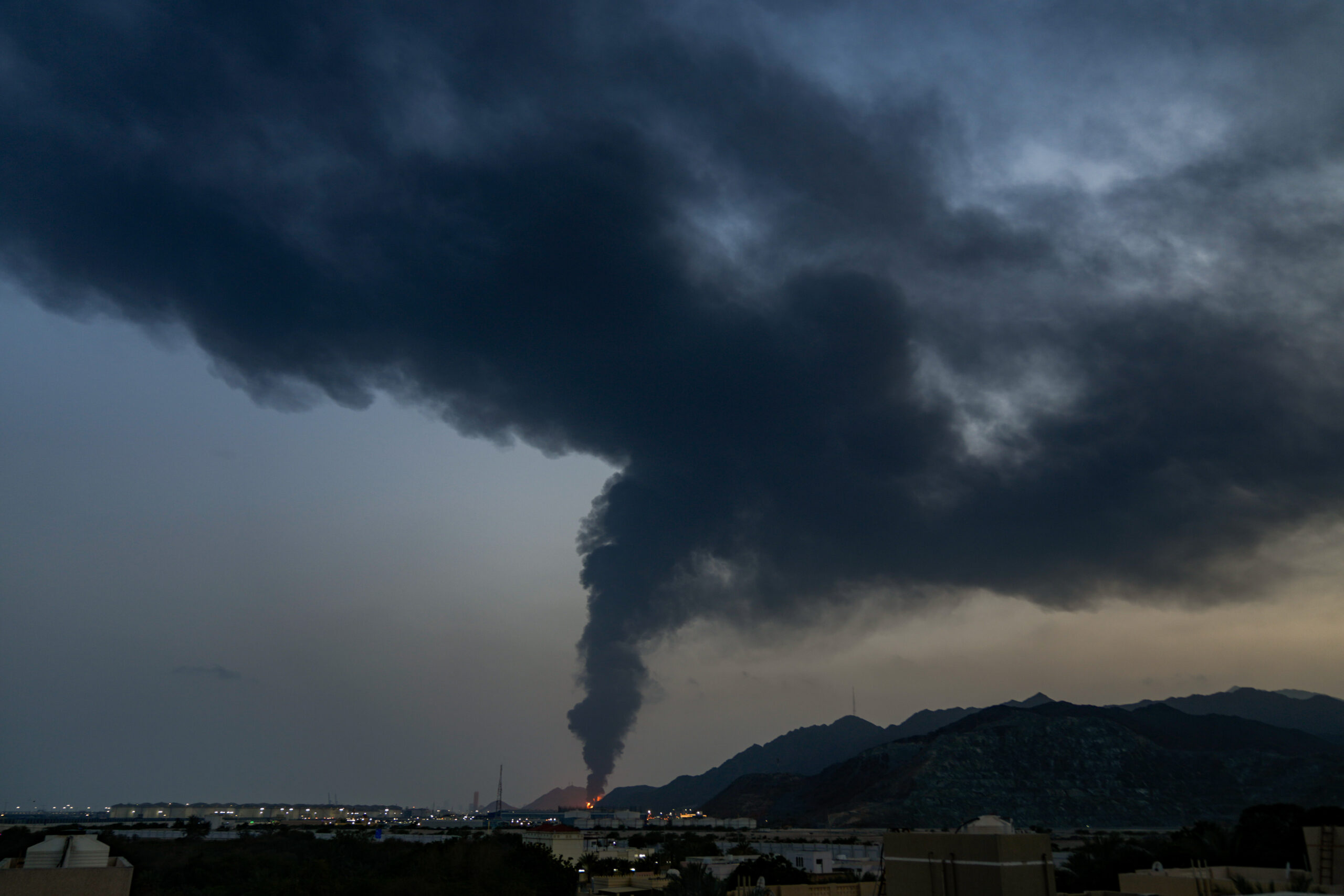
The imperative for Gulf states to unify their position has grown since the onset of Iranian attacks on their countries. Yet under conditions of uncertainty about the U.S. position and the war's outcome, Gulf states are demonstrating differing regional alignments and preferences for managing the crisis.
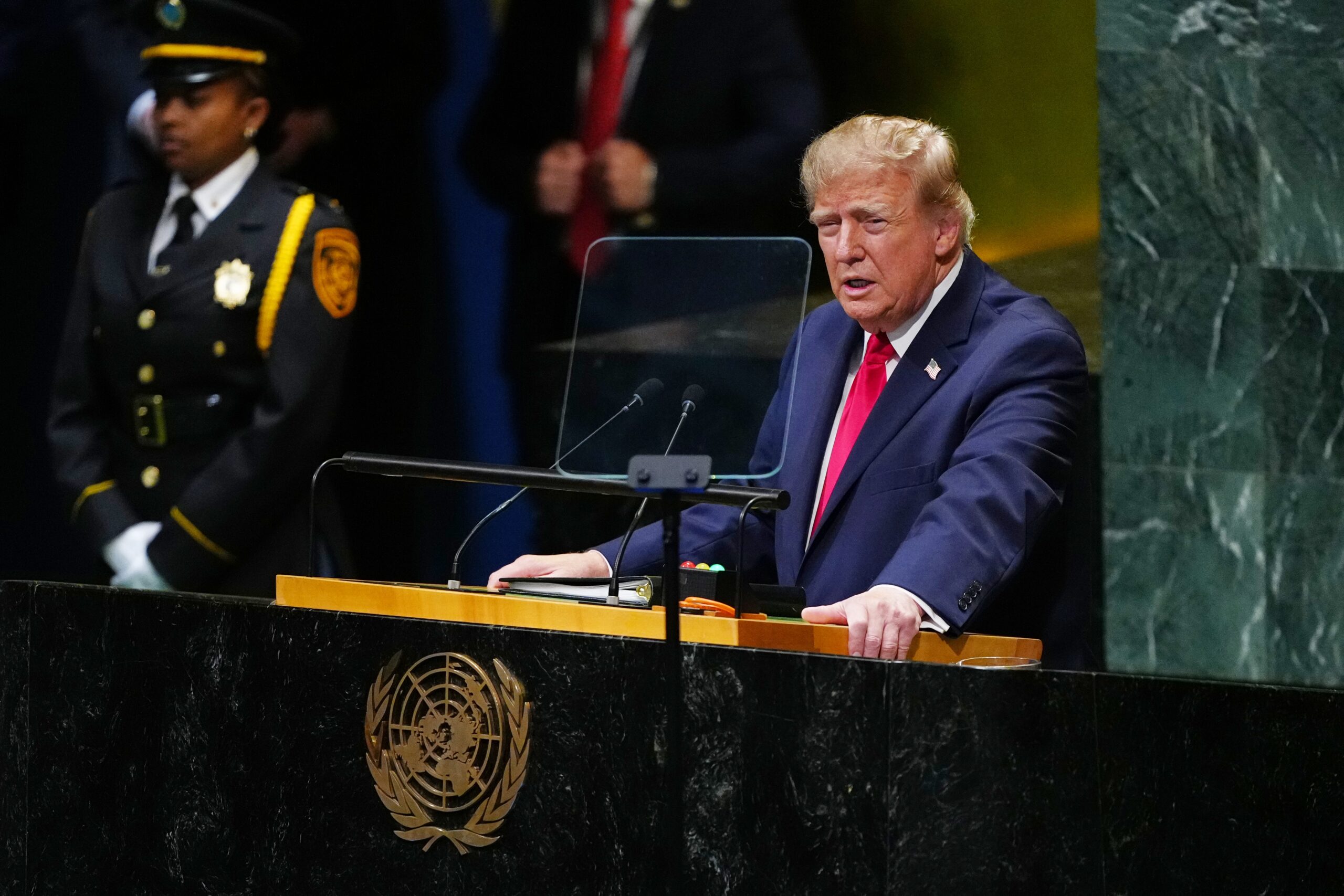
Caught between Iranian strikes and U.S.-Israeli pressure to join the fight, Gulf Arab states strive to maintain their autonomy over decision making, playing defense and preserving the space to maneuver when the war ends.