Saudi, Pakistani, and Turkish leaders take part in a Mecca defense pact meeting among Turkey, Saudi Arabia, and Pakistan in Riyadh, Saudi Arabia, October 5. (Handout / Latin America News Agency via Reuters Connect)
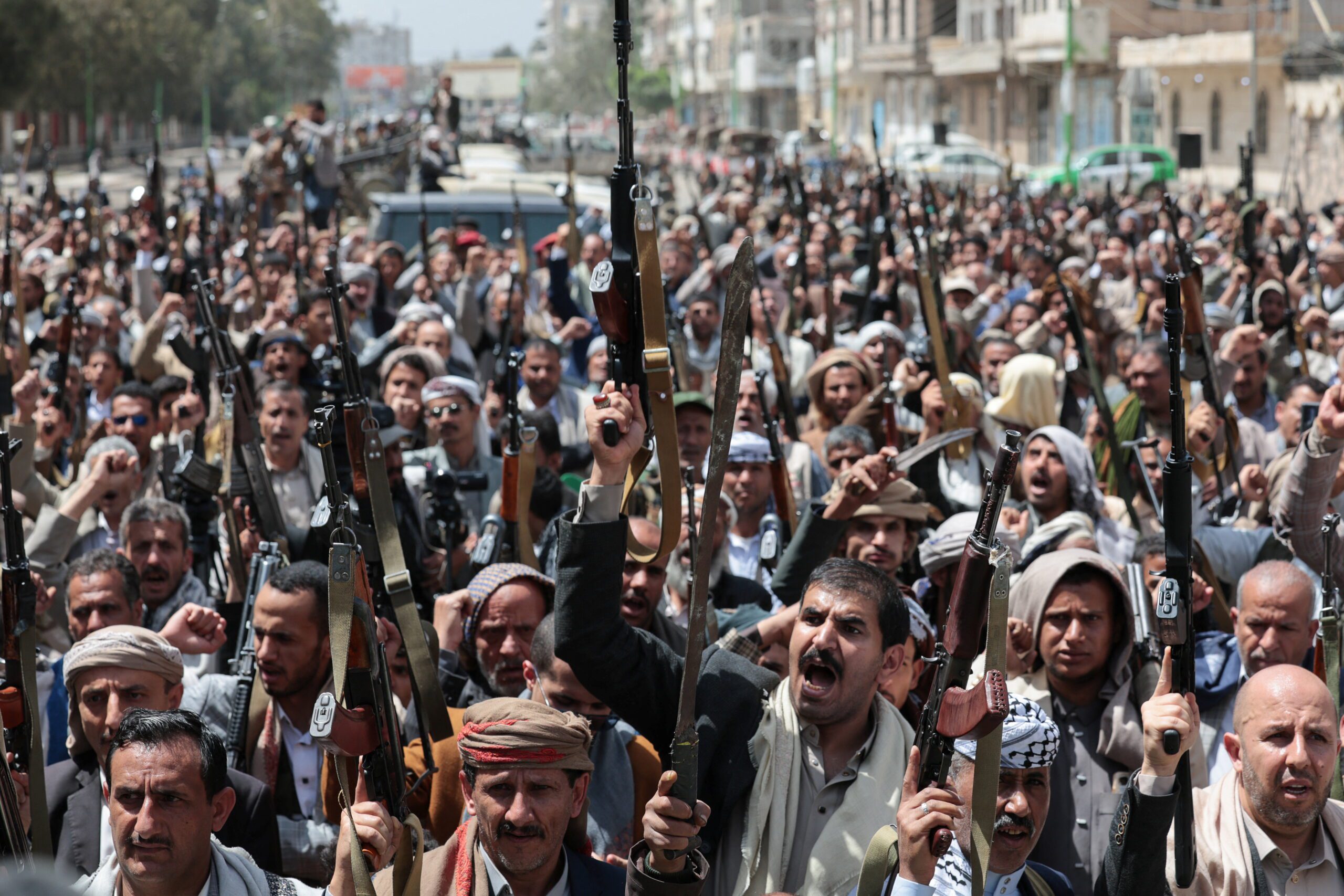
Few things can both flatter and frighten the Iran-backed Houthis as much as the Mecca Joint Defense Agreement that Saudi Arabia has assembled with Turkey and Pakistan. One of the Houthis’ earliest reactions was to undermine the alliance, with one op-ed calling it a “flash alliance” that had not survived “a weekly laundry cycle for the official suits.” Another op-ed likened the alliance to an “Avengers” movie but questioned the choice of enemy, arguing that the alliance would have been worthy of heroism had it been fighting Israel and not the Houthis. But mocking the alliance did not last long; within weeks, the Houthis started trying to break it by appealing to Turkey and Pakistan directly, because their coercive strategy works best when Saudi Arabia is isolated.
The Houthis seemed increasingly emboldened in their military advances, as Saudi-Emirati tensions grew and the United Arab Emirates pulled back from Yemen. This allowed the Houthis to isolate and focus political pressure on Riyadh, exploiting the divisions in Yemen’s South and among the forces arrayed against them. The Mecca agreement could change that calculus on both the political and military fronts. For the first time in years, the Houthis may find themselves facing a coalition rather than a single country.
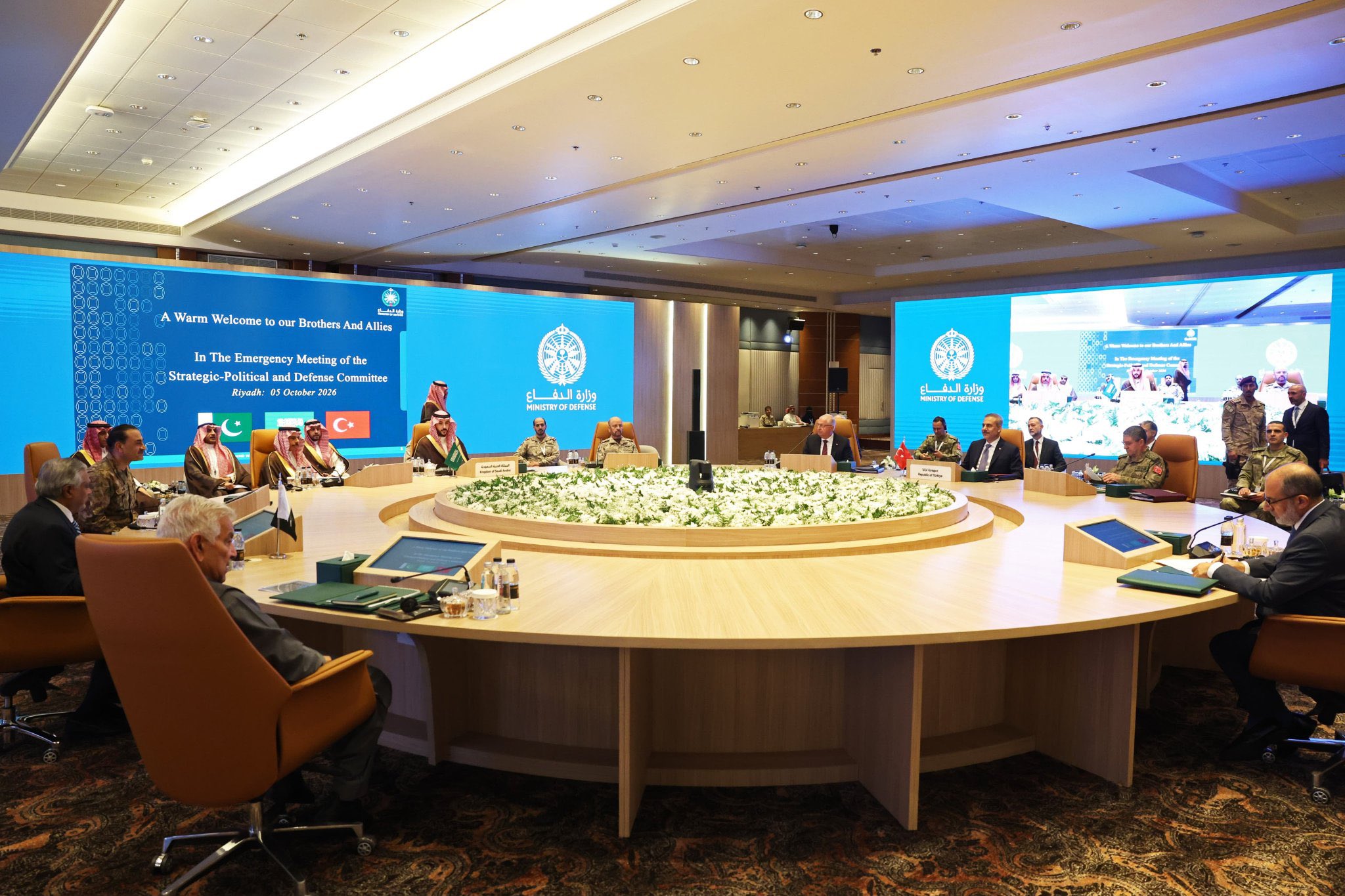
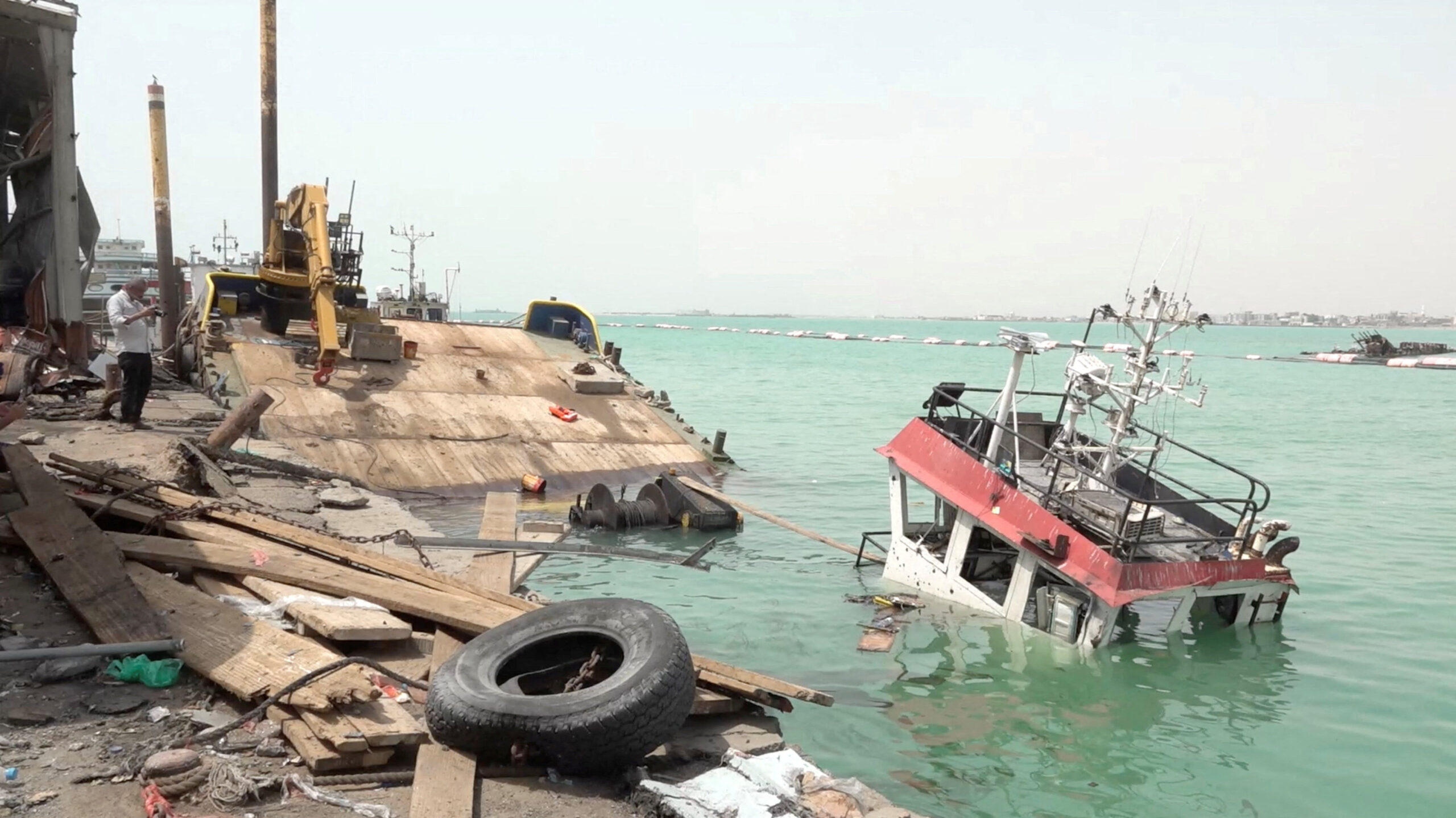
An October 5 emergency meeting in Riyadh of the Strategic Political and Defense Committee set the practical implementation of the alliance’s mutual defense obligations in motion, including measures to provide forces and deploy them rapidly to Saudi Arabia. This came just after a declaration by the head of the Presidential Leadership Council, Rashad al-Alimi, of a new Yemeni government operation to retake state institutions and liberate Sanaa from the Houthis. The operation came weeks after the Houthis seized Yemen’s Red Sea coast and, most recently, pushed to reach the last road linking Taiz to Aden. Within 24 hours of the declaration, the Southern Giants Brigades claimed control of the Bab el-Mandeb, and government forces took Dhubab and its airport, with Houthi fighters reportedly surrounded there and on the island of Perim.
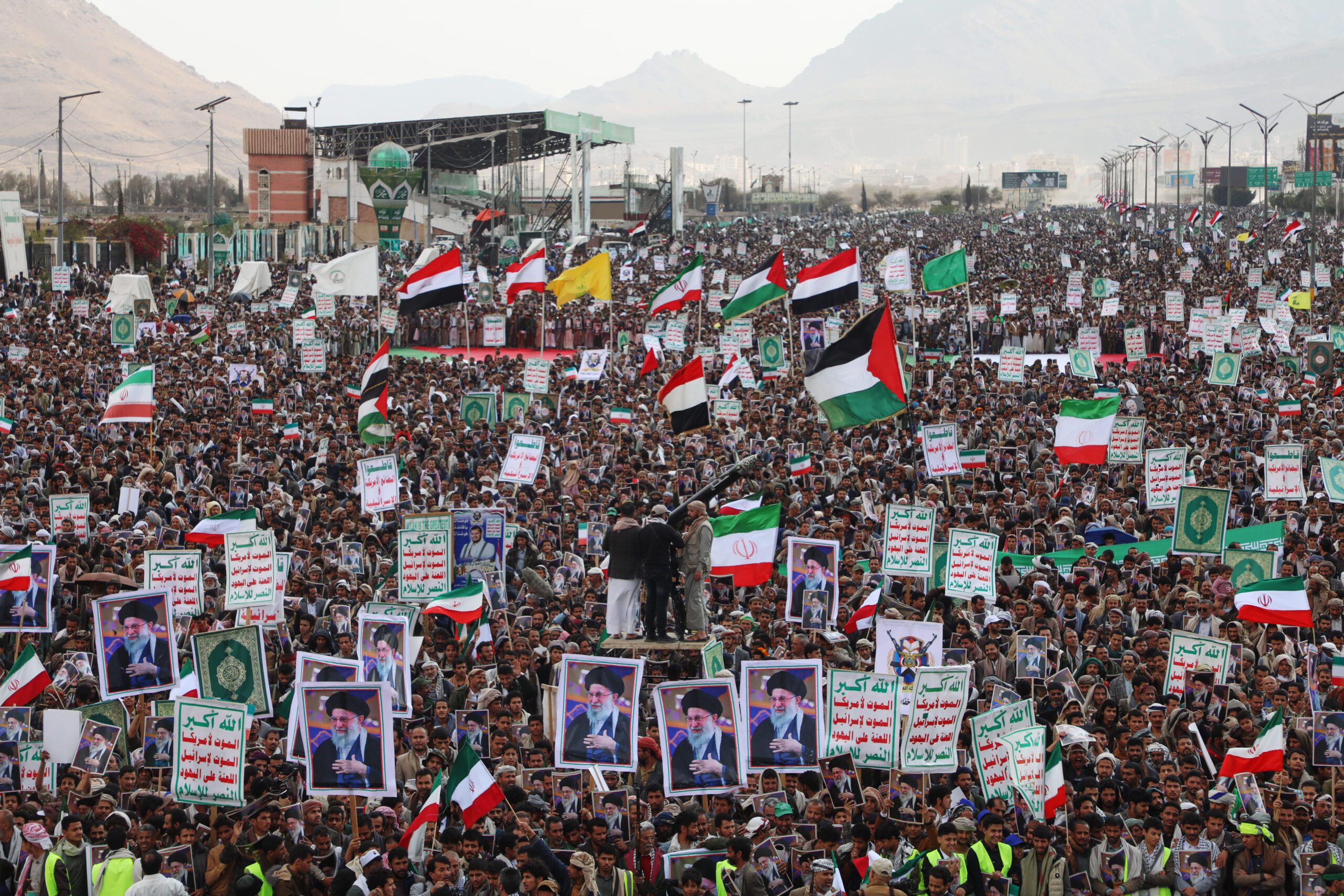
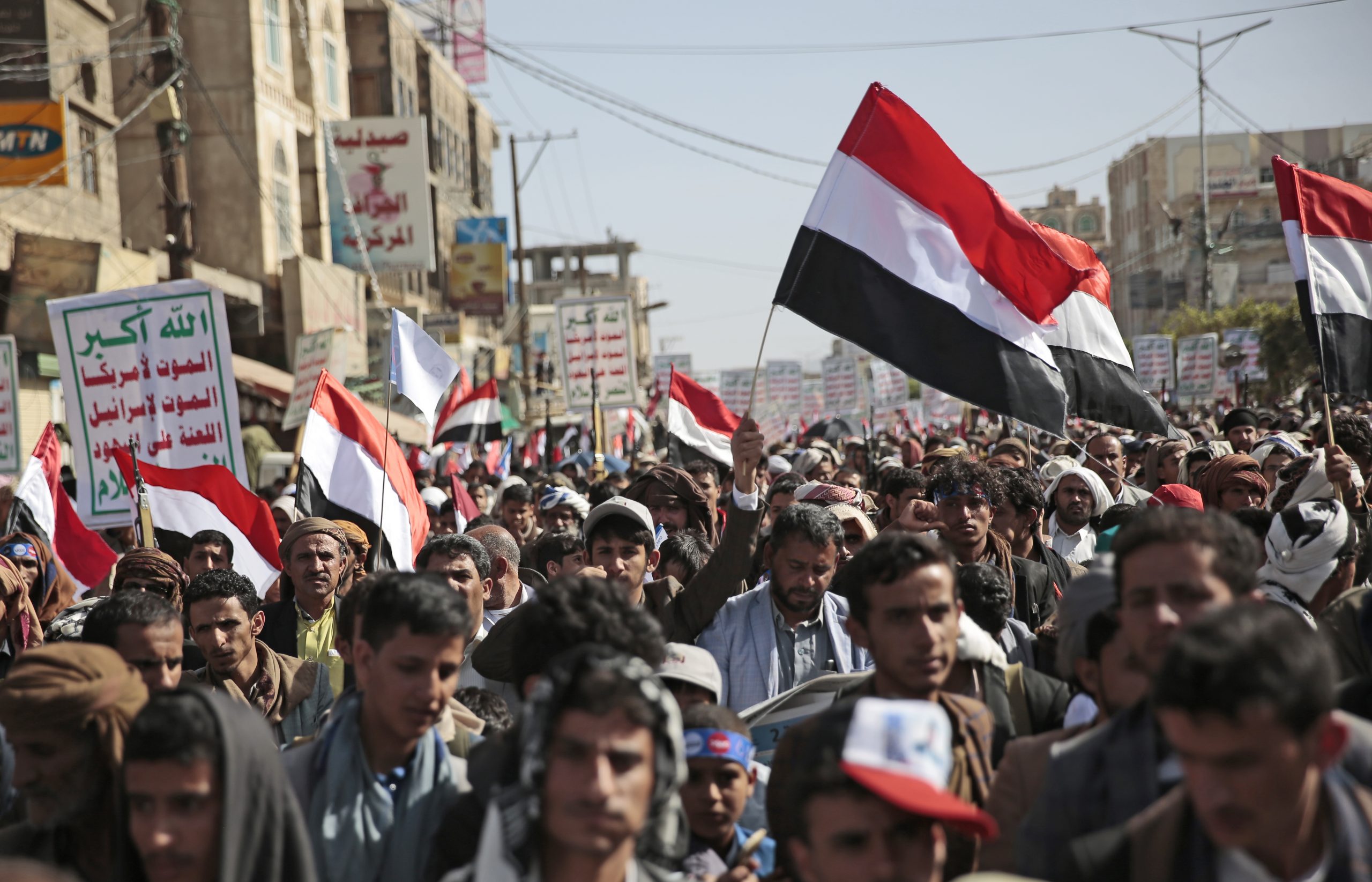
For the past decade, the Houthis have worked to present the war in Yemen as a confrontation with Saudi Arabia alone, keeping the focus on “Saudi aggression” and painting a narrative of them as the righteous actor defending themselves. In doing so, the Houthis diverted attention away from Iran’s role and their own war of expansion. Focusing on Saudi Arabia and not on Yemen’s government or the factions fighting them on the ground was politically useful. It turned their Yemeni rivals into Saudi “mercenaries” with no will of their own. It also made Riyadh the only party they needed to negotiate with and the one expected to pay for everything from salaries to reconstruction.
The same logic explains why the Houthis decided to cling to their May 2025 cease-fire with the United States and reassure the administration of President Donald J. Trump that they would not widen their targets beyond Saudi Arabia. After Washington nearly ordered strikes in September but ultimately decided not to engage in the Bab el-Mandeb, the Houthis threw all their weight behind the offensive. Houthi leader Abdul Malik al-Houthi himself admitted in a September 21 speech that the Houthis were “benefiting from the international and regional circumstances” with their enemies preoccupied with “the major confrontation” with Iran. Houthi-aligned media also celebrated it: One op-ed pointed out that Trump – “Saudi Arabia’s strategic ally” – had refused to strike Yemen, while another bragged that because only Saudi ships were blockaded, the countries that use the strait “abandoned” Riyadh.
The Mecca agreement gave Saudi Arabia new partners the Houthis had not encountered before, however. For roughly half a century, the Gulf Arab states have relied on Washington for their defense. The Mecca agreement shifted some of that burden to the broader region. Pakistan is a nuclear power that already had thousands of troops in the kingdom, along with a squadron of JF-17 fighters and air defense units. This presence is anchored in the 2025 Mutual Strategic Defense Agreement that reportedly allows for up to 80,000 Pakistani troops to help secure Saudi borders. Turkey committed to sending defensive and technical support.
The Mecca agreement is presenting the Houthis with a new set of challenges that could alter their military calculations. First, the pact risks prolonging the war. For a group that has to smuggle in even basic missile components, a long war would impose significant costs and stress its internal fronts, where people are asked to keep serving the movement with little to gain from it. Second, the pact gives Saudi Arabia more resources to support Yemeni government forces, as the Houthis are fighting to consolidate their positions. It also gives the Saudis, in Turkey, a weapons source that does not rely on Washington and an experienced ally that has been able to mobilize drones and fighters in both Libya and Syria. Third, the Houthis have often been careful to frame their fight as one that resists a blockade imposed by Riyadh. The Houthis benefit from keeping this fight as a purely bilateral issue between them and Saudi Arabia. The minute any Houthi action amounts to aggression against another signatory state of the pact, it ceases to be a bilateral dispute between two parties and becomes a collective defense issue, which is a lot trickier to frame.
Seeking to contain the threat, the Houthis went after Turkey and Pakistan directly. Mohammed al-Farah, a member of the movement’s political bureau, wrote an open letter asking both states to press Saudi Arabia toward a settlement. Another Houthi analyst proposed them as guarantors, and others pushed for the two states to intervene and play a positive role.
Abdul Malik al-Houthi, addressing the Turkish and Pakistani populations, asked whether they would tolerate 760 airstrikes on their own countries or their officials going years without salaries because their oil wealth had been “diverted to another state.” What is difficult for the Houthis here is that they cannot label Turkey and Pakistan with the same tropes they use for Saudi Arabia. They are careful not to paint either Ankara or Islamabad as part of a Zionist-American project; instead, they cast them as Muslims being misled. In the same speech, Abdul Malik al-Houthi insisted that the Yemenis are the most faithful to the holy city of Mecca and the most entitled to defend it, not the Saudi custodians.
Following his speech, a chorus of arguments flooded Houthi media claiming that the Mecca pact countries were being dragged into this war. The Houthis claimed that the Saudis had wrongfully accused them of targeting Mecca with a drone strike, using the incident to push both countries into activating the defense clause. They published an article by a Pakistan-based writer who argued that Pakistan would never accept war against “a fraternal, neighboring Muslim state.”
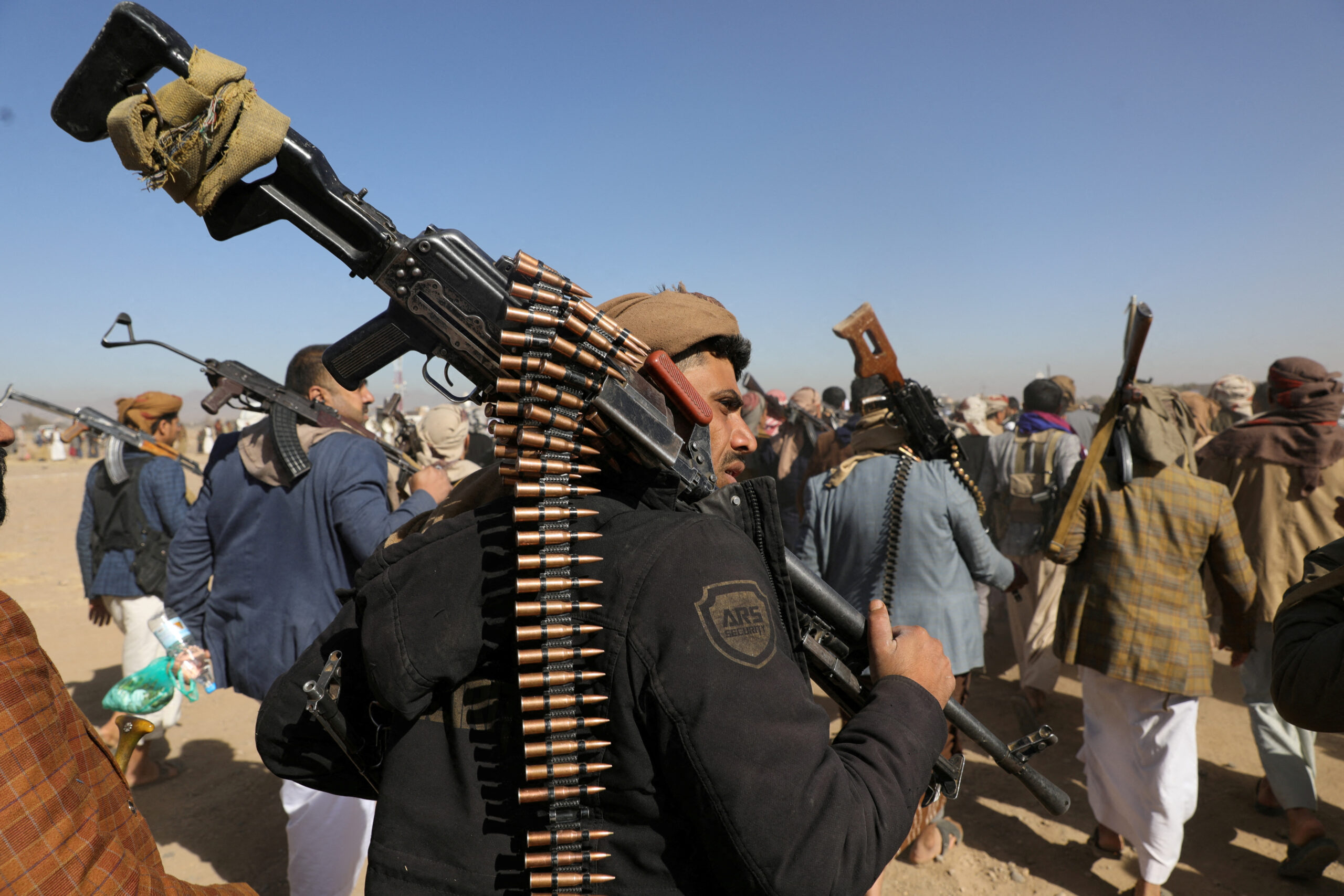
After the Saudi, Turkish, and Pakistani chiefs of staff met in Riyadh, the Houthis began to target the alliance. The Houthis did not go after both countries equally, however. They reserved specific focus for Pakistan, as it is their real worry. While Turkey only offered to help with equipment and technical support, Pakistan has forces on the ground in Saudi Arabia. A Houthi-aligned columnist threatened “the military bases available to this alliance in Saudi Arabia” and warned that Iran and the axis “will not merely watch.” Another writer laid out the “catastrophic options” awaiting Pakistan, from an economy hostage to International Monetary Fund loans to an army already stretched by the Pakistani Taliban and Baluch insurgents. Regarding Turkey, the Houthis settled for a history lesson, noting that the Ottomans tried their luck in Yemen once and lost.
Tehran is also ostensibly concerned and searching for ways to undermine the alliance. Hesamoddin Ashna, an advisor to former President Hassan Rouhani, wrote the day after the signing that the pact reduces the effectiveness of threats against Gulf states and raises the likelihood that Turkey and Pakistan enter a conflict if Saudi Arabia is attacked. Hossein Shariatmadari, editor of hard-line Kayhan, wrote the same day that the agreement was aimed at the Houthis and, therefore, at Iran, and he declared Pakistan unfit to mediate between Tehran and Washington.
But Tehran’s last move before the fighting widened was an offer, relayed through Islamabad, to engage the Houthis politically. At the October 5 meeting, the alliance’s Strategic Political and Defense Committee considered it. What came out of the meeting, however, was a declaration that the security of each state is an indivisible part of the collective security of the three along with a move to implement mutual defense obligations. The alliance also discussed measures to provide military forces and capabilities and deploy them rapidly to Saudi Arabia. Preparing to deploy is not the same as troops arriving, though, and defending Saudi territory is not the same as fighting inside Yemen.
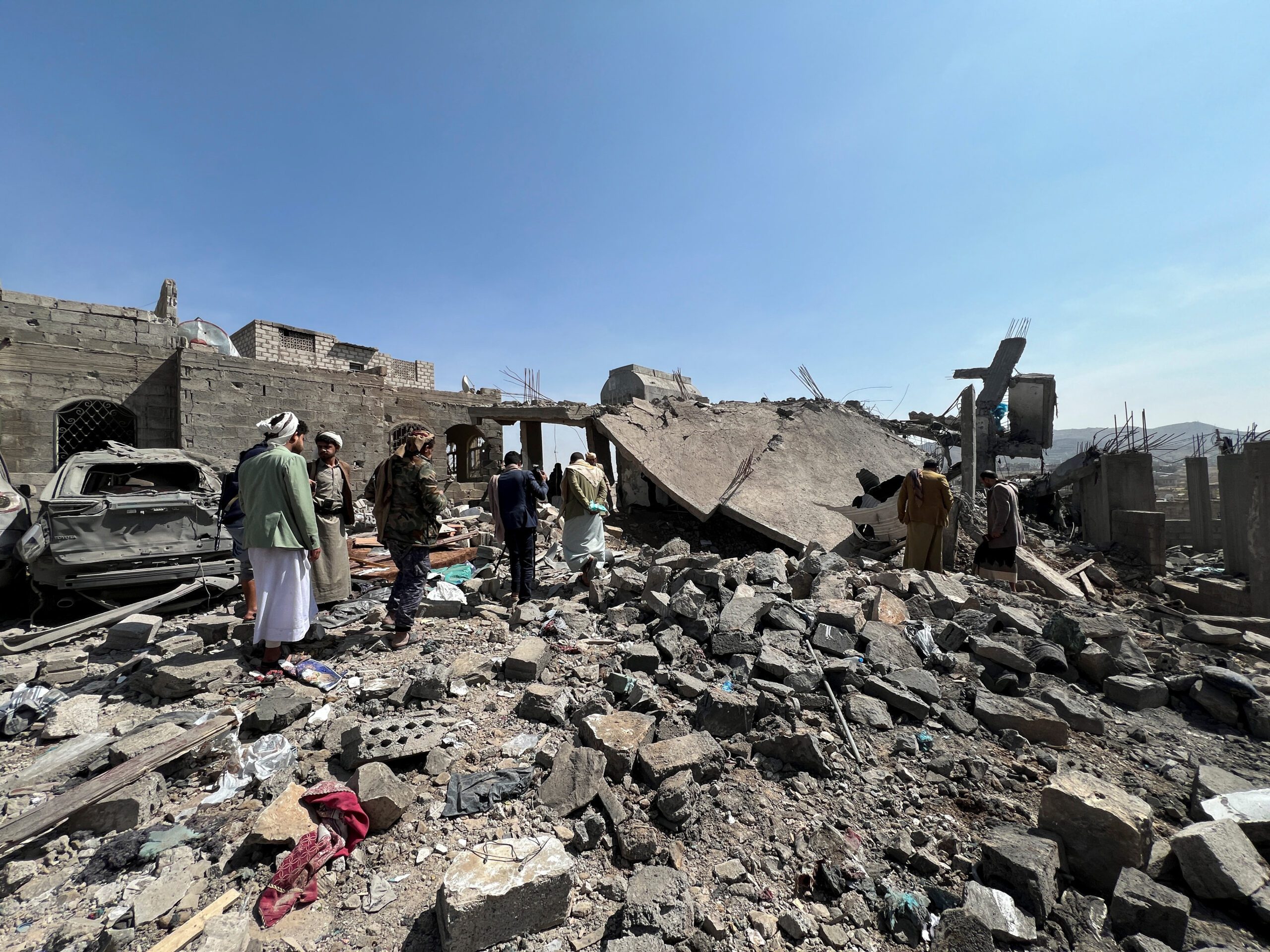
The Houthis’ standard playbook is escalation against the kingdom in response to any threat they foresee from Yemen’s government or from a ground war. They claimed attacks on Aramco facilities in Riyadh and Khurais throughout September and on October 3 and 4. On October 5, after the start of the Yemeni government counteroffensive, the Houthis claimed strikes on civilian airports in Riyadh and Abha, the Aramco refinery at Rabigh, and the Khamis Mushait air base. The Houthis have struck Riyadh’s King Khalid International Airport multiple times, killing at least 14 people and wounding more than 300, including pilgrims on their way to Mecca. These attacks are a direct test of what the alliance committed to on October 5, since defending Saudi territory is the one thing the pact actually promises, and the Houthis are forcing it to either show up or be exposed as hollow.
The Houthis moved on Taiz and will continue to push hard on Yemen’s internal fronts to arrive at any negotiating table holding as much territory and leverage as they can.
For years, the odds were stacked against the Saudis and the Yemeni government, and there has been a myth of invincibility around the Houthis that has become increasingly difficult to counter. Many Western and regional analysts believe the alliance is symbolic, but the Houthis cannot afford to see it that way. It would leave them fighting alone, and even with backing from the Islamic Revolutionary Guard Corps and assistance from other countries or groups smuggling components to them, they face a conventional alliance and the possibility of a United States that could be incentivized to join if it sees a win.
The useful lesson for Saudi Arabia lies in the effort the Houthis have spent trying to break this alliance. That shows what the Houthis fear – a Saudi Arabia that no longer has to fight them alone.
The views represented herein are the author's or speaker's own and do not necessarily reflect the views of AGSI, its staff, or its board of directors.
In tandem with President Trump’s refusal to offer help with the Houthis, the Saudis are facing grim options to reverse Houthi military successes and a chokehold over their oil exports.
The Houthi escalation against the port city of Mokha is rooted in intra-Yemeni power balances but, at the same time, it has broader implications for Saudi and regional security, testing new defensive coalitions and alliances.
While not without risks, Trump’s redesignation of the Houthis as a foreign terrorist organization is a powerful diplomatic tool for Yemen’s government.
A U.N. agreement lifting Central Bank of Yemen economic restrictions may inadvertently embolden the Houthis and bolster their capacity to project military power.