Who Is Sunni?: Chechnya Islamic Conference Opens Window on Intra-Faith Rivalry
In a week filled with news stories on the mounting theological-political spat between Saudi Arabia and Iran, the intra-Sunni geopolitical rivalry is heating up as well. An obscure conference of Islamic preachers and officials in the far-flung Chechen capital, Grozny, has ignited a firestorm among Sunni Islamic officials and activists in Saudi Arabia and the...
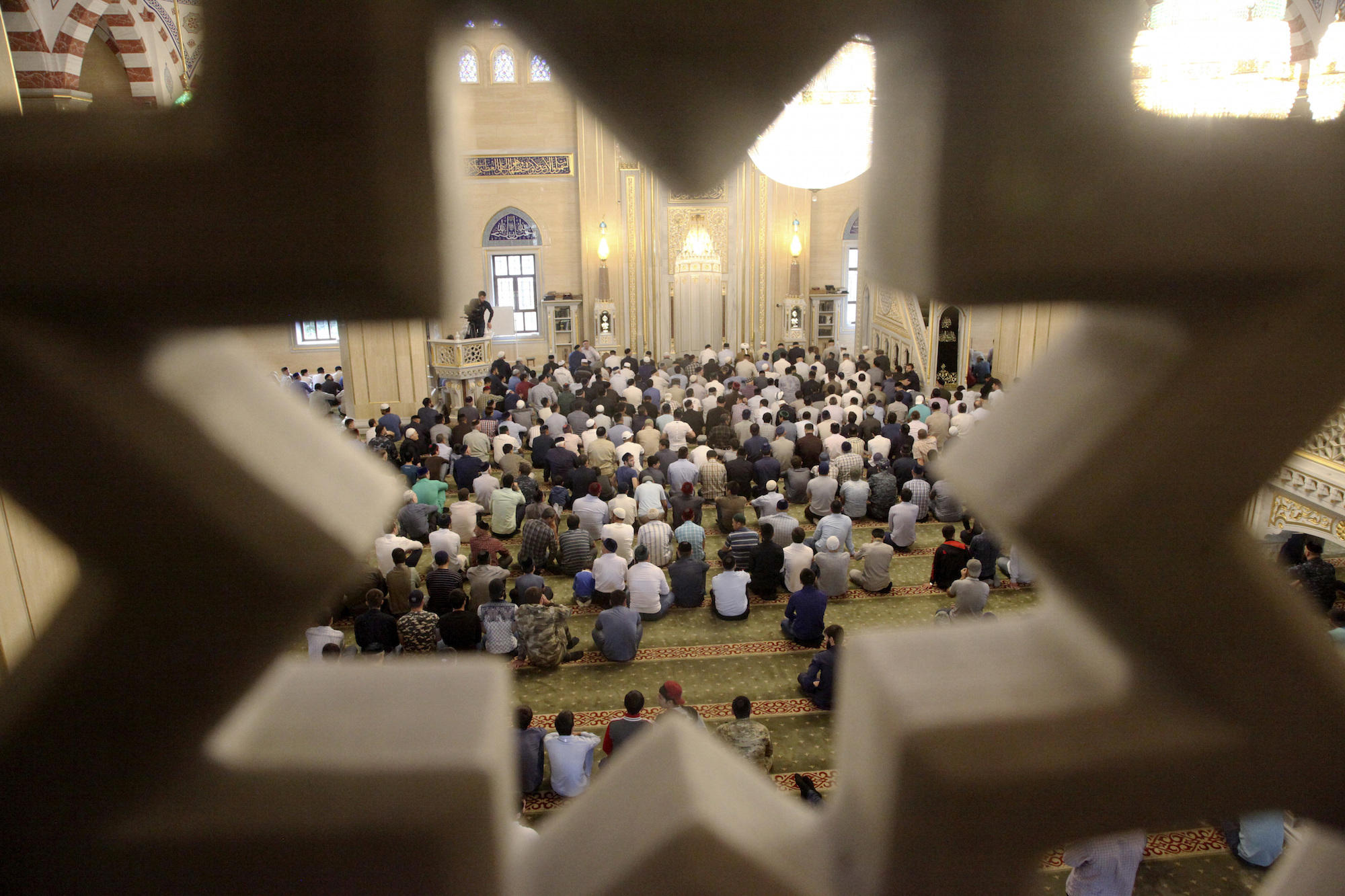
Worshippers gather for Eid al-Adha in the Chechen capital of Grozny, Russia on September 12. (AP Photo/Musa Sadulayev)
In a week filled with news stories on the mounting theological-political spat between Saudi Arabia and Iran, the intra-Sunni geopolitical rivalry is heating up as well. An obscure conference of Islamic preachers and officials in the far-flung Chechen capital, Grozny, has ignited a firestorm among Sunni Islamic officials and activists in Saudi Arabia and the Gulf. The conference, which notably lacked prominent Saudi officials and Salafi preachers, issued a closing statement redefining Sunni Islam in inclusive terms. Yet the omission of Salafi theology from that definition has raised alarm in conservative Islamist quarters, especially within the current heated political atmosphere as Middle East governments respond to the threat and appeal of the Islamic State in Iraq and the Levant (ISIL) and al-Qaeda, and Saudi Arabia increases control of its formidable religious establishment. The vociferous reaction to the Ahl al-Sunna wa Jamaa conference signals the high political stakes in this sharp contestation over religious orthodoxy, as the United Arab Emirates and Egypt work with Russia to contain political Islam, and Saudis debate whether countering extremism means reforming the Salafi institutions and practices of Saudi Islam.
The UAE Promotes a Wider Role for Al-Azhar
The August 25-27 Chechnya conference brought together religious scholars and preachers from across the Islamic world under the provocative question “Who is a Sunni?” The attendees included representatives from diverse theological perspectives including Sufis, but without the participation of any significant Salafi scholars.
The conference was organized by the Tabah foundation, a non-profit organization based in Abu Dhabi with a self-described mission of providing a more holistic Islamic approach to real world problems, grounded in an appreciation of cultural and civilizational diversity. The speaker list suggests an affinity with another UAE-based organization: the Muslim Council of Elders, a transnational network of Islamic scholars established in 2014. The Muslim Council of Elders has been widely interpreted as an Emirati attempt to challenge the influence of the Qatar-based International Union for Muslim Scholars, another transnational network headed by the Brotherhood spiritual leader Sheikh Yusuf al-Qaradawi, and boasting the membership of prominent Salafi activist scholars such as Saudi Arabia’s Salman al-Ouda. In contrast, the more ecumenical Muslim Council of Elders draws heavily on traditional institutions of influence, and is headed by the grand imam of Al-Azhar, Ahmed al-Tayyeb. Tayyeb was one of the more prominent participants in the Chechnya conference, along with the former grand mufti of Egypt, Ali Gomaa, as well as the current muftis of Egypt and Syria.
The closing statement of the Chechnya conference contained a straightforward denunciation of extremism and the “takfiri” practice of declaring some Islamic traditions outside of Islam. It went further, though, in positively redefining the family of Sunnis as including the Ashari and Maturidi theological traditions, the four legal schools of Islamic jurisprudence, and mystical Sufi traditions, blatantly omitting the more literalist Salafi tradition of hadith scholarship. It likewise issued a call to revitalize the authority and role of historical institutions of Islamic learning, most notably Al-Azhar, and to increase their cooperation with each other and with institutions and peoples in Russia and the Republic of Chechnya.
The conference reflects – and was widely perceived as – a concrete expression of the new Emirati-Egyptian-Russian axis seeking to neutralize political Islam and counter Islamic extremism with support for more tolerant Sunni traditions. Still, the boldness of holding a conference in a Russian republic defining Sunni Islam in a way dismissive of more literal Salafi traditions and Saudi institutions of Islamic learning was sure to provoke a reaction. The backlash was not long in coming.
Saudi Scholars React, Al-Azhar Retracts
The reaction to the Chechnya conference and its closing statement became a dominant topic of discussion on Gulf Twitter networks as well as the mainstream media. The fury of the response earned a reaction from the Saudi Council of Senior Scholars, and some distancing by Al-Azhar officials.
Critics took the theological conference to be a political gambit and issued an analogous response. One line of argument focused on geopolitics and attacked the legitimacy and decency of holding an Islamic conference under ostensible Russian sponsorship at a time when it is engaging in military operations against Sunni rebels in Syria. The position of Qaradawi is representative. In a statement, he assailed the conference as dividing Sunnis at a critical time, insufficiently accounting for the suffering of Sunnis at the hand of Russian bombs in Syria, and failing to denounce Shia actions in Syria, Yemen, and Iraq.
The exclusion of the Salafis from the conference was indeed celebrated in certain Shia circles including the Iranian state-backed Arabic news channel Al Alam as “a rejection of Wahhabism,” and as corroboration of their argument that the Salafi trend bears responsibility for the emergence of violent jihadi movements like ISIL.
The second line of argument took the conference for what it appeared to be: a direct assault on the legitimacy of the literalist Salafi trend within Sunni societies. An extension of this argument focused on the omission of religious authorities from Saudi Arabia (with the exception of one Sufi-oriented cleric), and accused the conference of seeking to undermine the Saudi leadership role within the Islamic world. Yet it is hard to miss an element of opportunism in the rush to fuse Salafi outrage with a defense of Saudi honor. It may in fact betray a degree of uncertainty among conservative activists as to the degree of commitment of the Saudi government to its existing religious institutions and prevailing Salafi ideology.
The Context of Saudi Reform
The Chechnya conference took place at a time of considerable social change in Saudi Arabia. The imperative of diversifying the economy and the embrace by Saudi Deputy Crown Prince Mohammed bin Salman of some youth demands for more cultural openness are challenging the once formidable monopoly Sahwa networks and ideology held over Saudi youth. Saudi religious officials, most notably the religious police, have had greater restraints placed on their authority. At the same time, a new generation of Islamic reformists such as the Sufi-influenced scholar Adnan Ibrahim, have found a growing constituency within Saudi society, and an unprecedented platform through Saudi-owned media.
The Chechnya conference was thus seized upon by the Sahwa – Islamist political networks associated with the Salafi-variant of the Muslim Brotherhood – fearing loss of influence. Yet while the Saudi public reaction to the Chechnya conference was indeed mostly hostile, the debate did open space for some religious reformers to actually embrace the Chechnya recommendations, and call into question the fruits of decades of intolerant Salafi revivalism in the kingdom. In a widely shared article, the prominent Saudi liberal Ahmed Adnan agreed with the recommendations of the conference and with the premise that Sunnis need to distinguish themselves from the Salafi trend.
Even the condemnation of the Chechnya conference by the Saudi Council of Senior Scholars gave pause. In criticizing the exclusion of Salafi theology and scholars from the conference closing statement and proceedings, it called for an absence of divisions and greater inclusivity: a trait counter to Salafi beliefs and practice, and an irony not lost on Saudi liberals.
Meanwhile the heat from Saudi religious officials and perhaps Egyptian Salafi activists as well has prompted officials from Al-Azhar to distance themselves from the conference. In interviews, they stressed that Al-Azhar’s participation in Grozny was limited to the opening speech by Tayyeb. The lone Saudi attendee also issued a statement regretting the omission of Salafis in the definition of Sunnis contained in the conference closing statement.
Whither Saudi Arabia?
The Arab Spring-facilitated advance by Islamist popular movements has now given way to a competition over Islamic orthodoxy with states as key players. As the UAE’s Jeffersonian policies replace Qatar’s activist strain, and ISIL and al-Qaeda replace protesting youth as the main threat, Saudi Arabia and its public are emerging as the key prize. The question posed by friends and allies is: Can one embrace the Saudi state without its Salafism? And do some in the Saudi leadership encourage that outcome?
The views represented herein are the author's or speaker's own and do not necessarily reflect the views of AGSI, its staff, or its board of directors.
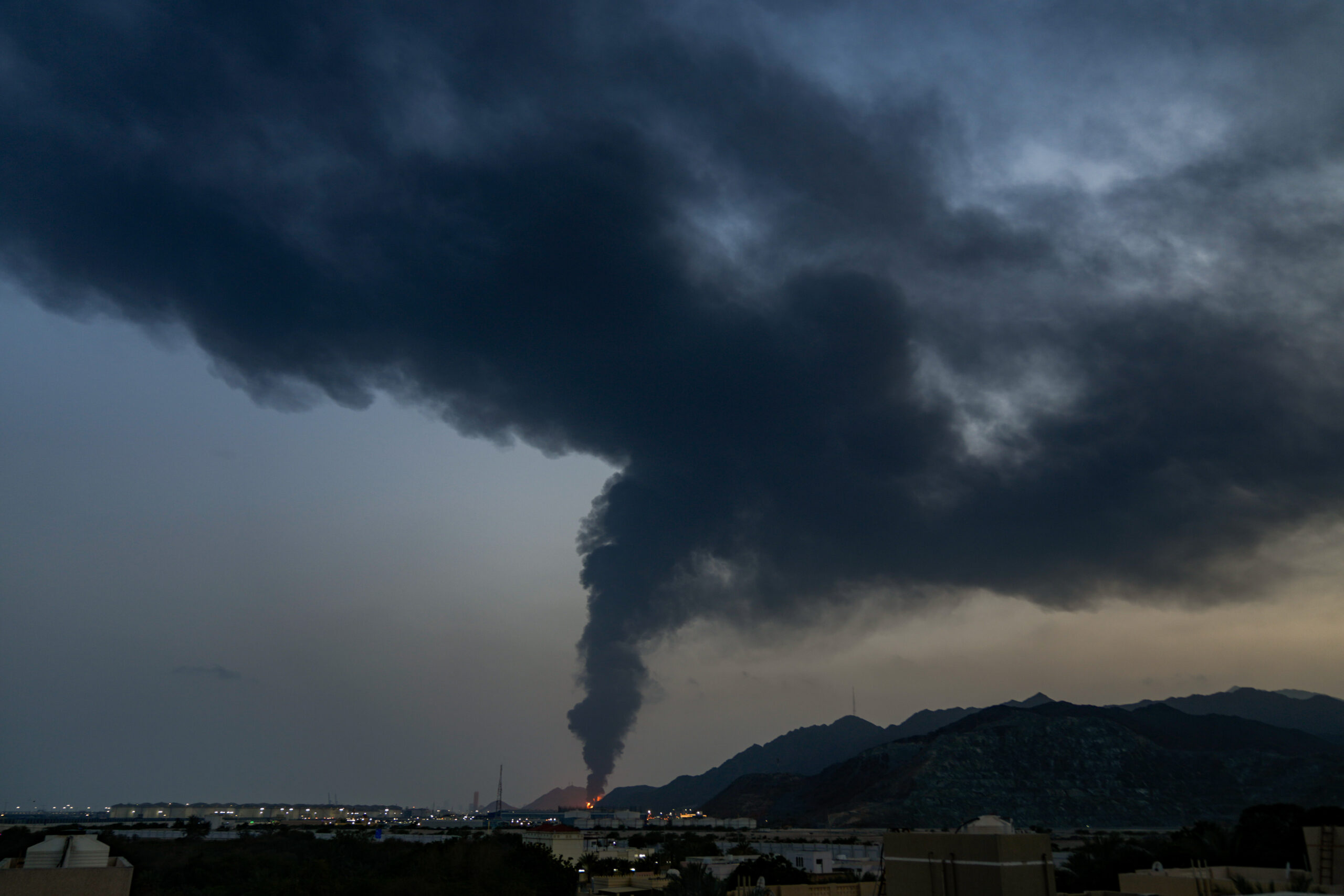
U.S. force projection in the Gulf is increasingly relying on artificial intelligence, unmanned platforms, and space technology, using these systems to augment existing military infrastructure.
The significance of Kuwait’s defense pact with Pakistan lies less in any immediate military transformation than in what it reveals about the evolving security landscape of the Gulf.
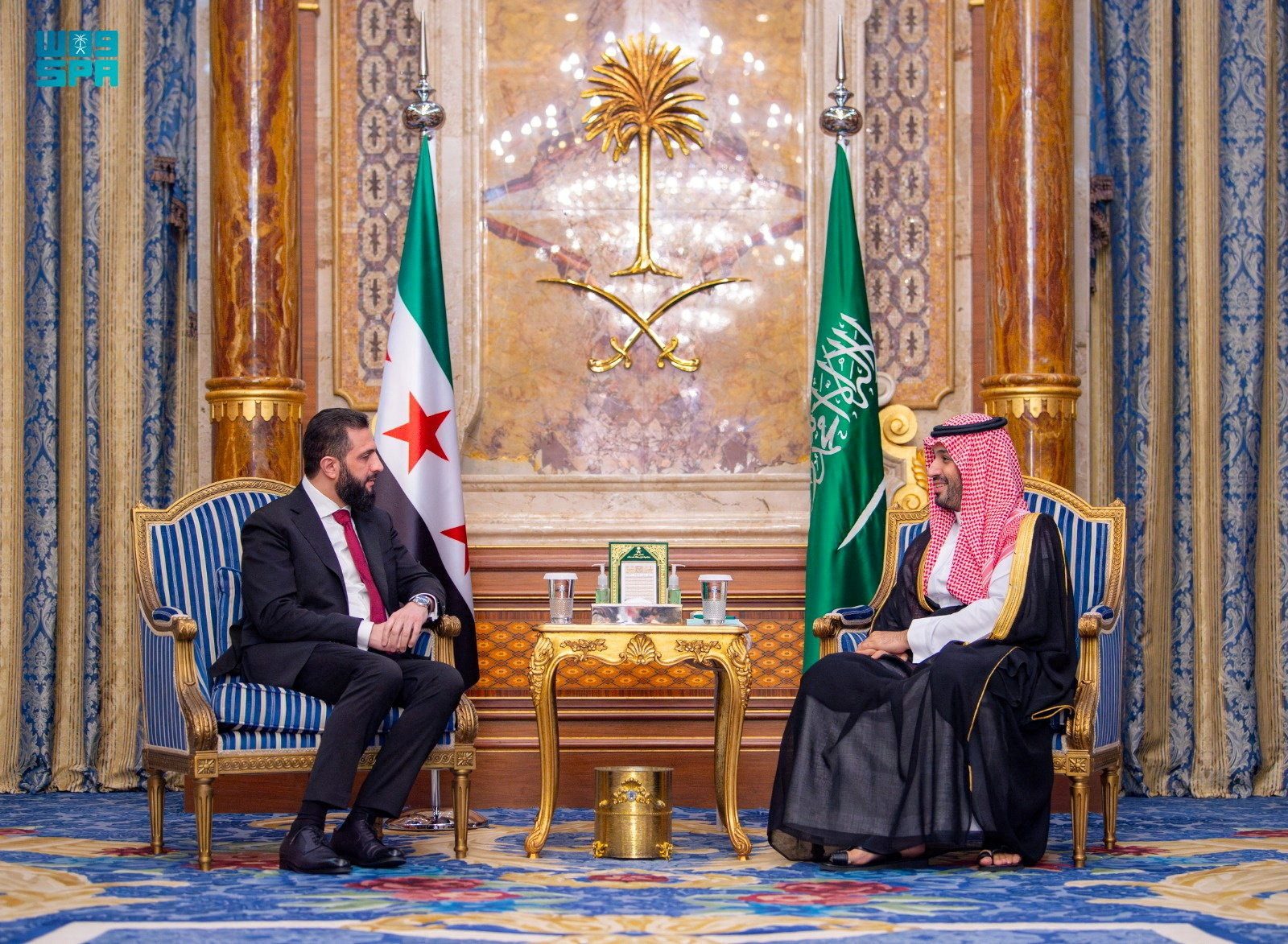
Syria hopes to use the Iran war to deepen its connection to its Gulf Arab partners. Can it compete for inclusion within the regional security order and emerging trade corridors?
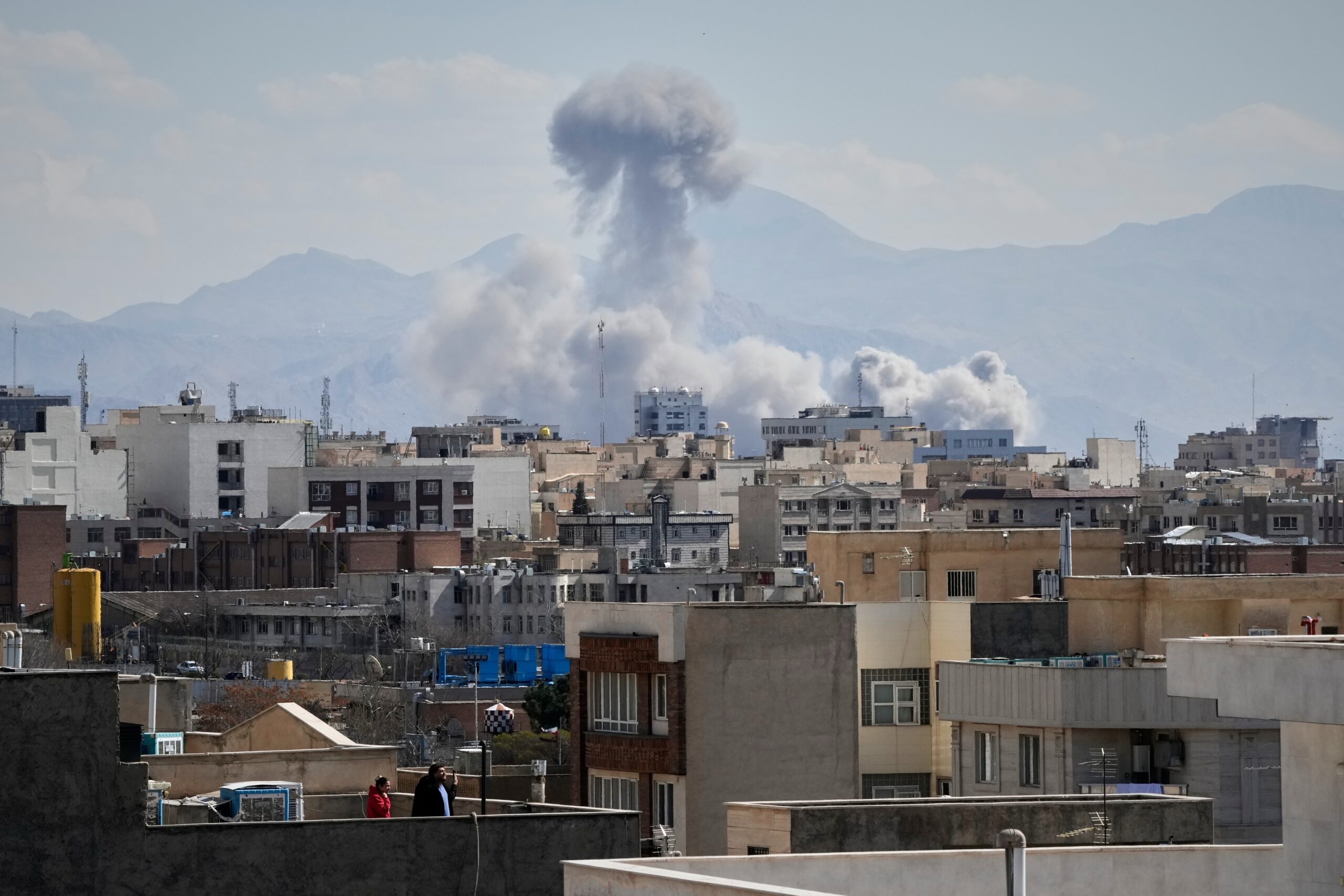
The imperative for Gulf states to unify their position has grown since the onset of Iranian attacks on their countries. Yet under conditions of uncertainty about the U.S. position and the war's outcome, Gulf states are demonstrating differing regional alignments and preferences for managing the crisis.
Caught between Iranian strikes and U.S.-Israeli pressure to join the fight, Gulf Arab states strive to maintain their autonomy over decision making, playing defense and preserving the space to maneuver when the war ends.