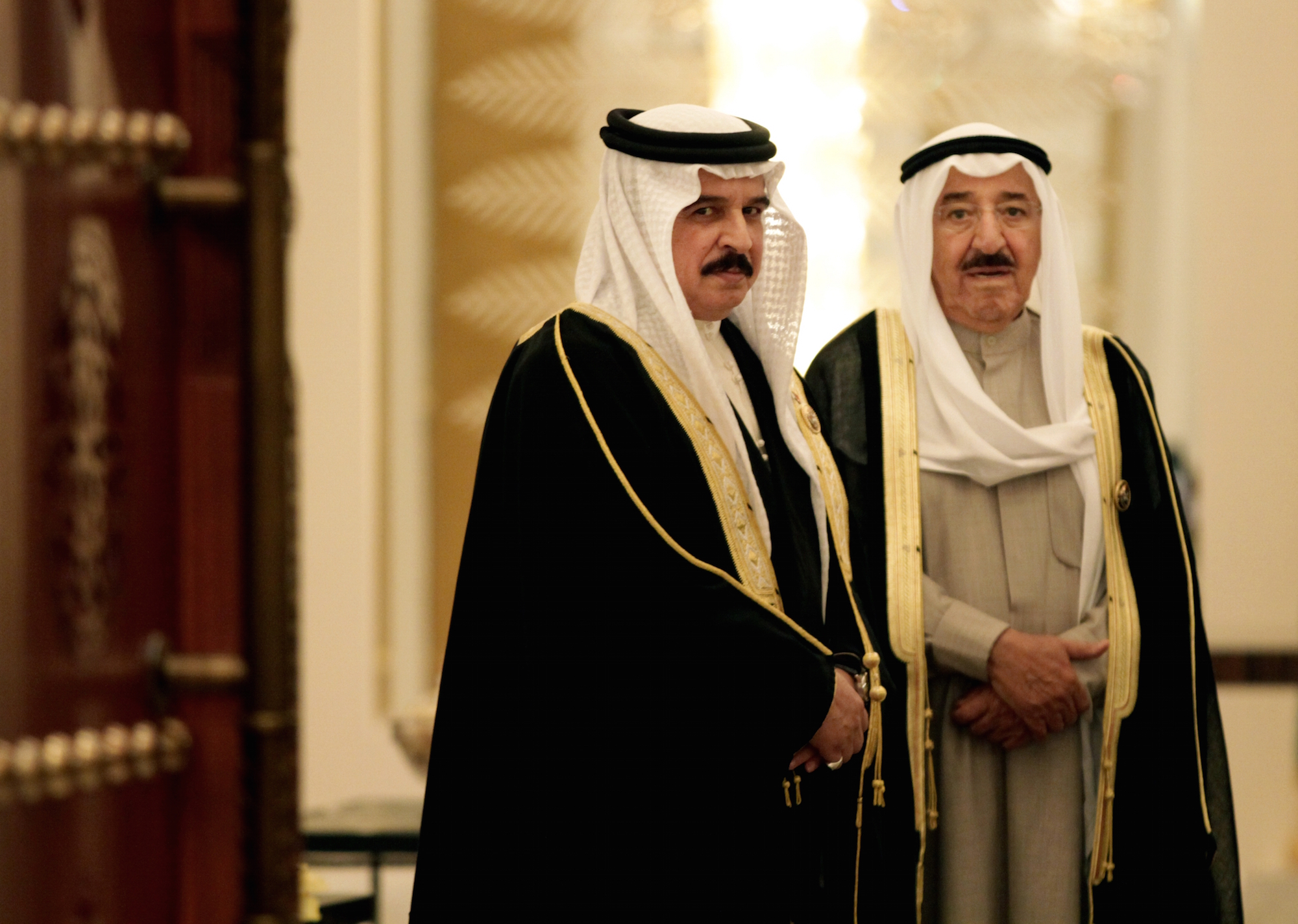
Bahrain’s King Hamad bin Isa al-Khalifa, left, and Kuwait's Emir Sheikh Sabah al-Ahmed al-Sabah wait to welcome other Gulf Cooperation Council leaders during the GCC summit in Sekhir, Bahrain, Dec. 24, 2012. (AP Photo/Hasan Jamali)
Executive Summary
As Gulf monarchies face a generational transition in leadership, new challenges are emerging. The intensified royal competition comes amid dramatically transformed information environments; societies that are better educated and more engaged in public affairs; and an unstable regional environment that invites intervention. These forces are disrupting the continuity of long-standing norms that regulate ruling family interaction, and testing the assumption that royal competition supports political stability.
This paper examines these contemporary dynamics – new generation competition, the populist temptation, foreign patrons, and the new information environment – illustrating their impact on the ruling houses of the Gulf Arab countries. While drawing upon examples from across the Gulf Cooperation Council states, this study focuses on the two countries where the competition for leadership of the next generation is most intense: Saudi Arabia and Kuwait.
After presenting the formal laws and informal rules that have regulated ruling family interaction and succession, the paper looks at how the transition away from the founders’ generation of royals is unleashing new antagonisms and ambitions. The three countries that made that transition in the 1990s – the United Arab Emirates, Qatar, and Bahrain – experienced significant changes in direction, as young royals sought to leave their marks on the direction of both government and foreign policy. The two dynastic monarchies that have not yet made this transition are experiencing intensified competition over the leadership of the next generation. The passage from brothers and cousins in Saudi Arabia and Kuwait to their sons and nephews means a natural culling of ruling lines: a decisive contraction of the ruling elite with stark implications for future material and power prospects. The resulting rivalries are pushing royal contenders to look beyond family coalitions, to social constituencies and external allies, to buttress their claims to the throne.
The alignment of rival princes with social constituencies can provide an avenue for greater public engagement in monarchies. But it can also exacerbate social divisions: sectarianism in Bahrain and Kuwait; urban and tribal divisions in Kuwait; and liberal-Islamist divisions in Saudi Arabia. Royal alignments across the Gulf may also strengthen state ties, such as the close relations between Saudi Arabia and the UAE, and Saudi Arabia and Bahrain, but may backfire if allies are perceived to be choosing sides in a factional battle. Saudi-Qatari relations suffered in the past, and Saudi-Emirati relations could suffer under a Saudi Arabia led by Mohammed bin Nayef al-Saud, the crown prince.
The danger for ruling families reaching beyond the royal house is magnified in an information environment where leaks, intentional or not, can be shared widely. Saudi Arabia and Kuwait have seen royal dissidents bring charges against rivals to public light through traditional and social media. Princes further removed from power – a more common occurrence as royal houses multiply in size – may also be tempted to use publicity to sue for a better position within the ruling family. All of these actions challenge the projection of royal unity and, if taken too far, can diminish the deference shown by the public to the royal family.
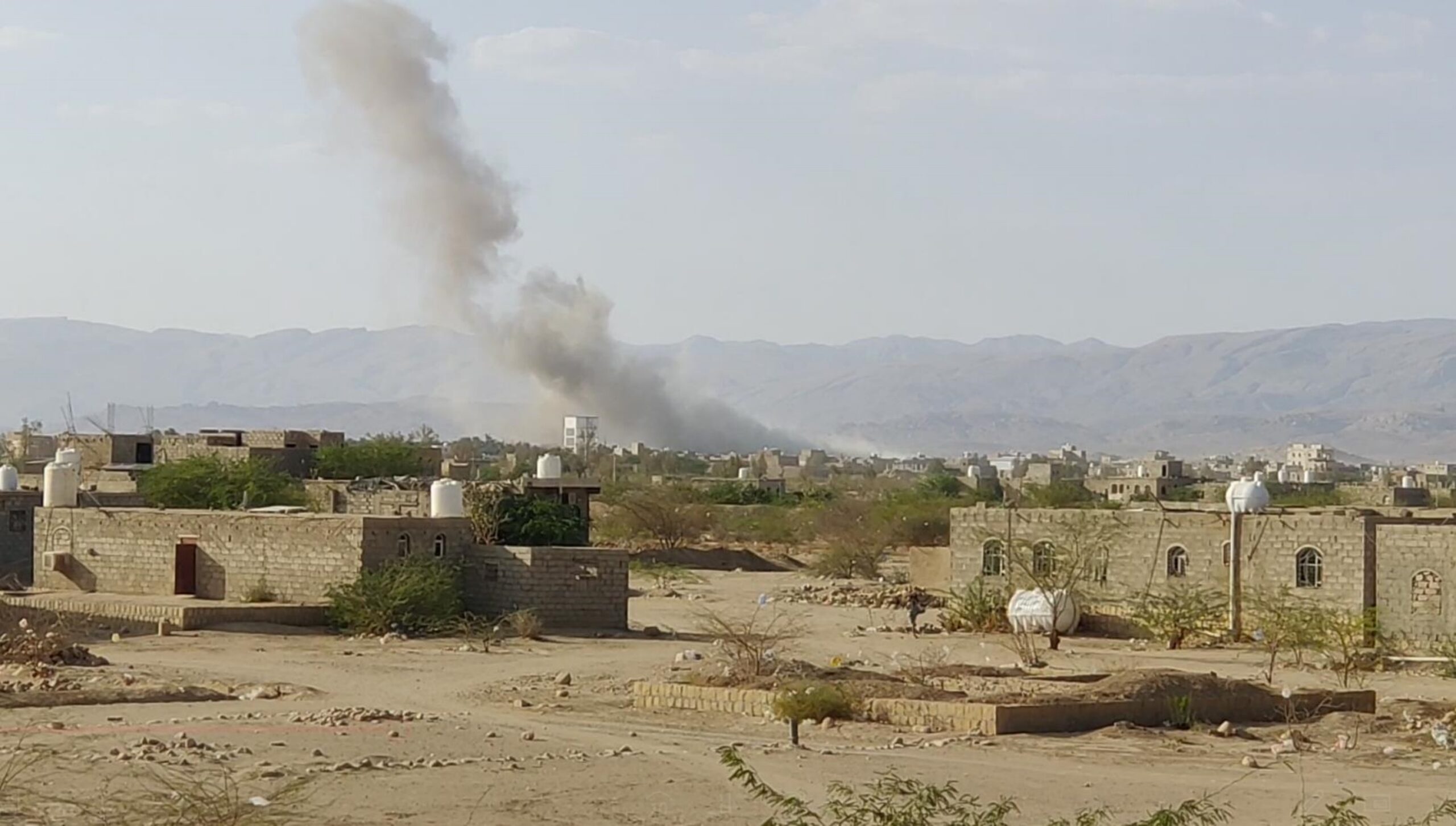
Thus far, royal competition has not led to violent struggles for power or permanent dangerous rifts, suggesting that the traditional model of “bandwagoning” with the winner still holds. Nonetheless, the struggle for next generation leadership, even if ultimately resolved, may breed instability in the interim. Kuwait’s parliamentary dysfunction, Bahrain’s failed strategies toward the Shia opposition, Saudi Arabia’s assertive intervention in Yemen and aggressive efforts to reform the kingdom’s economy have at least some roots in factional competition. Increasingly, both Gulf citizens and Gulf allies may need to adjust their expectations and calculations as competing strategies and sometimes ideologies weaken the notion of a unitary leadership.
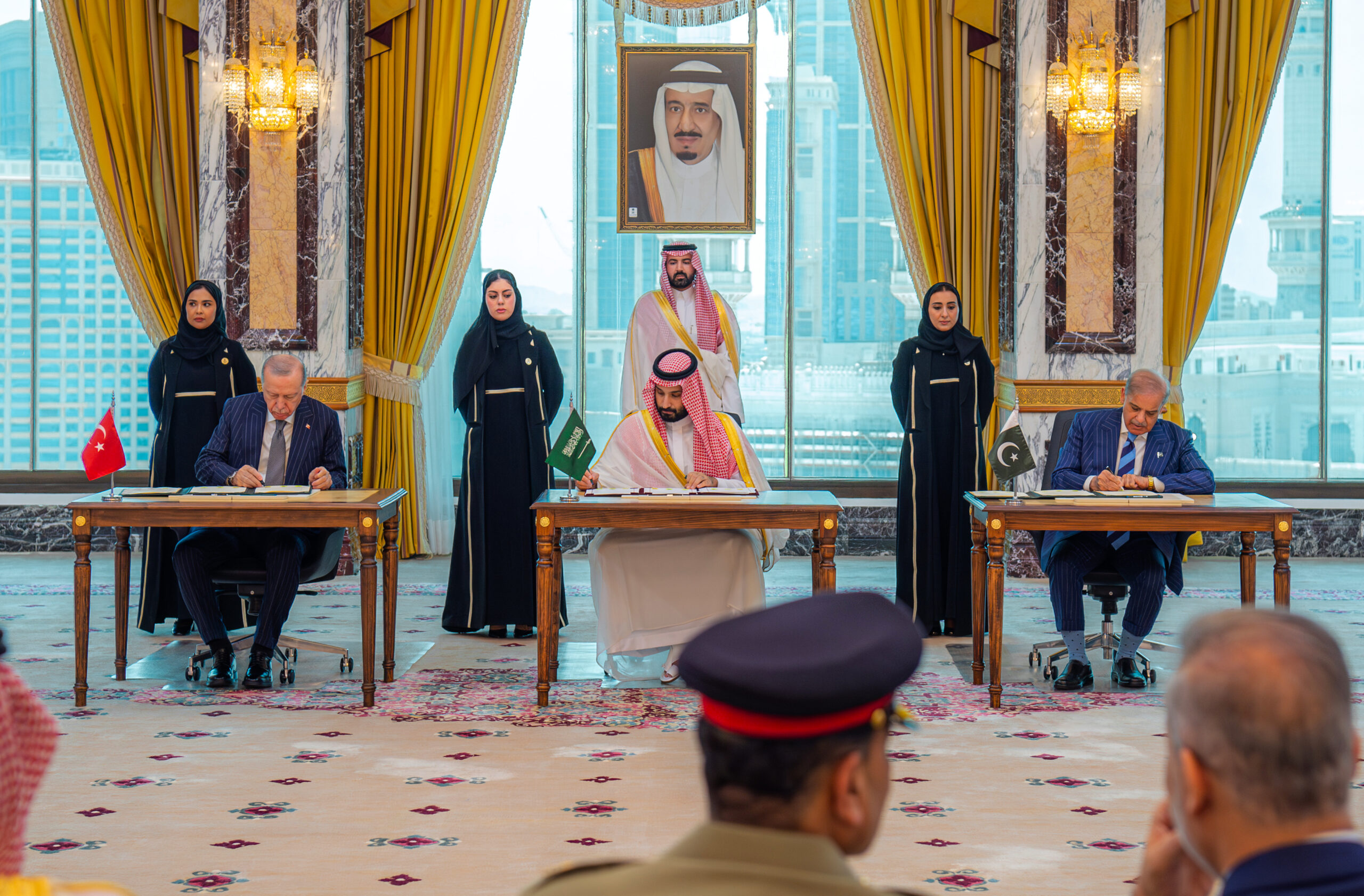
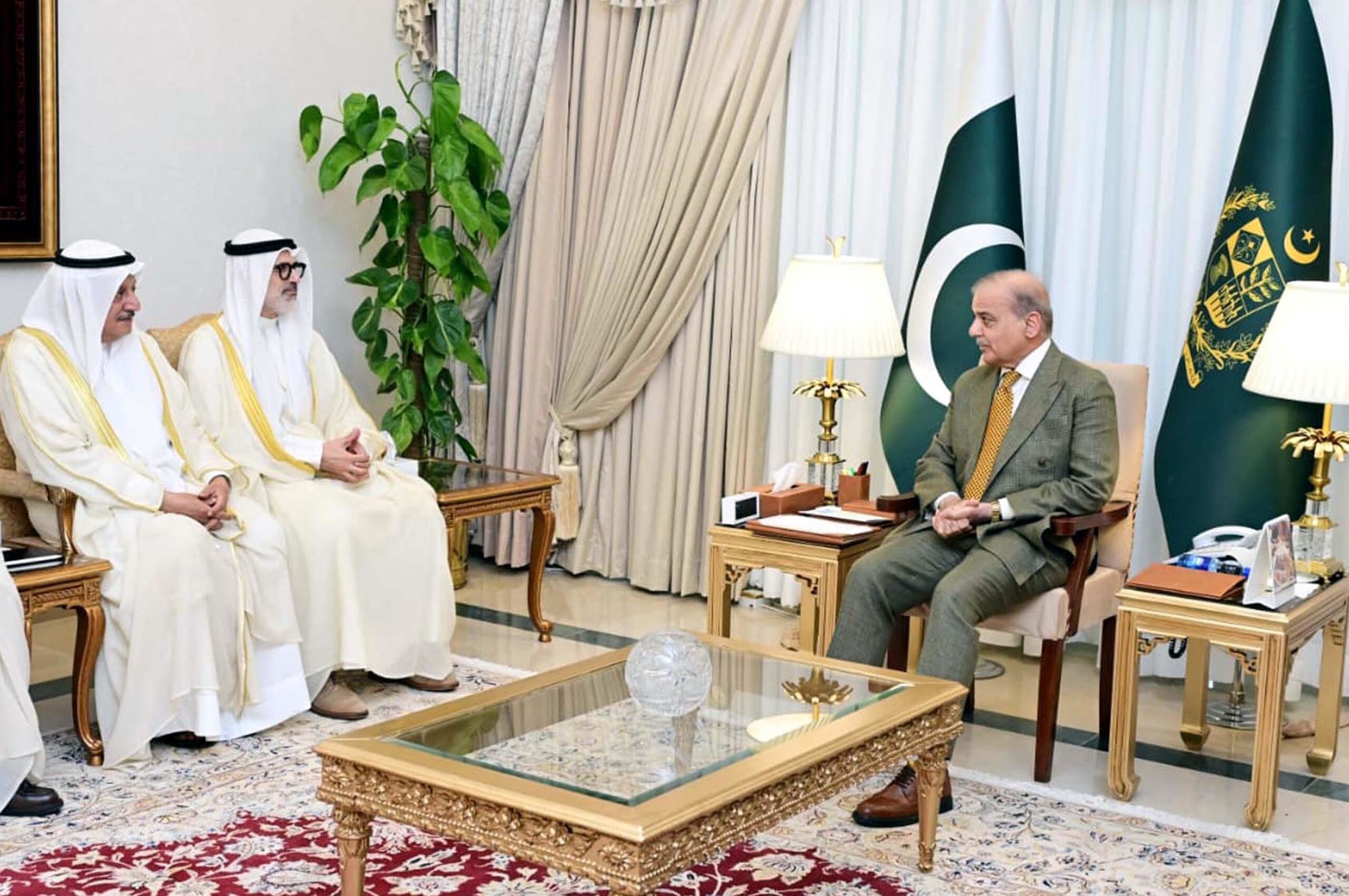
The significance of Kuwait’s defense pact with Pakistan lies less in any immediate military transformation than in what it reveals about the evolving security landscape of the Gulf.
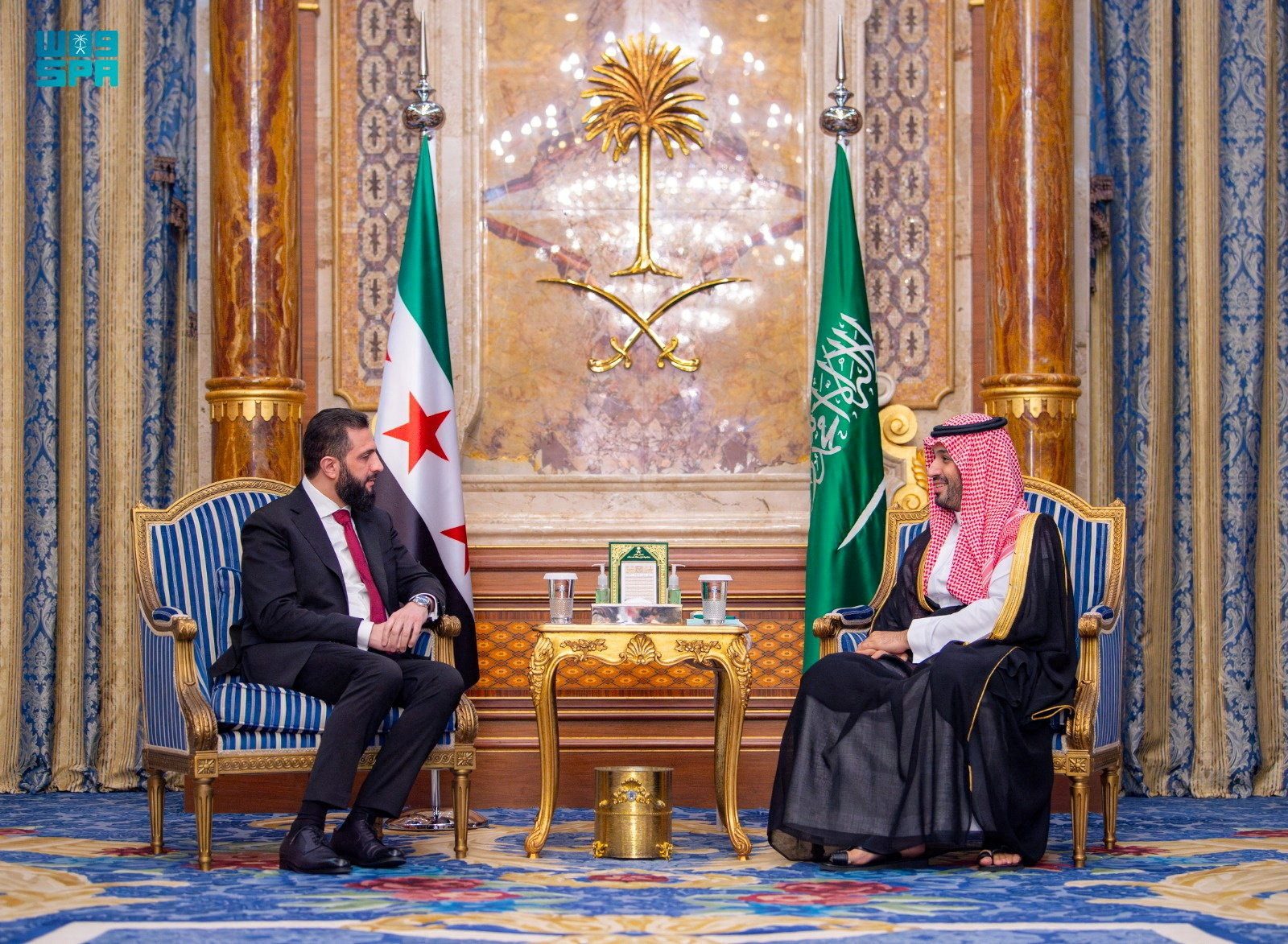
Syria hopes to use the Iran war to deepen its connection to its Gulf Arab partners. Can it compete for inclusion within the regional security order and emerging trade corridors?
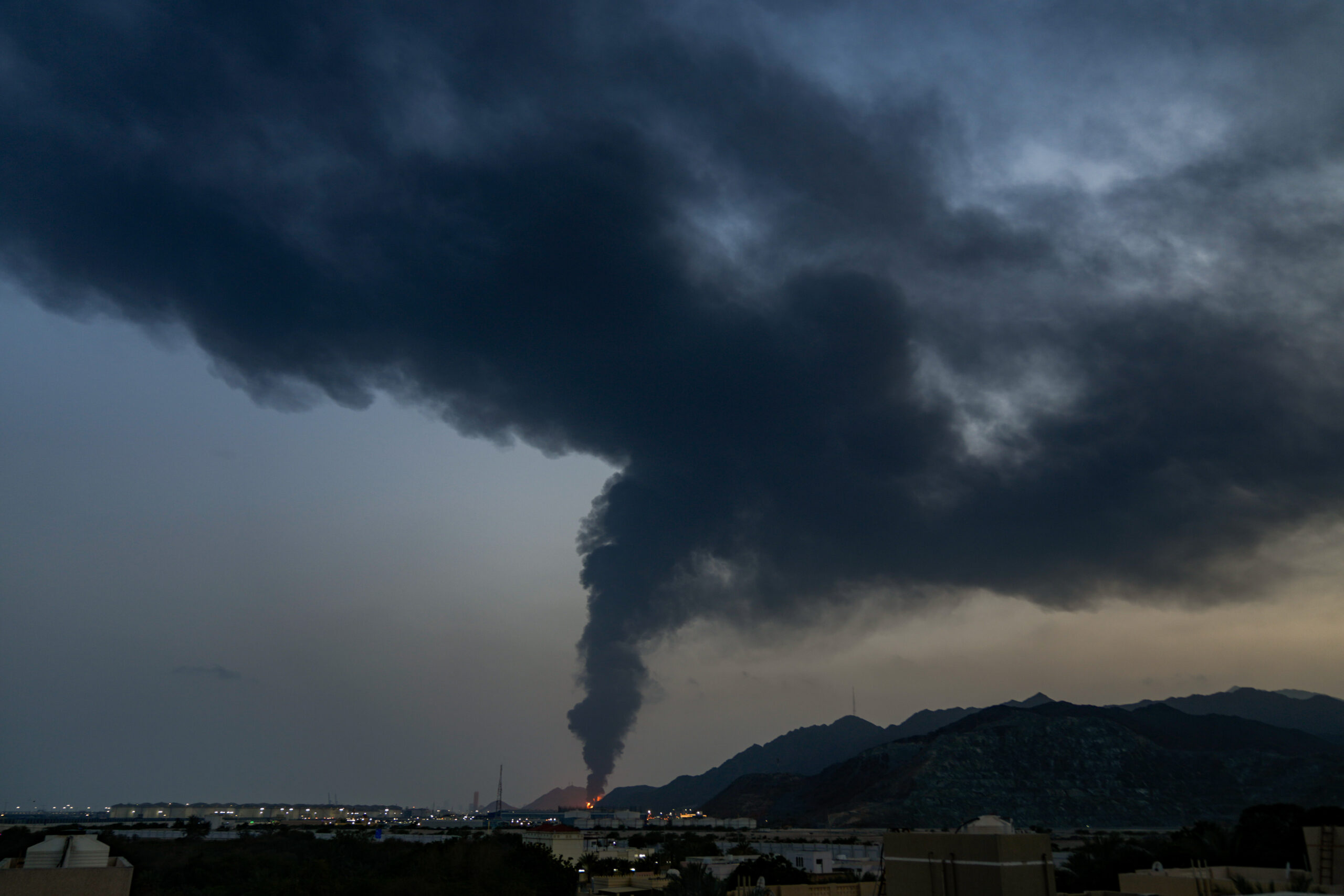
The imperative for Gulf states to unify their position has grown since the onset of Iranian attacks on their countries. Yet under conditions of uncertainty about the U.S. position and the war's outcome, Gulf states are demonstrating differing regional alignments and preferences for managing the crisis.
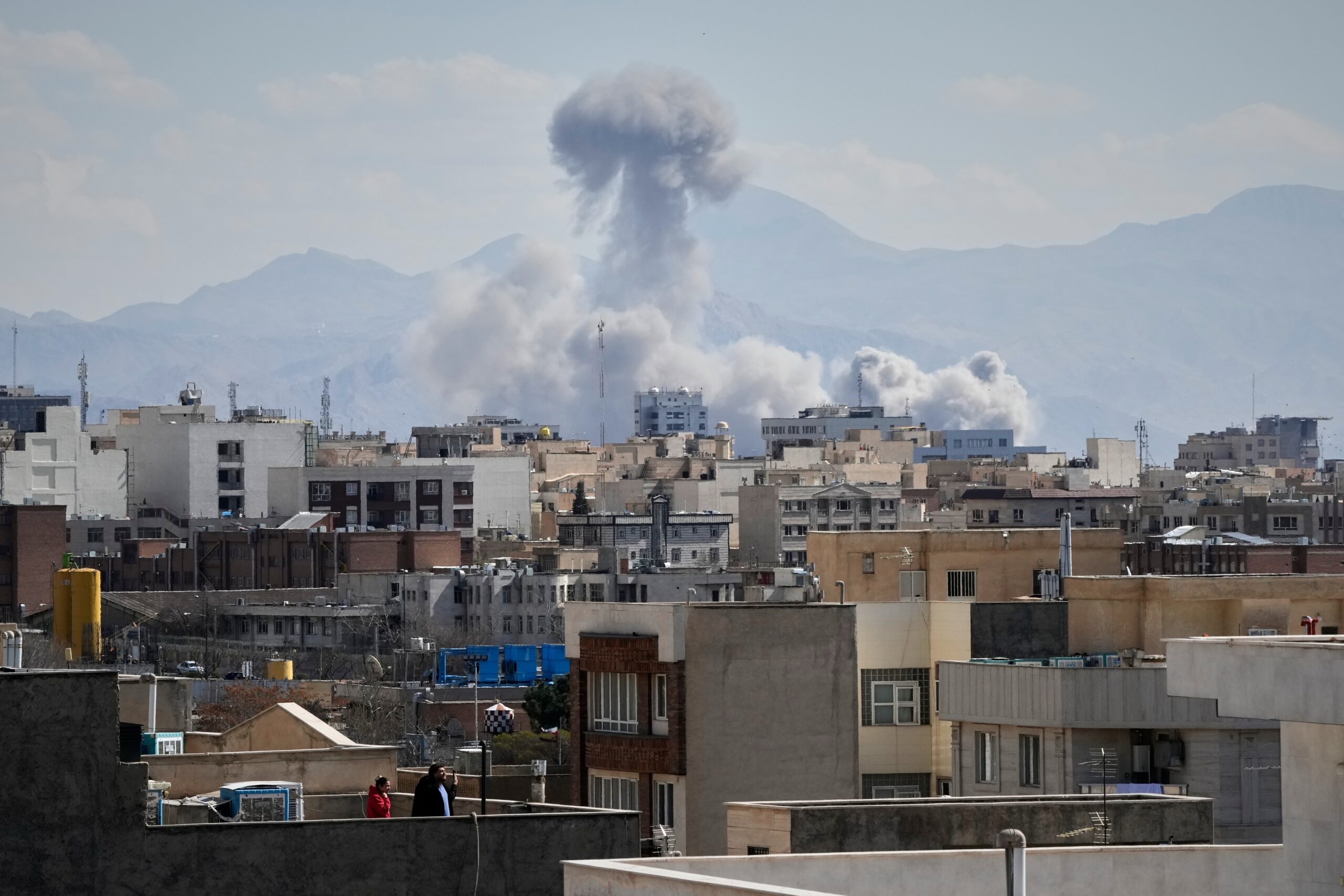
Caught between Iranian strikes and U.S.-Israeli pressure to join the fight, Gulf Arab states strive to maintain their autonomy over decision making, playing defense and preserving the space to maneuver when the war ends.