A Saudi Plus World Cup 2034: A Chance for Gulf Unity and Resilience
A Saudi decision to invite Gulf partners to cohost the World Cup would reinforce the kingdom’s role as the driving force behind a more integrated, connected, and resilient Gulf.
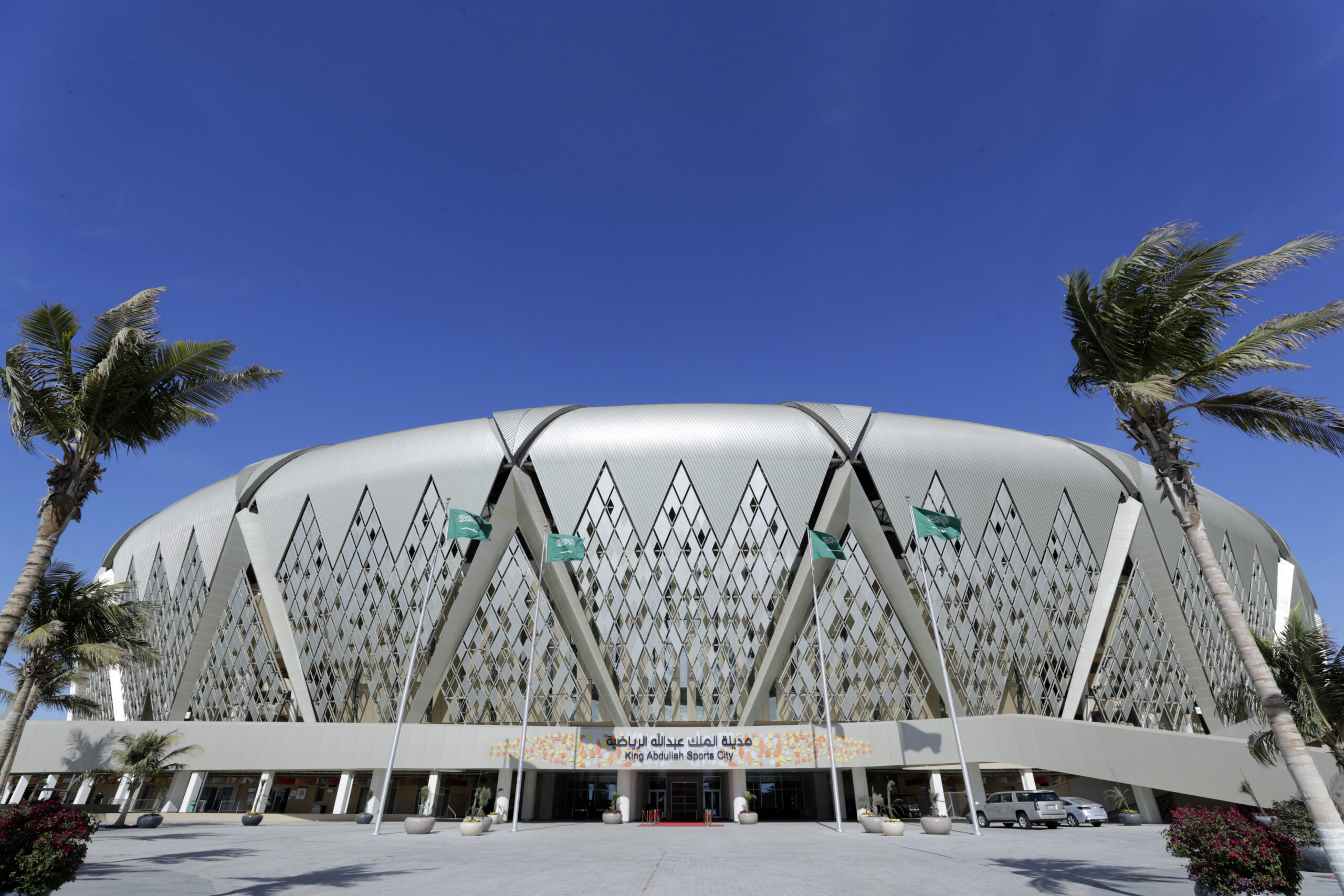
A general view shows the King Abdullah sports city stadium in Jeddah, Saudi Arabia, Jan. 11, 2020. (AP Photo/Hassan Ammar, File)
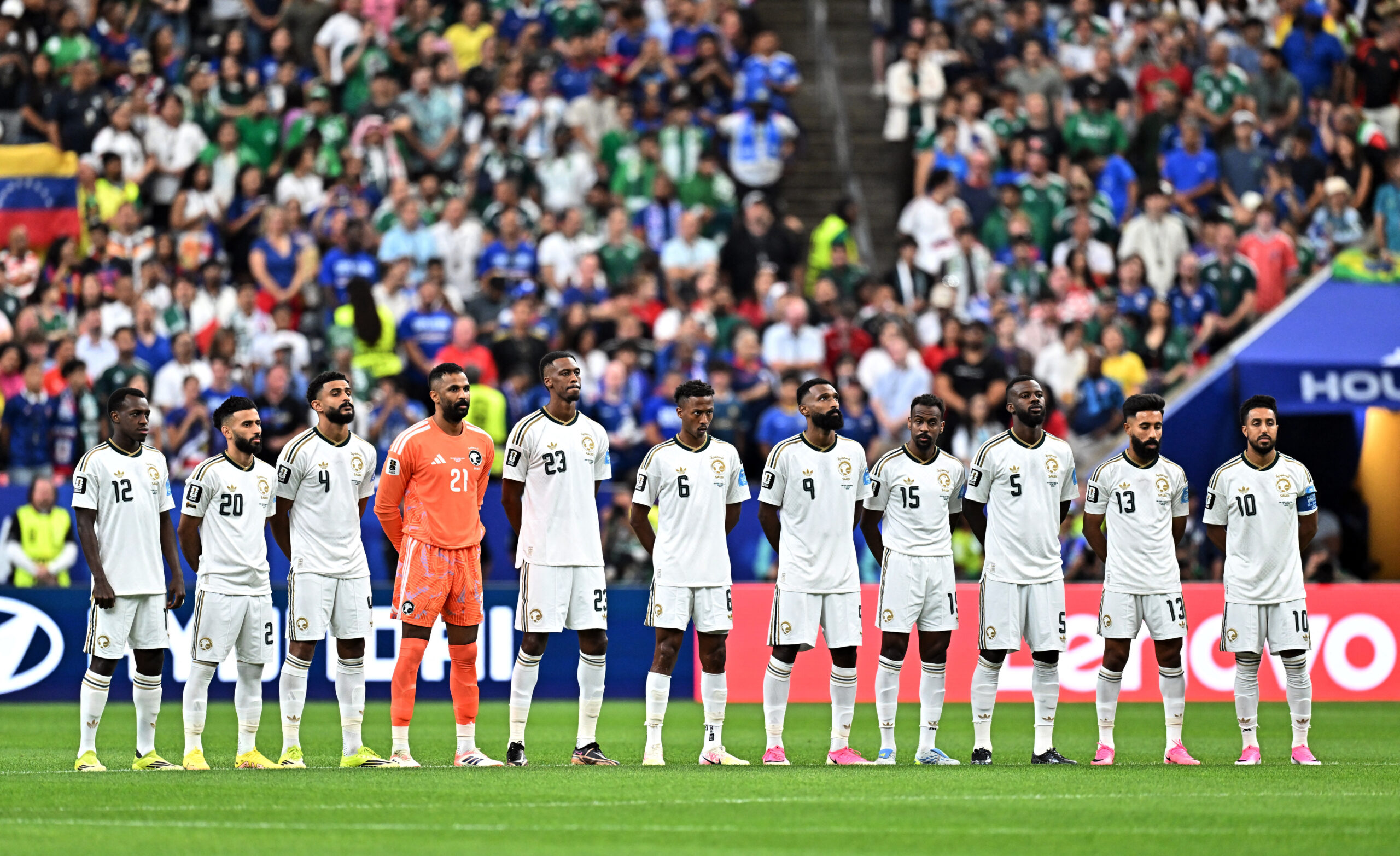
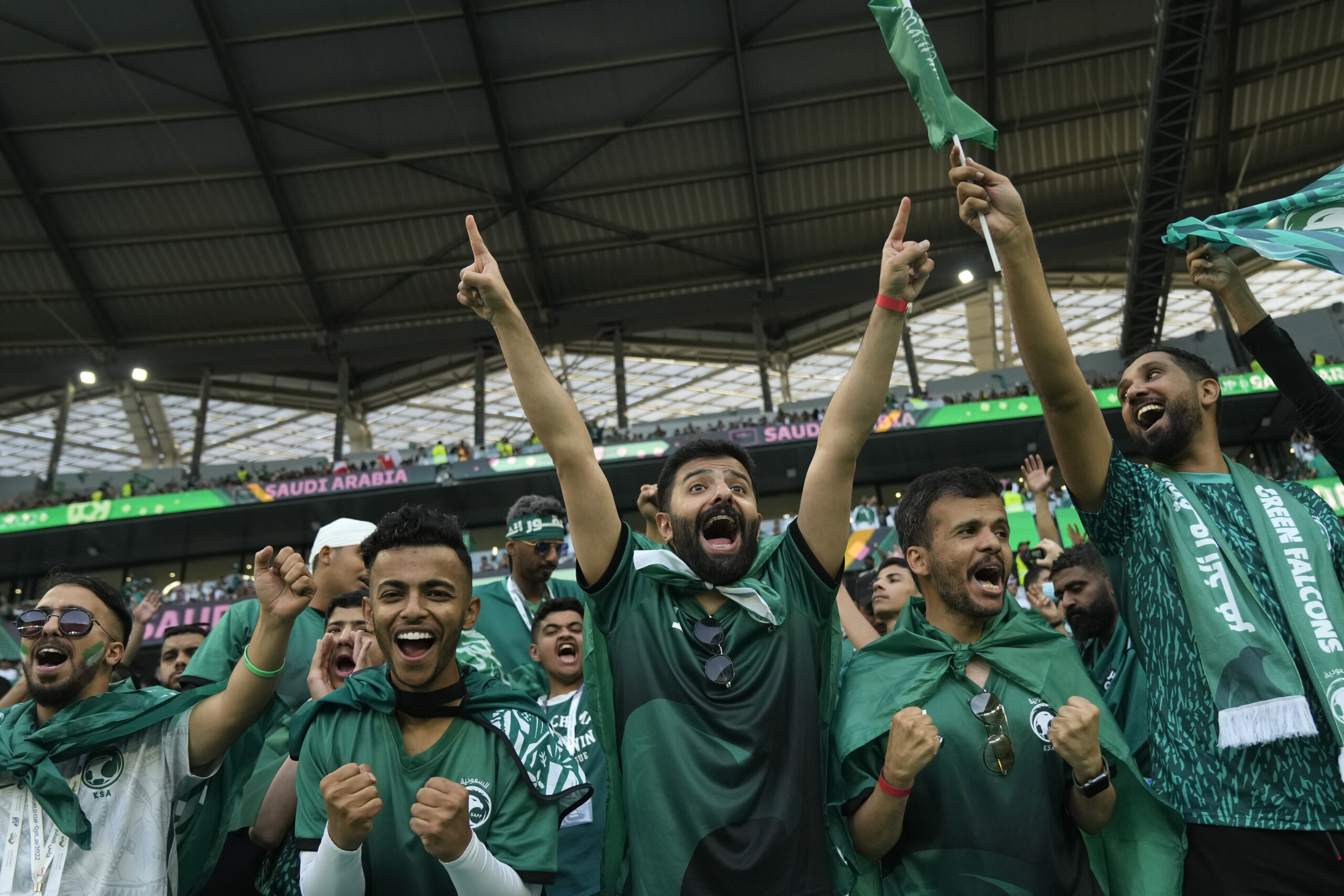
For Saudi Arabia, the 2026 FIFA World Cup in the United States, Canada, and Mexico was a mixed blessing. On the pitch, the Green Falcons, a nickname for the Saudi national team, failed to live up to the high expectations surrounding the team. Draws against Uruguay and the surprising Cape Verde, followed by a defeat to Spain, prompted an early exit. This stood in stark contrast to the unforgettable 2-1 victory over World Champion Argentina in the opening match in Qatar four years earlier. Beyond the pitch, however, Saudi Arabia emerged as one of the tournament’s biggest winners. Through the deepening commercial partnerships with FIFA by Aramco and the Public Investment Fund, the kingdom has consolidated its position as a rising power in world football, or soccer. The World Cup underscored Saudi Arabia’s growing influence – not through results on the field, but through investment, partnerships, and its ambition to shape the future of the global game.
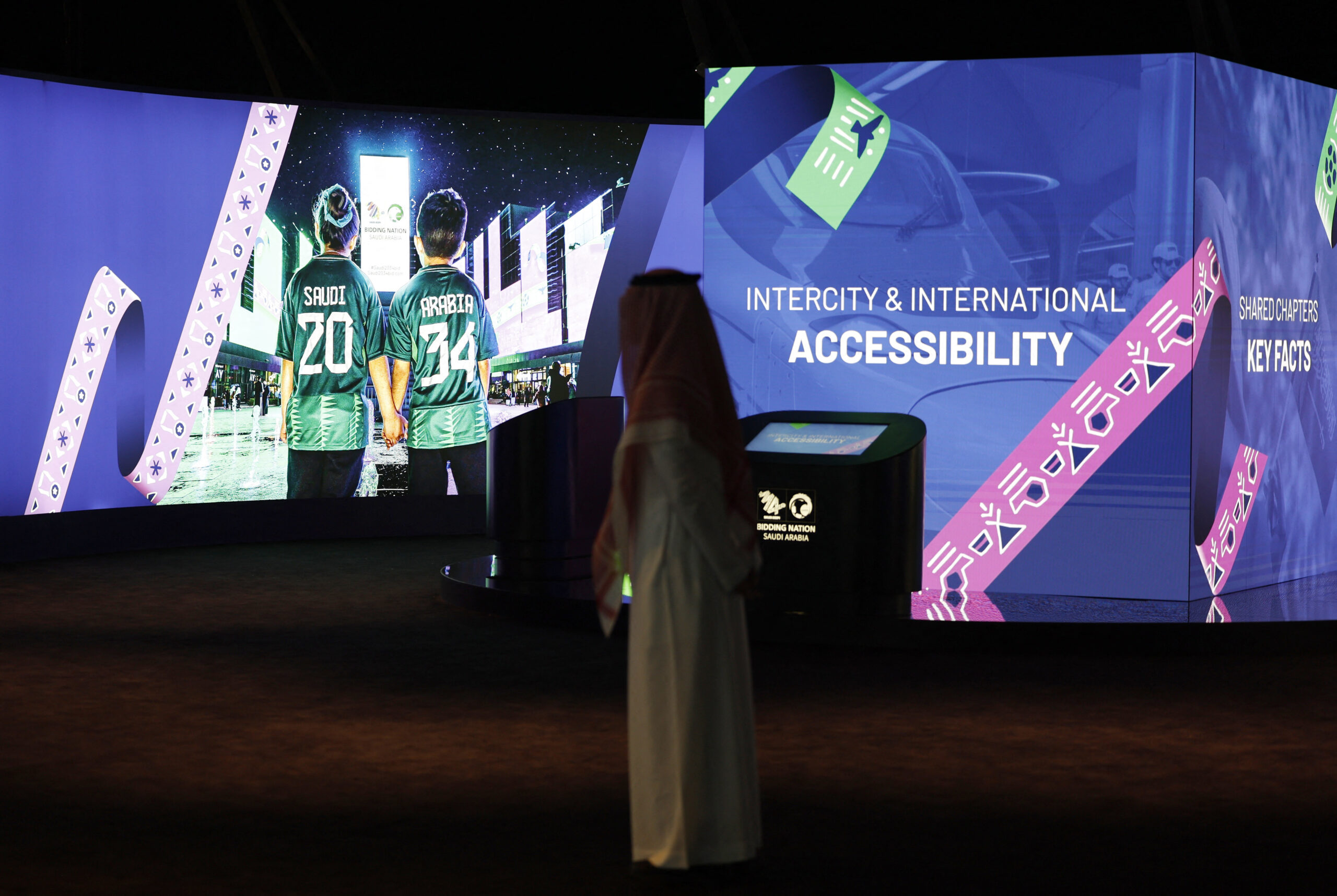
With the 2026 campaign ending sooner than Saudi fans had hoped, attention across the kingdom now shifts to the 2034 World Cup, which Saudi Arabia will host. For the kingdom, the 2034 tournament is more than a landmark sports event: It is a strategic opportunity to reinforce its international standing while projecting an image of “beauty, brilliance, and benignity.”
However, the ongoing Iran war, combined with persistent domestic challenges of socioeconomic transformation, has heightened economic uncertainty. Regional stability is central to Saudi Arabia’s long-term economic, social, and political transformation – in preparation for the home tournament more than ever before. Saudi Arabia increasingly presents itself as a “platform state” that advances security, stability, and prosperity through connectivity, diplomacy, omnibalancing, economic statecraft, and strategic partnerships. The World Cup thus offers a unique opportunity to translate this vision into practice by strengthening regional cooperation rather than pursuing a purely national project. Here, Saudi Arabia could position the tournament as a catalyst for regional resilience and Gulf integration in times of regional escalation.
A bold yet highly symbolic step would therefore be for Saudi Arabia, in coordination with FIFA, to expand the tournament into a Gulf World Cup by inviting Qatar, Oman, and potentially the United Arab Emirates as cohosts. Rather than diluting Saudi Arabia’s leadership, a World Cup with Saudi Arabia as its primary host extending to other Gulf partners would reinforce the kingdom’s role as the driving force behind a more integrated, connected, and resilient Gulf. Such a Saudi Plus or Gulf World Cup scenario would generate several strategic advantages:
Economic Resilience: Although the regional conflict has exposed vulnerabilities across the Gulf, Saudi Arabia has proved comparatively resilient. The kingdom has safeguarded a portion of its energy exports through the East-West pipeline, reducing dependence on the vulnerable Strait of Hormuz, and has faced fewer drone and missile attacks than several of its neighbors. However, the greater economic challenge is long term. Prolonged regional instability and financial recalibration risk undermining investor confidence, increasing living costs, and delaying some gigaprojects, such as The Line. In sports, the Asian Winter Games were transferred to Kazakhstan and the PIF will no longer finance the Saudi-sponsored LIV Golf Tour after 2026. At a critical stage of transformation, fiscal pressures, weaker foreign investment, slow privatization, and mounting demands on infrastructure and public services may complicate preparations for the 2034 World Cup. Riyadh, one of the tournament’s main planned host cities with eight stadiums in total, seeks to expand its transportation network and accommodation capacity before millions of visitors arrive. Although the city’s metro system is finally operational, it is unlikely to connect all eight planned World Cup stadiums by 2034. At the same time, its high urbanization rate is already putting pressure on roads, housing, hotels, and public services. The city’s population is projected to grow from 7 million to more than 10 million in 2034. Between 2024 and 2034, the demand for housing will also grow tremendously by an additional 305,000 units. Without substantial improvements, these bottlenecks could complicate crowd management, reduce the fan experience, and undermine the kingdom’s ambition to host a seamless tournament.In total, Gulf states, such as Qatar, face similar constraints as reconstruction costs after the Iranian attacks could reach $200 billion and place additional pressure on their business models. Beyond the symbolic value, a Gulf World Cup could thus become a vehicle for economic recovery, regional burden sharing, and deeper integration. Rather than duplicating infrastructure, Saudi Arabia could capitalize on regional comparative advantages. Qatar already possesses world-class stadiums and much of the required tournament infrastructure, making it an ideal partner to reduce construction costs and implementation risks. Despite current setbacks, Oman and the UAE could complement the tournament with internationally recognized tourism infrastructure and hospitality sectors. A multicountry tournament would thus encourage longer visitor stays, multidestination travel, and broader distribution of economic benefits across the Gulf. In particular, should the tournament be expanded from 48 to 64 teams – which is being considered – the associated infrastructure requirements would increase substantially, potentially exceeding Saudi Arabia’s capacity to manage the event independently. In this case, a cohosting arrangement with countries such as Qatar could provide existing stadiums, transport infrastructure, accommodation capacity, and airport facilities to absorb the additional demand.
Regional Connectivity: Cohosting could accelerate one of the region’s most important strategic priorities – interconnectivity. Since the disruption of the maritime trade route Strait of Hormuz, Gulf governments have increasingly invested in alternative transport, railway, and logistics corridors linking the Arabian Peninsula with Jordan, Syria, Turkey, Iraq, and Europe. For instance, Saudi Arabia has announced its Logistics Corridor Initiative, through which it aims to extend cooperation with other Gulf neighbors, such as Oman. Furthermore, it is investing in industrial and logistics hubs, including Ras Al Khair, Yanbu, Jubail, King Abdullah Port, Jeddah Islamic Port, and Neom’s Oxagon to strengthen the kingdom’s position as a regional platform for trade, manufacturing, and connectivity. A regional World Cup would create additional incentives to fast-track cross-border railways, aviation links, logistical corridors, and digital connectivity, leaving behind a lasting legacy that extends well beyond football. Rather than pursuing overlapping megaprojects, closer coordination could strengthen the region’s collective competitiveness. Connectivity, however, is about people as much as infrastructure. A Gulf World Cup could foster unprecedented levels of societal exchange through integrated tourism packages, simplified visa arrangements, youth football festivals, cultural programs, esports competitions, and academic exchanges – similar to the 2026 Gulf Cup in Jeddah or the GCC Games. The tournament could also deepen cooperation in sustainable technology, security, and digital infrastructure, while encouraging greater exchanges of professionals, volunteers, and students across the region. Centers of excellence, such as Qatar’s Aspire Academy, could enhance cooperation with Saudi partners. Such initiatives would strengthen people-to-people ties while reinforcing the Gulf’s image as an open, welcoming, and interconnected region.
Regional Security: Finally, a Gulf World Cup could strengthen regional security. Major international sports events increase global attention and raise the political costs of destabilizing host countries. Qatar’s experience before the 2022 FIFA World Cup illustrated how international visibility enhanced its diplomatic leverage and deterrence and contributed to the eventual resolution of the Gulf crisis between 2017 and 2021. A jointly hosted tournament would multiply this effect by placing several Gulf states simultaneously under the international spotlight. Closer cooperation on border management, intelligence sharing, cybersecurity, and the protection of critical infrastructure would strengthen regional crisis preparedness while building trust among Gulf states. Establishing these coordination mechanisms before the tournament could leave behind a lasting security architecture that extends well beyond 2034. More tentatively, the tournament could provide a channel for sports diplomacy with Iran. Football remains one of the few arenas that transcends political and social fault lines and resonates across societies. Were the security situation and maritime transportation to be restored and should the Iranian national team qualify, matches hosted across the Gulf could facilitate people-to-people interaction, encourage dialogue among supporters, and help rebuild confidence after years of regional polarization.
At present, the prospect of a Saudi plus or Gulf World Cup appears politically unlikely and may even seem idealistic or naive. For Saudi Arabia, the 2034 FIFA World Cup is not merely a sports event but a flagship project of its global ambitions and an important pillar of its national branding. Consequently, the tournament is primarily viewed as a national achievement rather than a vehicle for regional integration. Yet this is precisely where a strategic opportunity lies: A Saudi decision to invite Gulf partners would demonstrate confidence rather than weakness. Transforming the event from a Saudi World Cup into a Saudi Plus World Cup would send a powerful signal of regional unity and economic consolidation, deepen practical cooperation, and showcase collective Gulf leadership at a time when geopolitical fragmentation and renewed intra-Gulf competition risk undermining regional cohesion and resilience.
The views represented herein are the author's or speaker's own and do not necessarily reflect the views of AGSI, its staff, or its board of directors.
Following Saudi Arabia’s early exit from the World Cup, the kingdom’s soccer authorities may enter a period of introspection considering challenges that have cast a shadow over the post-2023 landscape of Saudi soccer.
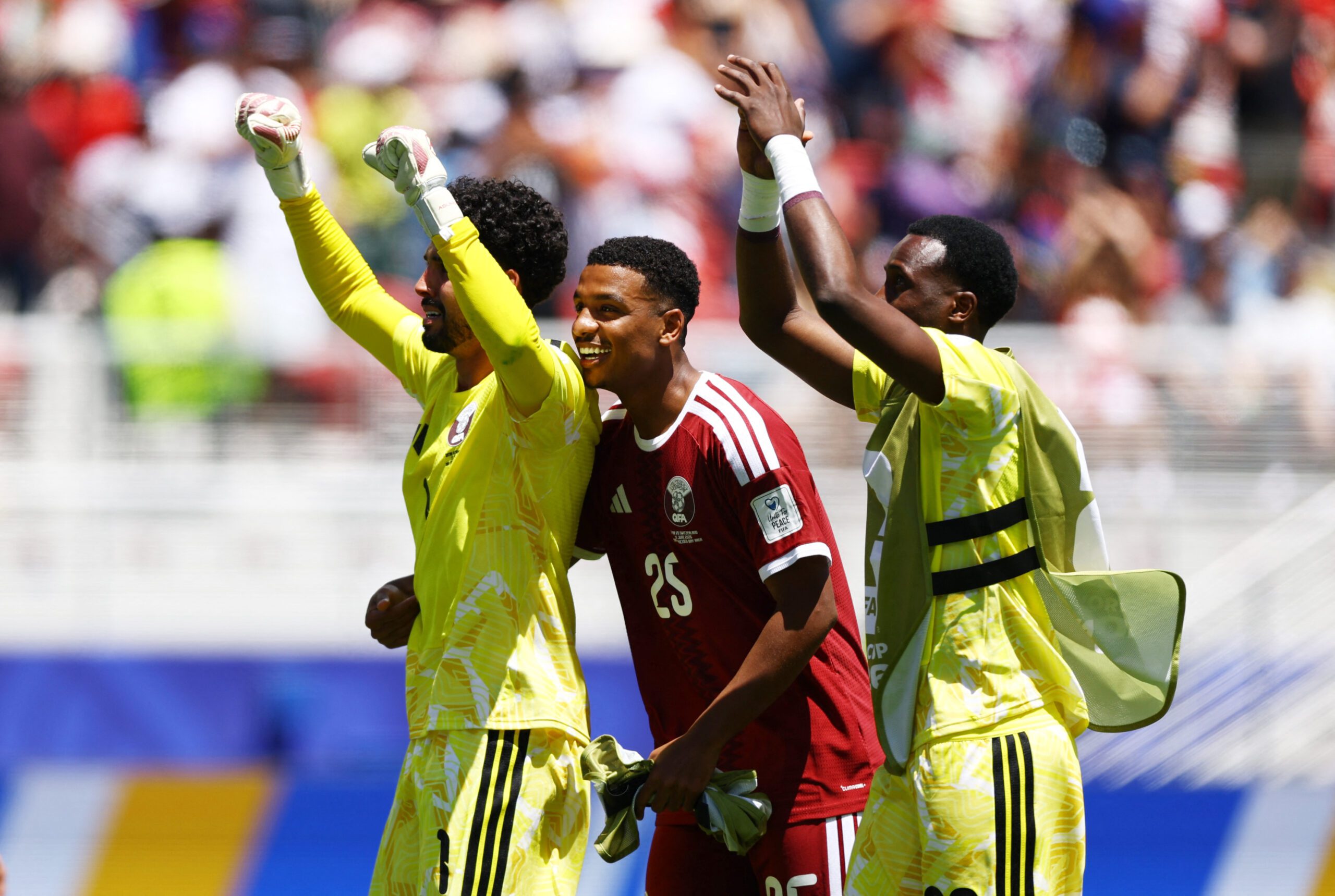
Qatar's first World Cup point, earned through a goalkeeper of Palestinian descent, reveals how the emirate has turned a tiny citizenry, migration, and naturalization into an instrument of statecraft and where that instrument meets its limits.
The influence of oil giant Saudi Aramco across football, Formula 1 racing, and golf reveals how closely Saudi Arabia’s sports policy aligns with its energy transition and sustainability agenda.