Economic gains associated with the Gulf reconciliation will be narrow and limited, and any economic momentum should be channeled to tackle longer-term challenges in the region.
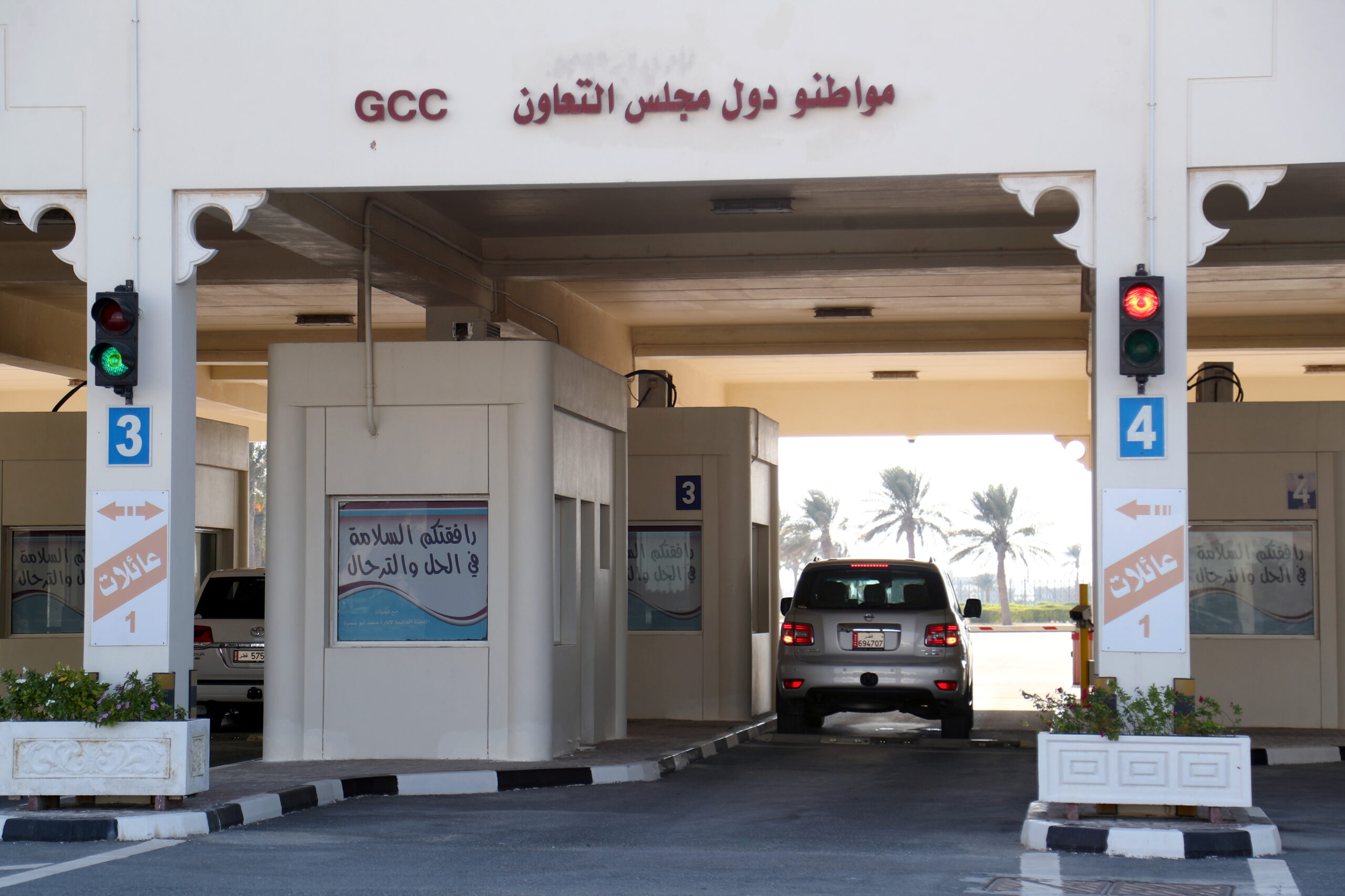
Cars move at Qatar's Abu Samra border crossing with Saudi Arabia, after the two countries restored ties and opened borders, which were closed since 2017, Qatar, January 9. (REUTERS/Ibraheem Al Omari)
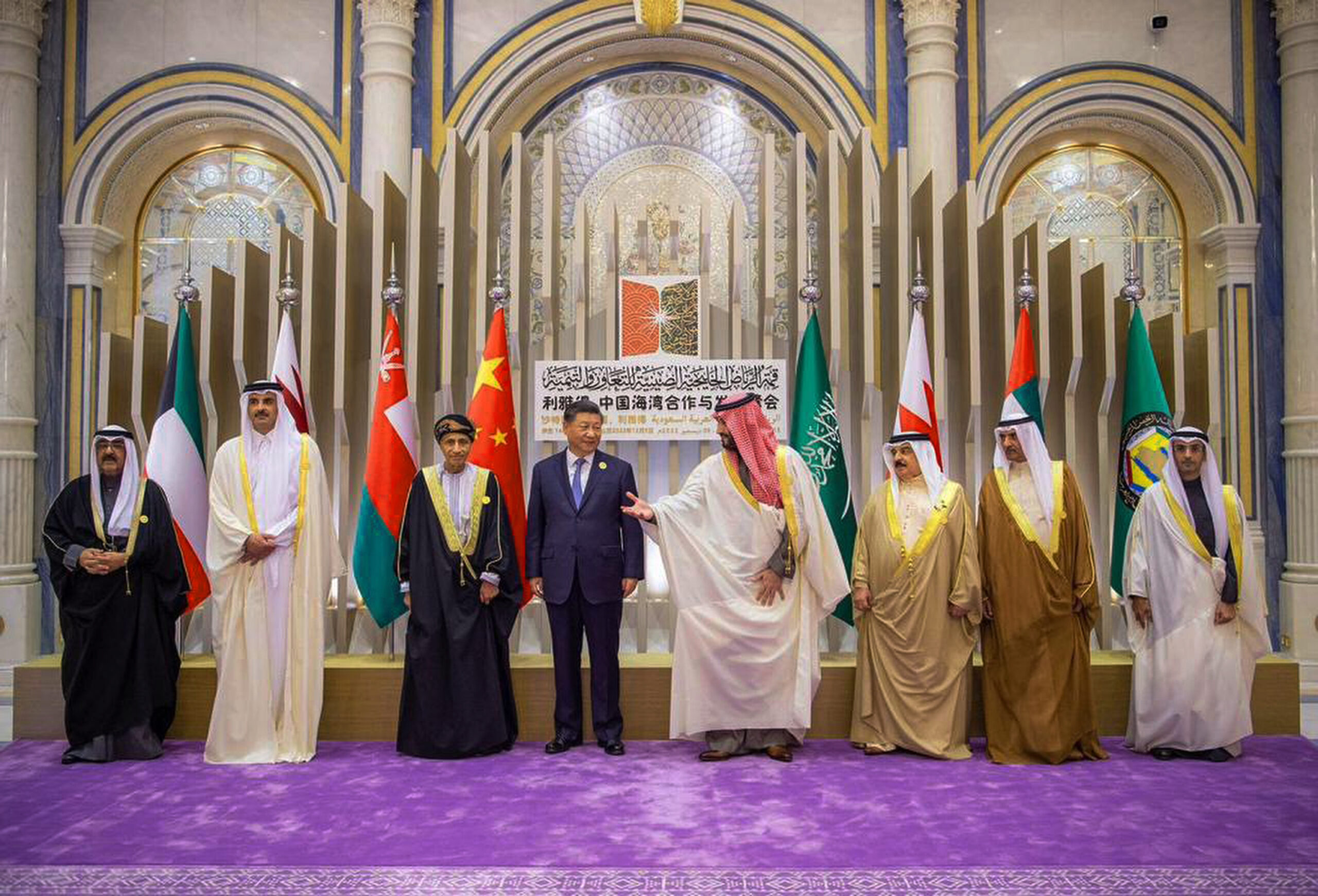
Ongoing reconciliation efforts among Gulf Cooperation Council member states signal a return to more familiar forms of regional economic engagement. Although the reconciliatory measures offer a note of optimism to begin 2021, these processes are unfolding in a region beset by serious economic challenges. Steep contractions in Gulf economies in 2020 will give way to – in the best-case scenario – slow growth over 2021. A resolution to the over 3-year rift offers no economic windfall for the participating parties. The narrow and uneven economic gains that do materialize should ideally be harnessed to tackle urgent economic challenges confronting the region, such as unsustainable government finances, mounting debt, and minimal progress on economic diversification.
Uneven Gains
Qatar stands to enjoy immediate economic benefits from the reopening of air, land, and sea links. The tiny, gas-rich country weathered 2020 in relatively strong fiscal health: It is the only Gulf Arab state expected to post a balanced budget for last year. Following news of the reconciliation, Standard Chartered revised its 2021 growth forecast for Qatar from 2.1% to 3%. Qatari projects involving overland access to the Saudi market, such as the Al Karaana special economic zone, and other interregional commercial activities can resume normal operations. In the first three days following the reopening of the Qatari-Saudi border, 90% of the 920 vehicles that crossed the border entered Saudi Arabia.
Yet Qatar is not entirely clear of economic headwinds. The Qatari government debt to gross domestic product ratio hit 76% in 2020, up from 60% in 2017. Fitch Ratings expects the country to post deficits from 2021 to 2024, when expanded gas output should boost revenue and permit the government to run surpluses. However, Qatar’s finances depend largely on the state of an uncertain liquefied natural gas market, where recent price surges have occurred amid concerns over a longer-term price glut.
The short-term economic benefits for Saudi Arabia are limited. Of course, Saudi firms that provide goods and services to Qatari consumers welcome an end to the boycott. A small number of wealthy Qatari citizens and residents can now patronize Saudi tourist and retail destinations, as will also be the case in places like Dubai. Ongoing coronavirus concerns, though, are likely to dampen demand for nonessential travel within the region.
Qatar is not a consequential economic partner for Saudi Arabia. In 2016, Saudi exports to Qatar accounted for only 1% of total exports – fewer than those to Turkey, despite serious Saudi-Turkish tensions. The state of Saudi-Qatari relations alone is also unlikely to radically alter the trajectory of foreign investment trends in Saudi Arabia. Net inflows of foreign direct investment to Saudi Arabia steadily declined for nearly a decade prior to the 2017 imposition of the boycott on Qatar and actually increased – albeit modestly – in the first two years of the boycott.
Saudi Arabia is instead jockeying to reap longer-term rewards. Clear progress on regional integration aids Saudi efforts to develop its tourism sector and promote high-profile development initiatives, such as those along the Red Sea. The Gulf reconciliation also allows Saudi officials to make a stronger case that multinational firms should relocate their regional headquarters to Riyadh.
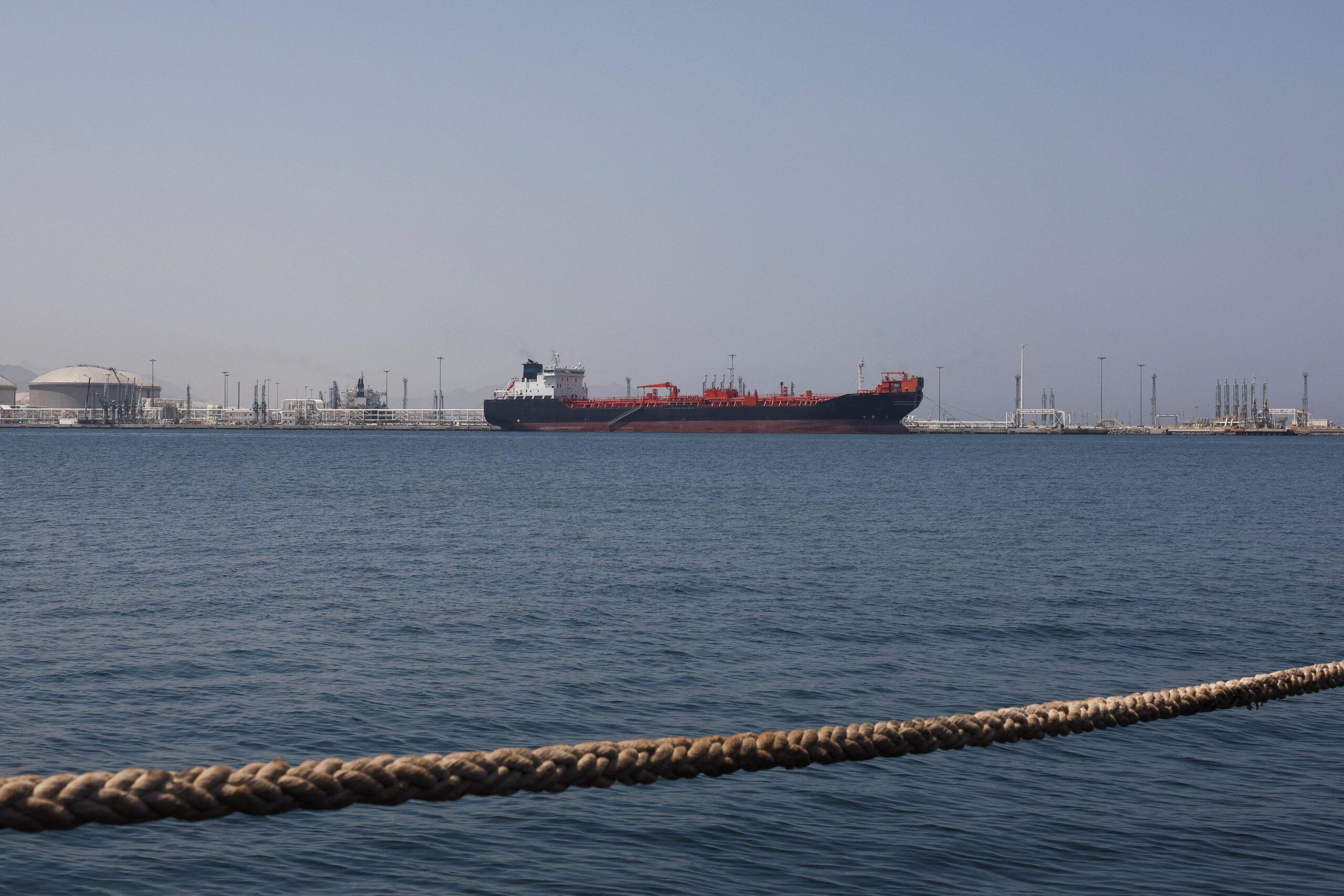
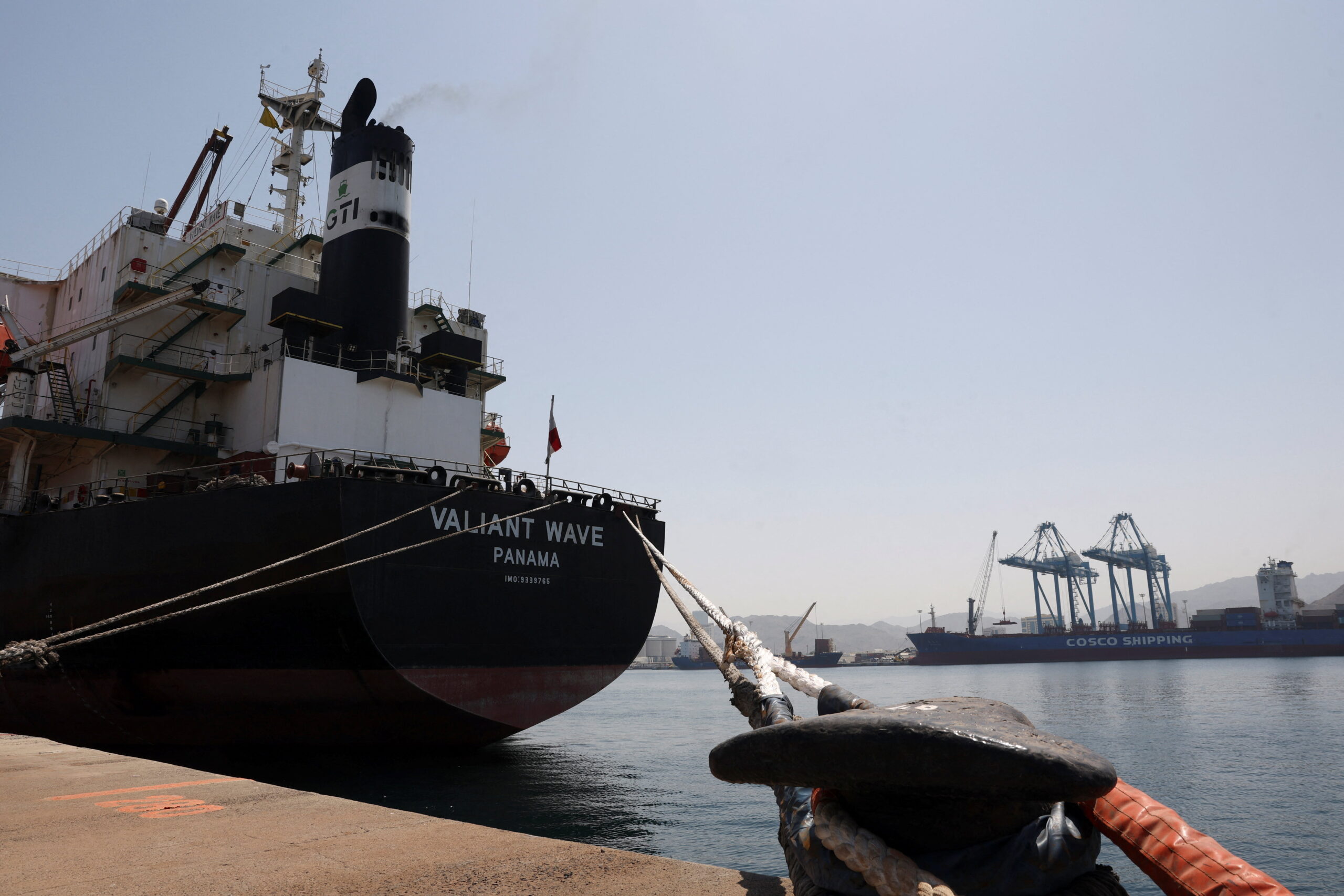
Trading hubs in the United Arab Emirates stand to recoup some lost business. Jebel Ali long served as a regional reexport hub for goods shipped to Doha, until the port’s operator prohibited Qatari-flagged vessels, and those owned by Qataris and third-party shippers faced uncertain access to UAE commercial hubs. Other commercial activities at Jebel Ali involving inputs from Qatar, such as the splitting, or simple refining, of Qatari condensate, can technically resume. It took RAK Ports, which oversees Ras Al Khaimah’s maritime-focused free zones, nearly a year to regain trade volumes lost from the rift with Qatar.
One commercial hub’s gain will be another’s loss. Omani ports, airports, and free zones benefitted tremendously from the necessary rerouting of goods and passengers moving to and from Qatar. From 2016 to 2018, Omani exports to Qatar increased from $389 million to $1.83 billion, while annual Omani imports from Qatar jumped from $228 million to $1.05 billion. The removal of trade-related constraints on Qatar from other Gulf states will make it difficult for Oman to retain this level of bilateral trade.
The 2017 rift also enhanced Qatar’s economic partnerships with Turkey and Iran. Qatari imports from Turkey grew from $632 million to $1.23 billion between 2017 and 2018. The boycott forced Qatar Airways – a pillar of the country’s aviation industry, which accounted for a reported 11% of Qatar’s GDP in 2014 – to rely on and pay for access to Iranian airspace. While the Qatari government will likely not permit these strategic commercial ties to atrophy, the newfound availability of alternative economic arrangements ultimately reduces Doha’s reliance on Ankara and Tehran.
Firm-Level and Investor Reactions
Gulf reconciliation positively impacts firms and investors operating in specific industries, though the coronavirus places a ceiling on commercial gains. The prospects for Qatar Airways have improved slightly, but the carrier must contend with a grim outlook for the global aviation industry. Regional logistics firms confront one less trade barrier as they seek to meet a surge in demand for e-commerce alongside bottlenecks and disruptions to supply chains. Gulf-based consultancies can pursue contracts across the region with less fear that engagements in one location may limit opportunities in others. However, wide-ranging budget cuts mean fewer projects for the foreseeable future.
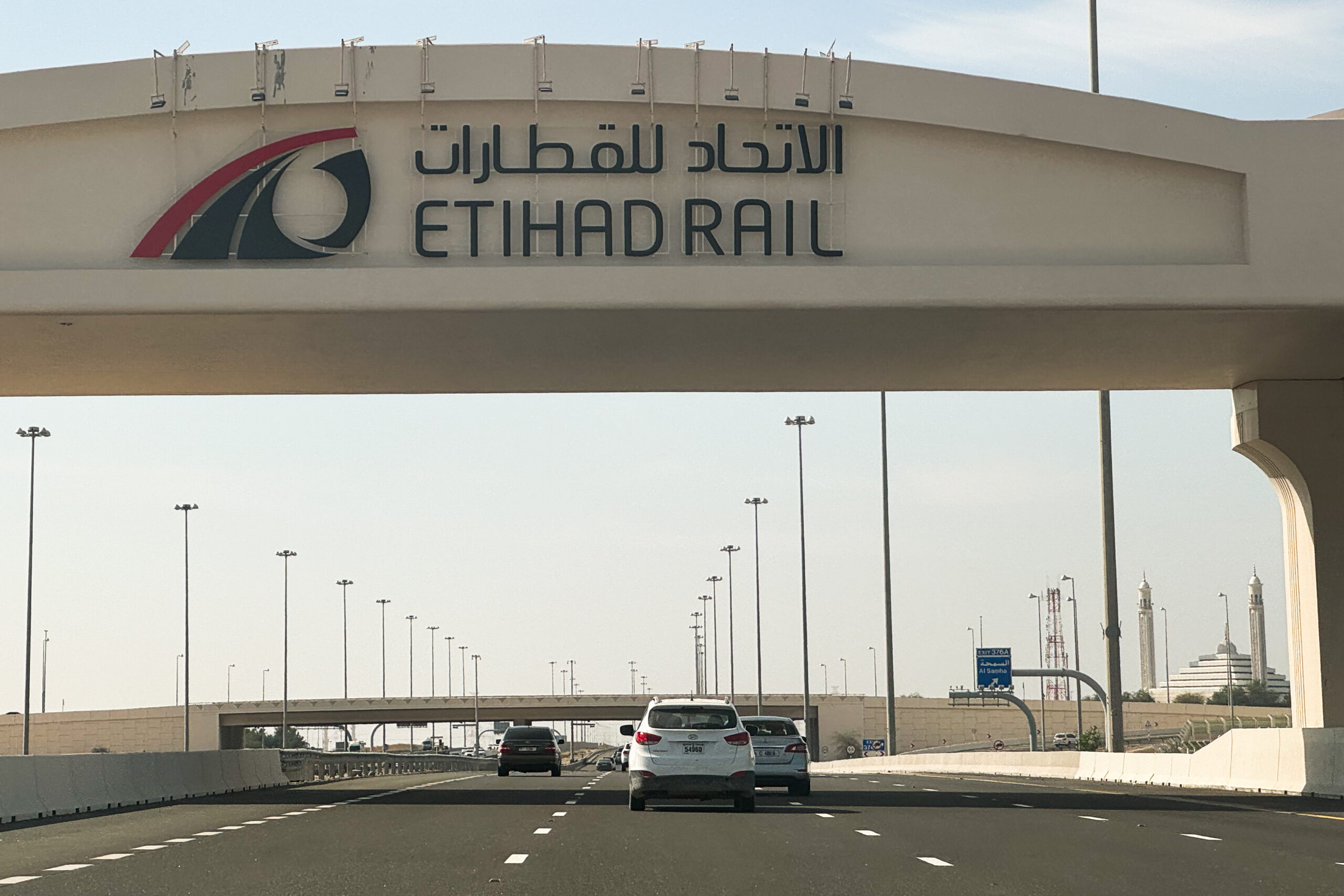
Interregional commercial initiatives may receive renewed attention amid Gulf reconciliation efforts. The slow-moving, $15 billion GCC Railway project requires steady financial support. More efficient energy trading through the GCC power grid can help reduce energy consumption. Qatar, the UAE, and Oman may also become members of the Digital Cooperation Organization, which was established in November 2020 by Saudi Arabia, Kuwait, Bahrain, Jordan, and Pakistan to foster multilateral cooperation in the digital economy. Greater cooperation over major events, such as Expo 2020 Dubai, which was postponed to 2021, and FIFA World Cup Qatar 2022, can better distribute the economic benefits of inbound tourism across the region.
Despite the initial optimism surrounding reconciliation efforts, there is now likely to be a political risk premium attached to projects and initiatives that may be impacted by a resumption of tensions. Regional governments, firms, and investors will not so easily forget the disruptions that began in 2017. Coronavirus-related economic uncertainties will temper the ambitions of businesspeople and investors eager to revive cross-border activities affected by the 2017 rift. Yet the global pandemic and the ensuing economic fallout also serve as an important reminder of the benefits of cooperation.
The views represented herein are the author's or speaker's own and do not necessarily reflect the views of AGSI, its staff, or its board of directors.
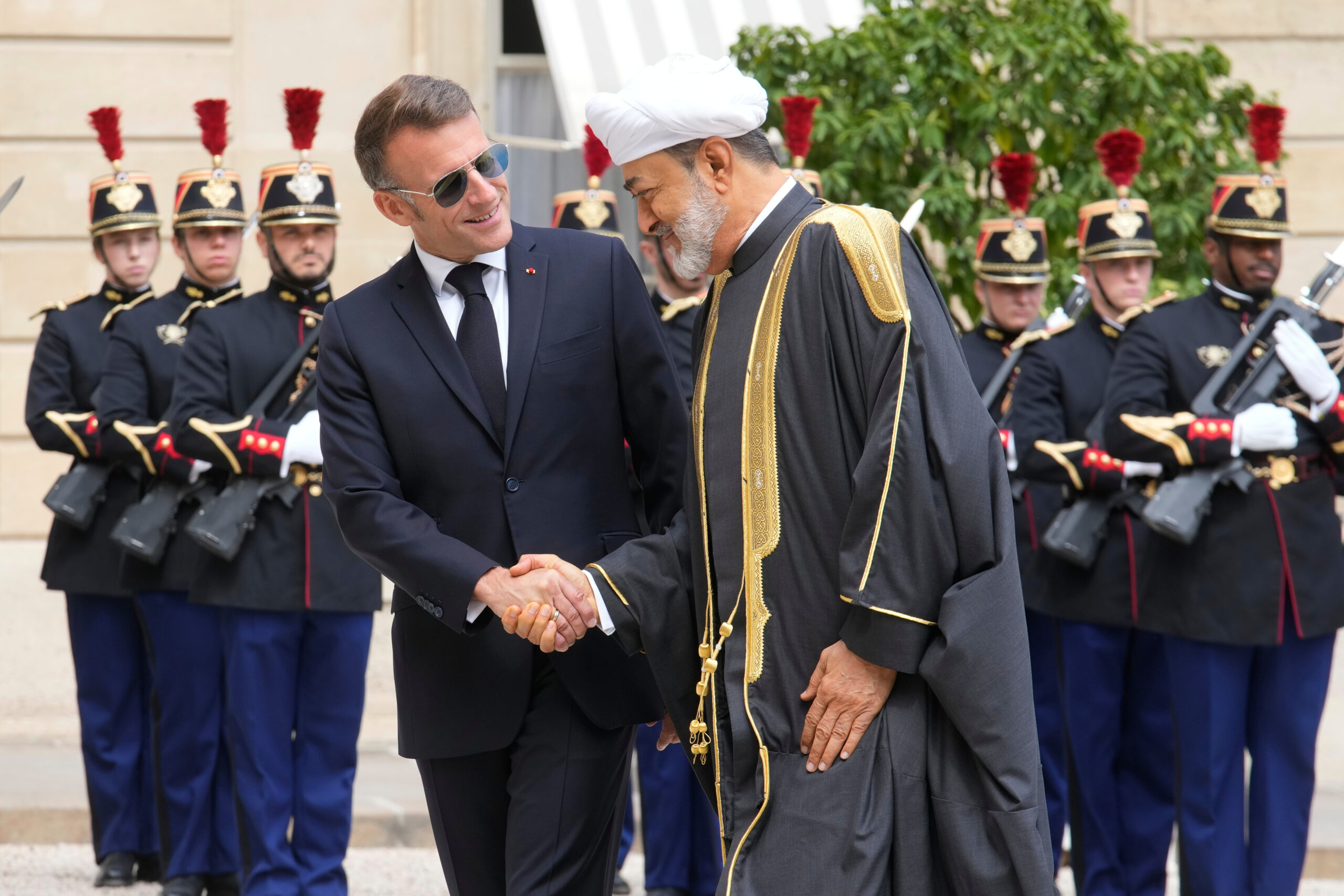
France is positioning to be a more influential actor across the Middle East, but the European powerhouse is most likely to see immediate traction on the economic tracks that run to and from the Gulf.