The Iran conflict reinforces China’s short-term position as one of managing and mitigating risks rather than shaping outcomes that expand Chinese influence in the Middle East.
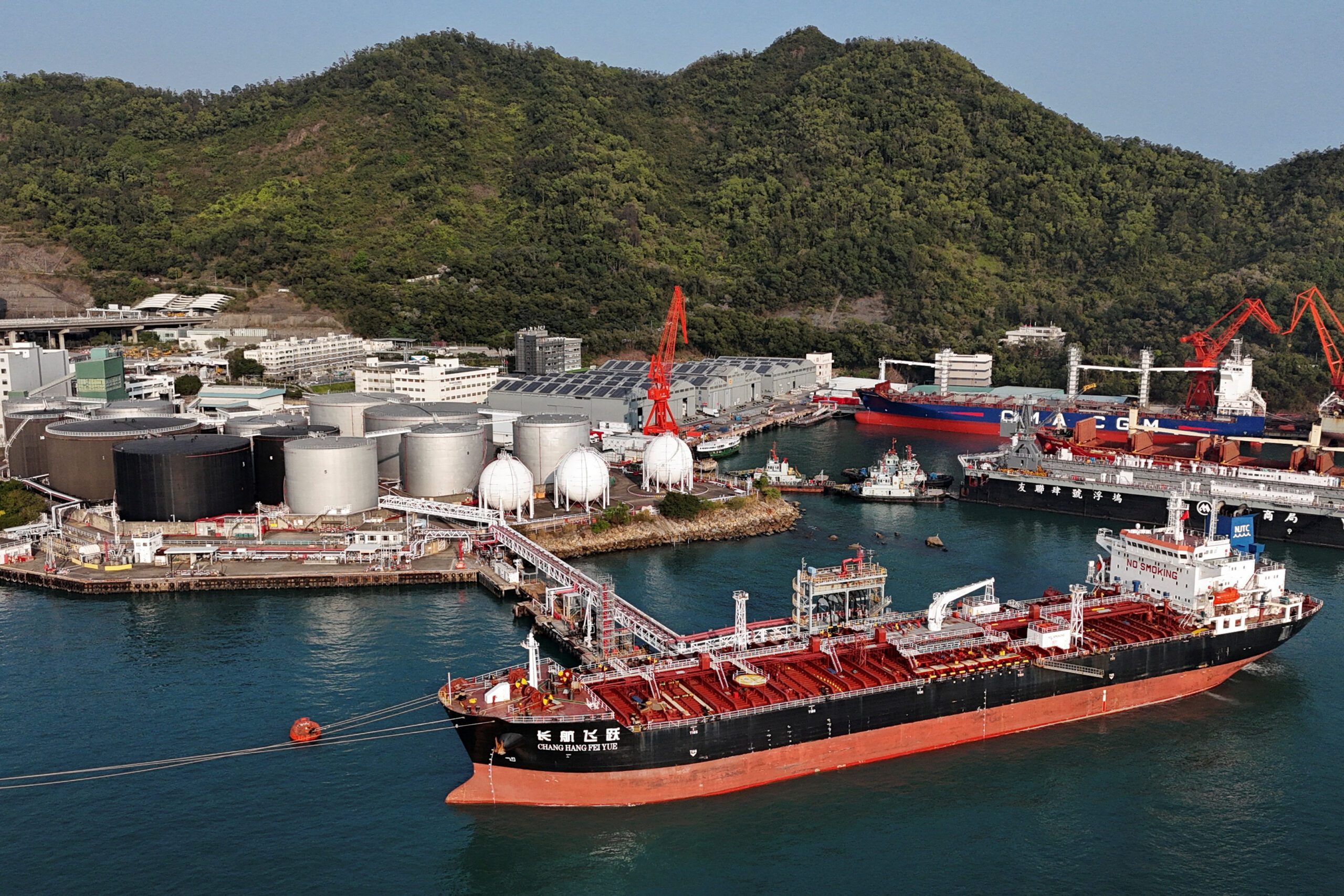
A Chinese-flagged oil tanker is moored at an oil terminal at Tsing Yi port in Hong Kong, China, March 19. (REUTERS/Joyce Zhou)
China’s special envoy to the Middle East, Zhai Jun, concluded a low-key visit to the region March 23. He called on the international community to promote de-escalation and push for a diplomatic means of conflict resolution. The special envoy took weeks to arrive in the region after the outbreak of hostilities February 28, and he only visited Gulf Arab countries and Egypt on his regional tour. Zhai opted to meet with Iranian and Israeli ambassadors to China while in Beijing on March 20 and 24, respectively.
Other senior Chinese officials have offered rhetorical gestures. Foreign Minister Wang Yi has emphasized China’s “objective and impartial stance” in the conflict, stressing the importance of steering regional dynamics toward “dialogue and negotiation.” China’s Foreign Ministry spokesperson said that Beijing’s “diplomatic mediation efforts will not stop as long as the conflict continues.”
Some analysts describe China’s strategy amid the Iran conflict as playing “the long game” by remaining neutral. Others suggest that Beijing sees a historical justification for thinking that there is a strong likelihood of capitalizing economically and diplomatically once the conflict winds down.
The current Chinese stance toward the Iran conflict – cautious detachment with hints of strategic opportunism – may be Beijing’s preferred posture for now. However, this preference is largely determined by the absence of other viable options for power projection and influence surrounding the conflict. Indeed, it closely reflects how the Chinese government responded to past regional conflicts, such as the Israel-Hamas war, wherein Beijing struggled to find effective avenues for foreign policy engagement.
There is no guarantee that Beijing’s foreign policy approach toward the Gulf will generate sustainable economic or diplomatic benefits. Beijing’s brokering of a reproachment between Saudi Arabia and Iran in 2023 now feels like a bygone era. Moving forward, China must manage various sensitivities to implications from the Iran conflict while possessing limited capabilities to shape the conflict’s outcome in ways that advance Chinese interests in the region.
Energy and Commercial Interests
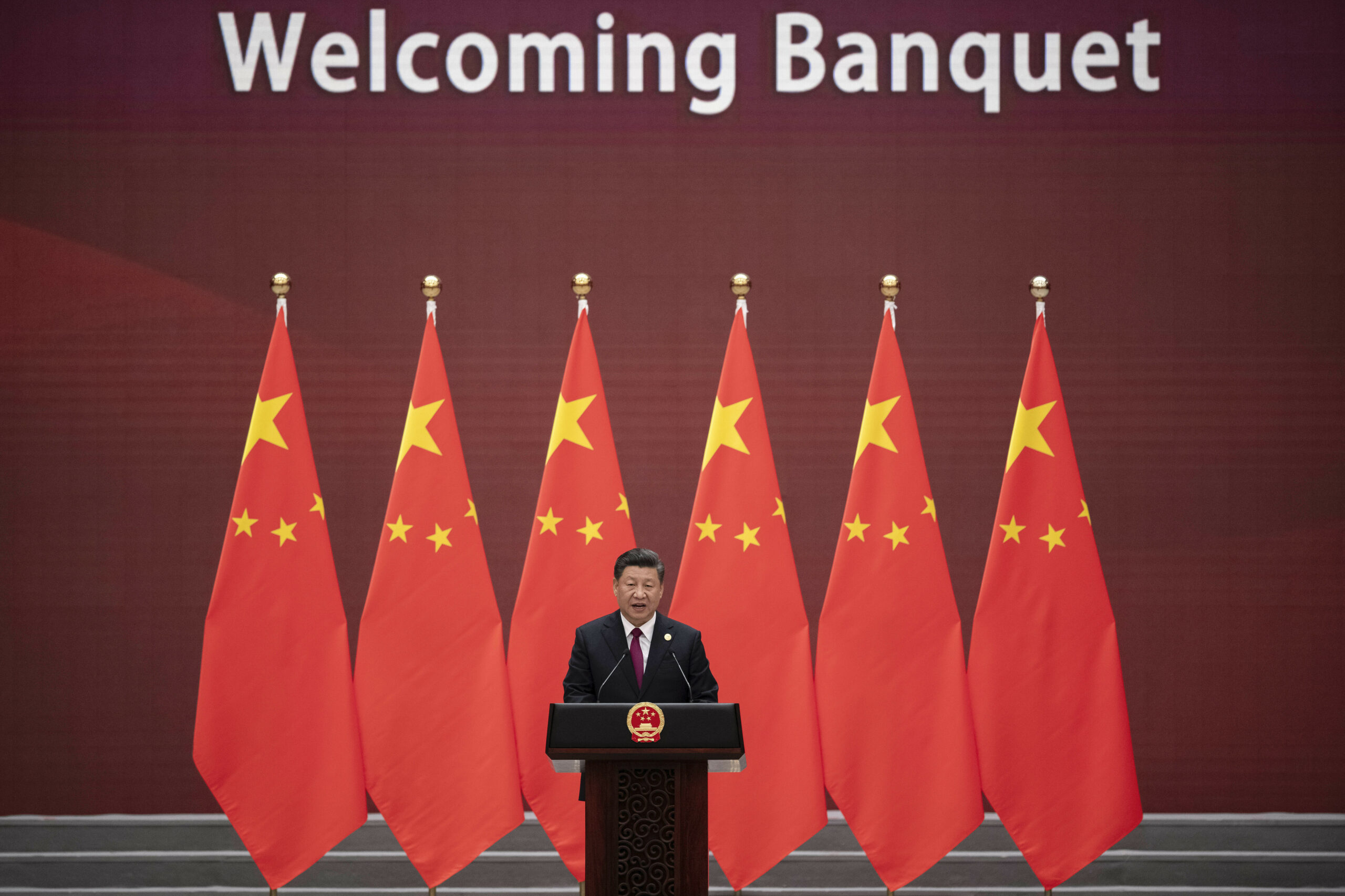
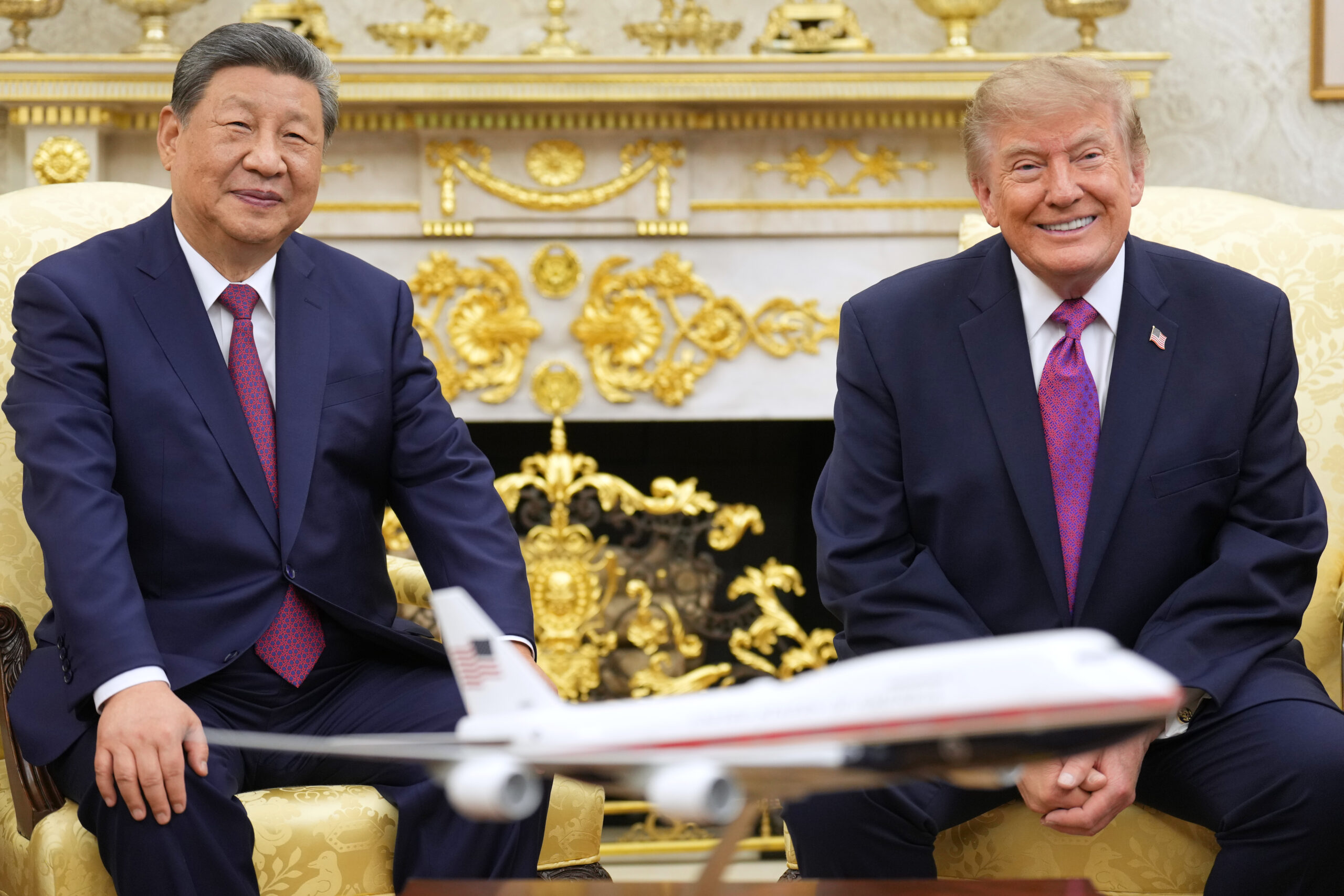
Chinese energy and other economic interests are intertwined in the Strait of Hormuz, a vital waterway and critical arena of the conflict. Despite China’s desire to stay objective and neutral, external actors have sought to insert China into the tensions and dynamics surrounding the strait. President Donald J. Trump called on China (and other countries) to send ships to help open the strait. Days later, Trump postponed a much-anticipated, trade-focused summit between him and Chinese President Xi Jinping by several weeks into May.
For its part, Iran is reportedly allowing ships to transit safely through the Strait of Hormuz if oil payments are made in Chinese yuan. The measure appeared a somewhat desperate Iranian attempt to play the China card in its leveraging of the strait, and it is unlikely that the idea was hatched in Beijing. Yet it taps into long-standing concerns in Washington about de-dollarization strategies and other efforts to challenge the foundations of the petrodollar regime.
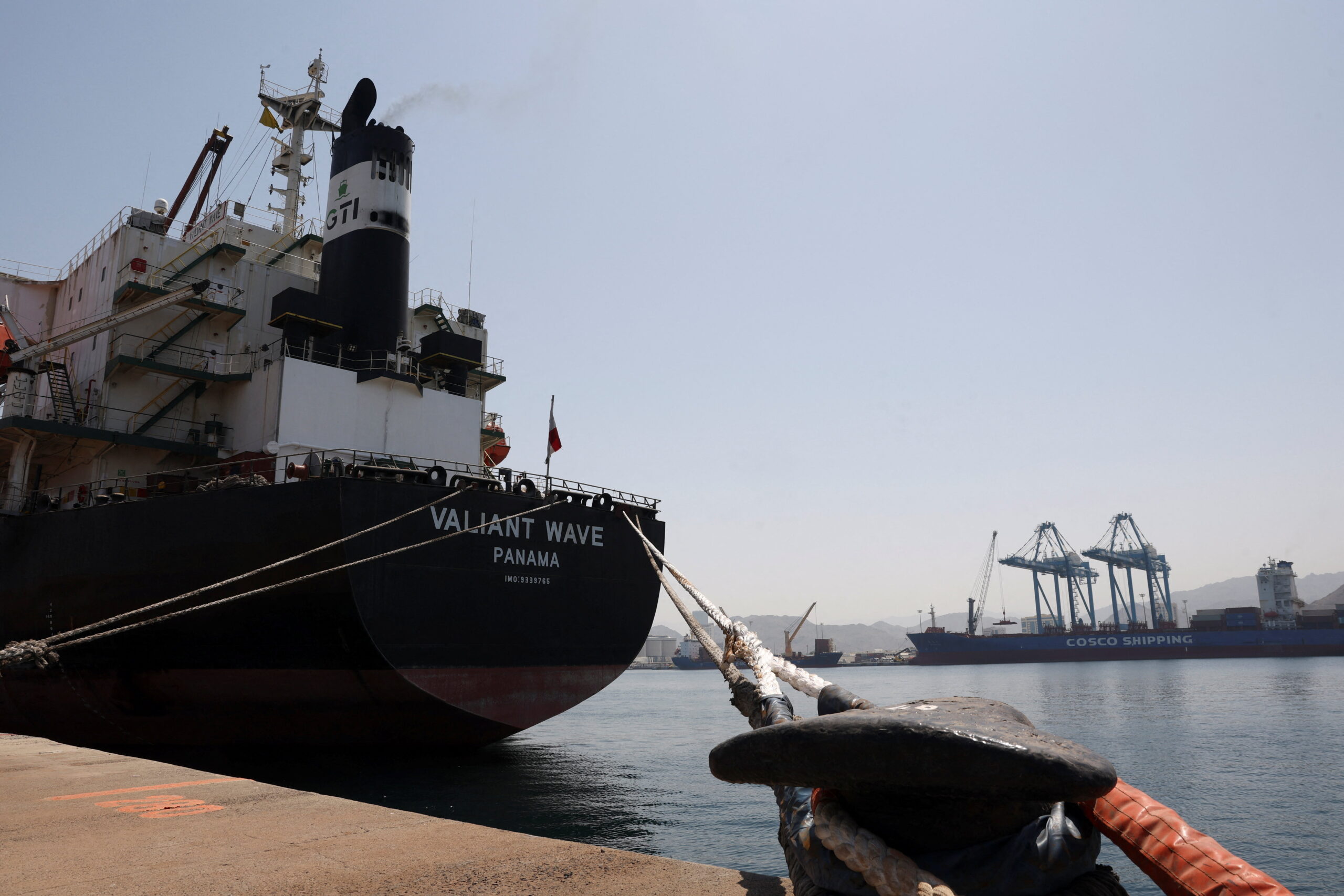
Chinese ships – like many others – have had to manage disruptions from unprecedented obstructions in the Strait of Hormuz. Around 100 ships transited the Strait of Hormuz in the first three weeks of March, down from 138 daily transits prior to the beginning of the conflict in late February. Chinese vessels are among the limited number of ships passing through the strait. However, this is a relative and short-term win for China – the trickle of traffic does not constitute a net benefit nor a sustainable strategy for longer-term economic engagement in the region. Chinese ships that pass through the “safe” corridor established by Iran reportedly still have to pay for transit.
Roughly 50% of China’s crude oil imports traverse the Strait of Hormuz, posing some risks for Chinese energy security. However, China has a number of risk mitigation tools in its energy security toolbox. China possesses a fairly diverse domestic energy mix, including a heavy reliance on coal as well as substantial nuclear and renewable capacity. Strong pipeline infrastructure – and especially links to Russia – helps to insulate China from Middle East supply disruptions. China has also built up strategic reserves permitting it to better manage energy market shocks. Yet higher energy prices will still pinch. China dialed back planned fuel price hikes in late March to reduce the domestic impact from soaring energy prices.
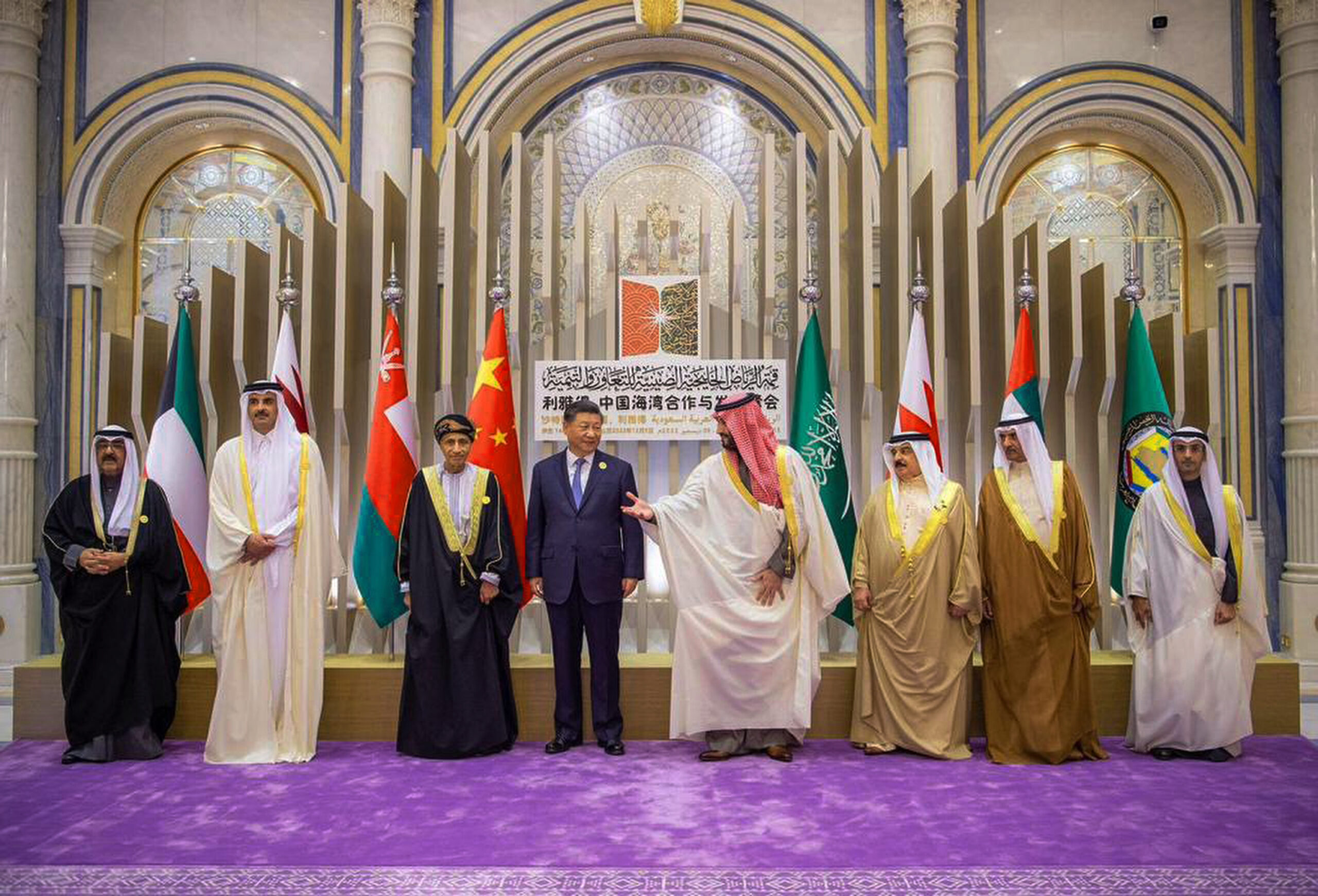
Any longer-term progress reducing Chinese dependence on Gulf oil and gas could lead to a simultaneous reduction in Chinese influence across the region. Gulf officials fully understand the crucial role Chinese energy imports play in most of their government finances. For their part, Chinese government and business actors often leverage – usually implicitly – their country’s status as a top consumer of Middle East energy to advance economic and other interests.
Beyond energy, China remains a key trade, investment, and construction partner for the Gulf region. Yet the Iran conflict has created a highly uncertain business environment in key regional markets, which does not support Chinese commercial interests. In fact, Iranian retaliation has targeted a wide range of assets and infrastructure in regional economies where China is far more invested than Iran. The value of Chinese investments and construction contracts in Saudi Arabia alone totaled $11 billion in 2025, with a heavy sectoral focus on energy, technology, real estate, and entertainment. These areas of regional economies are likely to experience conflict-related scarring and, in some cases, longer-term headwinds. A prolonged conflict with Iran would exacerbate macroeconomic uncertainty and weigh on global growth, which could significantly dent demand for Chinese goods and services.
Iran has also leveled specific threats at technology firms and financial institutions linked to the United States and Israel. If leading multinationals, especially those in the tech sector, become wary of the region in the aftermath of the Iran conflict, then Chinese companies may be able to capture a greater share of the region’s (potentially smaller) markets. There is a broad consensus that the Gulf’s tech ambitions will move forward one way or the other, potentially granting Chinese firms a new opportunity to redefine their value proposition in a postconflict environment. Yet Chinese firms will still be viewed across the region as a second-best option to U.S. tech multinationals.
China-Gulf Relations
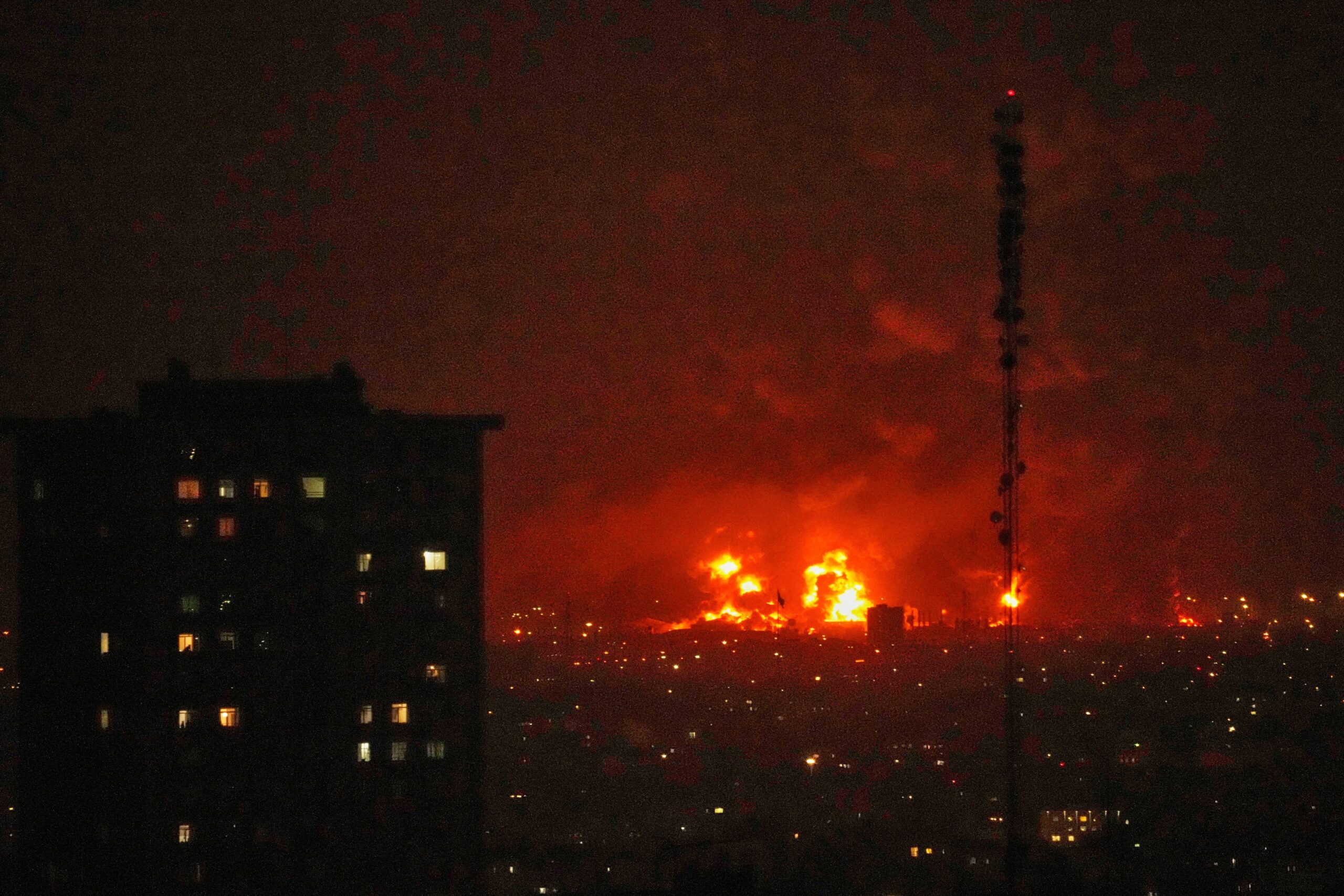
Gulf governments may also be more critical of China’s ties to Iran in the aftermath of hostilities. Chinese support for Iran, whether financially through oil purchases or by selling rocket parts and other dual use technologies, could prove to be a sore spot in China-Gulf relations as governments tally up the losses from attacks on infrastructure, energy facilities, and other affected industries. Early estimates suggest that the repair and restoration of Gulf energy infrastructure from Iranian attacks could cost $25 billion and is likely to go higher.
China-Iran Ties
Nor is Iran likely to emerge from this conflict believing that China is squarely in its corner. Chinese support for Iran has not been overwhelming. China sent $200,000 in emergency humanitarian assistance to the Iranian Red Crescent, with the intention that it would be allocated to the families of the girls killed in an attack that hit a primary school. This gesture seemed like a pittance relative to the mounting economic and reconstruction costs of the conflict. Trump suggested it would take 10 years to rebuild the country and that Iran would “never rebuild” if the United States and Israel continued the military operation. On the energy front, Iranian oil only accounted for around 13% of all Chinese crude oil imports by sea in 2025, reinforcing the notion that Iran is not an indispensable partner for China.
China and Iran signed a comprehensive strategic partnership in 2021, but the future of Chinese-Iranian relations will hinge on the type of regime that emerges from this conflict. If the regime survives, there is a good chance that Iranian decision making will be driven by hard-liners and ideologues, complicating Beijing’s tricky regional diplomatic balancing act. Beijing’s future ties to Tehran may indeed become more important, but the nature of those ties are likely to revolve around regional risk mitigation rather than a deep alignment of interests.
No Clear Middle East Strategy
Further complicating China’s ability to adroitly navigate this conflict and advance its regional interests is the lack of a clear and coherent Middle East strategy. Beijing was caught off guard by the regionwide protests and political upheaval of 2011; it struggled to balance relations amid the Gulf rift of 2017-21; and it had little sway over the Israel-Hamas war beyond calling attention to what the Chinese government perceived as strategic blunders by the United States and – to a lesser degree – Israel.
Policymakers in Beijing may very well relish the thought that the United States is getting further bogged down in the Middle East at the expense of its ability to focus on the Indo-Pacific. China nevertheless has continued to call for de-escalation in the Middle East. This view will have some resonance across a region exhausted from conflict and, in relatively muted tones, is unlikely to upset Gulf Arab states deeply angered by Iran’s destructive attacks on their infrastructure. Sitting on the sidelines of this conflict is not expected to hurt Beijing’s stature in the region, but it does not support a strong foundation for greater influence in the future either.
The views represented herein are the author's or speaker's own and do not necessarily reflect the views of AGSI, its staff, or its board of directors.
The Gulf Arab states have discovered that wealth without hard power, and alliance without political influence, leave them exposed to other countries' wars.
Beijing keeps treading carefully around conflict in the Middle East while seeking opportunities to deepen ties with key country partners through a longer-term regional engagement strategy.
The UAE’s decision to halt trade and commercial ties with Iran reflects an exercise in applying carefully calibrated geoeconomic pressure amid an uncertain and evolving geopolitical context.