"*" indicates required fields

This field is for validation purposes and should be left unchanged.

Subscribe

By subscribing you agree to our Privacy Policy

Subscription Settings
Analysis

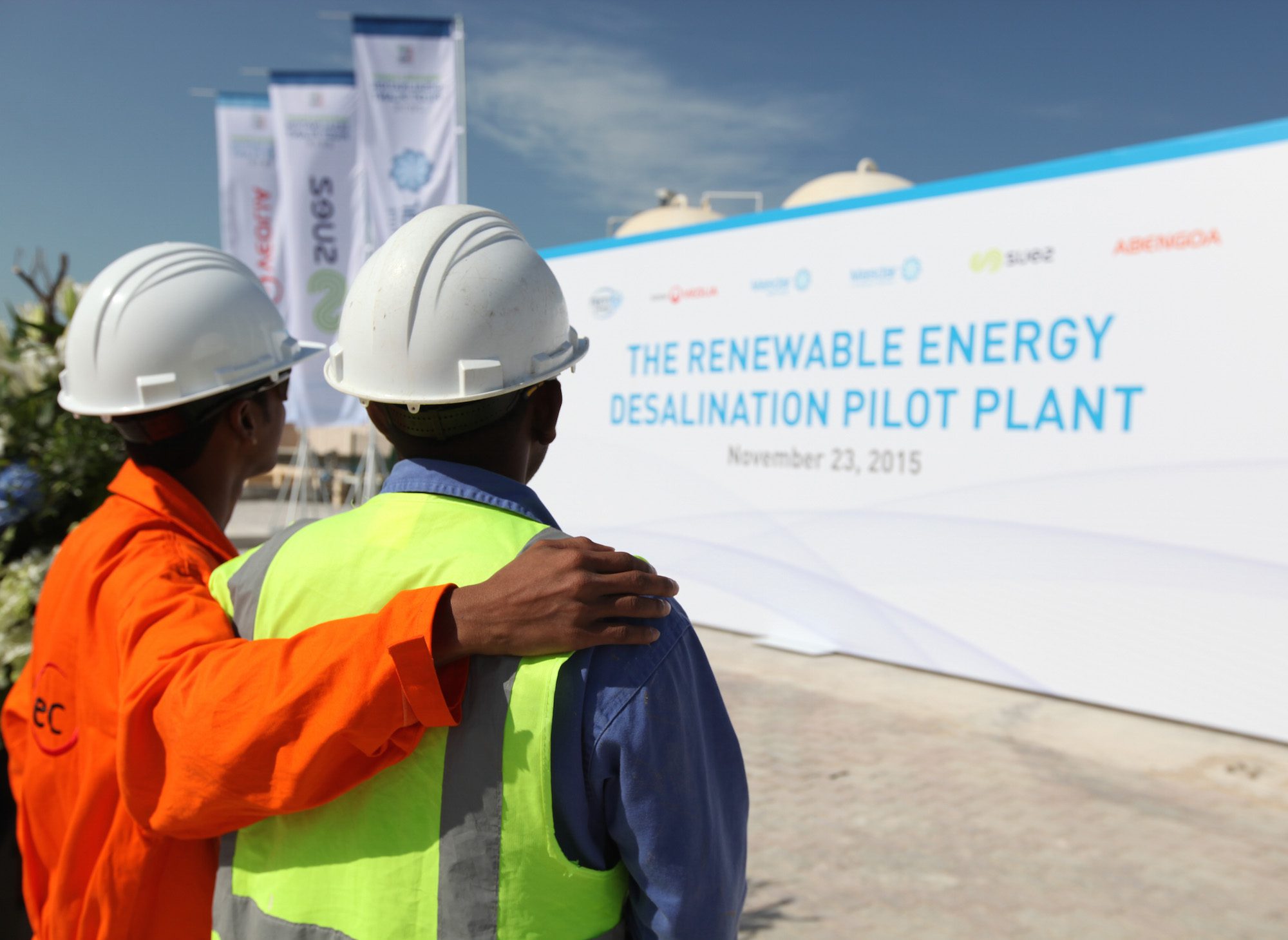
Water Worries: The Future of Desalination in the UAE

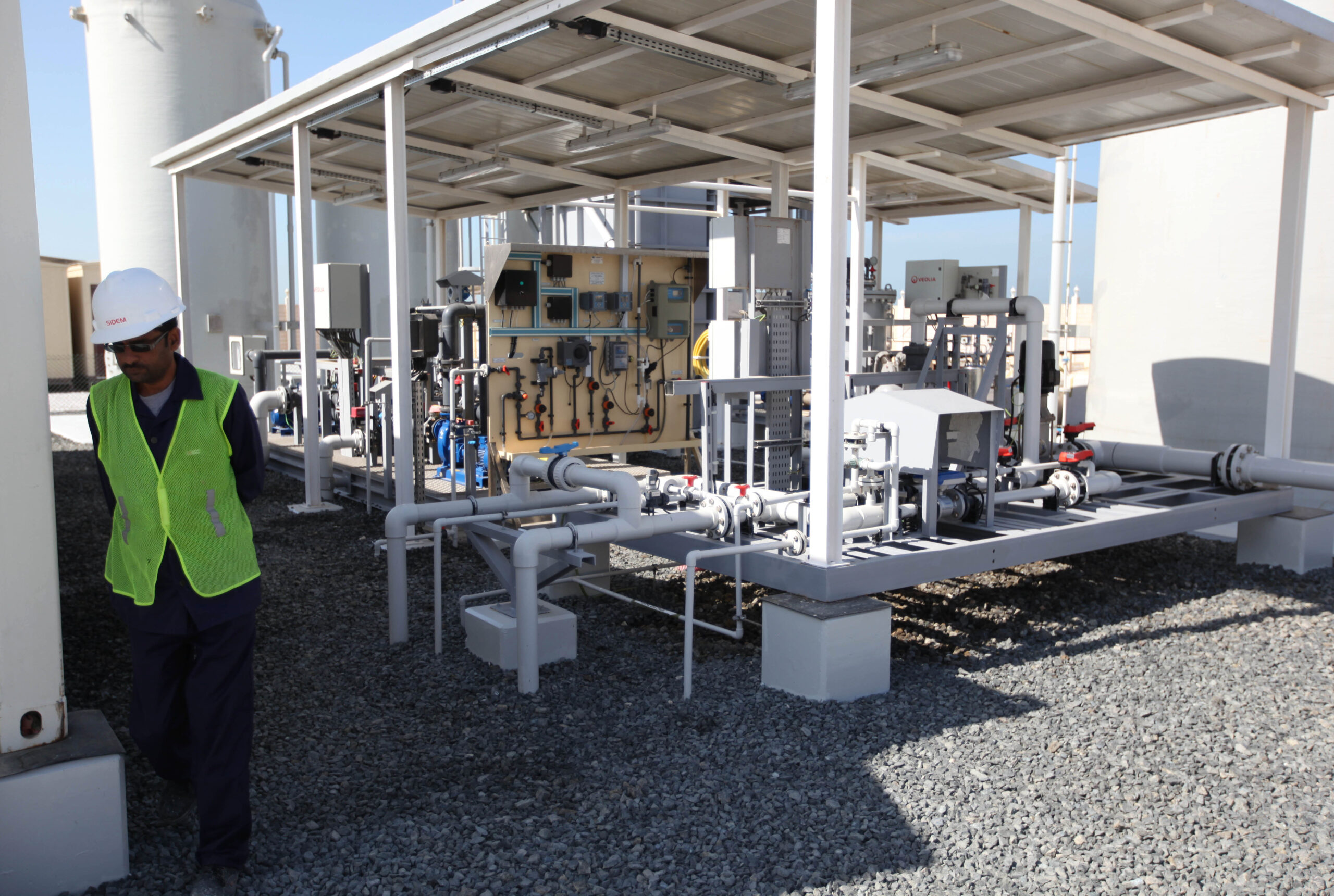
With few available alternatives for accessing water resources, the UAE is continuing to expand existing desalination facilities and construct new desalination plants.

Executive Summary

Desalination is a blessing and a curse for the United Arab Emirates. The water-scarce country’s expansive desalination infrastructure provides the water resources needed to sustain life and support a broad range of commercial, agricultural, and industrial activities. Yet the UAE’s dependence on desalination to meet the country’s burgeoning water demand exacts a heavy economic and environmental toll. A continued reliance upon desalination as the primary source of the country’s potable water likewise increases the population’s vulnerability. The potential for disruptions to desalination operations and infrastructure poses a genuine risk to the country’s residents and companies.

With few available alternatives for accessing water resources, the UAE is continuing to expand existing desalination facilities and construct new desalination plants. This development has been coupled with government-led efforts to reduce per capita water usage, adopt new desalination technologies, and streamline water and power production through the consolidation of government entities. As the UAE’s desalination system evolves, it is becoming more complex. While the complexity of desalination processes in the UAE increases individual points of vulnerability across the system, the dispersed nature of the system simultaneously reduces the likelihood of a single or limited number of shocks to the system inflicting catastrophic harm on the region’s residents or other consumers.

The AGSIW Next Gen Gulf Series

This paper was developed as part of AGSIW’s Next Gen Gulf series, which explores how the latest trends in technology are shaping the economies and governments of Gulf Arab states. Next Gen Gulf analyzes the implications of digital agendas, artificial intelligence, blockchain, and other tech services and applications for the region, by country and sector, and identifies the associated opportunities and risks of the Gulf’s digital transformation.

Read full paper

The views represented herein are the author's or speaker's own and do not necessarily reflect the views of AGSI, its staff, or its board of directors.

Robert Mogielnicki

Non-Resident Fellow, AGSI

Analysis

Oman Seeks Domestic Dividends in High-Potential Sectoral Development 

An updated economic program and new regulatory framework reveal Oman’s focus on generating in-country value associated with promising economic development areas.

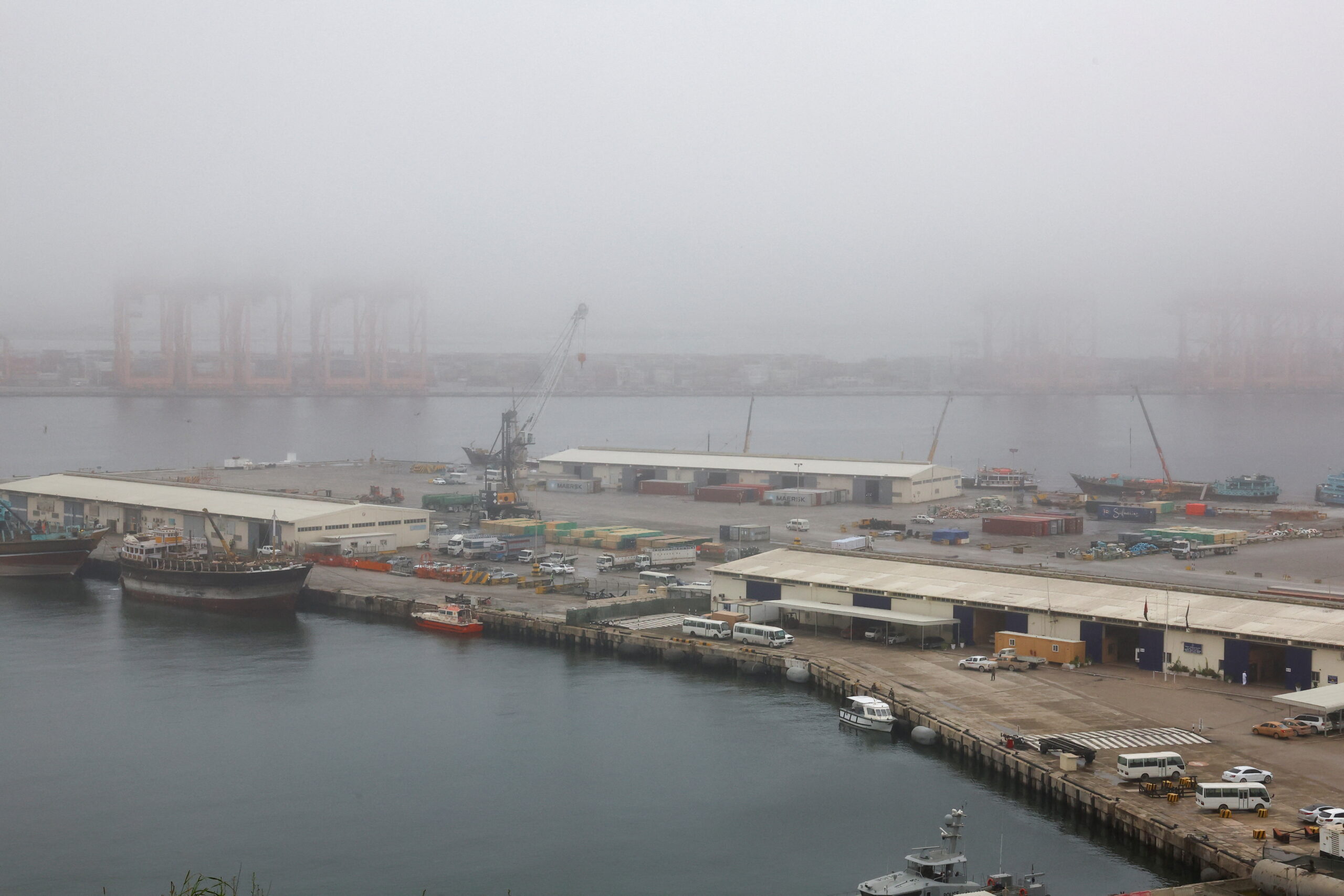
General view of the port of Salalah in Dhofar governorate, Oman, August 6, 2024. (REUTERS/Rula Rouhana)

The Domestic Considerations of Gulf Sovereign Wealth Funds

The trendline of growing domestic roles for regional sovereign wealth funds is coming into sharper focus.

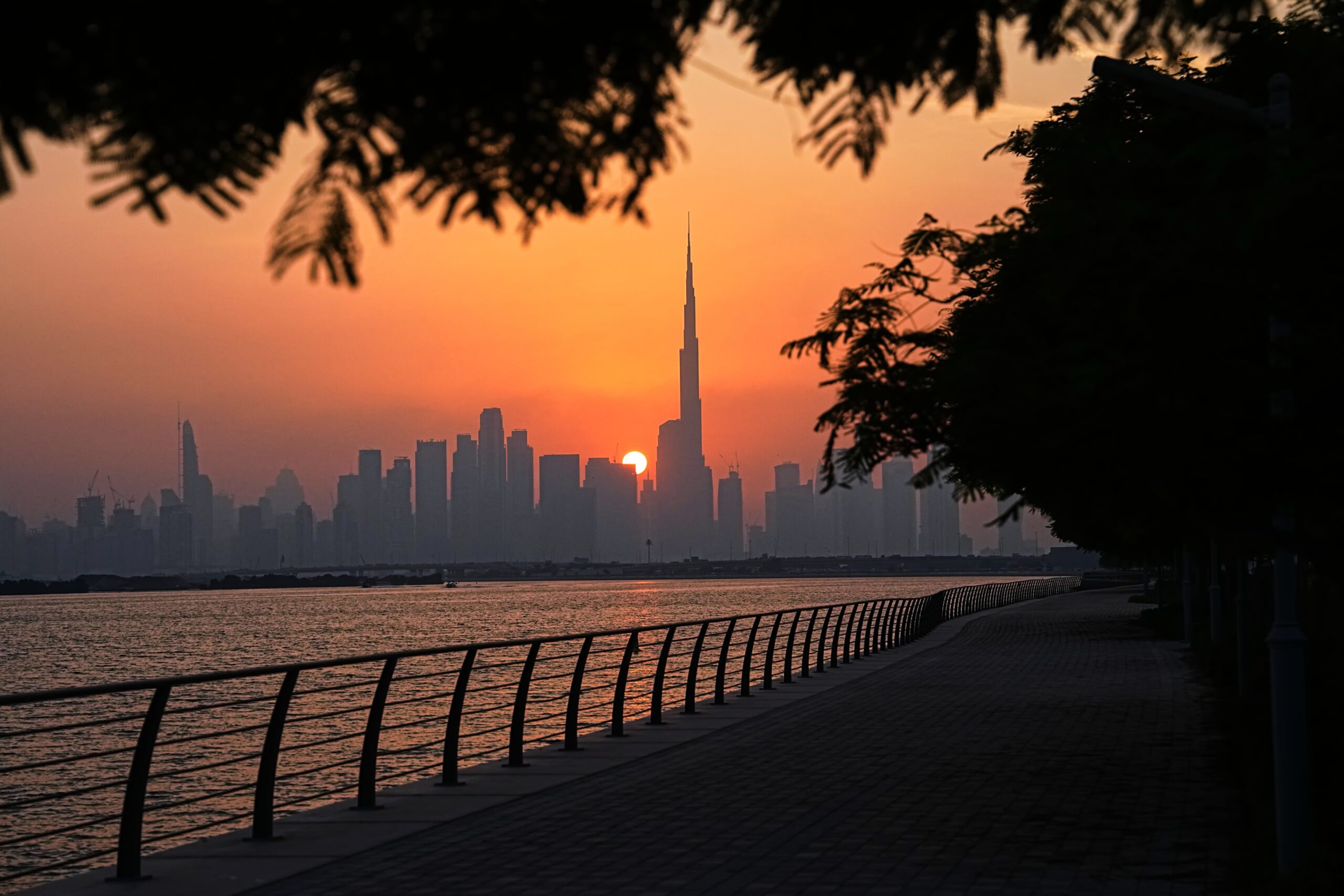
The city skyline with Burj Khalifa is silhouetted during sunset in Dubai, United Arab Emirates, October 15. (AP Photo/Fatima Shbair)

China’s Cautious but Steady Advance in the Gulf

Beijing keeps treading carefully around conflict in the Middle East while seeking opportunities to deepen ties with key country partners through a longer-term regional engagement strategy.

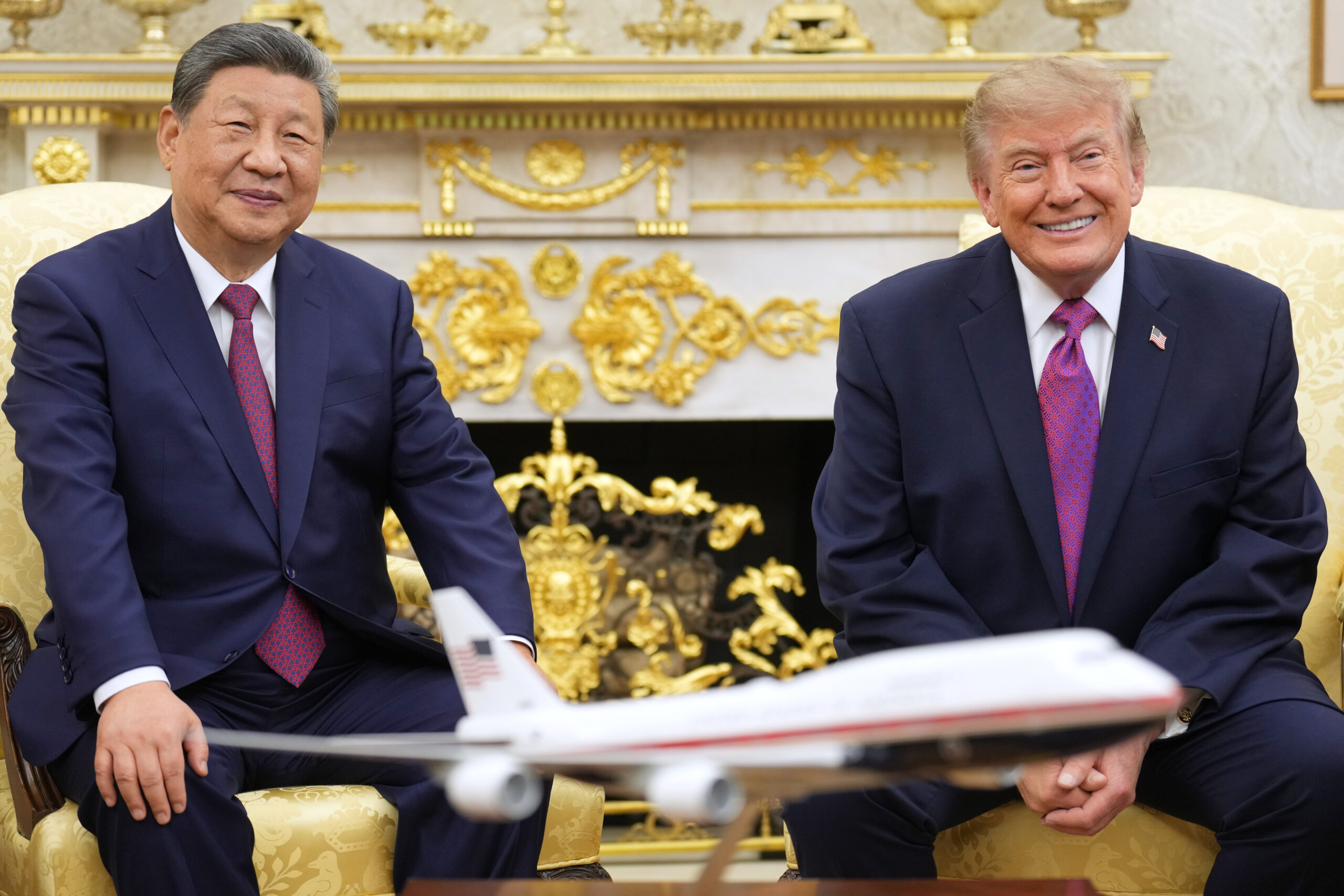
President Donald Trump and China's President Xi Jinping meet in the Oval Office of the White House, September 24, in Washington. (AP Photo/Jacquelyn Martin)

UAE-Iran Relations: Pulling Geoeconomic Levers

The UAE’s decision to halt trade and commercial ties with Iran reflects an exercise in applying carefully calibrated geoeconomic pressure amid an uncertain and evolving geopolitical context.
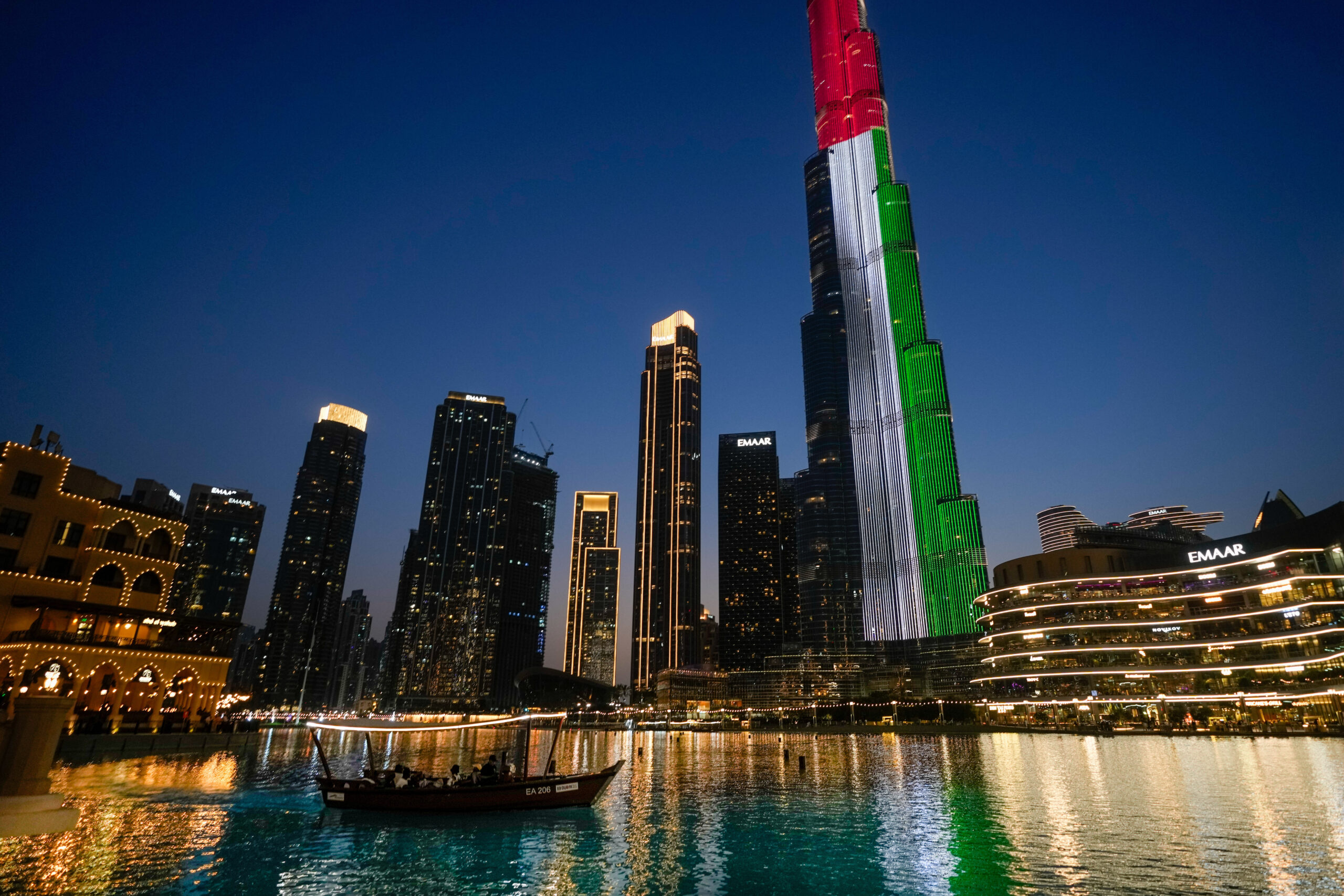
A boat takes tourists to watch a Dubai fountain show as Burj Khalifa, the world's tallest building, is illuminated with the United Arab Emirates national flag colors in Dubai, UAE, May 6. (AP Photo/Altaf Qadri)
View All

Events

Dec 2, 2026

10:00am - 11:00am

Book Launch: The Foreign Policies of the Gulf Cooperation Council

On December 2, AGSI will host a discussion on Gulf foreign policy.

Register
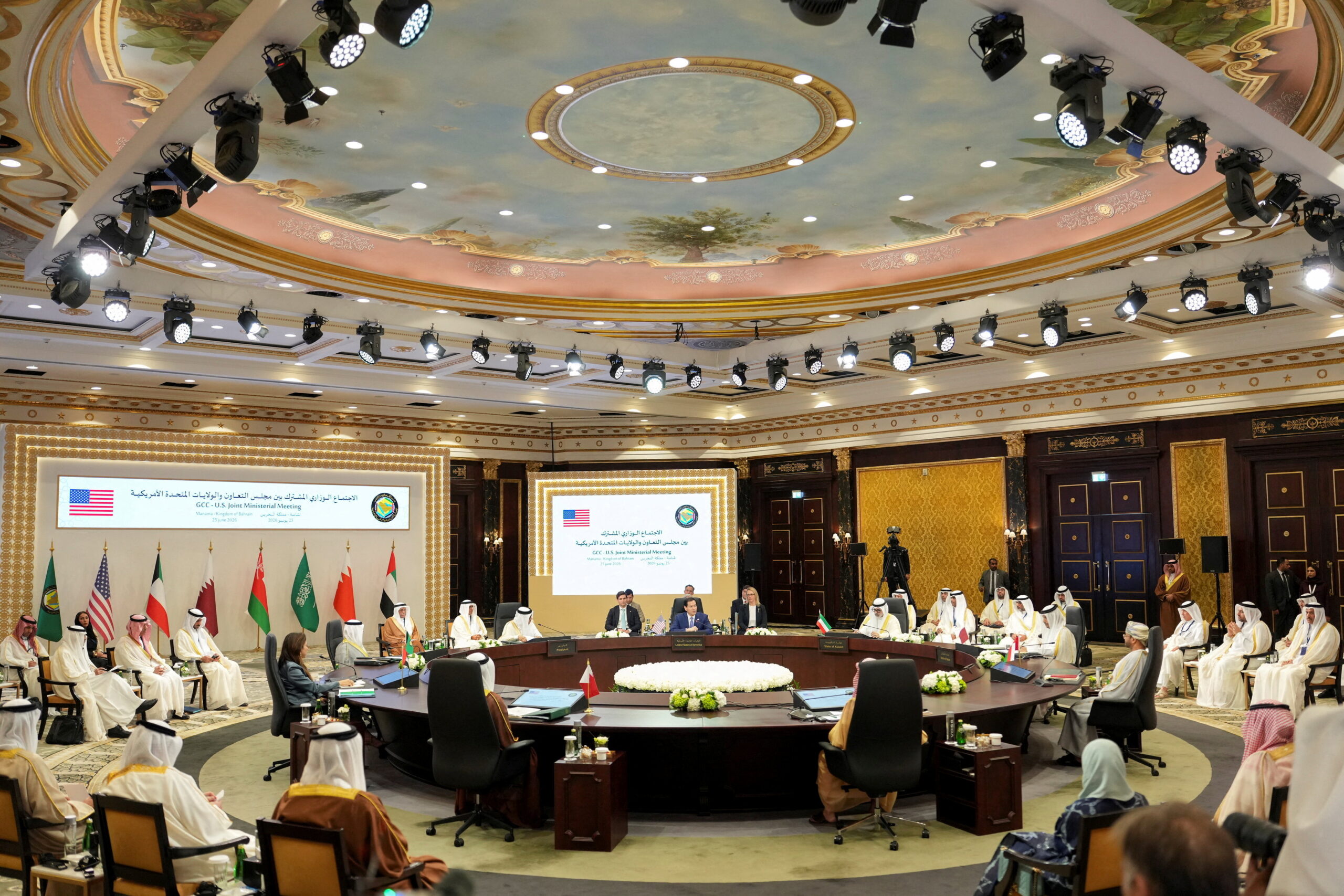
Secretary of State Marco Rubio speaks during a meeting with foreign ministers of the Gulf Cooperation Council states at the Ritz-Carlton in Manama, Bahrain, June 25. (REUTERS/Eric Lee/Pool)

Nov 17, 2026

Unpacking the Gulf’s Tough Diversification Choices

On November 17, AGSI hosted a discussion on Gulf economic diversification challenges after the Iran war.

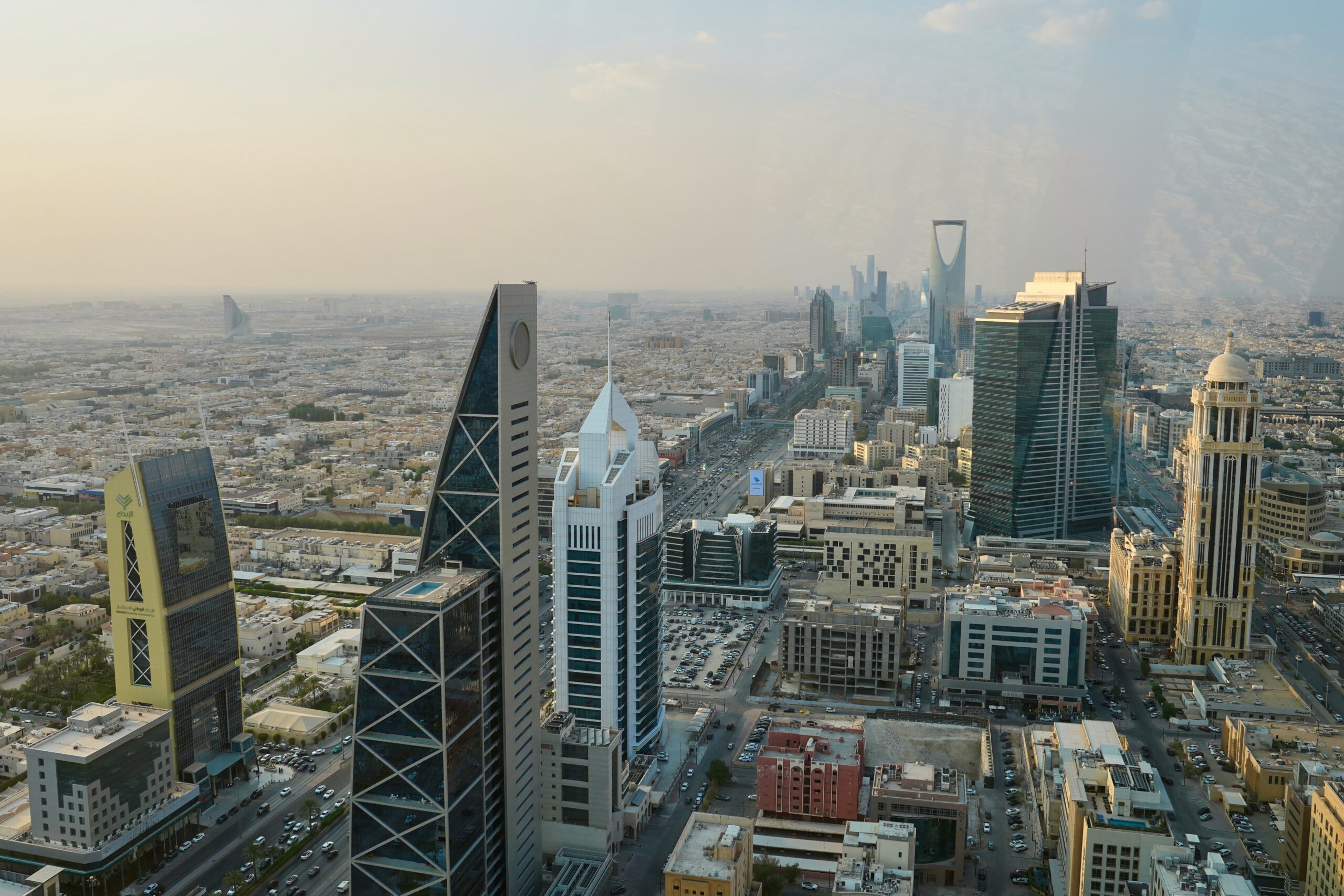
Buildings line King Fahd Road in the Olaya district of Riyadh, Saudi Arabia, October 14. (AP Photo/Baraa Anwer)

Sep 9, 2026

Preparing for the Gulf’s Economic Infrastructure Buildout

On September 9, AGSI hosted a discussion on Gulf infrastructure development post-Iran war.

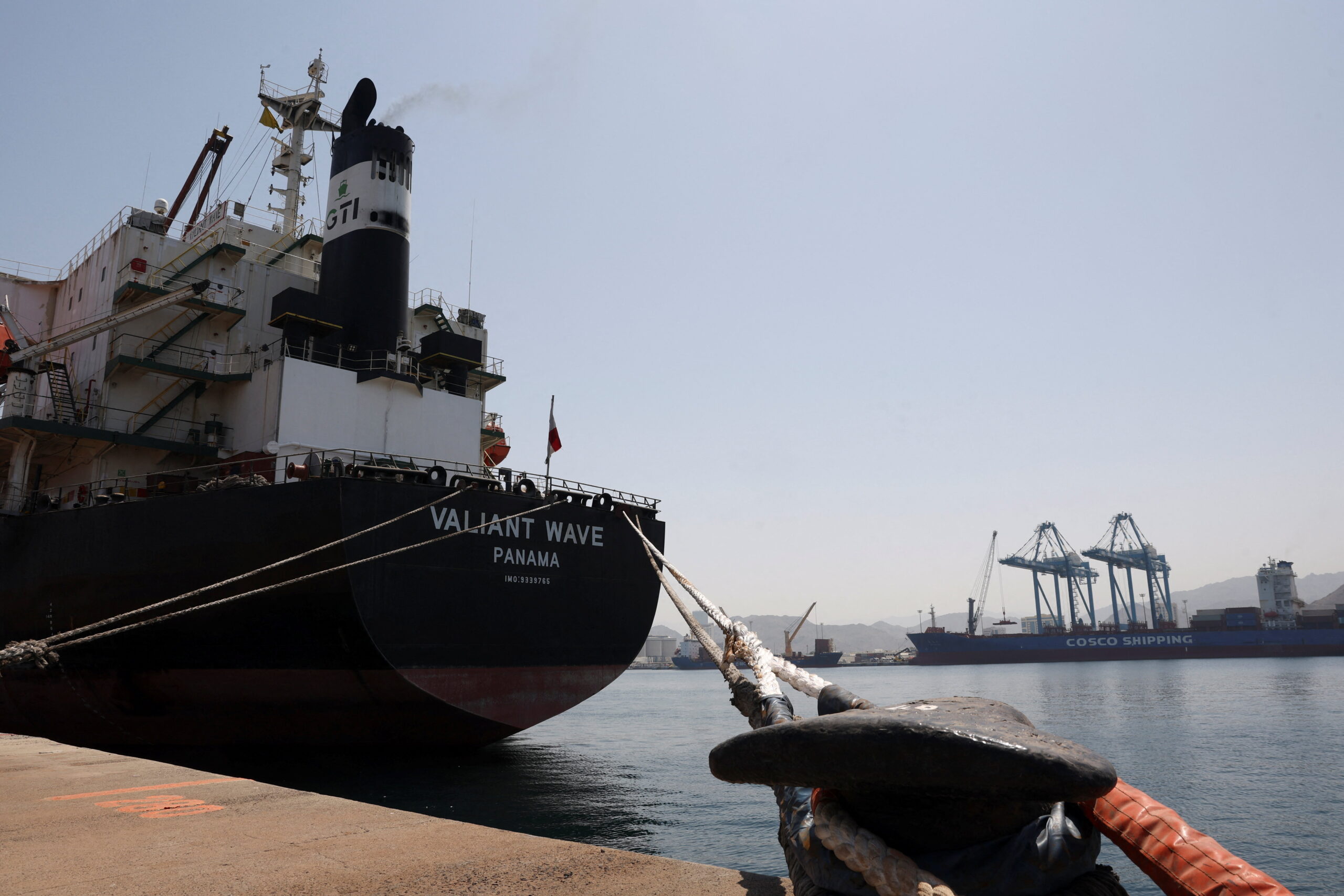
A bulk carrier docked at the Port of Fujairah, as the U.S.-Israel conflict with Iran limits marine traffic in the Strait of Hormuz, in Fujairah, United Arab Emirates, May 6. (REUTERS/Amr Alfiky)
A bulk carrier docked at the Port of Fujairah, as the U.S.-Israel conflict with Iran limits marine traffic in the Strait of Hormuz, in Fujairah, United Arab Emirates, May 6, 2026. (REUTERS/Amr Alfiky)

Aug 25, 2026

The Challenge of Gulf-China Ties: Reassessing Beijing’s Role After the Iran War

On August 25, AGSI hosted a discussion on the impact of the Iran war on Gulf-China relations.

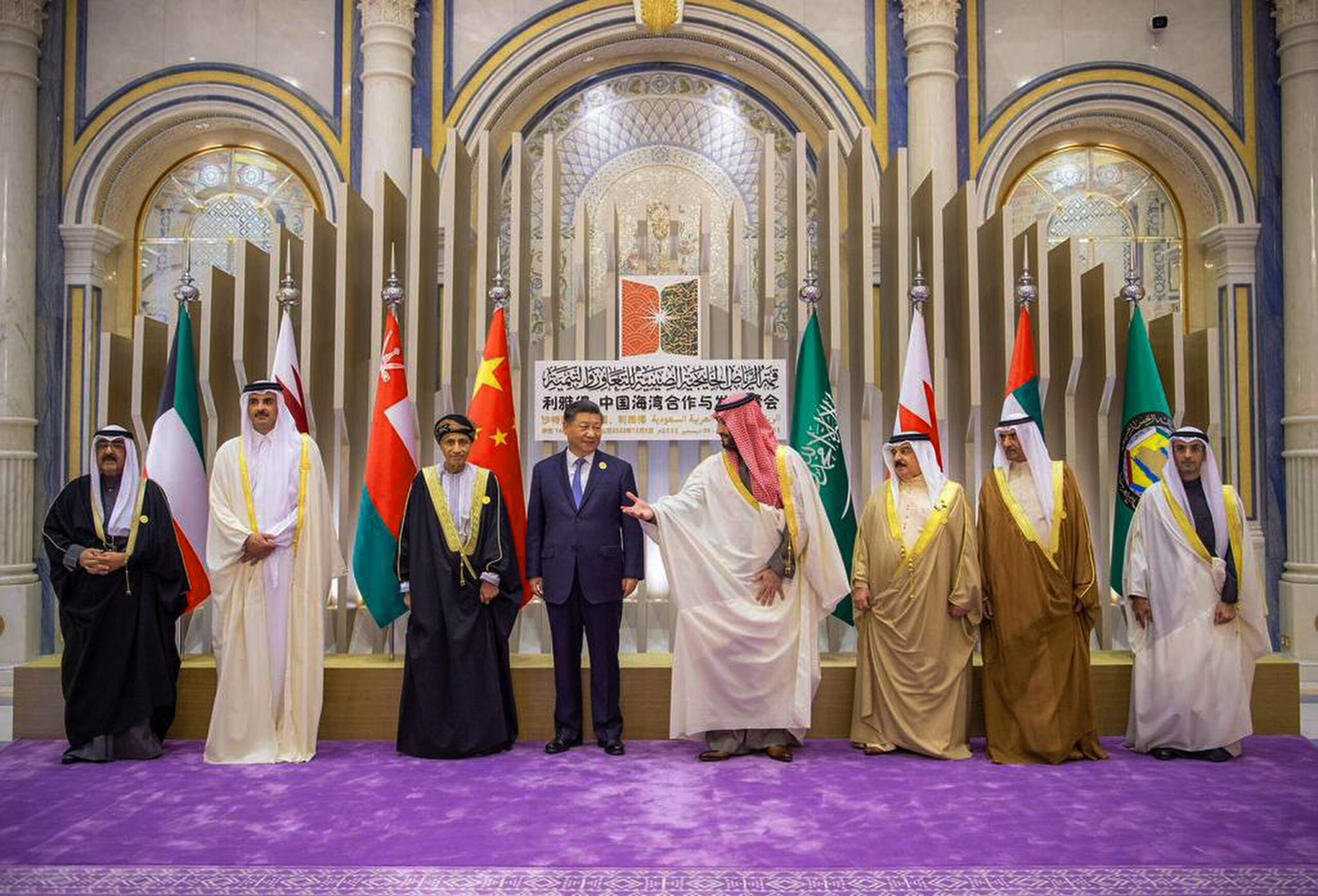
Saudi Crown Prince and Prime Minister Mohammed bin Salman greets Chinese President Xi Jinping after a group photo during the Gulf Cooperation Council summit in Riyadh, Saudi Arabia, December 9, 2022. (Saudi Press Agency via AP)
View All