What Is at Stake if Syria Joins the Mecca Agreement?
Joining the Mecca agreement could offer strategic benefits to both Damascus and its existing members while also introducing political and security complications that could test the agreement’s credibility.
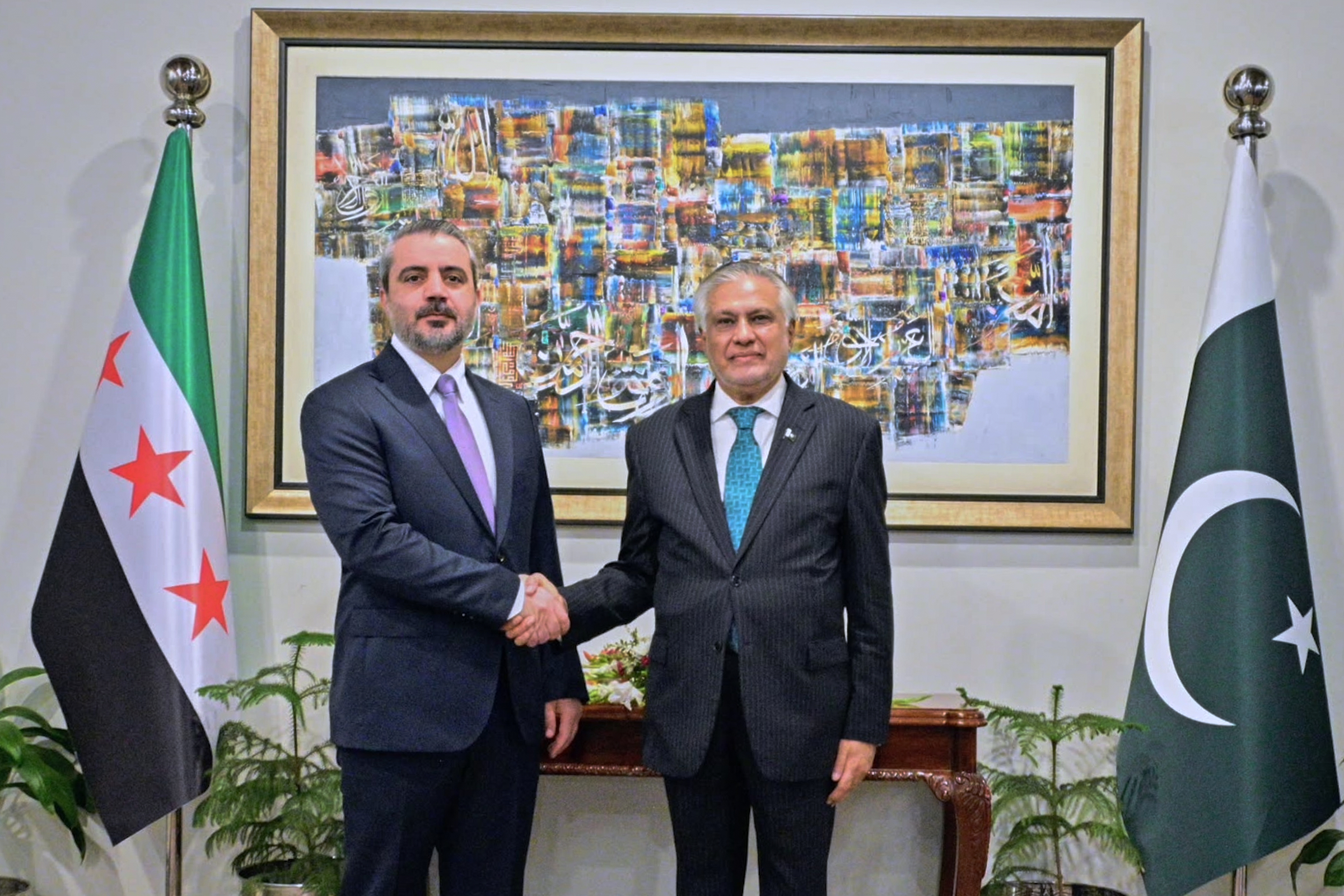
Syrian Foreign Minister Asaad Hassan al-Shibani, left, shakes hands with his Pakistani counterpart Ishaq Dar before their meeting in Islamabad, Pakistan, August 20. (Pakistan Ministry of Foreign Affairs via AP)
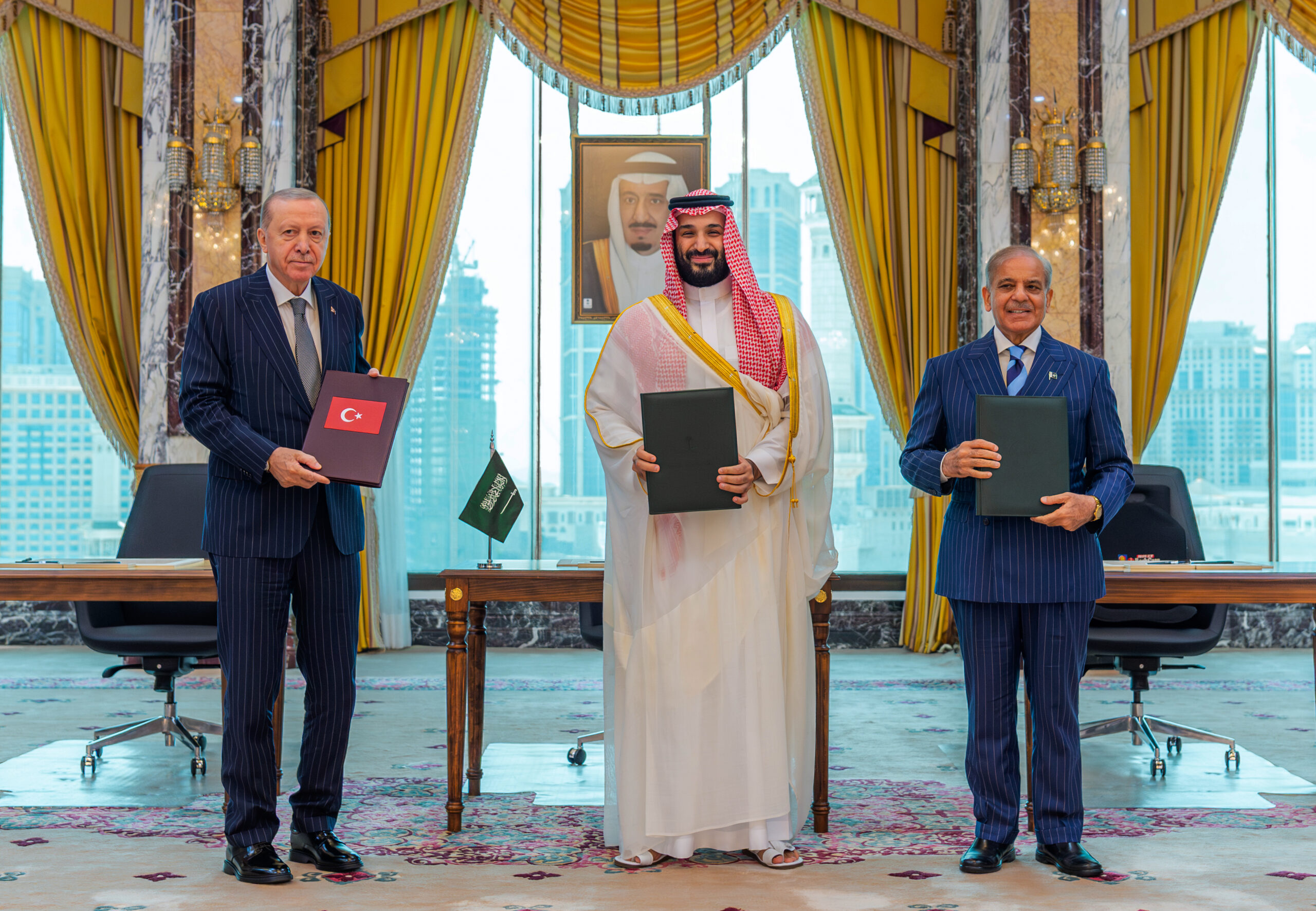
On August 19, Syrian Foreign Minister Asaad Hassan al-Shibani visited Pakistan, marking the first visit by a senior Syrian diplomat to Islamabad in 19 years. During the visit, he met with senior Pakistani officials, including Prime Minister Shehbaz Sharif. Both sides agreed to strengthen bilateral diplomatic, commercial, and security ties. However, perhaps the most notable development was Shibani’s statement that Syria is considering joining the Mecca Joint Defense Agreement, initially signed by Saudi Arabia, Turkey, and Pakistan, though Damascus had not made a final decision yet.
This comes days after Israel struck the Abu al-Duhur air base in northwest Syria, claiming the strikes were intended to prevent Turkey from establishing a military presence there, allegations denied by both Damascus and Ankara. The strikes marked a new escalation in tensions between Israel and Turkey over Syria. Israeli Defense Minister Israel Katz accused Turkish President Recep Tayyib Erdogan of “dragging Turkey into dangerous adventures in Syria,” while Turkey’s defense minister called Israel’s military actions completely “reckless.” U.S. Ambassador to Turkey and Special Envoy for Syria Tom Barrack later condemned the strikes as an “unnecessary escalation” that had brought the two countries “a step away” from direct military confrontation.
Amid this escalation, and the broader security landscape since the start of the Iran war, the prospect of Syria joining the Mecca agreement raises questions about the implications of potential Syrian membership. Joining the emerging security pact could offer strategic benefits to both Damascus and its existing members while also introducing political and security complications that could test the credibility of the agreement.
Incentives for Saudi Arabia, Turkey, and Pakistan
Syria joining the Mecca agreement would provide its existing members with a key strategic advantage: geography. Saudi Arabia brings its geopolitical weight and capital to the pact, Turkey its advanced military capabilities, and Pakistan its large military and nuclear power status. Adding Syria would give the agreement a stronger foothold at the heart of the Middle East given the country’s strategic location.
For Saudi Arabia, this could reinforce its regional leadership. The agreement’s signing in the holy city of Mecca underscores Saudi Arabia’s central role in the pact from the outset. Its expansion could therefore further consolidate Riyadh’s position as the pact’s political and strategic hub. Syria’s accession could also provide Riyadh with an additional channel of influence in Damascus, complementing its significant economic role in Syria’s reconstruction and its diplomatic backing for the country’s international reintegration.
Turkey is Syria’s most important security partner, and the two sides have developed a broad security relationship centered on rebuilding Syria’s military and internal security capabilities. Under their 2025 defense agreement, Turkey provides Syria with military training, technical assistance, and weapons supplies. The two countries also coordinate on counterterrorism and intelligence sharing. Turkish troops also remain in northern Syria in coordination with Damascus. In this context, Syria’s accession to the Mecca agreement could further solidify that security partnership, making the relationship more institutionalized and potentially more durable beyond the close ties between Ankara and the current Syrian government.
As for Pakistan, Syria’s accession could further strengthen its strategic presence and growing influence in the Middle East. Historically, Pakistan has largely been viewed in the region as a Muslim South Asian military power with close defense ties to the Gulf Arab states, particularly Saudi Arabia. However, its founding role in the Mecca agreement and its mediation efforts during the Iran war are positioning Islamabad as an emerging diplomatic and security actor in the Middle East. Given Syria’s extensive need for assistance in rebuilding its military, membership could also create opportunities for Pakistan to provide military training and expand its growing defense exports to Syria.
Benefits for Syria
Emerging from more than 13 years of conflict, Syria is in a vulnerable position and looking for various ways to rebuild its military and security capabilities to help stabilize the country and pave the way for economic recovery. At the same time, the country faces external security threats, not only from Iran and its proxies, which suffered a major blow with the fall of the regime of Bashar al-Assad, but mainly from Israel. Since the fall of Assad, Israel has adopted a hostile military strategy toward Damascus, despite the new Syrian leadership showing continuous interest in diplomatic efforts.
Syria’s nonescalatory strategy has been effective in shaping international opinion against Israel’s intervention in the country. Following Israel’s strikes on the Abu al-Duhur air base, there was broad condemnation and criticism, including from the United Arab Emirates, the United Nations, and Barrack. This approach, however, has not been able to deter Israel thus far. While in theory joining the Mecca agreement could provide Damascus with an additional layer of diplomatic cover and some degree of deterrence, it is easy to envisage scenarios in which Israel uses escalatory military actions in Syria for leverage to pressure Damascus not to take such action. While the collective defense obligation under the Mecca agreement, similar to NATO’s Article 5 principle that an attack on one country is an attack on all, remains vague in terms of how it would be implemented in practice, it could still introduce greater uncertainty into Israel’s strategic calculus when considering future strikes on Syria. For that very reason, Israeli strategic planners and politicians are likely already considering steps needed to prevent Damascus from joining such an alliance.
While the Mecca agreement is not explicitly directed against Tehran, Syria’s accession could provide Damascus with additional military, intelligence, and political support to limit the return of Iranian influence and deter security threats from Iranian-backed groups. Membership could also help Syria diversify its options for rebuilding its military capabilities, potentially giving Damascus access to Pakistani military expertise alongside its already deepening military and security ties with Ankara.
Risks and Challenges
Israel represents the most significant challenge in the event of Syria’s accession to the Mecca agreement. The recent strikes on the Abu al-Duhur air base are the latest indication of Israel’s willingness to use military force to compel Syria to back away from security cooperation actions Damascus sees in its interest. In addition to demonstrated Israeli concerns about Turkey’s actions in Syria, Israel has expressed concern with Pakistan’s growing regional influence and with the Mecca agreement writ large.
By joining, Damascus could also lose some of the foreign policy flexibility it currently enjoys. Unlike the policy adopted by the Assad regime, which tied Syria to an Iranian-led axis that largely shaped its foreign policy, the new leadership has sought to break away from that path by pursuing diplomatic channels with a range of regional and international actors. This has given Damascus greater flexibility as it seeks to solidify international recognition and attract support for the country’s reconstruction. Joining the security pact, however, could potentially place Syria more firmly within a regional bloc, constricting its flexibility as it seeks to manage a challenging array of foreign policy challenges.
Joining the agreement could also affect how other regional players view Syria’s strategic alignment. Syria has managed to deepen diplomatic ties and attract notable investments from several Gulf states, particularly Saudi Arabia, Qatar, and the UAE. Joining an emerging security architecture that includes only one of those three Gulf states could create an unwelcome overlay of complexities to its relations with the Gulf that Syria can ill afford at the present juncture. It is also true that Turkey and Gulf Arab states, such as Saudi Arabia, even as they seek regional security alignment, are competing for influence in Syria, a reality that the Syrian government’s foreign policy team has to manage with artful diplomacy and messaging.
Syria’s potential accession to the Mecca agreement presents both opportunities and risks. For both Syria and the pact’s existing members, the question is not only whether accession offers strategic benefits but whether those benefits outweigh the political and security complications that could follow.
The views represented herein are the author's or speaker's own and do not necessarily reflect the views of AGSI, its staff, or its board of directors.
As the September deadline for the U.S. troop drawdown approaches, Iraq’s period of comfortable neutrality is ending, but the country’s policymakers should not rush into unsustainable alignments.
When regional actors or great powers ask these days what determines the success or failure of their strategies in the region, they are increasingly discovering that developments in Syria heavily shape the outcome.
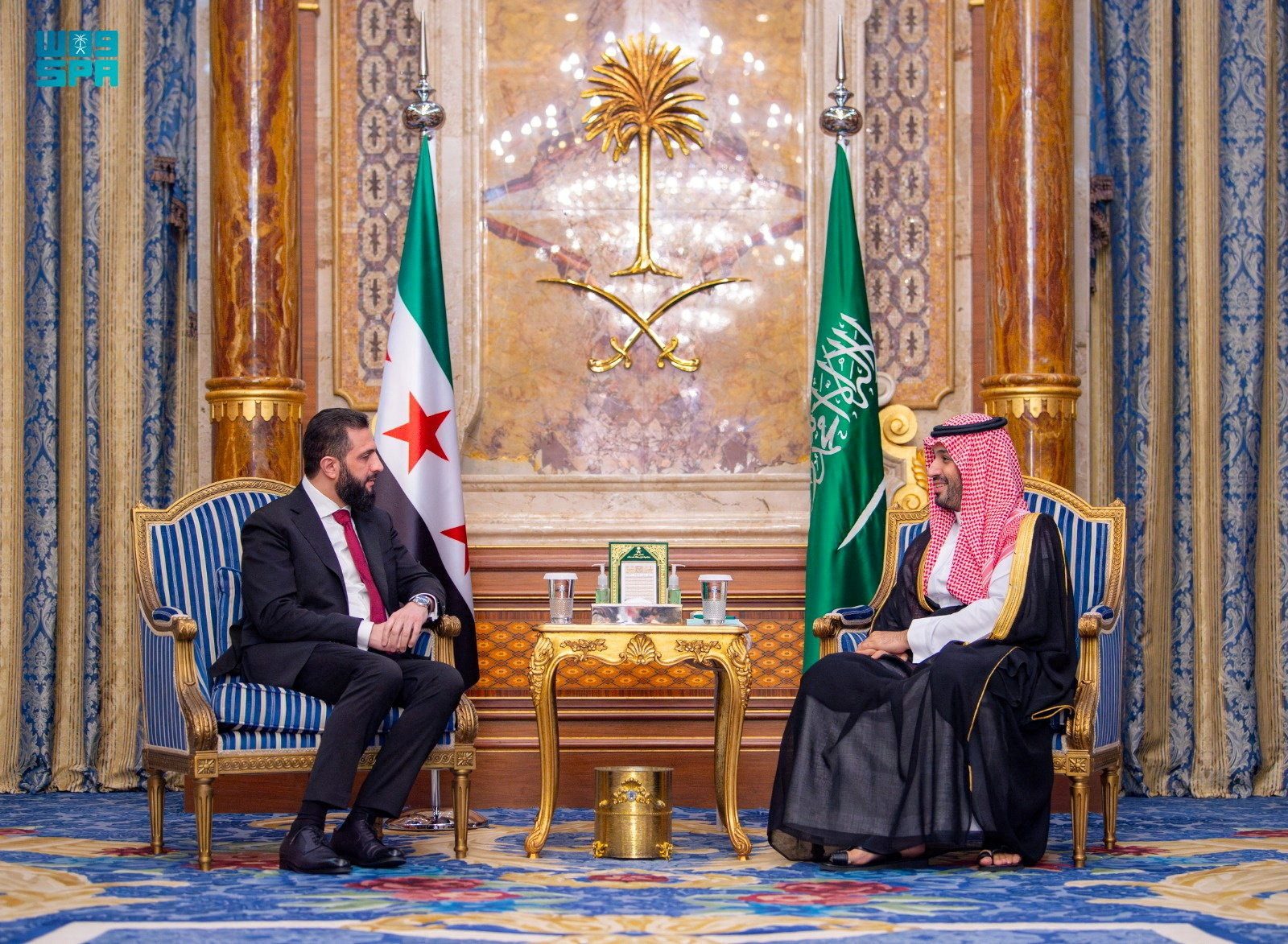
Syria hopes to use the Iran war to deepen its connection to its Gulf Arab partners. Can it compete for inclusion within the regional security order and emerging trade corridors?
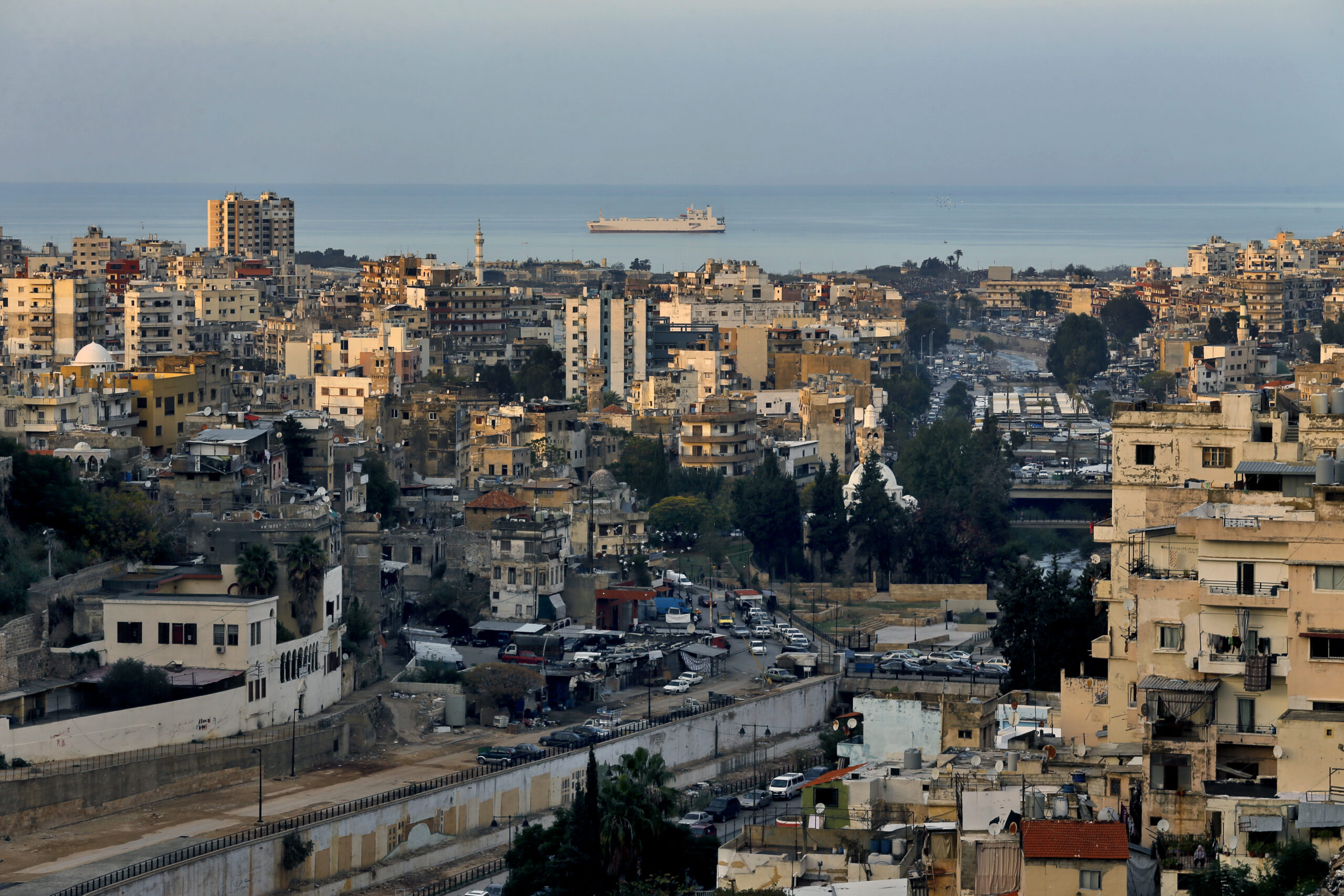
As Gulf countries seek alternative routes beyond the Strait of Hormuz, Lebanon is positioning Tripoli as a complementary Mediterranean gateway alongside Syria, but long-standing political and financial risks could limit serious capital inflows.
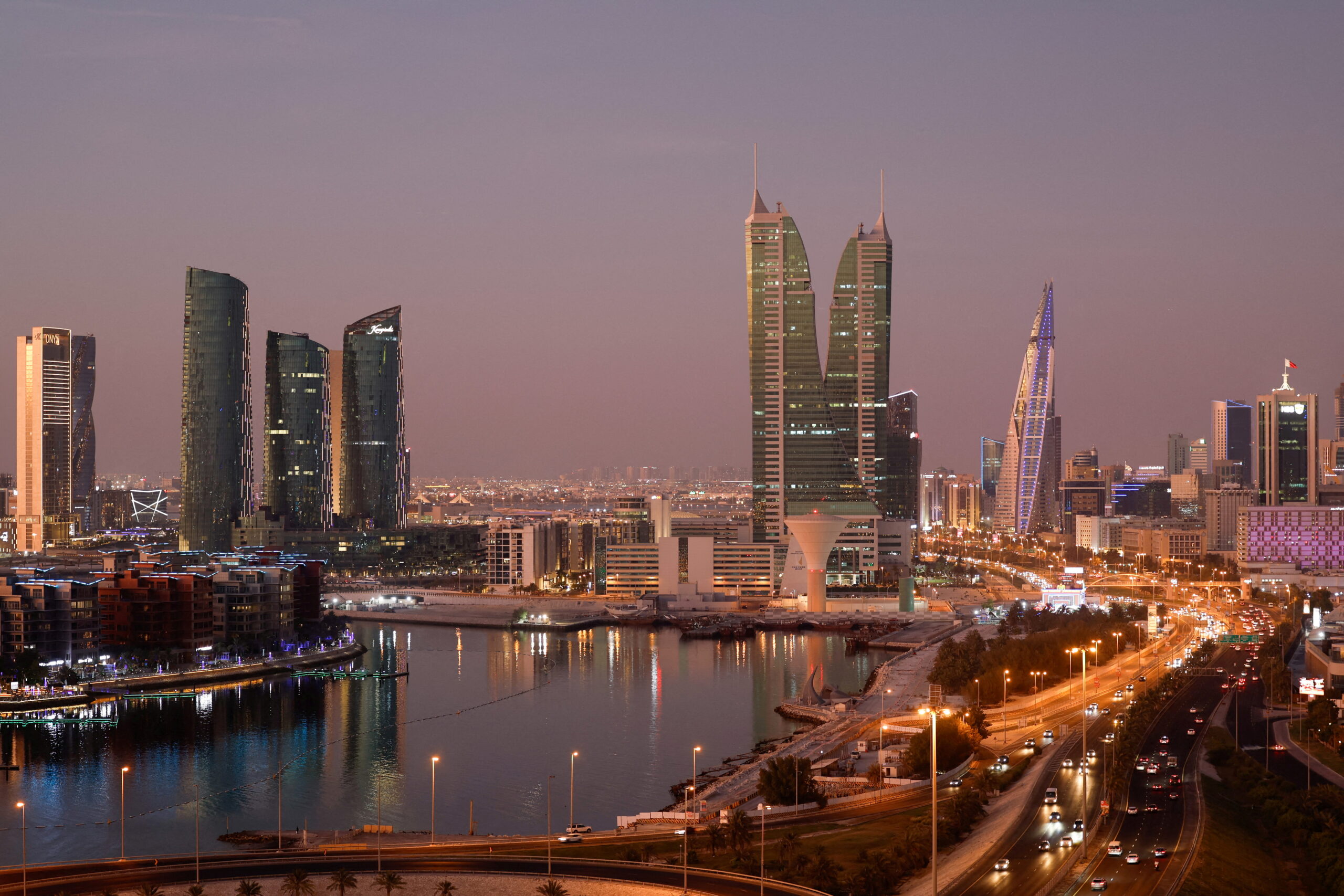
Despite the massive disruptions caused by the Iran conflict, how Bahraini policymakers address structural vulnerabilities moving forward will be the critical determinant of the country’s longer-term economic outlook.
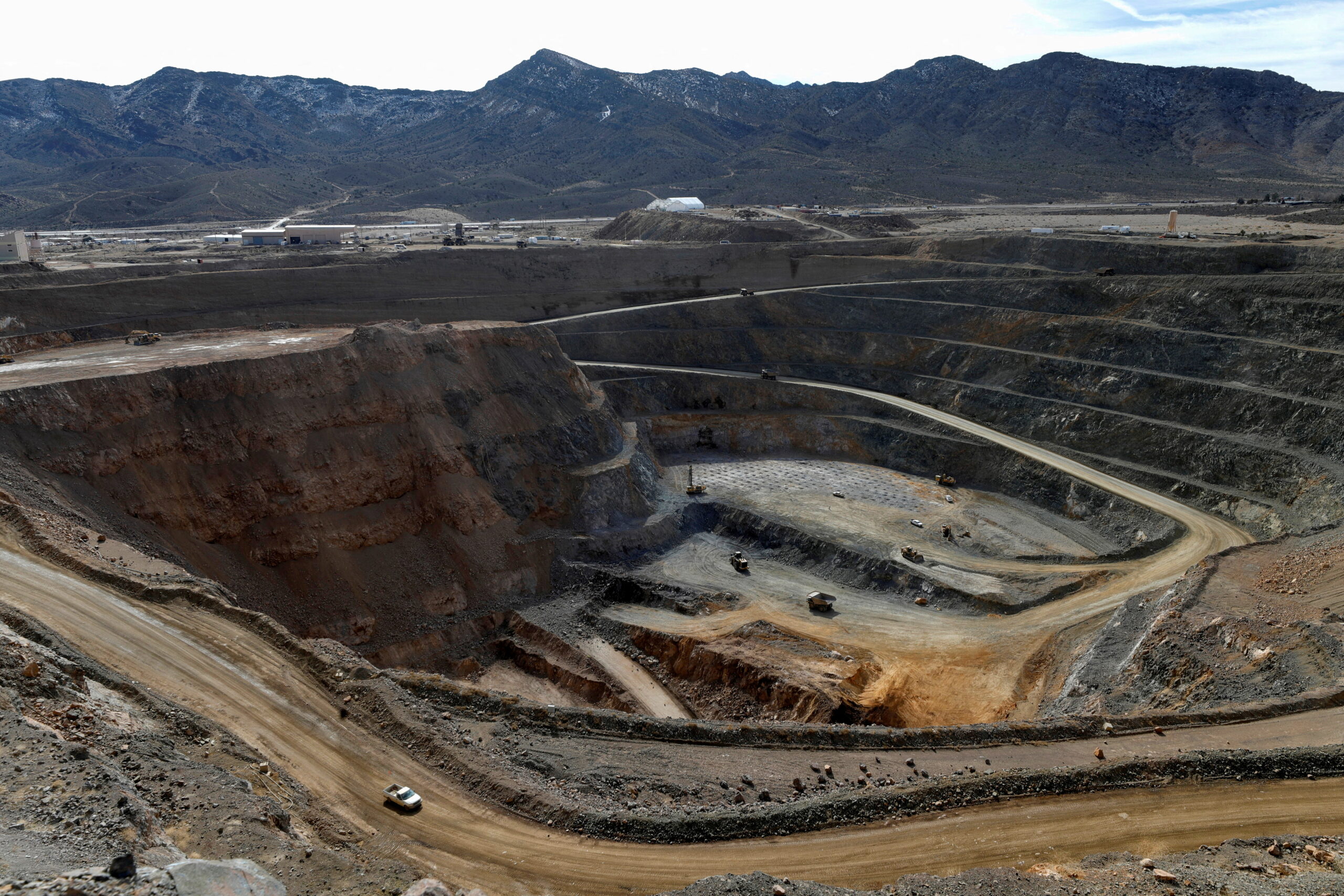
Newly announced joint ventures to build rare earth refineries in Saudi Arabia are part of a larger strategy to capitalize on Western markets’ need for rare earth elements.
New investment deals, mainly from the Gulf states and Turkey, are opening a path for Syrian reconstruction. But the fragile security situation and financial environment remain hurdles for foreign investment.