US-Gulf ties have frayed but are not beyond repair
My visit to the UAE last week strongly reinforced for me that negative misperceptions about Gulf relations with the United States, which in fact remain very strong, are deeply felt and widespread. The sources and context of friction in the relationship are no mystery, especially persistent questions about the Obama administration’s intentions behind the nuclear...
My visit to the UAE last week strongly reinforced for me that negative misperceptions about Gulf relations with the United States, which in fact remain very strong, are deeply felt and widespread.
The sources and context of friction in the relationship are no mystery, especially persistent questions about the Obama administration’s intentions behind the nuclear agreement with Iran. More surprising was the extent to which these anxieties have become so entrenched they actually resist reassurances and evidence to the contrary.
Time and again my Gulf interlocutors, with few exceptions, pushed back strongly against efforts to point out that the fundamentals of the relationship remain very strong.
The American military presence in the region, while of course not as sizeable as during the Iraq war in 2003, or even the First Gulf War in 1991, is nonetheless historically very high and impressive by any standards. Diplomatic traffic is as robust as ever. Investments are also very strong, and in some sectors at historic highs.
These facts are not debated or denied. Yet the misgivings persist.
Pointing out the strength of these objective fundamental indicators of engagement and commitment proved, in most cases, insufficient to dispel the sense that Washington either has, or is preparing to, essentially abandon the Gulf states to their fate, particularly regarding an ascendant Iran.
It’s not about the core realities. It’s about perceptions.
Plainly, trust has been frayed. What’s required therefore, particularly in the run-up to Barack Obama’s upcoming trip to Saudi Arabia and meeting with the GCC leaderships, is serious attention to repairing that basic sense of confidence in each other.
Much of the concern is rooted in statements by the American president, not in speeches or policy statements given in his official capacity, but rather in a series of interviews reflecting his personal views with journalists such as David Remnick, Thomas Friedman and, most recently, notably and damaging, Jeffrey Goldberg.
In these interviews, Mr Obama has implied a sceptical attitude towards US Arab allies, especially Saudi Arabia, held Iran to a much laxer standard regarding human and women’s rights, suggested the Middle East is no longer as important to American interests as it once was, and strongly endorsed some kind of “pivot to Asia”.
Given these comments, and question marks that have arisen over the nuclear deal with Iran, the lack of a robust US response to the war in Syria, and other real and perceived policy issues, concern in the Gulf is understandable.
But not only are the fundamentals of the relationship still sound. Mr Obama’s personal views as expressed in these interviews don’t define and characterise US policy, because the American president is not a king or a dictator and policy is developed and transformed over many years with numerous inputs.
Words matter. But it’s important that words are weighed equally, and the words that are alarming are not given undue emphasis.
Much of what Mr Obama has said, for example regarding Iran’s misbehaviour and sponsorship of terrorism, should be reassuring but passes almost unnoticed.
Moreover, words have contexts that structure their relative significance. Campaign rhetoric, such as we have seen in the Democratic and Republican primary debates, is often not to be taken seriously, as when candidates promise to “tear up” the nuclear agreement with Iran, which will be over a year into implementation when the next president takes office.
Personal musings by political leaders are more serious than campaign rhetoric, but still need to be understood as individual thoughts. This is especially in contrast to formal policy speeches or official statements given as president, cabinet minister or such. There words acquire a much deeper significance than comments in personal interviews.
But by far the most important words are those in the official directives, national intelligence estimates and other core documents that instruct the apparatus of the US government and its officials precisely what policy is and how it should be implemented. These are the words that really define what the United States is doing or not.
There is nothing in these key documents other than a strong American commitment to Gulf security, clear intention to maintain a robust military, diplomatic and economic presence in the region, and a strong opposition to Iran’s aggressive regional policies. Any “pivot to Asia” remains entirely aspirational.
Questions in the Gulf about American policies are understandable.
But the reality on the ground reflects a robust relationship, characterised by American engagement across the board. And so do the primary relevant American policy documents.
Asking questions is reasonable. But one should be ready to take yes for an answer. In this case the answer is a fairly unequivocal yes.
Rebuilding trust is essential, but it’s going to require some fairly heavy lifting in both word and deed on both sides.
In his forthcoming visit to the region Mr Obama should, and no doubt will, emphasise that the United States remains committed to the security and interests of its Gulf allies. But he should have no illusions about the level of doubt he will face, both personally and as president of the United States.
This article was originally published by The National.
The views represented herein are the author's or speaker's own and do not necessarily reflect the views of AGSI, its staff, or its board of directors.
In its new strategy, the Saudi Public Investment Fund seems to focus more on investment returns and less on asset growth. How this will work in practice is less clear, including what it means for the future of existing projects, such as Neom.
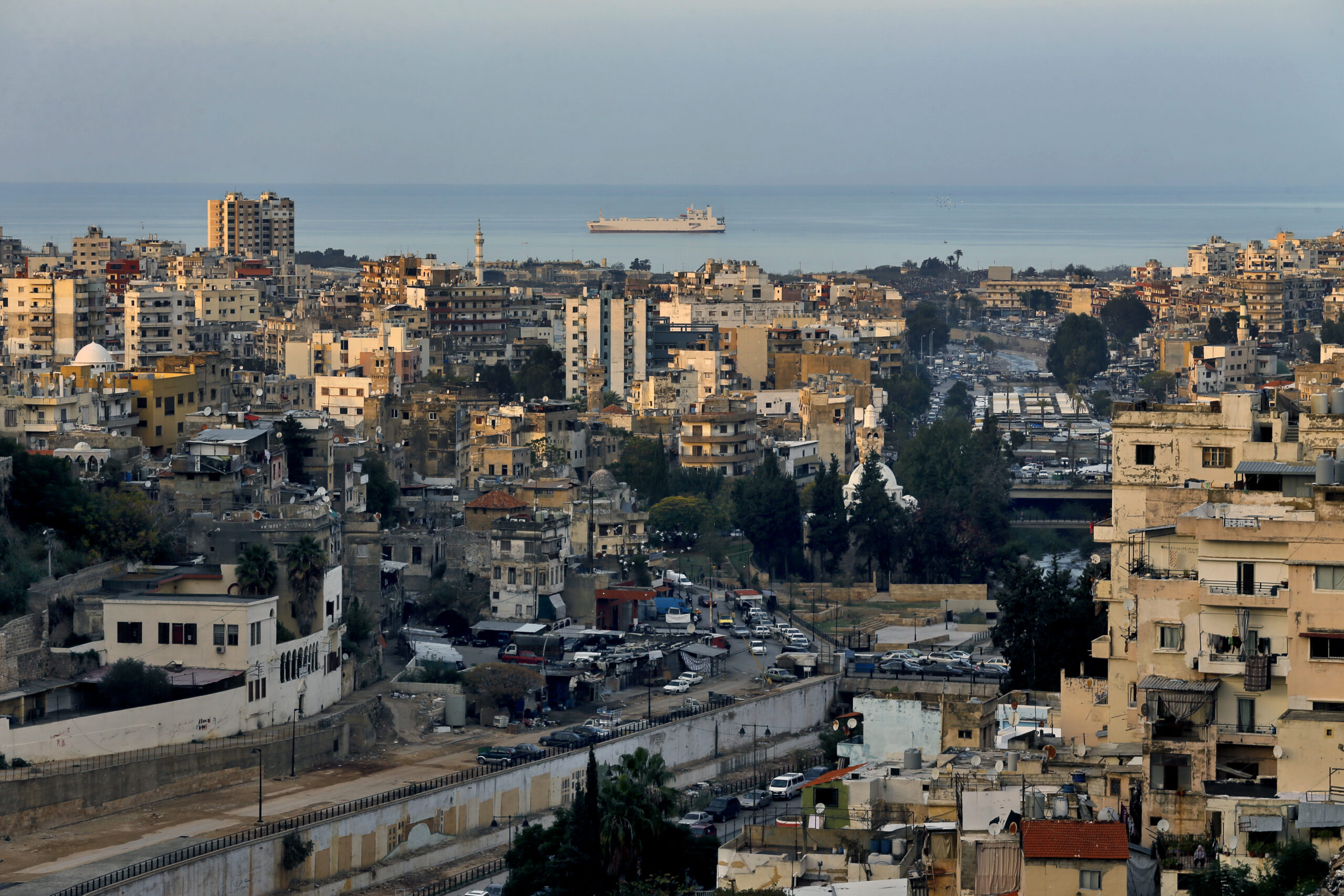
As Gulf countries seek alternative routes beyond the Strait of Hormuz, Lebanon is positioning Tripoli as a complementary Mediterranean gateway alongside Syria, but long-standing political and financial risks could limit serious capital inflows.
President Trump has led the United States into an impossible dilemma in which resuming and intensifying the war presents one set of alarming consequences while ending it under current circumstances offers at least as many disasters for Washington.
The Trump administration has positioned the United States at a crossroads between a new regime of containment against Iran or a historic drawdown of U.S. influence in the Gulf and broader Middle East.
Riyadh and Abu Dhabi urged President Trump not to attack Iran, but now that the war is into its second month, leaving the current situation in place would be an unthinkable fiasco for them.
Though they were unsuccessful in preventing the current conflict, and, as expected, have been dragged into the U.S.-Israeli confrontation with Iran, Gulf Arab countries remain crucial to hopes for limiting the war and bringing it to a quick resolution.













Apr 12, 2016
US-Gulf ties have frayed but are not beyond repair
My visit to the UAE last week strongly reinforced for me that negative misperceptions about Gulf relations with the United States, which in fact remain very strong, are deeply felt and widespread. The sources and context of friction in the relationship are no mystery, especially persistent questions about the Obama administration’s intentions behind the nuclear...
4 min read