Trump’s Impossible Dilemma: Return To War With Iran or Not?
President Trump has led the United States into an impossible dilemma in which resuming and intensifying the war presents one set of alarming consequences while ending it under current circumstances offers at least as many disasters for Washington.
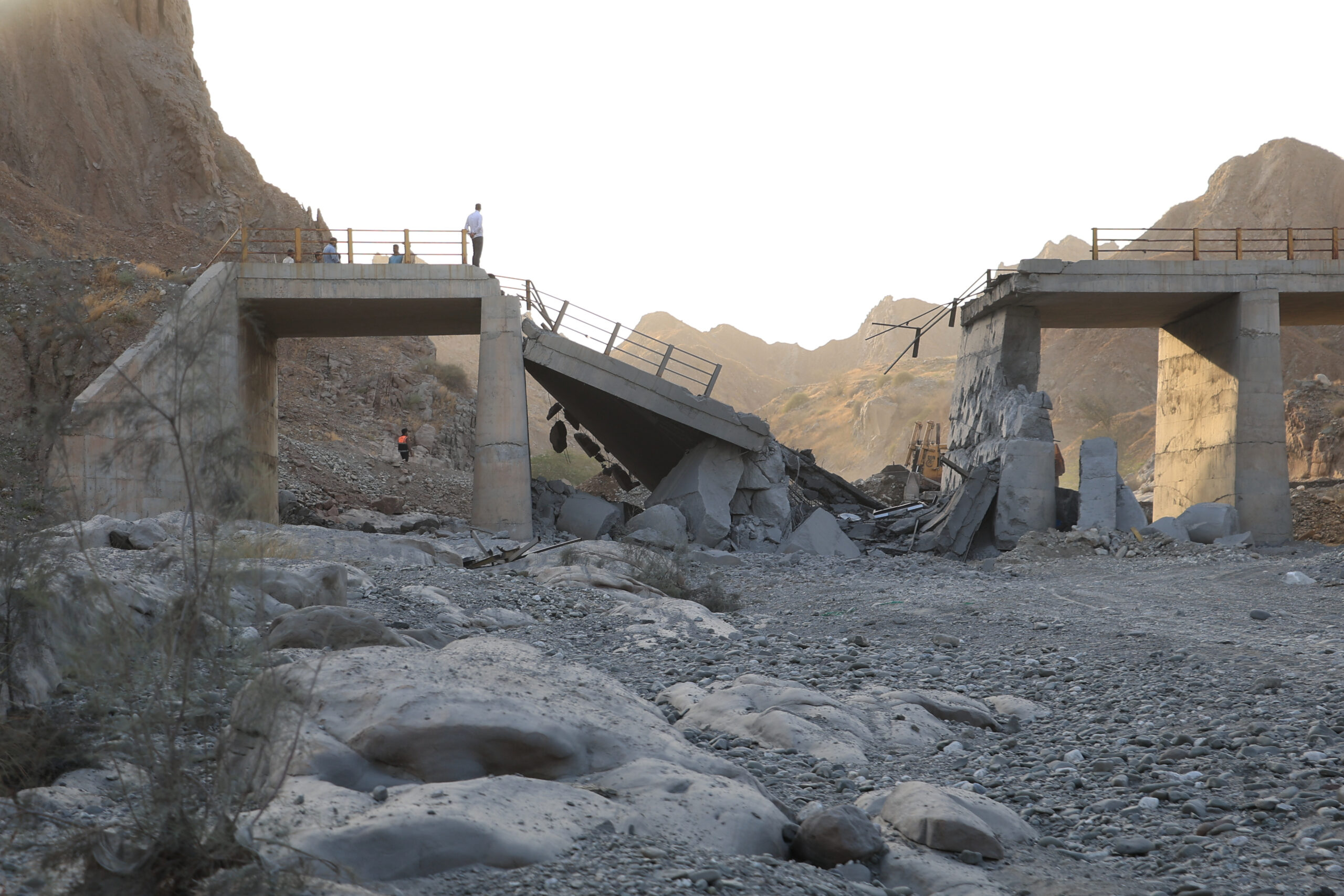
People stand on a bridge destroyed after a strike in Hormozgan province, southern Iran, July 18. (Amirhosein Khorgooi/Iranian Students' News Agency via AP)
Given the off again-on again tit for tat series of strikes and counterstrikes in the Gulf region, now extending to the Houthi Yemeni rebels and Saudi Arabia in the Bab el-Mandeb strait, it is unclear whether the United States and Iran are returning to a state of war or ending the conflict that began in late February. The regime in Tehran has maintained a series of clear positions: It soundly defeated Washington in the conflict, is now in unchallenged control of the Strait of Hormuz, is under no obligation to compromise further on nuclear enrichment, and is ready to match and escalate anything the United States can throw at Iran. President Donald J. Trump, by contrast, has issued a long series of inconsistent, confusing, and contradictory statements, running the gamut from threats to virtually obliterate Iranian society or launch a devastating series of attacks aimed at Iran’s critical infrastructure all the way to claiming that the regime in Tehran is “begging” for new negotiations and prepared to offer Washington extremely advantageous terms and that he not only prefers negotiations, he is about to prevail because of them. In the most recent about-face, Trump blustered about a potential devastating bombardment of Iranian infrastructure and strategic assets. However, he reportedly has consistently postponed any potential major escalation, and even halted U.S. attacks altogether, in part because the U.S. military is running low on its inventory of critical antimissile defense weaponry.
During the war, Iran has been rewriting the contemporary strategic and military playbook just as Ukraine has since Russia’s 2022 invasion. Both Ukraine and Iran have used relatively inexpensive but potent drones to strike strategic targets deeply and often accurately at mid and even long range. This has forced Russia and the United States, respectively, to absorb devastating conventional blows and expend large numbers of antimissile defense systems that often cost millions of dollars against drones that typically range between $10,000 and $30,000 each.
Another factor that has greatly advantaged Ukraine and Iran is that they are fighting existential battles, virtually without restraint and with a willingness to absorb almost any amount of damage. In each fight, both seemingly maintain strong popular support based on the nature and identity of the external foe, in both cases, long-time antagonists. The combination of huge gaps in the financial and political costs of open-ended warfare along with revolutionary advances in the deployment of drones has created a new paradigm for “the power of the weak” in such existential struggles that the smaller power can utilize as a strategic advantage over larger and traditionally more potent powers.
If that’s true, as it seems, it’s one of the major factors inhibiting Trump from launching a new major barrage, and it would serve as a crucial confirmation of this paradigm shift in contemporary warfare. The lesson will be carefully learned the world over.
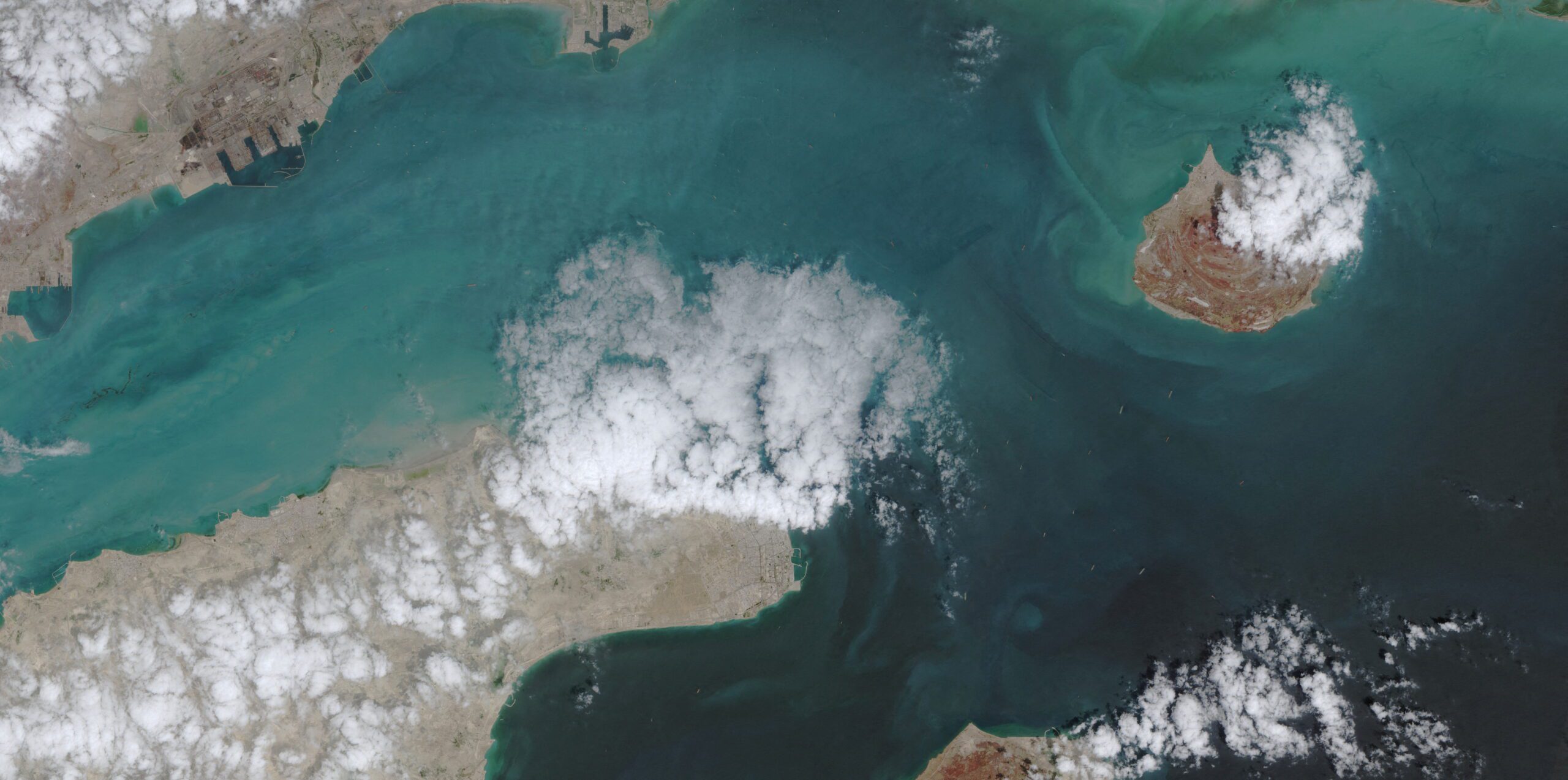
The June 14 memorandum of understanding signed between the United States and Iran was meant to provide at least 60 days without strikes and, especially, unrestrained commercial navigation without fees in the Strait of Hormuz. However, the agreement’s vague language was always going to lead to disputes over contentious issues, especially the strait, after that time frame. Iran, however, seemingly concluded that Trump was so averse to returning to open-ended warfare, and, especially, the massive and escalatory bombardment that would be required to alter the strategic equation between the two countries, that Tehran began implementing its own vision, including Iranian control of the strait, long before the 60 days had expired. The Iranian regime moved rapidly and aggressively to compel ships to use the northern passage that is near to, and under the control of, Iran as opposed to the southern passage that is adjacent to, and nominally under the control of, Oman.
Iran asserted that the language of the memorandum allowed it to impose mandatory “service fees” on commercial shipping even during the 60 days that Washington argued ensured no fees whatsoever for safe passage of commercial shipping in that critical waterway. Moreover, Tehran insisted that commercial shipping must traverse the northern passage rather than the southern passage.
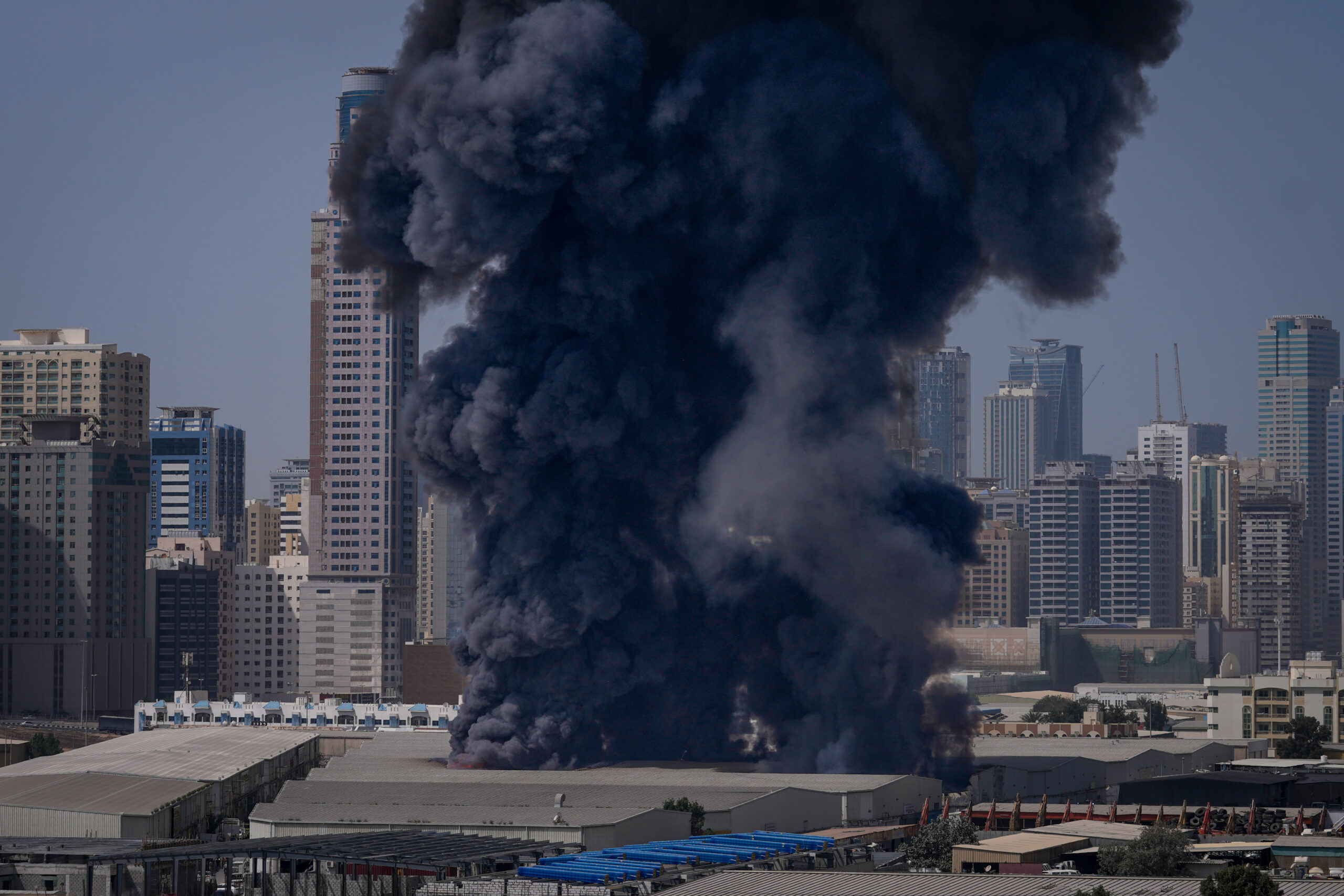
On July 7, Iran struck three unarmed commercial vessels traversing the southern passage. Washington immediately canceled Iran’s waiver that allowed it to sell oil internationally up to August 21. At a July 8 NATO summit, Trump declared the memorandum “over” and launched a series of strikes against strategic Iranian targets. Iran responded by attacking U.S. assets in Jordan and elsewhere. Escalating strikes on both sides through mid-July suggested a resumption of the war. On July 14, Trump reinstated the U.S. blockade on Iranian ports and threatened to strike Iranian power plants and bridges unless Tehran returned to negotiations with Washington. From July 17-18, the United States hit Iranian highway and rail bridges – apparently intended to cut Bandar Abbas off from Tehran – as well as a desalination plant in southern Iran, leaving 10,000 people without adequate drinking water.
Four more U.S. troops have been killed since July 17, bringing the total to either 14 or 18, depending on the source. Over 600 have been injured, including 100 since mid-July. Given rising domestic U.S. opposition to the conflict, which was never authorized by the Senate, in late July the House of Representatives passed a resolution opposing the conflict, and a similar measure nearly passed in the Senate. The price of gasoline at the pump continued to rise, putting additional pressure on the White House and Republicans in Congress.
Most alarming, the war between Saudi Arabia and the Iranian-backed Houthi rebels in Yemen resumed on July 20, including attacks on Yanbu, which had been handling 92% of Saudi crude oil exports. For the first time, the crucial Bab al-Mandeb strait became a factor in the conflict, potentially adding major new pressure on global maritime traffic, especially regarding energy. Further expanding the map of the conflict, Iran blamed Ukraine for a drone strike that killed an Iranian sailor in a vessel in the Caspian Sea, Iran’s northern access to ports and military and commercial shipping. The war appeared to be not only back on but spreading alarmingly.
On July 24, for reasons that have only been hinted at, the United States halted bombing attacks against Iran, which also ceased its counterattacks. Both sides apparently assured mediators they were open to another agreement and ready to negotiate. However, only technical talks have reportedly resumed. At a July 24 White House meeting, Vice President JD Vance and senior military officials reportedly warned the president about depleted stockpiles of crucial antimissile systems.
However, fighting between Saudi Arabia and the Houthis continues, with the Yemeni group having declared a blockade of Saudi Arabia on July 20. Both sides have said they regard the 2022 truce expired, and Iran has been shipping personnel and equipment to its Yemeni clients. While bombardment between Washington and Tehran appears to be on hold, shipping in the Gulf continues to be tremendously reduced. Iran rejected a U.S. cease-fire proposal transmitted by the prime minister of Iraq on July 23.
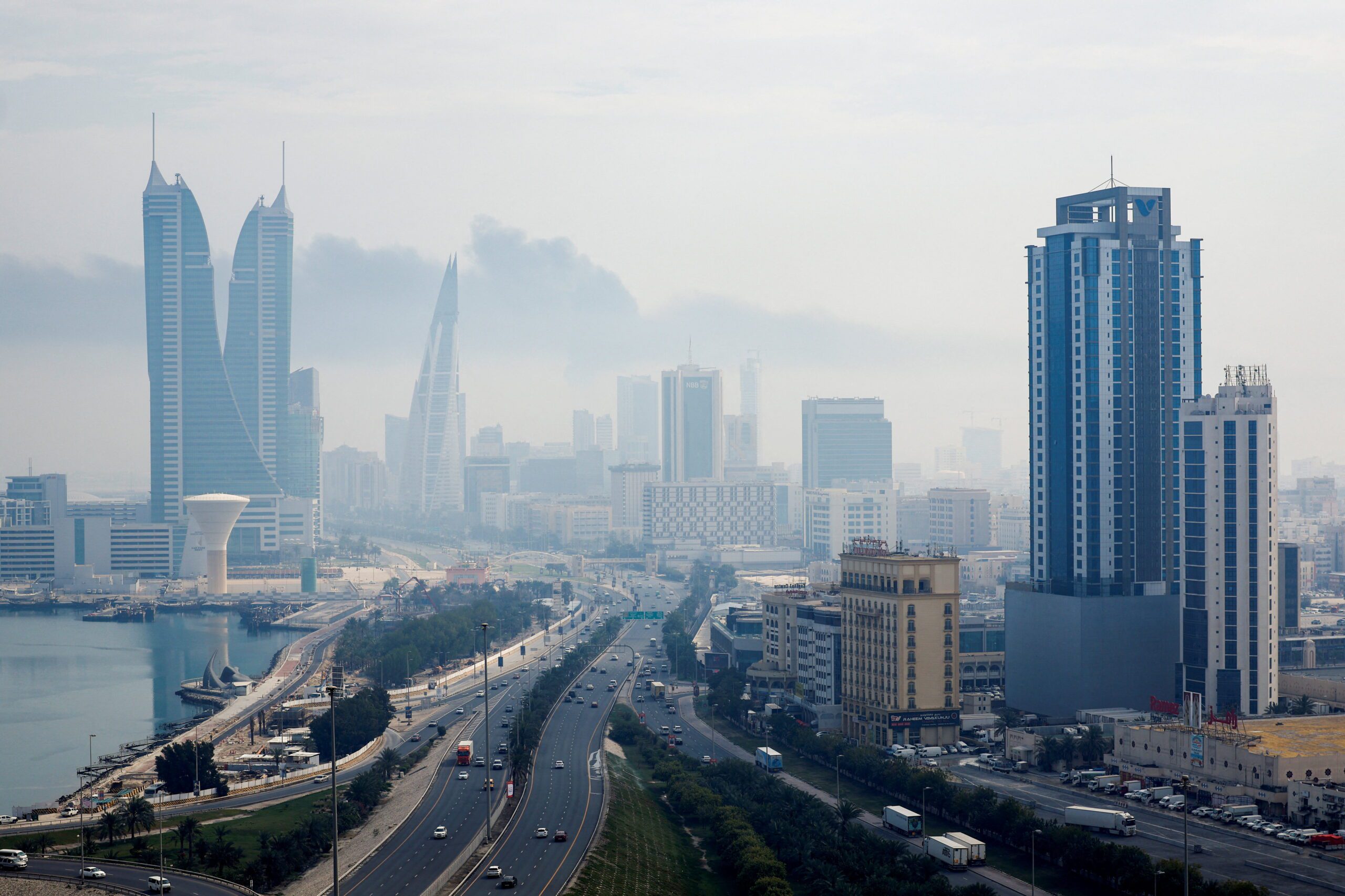
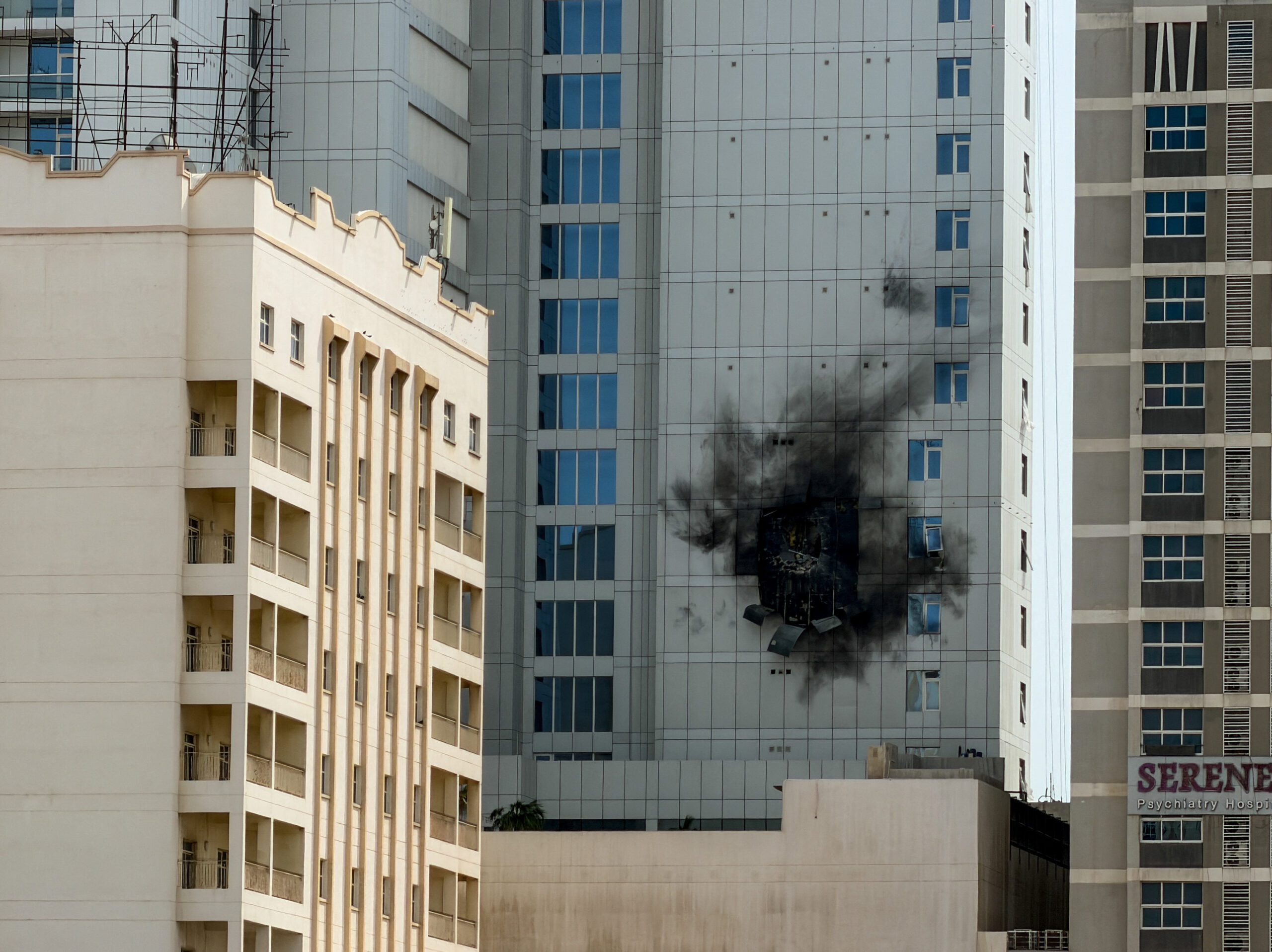
As usual, the Gulf Arab states have been the primary targets of Iran’s retaliatory bombardment, even though they have been careful to avoid, for the most part, active engagement in the conflict. In recent weeks, Iran’s main targets have been Bahrain and Kuwait along with U.S. facilities in Jordan and Iraq. The Gulf Arab countries have been torn between the short-term need to restore deterrence against Tehran with the imperative to create a regional security structure that, at least, Iran can live with or, preferably, that formally involves Iranian participation to restore calm into the foreseeable future. These priorities do not reinforce each other and, to some extent, appear to be contradictory. Therefore, as with much of the rest of this conflict, Gulf Arab countries are facing an impossible dilemma of their own. Some are reportedly considering active engagement in the conflict against Iran, while others are redoubling their efforts at mediation.
Washington, meanwhile, may be facing a macrohistorical inflection point regarding U.S. engagement, not merely in the Gulf, but in the broader Middle East and much of the rest of the eastern hemisphere. Trump appears to have maneuvered himself into an unenviable crossroads with two possible decisive directions. The United States can begin to lead an aggressive and open-ended containment regime against Iran aimed primarily at preventing Iran from becoming a nuclear power and ensuring freedom of commercial navigation in the Gulf waters and perhaps the Red Sea. That would reassert U.S. power projection in the region, reassuring U.S. allies and restoring the U.S. role as a security guarantor for those strategically vital areas. Alternatively, Washington might begin to draw down its military and strategic commitment, effectively recognizing Iran’s rise as the new and increasingly unchallenged hegemon in the Gulf region.
The second path would be particularly bitter for Trump, since it would ensure precisely the opposite outcome of the one he has sought through this war. His main goal, at least initially, was the highly implausible downfall of the Islamic Republic. Given that no regime has ever fallen under the weight of external bombardment or sanctions alone, it was extremely unlikely that Iran would be the first state to experience such an externally imposed regime change at a distance. And, of course, it did not happen. His backup plan appears to have been a “Venezuela scenario” in which elements within or close to the existing power structure would negotiate an arrangement with Washington in which they would attend to the most essential elements of the U.S. agenda in the region while remaining in power. Not only did this not happen in Iran, the war appears to have hastened the rise of a de facto military-dominated state in Iran, largely under the control of the Islamic Revolutionary Guard Corps, significantly more confrontational and implacable than the one led by Supreme Leader Ayatollah Ali Khamenei, who was killed by strikes in the initial phase of the war.
His son, Mojtaba, is nominally the new supreme leader, but he was reportedly badly injured around the same time his father and many other close relatives were killed, and he has not been seen publicly since he ascended to the position. Instead, Iran is reportedly being run by a five-member committee that is highly aggressive.
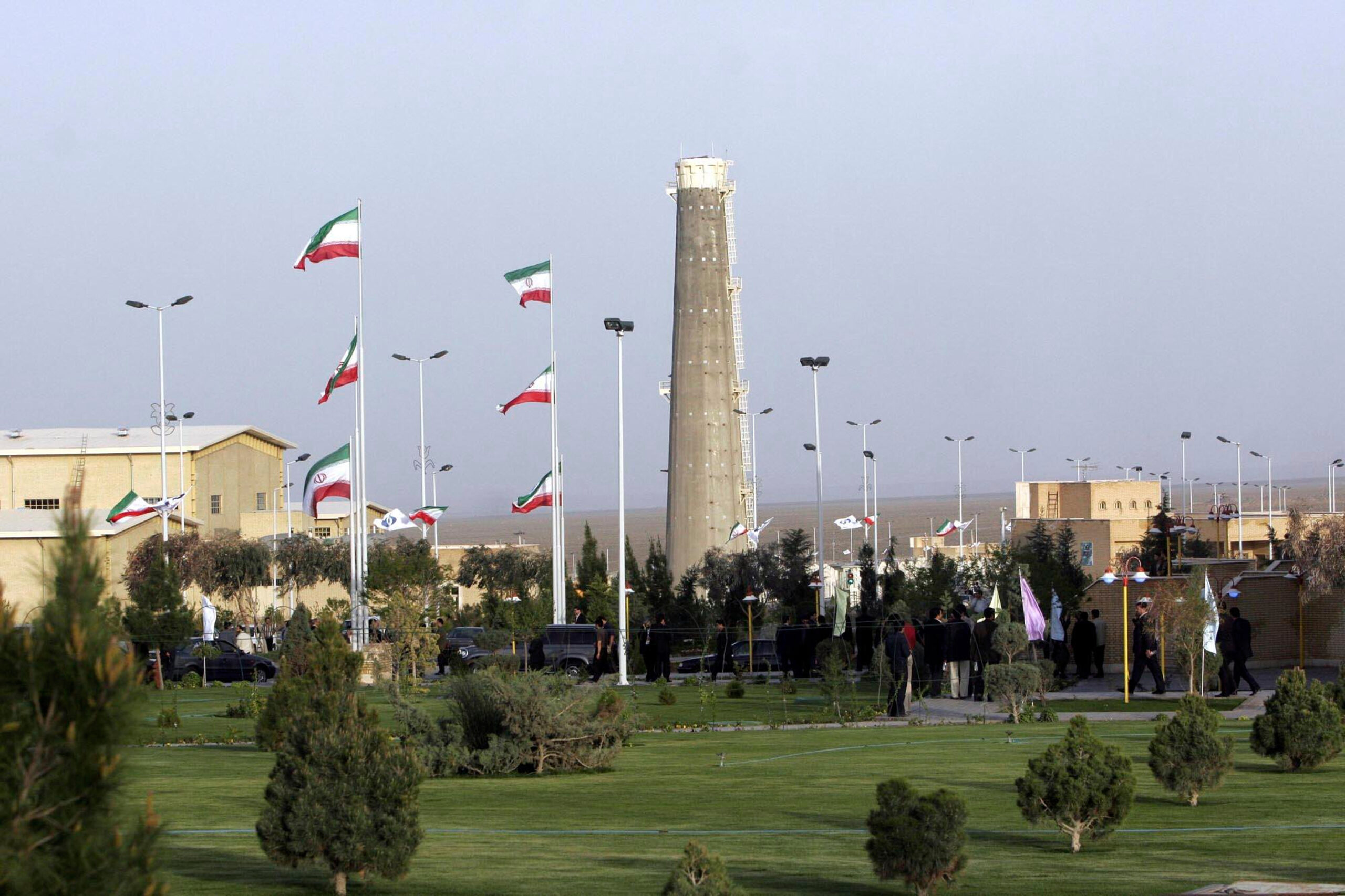
Therefore, none of Trump’s goals at the beginning of the war have been accomplished, and some have become harder to attain. Iran remains in control of its stockpile of highly enriched uranium, reportedly buried under rubble near Isfahan, that could be further enriched to 90%, enough to manufacture about 10 nuclear weapons. And given Iran’s experience of the sudden, massive U.S.-Israeli bombardment that began February 28, the Iranian regime may have shifted from a determination to become a nuclear threshold state that could quickly move to assemble a weapon to an implacable determination to actually acquire a nuclear deterrent to prevent a repetition of the current war. Ironically, Iran only acquired the highly enriched uranium because in 2018 Trump withdrew the United States from the Joint Comprehensive Plan of Action nuclear agreement secured under former President Barack Obama.
Moreover, Iran only moved to assert its power over the Strait of Hormuz because of Trump’s decision to begin this war in February. Such a move had long been discussed and considered in Tehran and was reportedly one of the most daunting factors inhibiting a U.S. war with Iran in the past. Trump expressed surprise when Iran moved to assert its power over the strait, but few others were taken aback. It was widely understood to be among the most obvious and likely responses by Tehran to any such sudden assault. If there was any surprise, it was in the ease with which Iran was able to frighten shipping and insurance companies with a few speedboats, some mines, and, mostly, aggressive threats. There is no doubt that Iranian strategic thinking has taken careful note of the ease with which such shipping can be disrupted with little effort and that this lesson has been carefully learned by the Houthis, who are now applying it in another strategic chokepoint on the other side of the Arabian Peninsula.
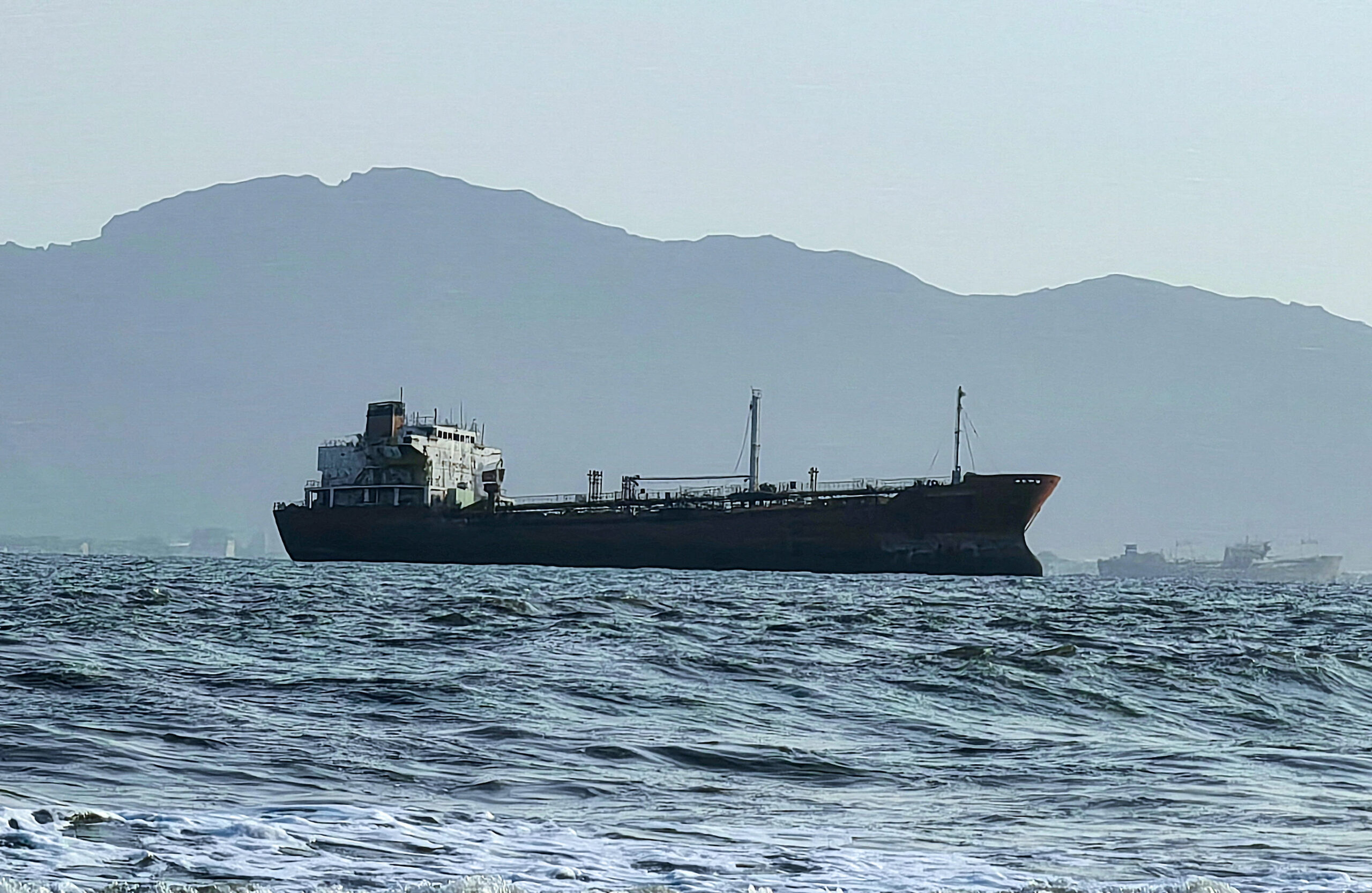
This is not only a strategic move by members of Iran’s alliance but also a bid for financial payoffs, whether over or under the table, by shipping companies or governments that want to use these shipping lanes unmolested. There have been an estimated 46 attacks on commercial shipping. At least 17 sailors have been killed, especially since Iran switched to attacking commercial shipping with much more lethal cruise missiles, rather than simple drones, during attacks in July. The United States also killed three Indian sailors in an attack off the coast of Oman on July 9. Despite several effective and large-scale evacuation efforts, an estimated 6,000 sailors on 500 ships remain trapped in the Gulf waters.
There has been no agreement to limit Iran’s enrichment or other nuclear activities. The regime has become, if anything, more aggressive and antagonistic to Washington not more cooperative. And Iran has discovered how easy it is to essentially shut down shipping and assert control over the strait. Therefore, what could be gleaned from a mishmash of contradictory and often incoherent statements about U.S. goals is that they were not only not secured, the war has backfired on Trump, creating a more disadvantageous position than when he started.
The only potential way out of this fiasco – a massive bombing campaign, primarily aimed at the country’s critical infrastructure (which could constitute a war crime) and that would certainly provoke intensified Iranian attacks aimed at energy and critical infrastructure in Gulf Arab countries, and even Israel – has been apparently ruled out for now.
It appears that the U.S. president simply does not know what to do. Nothing he expected to happen has happened, and virtually everything those who warned against the war – including Gulf Arab governments, many U.S. think tanks, presumably the intelligence community, and core elements of his own coalition, including Vance – has been as bad, if not worse, than they feared. There’s no reason to think that Iran is going to be any more conciliatory now than it was when the memorandum of understanding was negotiated.
Iran has thrown down a marker for Trump, virtually daring him to reengage the war and try to force Iran to negotiate from a position of weakness after a qualitatively different bombardment that seeks to change attitudes and political equations inside Iran. If anything, there may be more support for the regime in Tehran now, even among former protesters who sought to bring down the government early this year in protests that had to be suppressed with thousands of killings in just a few days. There is a clear reason why external bombardments and economic sanctions have never alone led to regime change. People simply do not view an outside attack as a golden opportunity to bring down even the most hated governments, whether in Baathist Iraq, Stalinist Cuba or North Korea, or now Islamist Iran.
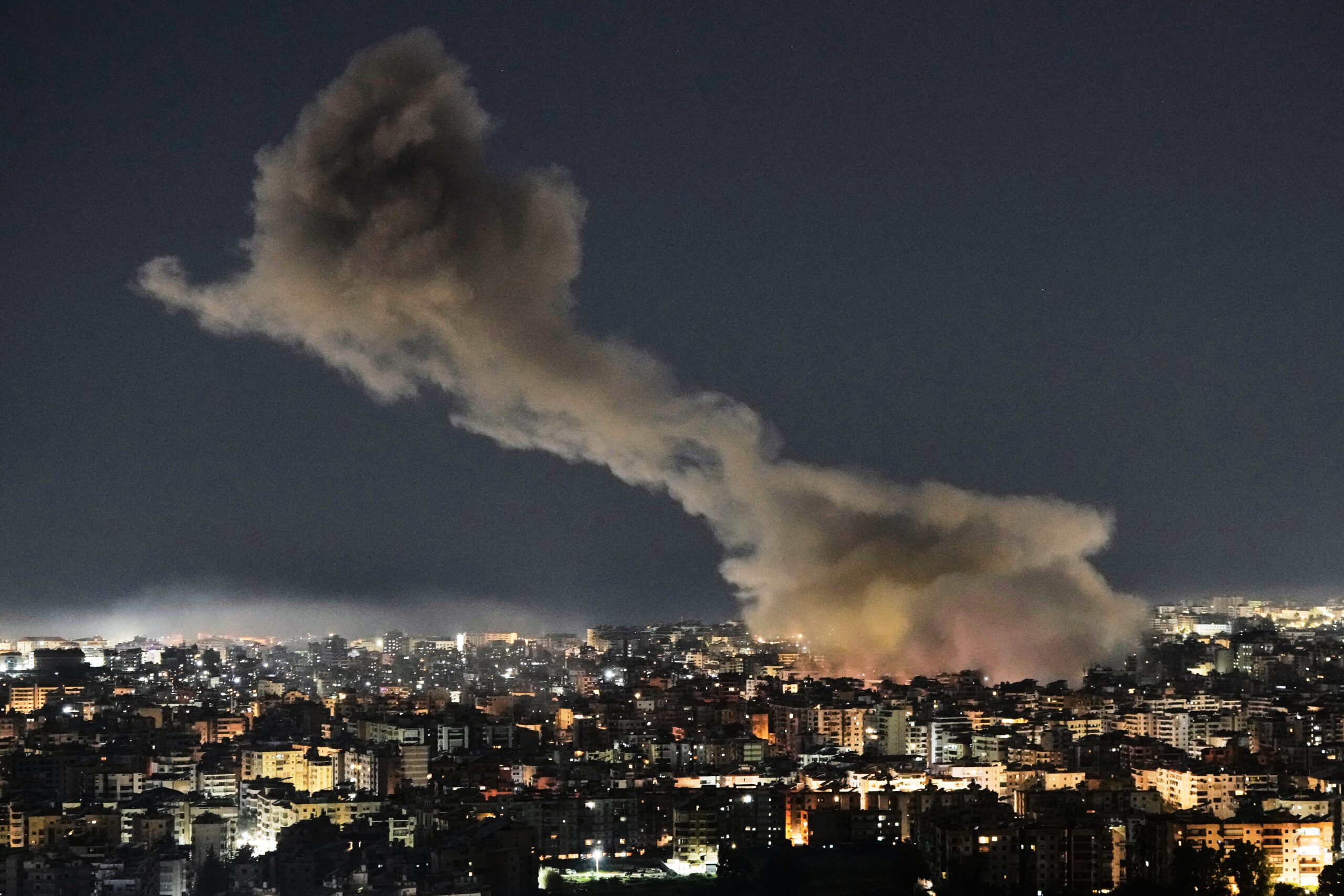
Therefore Trump has forced Washington into a position whereby any direction in which it moves will likely serve as the first stage of either a drawdown in the Gulf region or a new, open-ended “forever war” of periodic bombardment akin to what Israel has described as “mowing the grass” in Lebanon and Gaza. That would be highly unpopular and, in effect, the very opposite of the foreign policy Trump promised in his last election campaign and, arguably, his political career since 2015.
There is no middle ground. Any effort to sustain a “no war-no peace” scenario will inevitably push Washington into the containment regime paradigm. However, going back to the memorandum of understanding or any other plausible agreement with Tehran under current circumstances will amount to recognizing Iran’s de facto victory and, especially, newfound power in the Gulf region.
This is why Trump doesn’t know what to do and has simply suspended the war. Beginning to walk away would be a disaster but so would starting to assemble a new containment regime. Trump has trapped himself between Scylla and Charybdis in the waters of the Gulf, facing a fearsome monster on one side and an impassable whirlpool on the other. But Trump is not Ulysses, and this isn’t Greek mythology. It is, instead, the very real result of Trump’s egregious strategic errors. This impossible dilemma explains why he apparently cannot decide whether to return to this conflict or, in effect, surrender the Gulf region to a more aggressive, ambitious, and thoroughly dangerous Iranian regime.
The views represented herein are the author's or speaker's own and do not necessarily reflect the views of AGSI, its staff, or its board of directors.
The Houthis’ decision to dip their toes into the conflict is a calculated choice based on military capacity, a blueprint, and the need for retaliatory pressure.
The Trump administration has positioned the United States at a crossroads between a new regime of containment against Iran or a historic drawdown of U.S. influence in the Gulf and broader Middle East.
Gulf capitals are facing immediate policy choices around how to restore order in a regional setting that is greatly changed – for the worse – as a result of the Iran war.
The Trump administration has positioned the United States at a crossroads between a new regime of containment against Iran or a historic drawdown of U.S. influence in the Gulf and broader Middle East.
Riyadh and Abu Dhabi urged President Trump not to attack Iran, but now that the war is into its second month, leaving the current situation in place would be an unthinkable fiasco for them.
Though they were unsuccessful in preventing the current conflict, and, as expected, have been dragged into the U.S.-Israeli confrontation with Iran, Gulf Arab countries remain crucial to hopes for limiting the war and bringing it to a quick resolution.
After decades of tolerating Hezbollah’s warmaking independence, the current crisis has compelled Lebanese leaders to ban its military activities; this project will do much to determine the reach Iran can maintain in the Arab world.