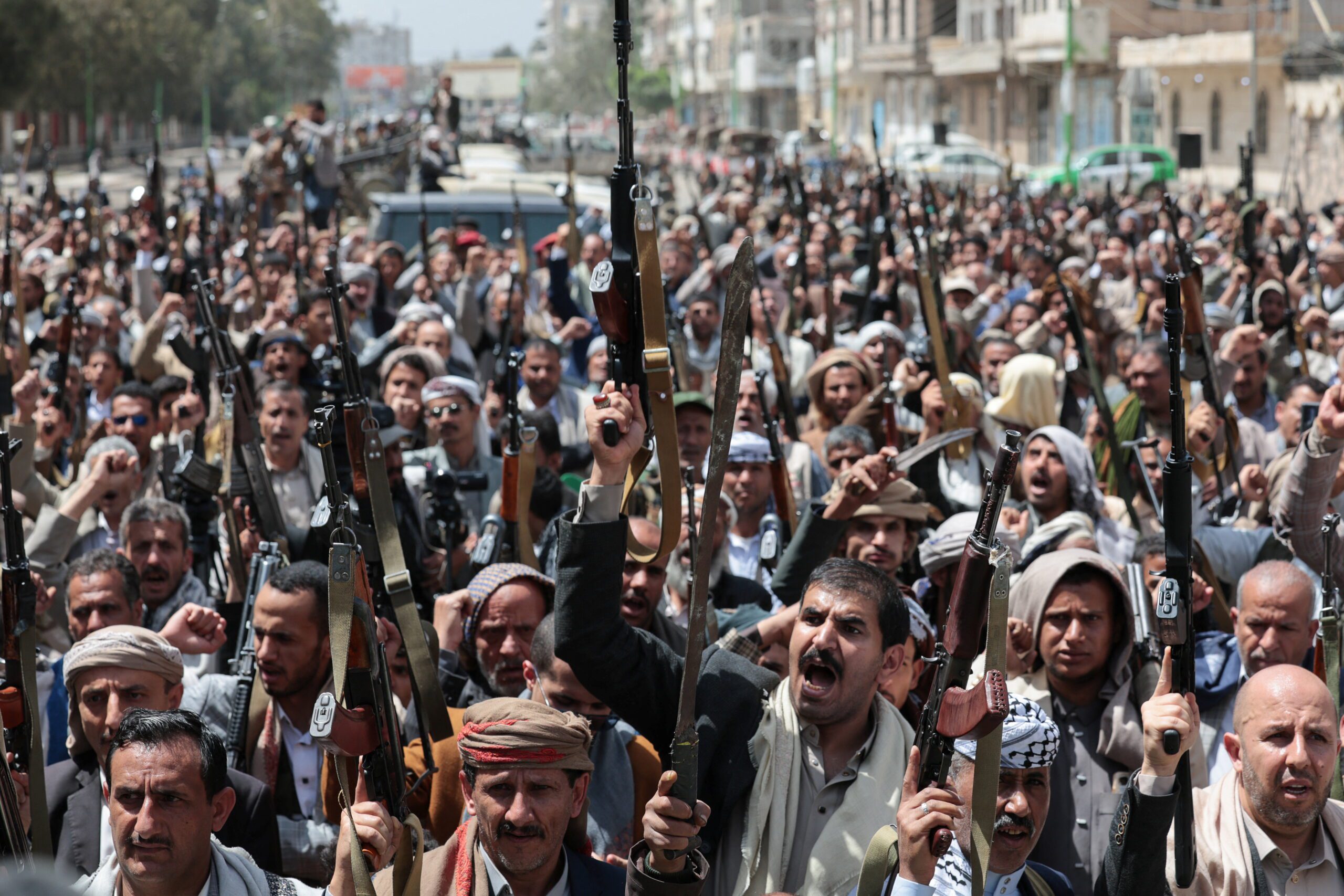
The Houthis’ decision to dip their toes into the conflict is a calculated choice based on military capacity, a blueprint, and the need for retaliatory pressure.
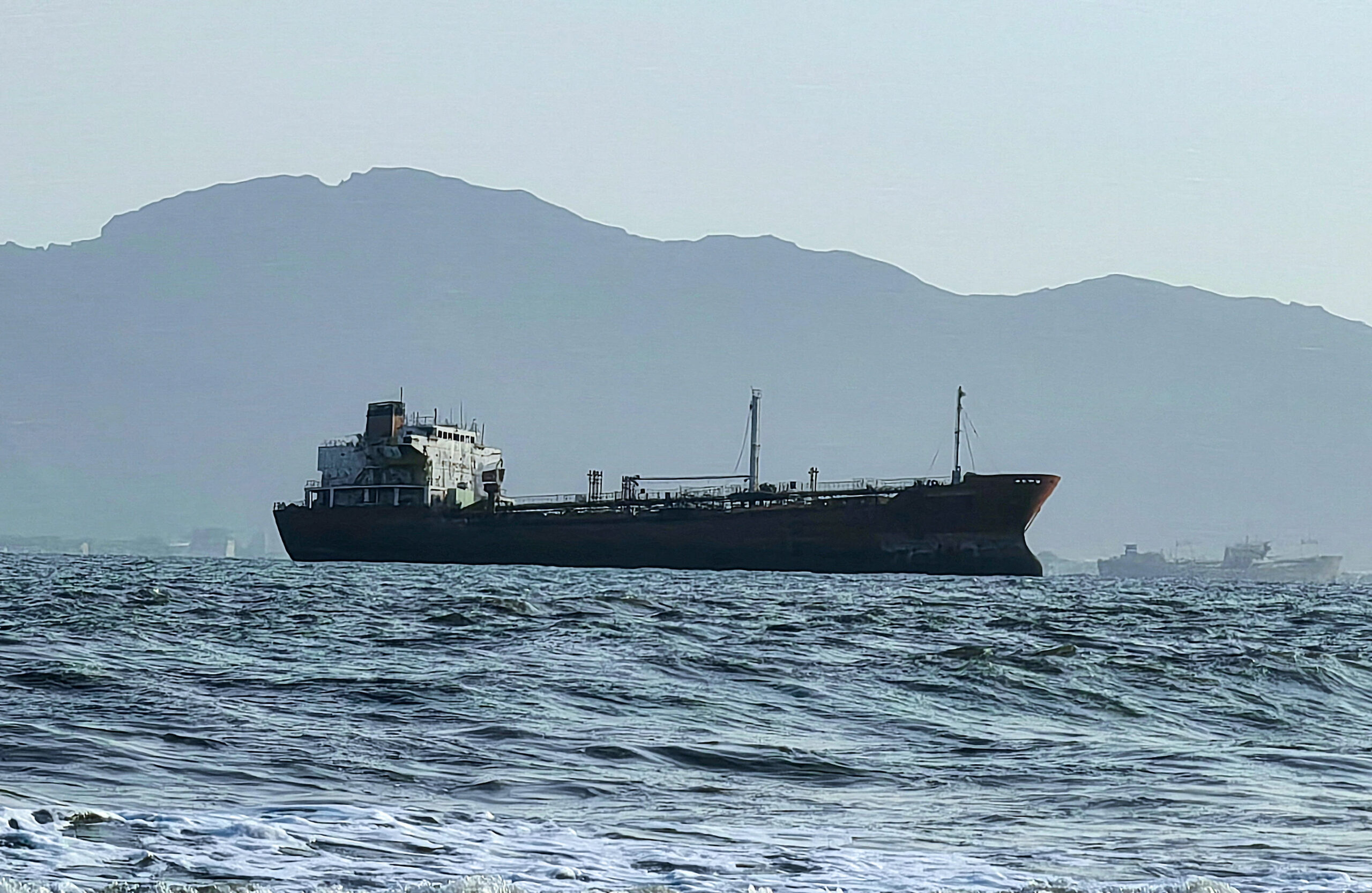
A ship off the port of Aden, where traffic remained steady after the Iran-aligned Houthis said their forces had carried out missile and drone strikes on Saudi oil tankers, in Aden, Yemen, July 23. (REUTERS/Stringer)
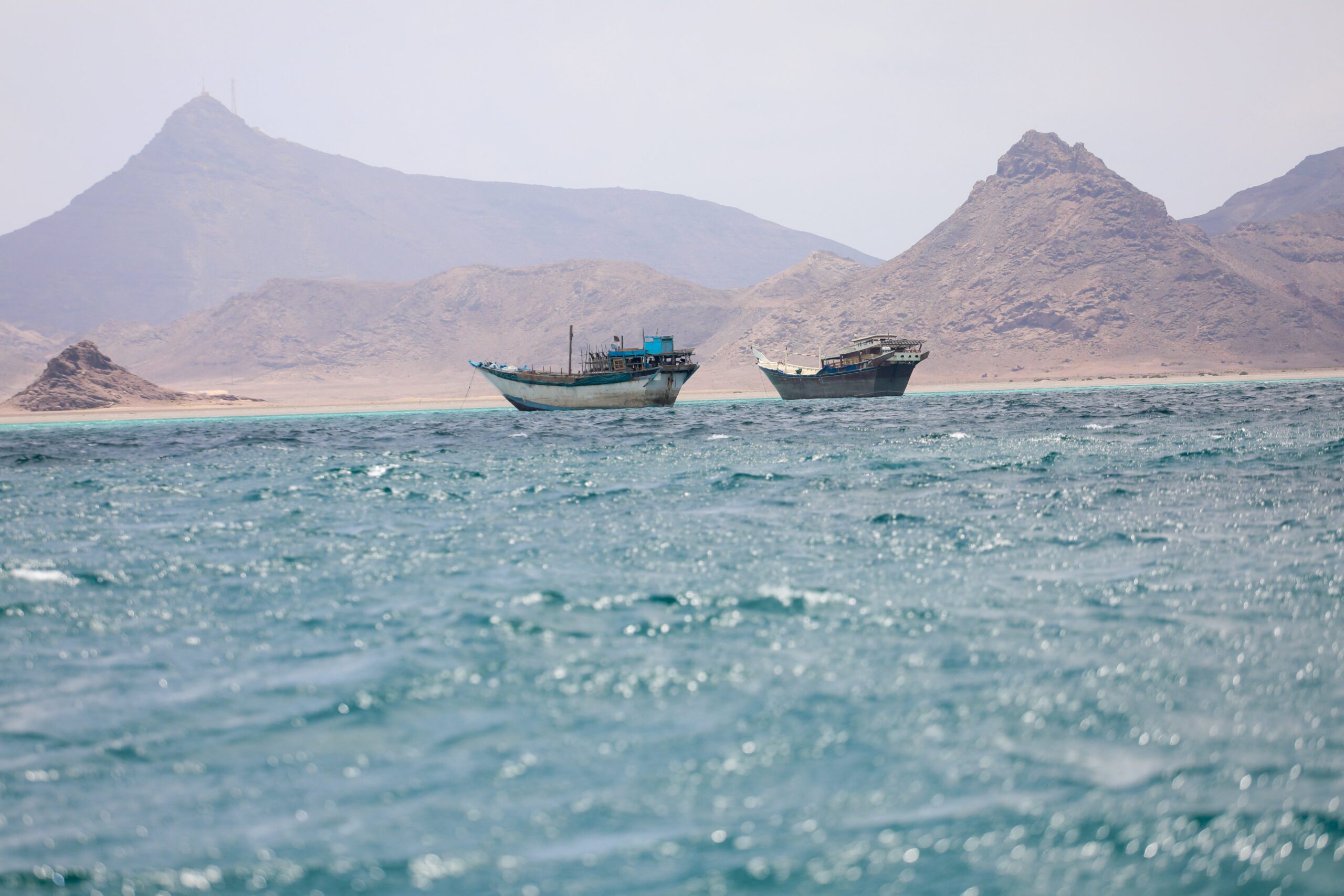
Early on July 23, the Houthis attacked two Saudi-flagged oil tankers, making good on a threat to close the Red Sea and the Bab el-Mandeb chokepoint to Saudi Arabia. The attacks caused the price of oil to jump above $100 per barrel for the first time since May. They also marked the Houthis’ entry into the broader Iran war, ending months of will-they, won’t-they speculation.
The Houthis decision to, at least, dip their toes into the conflict – President Donald J. Trump warned them that any more strikes would result in “major military punishment” – is a calculated choice based on at least three different factors: military capacity, a blueprint, and the need for retaliatory pressure.
In the summer of 2025, when the United States bombed Iran during Operation Midnight Hammer, the Houthis elected to remain on the sidelines and not become militarily involved. They made the same decision earlier in 2026 in the opening rounds of Operation Epic Fury, which begs the question: What changed?
For the Houthis, one of the primary changes has been the group’s replenished military capacity, particularly its stockpiles of missiles and drones. In June 2025, when the United States first struck Iran, the Houthis were just coming out of their own conflict with the United States – Operation Rough Rider, which lasted from March-May 2025. Both the United States and the Houthis burned through significant stockpiles of munitions in the conflict, with the United States carrying out over 1,100 strikes, many of which targeted Houthi weapons depots.
By early May, the Houthis were bruised and battered, and the United States was quickly coming to the realization that airstrikes alone weren’t enough to defeat the Houthis. With both sides looking for an off-ramp, the United States and the Houthis agreed to a cease-fire. The United States would stop bombing the Houthis, and the Houthis wouldn’t target U.S.-flagged ships. All of this meant that by the time the United States elected to join Israel in attacking Iran a few weeks later, the Houthis were in no position to support Tehran. The group’s missiles and drones were simply not sufficient to support a military conflict. The situation was largely the same in February, when the United States again went to war with Iran. But in recent months, as the United States and Iran swung between active conflict and cease-fires, the Houthis have been steadily building up their stockpiles. According to Reuters, Iran has transferred both personnel and equipment to Yemen in recent weeks. This influx has given the Houthis confidence that they now have the military capacity for conflict.
At the same time, the Houthis have watched as Iran has hobbled the global economy and Middle Eastern oil exports by largely shutting down the Strait of Hormuz. In many ways, this is what the Houthis tried to do in 2024 and 2025 by attacking commercial shipping in the Red Sea. Iran’s blueprint, however, has been much more successful. It has also created opportunities for the Houthis.
As Iran blockaded the Strait of Hormuz, Saudi Arabia began shifting much of its oil exports from its eastern coast to its western coast, where oil tankers would dock at the port city of Yanbu before moving south through the Red Sea and Bab el-Mandeb and from there to market, which helped stabilize global oil prices. Saudi Arabia currently exports around 4.6 million barrels of oil per day, more than 80% of which travel through the Red Sea and Bab el-Mandeb. This workaround is now at risk. If the Houthis are successful in blockading the Red Sea in the way Iran has been successful in blockading the Strait of Hormuz, Saudi Arabia’s two main outlets to the global market will be cut off.
The Houthis are counting on the fact that they now have the missiles and drones to block the Red Sea chokepoint and that Saudi Arabia is now vulnerable with only one major route to market. Those two factors combined with a third to convince the Houthis that now was the time to act.
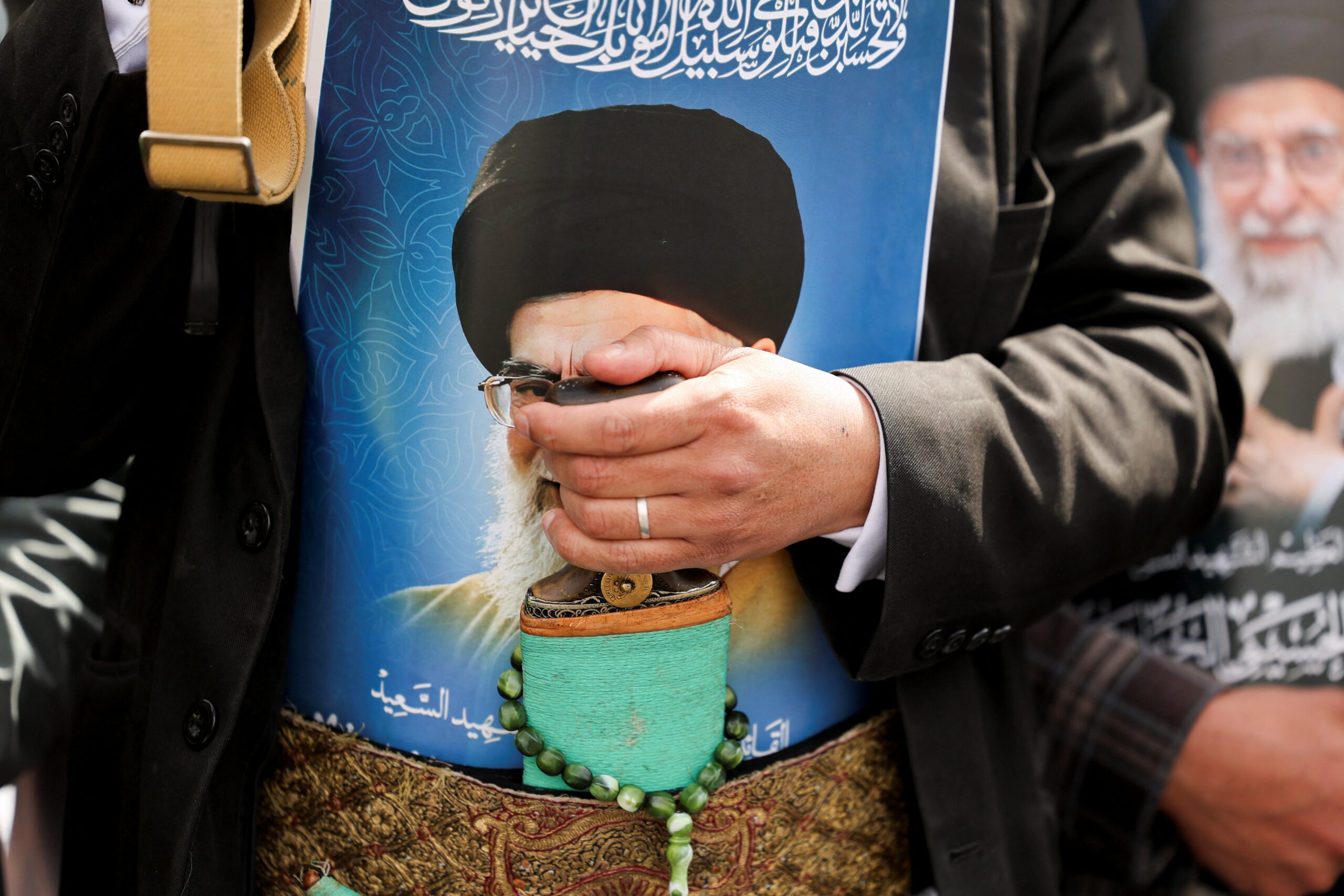
On July 13, Saudi Arabia bombed the Houthis’ main airport in Sanaa in a bid to stop an Iranian plane from landing in Yemen. According to the Houthis, the plane was carrying a delegation of officials who attended the funeral of the late Iranian supreme leader, Ayatollah Ali Khamenei. Saudi Arabia doesn’t dispute that a delegation of Houthi officials was onboard, but it claimed that military officials from the Islamic Revolutionary Guard Corps as well as military equipment were also on the plane. Subsequent reporting from Reuters seems to confirm Saudi suspicions.
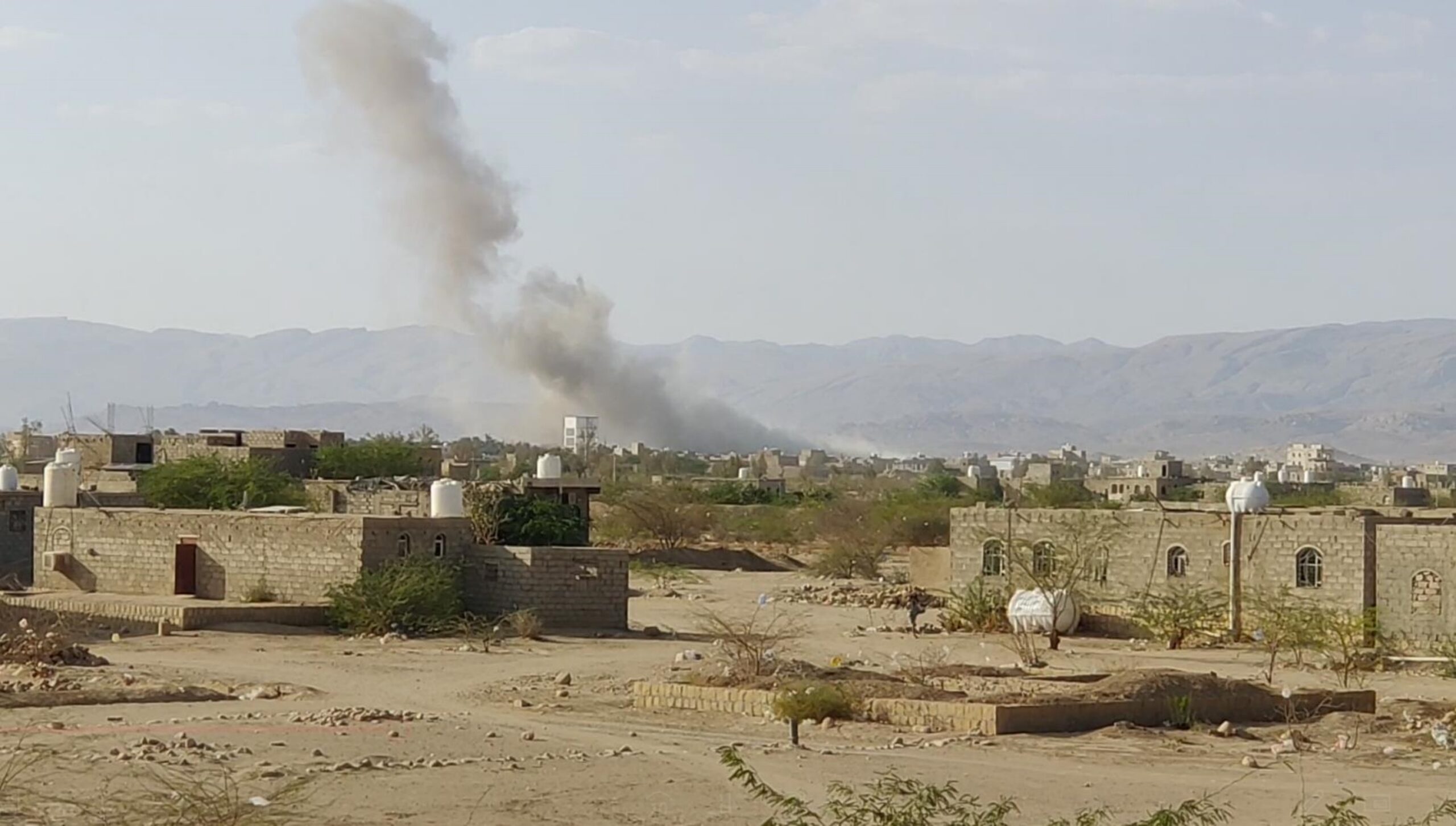
Worried about what the IRGC officials and equipment would mean for a potential Houthi blockade of the Red Sea, Saudi Arabia elected to carry out airstrikes even though it knew that doing so would violate the largely tacit cease-fire agreement with the Houthis that had held since 2022. The Houthis responded in kind, bombing a Saudi airport in the southern province of Abha. More important, the Houthis believe that they can now extract concessions from Saudi Arabia, which appears to feel vulnerable.
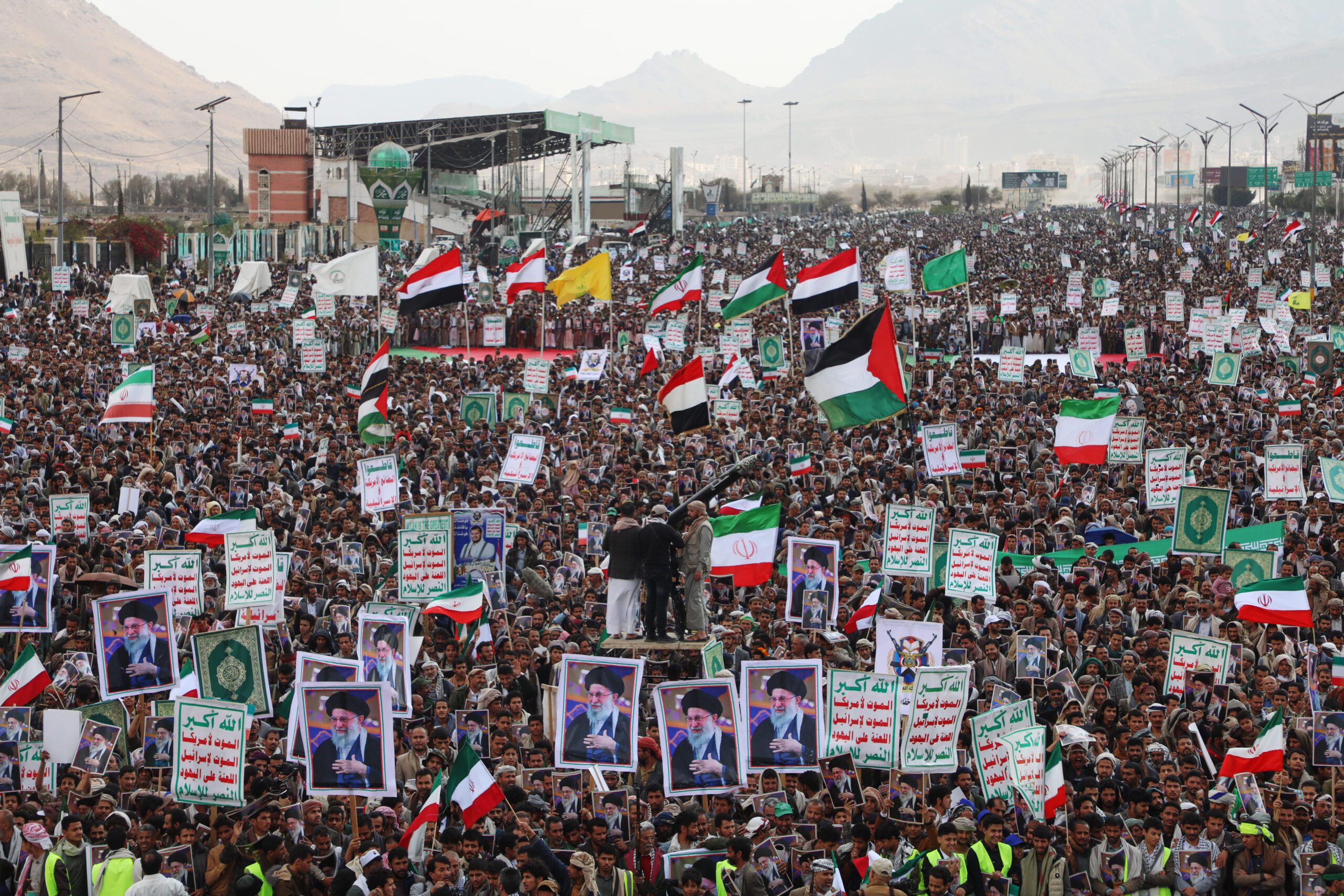
Taken together, the Houthis’ restored military capacity, Iran’s blueprint for success in the Strait of Hormuz, and Saudi Arabia’s felt vulnerability mean that the Houthis can do two things at once. The group can both confirm its loyalty and value to Iran by blockading the Red Sea while simultaneously squeezing a worried Saudi Arabia for more concessions and financial favors domestically.
The Houthis are taking these steps carefully. The group announced that it was not closing the Red Sea to all shipping traffic but only to Saudi ships. This distinction is the Houthis’ attempt to localize the conflict and keep the United States and Israel on the sideline while expanding the conflict with Saudi Arabia. On July 25, even as the United States and Iran paused strikes, the Houthis attacked Saudi oil facilities along the Red Sea coast.
The views represented herein are the author's or speaker's own and do not necessarily reflect the views of AGSI, its staff, or its board of directors.
The Southern Transitional Council is betting that if the South can be united under its leadership it can cordon the South off from the Houthis in the North, utilize oil and gas revenue, and create a stable and functioning state.