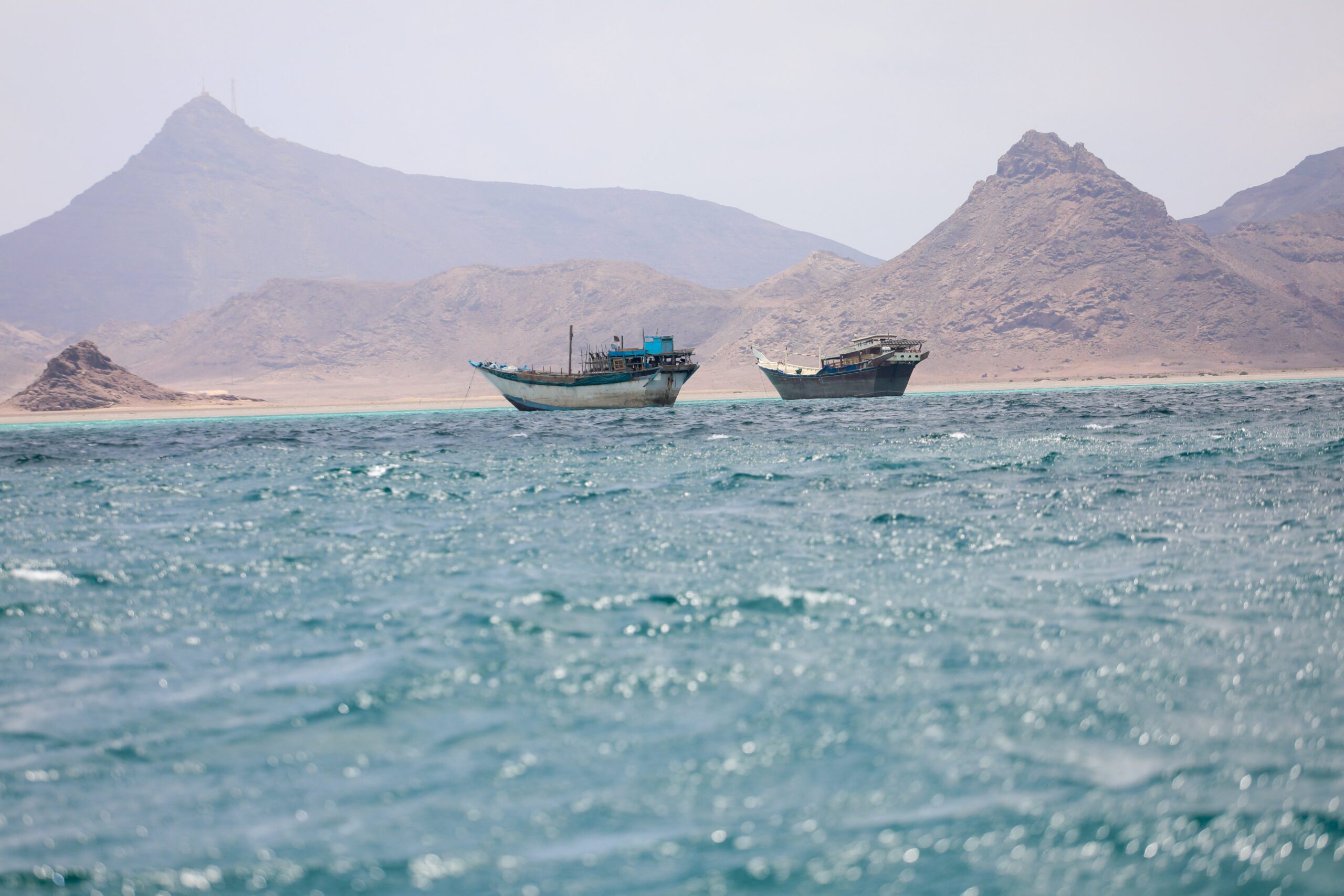
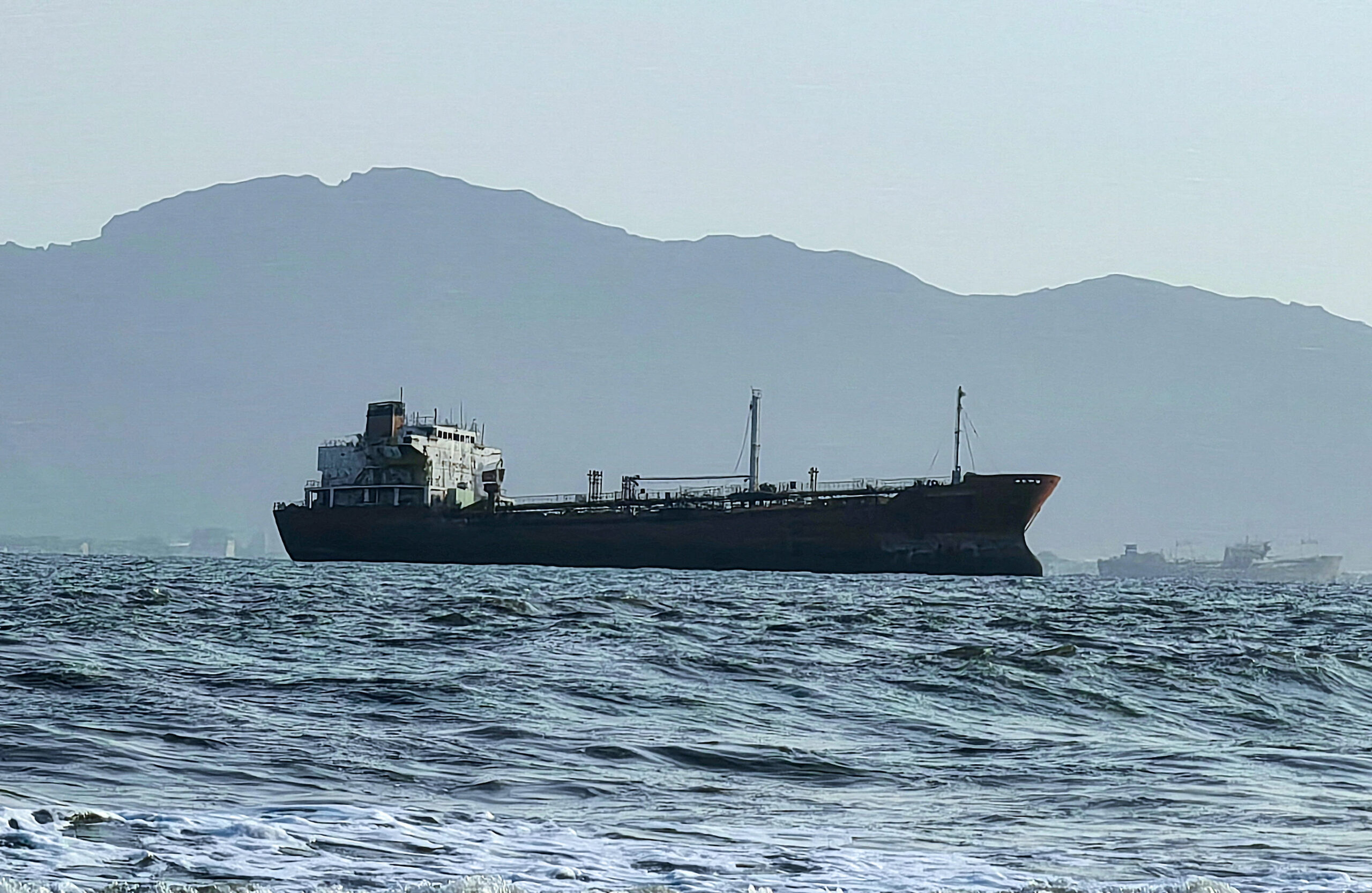
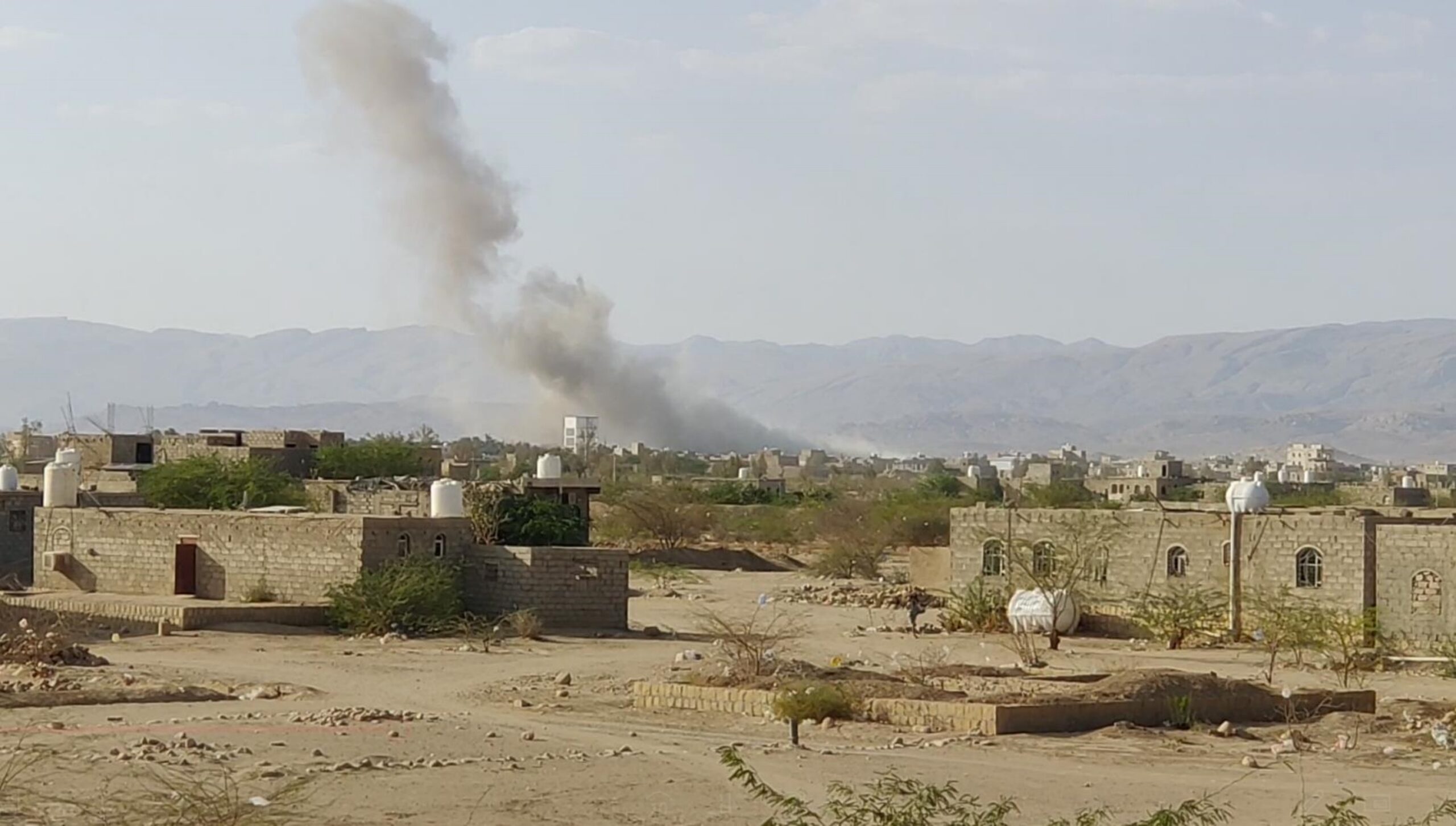
Boats float near the coast of the Bab el-Mandeb, Yemen, April 2. (REUTERS)
As the United States and Iran go back and forth on the 14-point memorandum of understanding, alternatively discussing a final deal and threatening a return to conflict, one card that Iran is likely to play is a resumption of Houthi strikes in the Red Sea. Such a scenario – reduced naval traffic through the Strait of Hormuz and the Red Sea – would likely cause oil prices to jump and put Iran in a stronger negotiating position. Earlier in June, when the Houthis threatened just such a move, oil prices jumped almost 6%, as investors worried that the Middle East’s two main waterways could potentially be shut down.
Of particular concern is what a Red Sea blockade would mean for Saudi oil exports. Following the closure of the Strait of Hormuz, Saudi Arabia redirected much of its oil exports to Yanbu on the Red Sea coast. If the Houthis were to be successful in shutting down the Red Sea, Saudi Arabia and much of the international oil market would be significantly squeezed. Such a move would obviously benefit Iran, whose closure of the Strait of Hormuz has given it significant leverage to end U.S. strikes.
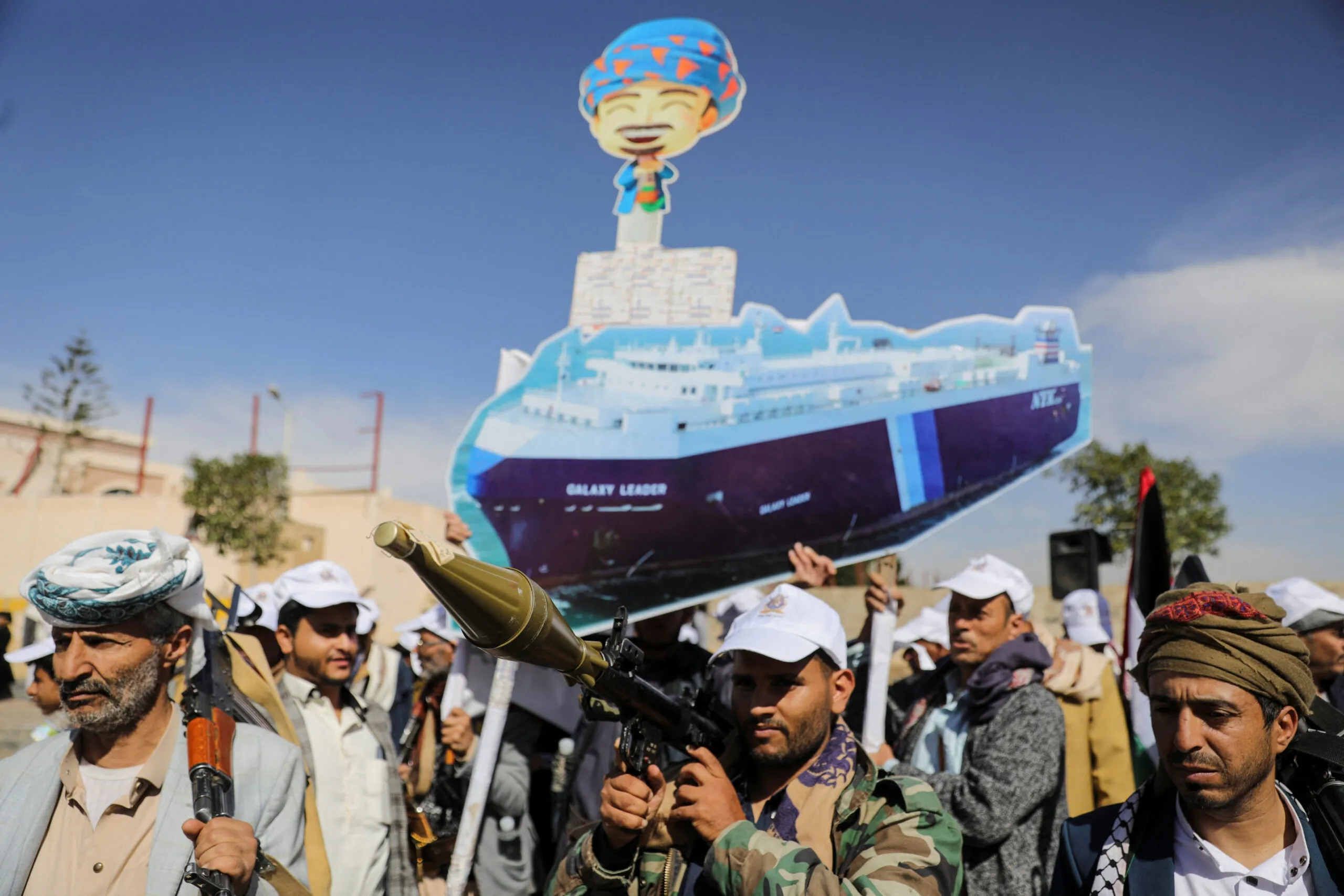
As worrying as that scenario is, however, it is unlikely to materialize. Unlike in 2023 and 2024, the Houthis do not want war at the moment. The reason for this is relatively simple: The Houthis are attempting to balance a quartet of competing interests, and a return to war, at least at the moment, would upset this delicate balance, potentially hurting the Houthis more than it would help them. Merely threatening a return to targeting commercial vessels, however, allows the Houthis to maximize their position, extract concessions, and demonstrate loyalty to Iran while simultaneously maintaining the group’s balancing act.
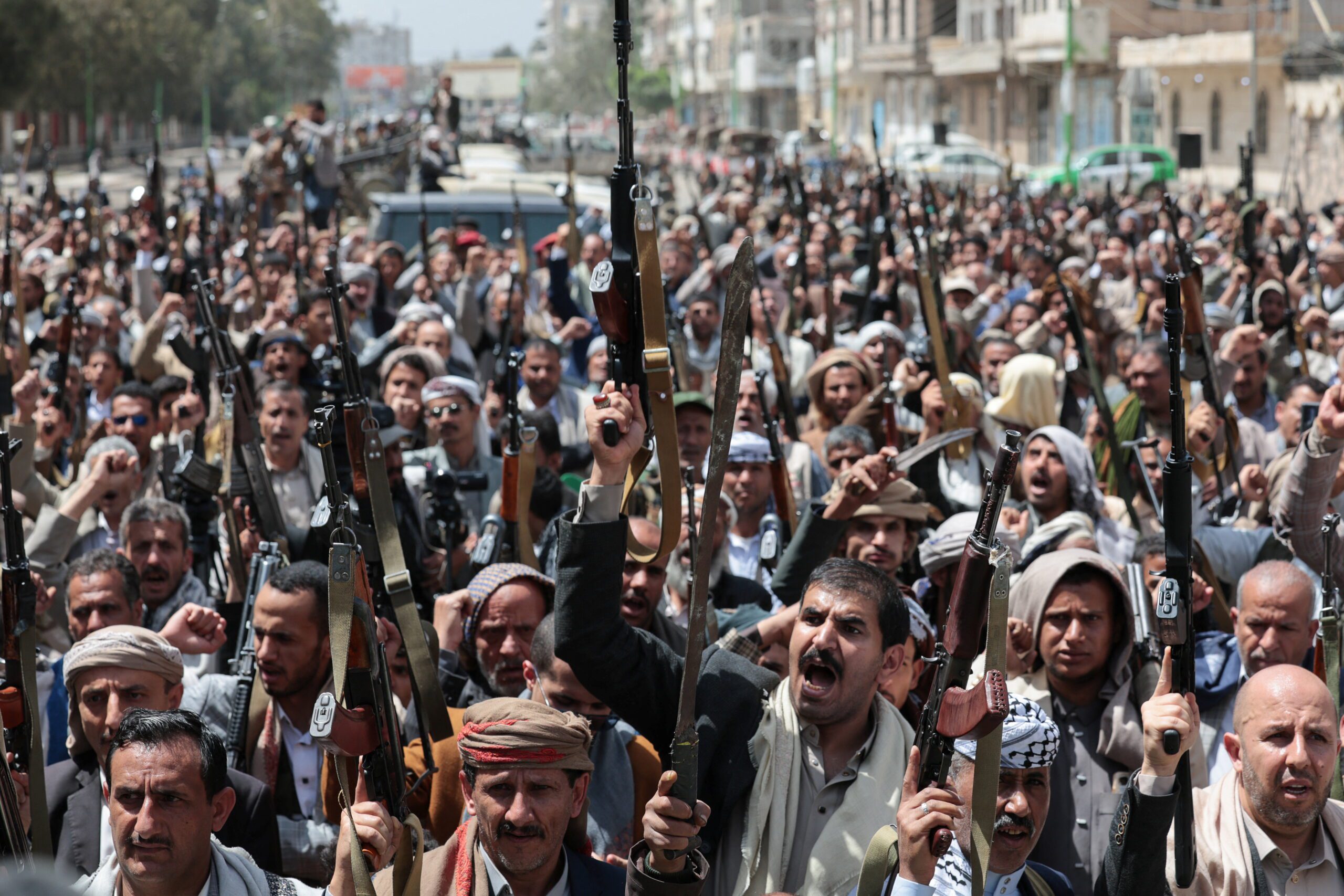
The Houthis’ primary concern is the domestic audience in Yemen. It is one thing for the Houthis to portray their attacks on Israel as a defense of the Palestinian people. It is something else entirely for the Houthis to get involved in a war to defend the Iranian regime. The Palestinian cause is broadly popular across the political spectrum in Yemen; the Iranian regime is not. This is one of the major reasons that the Houthis remained largely on the sidelines during Operation Midnight Hammer in 2025 as well as during the current war.
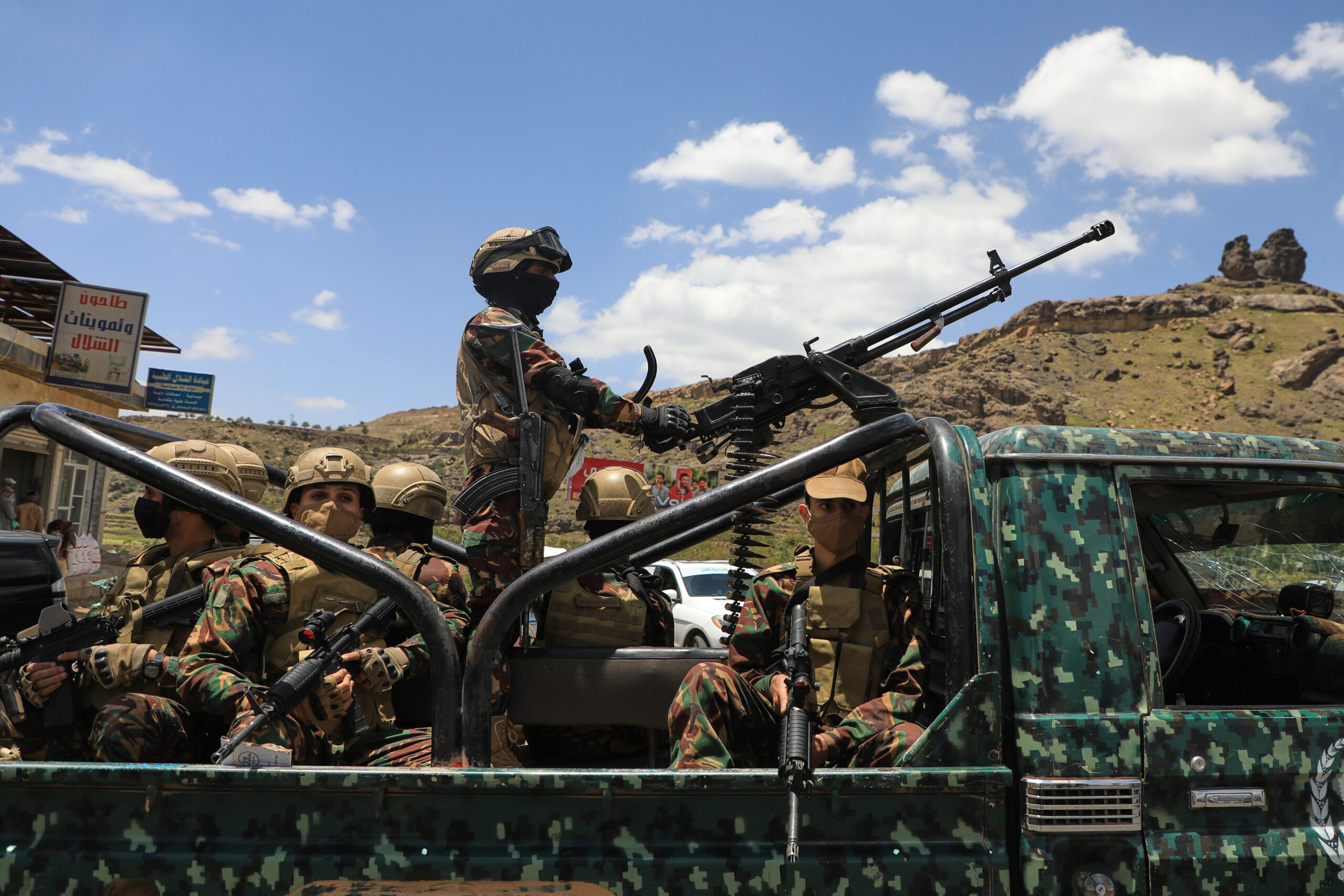
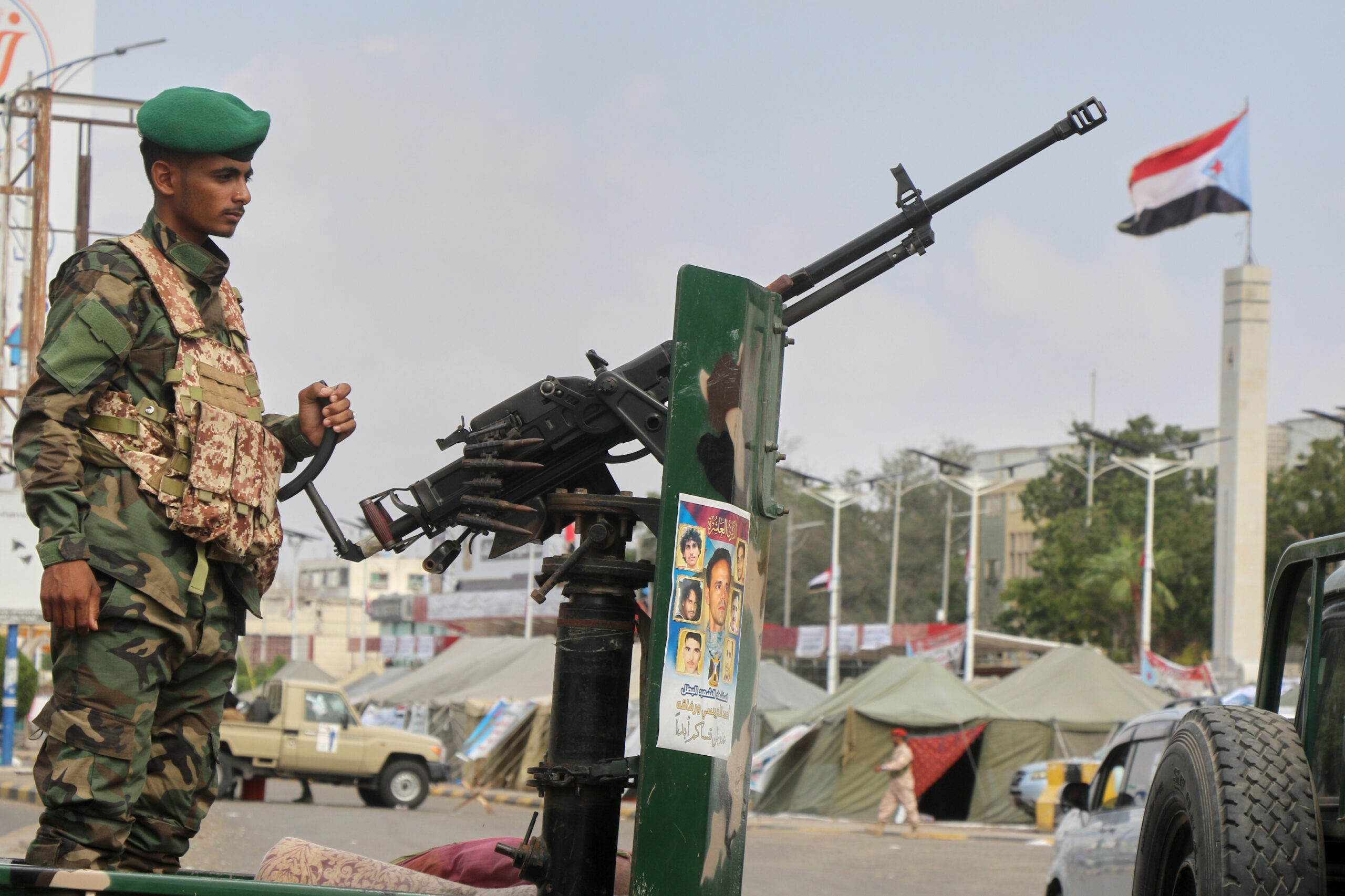
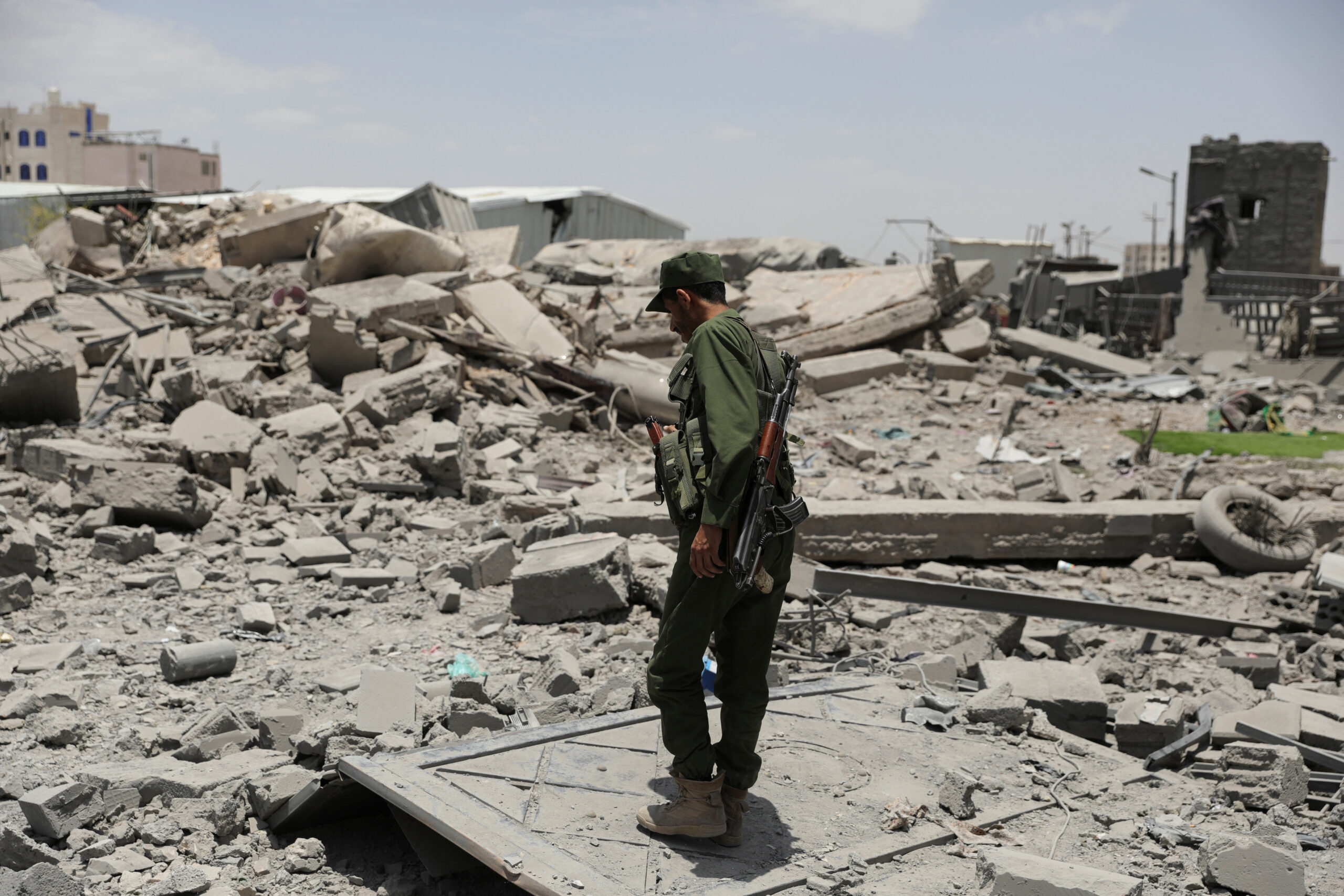
The Houthis are also concerned that any blockade of the Red Sea would likely trigger a return of U.S. strikes on Yemen similar to what took place from March to May 2025 in Operation Rough Rider. Although the Houthis survived the strikes, the 52-day operation did significant damage to Houthi missile and weapons depots. Also, unlike the Iranian regime, which does not have to concern itself with an armed domestic opposition, the Houthis are in the midst of a separate civil war. Should the United States restart airstrikes in Yemen, the Houthis are worried that their domestic enemies, which are primarily located in the south, could take advantage of the campaign to retake Houthi-controlled territory.
The Houthis’ third concern is Saudi Arabia. The powerful kingdom on Yemen’s northern border will have a role to play in the future of Yemen regardless of who rules from Sanaa. The Houthis know this and are wary of sabotaging any future deal with Saudi Arabia, which could include both political recognition as well as economic lifelines, if the group restarts attacks in the Red Sea that put Saudi Arabia’s financial health at risk.
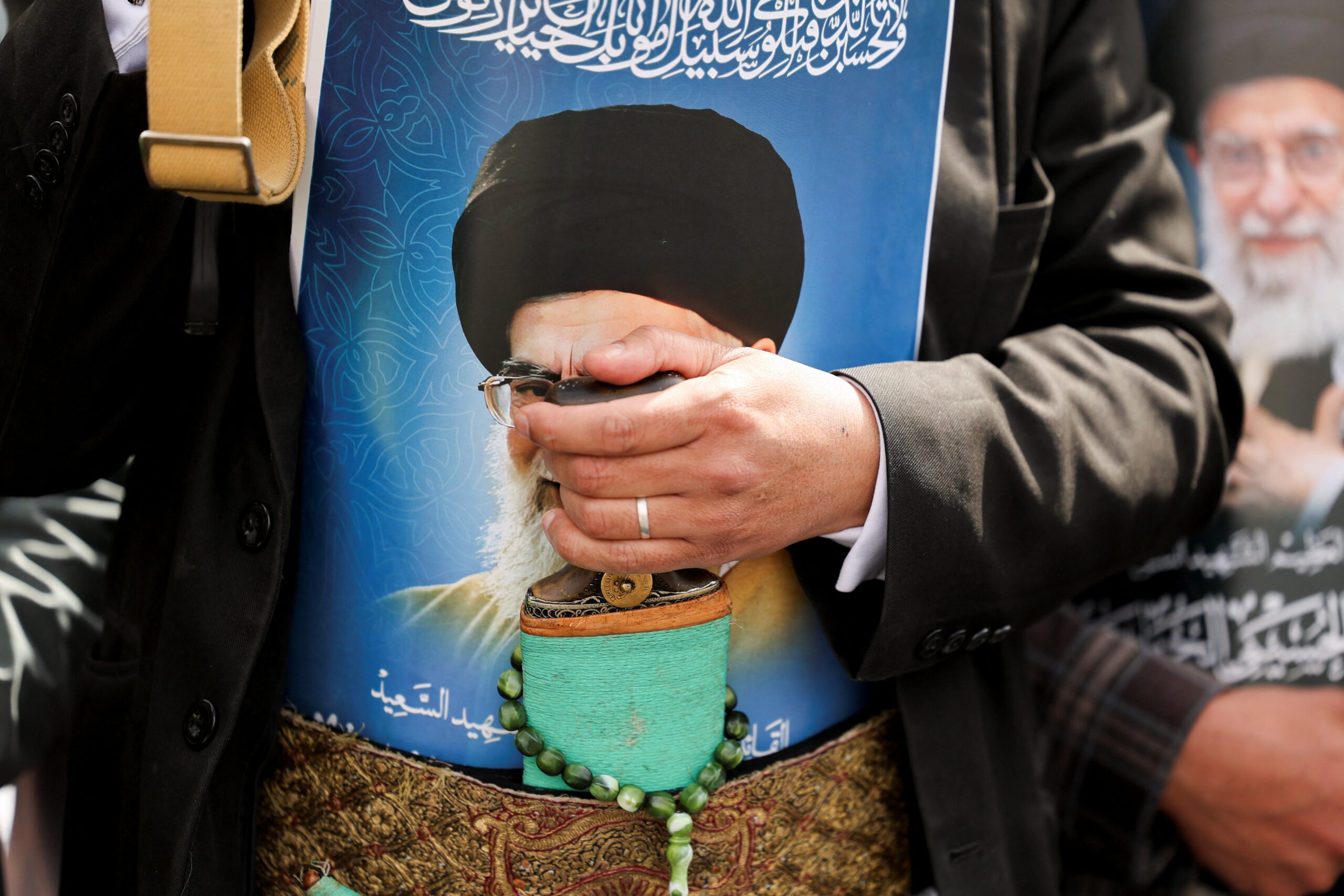
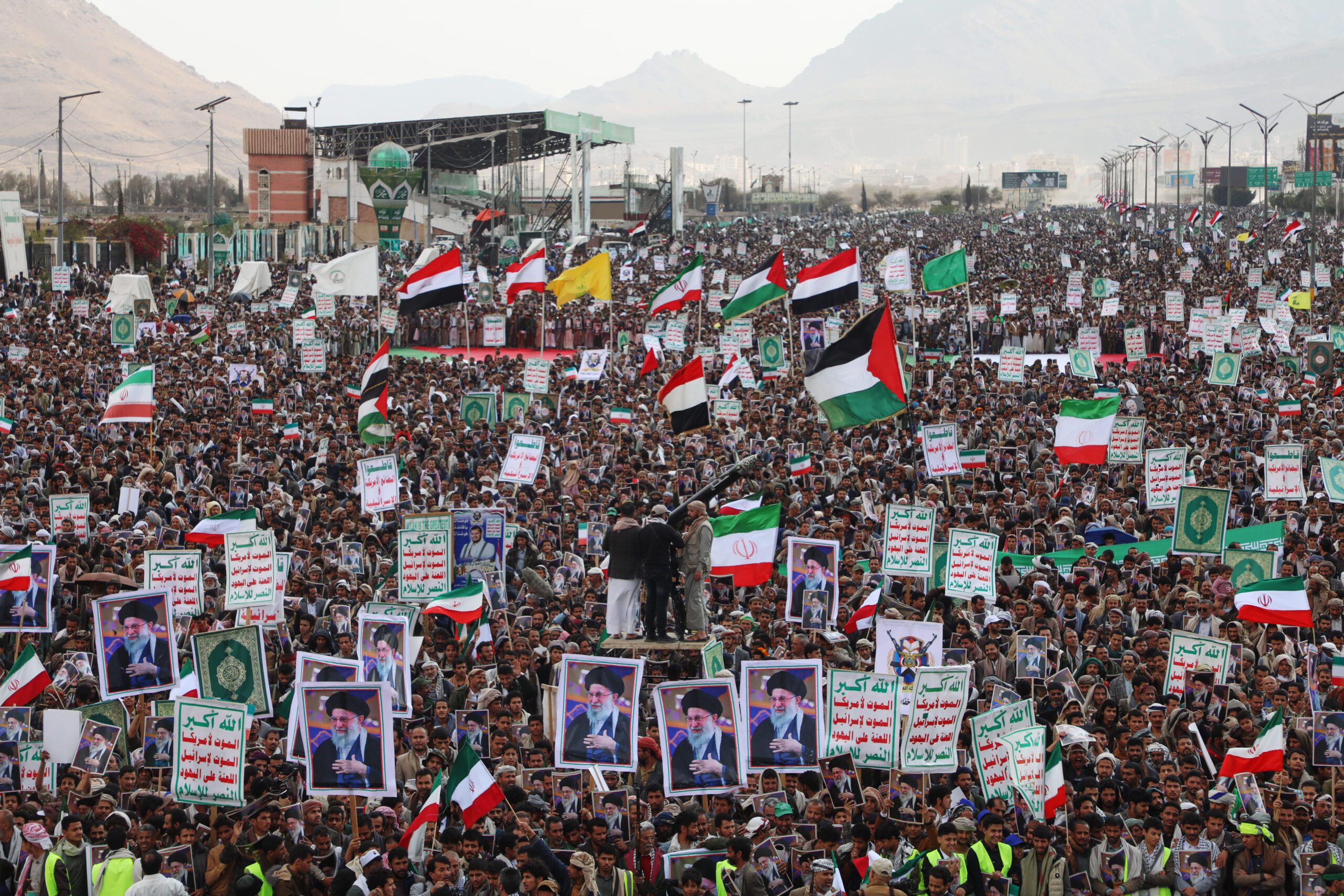
Those are the three worries on one side of the ledger. On the other side is Iran. Tehran has a long history of supporting the Houthis, dating back to around 2011, and its support is one of the reasons that the Houthis have been able to take control of much of northern Yemen. The Houthis proudly declared themselves part of the “axis of resistance” and know exactly how indebted they are to Iran’s, and particularly the Islamic Revolutionary Guard Corps’, past assistance. Moving forward, the Houthis would also struggle to survive if IRGC assistance were to evaporate.
All of this means that the Houthis can’t do nothing, but they also can’t launch themselves into an open-ended conflict on Iran’s side. So, instead, the group has compromised. It made a threat to Red Sea shipping, but it hasn’t yet attacked commercial shipping in the Red Sea. This shows Saudi Arabia and the United States, both of which would like to avoid a conflict in the Red Sea, that there is room to negotiate. At the same time, to demonstrate to Iran that the Houthis remain committed to the “axis of resistance,” the Houthis can fire some missiles at Israel. This is relatively low cost to the Houthis, is a signal to Iran, and has the added benefit of not alienating the Houthis’ domestic population.
The views represented herein are the author's or speaker's own and do not necessarily reflect the views of AGSI, its staff, or its board of directors.
A Gulf-Yemen energy corridor could reshape the Arabian Peninsula. But it cannot happen without a durable political settlement involving the Houthis and other Yemeni factions.
In tandem with President Trump’s refusal to offer help with the Houthis, the Saudis are facing grim options to reverse Houthi military successes and a chokehold over their oil exports.
The Houthis’ decision to dip their toes into the conflict is a calculated choice based on military capacity, a blueprint, and the need for retaliatory pressure.