The past week has witnessed an unprecedented escalation of tensions among the Gulf Cooperation Council states, culminating with Saudi Arabia, the United Arab Emirates, and Bahrain severing ties with Qatar. AGSIW offers insights into the ongoing tensions and identifies the implications for Qatar and its GCC neighbors. This week has seen a precipitous escalation in...
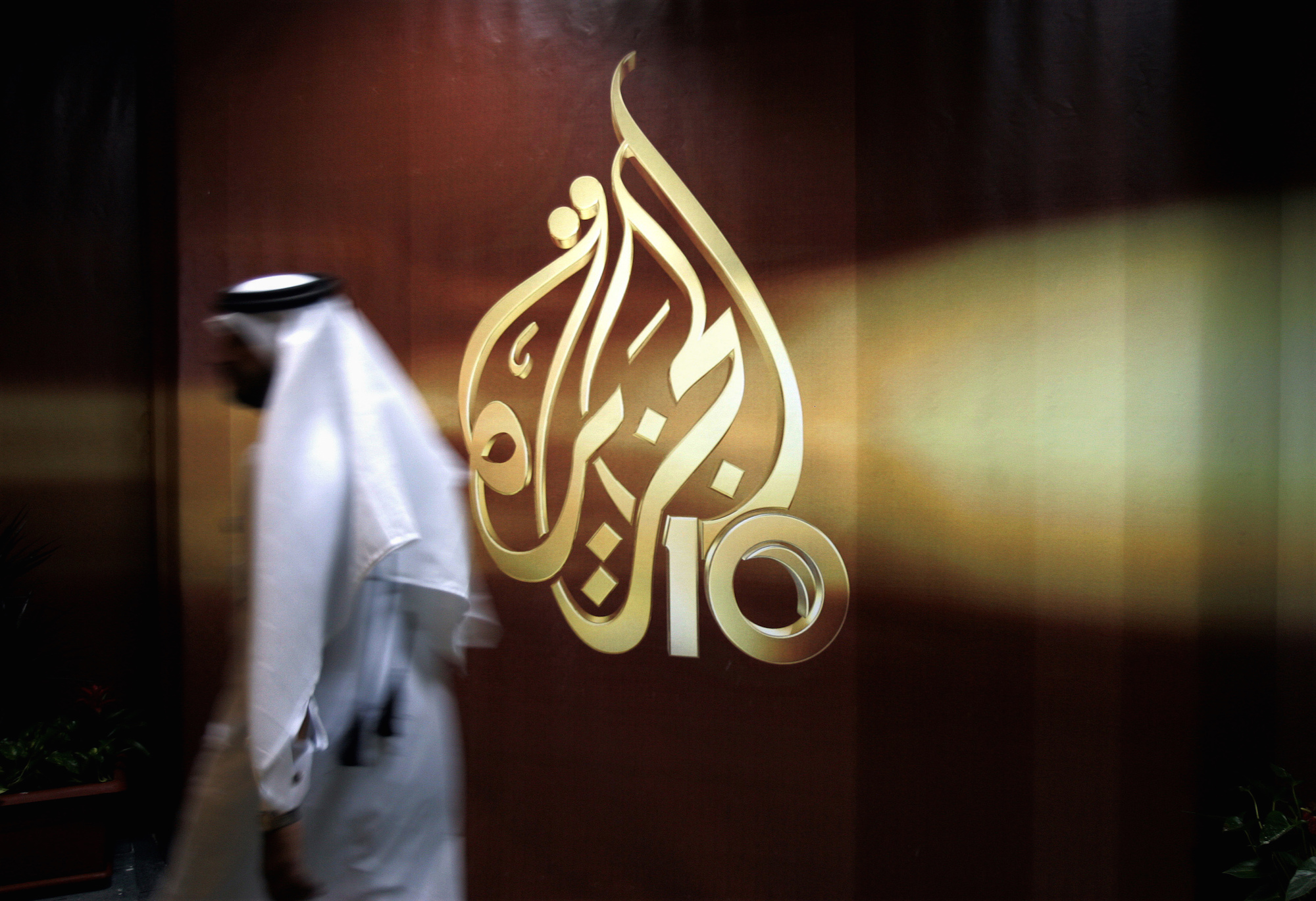
'A Qatari employee of Al Jazeera walks past the news channel's logo in Doha, Qatar, Nov. 1, 2006. (AP Photo/Kamran Jebreili)'
The past week has witnessed an unprecedented escalation of tensions among the Gulf Cooperation Council states, culminating with Saudi Arabia, the United Arab Emirates, and Bahrain severing ties with Qatar. AGSIW offers insights into the ongoing tensions and identifies the implications for Qatar and its GCC neighbors.
This week has seen a precipitous escalation in what is now the sharpest crisis in the history of the Gulf Cooperation Council since the Iraqi invasion of Kuwait. Three members of the GCC – Saudi Arabia, the United Arab Emirates, and Bahrain, joined by Egypt and others – cut off ties to Qatar in a bold, high-stakes move to alter its behavior. Their actions amount to a coordinated attempt to exert maximum pressure on the peninsula state’s leadership, restricting not only diplomatic relations, but the flow of goods and people.
There has been much speculation about why the Gulf states are undertaking this action, and specifically why now. Yet an interrogation of the conduct and content of the media-driven escalation is revealing wider dynamics now at play in the Gulf: dynamics centered on both intrastate coalitions and evolving state-society relations. Most striking is the assertion of Saudi leadership, backed by a dependent Bahrain and attendant UAE, of a broader Arab and Sunni Islamic coalition. This leadership, many senior Gulf advisors and analysts believe, can only be fully realized by a unification of the Gulf’s strategic position: to confront its chief regional rival, Iran, and counter extreme Islamic ideologies not under state control.
At home, the Saudi state is working to forge a stronger national identity under Al Saud patronage. In a process started under King Abdullah bin Abdulaziz and rapidly accelerated under King Salman bin Abdulaziz, this national project aims to capture the new media generation, weaken the Islamist networks that once dominated an attenuated civil society, and discipline, or more tentatively reform, the state’s religious establishment.
Qatar’s independent posture, most characterized by the multivalent and often critical voices appearing on its diverse media platforms, is a persistent nuisance to Saudi regional leadership, and a direct challenge to its quest for a unified national narrative. In an information-saturated world, Saudi Arabia and its partners hold the conviction that both national and regional ambitions require a unified voice, under Saudi leadership.
The New Decisiveness
Saudi Arabia under King Salman has demonstrated a willingness to assert power abroad and remake the social pact at home, at odds with Saudi’s historical caution. The Saudi decision to lead a military coalition in Yemen shortly after the capture of the southern city of Aden by Houthi rebels and their allied forces reflects both fears of encirclement by movements under Iran’s influence, and a new decisiveness. Indeed, the new Saudi leadership adopted the descriptor of the campaign “Decisive Storm” as the watchword of the new reign.
While this uncharacteristic rapid military response drew surprise and some consternation from most Western analysts, the Yemen campaign won support from a large section of both the nationalist and Islamist Saudi public. Saudi Arabia then demonstrated its determination to play a larger leadership role in both confronting Iran and forging a broader Sunni coalition to counter extremism by rapidly assembling the Islamic Military Alliance to Fight Terrorism in December 2015.
The Saudis’ new leadership ambitions found an eager partner in the United Arab Emirates, which views Saudi and Egyptian reassertion as key to its own regional strategy of pushing back against Iran and bringing Islamist actors under state leadership. The budding partnership was nurtured by the esteem Mohammed bin Salman, the powerful young deputy crown prince and minister of defense of Saudi Arabia, has for Emirati successes in economic diversification and nation building.
The Emirati style was apparent in the new youth outreach, also led by Deputy Crown Prince Mohammed bin Salman. The reforms of Saudi Vision 2030 demand more responsibility for young people coming under austerity, but also open up new avenues for participation in public and economic life. The new space, still strongly tied to the state and its leadership, was created by curtailing power centers of the Islamic establishment, most notably the state religious police.
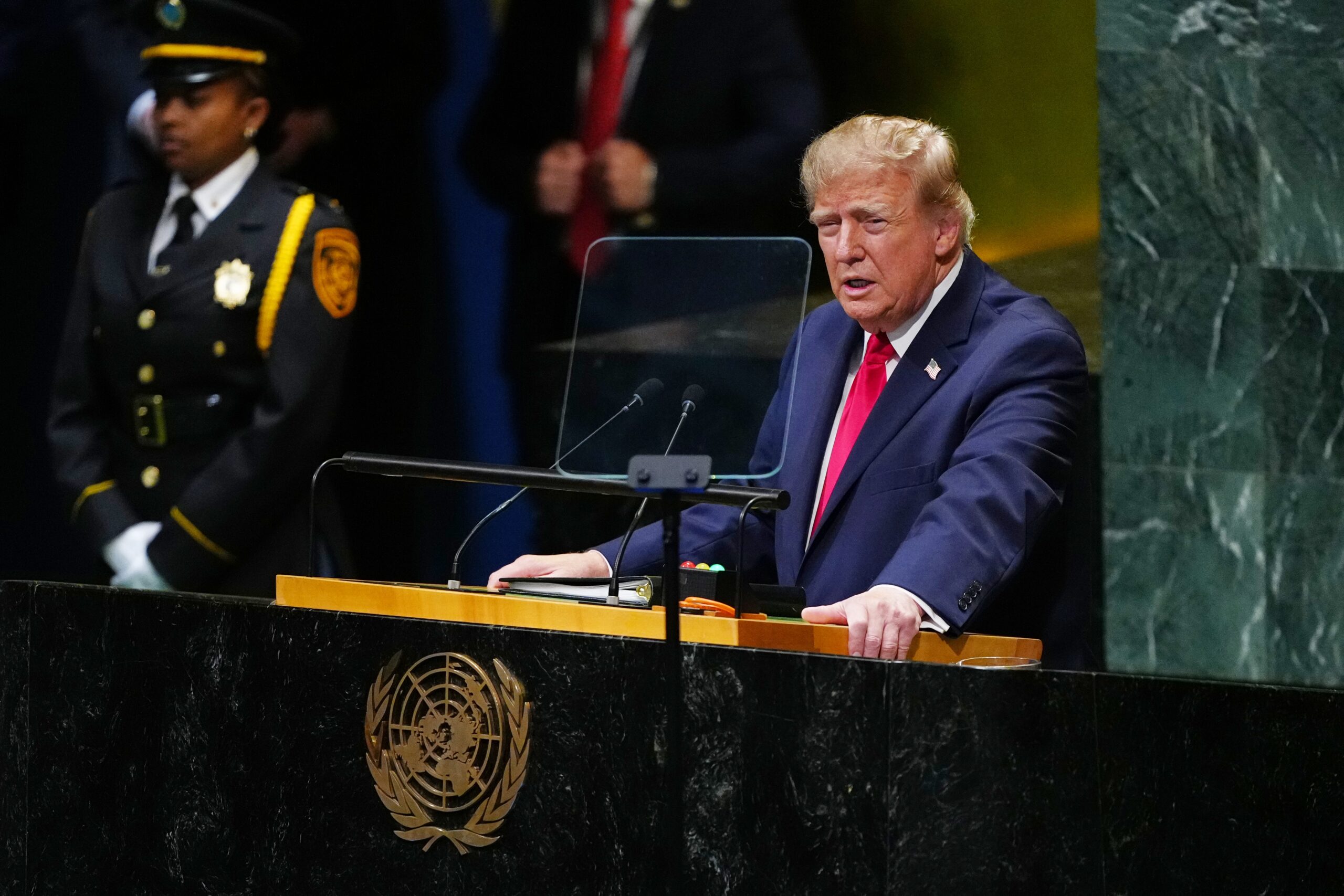
Both the international and domestic ambitions of the new Saudi transformation were on full display during U.S. President Donald J. Trump’s visit to Riyadh in May. The Saudi leadership assembled an impressive 55 countries for the U.S.-Arab-Islamic Summit, and highlighted both new international efforts to fight terrorism and women and youth outreach through visits to the new Global Center for Combating Extremist Ideology, a General Electric plant employing women, and a Mohammed bin Salman Foundation-sponsored Tweeps Forum. The gathering was meant to impress the new U.S. administration and it did; there was a glowing response from Trump marking U.S. recognition of Saudi Arabia’s new leadership role in Arab and Islamic affairs.
Bringing Qatar in Line
It is telling that the confrontation with Qatar comes on the heels of the Riyadh summit, the pinnacle of Saudi Arabia’s symbolic new power projection. Whether the coordinated move with Arab and Gulf allies marks an angered reaction to Qatari insubordination or an emboldened power play depends on individual assessments of the veracity of the alleged speech made by Emir Tamim bin Hamad al-Thani. Yet either interpretation leads to the same place: the growing assertiveness of Saudi Arabia, backed by the UAE, and its demand for acceptance of its leadership role and compliance to it, especially from its Gulf partners.
Qatar’s regional strategy has been highly reliant on its soft power media arm. Qatar’s sympathetic support for the Muslim Brotherhood and backing of some extreme Salafi movements in Syria has been oft reported. Less appreciated is the appeal Qatar has had for a more diverse set of Arab nationalists and youth activists through its more open media. Indeed, this element of its outreach has gained in importance since the Saudi-Emirati-Bahraini showdown with Qatar in 2014, which ended with the Riyadh Agreement that placed constraints on Qatar’s Islamist outreach. Qatar’s willingness under the new Emir Tamim to take steps respecting Saudi leadership was evident in its participation in both the Saudi-led coalition in Yemen and the Islamic Military Alliance to Fight Terrorism.
Yet condemnation of Qatar’s media empire and the need for Qatar to fall in line behind a more unified Gulf narrative have persisted, and have been central to both the blistering media campaign of the last two weeks and the informally communicated current demands on Qatar. The current confrontation has been replete with complaints by Saudi and Emirati officials and advisors of the disrespect shown by Qatari media outlets to the Riyadh summit, and its critical coverage of the Yemen war. The accusations that Qatar is backing terrorist insurgents in Bahrain and Saudi’s Eastern Province also appear to be based on critical coverage of recent security operations, perceived as media incitement.
The desire to bring Qatar’s policies in line, and its media to heel may also reflect the more difficult period the region is now facing. Critical media coverage and alternative youth and Islamist outreach have become more of a threat as both regional campaigns and national projects hit predictable rough patches. The Yemen stalemate has exacerbated economic weaknesses and political divisions in the country, resulting in a growing humanitarian crisis well covered by Qatar media outlets. It has also revealed disagreements between the key Saudi and Emirati partners. The perilous transition of bringing youth participation under a unified national project under conditions of austerity is a much more difficult proposition in Saudi Arabia than in the much wealthier UAE or even Qatar. Saudi Arabia, with fewer resources and a much deeper pool of both Islamic networks and unemployed youth, can do without the perceived interventions of Qatar and the critical counternarratives permitted through its media arms.
A Unified Gulf
The security and social challenges of the current period of transformation, and the perceived encouragement of a new U.S. administration, have led Saudi Arabia and the UAE, and their allies, to press their advantage and seek their goal: a unified Gulf under Saudi aegis. From the perspective of the Saudi and Emirati leadership, the disparate outlooks and competing agendas in the GCC have weakened its strategic cohesion, limited its effectiveness via rivals, and opened national borders to instability, especially from Islamist and activist groups. Qatar’s supporters see the campaign as an infringement on its sovereignty and a check on the political space it has opened. The outcome of the showdown will shape the Gulf’s future and its media as well.
The views represented herein are the author's or speaker's own and do not necessarily reflect the views of AGSI, its staff, or its board of directors.
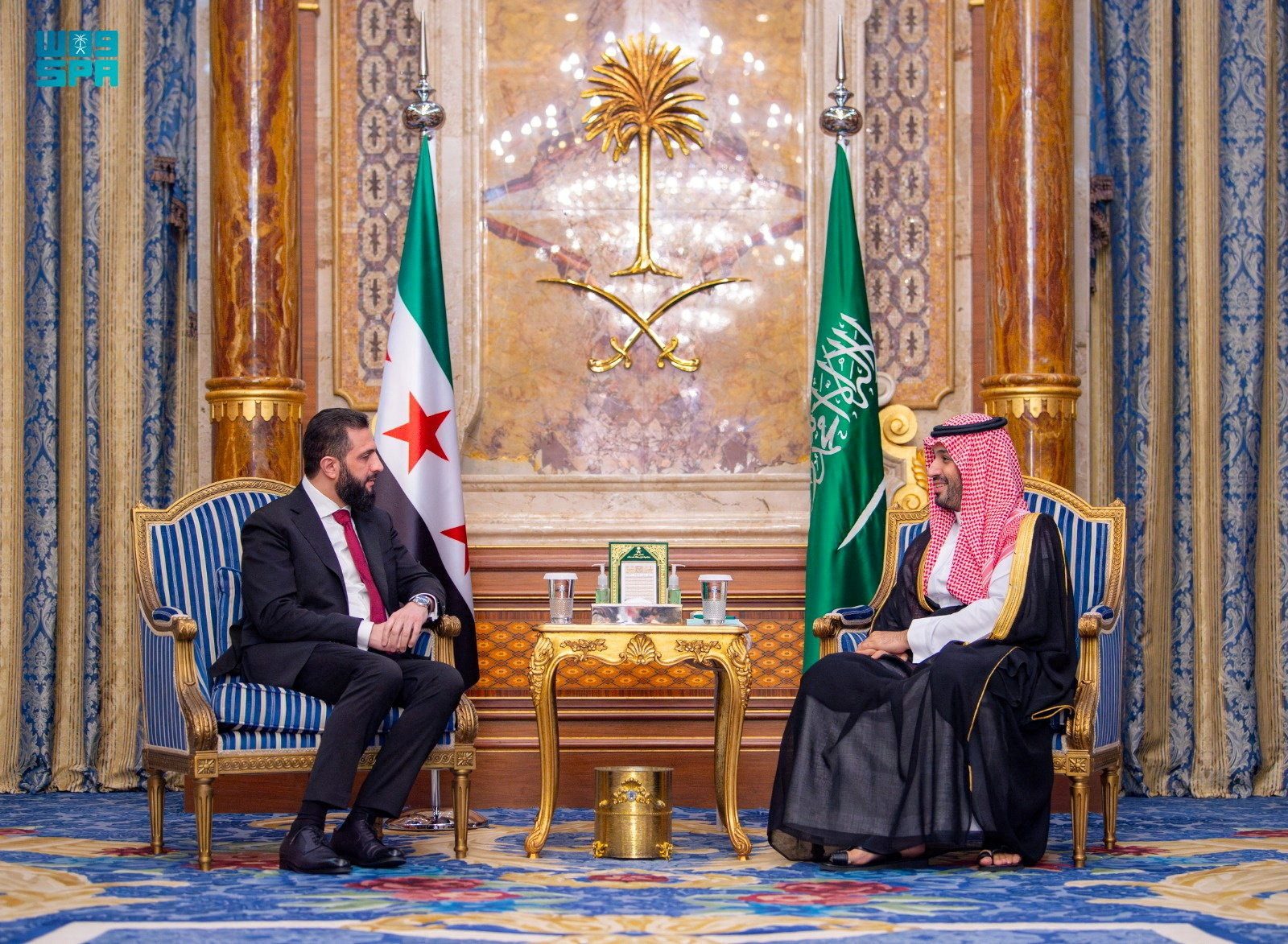
Syria hopes to use the Iran war to deepen its connection to its Gulf Arab partners. Can it compete for inclusion within the regional security order and emerging trade corridors?
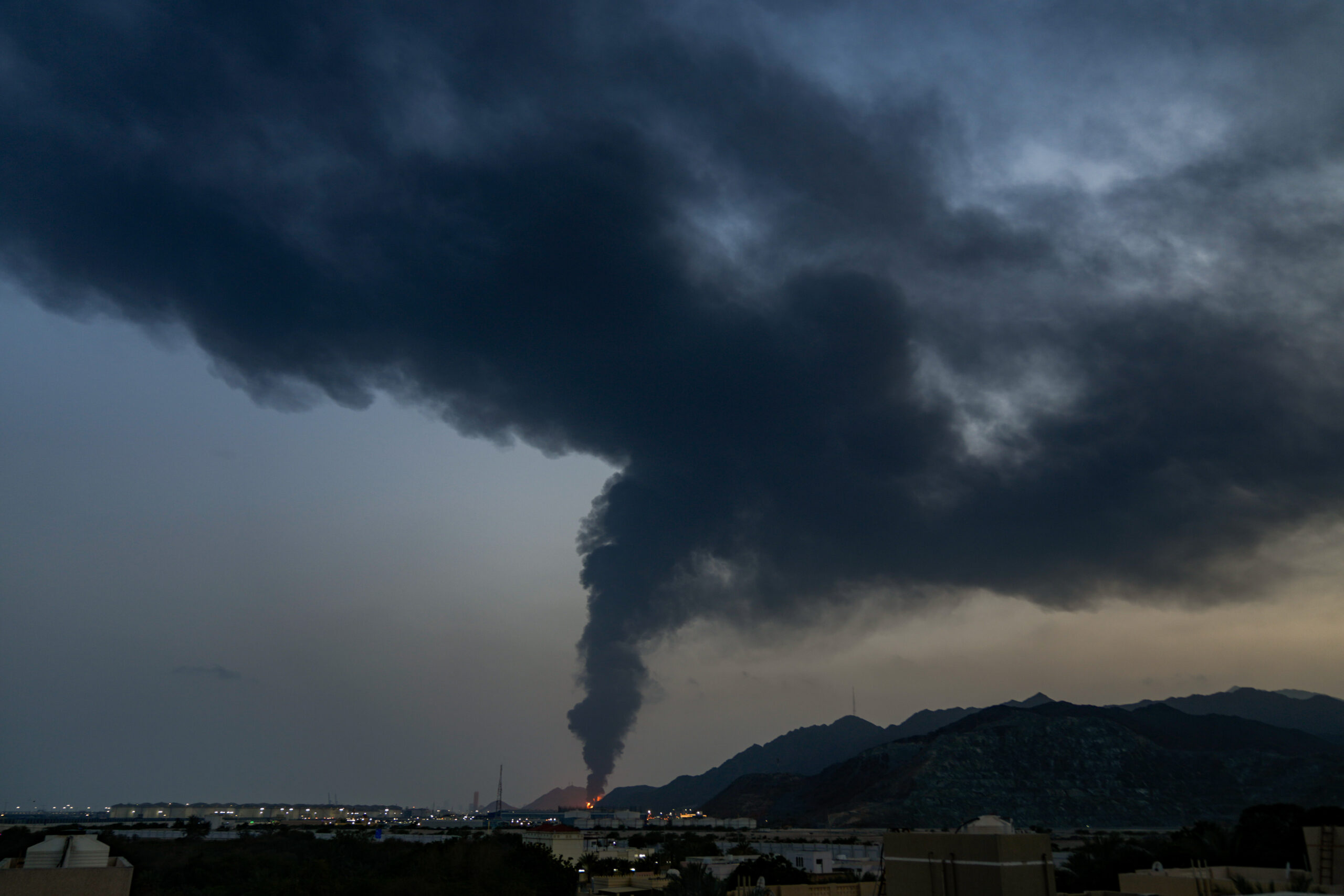
The imperative for Gulf states to unify their position has grown since the onset of Iranian attacks on their countries. Yet under conditions of uncertainty about the U.S. position and the war's outcome, Gulf states are demonstrating differing regional alignments and preferences for managing the crisis.
Caught between Iranian strikes and U.S.-Israeli pressure to join the fight, Gulf Arab states strive to maintain their autonomy over decision making, playing defense and preserving the space to maneuver when the war ends.