A huge political battle is looming in Washington over the nuclear agreement with Iran. In the short run, Barack Obama will win the fight with his opponents in Congress. But in the long run, the fate of the deal, his legacy, and perhaps the future of American foreign policy, will be decided by forces operating...
'U.S. President Barack Obama speaks during a news conference on the nuclear deal with Iran in the East Room at the White House on July 15, 2015 in Washington, DC. The landmark deal will limit Iran's nuclear program in exchange for relief from international sanctions. The agreement, which comes after almost two years of diplomacy, has also been praised by Iranian President Hassan Rouhani but condemned by Israeli Prime Minister Benjamin Netanyahu. (Photo by Chip Somodevilla/Getty Images)'
A huge political battle is looming in Washington over the nuclear agreement with Iran. In the short run, Barack Obama will win the fight with his opponents in Congress. But in the long run, the fate of the deal, his legacy, and perhaps the future of American foreign policy, will be decided by forces operating beyond his control.
Anyone critiquing the agreement seemingly has an abundance of riches. It can be attacked as insufficient on inspections, rolling back Iran’s nuclear development, excessive sanctions relief (especially eventually lifting the UN arms embargo), and not accounting for what happens after its restrictions expire. But none of that is sufficient.
Mr Obama could veto any Congressional action – and a supermajority is almost certainly not available to the opposition. True, having to use a veto to protect his signature foreign policy initiative, would be embarrassing. But there is little doubt he will prevail.
Mr Obama has made an agreement on behalf of the US. For Congress to repudiate presidential judgment on a matter of this magnitude cuts deeply against the grain of American political sensibilities. Under such circumstances, presidents almost always get their way – and so will he.
The contours of the argument go something like this:
This agreement blocks Iran’s pathway to obtaining a nuclear device.
No it doesn’t. It’s full of loopholes. Iran can and probably will cheat. And, even if they don’t, it doesn’t roll back their nuclear programme enough.
What’s your alternative? War?
Not war. The real alternative is a better deal.
You can’t get a better deal. The only alternative is war.
Yes we could. Or at least we could have maintained the status quo, which is better than the agreement.
We can’t maintain the status quo because the most important international sanctions are fairly recent and will certainly disintegrate over the next couple of years if we don’t have an agreement, and we do not have the power or influence to maintain them.
At least we should try. The US has a lot of influence and we could continue to isolate and pressure Iran.
But none of that would do anything to stop their drive towards getting a nuclear bomb. And, anyway, we can’t maintain the most important sanctions. You’re basically warmongers – and totally unrealistic.
This is a capitulation to an extremist regime. There’s nothing more unrealistic than that. And what happens in 15 years? What’s to stop Iran from getting a bomb then?
That’s a good one. If they try, we’ll deal with it then. 15 years is a long time.
But they haven’t changed since 1979.
Well we will have the same options then as we do now. They will still be a year away from a bomb.
No, much closer then.
We will know everything that they are doing, and still have all our options.
If that’s a reductive caricature of the basic argument, it’s not by much. The administration’s case relies on the idea that there aren’t any reasonable alternatives to this agreement. The critique centres on the idea that no agreement would be better than this agreement.
Because so much depends on imponderables – what will happen during implementation, how will it will affect Iran’s regional conduct, what will Iran’s domestic politics and foreign policy look like in a few years time, and will the international community stick together if Iran cheats on the accord – that it’s really not possible for either side to prevail on the merits. It’s a gigantic gamble and the question is whether it is one worth making or not.
Divisions in Washington over the agreement arise from, and focus sharp attention on, an irreconcilable disagreement that has arisen in recent years about the very basis of US foreign policy. Supporters of the agreement insist that recognising the limitations of American power is essential to avoiding further foreign policy disasters driven by overreaching, such as the invasion of Iraq. Its critics hold that these limits are being exaggerated by a risk-averse and essentially timid approach that manages to be both reckless and naive.
The Iran agreement perfectly illustrates how Mr Obama is pioneering a new “right-sized” foreign policy that seeks to reconcile goals with resources, and regards imperial hubris as the definitive error. And it may prove to be its ultimate test.
Mr Obama has been a lucky politician all his life, rising step-by-step to the White House with blinding speed as opponents dropped out, self-destructed or simply couldn’t cut it.
Like Abraham Lincoln, his claim to national leadership wasn’t based on any record of accomplishment but rather on his speeches, which cast him as the right man at the right time.
But never has he trusted more to fortune’s favour. Given the gamble that Mr Obama has made, his international legacy, and maybe even his legacy as president overall, is largely, if not entirely, in the hands of an unreconstructed extremist regime in Tehran. And so, perhaps, is the future of his downsized American foreign policy.
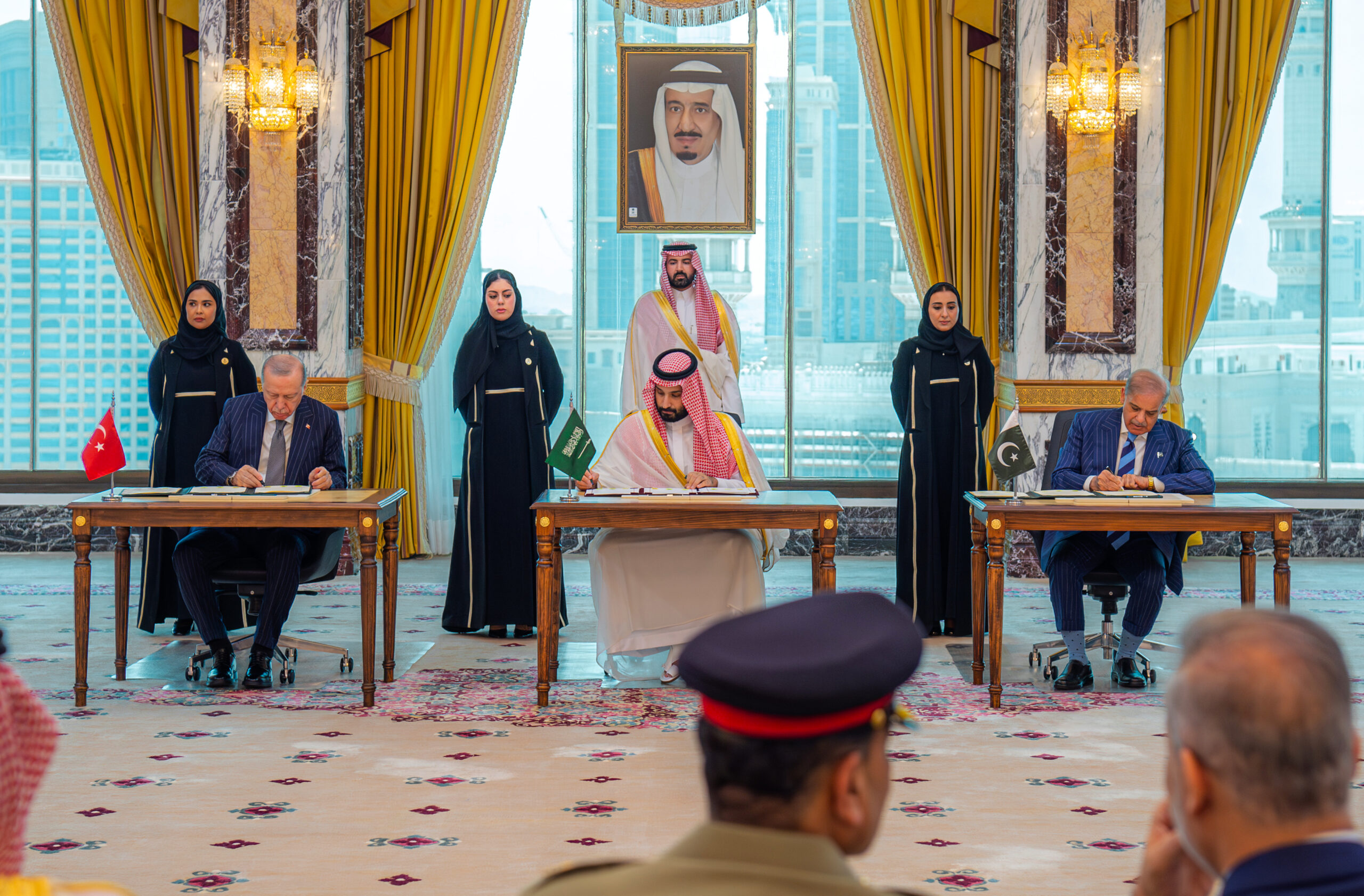
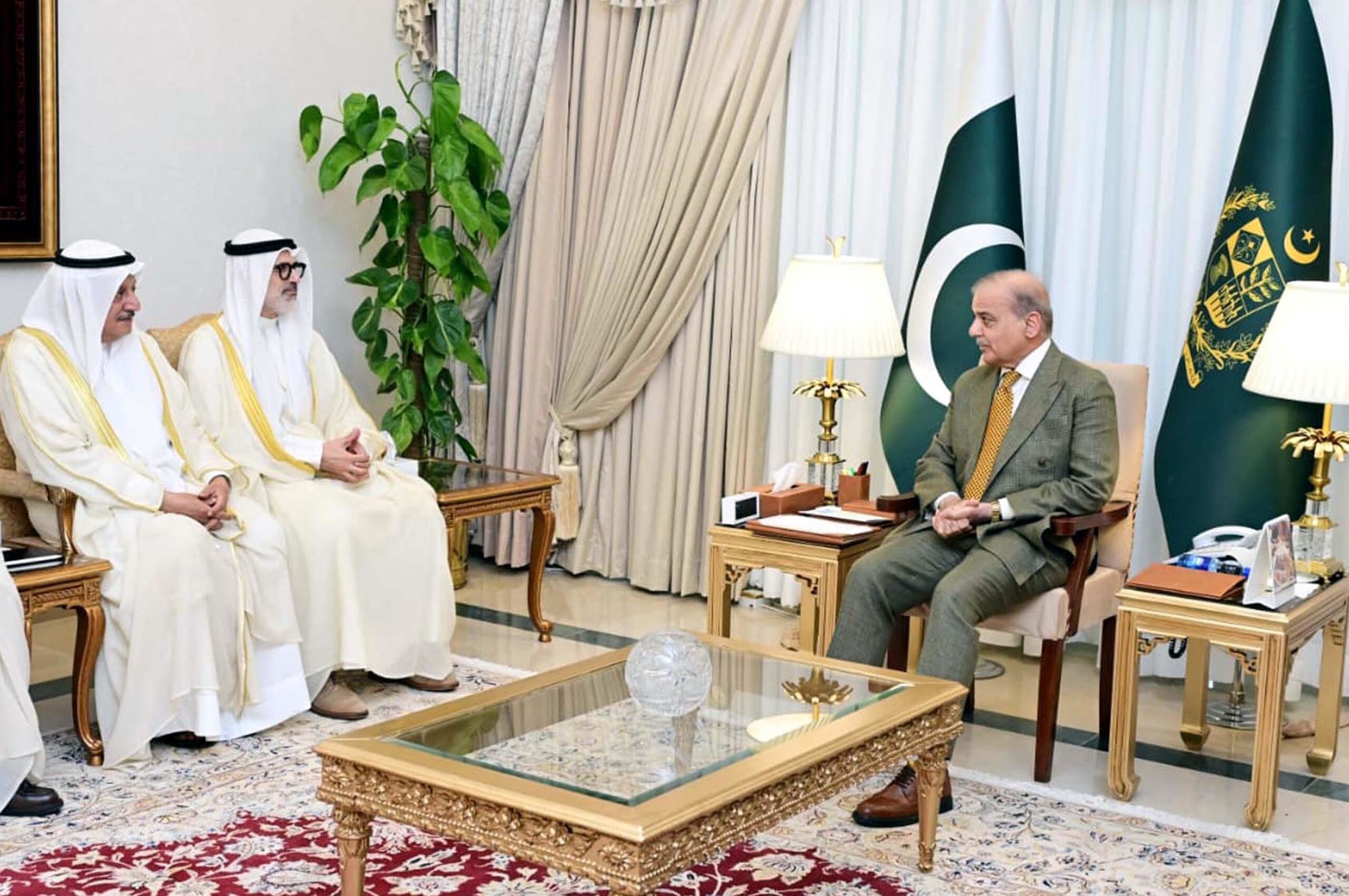
The significance of Kuwait’s defense pact with Pakistan lies less in any immediate military transformation than in what it reveals about the evolving security landscape of the Gulf.
President Trump has led the United States into an impossible dilemma in which resuming and intensifying the war presents one set of alarming consequences while ending it under current circumstances offers at least as many disasters for Washington.
The Trump administration has positioned the United States at a crossroads between a new regime of containment against Iran or a historic drawdown of U.S. influence in the Gulf and broader Middle East.
Riyadh and Abu Dhabi urged President Trump not to attack Iran, but now that the war is into its second month, leaving the current situation in place would be an unthinkable fiasco for them.
Though they were unsuccessful in preventing the current conflict, and, as expected, have been dragged into the U.S.-Israeli confrontation with Iran, Gulf Arab countries remain crucial to hopes for limiting the war and bringing it to a quick resolution.












Jul 20, 2015
Obama stakes his legacy on the nuclear accord
A huge political battle is looming in Washington over the nuclear agreement with Iran. In the short run, Barack Obama will win the fight with his opponents in Congress. But in the long run, the fate of the deal, his legacy, and perhaps the future of American foreign policy, will be decided by forces operating...
5 min read