"*" indicates required fields

This field is for validation purposes and should be left unchanged.

Subscribe

By subscribing you agree to our Privacy Policy

Subscription Settings
Analysis

The Politics of Leverage: Bond Issuances, Debt Dynamics, and State Finances in the Gulf

The underlying economic factors driving debt issuances, issues related to how raised funds are redeployed within local economies, and the implications of looming debt maturities help to paint a comprehensive picture of the state of Gulf Arab economies.

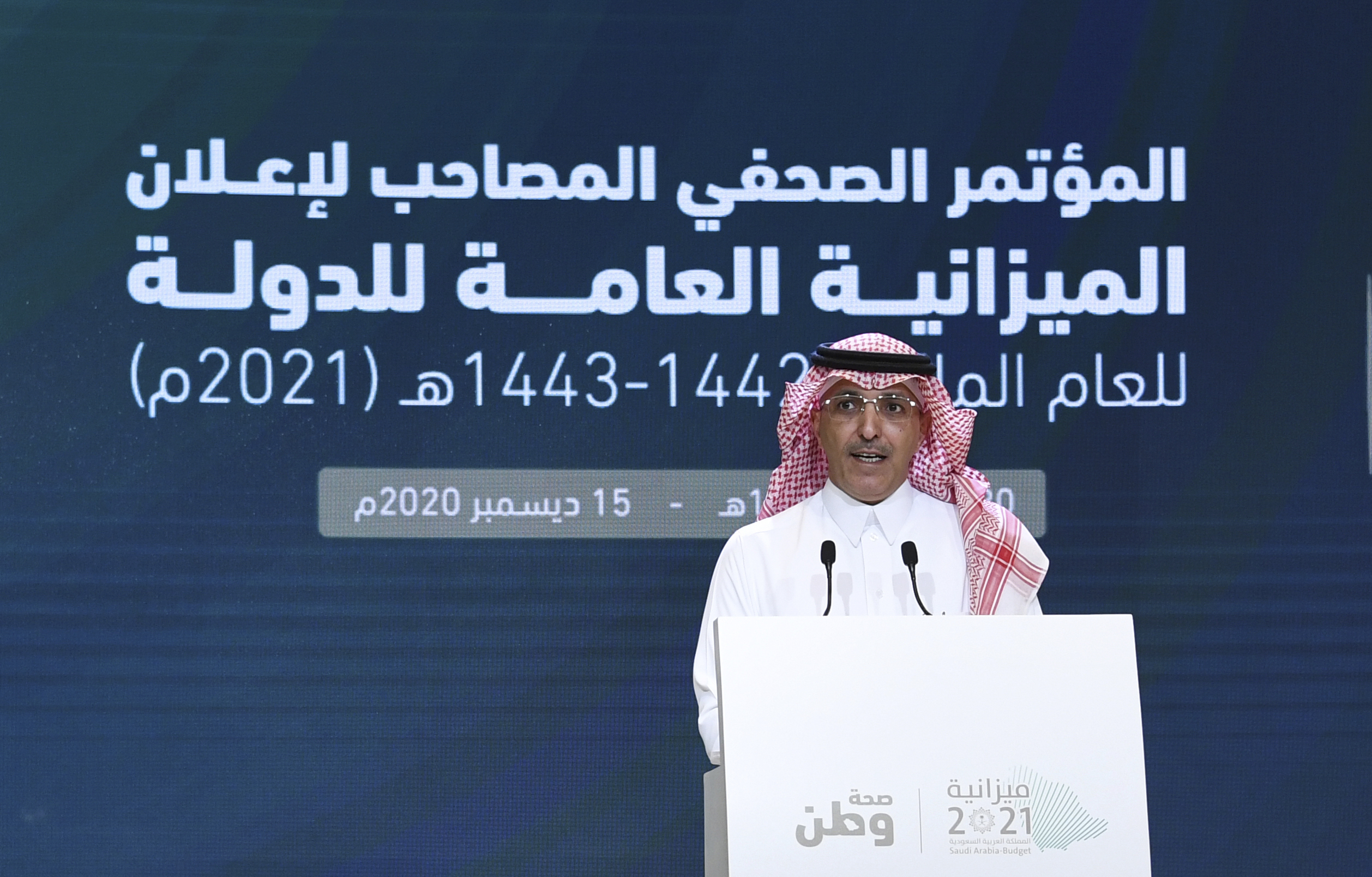
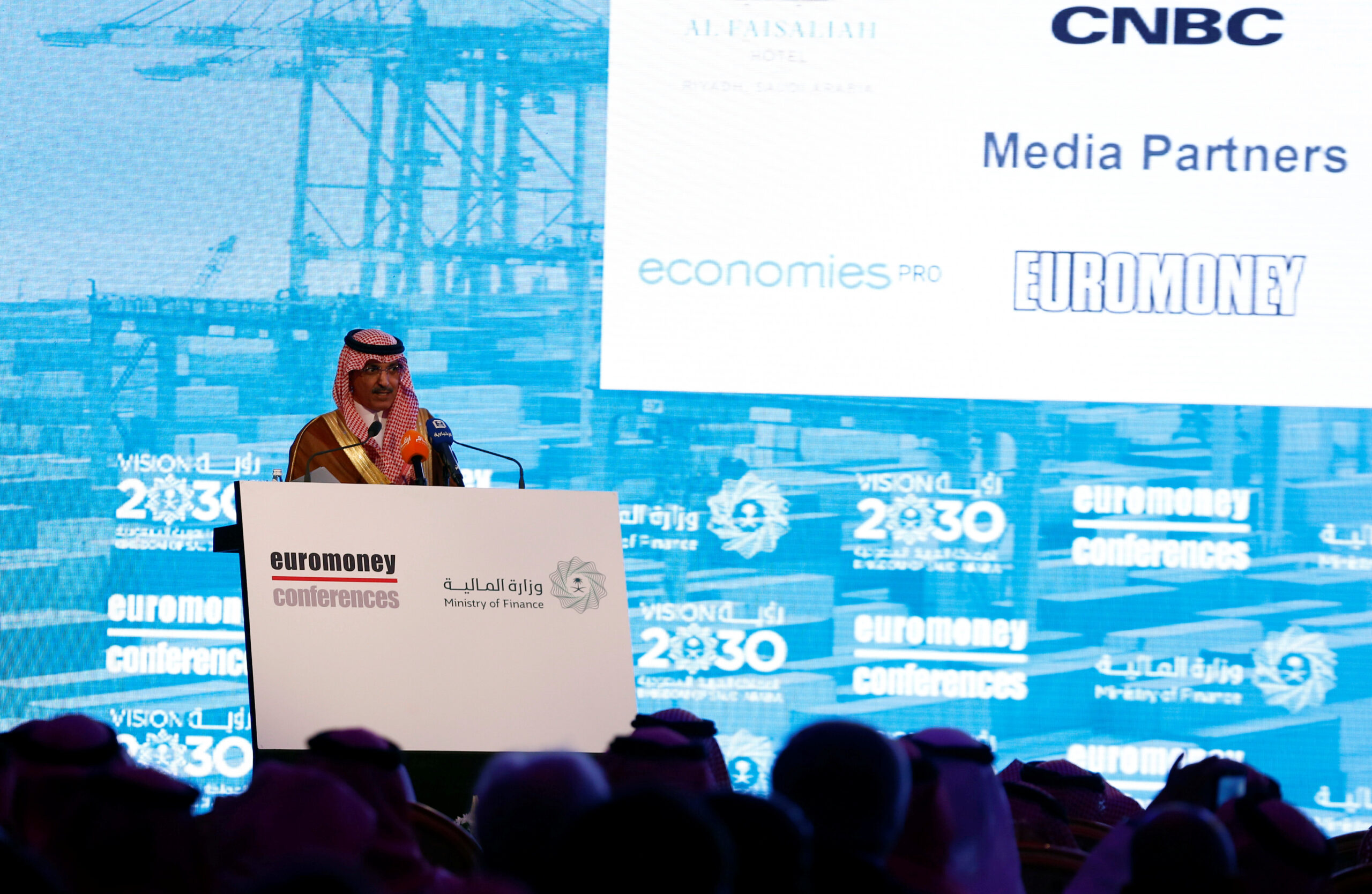
'Saudi Minister of Finance Mohammed Al-Jadaan speaks during Euromoney Saudi Arabia Conference, in Riyadh, Saudi Arabia, May 2, 2018. (REUTERS/Faisal Al Nasser)'

Executive Summary

Sovereign and corporate bond issuances proved to be crucial economic policy tools and financial instruments in Gulf Arab states during the extraordinary economic challenges of 2020. While there were several major bond deals announced in early 2021, the pace of issuances and eagerness to tap international bond markets is poised to slow across the Gulf for the second half of 2021 and into 2022. Bond issuances and their future implications will remain a central feature of the political economy of Gulf Arab states, but the urgency for most Gulf governments to raise funding from international capital markets has diminished following higher oil prices and rosier economic growth forecasts. Another sustained slide in oil prices, however, would renew pressure on government finances and likely increase the need for debt issuances.

The highest-rated sovereign issuers, such as Abu Dhabi and Qatar, are in the privileged position of accessing cheap debt opportunistically. Saudi Arabia continues to enjoy strong demand for its sovereign bonds, but the state’s total financing needs remain considerable. Despite shakier finances, investors continue to view Omani bonds favorably, given the sultanate’s fiscal reform trajectory, regular issuances, and solid yields. Bahrain combines high levels of government debt with an uncertain fiscal reform status, but previous external support from Gulf Cooperation Council member states – as well as the prospect of future economic aid packages – has helped the small country maintain access to capital markets. Kuwait’s government and Parliament have been unable to agree on a new debt law, which has prevented Kuwait from issuing bonds since 2017.

Commercial entities across the Gulf Arab states, especially those in the energy sector, took advantage of strong demand for corporate debt in 2020-21. With the expectation for fewer funding commitments from regional governments, there are concerns that the debt held by some regional government-related entities may be headed toward unsustainable levels. Multibillion-dollar external sovereign debt maturities are looming for Oman and Bahrain over the coming years, but they, and other Gulf states, will have the option to refinance or restructure this debt. Meanwhile, Islamic bonds are in high demand and their market is underserved, creating cost-effective opportunities for Gulf-based issuers.

Read full paper

The views represented herein are the author's or speaker's own and do not necessarily reflect the views of AGSI, its staff, or its board of directors.

Robert Mogielnicki

Non-Resident Fellow, AGSI

Analysis

Markets Respond to the Iran Conflict

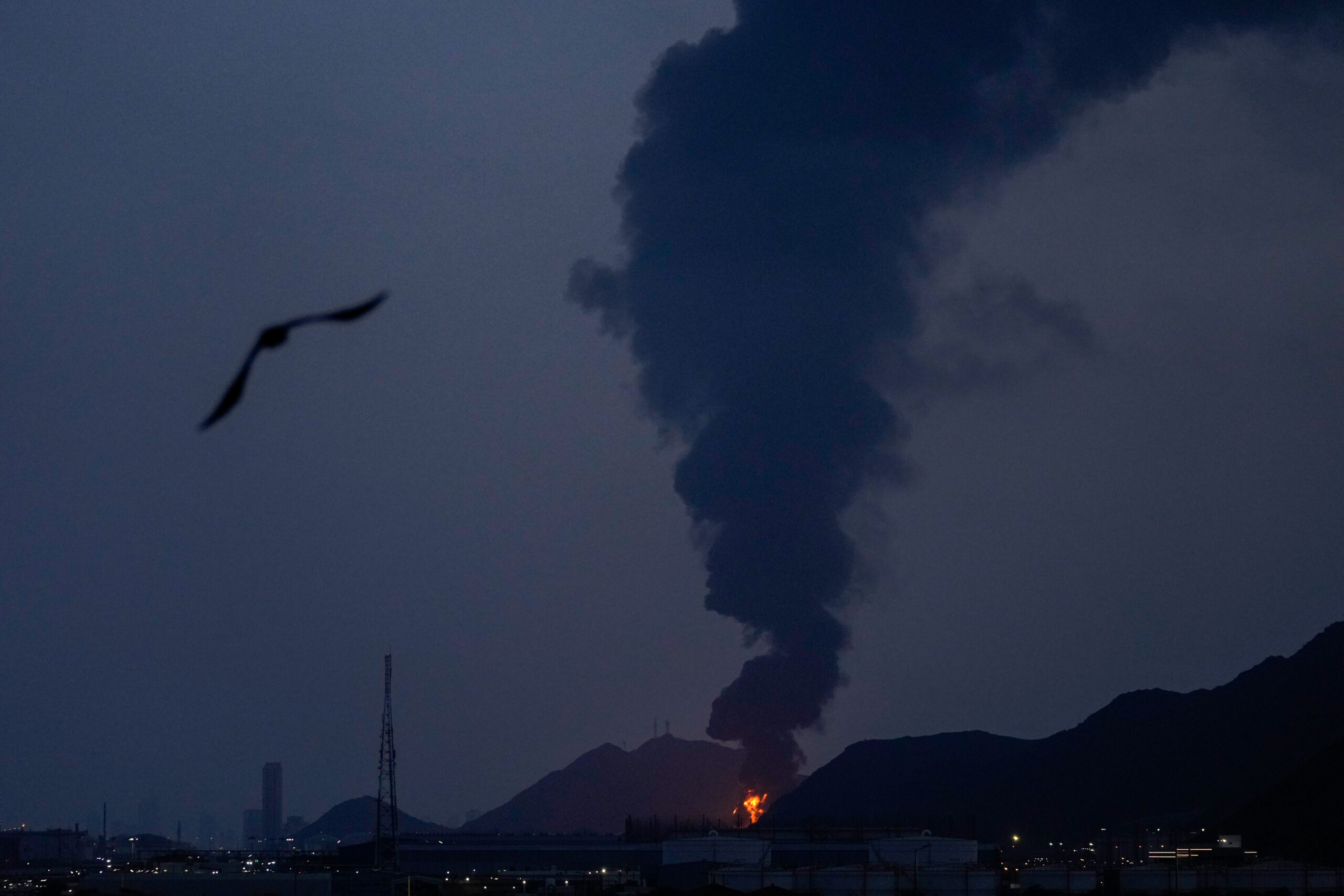
The early reactions of regional stock markets reflect serious concerns but not full-blown panic despite an unprecedented escalation of the Iran conflict.

Large fire and plume of smoke is visible after, according to the authorities, debris of an Iranian intercepted drone hit an oil facility in Fujairah, United Arab Emirates, March 3. (AP Photo/Altaf Qadri)

Iran War: Gulf Unity, Economic Shocks, and Regime Scenarios

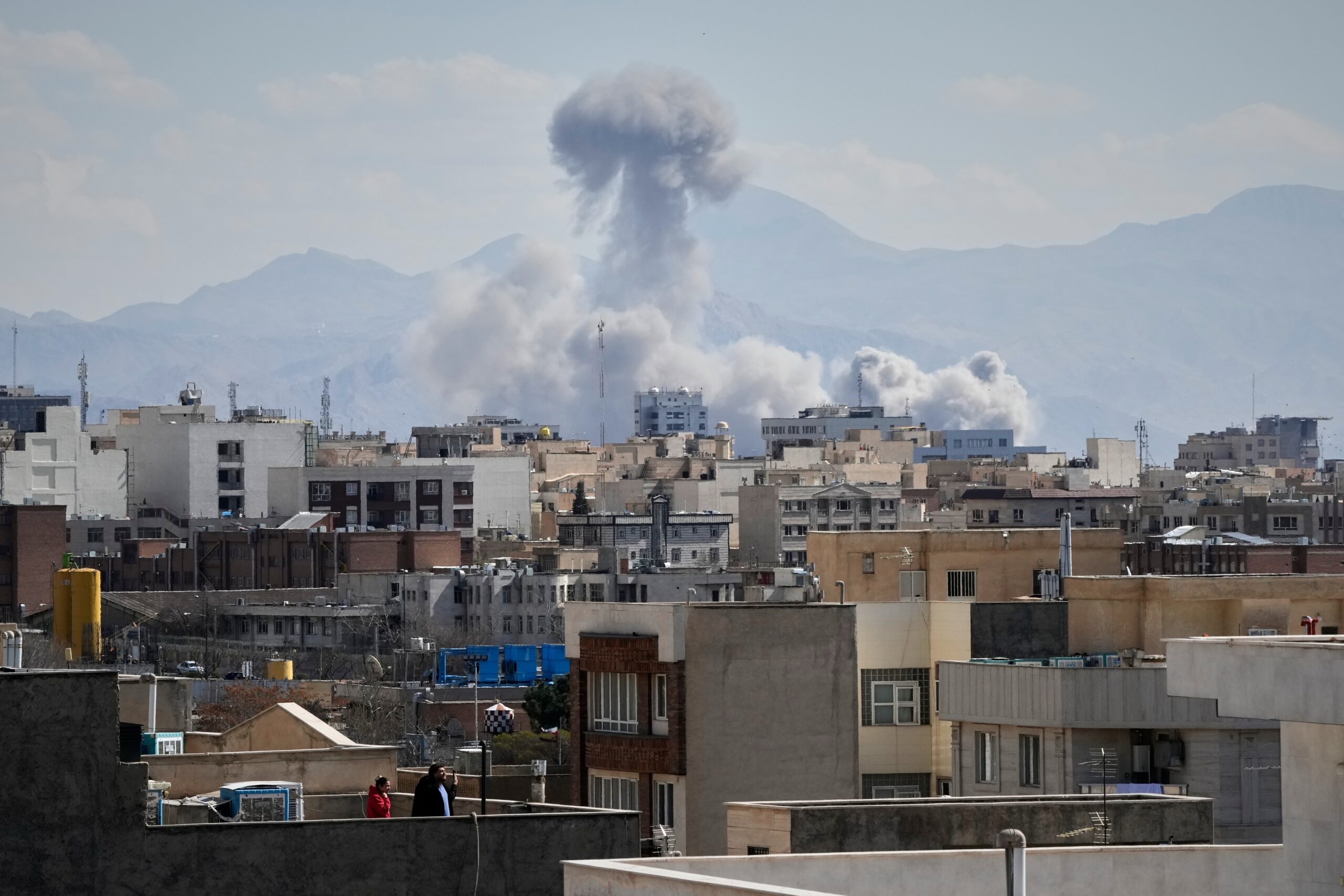
After a massive U.S.-Israeli campaign against Iran, AGSI explores scenarios for the future of Iran and implications for broader Gulf security.

16 min read

A plume of smoke rises after a strike in Tehran, Iran, March 1. (AP Photo/Vahid Salemi)

Oman Sets Its Economic Compass for the Year Ahead

A flurry of economic announcements and initiatives by the Omani government indicate a strong desire to sustain both reform progress and economic momentum amid potential headwinds.

An Omani couple stand on the Mutrah Corniche in Muscat, Oman, February 6. (AP Photo/Altaf Qadri)

Firmer Details Emerge on U.S.-Gulf AI Cooperation

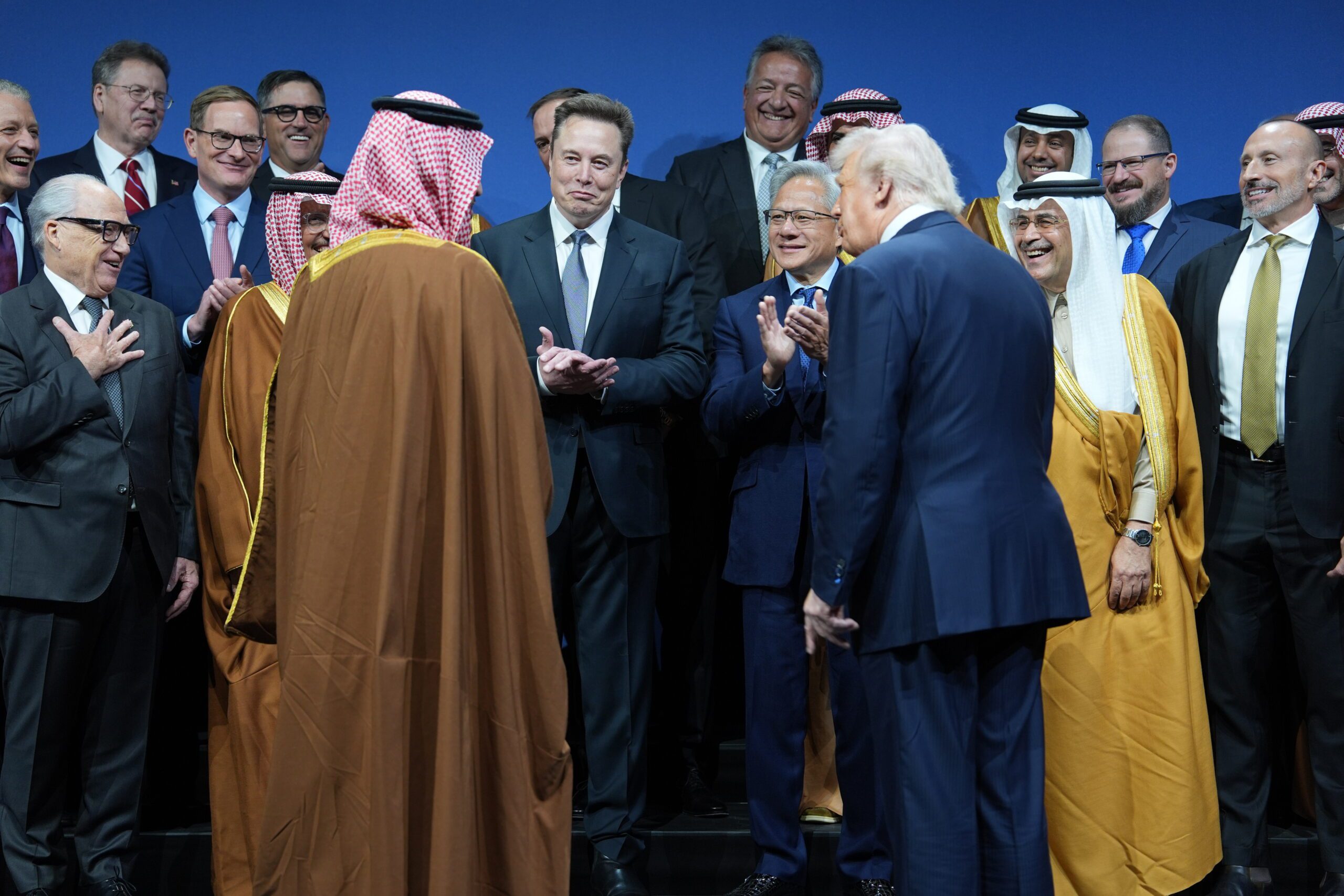
U.S. authorizations for exporting advanced chips to the leading Gulf technology firms is sure to please regional authorities, who will push to broaden and accelerate technology collaboration with the United States.

President Donald J. Trump speaks with Saudi Crown Prince Mohammed bin Salman, Elon Musk, Nvidia CEO Jensen Huang, and others during the U.S.-Saudi Investment Forum at the Kennedy Center in Washington, November 19. (AP Photo/Evan Vucci)
View All

Events

Mar 17, 2026

10:00am - 11:00am

Investing Through Uncertainty: Capital, Technology, and the Future of Gulf Markets

On March 17, AGSI will host a discussion on Gulf economic advancement.

Register
Light traffic moves along a main road in downtown Dubai, United Arab Emirates, March 7. (AP Photo/ Fatima Shbair)

Mar 11, 2026

Shockwaves From Iran: Implications for Energy Markets and the Global Economy

On March 11, AGSI hosted a discussion on global energy and economic market volatility.

Flames rise from an oil storage facility south of Tehran as strikes hit the city, Iran, March 7. (AP Photo/Vahid Salemi)

Oct 21, 2025

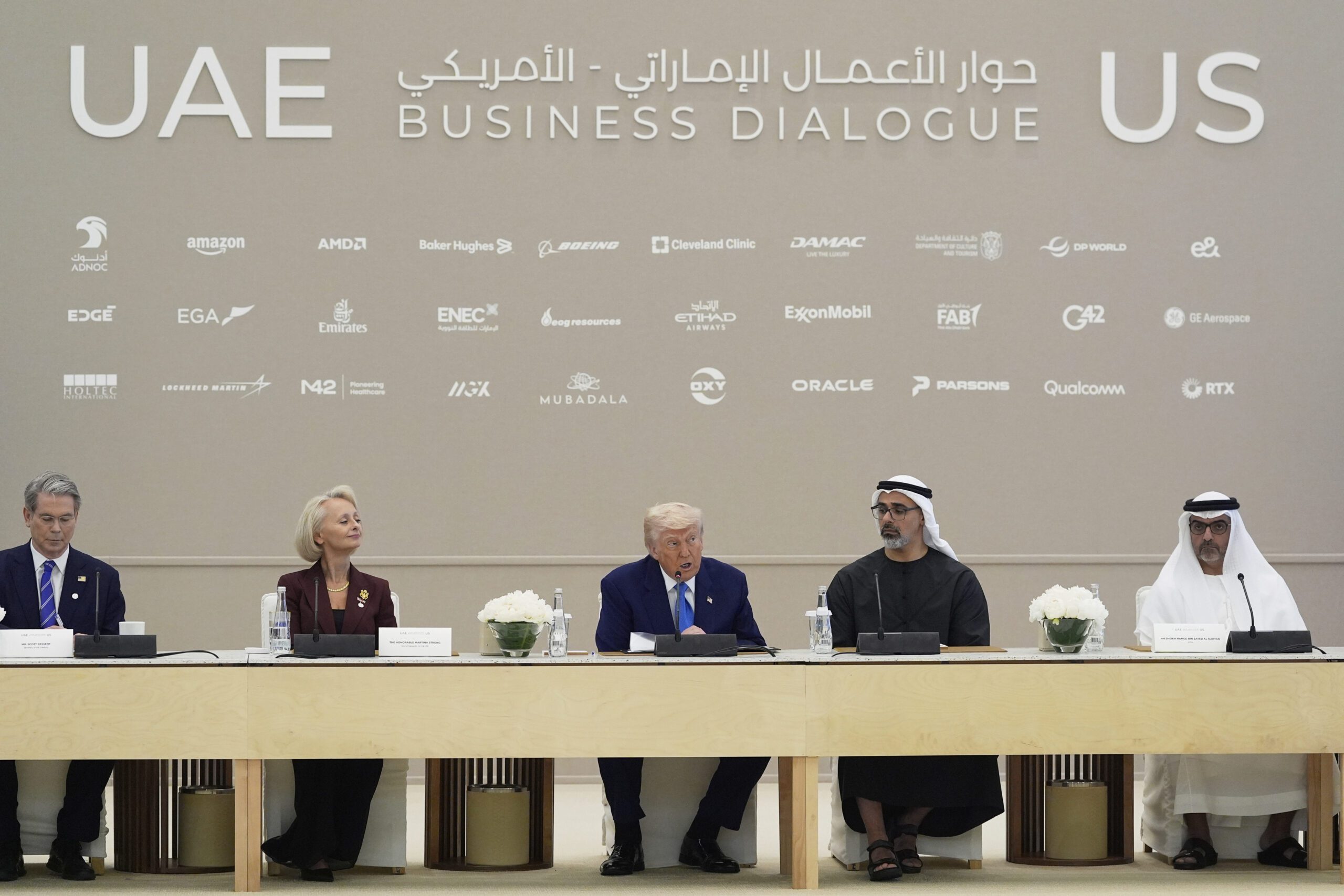
Book Launch: A Political Economy of Sovereign Wealth Funds in the Middle East and Asia

On October 21, AGSI hosted a discussion on the strategic economic significance of sovereign wealth funds in the Middle East-Asia investment corridor.

From left to right: U.S. Secretary of the Treasury Scott Bessent, U.S. Ambassador to the UAE Martina Strong, President Donald J. Trump, Crown Prince of Abu Dhabi Khaled bin Mohammed bin Zayed al-Nahyan and ADIA Managing Director Hamed bin Zayed al-Nahyan participate in a business roundtable at Qasr Al Watan in Abu Dhabi, United Arab Emirates, May 16. (AP Photo/Alex Brandon)
From left to right: U.S. Secretary of the Treasury Scott Bessent, U.S. Ambassador to the UAE Martina Strong, President Donald J. Trump, Crown Prince of Abu Dhabi Khaled bin Mohammed bin Zayed al-Nahyan, and ADIA Managing Director Hamed bin Zayed al-Nahyan participate in a business roundtable at Qasr Al Watan in Abu Dhabi, United Arab Emirates, May 16. (AP Photo/Alex Brandon)

Sep 18, 2025

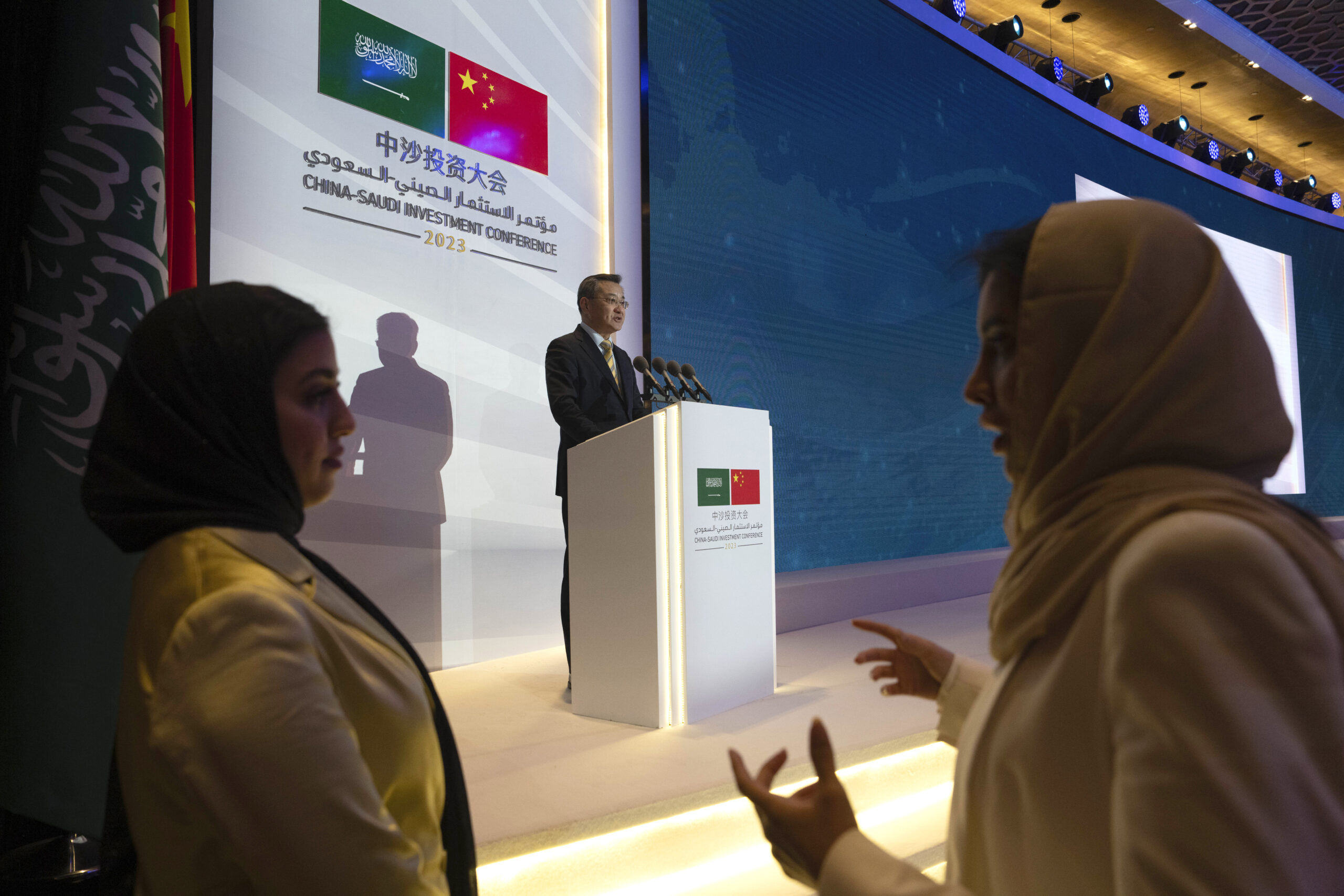
Book Talk: Building the Belt and Road Initiative in the Arab World: China’s Middle East Math

On September 18, AGSI hosted a discussion on the trajectory of China's presence in the Middle East.

Chinese Vice Minister of Commerce Li Fei, center, speaks at the opening of the China-Saudi Investment Conference in Beijing, December 12, 2023. (AP Photo/Ng Han Guan)
View All