The Centralization of Economic Policymaking in the Kingdom
Robert Mogielnicki discusses the centralization of economic policymaking and the consolidation of power amid the fast pace of new initiatives in the kingdom since the launch of Vision 2030.
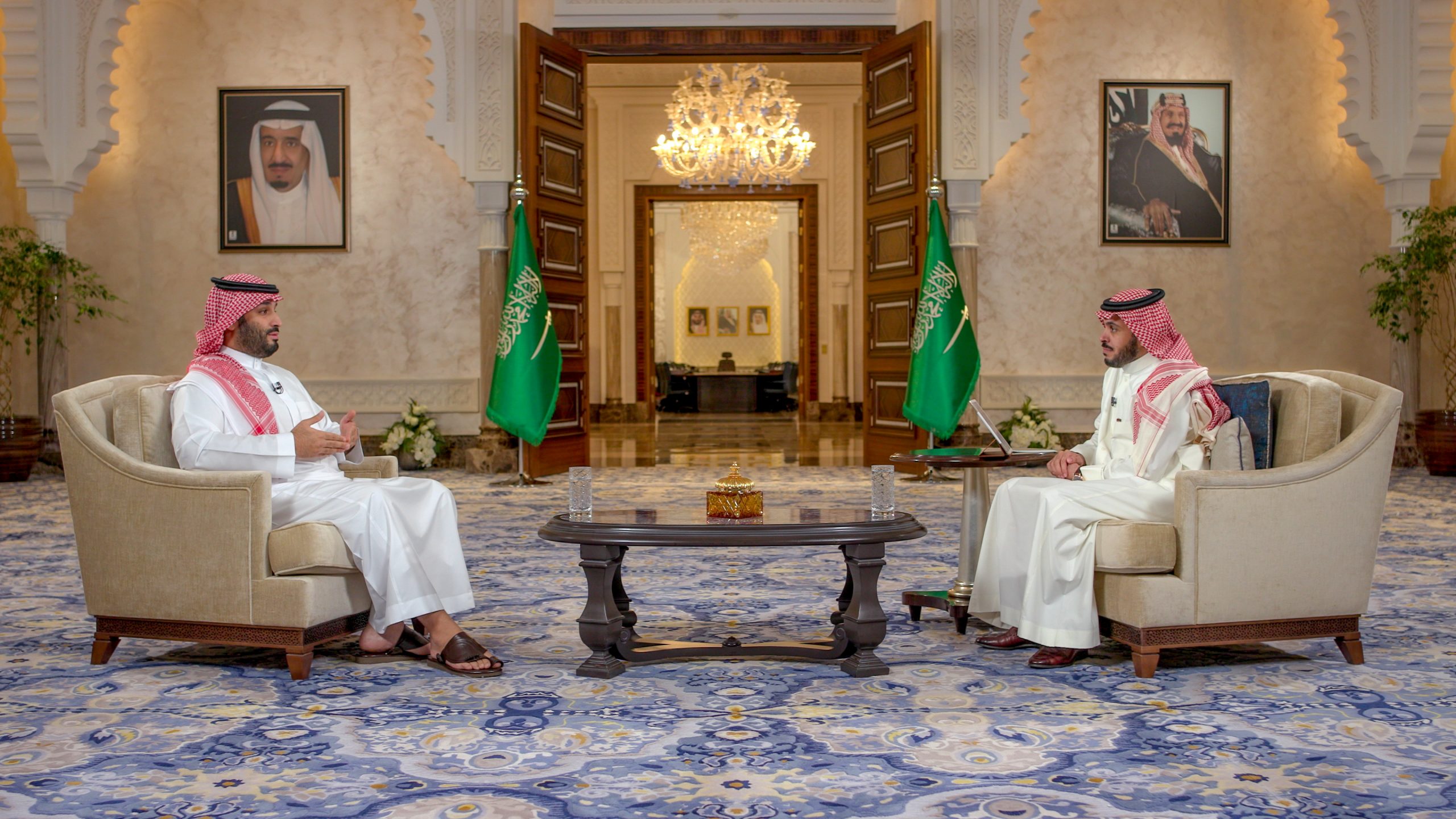
Saudi Crown Prince Mohammed Bin Salman speaks during a televised interview in Riyadh, Saudi Arabia, April 27, 2021. Picture taken April 27, 2021. Bandar Algaloud/Courtesy of Saudi Royal Court/Handout via REUTERS ATTENTION EDITORS - THIS PICTURE WAS PROVIDED BY A THIRD PARTY - RC2O4N93MOQN
On April 27, Saudi Crown Prince Mohammed bin Salman sat down for a televised interview five years after the announcement of Vision 2030. Robert Mogielnicki discusses the centralization of economic policymaking and the consolidation of power amid the fast pace of new projects and initiatives.
The views represented herein are the author's or speaker's own and do not necessarily reflect the views of AGSI, its staff, or its board of directors.
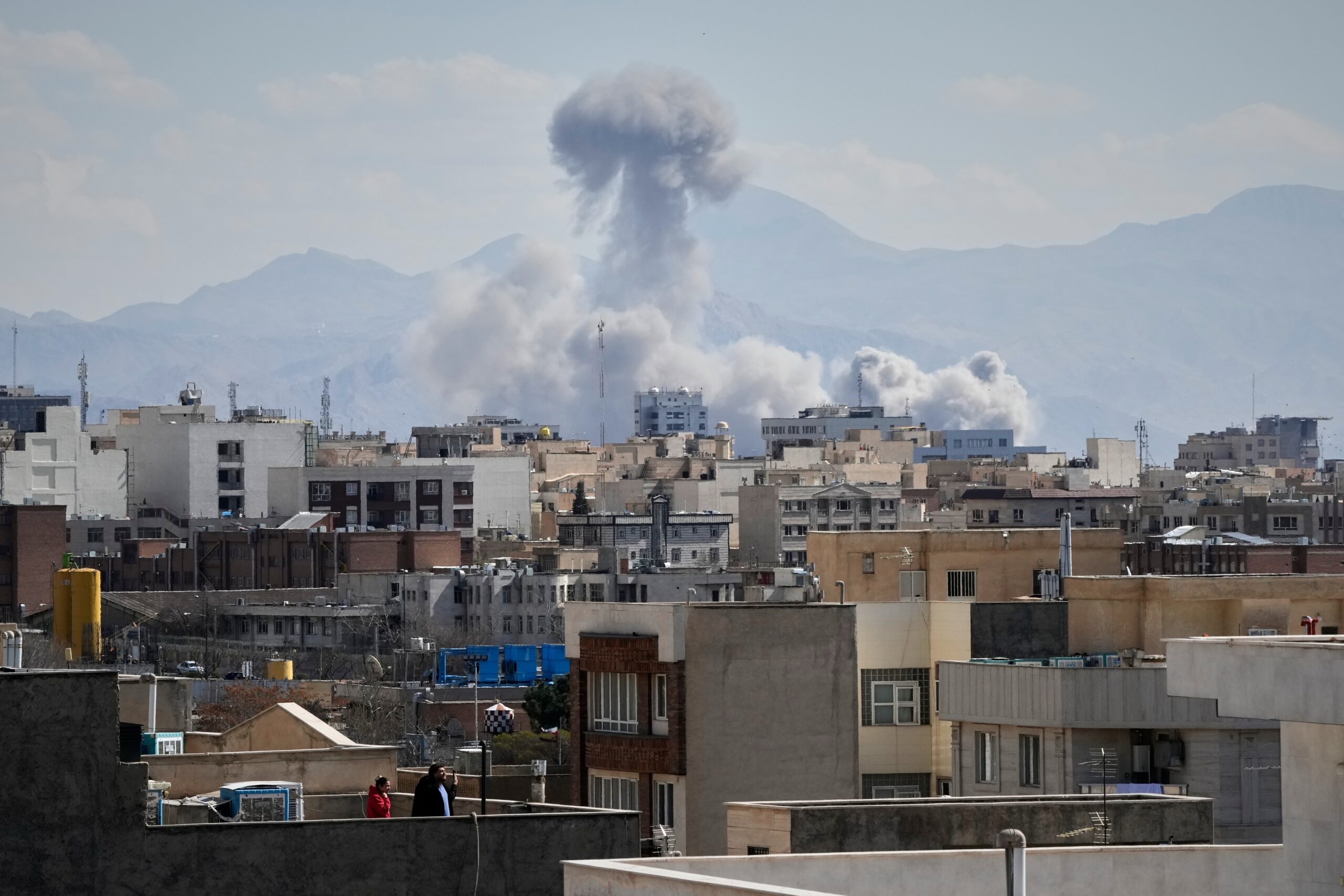
The early reactions of regional stock markets reflect serious concerns but not full-blown panic despite an unprecedented escalation of the Iran conflict.
The early reactions of regional stock markets reflect serious concerns but not full-blown panic despite an unprecedented escalation of the Iran conflict.
A flurry of economic announcements and initiatives by the Omani government indicate a strong desire to sustain both reform progress and economic momentum amid potential headwinds.
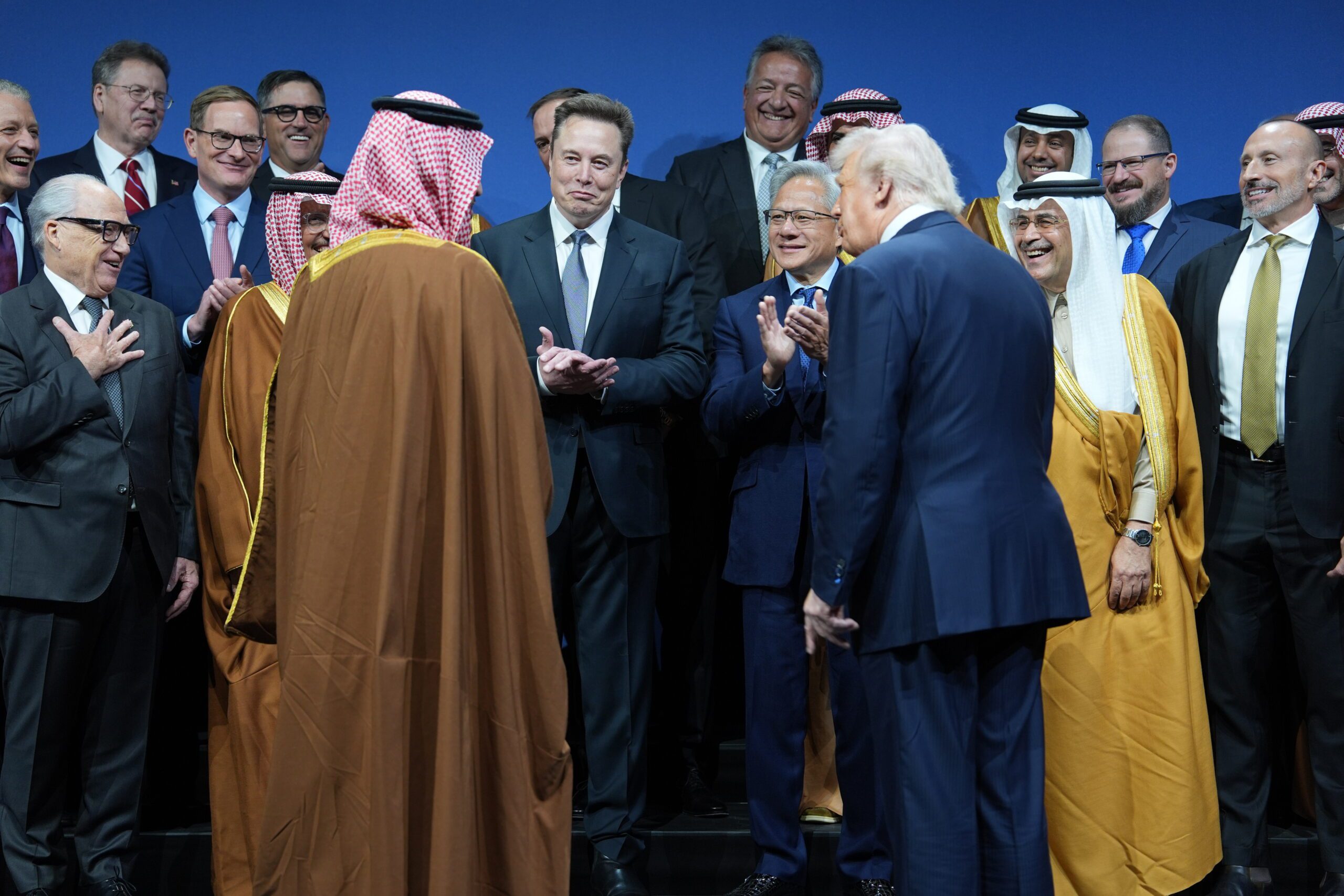
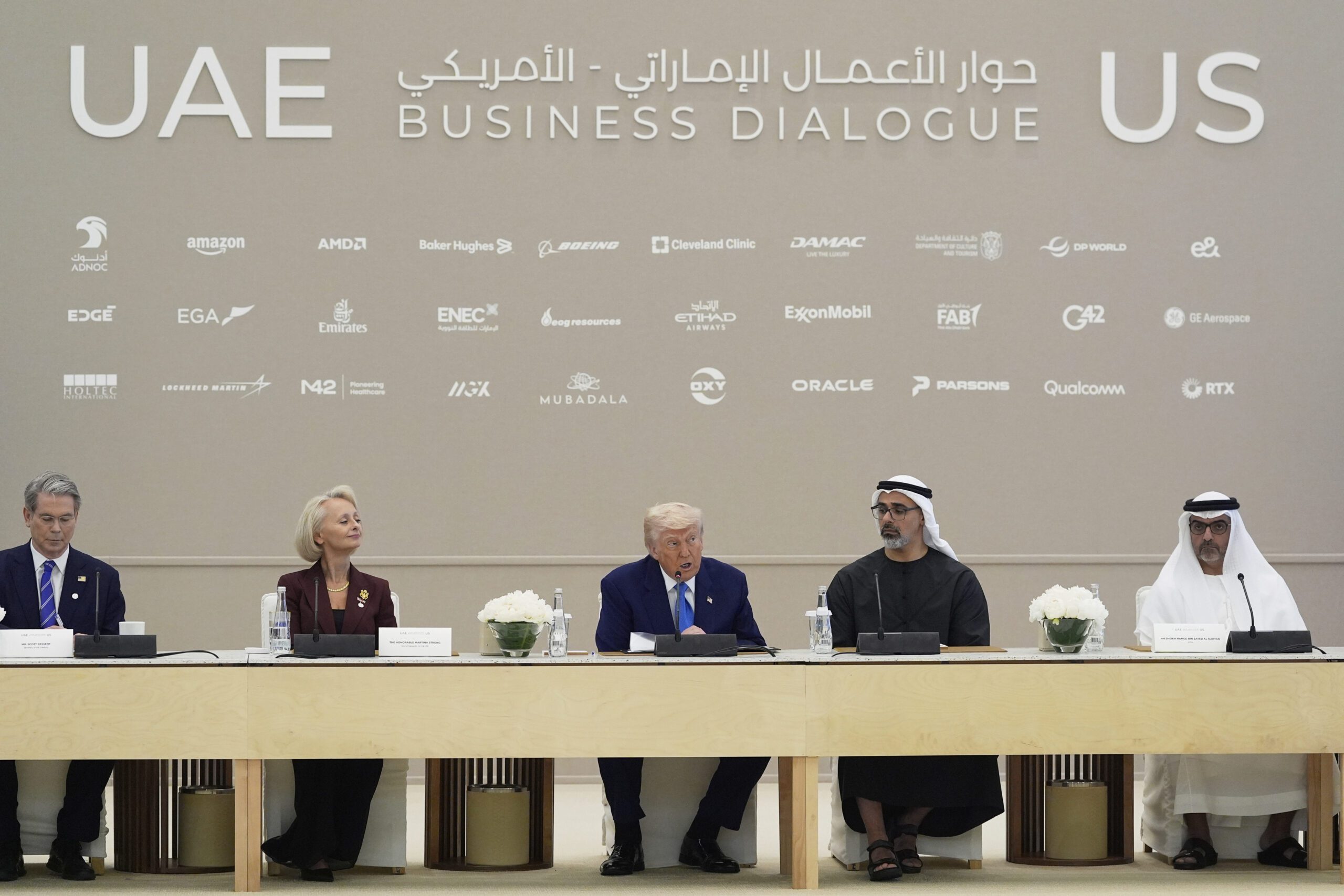
U.S. authorizations for exporting advanced chips to the leading Gulf technology firms is sure to please regional authorities, who will push to broaden and accelerate technology collaboration with the United States.