"*" indicates required fields

This field is for validation purposes and should be left unchanged.

Subscribe

By subscribing you agree to our Privacy Policy

Subscription Settings
Analysis

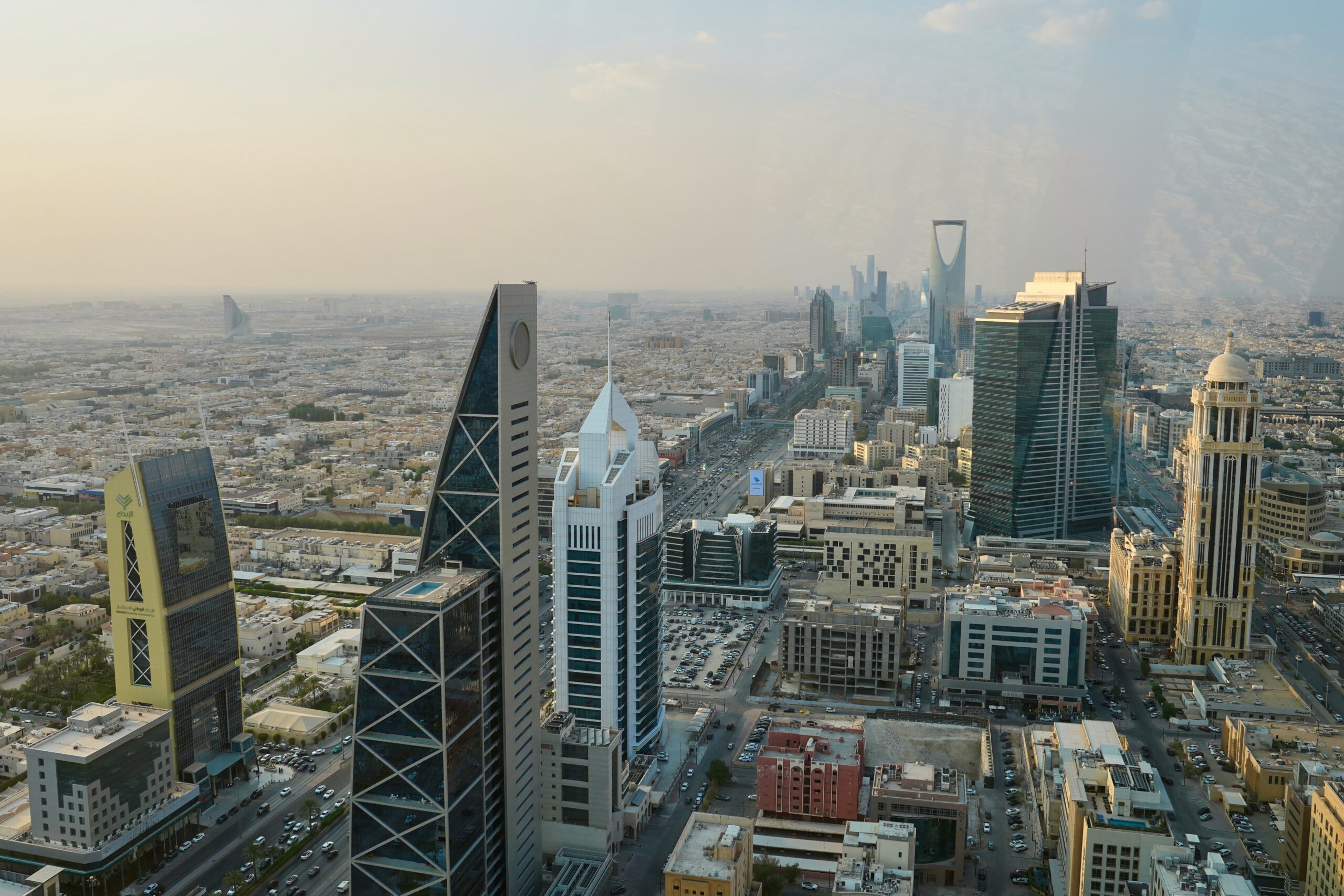
The Saudi Crown Prince Is Gambling Everything on Three Major Experiments

Call it shock and awe. Call it a purge. Call it a clean sweep. However it’s characterized, the mass arrest of some of Saudi Arabia’s most prominent royals, administrators, and tycoons last weekend has completely upended both the structure of the Saudi elite and the country’s way of doing business. It’s not exactly the Night...

Hussein Ibish

2 min read

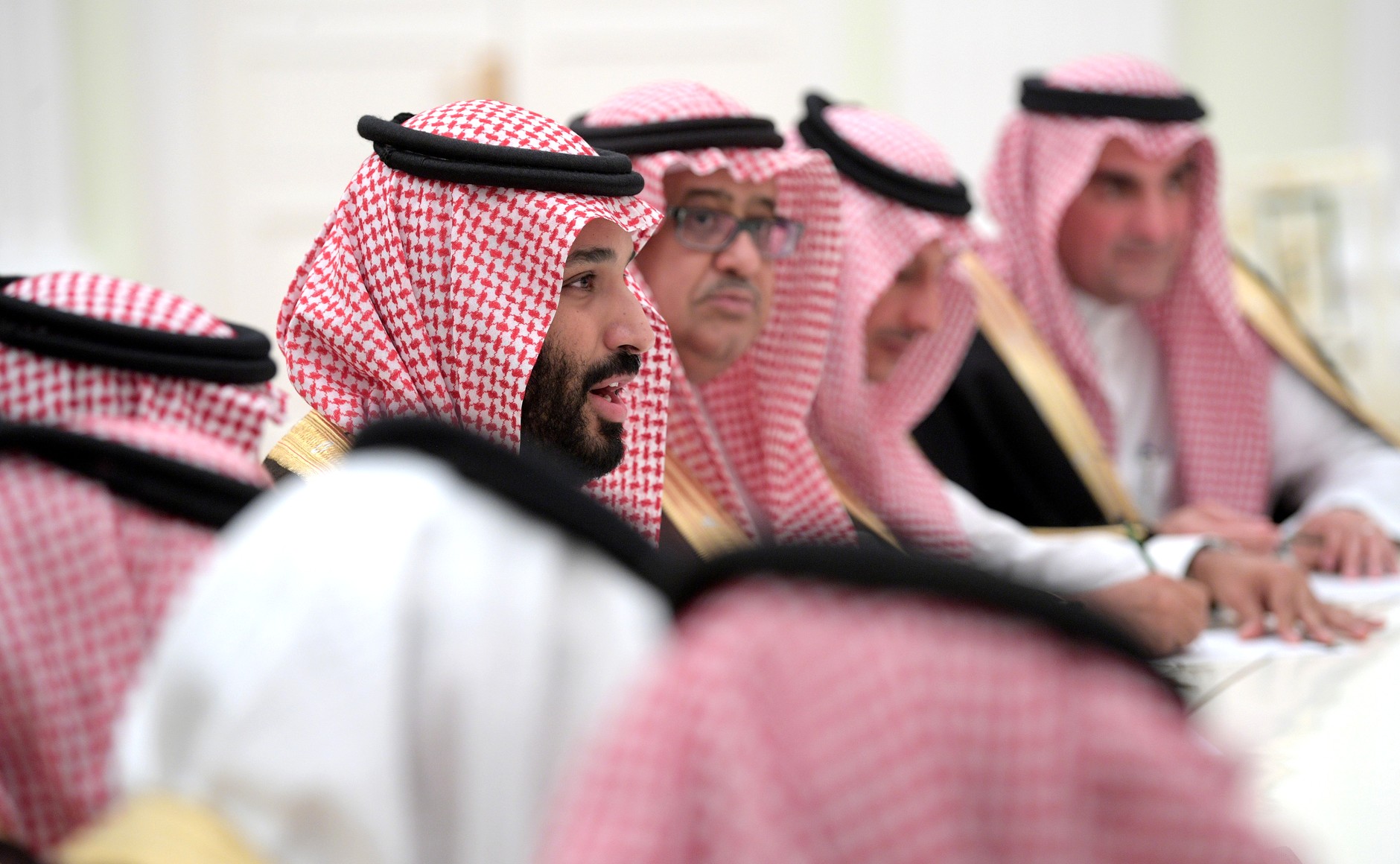
Saudi Crown Prince Mohammed bin Salman

Call it shock and awe. Call it a purge. Call it a clean sweep. However it’s characterized, the mass arrest of some of Saudi Arabia’s most prominent royals, administrators, and tycoons last weekend has completely upended both the structure of the Saudi elite and the country’s way of doing business. It’s not exactly the Night of the Long Knives, as the luxurious Ritz-Carlton hotel in which the detainees are being held is hardly a nightmarish gulag. But it is the latest installment in an astonishingly rapid series of upheavals whereby all power is being concentrated in the hands of elderly King Salman and his 32-year-old son and heir, Crown Prince Mohammed bin Salman, also known as MbS.

If MbS is behaving like any of his predecessors it is King Abdel Aziz ibn Saud, who founded the modern Saudi state in 1932. He is essentially positioning himself as a new Abdel Aziz who will create a new Saudi Arabia for a new era and a new economy. Clearly, he intends to do that by wiping the slate clean and beginning with an overwhelmingly strong hand that brooks no opposition. The purges are being carried out under the rubric of anti-corruption, in a populist spirit and with what appears to be a strong constituency of public support, especially among the youth. The prince is simultaneously implementing his Vision 2030, which includes an emphasis on local tourism and entertainment, and social changes deemed necessary for both modernization and economic diversification, particularly regarding women’s rights like the right to drive.

Read the full article on The Atlantic.

The views represented herein are the author's or speaker's own and do not necessarily reflect the views of AGSI, its staff, or its board of directors.

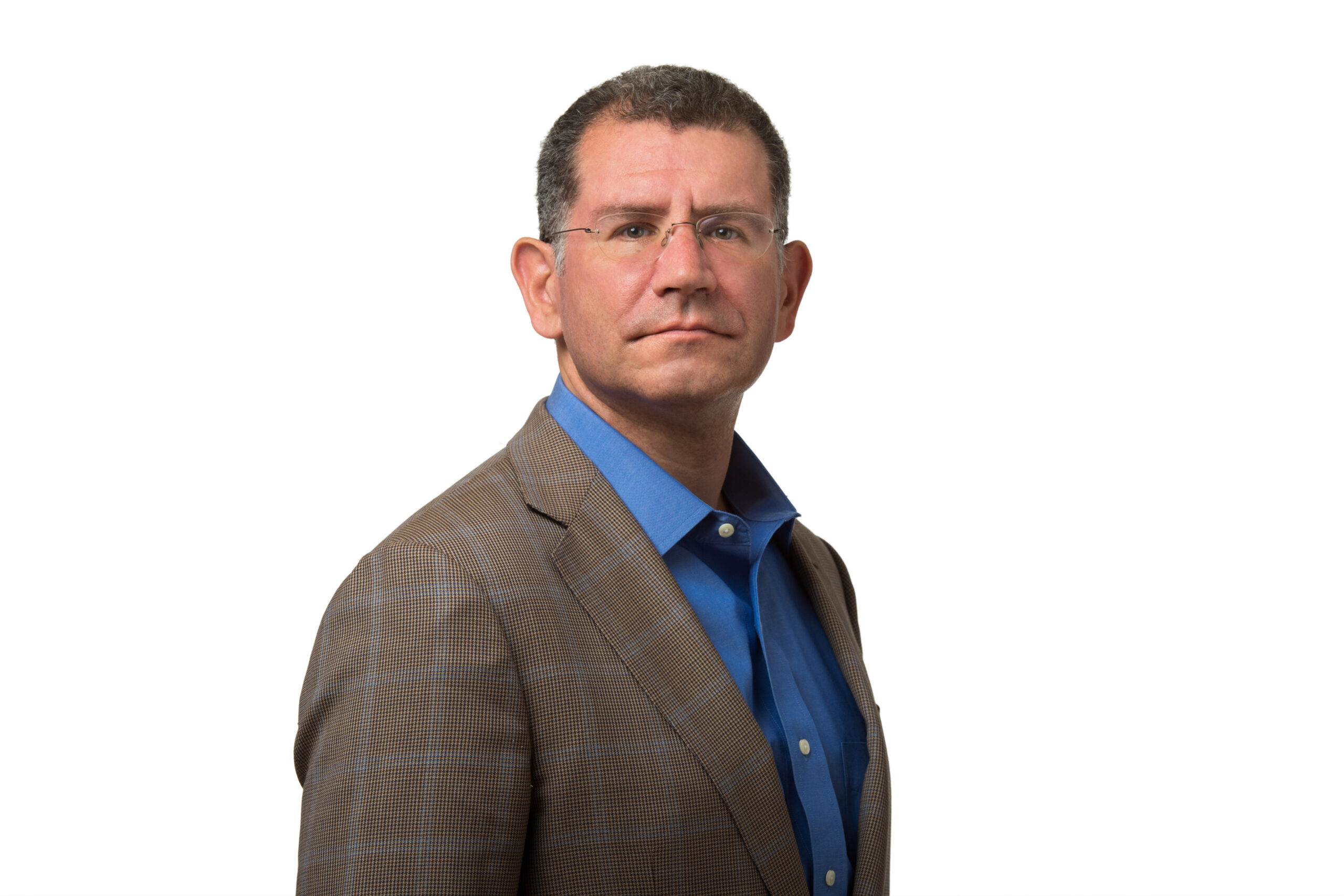
Hussein Ibish

Senior Resident Scholar, AGSI

Analysis

Israeli Politics Can’t Address International, Especially Saudi, Concerns

Policies that prevent Saudi Arabia from pursuing diplomatic normalization and are fueling alienation in large parts of the West seem to reflect a Jewish consensus in Israel.

Hussein Ibish

16 min read

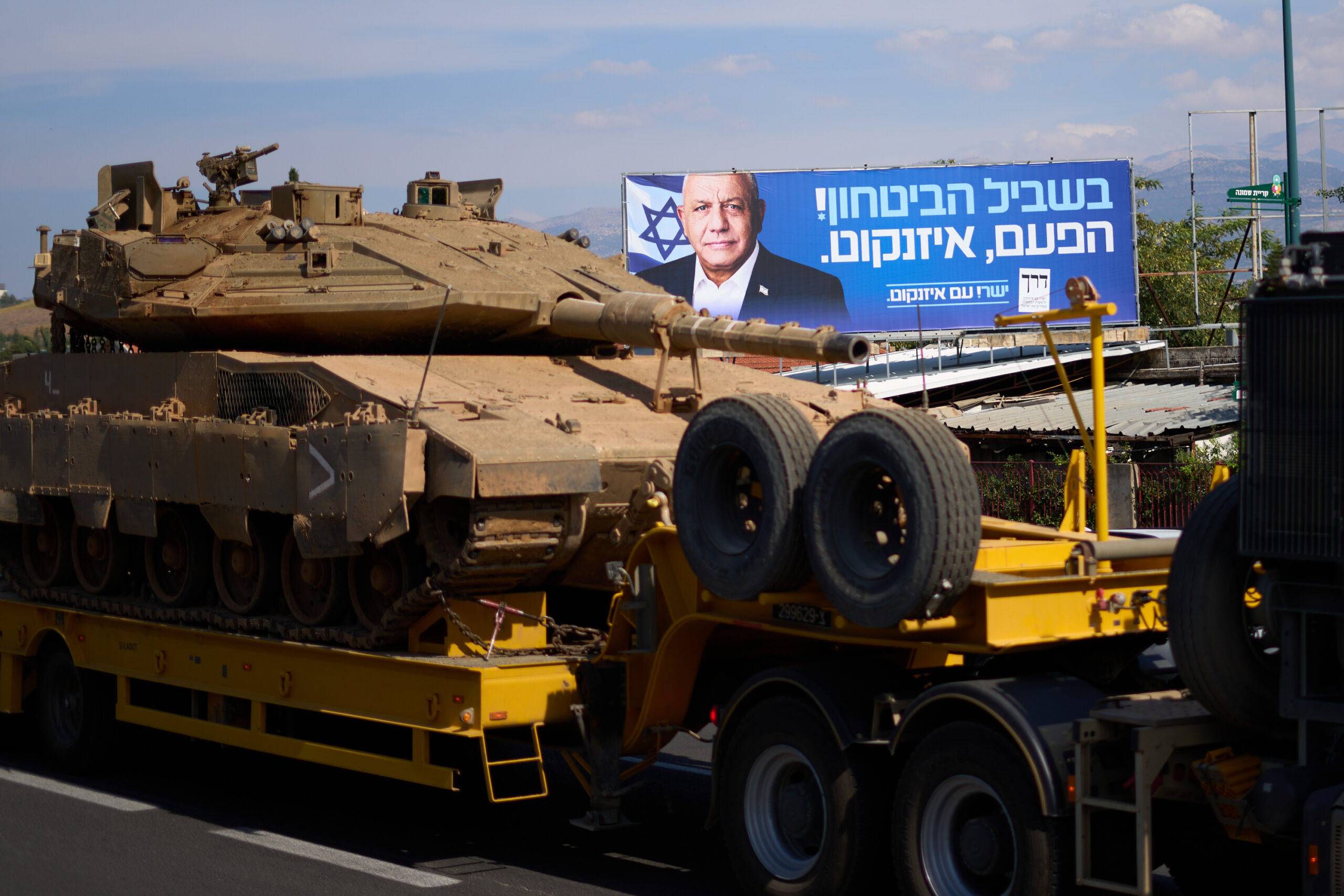
A tank mounted on a military truck passes an election campaign poster featuring Gadi Eisenkot, leader of the centrist Yashar party, in Kiryat Shmona, near the border with Lebanon in northern Israel, October 20. (AP Photo/Ariel Schalit)

Trump’s Impossible Dilemma: Return To War With Iran or Not?

President Trump has led the United States into an impossible dilemma in which resuming and intensifying the war presents one set of alarming consequences while ending it under current circumstances offers at least as many disasters for Washington.

Hussein Ibish

20 min read

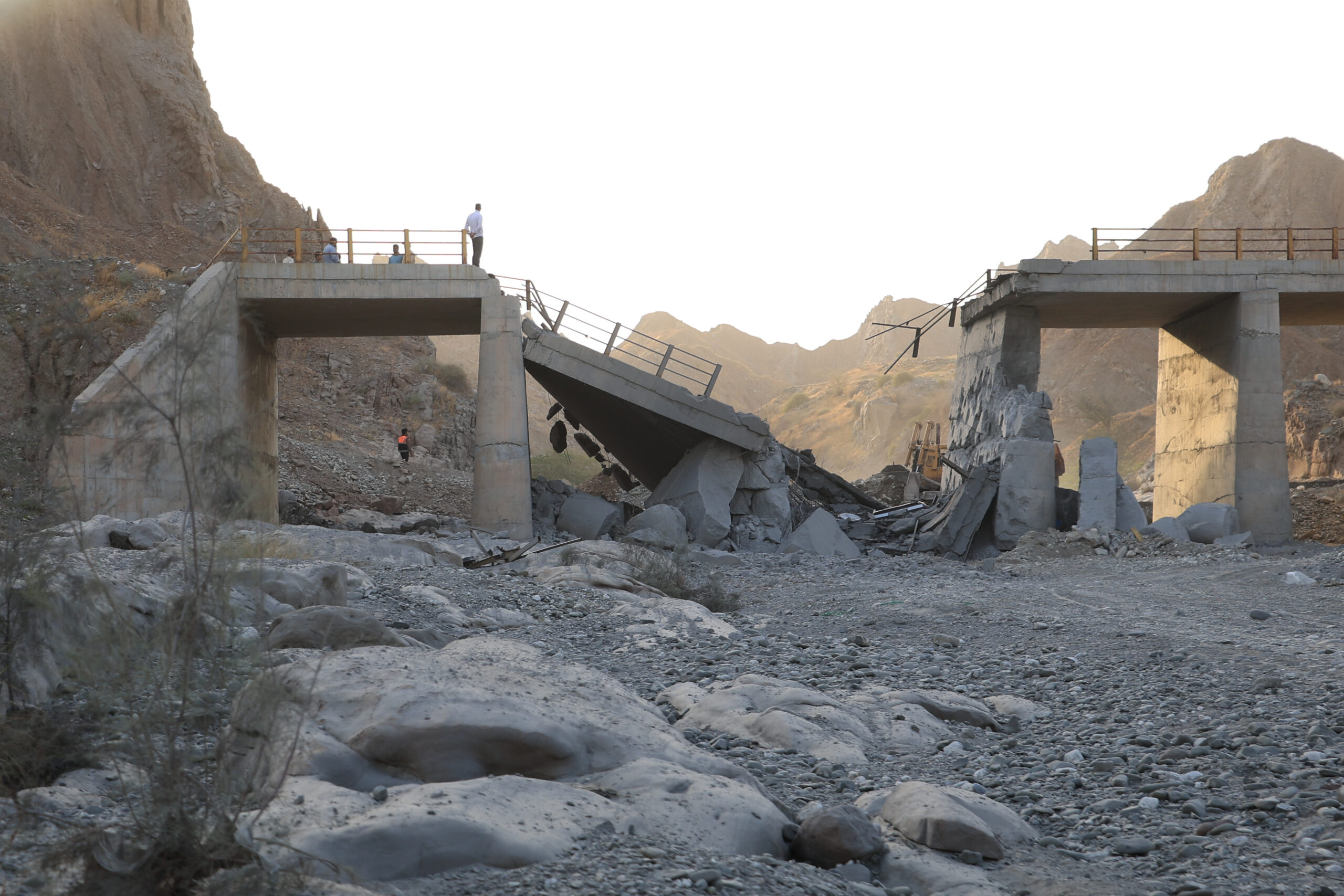
People stand on a bridge destroyed after a strike in Hormozgan province, southern Iran, July 18. (Amirhosein Khorgooi/Iranian Students' News Agency via AP)

Will “Hormuz” be the American “Suez”?

The Trump administration has positioned the United States at a crossroads between a new regime of containment against Iran or a historic drawdown of U.S. influence in the Gulf and broader Middle East.

Hussein Ibish

18 min read

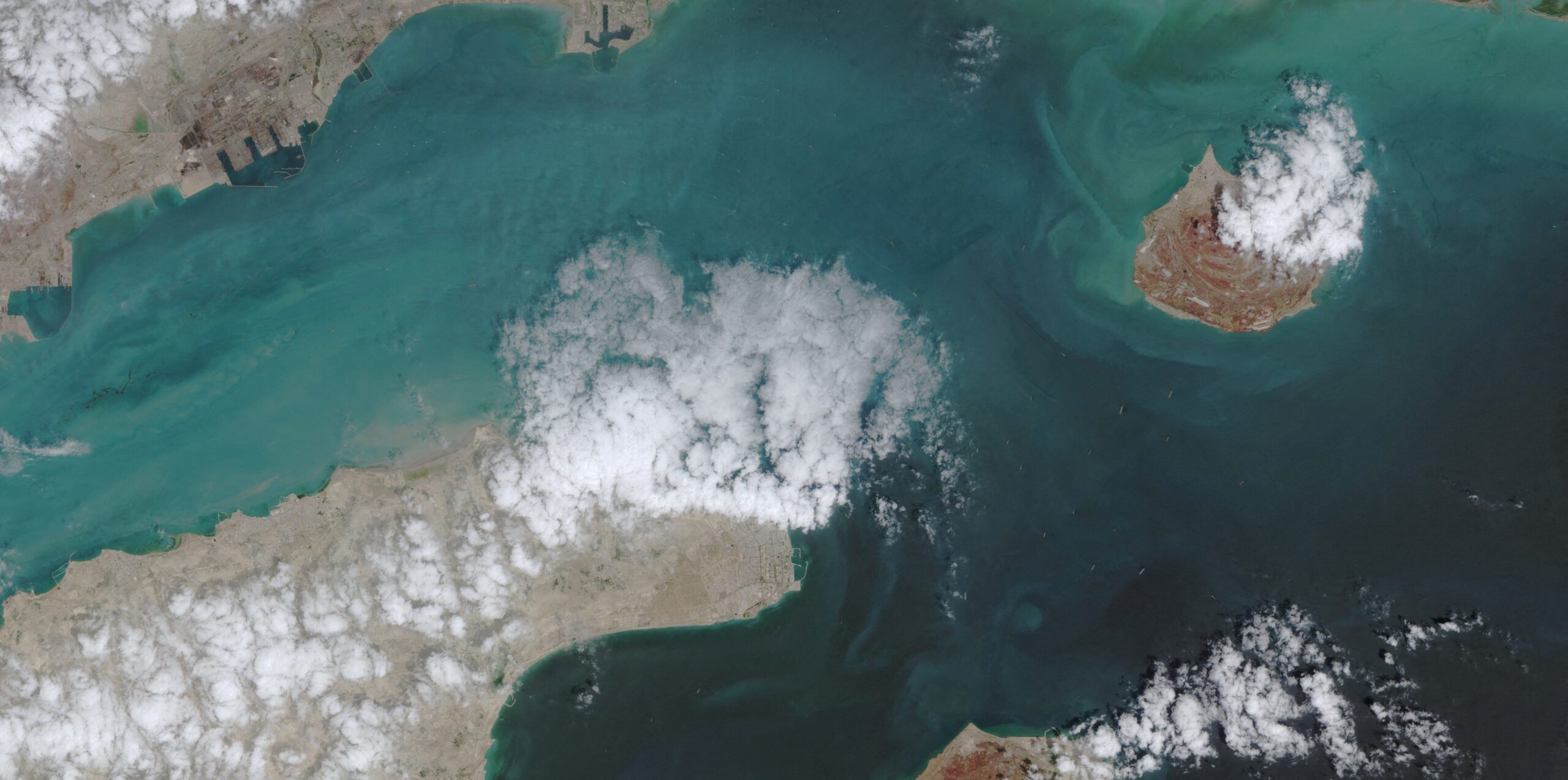
A satellite image shows the Strait of Hormuz, April 17. (EUROPEAN UNION/COPERNICUS SENTINEL-2/Handout via REUTERS)

Why Saudi Arabia and the UAE Are Urging Trump to Continue a War They Did Not Want

Riyadh and Abu Dhabi urged President Trump not to attack Iran, but now that the war is into its second month, leaving the current situation in place would be an unthinkable fiasco for them.

Hussein Ibish

8 min read

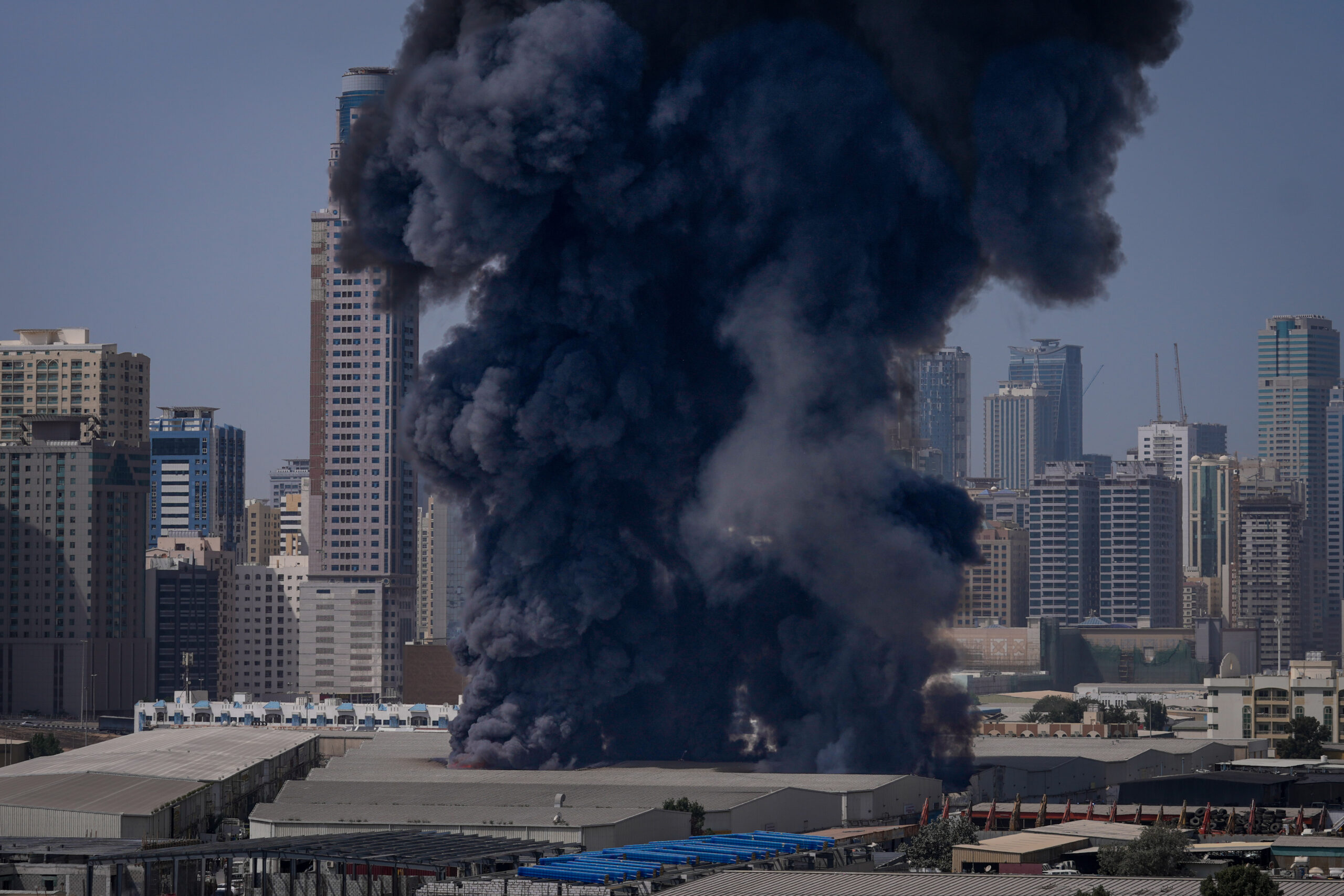
A black plume of smoke rises from a warehouse at the industrial area of Sharjah in the United Arab Emirates, March 1. (AP Photo/Altaf Qadri)
View All

Events

Nov 12, 2026

Israel’s Next Government and the Future of Relations With the Gulf

On November 12, AGSI will host a discussion on Israel's elections and the prospects for Israel's relations with the Gulf.

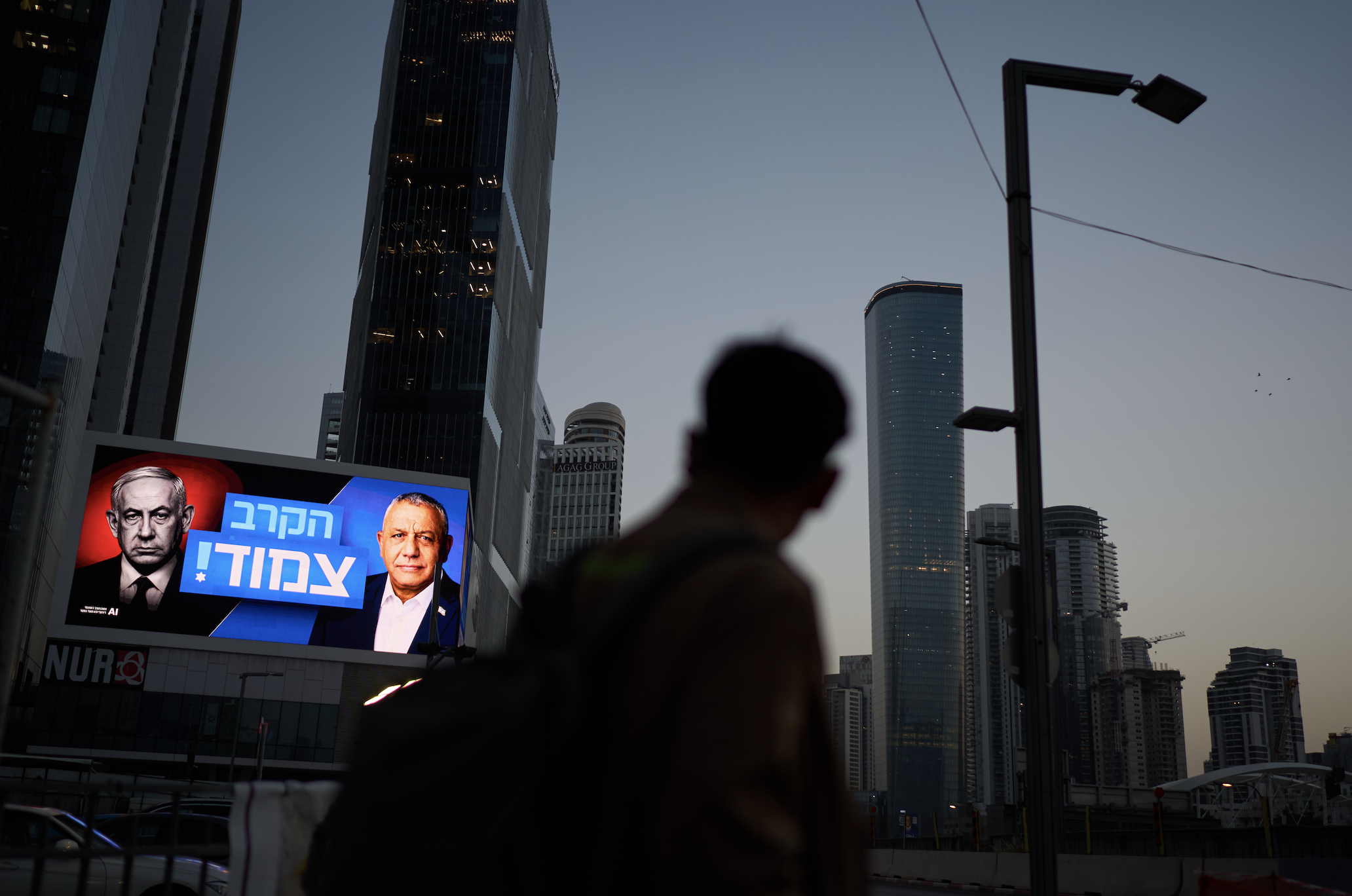
A pedestrian passes a campaign billboard featuring Israeli Prime Minister Benjamin Netanyahu, left, and his main rival, opposition candidate Gadi Eisenkot, with a message in Hebrew that reads "The race is tight," October 23, in Tel Aviv, Israel. (AP Photo/David Goldman)

Nov 10, 2026

The New Wave in Washington: Navigating the Post-Midterm Landscape for Gulf-U.S. Relations 

On November 10, AGSI hosted a discussion on U.S.-Gulf relations after the midterm elections.

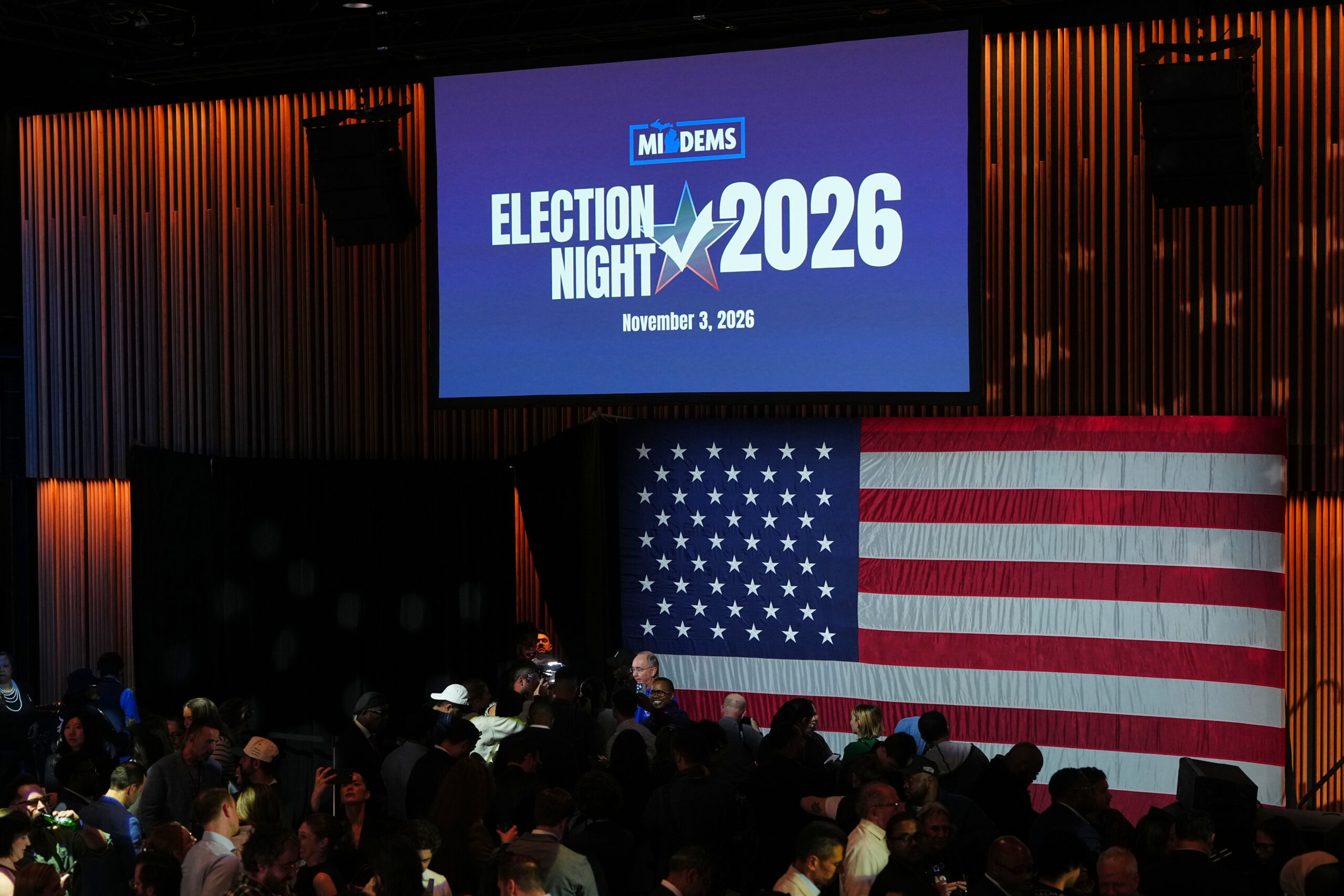
People arrive to watch results before Michigan Democratic Senate candidate Abdul El-Sayed arrives at a Michigan Democratic Party election night event, November 3, in Detroit, Michigan. (AP Photo/Julia Demaree Nikhinson)

Nov 4, 2026

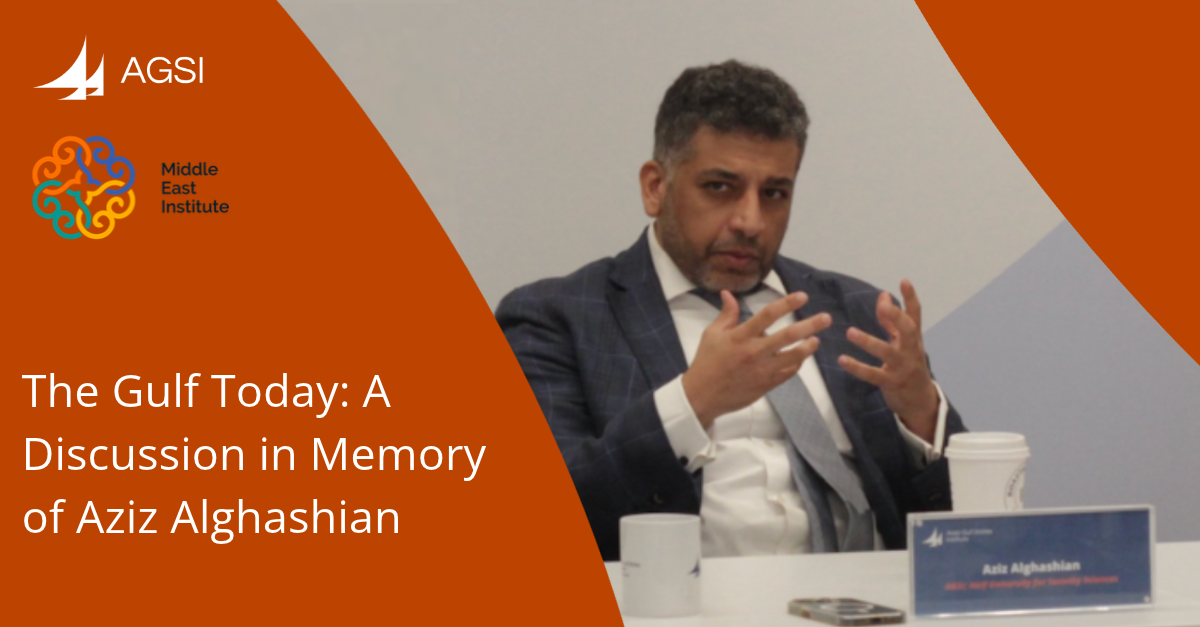
The Gulf Today: A Discussion in Memory of Aziz Alghashian

On November 4, AGSI and the Middle East Institute co-hosted a discussion on the state of the Gulf region.

Oct 28, 2026

Is the Houthi-Saudi Conflict the Start of a Broader Regional War?

On October 28, AGSI hosted a discussion on the connection between the Houthi-Saudi conflict and the Iran war.

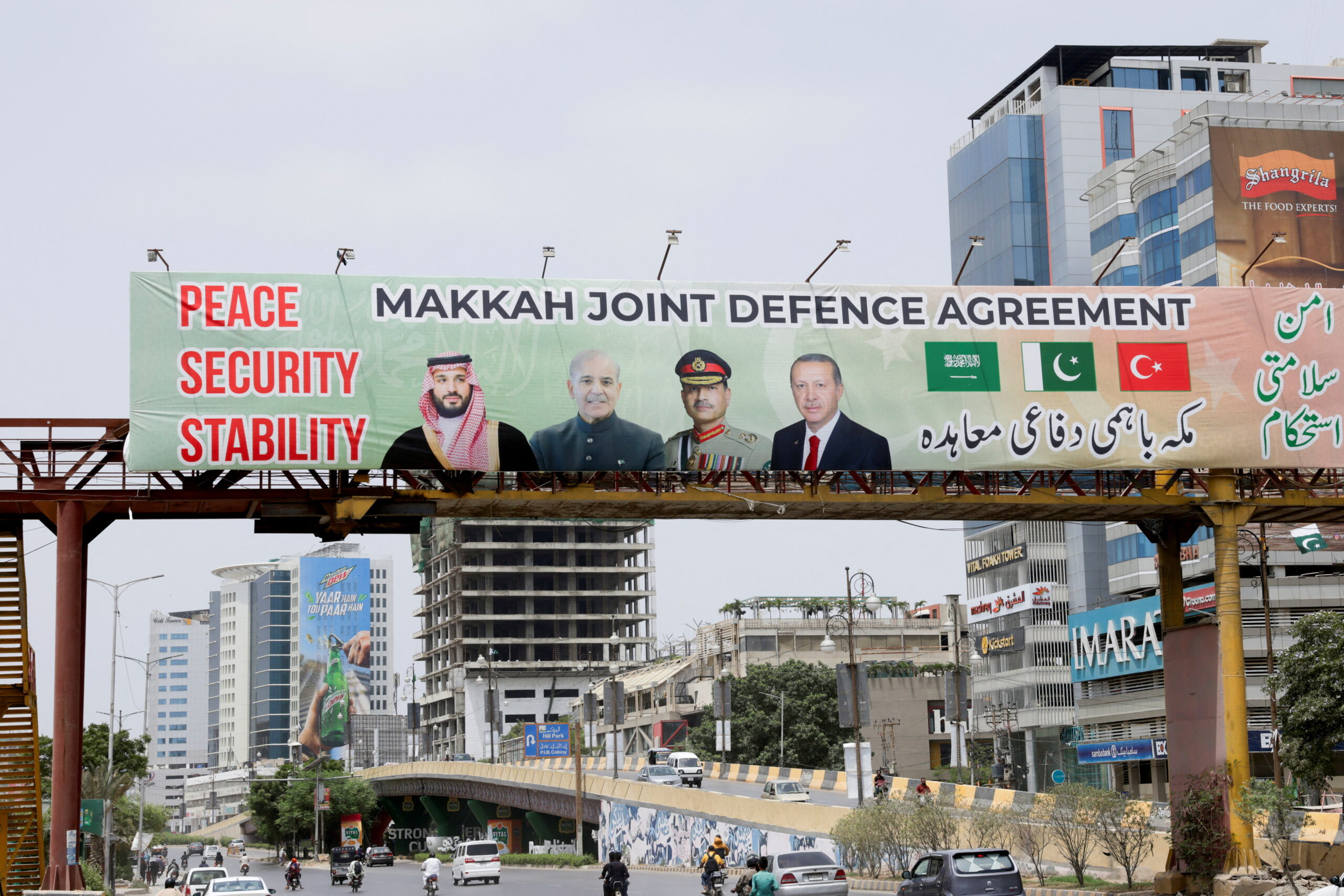
A billboard displays portraits of Saudi Crown Prince Mohammed bin Salman, Pakistani Prime Minister Shehbaz Sharif, Pakistan's army chief, Field Marshal Asim Munir, and Turkish President Recep Tayyip Erdogan following the signing of the Mecca Joint Defense Agreement, in Karachi, Pakistan, August 9. (REUTERS/Akhtar Soomro)
View All